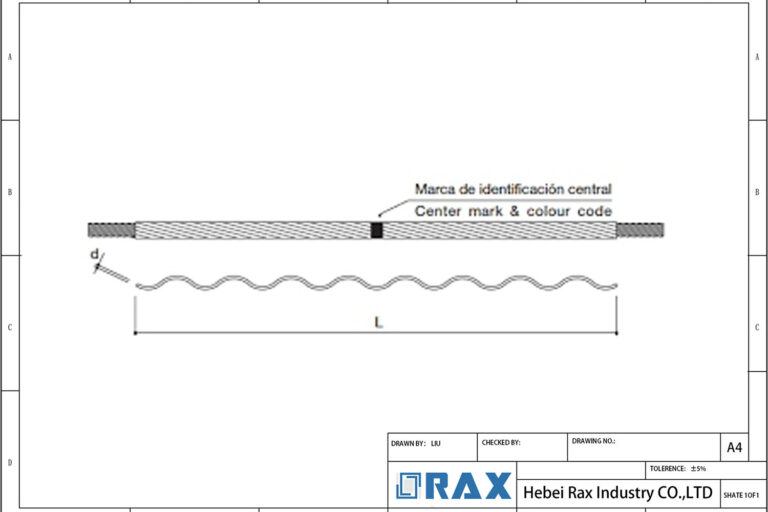
Armour Rod Drawing

Mastering Armour Rod Suspension: A Customer’s Guide

Transmission lines don’t fail because of gravity; they fail because of fatigue. Aeolian vibration eats away at conductor stress points, turning a billion-dollar asset into a liability in under a decade. Rax Industry’s analysis of field failures confirms that ignoring this micro-vibration at suspension clamps is the primary cause of premature conductor downtime. Properly specified…
Read more

Armor Grip Suspension: The Ultimate Customer Guide

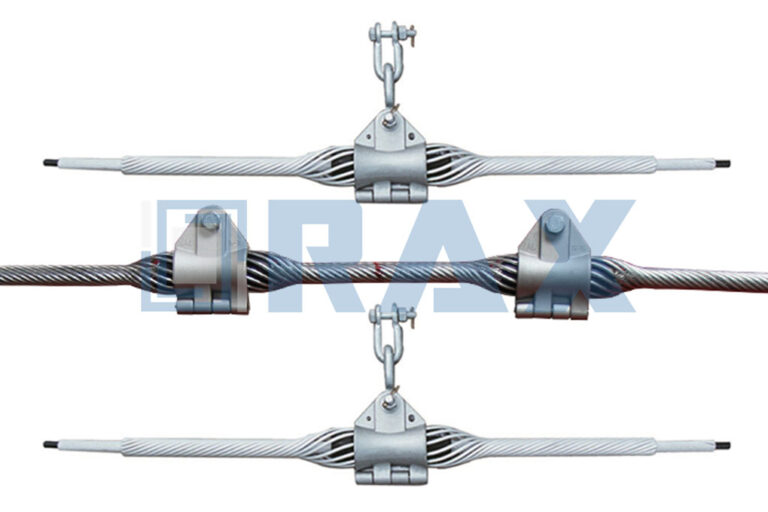
Standard suspension clamps concentrate stress on a single contact point, which inevitably crushes the outer sheath of ADSS cables or accelerates fatigue in OPGW strands. The armor grip suspension clamp solves this by using preformed armor rods that wrap around the cable to distribute mechanical loads evenly. This design prevents the localized damage that leads…

Read more
arrowhead anchors Evaluate the Soil and Ground

Field Application Guide for Arrowhead Anchors

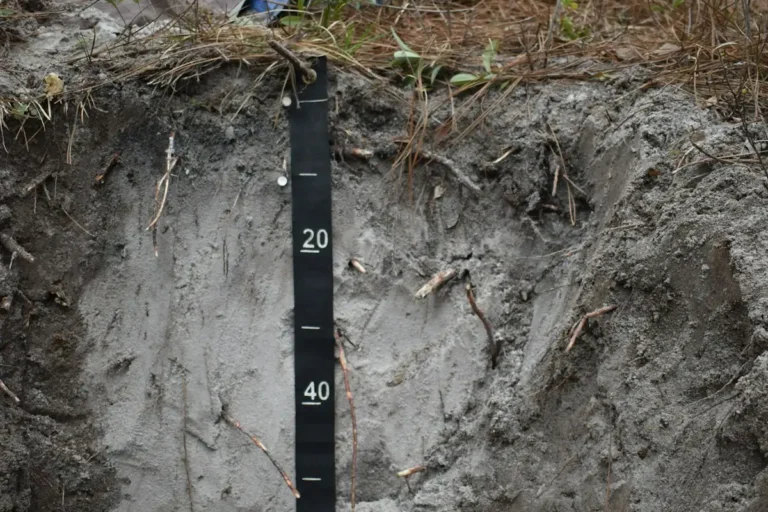
Arrowhead anchors solve the hold-down failures that plague projects in hardpan and rocky soils where standard friction anchors simply pull out. The mechanical toggle action—where the anchor rotates perpendicular to the pull direction after installation—engages undisturbed soil to create a resistance cone that outperforms mass-based holding. We tested the geometry and galvanizing consistency of these…

Read more
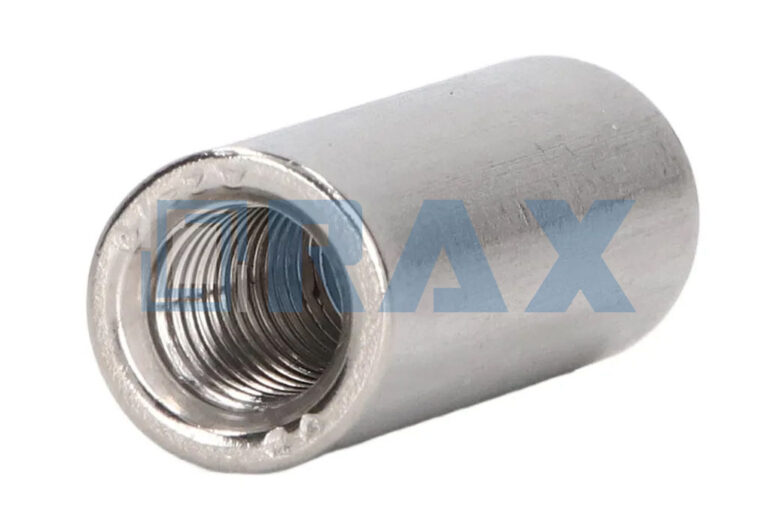
Anchor Rod Coupler

Anchor Rod Coupler Tolerances Prevent Structural Failure

Structural failure in deep soil anchoring rarely stems from rod breakage. It usually happens when loose tolerances allow micro-movements that turn a secure mechanical connection into a fatigue hazard. A single anchor rod coupler must manage full tensile loads without slippage, meaning the internal thread geometry is far more critical than the external casing. Our…

Read more
astm a473 clevises ASTM A473 Clevises: Key Manufacturing Standards & Specs

ASTM A473 Clevises: Key Manufacturing Standards & Specs

ASTM A473 is frequently confused with a dimensional specification in project bid packets, but it strictly governs the chemical and mechanical properties of stainless steel forgings. Using astm a473 clevises without verifying the specific grade designation—typically 316 stainless steel per Designation A—creates a compliance risk on coastal or heavy-industrial sites. The material chemistry dictates corrosion…

Read more
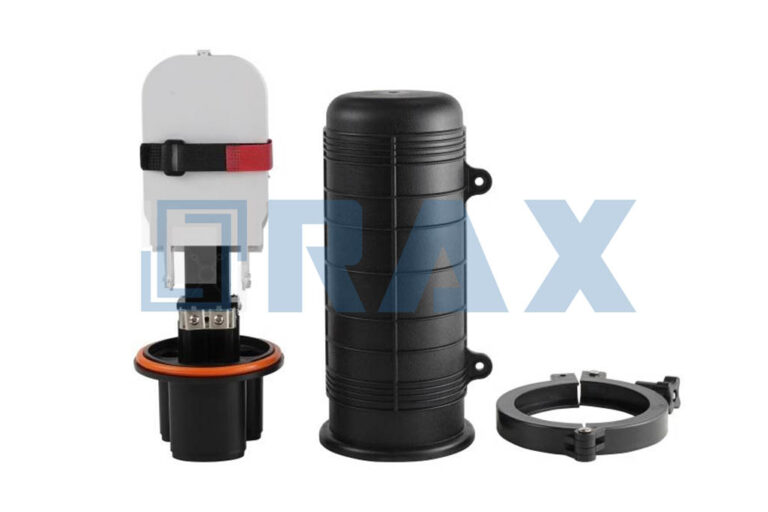
Cross Connect Closure

5 Key IP Selection Rules for Cross Connect Closure

Engineers often treat IP65 as the default for outdoor fiber deployments, assuming basic dust protection is sufficient. This assumption leads to premature failures in humid or submerged environments where moisture ingress destroys splice integrity. A single compromised seal renders the entire closure useless regardless of its internal splice capacity. We analyzed COYOTE Cross-Connect Closure performance…

Read more

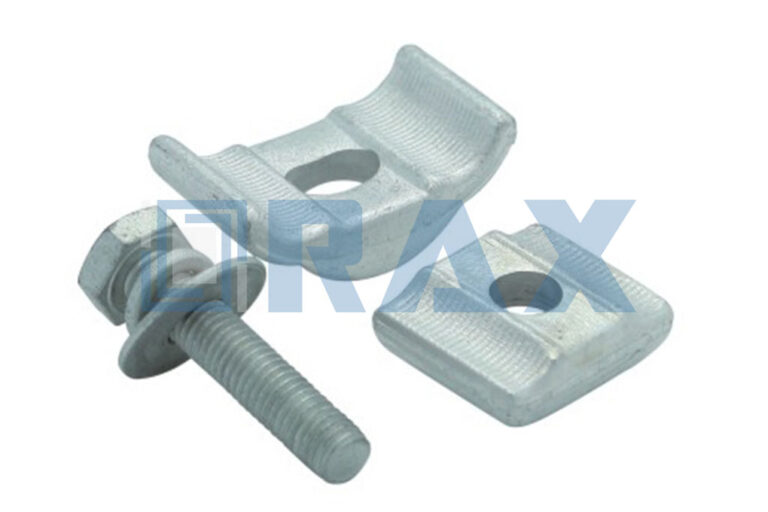
Parallel Groove Clamp or Compression Lugs?

Engineers often treat the choice between a parallel groove clamp and compression lugs as a simple vendor preference, but that assumption causes failures. A single improperly torqued bolt in a mechanical connector creates micro-arcing that corrodes the joint from the inside out within months. This risk is why technical specification engineers must understand the exact…

Read more

Carbon Steel vs Galvanized Pole Line Fasteners

Pole line fasteners are the critical interface between your utility hardware and the pole itself, yet procurement teams frequently conflate material strength with surface corrosion resistance. Most engineering specs default to hot-dip galvanizing for its robust protection against environmental decay, but this finish comes with a specific metallurgical trade-off that often catches EPC engineers off…

Read more