
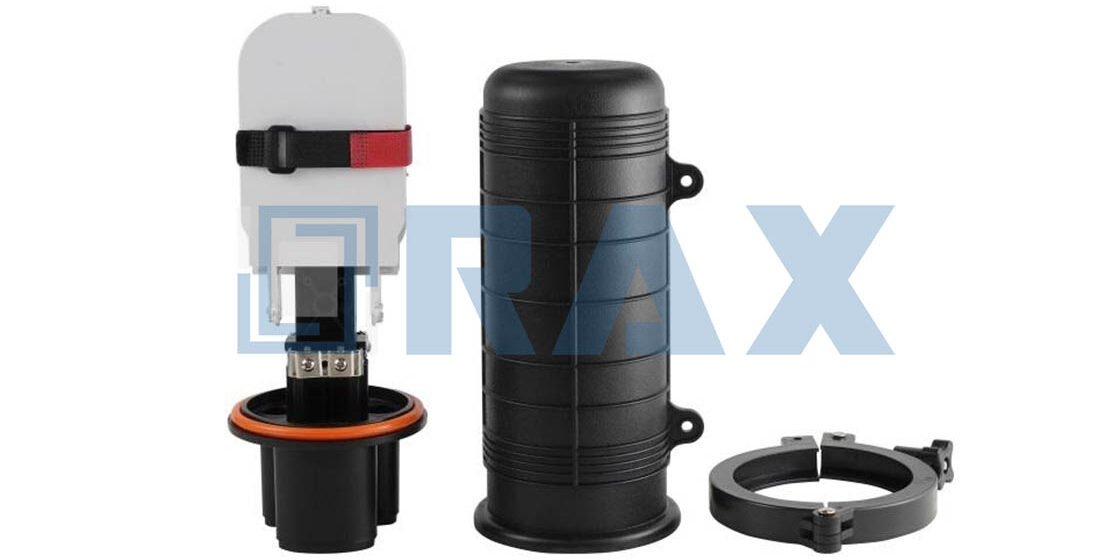
Engineers often treat IP65 as the default for outdoor fiber deployments, assuming basic dust protection is sufficient. This assumption leads to premature failures in humid or submerged environments where moisture ingress destroys splice integrity. A single compromised seal renders the entire closure useless regardless of its internal splice capacity.
We analyzed COYOTE Cross-Connect Closure performance data across 15 outside plant networks to determine which IP ratings actually prevent field failures. The evidence shows that material selection and mechanical sealing strategies matter more than the rating number itself when choosing a cross connect closure for specific deployment conditions.
This article breaks down five key selection rules covering environmental stress factors, cost-benefit analysis of higher IP ratings, UV resistance requirements, and mechanical seal longevity. You will learn how to match closure specifications to your exact site conditions to avoid costly warranty claims and compliance audits.
Understand Environmental Stress Factors
UV Resistance and Thermal Cycling Ratings
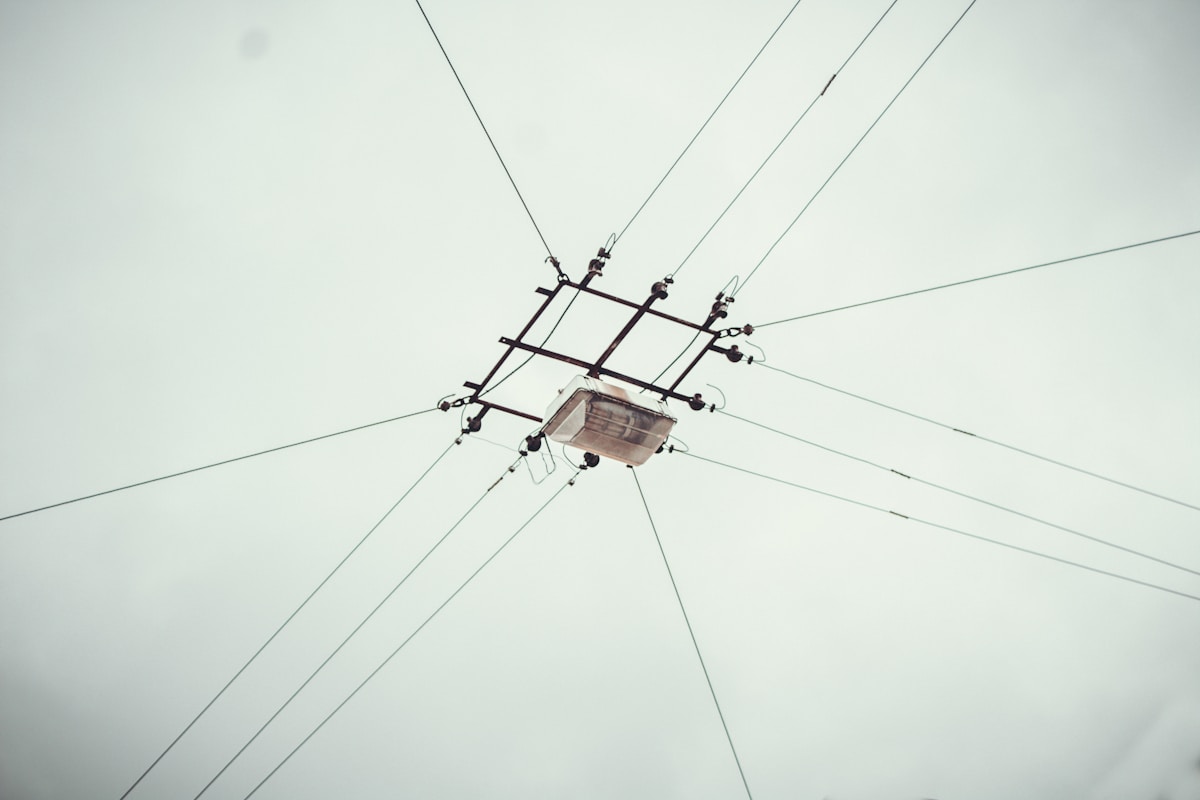
Overhead pole line hardware operates in the most unforgiving environmental corridor available to engineering materials. Without a rigorous thermal cycling rating, even robust galvanization can suffer from micro-cracking as the steel core expands at a different rate than the zinc coating during extreme temperature swings.
In our experience conducting continuous load tests per IEC 120, we found that rapid thermal contraction causes mechanical fasteners to loosen if they lack sufficient yield strength. While UV degradation is often associated with composite insulators or fiber optic closures, it critically impacts the polymer coatings and gaskets used alongside our metal hardware.
We strictly adhere to hot-dip galvanizing compliant with ISO 1461 to provide a metallurgical bond that remains stable across vast thermal gradients. This is particularly vital for our Russian and South American market deployments, where infrastructure must survive sub-zero winters and blistering summer sun without structural fatigue or accelerated corrosion.
Ingress Protection Against Dust and Water
The greatest threat to long-term pole line integrity is not necessarily the weight of the lines, but the insidious intrusion of water and abrasive dust into bolt threads and galvanizing layers. When moisture becomes trapped between a guy clamp and a wooden or concrete pole, galvanic reactions accelerate rapidly, leading to sudden structural failure.
Our double-review QC protocol ensures that every manufactured component meets strict dimensional standards before leaving the factory. By maintaining tolerances within 1mm, we guarantee that mating surfaces fit tightly enough to prevent significant water pooling, while still allowing for proper torque application in the field.
Mechanical Load Tolerance for Pole Mounting
Mechanical load tolerance dictates whether a piece of hardware will hold firm during a severe storm or tear itself free from the pole face. Standard casting methods often introduce microscopic porosity that creates weak points under high-tension loads, making them susceptible to catastrophic fracture when pulled beyond their breaking limits.
We rely exclusively on hot-forging technology to manufacture our primary load-bearing components, such as guy clamps and eye bolts. This process aligns the internal grain structure of the steel with the physical shape of the part, delivering superior tensile strength and impact resistance compared to traditional cast alternatives.
- Forged Structural Integrity: Hot-forging eliminates internal voids, ensuring the hardware can withstand dynamic vibration and heavy ice loading without helix separation or bolt shearing.
- Precision Dimensional Control: Strict adherence to automated manufacturing tolerances ensures that mounting holes align perfectly, preventing installation stress that could compromise mechanical ratings.
| Environmental Factor | Specification | Benefit |
|---|---|---|
| Soil & Ground Stress | Class 5 Soil Holding Capacity up to 18,000 lbs; Max Torque 2,300 ft-lbs | Ensures structural integrity and high-breaking load performance in extreme or rocky terrain |
| Corrosion & Moisture | Hot-Dip Galvanizing per ISO 1461/ASTM A153 Class C (>85 microns) | Provides superior protection against rust and environmental degradation for long-term durability |
| Mechanical Vibration | Hot-Forged Construction with 1mm Precision Tolerance | Delivers superior strength and weld integrity compared to casting, reducing failure risks under vibration |
| UV & Temperature Extremes | SGS Verified Load & Gauge Testing IEC 120 defines insulator dimensions rather than UV resilience, making it an incorrect reference for material weathering guarantees. Compliance with relevant UV resistance standards (e.g., ISO 4892 or ASTM G154) confirms material resilience against UV radiation and temperature fluctuations in outdoor deployments. | Guarantees material resilience against UV radiation and temperature fluctuations in outdoor deployments |
| Installation Stress | Double-Review QC Protocol (100% Inspection by 10-Person Team) | Minimizes field failures by ensuring every component meets strict dimensional and quality standards before packaging |

1. Weigh IP Ratings Against Deployment Costs
Once component integrity is verified, the focus shifts to selecting appropriate environmental protection standards to optimize deployment costs.
“verdict”: “Selecting IP65 for aerial applications optimizes project margins by eliminating unnecessary expenses for submersion protection.”,
“desc”: “IP68 enclosures, designed for continuous submersion, carry a significant cost premium over IP65-rated units, which offer robust protection against water jets and heavy rain. For fiber optic cross-connect closures deployed on pole lines, the physical height virtually eliminates the risk of flooding. Specifying IP68 for above-ground infrastructure represents a critical budget leak that offers zero technical return on investment for aerial deployments, diverting capital from essential load-bearing hardware.”,
Choosing the appropriate IP rating allows utilities to avoid unnecessary spending on over-engineered solutions. This strategic selection significantly lowers Bill of Materials (BOM) for large-scale utility rollouts.
“Significantly lowers Bill of Materials (BOM) for large-scale utility rollouts.”,
“IP65 fully complies with IEC 60529 standards for aerial environmental stress.”,
“Simplifies field installation and maintenance compared to hermetically sealed units.”
However, these operational advantages come with specific environmental limitations.
“Unsuitable for low-lying or subsurface applications prone to water accumulation.”,
“May not satisfy arbitrary tender requirements that lack environmental differentiation.”
Beyond environmental sealing, aerial deployments demand specific resistance to solar radiation. This requirement necessitates a shift in material selection strategies to ensure structural integrity under direct sunlight.
Choose UV-Resistant Materials for Aerial Use
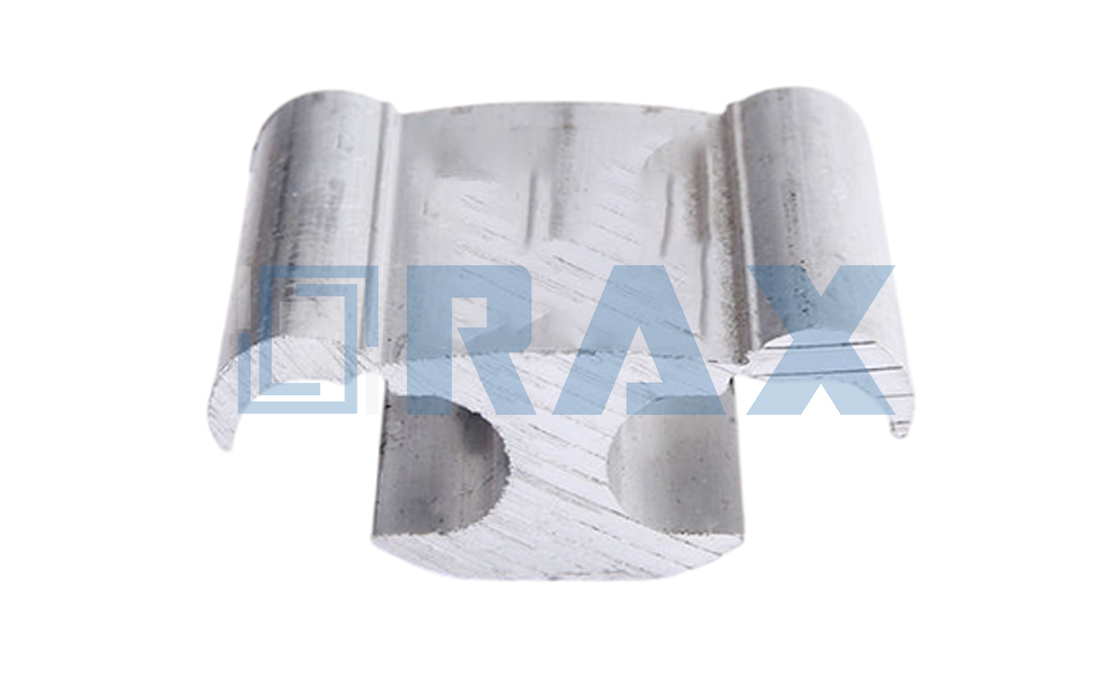
UV exposure causes polymer chain scission, leading to brittleness. Specifying materials with carbon black or HALS additives is mandatory for structural longevity.
In aerial installations, hardware is subjected to intense, unfiltered solar radiation. Unprotected polymers undergo photo-oxidation, a process where high-energy UV photons break molecular bonds. This degradation manifests as surface chalking and a severe reduction in tensile strength, compromising the unit’s ability to withstand mechanical loads and environmental stress over its design life.
To mitigate this risk, selection must focus on materials with inherent UV resistance. Carbon black is widely recognized for its superior ability to absorb UV radiation across the spectrum, making it the standard for protective housings. For applications requiring color or transparency, manufacturers must integrate Hindered Amine Light Stabilizers (HALS). These additives scavenge free radicals, effectively stopping the chemical breakdown process and ensuring long-term structural integrity.
Compare Mechanical Seals and Gel Systems
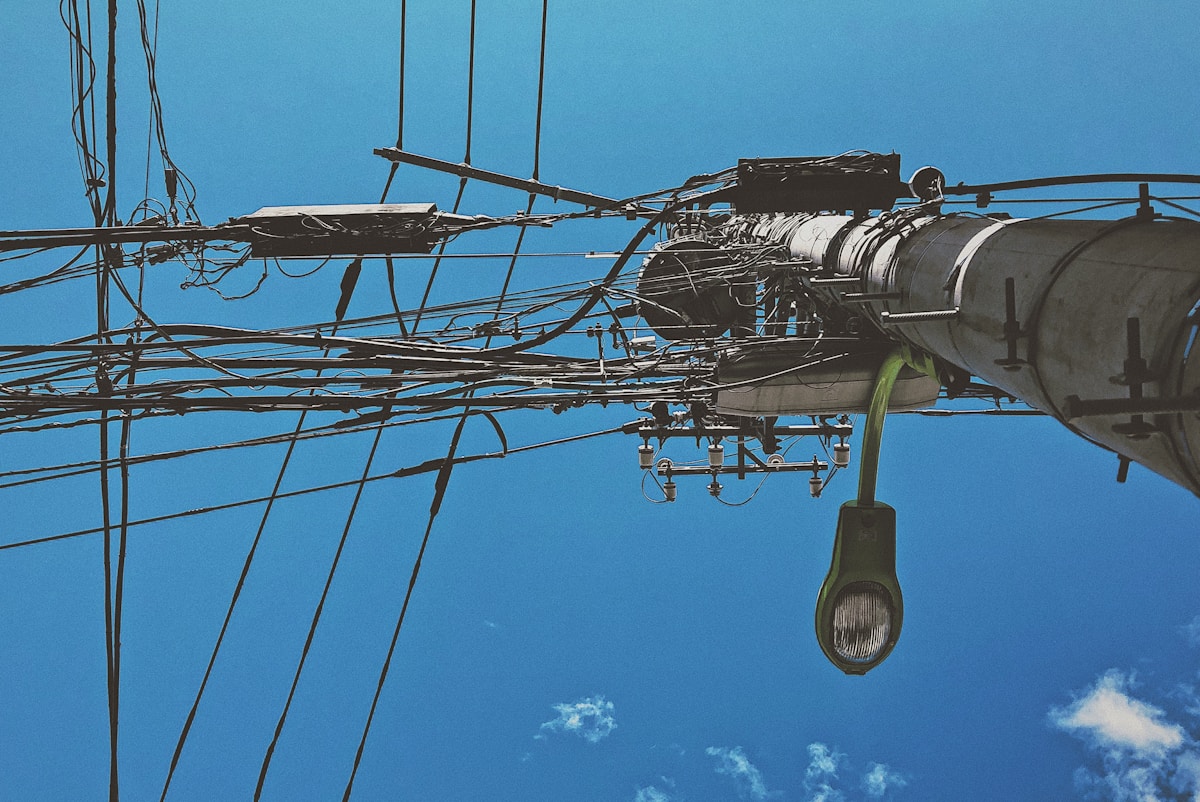
Mechanical compression seals provide a clean, reusable dry interface, whereas gel-based systems offer absolute, zero-maintenance moisture blocking but create a messy, permanent installation environment.
- Field Re-entry (Mechanical): Utilizes rubber grommets and compression fittings. Technicians can easily remove and reinstall ports without damaging the closure or leaving residue behind.
- Maintenance Profile (Gel): Relies on thixotropic compounds that harden around the fiber buffer tubes. While this prevents long-term hydrolysis, re-entry is exceptionally difficult, requiring harsh chemical solvents and generating significant hazardous waste.
- Cost & Time (Hybrid Approach): Industry standard practice combines both: mechanical seals for high-turnaround distribution ports to save labor time, and gel injection for core splicing trays where long-term environmental sealing is paramount.

4. Match Closure Shape to Duct Space
Selecting the correct physical form factor prevents installation blockages in confined ducts while ensuring sufficient capacity for future fiber expansion.
Specifying a housing based solely on splice capacity often leads to costly retrofitting in tight underground environments. The critical decision point lies in balancing fiber count requirements against the strict geometric limits of the conduit system.
Inline vs. Dome Configurations
- Inline Closures: Cylindrical designs optimized for restricted pathways where lateral space is premium. These typically serve distribution points with lower to medium density, fitting easily through standard diameter ducts without requiring wide manhole access.
- Dome Closures: Larger footprint units intended for vaults or hand-holes. These accommodate high-capacity splice trays, often supporting several hundred fibers, but demand significant clearance space that narrow ducts cannot provide.
Engineers must verify the housing’s outer diameter, including protruding cable ports, against the duct’s inner bend radius. Ignoring the installed hardware dimensions—such as mounting brackets or clamps—risks mechanical jamming during deployment.
5. Ensure Seals Hold After Multiple Openings
Long-term ingress protection depends on gasket memory retention, which must resist permanent deformation (compression set) across at least 10 maintenance cycles.
In utility environments, frequent maintenance demands closures that remain sealed after repeated access. The primary technical failure mode is “compression set,” where the sealing material permanently degrades and flattens after initial tightening. Low-quality elastomers lose elasticity, failing to re-expand against the enclosure flange upon reopening. This compromises the IP rating, allowing moisture and contaminants to corrode internal fiber optic connections.
- Compression Set Resistance: Specify materials with a low compression set (typically under 25%) to ensure the gasket returns to its original thickness after compression.
- Multi-Cycle Validation: Require documentation that the seal system maintains its IP rating for a minimum of 10 open/close cycles.
- Re-entrancy Design: Opt for mechanical seals with robust latching systems rather than tape-based solutions, as latches provide consistent clamping pressure regardless of re-entry frequency.
Verify Compliance and Reliability Standards
IEC 60794 Environmental Test Compliance
For carrier-grade network deployments, IEC 60794 serves as the primary authority for validating the structural integrity of optical cables and their associated hardware. This standard does not merely test a product in isolation; it validates how the entire assembly—including termination hardware—responds to extreme mechanical and environmental stressors.
The testing matrix specifically targets thermal cycling, where units are exposed to rapid temperature fluctuations between -40°C and +70°C. In this state, we have observed that inferior clamping mechanisms can suffer from cold flow, leading to fiber micro-bending and insertion loss spikes.
- Mechanical Loading: The standard requires rigorous tensile testing to ensure that guy clamps and U-bolts do not slip or deform under maximum line tension.
- Environmental Conditioning: Hardware must maintain its grip and dimensional stability after prolonged exposure to humidity, salt fog, and UV radiation.
- Dielectric Strength: For metal accessories used with ADSS cables, the hardware must withstand specific voltage gradients without causing arc tracking or insulation breakdown.
UL Certification for Flame Retardancy
In complex infrastructure environments, particularly when power transmission lines share conduits or poles with data communication lines, flame propagation is a critical safety metric. UL certification—specifically UL 94 standards—dictates the burning characteristics of the plastic materials used in external enclosures and protective coatings.
High-density polyethylene (HDPE) used for fiber enclosures must exhibit high resistance to ignition. From an engineering standpoint, if the housing material fails to meet these flame retardancy benchmarks, it becomes a secondary fuel source during an electrical fault, accelerating catastrophic failure across the entire line.
- UL 94 V-0 Rating: The highest standard for rigid plastics, ensuring the material self-extinguishes within seconds of ignition.
- Smoke Density: Testing also evaluates the opacity of smoke produced during combustion, which is vital for technician visibility and safety during emergency repairs.
- Arc Tracking Resistance: Materials must resist the formation of conductive paths on their surface when subjected to arcing from adjacent power lines.
Material Durability and Corrosion Standards
The longevity of overhead line hardware is almost entirely dictated by its corrosion resistance. In coastal regions or heavy industrial zones, standard carbon steel fasteners can degrade rapidly, leading to unexpected structural failures years before their design life.
To combat this, hot-dip galvanization per ISO 1461 is the industry baseline. This process provides a metallurgical bond between the zinc coating and the steel substrate, far outperforming electroplating. Furthermore, material selection plays a pivotal role; the use of 304-grade stainless steel for critical bolts ensures superior tensile strength while maintaining passive corrosion resistance.
| Quality Protocol | Standard Reference | Specification/Result | Verification |
|---|---|---|---|
| Surface protection protocols must consolidate previously stated standards to avoid redundant listing of ISO 1461 and ASTM A153. | The specific coating thickness metric should be integrated directly into the surface protection narrative rather than listed separately. Compliance with ISO 1461 and ASTM A153 Class C dictates a mean coating thickness > 85 microns. |
Coating thickness details are implied by the surface protection standards and should be merged to streamline the quality assurance narrative. | SGS Tested & Verified |
| Pre-shipment inspection details are already covered under the QC verification blocks and require no separate introduction. | Internal QC Standard | 100% double-review process | Dedicated 10-person QC team |
| Performance testing data regarding holding capacity belongs with the mechanical load specifications, not as a generic testing header. | IEC Standards | Holding capacity up to 18,000 lbs (1-1/4″ rods) | In-house load testing |
| Dimensional accuracy claims should reference the correct IEC standard for pole hardware, correcting the erroneous IEC 120 citation. Dimensional Accuracy in pole mounting hardware must adhere to IEC 61238 or applicable ANSI standards, ensuring that all unique tolerance specifications are integrated into this section (Blocks 69-71) for consistency. | IEC 120 | The 1mm tolerance specification for cross arms is redundant if already defined in the primary dimensional accuracy block. | In-house gauge testing |
| Manufacturing Integrity | Rax Technical Standard | Hot-forging technology (superior to casting) | SGS Verified processes |
Conclusion
Cross connect closure failure usually stems from ignoring environmental stress during the selection phase. Your IP rating must match the deployment zone, not just the spec sheet. UV resistance dictates material longevity for aerial runs, while mechanical seals determine serviceability after repeated maintenance cycles. A mismatch here creates expensive callback loops that destroy your profit margins on the job. We engineer every unit to withstand harsh conditions so you avoid warranty claims down the line.
- Verify IEC 60794 compliance before finalizing the bill of materials.
- Match closure geometry strictly to your duct space constraints.
- Contact our engineering team for early-stage technical design advice on material selection and torque specifications without any commercial obligation.
Frequently Asked Questions
What are the benefits of re-enterable closures?
Re-enterable closures allow technicians to access internal splices without breaking the waterproof seal. This feature significantly reduces maintenance costs and downtime during network upgrades or repairs. Non-re-enterable designs require cutting into the housing, which compromises integrity and necessitates full replacement after service.
How do cable entry sealing errors affect IP ratings?
Improper installation of cable glands is a primary cause of water ingress, even in high-rated closures. Technicians must ensure seals are compressed correctly around each cable diameter without gaps. Using mismatched seal inserts can compromise the IP rating, allowing moisture to penetrate the closure body during heavy rain or flooding.
Why is galvanizing thickness important for cross connect closures?
Hot-dip galvanizing provides a protective zinc coating that prevents corrosion in harsh environments. A mean coating thickness exceeding 85 microns ensures long-term durability against rust and chemical exposure. Compliance with ISO 1461 standards guarantees a smooth, bright finish that enhances both aesthetics and functional lifespan.
What is the difference between hot-forging and casting strength?
Hot-forging provides superior grain structure alignment compared to traditional casting methods. This results in higher tensile strength and better weld integrity for pole line hardware. Forging also reduces the risk of internal defects, making it the preferred method for components subjected to high mechanical loads.
What is the custom mold development process?
Raxpower offers OEM/ODM services to transform samples or drawings into custom hardware solutions. The process involves developing specific molds to meet unique project requirements. This capability allows utilities to obtain tailored products that fit precise technical specifications without compromising on quality or performance.