
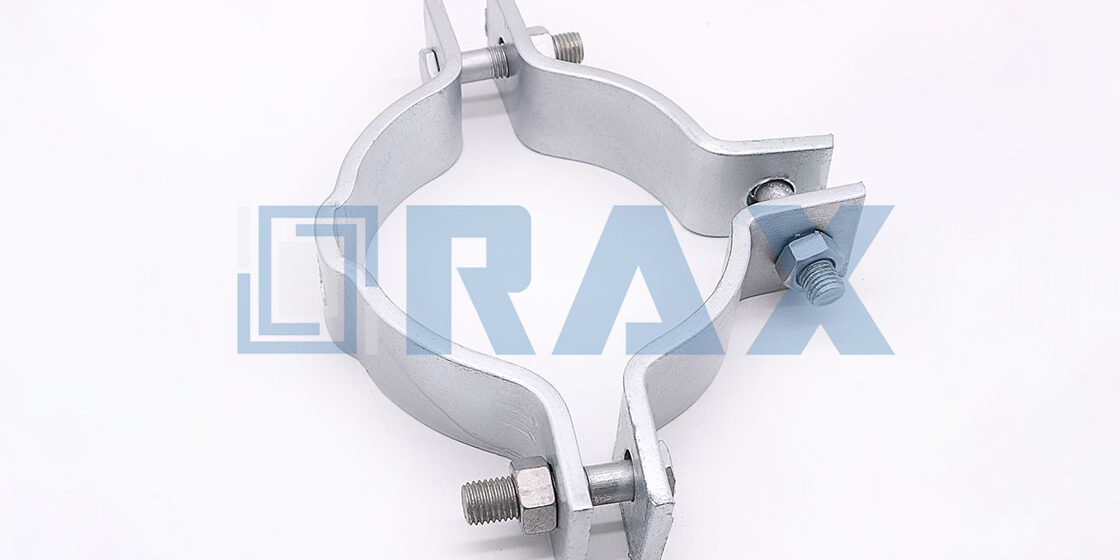
Pole line fasteners are the critical interface between your utility hardware and the pole itself, yet procurement teams frequently conflate material strength with surface corrosion resistance. Most engineering specs default to hot-dip galvanizing for its robust protection against environmental decay, but this finish comes with a specific metallurgical trade-off that often catches EPC engineers off guard during high-stress load testing.
We have seen batches of A307 carbon steel bolts fail torque-to-yield tests not because the base material was weak, but because the galvanizing process introduced hydrogen embrittlement in hardened grades. This article breaks down the mechanical limitations of bare carbon steel versus galvanized finishes, examining how ISO 1461 thickness rules and soil aggressiveness directly impact your project’s total cost of ownership.
You will find a clear path to selecting the right fastener by comparing corrosion rates across different atmospheric categories and understanding exactly when galvanizing reduces tensile strength. We also cover the friction changes that lead to installation torque loss and the specific ASTM standards that prevent costly compliance failures in the field.
Choosing Materials for Specific Environments
Decoding ISO Atmospheric Corrosivity Categories
Utility grid durability begins with an accurate environmental assessment, not a generic material selection. The ISO 9223 standard defines corrosivity categories from C1 to C5, and misidentifying a site’s category is a primary driver of premature infrastructure failure.
- C2 (Low): Standard rural or indoor environments with low pollution levels.
- C3 (Medium): Industrial areas or moderately saline coastal zones requiring robust protection.
- C4/C5 (High/Very High): Heavy industrial complexes or aggressive marine environments with high salt concentrations.
When specifying hardware for pole line applications, the baseline requirement shifts dramatically based on these classifications. A standard baseline galvanized finish that survives comfortably in a C2 environment will degrade rapidly if deployed in a C5 zone without enhanced specifications. We evaluate every project based on its specific micro-climate to ensure the selected corrosion resistance matches the operational reality.
Hot-Dip Galvanizing Thresholds for Coastal Areas
In coastal zones, the concentration of airborne chlorides accelerates the consumption of zinc protective layers. To combat this, the industry relies on Hot-Dip Galvanizing (HDG) compliant with ISO 1461, but only when executed to strict thickness thresholds.
For high-salinity coastal projects, the zinc coating must exceed a mean thickness of 85 microns. In our engineering reviews, we find that maintaining this threshold is critical because thinner coatings—often found in non-compliant manufacturing—fail to bridge the gap between initial installation and long-term structural integrity. HDG provides a metallurgical bond to the carbon steel substrate, ensuring that even if the surface is scratched during utility installation, the zinc sacrificially protects the underlying fastener.
Moisture Exposure Limits for Bare Carbon Steel
It is a fundamental engineering fact that bare carbon steel cannot be used outdoors. There is no “moisture exposure limit” for uncoated steel in pole line hardware; any presence of atmospheric humidity will initiate rust. Unlike weathering steels that can form a stable patina in specific conditions, bare carbon steel lacks the necessary alloying elements and will corrode quickly when exposed to rain, dew, or condensation.
For B2B procurement, assuming bare steel can survive in wet climates is a costly error. Any component intended for overhead deployment must possess a protective layer. The distinction lies not in whether to use bare steel versus treated steel, but in selecting the right treatment thickness to handle the specific moisture frequency and salinity of the deployment region.
Soil Acidity Impact on Anchor Durability
While atmospheric conditions dictate the lifespan of exposed pole hardware, soil chemistry becomes the primary threat vector for earth anchors and underground connections. Soil aggressiveness is dictated heavily by acidity levels, measured as pH, alongside soil resistivity and chloride content.
Acidic soils actively attack the zinc coating and the base metal. If the soil pH drops significantly below neutral, the protective galvanic layer degrades much faster than it would in neutral or alkaline soils. When designing foundations for solar arrays or heavy transmission poles in highly acidic regions, standard baseline coatings may reach their expiration prematurely. In such cases, we often recommend evaluating enhanced coating applications or supplementary chemical grouts to isolate the anchor from direct soil contact, ensuring the helical shaft maintains its structural torque capacity over decades of operation.
| Environment | Material & Finish | Coating Spec | Benefit |
|---|---|---|---|
| General / Industrial | Carbon Steel, Hot-Dip Galvanized (ISO 1461) | >85 microns mean thickness | Cost-effective corrosion resistance for standard utility grids |
| Coastal / Marine (C4-C5) | High-Strength Carbon Steel, Hot-Forged HDG | Enhanced 85+ micron zinc layer | Superior salt-spray resistance and structural integrity via hot-forging |
| Extreme Cold / Arctic | Alloy Steel, High-Breaking Load Fasteners | HDG compliant with ISO 1461 | Maintains ductility and strength in sub-zero temperatures without brittle failure |
| Solar PV Foundations | Helical/Screw Anchors, Hot-Dip Galvanized | Uniform 85+ micron coating | Prevents soil-corrosion and ensures long-term foundation stability for solar arrays |

Carbon Steel vs. Galvanized Corrosion Rates
Core Distinction: Galvanized steel is carbon steel protected by a zinc coating; the corrosion rate is determined by the speed of zinc depletion rather than immediate steel oxidation.
Material vs. Surface Treatment: Defining the Relationship
A critical misconception in procurement is treating galvanized hardware as a distinct material competitor to carbon steel. In reality, galvanizing is a surface treatment applied to carbon steel fasteners to mitigate the inherent vulnerability of the base metal. Carbon steel provides the necessary tensile strength and load-bearing capacity required for pole line hardware, but it is metallurgically susceptible to oxidation. Without intervention, this material reacts rapidly with atmospheric moisture and oxygen. Galvanizing does not replace the structural integrity of carbon steel; it acts as a sacrificial barrier, ensuring that the corrosion process consumes the zinc coating rather than the structural steel substrate.
Red Rust Onset: Comparative Timelines
The primary metric for evaluating corrosion performance is the onset of “red rust,” which indicates the failure of the protective layer and the oxidation of the base iron.
- Bare Carbon Steel: In standard atmospheric conditions, red rust formation begins almost immediately upon exposure to moisture. Visible oxidation can appear within hours to days, leading to rapid section loss and compromised structural integrity.
- Galvanized Steel: The zinc coating physically isolates the steel from the environment. Red rust is deferred until the zinc layer is fully depleted or breached. This process extends the functional lifespan of the hardware by decades, depending on the coating thickness and environmental aggressiveness.
Mechanisms of Failure: Uniform Oxidation vs. Sacrificial Depletion
The failure modes of these two options differ fundamentally. Bare carbon steel exhibits uniform oxidation, where the material surface constantly erodes, reducing the cross-sectional area and thus the load capacity of the hardware. In contrast, galvanized steel functions through a two-phase defense. Initially, it acts as a physical barrier. If the coating is scratched or damaged, the surrounding zinc corrodes preferentially to the exposed steel (cathodic protection), sealing the minor breach with zinc corrosion products. Total failure only occurs when the zinc mass is exhausted, at which point the underlying carbon steel begins to rust at the same rate as uncoated material.
Coating density, rather than the mere presence of zinc, dictates the longevity of hardware in high-corrosion environments. A heavier coating provides a larger reservoir of zinc to sacrifice, significantly delaying the onset of red rust on the carbon steel substrate.
How Soil Aggressiveness Affects Durability
Soil is not a static medium but a corrosive electrolyte that can aggressively consume protective coatings. While standard hot-dip galvanizing offers robust protection for atmospheric exposure, buried hardware in low-resistivity or chemically aggressive soils requires significantly enhanced coating specifications to prevent rapid structural degradation.
The Electrolyte Effect: Why Soil Corrodes Faster than Air
Unlike atmospheric corrosion where oxygen and moisture are the primary drivers, soil corrosion is electrochemical. When carbon steel or galvanized hardware is buried, the soil acts as an electrolyte, allowing current to flow between anodic (corroding) and cathodic (protected) areas on the metal surface. The rate of this degradation is primarily dictated by soil resistivity, which is inversely proportional to corrosivity. Low resistivity soils—typically those with high moisture content, high salinity, or dissolved ionic salts—accelerate the electrochemical reaction, leading to failure rates significantly higher than those seen in aerial environments.
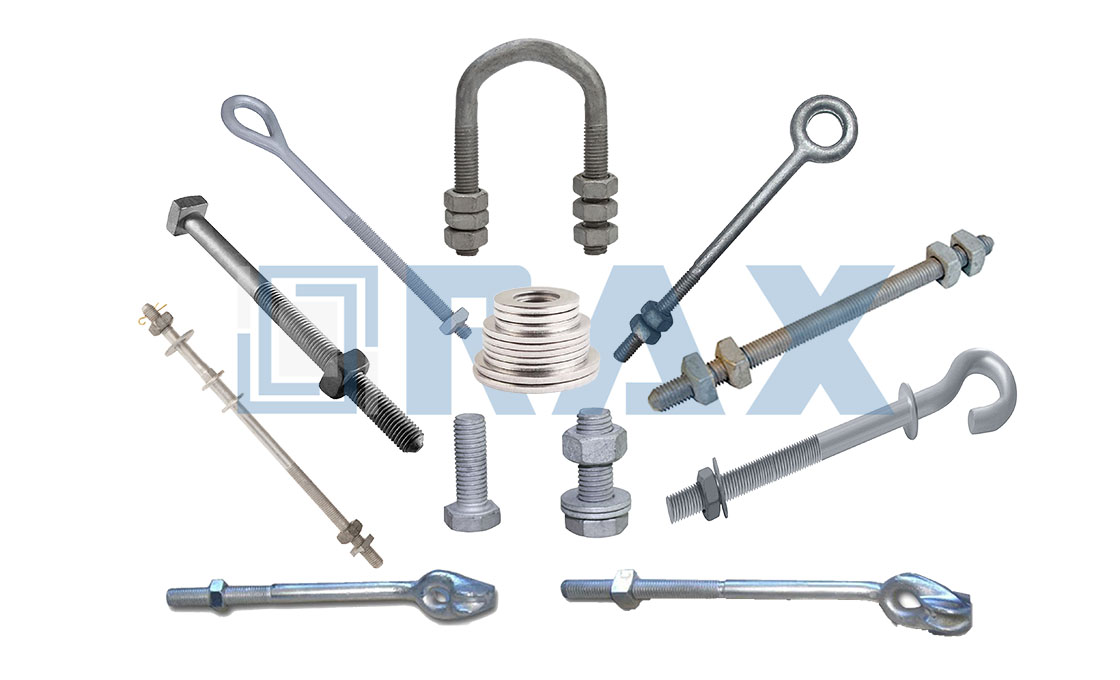
For buyers, this means that a galvanized U-bolt or anchor rod performing adequately on a crossarm may deteriorate rapidly if the same specification is used underground. The lack of UV exposure does not equate to safety; in fact, the constant presence of moisture and soil chemistry creates a more aggressive attack vector for the base metal.
Degradation Rates: Carbon Steel vs. Galvanized Systems
The vulnerability of the underlying material varies drastically based on the protective barrier. In aggressive soil conditions, bare carbon steel is subject to severe pitting corrosion. Pitting is particularly dangerous for pole line hardware because it is localized; a component can lose up to 50% of its structural integrity while appearing visually intact on the surface.
- Bare Carbon Steel: In corrosive soil (pH < 4 or > 9, high chloride content), carbon steel can exhibit corrosion rates exceeding 0.1 mm per year, leading to critical section loss in standard anchors within a decade.
- Galvanized Steel: The zinc coating acts as a sacrificial anode, corroding preferentially to protect the steel substrate. However, in aggressive soils with low resistivity, the consumption rate of zinc accelerates. Once the zinc layer is breached, the underlying steel corrodes at the same rate as bare carbon steel.
Coating Integrity and the 85-Micron Threshold
For pole line hardware, the standard ISO 1461 specification typically results in a mean coating thickness exceeding 85 microns. While this thickness is sufficient for moderate atmospheric environments (C3/C4), it serves as a minimum baseline for buried applications. In aggressive soils, the service life of an 85-micron coating is finite. The industry “rule of thumb” suggests that approximately 12 to 15 microns of zinc coating are consumed per year in severely corrosive environments, meaning a standard coating could be compromised in under a decade.
For critical infrastructure in known aggressive zones, specifications must move beyond the standard minimum. Increasing the coating thickness—often achieved through specialized galvanizing processes or specifying >100 microns—is the primary defense. Ensuring coating integrity also requires rigorous inspection pre-installation; any damage to the zinc layer during transport or installation creates an immediate corrosion cell in the soil, drastically shortening the lifespan of the hardware.
A frequent failure mode in utility projects is using pole line hardware specified for atmospheric exposure (e.g., C4 class) for buried anchor rods or foundations. The coating thickness optimized for air (often 70-85 microns) is insufficient for the electrolytic nature of aggressive soil. Always specify soil corrosivity class (per ISO 9223 soil categories or ASTM G162) separately from atmospheric class to avoid premature red rust on anchors.

ISO 1461 and ASTM A153 Thickness Rules
Procurement failures in pole line hardware frequently stem from confusing ASTM A153 and ISO 1461 thickness rules. A mean coating thickness exceeding 85 microns—verified via SGS—is the non-negotiable standard for infrastructure-grade durability.
The Procurement Confusion Between ISO 1461 and ASTM A153
In global utility procurement, B2B buyers often conflate ASTM A153 and ISO 1461 standards. Both govern hot-dip galvanizing, but their compliance metrics differ drastically, leading to catastrophic field failures if misapplied. ASTM A153 is strictly an acceptance standard; it defines minimum local coating weights but remains largely silent on the rigorous measurement protocols required for complex geometries. In contrast, ISO 1461 provides a comprehensive framework that dictates exact sampling procedures and precise metallurgical testing methods.
When sourcing galvanized pole line fasteners—such as U-bolts, eye bolts, and double-arming bolts—buyers must demand ISO 1461 compliance rather than relying solely on ASTM A153 labels. The ISO framework forces the galvanizer to prove mean coating thickness across varied surface areas, effectively filtering out low-quality, thin coatings that might technically pass a localized ASTM A153 spot check but fail under long-term environmental stress.
Thread Engagement Degradation and Coating Buildup
The primary engineering risk of hot-dip galvanizing is thread degradation. The zinc coating adds measurable material thickness to the fastener’s threads. If a manufacturer ignores this buildup, the resulting mating nut will either fail to engage entirely or require oversized, custom-threaded components, inflating project costs significantly. Conversely, buyers frequently make the mistake of over-spinning galvanized threads to force assembly. This aggressive mechanical action scrapes away the zinc coating at the primary engagement surfaces, instantly creating high-stress corrosion pathways exactly where structural integrity is most critical.
Standard Specification Misinterpretation and Sampling Protocols
- Sampling Protocol Variance: ASTM A153 relies heavily on statistical sampling, which leaves a margin for error in small batches. ISO 1461 demands strict adherence to sampling based on component mass and surface area, ensuring every batch of utility hardware meets baseline metallurgical thresholds.
- Embrittlement Testing Requirements: Fasteners plated to thick gauges are highly susceptible to hydrogen embrittlement. ISO 1461 mandates rigorous sampling protocols based on component mass, unlike the laxer ASTM A153 standards. While A153 relies heavily on statistical sampling which leaves a margin for error in small batches, ISO 1461 demands strict adherence to sampling based on component mass and surface area, ensuring every batch of utility hardware meets baseline metallurgical thresholds.
Micron Thickness Thresholds: Preventing White Rust
To prevent white rust (zinc oxide hydroxide formation) and structural pitting in humid environments, mean coating thickness is the ultimate determinant of lifespan. While industry minimums can fluctuate based on base steel thickness, true infrastructure-grade galvanized pole line hardware must exceed a mean coating thickness of 85 microns. This specific threshold ensures the zinc barrier remains intact long after decorative or light-industrial platings have fully oxidized.
Achieving and verifying this >85 micron benchmark requires advanced automation and precise immersion timing in the galvanizing pot. Any deviation below this micrometer range compromises the protective barrier, rendering the fastener vulnerable to rapid corrosion. Buyers should always require SGS-tested verification of these micron levels, as visual inspection alone cannot reliably quantify coating integrity.
Comparing Strength and Load Capacity
Galvanizing ensures longevity but introduces dimensional variables that, if unmanaged, can compromise thread engagement and effective clamping force.
The Impact of Coating Buildup on Thread Integrity
A primary concern when comparing galvanized components to bare carbon steel is the physical change in geometry caused by the coating process. Hot-dip galvanizing adds a layer of zinc to the surface, which can significantly alter the thread profile. For pole line hardware, where high-vibration loads are common, thread engagement depth is not a trivial detail—it is the mechanism that transfers the load. If the coating thickness on the male threads is not accounted for, the nut may bind before achieving full seating, or worse, strip the threads during installation.
Industry best practice dictates that galvanized fasteners require either oversized taps on female components or thread-chasing after galvanizing to ensure a proper fit. Simply forcing a standard nut onto a heavily coated bolt reduces the effective shear area of the threads. This reduction turns a theoretically high-strength carbon steel bolt into a weak point in the assembly, as the load is no longer distributed across the full thread height but concentrated on the first few threads.
Grain Structure and Tensile Performance
While the material grade (typically carbon steel) sets the baseline for yield strength, the manufacturing method determines the ultimate load capacity. For critical overhead line hardware, hot-forging is the superior process compared to casting. Hot-forging refines the internal grain structure of the steel, aligning it with the contours of the hardware. This continuous grain flow creates a component that can withstand higher tensile and shock loads without the risk of internal voids or inclusions common in cast parts.
When evaluating load capacity, specifiers should look for evidence of this structural integrity. A hot-forged galvanized eye bolt or clamp maintains its ductility, allowing it to deform slightly under extreme stress (giving a visual warning of failure) rather than fracturing catastrophically. This distinction is vital for safety chains and guy anchors, where the failure mode must be predictable and gradual rather than sudden.
Evaluating Proof Load vs. Working Load Limit
System safety relies on distinguishing between Working Load Limit (WLL) and Proof Load during procurement. The WLL represents the maximum load the hardware should experience in daily service, typically calculated with a safety factor of 5:1. In contrast, the proof load is a test load applied to verify the component’s elasticity; it is higher than the WLL but remains below the yield point. Galvanized carbon steel hardware must undergo these tests after coating to ensure the galvanizing process did not induce hydrogen issues or alter the material’s elastic properties.
Verifying load capacity requires checking that the hardware has been tested to recognized international standards without relying on the base metal properties alone. A rigorous double-review process during manufacturing helps catch dimensional variations that would otherwise affect load distribution. For utility contractors, the key takeaway is that a high-grade carbon steel bolt is only as strong as its weakest point—often the threads—making the precision of the galvanizing finish a direct factor in load capacity.
| Feature | Specification | Advantage |
|---|---|---|
| Manufacturing Process | Hot-Forging Technology | Superior grain structure and tensile strength vs. casting |
| Dimensional Tolerance | Strict +/- 1mm | High-precision fit for automated utility installation |
| Corrosion Resistance | ISO 1461 Hot-Dip Galvanizing (>85 microns) | Maximum durability in extreme environmental conditions |
| Quality Assurance | Double-Review + In-house IEC 120 Load Testing | Verified structural integrity and zero-defect delivery |

Does Galvanizing Reduce Tensile Strength?
For standard carbon steel pole line hardware, hot-dip galvanizing does not reduce tensile strength; rather, the thermal cycle acts as an annealing process that relieves internal forging stresses. However, for high-strength alloys exceeding 150 ksi (1034 MPa) or 33 HRC, the acid pickling phase prior to coating introduces a critical risk of hydrogen embrittlement, which can compromise structural integrity.
Thermal Annealing Effects on Standard Carbon Steel
In the context of standard utility hardware—such as guy clamps, pole bands, and U-bolts fabricated from low or medium carbon steel—the hot-dip galvanizing process is metallurgically beneficial. The immersion of steel components into a molten zinc bath at approximately 860°C (1580°F) subjects the material to a thermal cycle. This cycle effectively anneals the steel, normalizing the grain structure and relieving residual stresses induced by cold-forming operations like bending or threading.
Consequently, for these standard grades, the galvanizing process maintains the material’s original tensile load capacity while significantly enhancing ductility. Provided the fabrication process adheres to correct bending radii to avoid cracking prior to galvanizing, the finished hardware exhibits no reduction in ultimate tensile strength (UTS).
Hydrogen Embrittlement Risks in High-Strength Fasteners
Tensile strength degradation in fasteners is primarily driven by hydrogen embrittlement rather than thermal annealing. While the hot-dip galvanizing process itself does not degrade the steel, the pre-treatment stage—specifically acid pickling used to remove surface oxides—can introduce atomic hydrogen into the steel matrix. In steels with hardness exceeding 33 HRC or tensile strength above 150 ksi, this hydrogen cannot diffuse out and becomes trapped at grain boundaries, leading to Hydrogen Embrittlement (HE).
Engineers frequently specify hot-dip galvanizing for high-strength anchor bolts or tension rods (e.g., ASTM A490, A354 BD, or SAE J429 Grade 8) without realizing the acid bath renders them susceptible to sudden, brittle fracture under load, often weeks or months after installation.
To mitigate this, high-strength components must undergo mechanical cleaning (abrasive blasting) instead of acid pickling, or be subjected to a post-plating baking treatment to drive out absorbed hydrogen. For standard pole line hardware, which typically falls well below the 150 ksi threshold, this risk is negligible, and standard galvanizing protocols apply safely.
Corrosion vs. Section Loss: Long-Term Strength Retention
When evaluating tensile strength, the distinction between “initial strength” and “service-life strength” is vital. While bare carbon steel theoretically retains 100% of its initial tensile strength at installation, it immediately begins to suffer section loss due to atmospheric corrosion. In corrosive environments (Categories C3 to C5), unprotected steel can lose significant cross-sectional area within years, directly reducing its load-bearing capacity.
Galvanized hardware, however, utilizes a zinc coating that sacrifices itself anodically to protect the base steel. By preventing rust and pitting, the galvanizing preserves the steel’s original cross-sectional dimensions throughout its design life. Therefore, over a 20 to 50-year service cycle, galvanized components demonstrate superior *functional* tensile retention compared to uncoated steel, even if the initial metallurgical properties are identical.
Hydrogen Embrittlement Risks in Fasteners
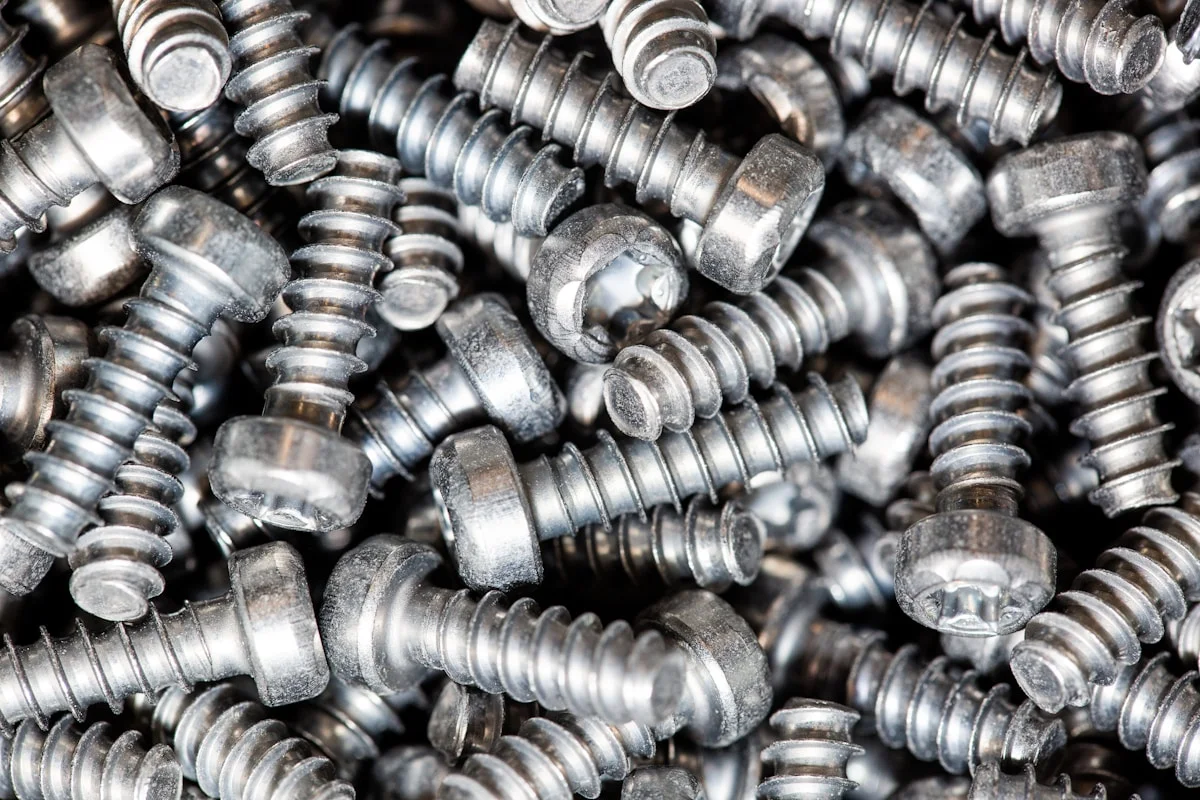
Hydrogen embrittlement poses an invisible threat to high-strength pole line hardware exceeding 150 ksi. While the galvanizing process is designed to preserve cross-sectional dimensions throughout a 20 to 50-year service life, the acid pickling stage introduces atomic hydrogen that undermines this durability. This leads to intergranular cracking and sudden, catastrophic brittle fracture, often occurring within hours of installation rather than through long-term degradation.
The Hardness Threshold and Susceptible Grades
Low-carbon steel hardware remains immune to hydrogen embrittlement risks inherent in high-strength alloys. The risk escalates significantly when dealing with high-performance structural fasteners designed for heavy load-bearing applications, where the absence of mandatory relief baking creates a latent defect that may cause components to snap during initial torquing or shortly after energization.
Omitting hydrogen embrittlement relief baking creates latent defects in high-strength fasteners like ASTM A490. Therefore, B2B buyers must verify that post-plating heat treatment is applied to neutralize this risk. This critical mitigation strategy requires baking components at 375-400°F for 4 to 24 hours, allowing sufficient time for hydrogen to diffuse out of the steel lattice.
- ASTM A490 / A325 Type 3: High-strength structural bolts used in critical tower connections are highly susceptible if hardness approaches or exceeds 33 HRC.
- ASTM A354 Grade BD: Commonly specified for heavy-duty double-armming bolts and guy clamp bolts where high clamping force is required.
- SAE J429 Grade 8: Frequently used in specialized tensioning hardware; these require strict controls during the galvanizing process to prevent absorption.
Mitigation: Baking and Process Control
For B2B buyers, the mitigation strategy relies entirely on the manufacturer’s adherence to post-plating heat treatment, known as “baking.” This process involves heating the fasteners to temperatures between 375°F and 400°F (190°C – 205°C) for a duration typically ranging from 4 to 24 hours, depending on the fastener’s diameter and plating thickness. This thermal energy allows the trapped hydrogen to diffuse out of the steel before the hardware is placed into service.
When procuring batch orders of high-strength galvanized fasteners, require the mill certificate to explicitly reference compliance with ASTM F1940 (Standard Test Method for Hydrogen Embrittlement Testing for Plating Processes). This confirms that the supplier has validated their baking cycle to effectively negate hydrogen uptake, ensuring the fasteners meet the requisite notch tensile strength requirements.
Installation and Field Failure Realities
The insidious nature of hydrogen embrittlement lies in its delay mechanism. Fasteners affected by this phenomenon rarely fail during handling or storage; they typically fracture under sustained tensile load. In the context of pole line hardware, this means a U-bolt or suspension clamp bolt may hold its initial torque during installation but fail hours later when the conductor settles or wind loads introduce dynamic stress. Distinguishing this from overload failure is vital: embrittled fractures are typically flat and crystalline with little to no plastic deformation (necking), whereas ductile overload failures show significant stretching and thinning.
Friction Changes and Torque Loss
Understanding the Friction Coefficient Shift
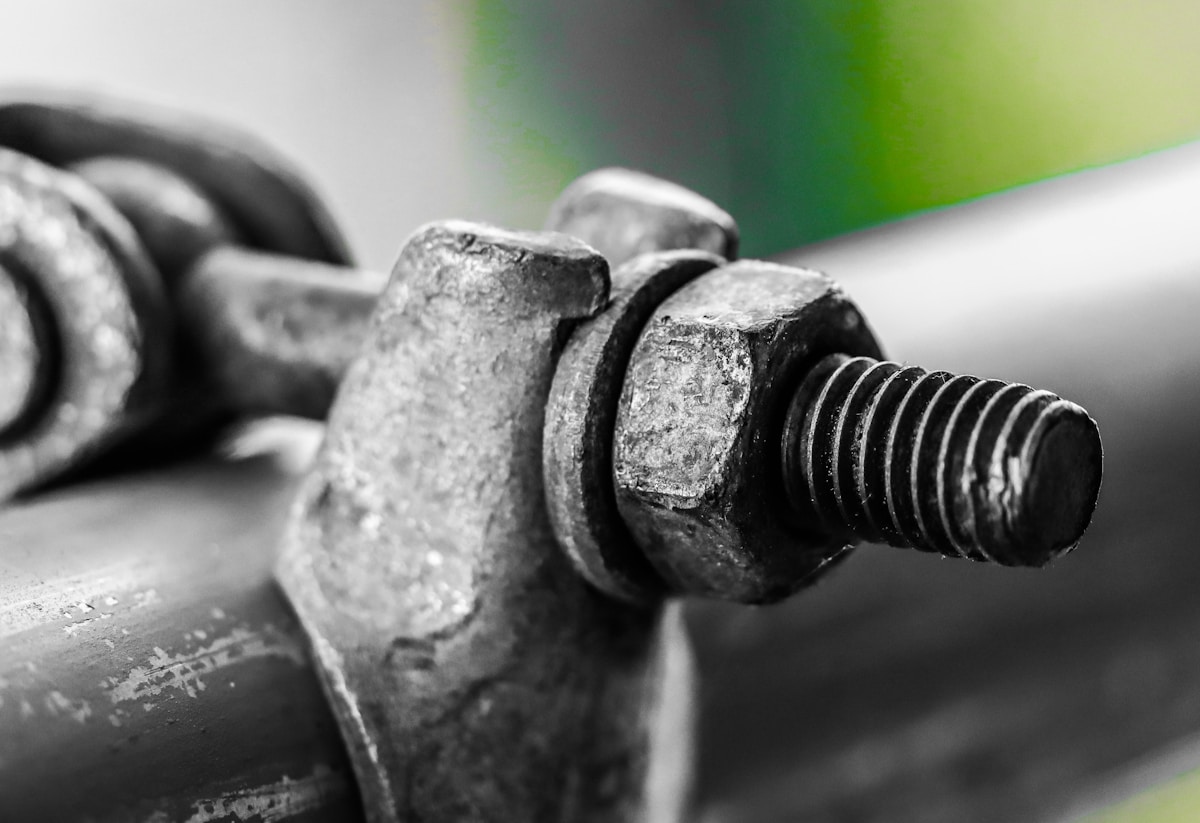
The transition from bare carbon steel to hot-dip galvanized fasteners fundamentally alters the physics of the connection. It is not merely a coating addition; it is a dimensional and frictional change that directly impacts installation integrity. In bare steel applications, the friction coefficient typically remains consistent between 0.12 and 0.15. However, the zinc layer inherent in galvanized pole line hardware increases this coefficient significantly, generally ranging from 0.16 to 0.25. This variation is not linear and depends heavily on the coating thickness and thread fit, creating a complex variable for field installation teams.
Key Insight: Because galvanizing changes the friction coefficient, using standard torque tables designed for bare steel can result in clamping forces that are up to 30% lower than required, directly jeopardizing the holding power of U-bolts and pole bands.
The Mechanics of Torque Loss and Preload
The relationship between applied torque and resulting tension (preload) is governed by the nut factor, which is directly influenced by friction. When the friction coefficient rises due to the zinc layer, a larger portion of the applied torque is consumed by overcoming friction between the threads and the bearing face, rather than converting into useful clamping force. therefore, if a standard torque specification is applied to a galvanized fastener, the actual preload achieved will be insufficient. This “torque loss” is not a mechanical failure of the bolt itself, but a calculation failure in the installation process. For utility hardware like crossarm braces or guy clamps, insufficient preload leads to slippage under load, which can cause structural movement or conductor damage.
Risks of Over-Torquing and Coating Damage
Conversely, attempting to compensate for high friction by increasing torque introduces severe risks. The zinc coating, while providing essential corrosion resistance, is softer than the underlying steel substrate. Excessive torque can shear or wipe away the galvanizing at the thread roots and nut-bearing surfaces.
- Coating Breach: Damaging the zinc layer exposes raw steel to the elements, creating a focal point for corrosion that can propagate beneath the remaining coating.
- Thread Galling: High friction combined with high pressure can cause cold welding (galling) between the internal and external threads, seizing the fastener during installation and making future maintenance nearly impossible.
- Embedment Relaxation: The rougher surface profile of galvanized coatings leads to higher levels of embedment, where surface peaks flatten out under load, causing the joint to relax and lose preload over time.
Strategies for Accurate Installation
To mitigate these risks, procurement and engineering specifications must account for the specific friction characteristics of hot-dip galvanized hardware. Standard industry practice requires distinct torque tables for galvanized versus non-galvanized fasteners.
additionally, the use of lubricated galvanized coatings or specific waxes can stabilize the friction coefficient, allowing for more predictable torque-tension relationships. However, any lubrication used must be compatible with the galvanized layer to prevent hydrogen embrittlement or chemical degradation over the service life of the hardware.
Conclusion
Long-term durability in corrosive environments requires strict adherence to ISO 1461 thickness specifications. Relying on bare steel for permanent installations in acidic soils or coastal zones invites premature failure and costly pole replacements. To prevent hydrogen embrittlement, a silent killer of high-strength fasteners, proper baking must be utilized rather than relying on the galvanizing process alone. IEC 120 load testing and SGS verification confirm that proper thermal treatment preserves tensile strength. Choose galvanized hardware for long-term durability and reduced maintenance cycles.
We manufacture these components to strict quality standards, ensuring consistent coating adhesion. Share your project dimensions and environmental conditions for a custom feasibility review. Our engineers provide technical consultation without obligation. Contact our team for samples and precise load capacity data tailored to your infrastructure needs.
Frequently Asked Questions
How does coating thickness impact durability?
Thicker zinc coatings provide longer service life by delaying the exposure of the base steel to corrosive elements. In coastal or industrial zones, higher micron counts are necessary to withstand aggressive salt or chemical exposure. Selecting the correct coating class is vital for ensuring the hardware meets the expected lifespan of the power grid.
Can I mix galvanized and aluminum parts?
Mixing galvanized steel with aluminum creates a galvanic cell where the steel acts as the cathode and aluminum as the anode. This accelerates the corrosion of the aluminum components, leading to premature failure. Insulators or washers should be used to electrically isolate dissimilar metals when they must be assembled together.
How to repair damaged galvanized coating?
Damaged areas expose bare steel to corrosion, requiring immediate touch-up with zinc-rich paints or sprays. These compounds contain metallic zinc particles that restore the sacrificial protection mechanism. Proper field repair techniques are essential to maintain the integrity of the assembly during installation and subsequent service life.
Why use weathering steel instead?
Weathering steel forms a stable rust-like appearance under the influence of the weathering action, eliminating the need for painting. However, it is not suitable for all environments, particularly those with high chloride content or frequent wet-dry cycles. Galvanized steel remains the preferred choice for most overhead line hardware due to its predictable performance.
Raxpower custom OEM solutions available?
Raxpower offers comprehensive OEM/ODM services to transform client drawings or concepts into finished pole line hardware. Our capabilities include custom mold development to meet unique dimensional and technical requirements. We leverage advanced automation and rigorous QC protocols to deliver certified, high-strength solutions tailored to global utility standards.