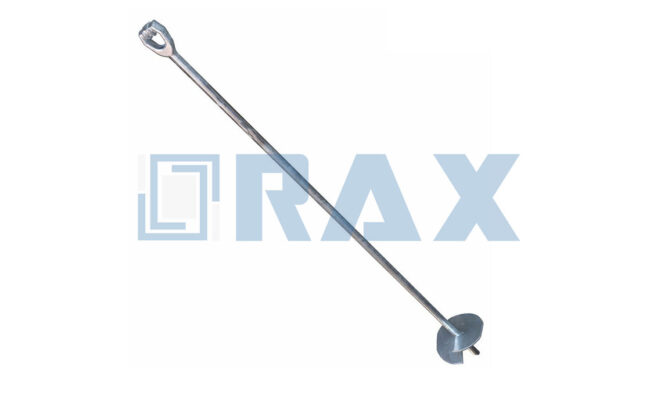
No-Wrench Screw Anchor

No-Wrench Screw Anchor Specs: Load Capacity & Installation

Utility procurement directors often treat “no-wrench screw anchor” selection as a simple catalog lookup, but the gap between theoretical load ratings and actual field performance lies entirely in the installation mechanics. Most batch failures occur because engineers ignore the mechanical advantage provided by forged steel triple-eye rods versus cheaper cast alternatives, leading to torque misalignment…
Utility Pole Guy Anchor Depth: Soil Type Requirements

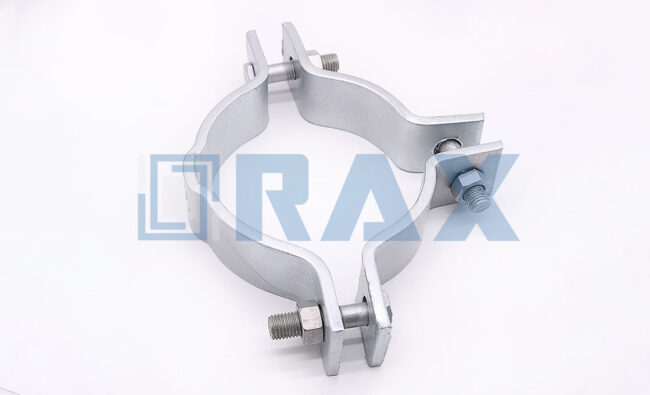
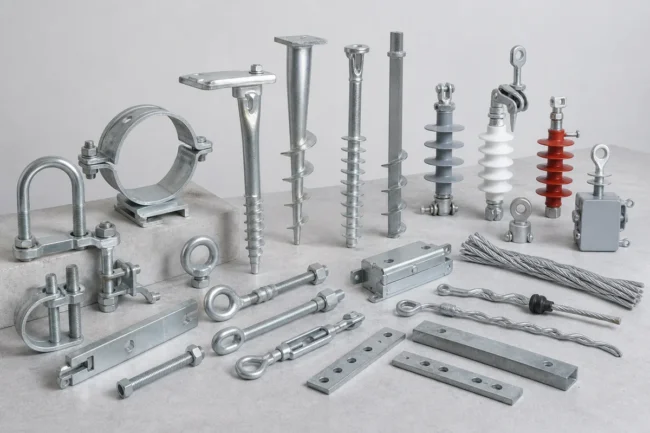
Soil variability remains the most underestimated variable in guy anchor depth calculations, often leading engineers to treat the ground as a static constant rather than the primary determinant of structural integrity. Our 21 years of export experience have shown that a standard 7-foot embedment works reliably in Class 5 soil, but that same depth fails…

Composite Insulators: Powering Next-Gen Transmission Lines Composite Insulators: Powering Next-Gen Transmission Lines

Composite Insulators: Powering Next-Gen Transmission Lines

Justifying the premium cost of composite insulators requires shifting the procurement focus from initial purchase price to long-term survival in harsh environments. To support this durability at scale, our manufacturing processes leverage automation and hot-forging to deliver consistent dimensional accuracy and high-volume production capacity. Beyond efficiency, we enforce a strict double-review protocol, inspecting 100% of…

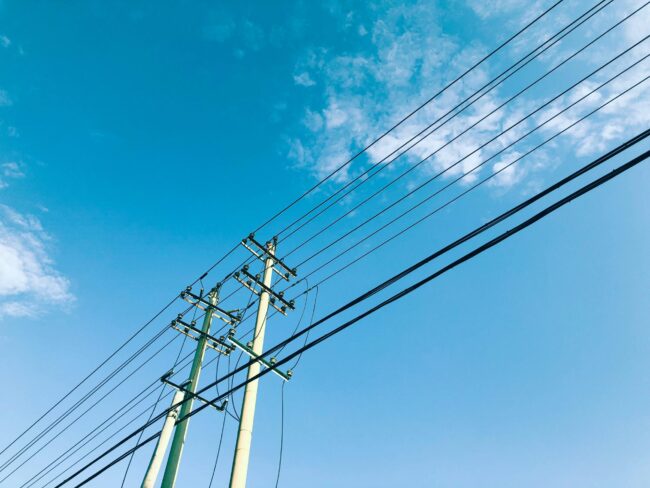
power lines and telephone poles against a blue sky

Composite Insulators: Core Power System Applications

Power engineers used to distrust composite insulators. Now they dominate high-pollution and coastal grids. The shift happened because composite materials solve the maintenance nightmare of porcelain. A single 13.8/33kV suspension unit withstands 70kN of mechanical stress and offers 580mm of creepage distance. That density packs serious reliability into a lightweight package. Composite insulators have replaced…