
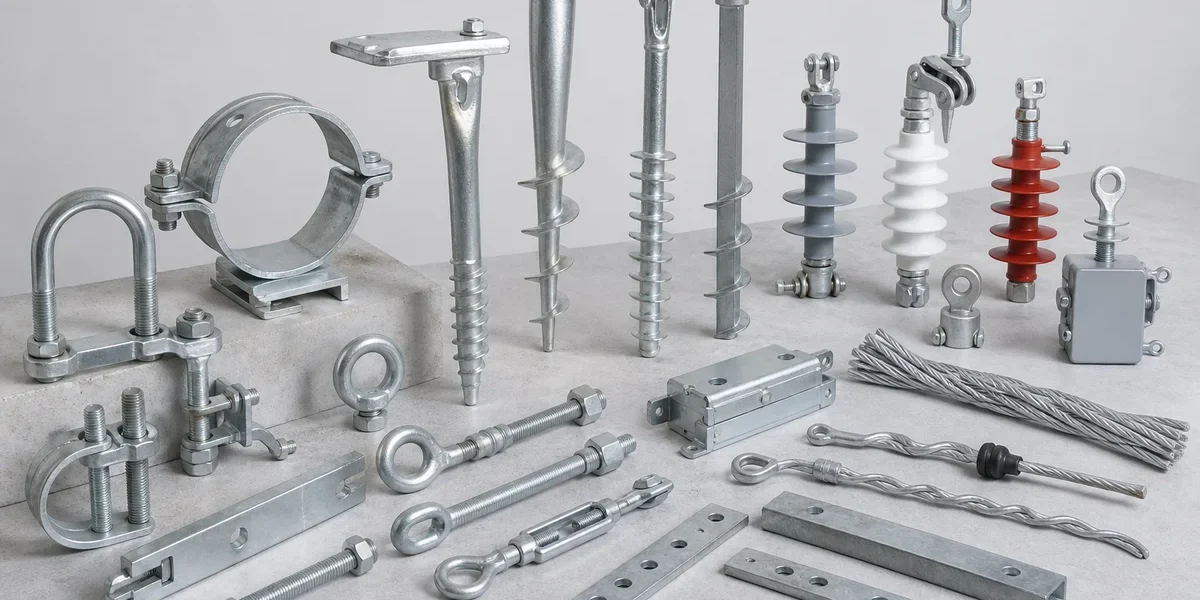
Justifying the premium cost of composite insulators requires shifting the procurement focus from initial purchase price to long-term survival in harsh environments. To support this durability at scale, our manufacturing processes leverage automation and hot-forging to deliver consistent dimensional accuracy and high-volume production capacity. Beyond efficiency, we enforce a strict double-review protocol, inspecting 100% of products twice before packaging to ensure comprehensive quality assurance. Additionally, a dedicated QC team conducts rigorous load and gauge testing per IEC 120 standards in-house, confirming that the fiberglass core rod and silicone rubber housing perform exactly as engineered under extreme mechanical stress.
This article dissects the critical applications where composite hardware actually outperforms traditional ceramic alternatives. We examine how hydrophobic properties mitigate dry band arcing in coastal and industrial zones. We also analyze the mechanical implications of lightweight designs on tower loading and span lengths. The goal is to provide a definitive framework for overhead line insulator selection that moves beyond generic marketing claims.
By understanding the specific failure modes and maintenance requirements of polymeric materials, you can make informed decisions that reduce lifecycle costs. This guide equips you with the technical data needed to specify reliable hardware for transmission lines, substations, and specialized infrastructure projects.
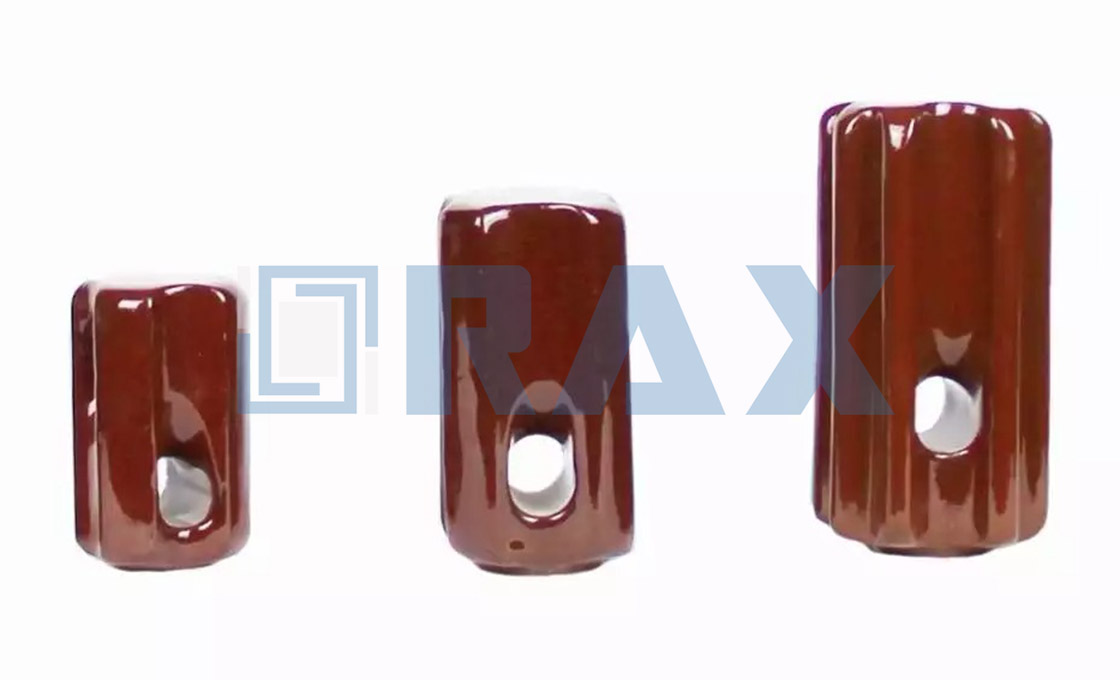
Defining Composite Insulator Architecture
Understanding the architectural integrity of composite insulators is essential for selecting compatible line hardware that ensures long-term grid stability.
Core Rod Composition and Mechanical Tensile Strength
The core rod serves as the primary load-bearing element of a composite insulator, typically constructed from fiber-reinforced plastic (FRP). Unlike traditional porcelain or glass, which relies on compressive strength, composite insulators depend entirely on the tensile strength of this central fiberglass mandrel.
In our experience working with utility clients, we frequently encounter situations where the insulator’s mechanical rating must match the tension loads of the conductor precisely. Any discrepancy here can lead to catastrophic failure under extreme weather conditions. Therefore, verifying the axial tensile strength is not merely a specification check; it is a critical safety requirement for overhead line infrastructure.
Housing Materials and Hydrophobic Silicone Rubber Properties
The outer housing is predominantly made from silicone rubber due to its exceptional dielectric properties and environmental resilience. A key characteristic of high-quality silicone rubber is its hydrophobicity—the ability to repel water. This property prevents the formation of continuous conductive water films on the surface, significantly reducing the risk of leakage currents and flashovers in polluted or humid environments.
Over time, exposure to UV radiation and ozone can degrade the housing material. We recommend specifying housings with proven anti-tracking capabilities to maintain insulating performance throughout the asset’s lifecycle. The skirt profile design also plays a vital role in shedding water and managing the creepage distance effectively.
Fitting Design and Stress Distribution Mechanisms
The interface between the metal fittings and the insulator housing is often the most vulnerable point in the assembly. Proper fitting design must ensure that mechanical stresses are distributed evenly along the grip zone to prevent localized stress concentrations that could crack the housing or damage the core rod.
Compatibility between the insulator fittings and the surrounding pole line hardware—such as tension clamps, suspension units, and dead-end grips—is paramount. We advise conducting thorough compatibility checks to ensure that the hardware does not impose undue bending moments on the insulator. Ensuring seamless integration between these components is essential for maintaining the structural integrity of the entire transmission line.
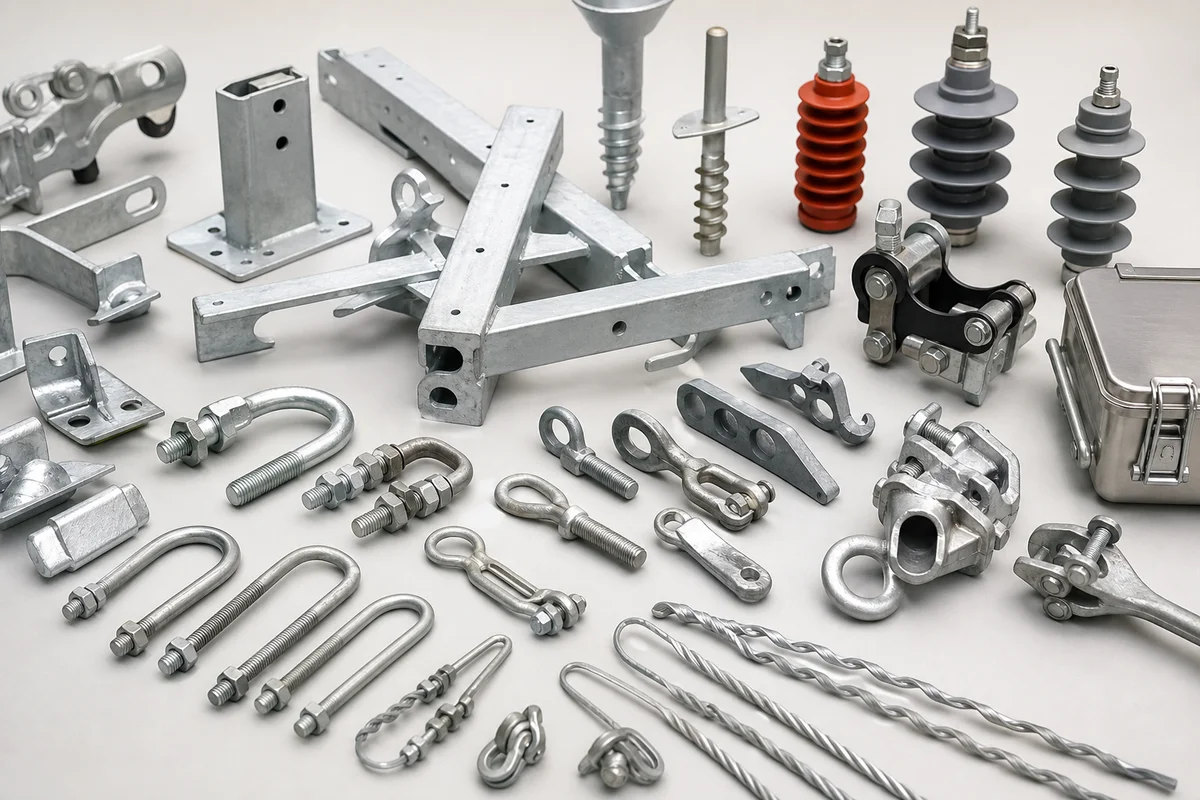
Fundamental Advantages Over Traditional Types
Switching to composite hardware eliminates brittle fracture risks, cuts installation weight significantly, and boosts resistance to harsh environmental flashovers.
Significant Weight Reduction for Easier Handling
Composite insulators are constructed using a fiberglass reinforced polymer (FRP) core rod and a silicone rubber housing, resulting in a total mass that is up to 90% lighter than traditional porcelain or glass alternatives. This drastic reduction in density is not merely a logistical convenience; it fundamentally alters the structural loading on the overhead line infrastructure. For utility engineers managing large-scale transmission projects, the lighter footprint allows for the use of less massive support structures and reduces the overall dead-load requirements for towers.
From a practical installation standpoint, the reduced weight translates directly into enhanced safety and efficiency for field crews. Technicians can handle and position strings of insulators manually without requiring heavy-duty lifting equipment for every segment. This ease of handling minimizes the physical strain on workers and reduces the risk of accidental drops or mishandling during the stringing process. Furthermore, the lighter components simplify transportation logistics, allowing for higher payload densities per truckload, which lowers overall freight costs for cross-border utility procurement.
Superior Pollution Flashover Resistance
One of the most critical advantages of composite insulators is their exceptional performance in heavily polluted environments. The outer housing is typically made of silicone rubber, a material that exhibits strong hydrophobicity—the ability to repel water. Unlike porcelain, which becomes wetted by rain or condensation, the silicone surface causes moisture to bead up and roll off, carrying away surface contaminants with it.
This property significantly increases the leakage distance effectiveness and prevents the formation of continuous conductive paths across the insulator surface. In coastal areas with high salt spray or industrial zones with chemical pollutants, porcelain insulators often suffer from dry-band arcing and subsequent flashovers. Composite insulators resist these conditions far better, maintaining high dielectric strength even under severe contamination. For transmission lines running through such challenging terrains, this means fewer unplanned outages and a substantial reduction in the frequency of washing and maintenance cycles.
Enhanced Impact Resistance and Vandalism Protection
Traditional ceramic insulators are notoriously fragile. They are susceptible to damage from falling debris, bird droppings impacting at high speeds, or accidental contact during installation. In remote or high-risk areas, these minor impacts can lead to cracks that compromise the entire insulator string, creating a latent failure point that might not be detected until a catastrophic break occurs under load.
Composite insulators, by contrast, possess high impact resistance due to the flexibility and toughness of the polymer housing and the fibrous core. They can absorb significant kinetic energy without fracturing. This robustness makes them highly resistant to vandalism and accidental structural damage. Even if the outer housing is scratched or dented by a heavy object, the core rod remains intact, preserving the mechanical integrity and electrical performance of the unit. This durability ensures a longer service life and lower replacement rates in physically demanding operational environments.
Elimination of Brittle Failure Risks
The most dangerous characteristic of traditional porcelain insulators is their inherent brittleness. Under extreme mechanical stress, such as heavy ice loading or high wind forces, porcelain can shatter explosively. This brittle failure not only causes immediate line outages but also poses a severe safety hazard to personnel below due to flying shards of ceramic. In cold climates where ice accumulation is common, this risk is a primary concern for grid operators.
Composite insulators completely eliminate this risk. They are ductile rather than brittle, meaning they will deform or stretch under excessive mechanical load before failing. If a composite insulator does reach its ultimate breaking strength, it will not disintegrate into hazardous fragments. Instead, it will typically fail by pulling out of its metal end fittings or elongating, providing a visible warning sign before complete loss of tension. This predictable failure mode protects both the infrastructure and the public, making composites the preferred choice for high-reliability overhead line applications.
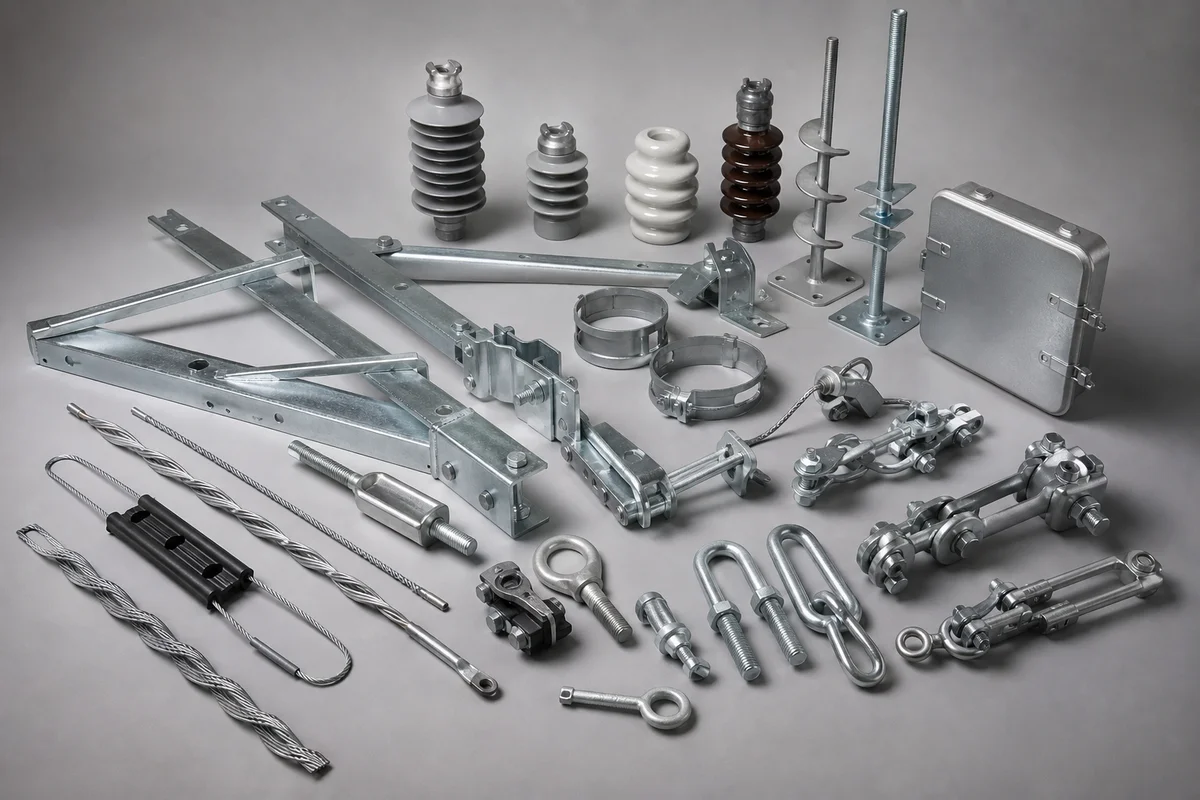
High-Voltage Transmission and Distribution
The integrity of high-voltage transmission lines relies less on the insulator itself and more on the precision of its connection to the tower hardware.
Suspension and Strain Applications in Overhead Lines
In suspension applications, the insulator primarily supports the vertical weight of the conductor, allowing for flexibility and movement. Conversely, strain assemblies—typically located at angle towers, dead-ends, or terminal points—must withstand the full mechanical tension of the conductor. The critical engineering challenge in both scenarios is ensuring the load is transferred from the fiberglass core through the end fitting to the tower structure without creating stress concentrations that could crack the core or cause fatigue.
Compatibility with line fittings is paramount here. A poorly forged eye or tongue can misalign with the yoke plate or shackle, introducing eccentric loads. In our manufacturing process, we utilize hot-forging for all critical end fittings rather than casting. This method refines the internal grain structure of the steel, ensuring the metal can handle the sudden shock loads and constant vibration found in strain sections without the risk of brittle fracture associated with cast iron.
Performance in Ultra-High Voltage Corridors
Ultra-high voltage (UHV) corridors generate intense electric fields that accelerate the aging of insulation materials. Composite insulators excel here because their hydrophobic properties resist the formation of conductive wetting layers, a common cause of flashovers in long-insulator strings. However, the high-voltage environment places extreme stress on the metallic hardware, particularly regarding corona discharge and radio interference.
To maintain performance over decades, the surface finish of the hardware must be flawless. We strictly adhere to an ISO 1461 compliant galvanizing process with a coating thickness exceeding 85 microns. This dense barrier is essential not just for rust prevention, but to maintain a smooth surface that minimizes corona inception voltage. If the galvanizing is thin or uneven, pitting occurs, leading to audible noise and eventual hardware failure under high electrical stress.
Reduced Line Sag and Tower Loading Benefits
Tower design physics is fundamentally constrained by the relentless forces of gravity and wind. Composite insulators are significantly lighter than their porcelain or glass counterparts. This mass reduction does more than ease installation; it directly reduces the vertical load on the tower body and the foundation. By reducing the dead weight at the suspension point, engineers can often optimize the cross-arm design or increase the span between towers without upgrading the structural steel.
This weight advantage is a decisive factor in difficult terrains. For projects in regions with extreme weather, such as the icy climates of Russia, we supply hardware with high-breaking load ratings. The reduced weight of the composite insulator allows the supporting hardware to focus its capacity on resisting ice and wind loads rather than just supporting its own weight. This synergy between lightweight insulators and high-strength fittings results in a more resilient and cost-efficient grid structure.
| Component Category | Material & Construction | Performance Characteristics | Environmental Suitability | Engineering & Maintenance Insight |
|---|---|---|---|---|
| Composite Insulators | Fiberglass core with silicone rubber (polymer) housing | Lightweight design, superior hydrophobicity, excellent pollution performance | Coastal power lines, high-salt fog areas, polluted industrial zones | Requires IR/UV inspection to detect core-to-housing adhesion issues over long service life |
| Pole Line Hardware | Steel via hot-forging process; Hot-dip galvanized (ISO 1461, >85 microns) | High tensile strength, dimensional accuracy (1mm tolerance), superior corrosion resistance | Extreme cold regions (high-breaking load), corrosive atmospheres, general utility grids | Hot-forging offers superior structural integrity over traditional casting; double-review QC protocols ensure fit and function |
| Preformed Line Products | Preformed helical aluminum alloy or galvanized steel rods | Restores conductor strength, distributes mechanical stress, vibration damping | Long-span river crossings, areas with high Aeolian vibration, dead-end applications | Eliminates bolt-induced stress concentrations on conductors; grip efficiency relies on precise diameter matching during installation |
| Surge Arresters | Distribution-grade polymeric or porcelain housings with metal oxide resistors | Fast response to overvoltage events, high energy absorption capability | Distribution substations, transformer protection points, lightning-prone regions | Condition monitoring involves leakage current measurements to assess health |
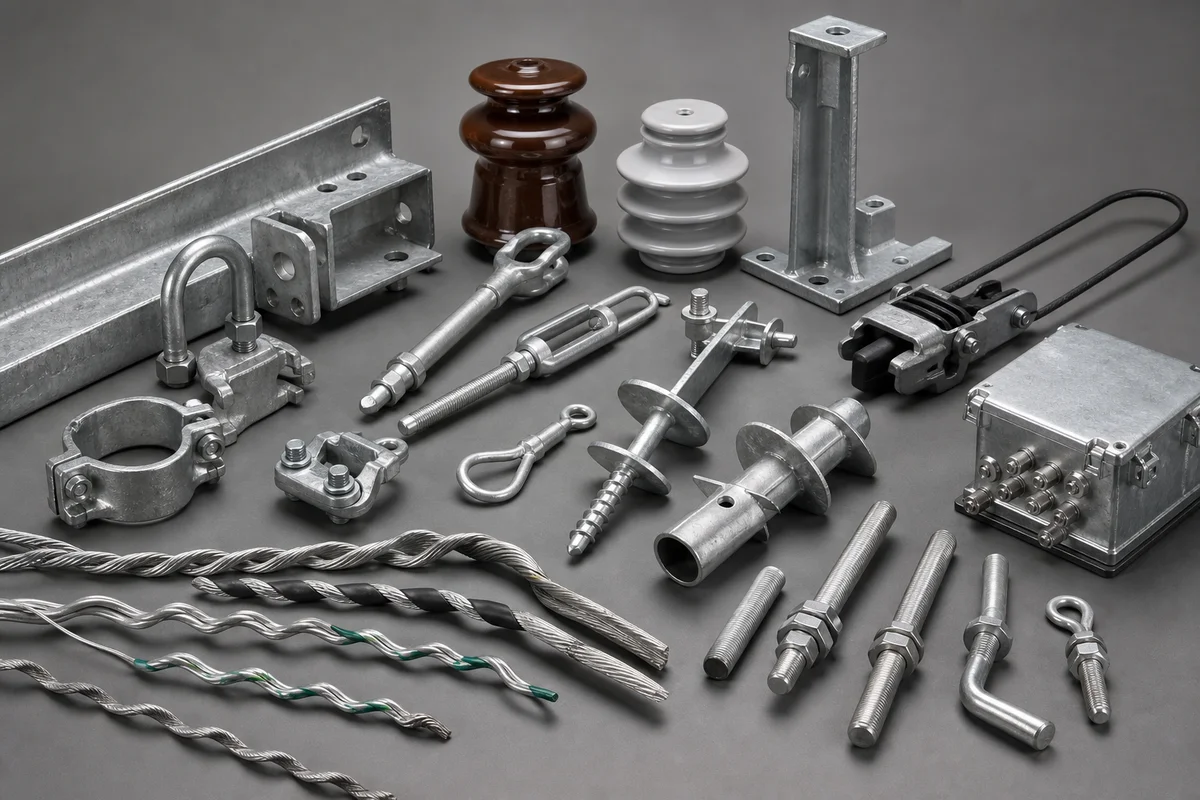
| Earth Anchors | Steel helical (round/square shaft) or expanding anchors | High holding capacity, stability for guy wires and foundations | Soft soil terrain, solar farm foundations, uneven ground requiring guying | Load capacity depends heavily on soil type and installation depth; guy clamps must be rated for specific breaking loads |
Renewable Energy and Grid Integration
Renewable integration requires specialized hardware that withstands dynamic loads, extreme torsion, and harsh environmental exposure.
Wind Turbine Nacelle and Tower Insulation Needs
Wind turbines operate in some of the most hostile environments for electrical infrastructure. The nacelle, located at the top of the tower, experiences constant vibration from the rotor blades and significant torsional forces during yawing maneuvers. Standard pole line hardware often fails under these conditions due to fatigue cracking or loosening fasteners.
For wind farm substations and collection systems, we utilize hot-forged steel components rather than traditional castings. Our engineering team prioritizes hot-forging because it creates a continuous grain structure within the metal. This results in superior tensile strength and impact resistance compared to casting methods, which can leave microscopic voids that propagate cracks under cyclic loading.
Solar Farm Stringing and Grounding Isolation
Large-scale solar photovoltaic (PV) farms present unique challenges for pole line hardware, particularly regarding grounding and stringing. Unlike traditional transmission lines, solar arrays often span vast, flat terrains with long distances between inverters and substations. The hardware must support the weight of heavy copper or aluminum conductors while maintaining electrical isolation from the mounting structures.
We address the grounding requirement through our specialized earth anchor portfolio. Solar farms require reliable grounding to protect sensitive electronics from lightning strikes and fault currents. We offer helical anchors with both round and square shafts, as well as expanding and cross-plate designs. These anchors provide high holding power in diverse soil conditions, ensuring that the grounding grid remains stable over the facility’s 25-year lifespan.
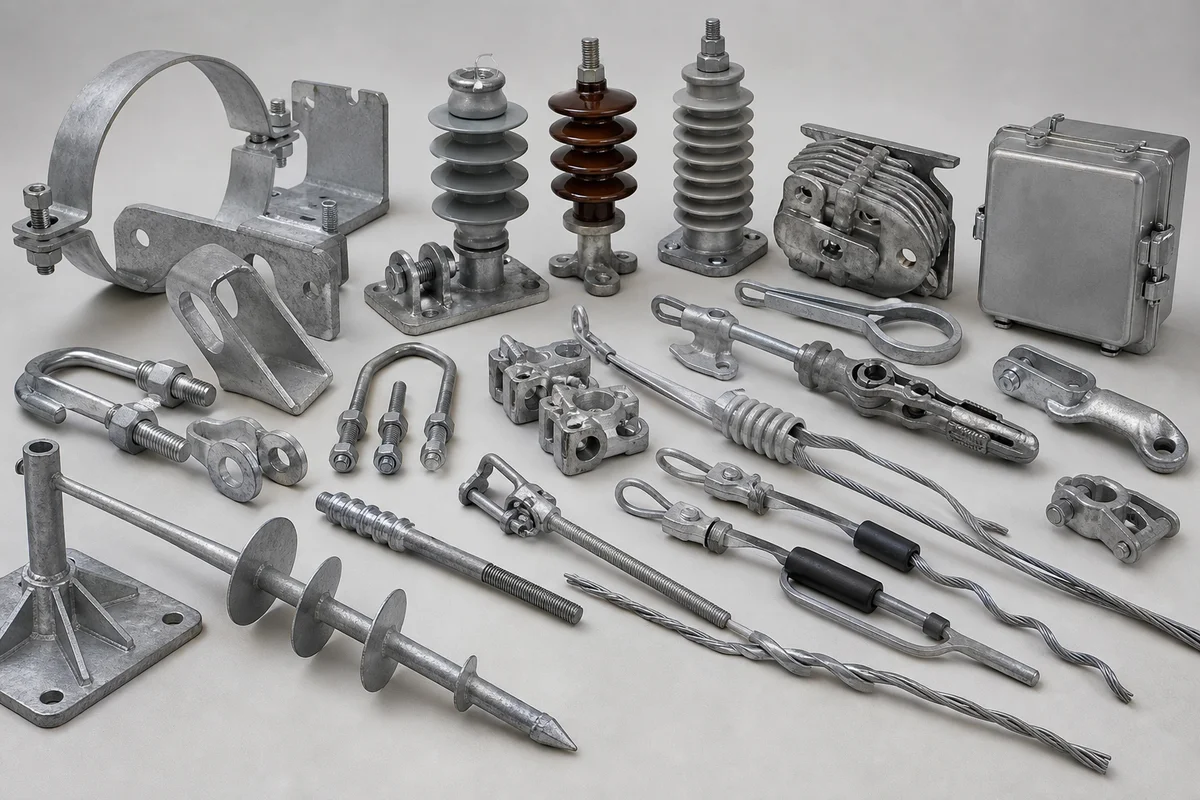
For stringing, preformed line products are essential. Our armor rods and dead-end grips distribute the mechanical stress evenly along the conductor. This prevents damage to the wire strands during installation and operation. We also supply spiral vibration dampers to mitigate aeolian vibrations, which can cause fatigue failure in long spans typical of solar installations.
Handling Vibration and Dynamic Loads in Renewables
Dynamic loads are the primary enemy of renewable energy infrastructure. Wind turbines generate fluctuating loads due to wind gusts and turbulence, while solar trackers introduce movement-related stresses. Hardware that cannot accommodate these movements will eventually fail, leading to costly downtime and safety hazards.
Furthermore, we offer OEM and ODM capabilities for renewable energy projects. If a specific turbine manufacturer or solar developer has unique hardware requirements, we can develop custom molds to produce parts that fit their existing infrastructure perfectly. This flexibility allows utilities to integrate our high-strength, hot-forged components into their systems without compromising on performance or durability.
Electrified Railways and Traction Systems
Traction system insulators must withstand dynamic mechanical fatigue, aggressive chemical pollutants, and spatial constraints unique to railway infrastructure.
Catenary System Insulator Requirements
Electrified railways impose rigorous demands on overhead line equipment due to constant vibration and dynamic tension loads from the contact wire. Composite insulators used in catenary systems must adhere to specific standards such as BS EN 62621 and IEC 60913, which define the electrical and mechanical performance for traction supply voltages exceeding 1,000 V AC or 1,500 V DC. Unlike static transmission lines, these systems experience high-frequency mechanical fatigue, requiring insulators with superior core rod strength and robust end-fitting interfaces.
In our manufacturing experience, the interface between the composite rod and the metal fitting is the critical point of failure under cyclic loads. We utilize hot-forging techniques to produce end fittings that maintain grain structure continuity, offering higher fatigue resistance compared to traditional cast methods. Furthermore, our OEM capabilities allow us to produce specialized cantilever and termination fittings that precisely match the specific gauge requirements of different railway operators, ensuring seamless integration with existing catenary support arms.
Resistance to Oil, Grease, and Carbon Tracking
The railway environment is notoriously hostile, characterized by heavy deposits of carbon dust from pantograph friction and accumulation of lubricants or grease from track maintenance equipment. These contaminants can create conductive paths on the insulator surface, leading to carbon tracking and eventual flashover. Effective insulation in this context relies on a hydrophobic housing that resists wetting and inhibits the formation of continuous conductive films, even when the surface is soiled.
While the housing sheds contaminants, the metal fittings must resist the corrosive nature of railway oils and salts. We address this by applying a hot-dip galvanizing coating to all steel hardware that is compliant with ISO 1461. This process guarantees a mean coating thickness exceeding 85 microns, providing a dense, sacrificial layer that prevents rust and degradation even in oily environments. Our rigorous double-review process ensures that every fitting meets this corrosion threshold before assembly, significantly extending the service life of the hardware in greasy tunnel or depot sections.
Compact Design for Limited Clearance Zones
Railway tunnels, bridges, and station entries often present severe spatial restrictions where maintaining the necessary electrical clearance to civil structures is difficult. Insulators in these zones must be designed to minimize overall length while still providing adequate creepage distance to withstand pollution. This requires optimized aerodynamic profiles and precision-engineered fittings that maximize the use of available space without compromising mechanical integrity.
Dimensional accuracy becomes paramount when working with such tight tolerances. We employ automated and semi-automatic machinery to ensure our cross arms and associated brackets maintain a strict 1mm tolerance. This precision prevents misalignment during installation, which is critical when clearances are measured in millimeters. By utilizing high-precision hot-dip galvanized components, we deliver compact assemblies that fit perfectly into constrained gauge envelopes while maintaining the high structural rigidity required for high-speed traction lines.
Heavy Industrial and Harsh Environments
Heavy industrial environments demand specialized corrosion-resistant hardware, requiring rigorous galvanizing and structural integrity to withstand chemical and environmental stress.
Corrosion Resistance in Chemical Plants and Refineries
In chemical processing facilities and refineries, atmospheric conditions are exceptionally aggressive. Sulfur dioxide, chlorine, and various acidic vapors create a corrosive environment that rapidly degrades unprotected steel hardware. The primary defense against this degradation is the application of a robust hot-dip galvanized coating. Our engineering protocols strictly adhere to ISO 1461 standards, ensuring a consistent metallurgical bond between the zinc layer and the underlying steel substrate. This process is not merely cosmetic; it provides sacrificial cathodic protection that actively halts rust formation even if the coating is mechanically damaged during installation.
We prioritize a mean coating thickness that exceeds 85 microns for our critical line hardware. While some standard industrial coatings may fall short in these highly reactive atmospheres, our thicker zinc barrier significantly extends the service life of guy clamps, U-bolts, and pole bands. Our team validates these finishes through rigorous in-house load and gauge testing per IEC 120 standards, confirming that the added corrosion protection does not compromise the mechanical tensile strength of the fitting. This dual assurance of structural integrity and chemical resistance is essential for maintaining grid reliability in petrochemical zones.
Coastal Salt Spray and Humidity Resilience
Coastal transmission lines face a unique set of challenges driven by high humidity and airborne salt aerosols. Salt accelerates the oxidation process, leading to pitting and premature failure of standard steel components. To combat this, we utilize hot-forging techniques rather than traditional casting for our heavy-duty hardware. Hot forging aligns the grain structure of the metal, resulting in a denser, stronger product that is far more resilient to the corrosive effects of salt spray and the mechanical stresses of high winds.
Beyond the base material, the quality of the galvanizing finish plays a decisive role in coastal resilience. A smooth, bright galvanized surface minimizes the surface area where salt crystals can accumulate and trap moisture against the steel. We have observed that inferior or porous coatings allow electrolytic cells to form, leading to rapid under-film corrosion. Our dedicated quality control team performs a double-review inspection on 100% of our products to ensure the coating is uniform and free of defects. This meticulous attention to detail ensures our hardware maintains its structural performance in high-salinity regions, reducing the frequency of costly maintenance interventions.
Industrial Pollution and Dry Band Arcing Mitigation
Dry band arcing is a critical failure mode often associated with insulators in polluted environments, but the surrounding hardware must also withstand the resulting chemical and thermal stress. Industrial pollution, consisting of soot, fly ash, and conductive particulates, can settle on pole line fittings. When combined with light moisture or dew, these deposits create conductive paths that can lead to tracking and localized heating. While the insulators themselves are designed to shed these contaminants, the metal hardware must resist the corrosive byproducts of any potential electrical discharge.
Our hardware is engineered to integrate seamlessly with composite insulator systems, which offer superior hydrophobicity and self-cleaning abilities. The zinc coating on our fittings provides a passive barrier that protects against the acidic residues often left behind by pollution and minor arcing events. Furthermore, we understand that compatibility is key; our line hardware is designed to interface effectively with various insulator types, ensuring that the mechanical connection points remain secure and corrosion-free. By selecting hot-forged, heavily galvanized components, utility operators can mitigate the risk of hardware failure in areas prone to high levels of industrial contamination and dry band arcing.
| Environmental Challenge | Material Performance | Key Advantage | Comparison to Traditional | Application Suitability |
|---|---|---|---|---|
| Extreme Temperature Variance | Silicone rubber retains flexibility at -50°C; withstands 100°C-250°C without degradation | Prevents brittleness and cracking in cold climates; resists thermal aging in deserts/tropics | Superior to porcelain/glass which become brittle or crack under thermal stress | High-altitude, polar, and tropical regions |
| High Pollution & Coastal Salinity | Natural hydrophobicity allows self-cleaning; transfers repellency to surface pollutants | Prevents continuous conductive paths; eliminates need for frequent manual cleaning | Outperforms ceramic insulators which require regular washing to prevent flashovers | Industrial zones, coastal regions, and high-dust environments |
| Ice Accretion & Mechanical Load | Flexible composite sheds ice easily; high impact resilience prevents explosion | Reduces mechanical stress from ice loading; maintains integrity during seismic events | Lighter and more resilient than heavy, brittle glass/ceramic alternatives | Freezing environments and areas prone to severe weather impacts |
| UV Radiation & Weathering | Additives in silicone rubber block UV breakdown; excellent weathering resistance | Maintains electrical and mechanical properties over long service life | Resists UV-induced aging better than many traditional polymer or organic materials | Regions with intense sunlight and high-altitude exposure |
Environmental and Operational Benefits
Robust pole line hardware ensures a longer lifespan, lower maintenance, safer installation, and full recyclability.
Extended Service Life and Reduced Replacement Frequency
The longevity of an overhead line depends heavily on the durability of its mechanical connections. While composite insulators offer excellent electrical insulation, the metal hardware anchoring them is exposed to the harshest environmental conditions, including wind, rain, and extreme temperatures.
To combat corrosion and structural degradation, we utilize advanced hot-dip galvanizing technology compliant with ISO 1461. This process provides a smooth, bright metallic finish with a mean coating thickness exceeding 85 microns. This heavy-duty zinc layer acts as a sacrificial barrier, significantly extending the service life of critical components like guy clamps, pole bands, and U-bolts.
By choosing hardware with this level of protective coating, utilities can drastically reduce the frequency of premature replacements. This is particularly vital in regions like Southeast Asia, where high humidity accelerates oxidation, or in South American utility corridors exposed to aggressive atmospheric conditions.
Lower Lifecycle Costs Through Minimal Maintenance
Maintenance of overhead lines represents a massive portion of a utility’s operational expenditure. Every time a crew is dispatched to inspect or tighten a connection, the costs accumulate rapidly due to labor, logistics, and potential line downtime.
Minimizing these interventions requires hardware that maintains its structural integrity and torque retention over decades. Our preformed line products, such as armor rods and dead-end grips, are engineered to distribute mechanical stress evenly across the conductor. This prevents conductor damage and eliminates the need for frequent retightening or replacement of worn-out grip sections.
Furthermore, our steel cross arms and braces are produced with strict 1mm tolerance limits through automated manufacturing. This precision ensures that components fit together seamlessly during installation, reducing on-site adjustments and preventing loose joints that could lead to costly failures later. Reliable hardware means fewer emergency repairs and a much lower total cost of ownership for the grid operator.
Improved Safety During Installation and Operation
Safety is non-negotiable when working with high-voltage infrastructure. Pole line hardware must withstand immense mechanical loads without failing, protecting both the grid assets and the linemen installing or maintaining them.
We rely on hot-forging techniques rather than traditional casting for our high-strength hardware. Hot-forging aligns the grain structure of the metal, providing superior tensile strength and impact resistance. This is crucial for components like double-arming bolts and secondary racks, which must handle heavy conductor tensions and sudden wind loads.
Recyclability and Sustainable Material Considerations
As the power industry moves toward greener infrastructure, the environmental impact of grid components is coming under increased scrutiny. Unlike composite insulators, which present complex recycling challenges due to their mixed fiberglass and silicone rubber materials, metal pole line hardware offers a clear path to sustainability.
Our hardware is manufactured primarily from high-grade steel and aluminum alloys, both of which are 100% recyclable. At the end of a line’s service life, these components can be collected and melted down for reuse without losing their inherent material properties.
This circular economy approach reduces the carbon footprint associated with mining new raw materials. By specifying durable, recyclable metal hardware from manufacturers like Rax Power, utilities can meet their corporate sustainability goals while ensuring that their grid infrastructure remains robust, safe, and environmentally responsible.
Future Trends in Composite Technology
Next-gen composite technology focuses on nanotech housing, embedded sensors, and rapid hydrophobicity recovery to secure grid reliability.
Advanced Nanocomposite Housing Materials
Traditional silicone rubber housings are evolving rapidly. The industry is shifting toward nanocomposite materials, specifically adding silica nanoparticles to the RTV matrix. This modification significantly improves the material’s resistance to surface tracking and electrical erosion.
For B2B buyers, this means longer asset lifespans in coastal or heavy industrial zones. Our engineering teams note that these nanocomposites maintain their hydrophobicity far longer than standard EPDM or silicone rubber, reducing the frequency of costly replacements.
Smart Insulators with Embedded Sensor Capabilities
Grid modernization requires visibility. Smart insulators integrate sensors directly into the hardware to monitor real-time conditions. These sensors track electrical leakage current, temperature changes, and mechanical load.
- Condition Monitoring: Sensors detect early signs of core rod degradation or housing breakdown before catastrophic failure occurs.
- Data Integration: Real-time telemetry allows utilities to move from reactive repairs to predictive maintenance schedules.
- Hardware Compatibility: Ensuring seamless integration with existing line fittings is critical for retrofitting older infrastructure without disrupting operations.
Enhanced Hydrophobicity Recovery Technologies
Hydrophobicity—the ability to repel water—is the primary defense against flashovers. New technologies focus on accelerating the recovery rate after exposure to pollution or moisture.
Standard insulators can lose this property permanently under heavy contamination. Advanced formulations utilize specialized additives that actively migrate to the surface to restore the water-repellent barrier. This ensures consistent performance even in high-pollution environments, minimizing the risk of dry-band arcing.
Standardization Updates for Next-Generation Grids
International standards are adapting to accommodate these technological leaps. Regulatory bodies are updating protocols to address the specific testing requirements of nanocomposites and smart hardware.
Key updates now include stricter verification for long-term hydrophobicity retention and new benchmarks for sensor durability. Manufacturers must align their production processes with these revised standards to ensure compliance and maintain market access for utility providers worldwide.
Conclusion
Final Strategic Advice
Frequently Asked Questions
What materials compose composite insulators?
Composite insulators typically consist of a fiberglass reinforced plastic (FRP) rod core for mechanical strength and silicone rubber sheds for electrical insulation. The FRP core provides high tensile strength and flexibility, while the silicone rubber outer layer offers excellent weathering resistance and hydrophobicity. This combination ensures durability against UV radiation, temperature extremes, and chemical exposure.
How do composite insulators handle pollution?
These insulators utilize shed profiles designed to maximize creepage distance while maintaining hydrophobic surface properties. This design prevents the formation of continuous conductive water films, thereby maintaining high leakage resistance even under heavy pollution conditions. Consequently, they reduce the risk of flashovers without requiring frequent washing or coating applications.
Are composite insulators suitable for HV lines?
Yes, they are widely used in high-voltage transmission networks due to their reliable performance under extreme electrical stresses. Their lightweight nature simplifies handling and installation on tall towers, reducing structural load requirements. Engineers often specify them for long spans or difficult terrain where mechanical flexibility and weight savings are critical.
Can composites be used in coastal areas?
Absolutely, they are highly effective in coastal regions due to their resistance to salt spray and corrosive atmospheres. The silicone rubber material does not corrode, and its hydrophobic properties mitigate the effects of saline contamination. This makes them a preferred choice for utilities operating in harsh marine environments where traditional materials might degrade faster.
What testing validates composite quality?
Quality validation involves rigorous electrical testing, including impulse withstand voltage and dry/wet flashover tests. Mechanical testing ensures the FRP core meets specified tensile strength requirements, while aging tests simulate decades of environmental exposure. These standardized procedures verify that the insulator will perform reliably under both normal and extreme grid conditions.