
Pollution flashovers cripple grid reliability when you least expect it, usually right after a heavy rainstorm in a coastal region. We rely on silicone rubber composite insulators to stop this because the material chemistry is fundamentally different from the glass or ceramics of the past. Specifically, the polymer matrix composed of silicon dioxide and dimethylmethylsiloxane maintains structural integrity and electrical resistance across a massive thermal range, from -60°C to 200°C. This tolerance allows the material to survive decades of environmental stress without cracking like brittle porcelain.
You cannot afford to replace hardware every decade. We compare the long-term mechanical weight reduction and hydrophobic recovery rates of polymer composites against traditional heavy ceramics below. You will also learn the specific torque specifications and visual inspection protocols needed to prevent installation damage. The goal is clear: ensuring your hardware exceeds the 25-year service life mark without blowing your maintenance budget.
Porcelain vs. Glass vs. Silicone Rubber: Which Wins?
The verdict in modern transmission engineering is clear: while glass and porcelain rely on geometry for insulation, silicone rubber composites actively repel contamination and absorb mechanical stress.
Hydrophobic Recovery in Polluted Environments
The primary failure mode for traditional ceramic and glass insulators in industrial or coastal zones is pollution flashover. These materials are inherently hydrophilic; when pollution layers mix with rain or fog, a continuous conductive film forms across the surface, creating a path for electrical arcing. Silicone rubber operates on a fundamentally different chemical principle. It possesses dynamic hydrophobicity, meaning it actively repels water, causing moisture to bead up and roll off rather than spreading.
More importantly, High-Temperature Vulcanized (HTV) silicone rubber utilized in Rax Power products features a hydrophobicity transfer mechanism. If the surface becomes coated with dust or salt, low-molecular-weight silicone fluids within the housing migrate to the surface to encapsulate the contaminant. This restores the water-repellent properties over time—even after the surface has been temporarily compromised by electrical activity or heavy environmental stress. This self-healing capability is something porcelain simply cannot replicate, making silicone the definitive choice for heavy pollution areas.
Mechanical Weight and Structural Efficiency
From a structural engineering perspective, the sheer mass of ceramic or glass strings introduces unnecessary complexity and cost. Heavy units require robust support structures, stronger pole foundations, and larger hardware assemblies to manage the static and dynamic loads. During transport, the brittleness of these heavy materials necessitates expensive crating and careful handling to prevent micro-fractures before installation even begins.
Switching to silicone rubber composites drastically alters the logistics equation. The polymer housing and fiberglass reinforced (FRP) core are lightweight and possess a high strength-to-weight ratio. This reduction in dead load allows utility engineers to downgrade pole specifications or upgrade line capacity without replacing existing towers. In our experience with projects across Southeast Asia and South America, this logistical ease translates directly into faster installation times and significantly reduced freight costs, a critical factor for bulk procurement.
Impact Resistance and Vandal-Proof Durability
Brittle failure is the Achilles’ heel of traditional ceramic and glass insulators. When subjected to mechanical shock—whether from rock throwers in remote areas, accidental tool impacts during maintenance, or bird strikes—ceramics tend to shatter or chip. A small chip can compromise the dielectric integrity, leading to immediate failure, while a shattered glass unit drops the phase wire, causing prolonged outages.
Silicone rubber composites offer vandal-proof durability through elasticity. The rubber weathers impacts by absorbing the kinetic energy; it may dent or deform but rarely cracks catastrophically. Even if the housing is penetrated, the core rod is designed to maintain mechanical integrity, preventing the line from dropping. This tolerance to abuse makes composite insulators the superior option for installations in difficult-to-access areas or regions where vandalism is a known operational risk.
Self-Cleaning Capabilities and Maintenance Cycles
The operational expenditure (OpEx) for overhead lines is heavily influenced by maintenance frequency. Ceramic and glass insulators are passive collectors of dust and chemicals. Once the surface becomes sufficiently soiled, utility crews must dispatch live-line washing teams or schedule outages to manually clean the strings. This is labor-intensive, costly, and dangerous.
Conversely, the hydrophobic nature of silicone rubber creates a “self-cleaning” effect. Because water cannot form a continuous film, it beads up and gathers dust particles as it runs off the sheds under gravity. This natural washing action significantly extends the maintenance interval. We have validated through our 23 years of field data that regions utilizing high-quality silicone composites report a drastic reduction in unscheduled maintenance visits compared to those relying on ceramic infrastructure, offering a lower total cost of ownership over the asset’s lifecycle.
| Comparison Criteria | Porcelain / Glass | Silicone Rubber (Rax Power) | Winning Advantage |
|---|---|---|---|
| Weight & Handling | Heavy, rigid materials prone to breakage during transport and installation. | 80% weight reduction versus ceramic equivalents with high mechanical strength. | Significant savings on transport and tower structure costs; easier and safer installation. |
| Pollution Performance | Hydrophilic surfaces attract pollution layers, requiring frequent cleaning to prevent flashover. | HC1–HC2 hydrophobicity with transfer mechanism prevents water filming; superior resistance to salt fog and industrial contaminants. | Maintenance-free operation in heavily polluted and coastal environments. |
| Temperature Stability | Susceptible to thermal shock and cracking under rapid temperature changes. | Operational stability verified from -60°C to 200°C. | Reliable performance in extreme climates, from arctic freezes to intense heat. |
| Dielectric Strength | Standard insulation requiring longer creepage distances to achieve desired performance. | Exceeds 33 kV/mm dielectric strength using advanced hybrid nano-filler technology. | Compact design efficiency for high voltage applications (72kV–1,200kV). |
| Service Life & Durability | Average lifespan of 20-30 years; brittle failure modes can cause outages. | 36+ year validated service life with resistance to UV, chemicals, and corrosion. | Long-term asset protection and reduced total cost of ownership. |
Real-World Benefits of Silicone Rubber Composites
Silicone rubber composites mitigate flashover risks through active hydrophobic transfer mechanisms and reduce structural load requirements by offering up to 80% weight reduction compared to traditional brittle ceramics.
Hydrophobic Transfer and Pollution Flashover Resistance
The defining advantage of silicone rubber composites in high-voltage applications is the hydrophobic transfer mechanism. Unlike inert materials that simply repel water on contact, methyl vinyl silicone rubber contains Low Molecular Weight (LMW) siloxane fluids that continuously migrate to the surface. When pollutants such as dust, salt, or industrial grime settle on the insulator, these fluids encapsulate the contaminants, rendering the pollution layer itself water-repellent. In heavy rain or fog, this forces water to bead into discrete droplets rather than forming a continuous conductive film.
This physical behavior is critical for preventing pollution flashover. In severely contaminated environments—such as coastal areas with salt spray or industrial zones with heavy deposits—the risk of leakage current escalating to a flashover is significantly minimized. The material maintains its insulation integrity even when the surface appears visually dirty, ensuring operational reliability during critical weather events without requiring immediate cleaning.
Structural Lightweighting and Installation Efficiency
From a logistical and structural perspective, silicone rubber composites offer a distinct advantage through drastic weight reduction. A composite insulator is typically 80% lighter than its ceramic or glass equivalent. This reduction stems from the high strength-to-weight ratio of the glass-fiber reinforced core (FRP) combined with the low density of the rubber housing, compared to the dense, brittle porcelain required for traditional units.
This weight differential translates directly into real-world cost savings and safety improvements:
- Reduced Transportation Costs: Higher quantities can be shipped per container, lowering the logistics burden for bulk projects.
- Lower Structure Loading: Lighter hardware reduces the mechanical load on transmission towers and support poles, often allowing for the use of lighter support structures or extending the lifespan of existing assets.
- Handling Safety: The lighter weight and absence of brittle sections simplify installation procedures, reducing the risk of breakage during transit and setup.
Environmental Resilience: UV, Thermal, and Chemical Stability
Long-term durability in exposed environments is non-negotiable for transmission components. Silicone rubber composites exhibit exceptional stability across a wide thermal spectrum, maintaining performance from -60°C to 200°C. This thermal elasticity prevents the material from becoming brittle in freezing temperatures—a common failure point for plastics—and prevents softening or deformation during extreme heat spikes.
Furthermore, the material composition is engineered to resist environmental aging factors that degrade other polymers:
- UV and Ozone Resistance: The polymer structure inherently resists cracking and chalking caused by prolonged ultraviolet exposure and ozone attack, ensuring the dielectric properties remain stable over decades.
- Chemical Corrosion Resistance: The material is inert to most acids, alkalis, and salts. This makes it ideal for installation in chemically aggressive industrial zones or agricultural areas where pesticides and fertilizers are prevalent.
Where Silicone Rubber Composites Truly Excel
Silicone rubber composites outperform in environments where traditional materials fail due to contamination or vibration. Their unique hydrophobic recovery and mechanical flexibility make them the superior choice for coastal, industrial, and seismic zones.
Pollution Flashover Resistance in Heavy Contamination Zones
Pollution flashover represents the dominant insulation failure mode in industrial corridors where airborne particulate accumulation is constant. Unlike ceramic or glass insulators, which allow water to form continuous conductive films over pollutants, silicone rubber composites prevent the formation of such conductive wet paths. This capability significantly raises the flashover voltage even under severe wetting conditions.
Hydrophobicity Recovery Dynamics in Salt-Fog Environments
Coastal installations face legitimate concerns about sustained salt-fog exposure degrading surface hydrophobicity over time. However, methyl vinyl silicone rubber offers a distinct advantage: self-healing. While temporary surface activity may degrade under extreme electrical stress, the material does not permanently lose its water-repellent nature. Once the electrical stress or arcing ceases, hydrophobicity is restored within hours. This self-healing capability ensures long-term reliability in marine environments where traditional materials would require frequent washing.
Resilience in Seismic-Active and High-Vibration Areas
In regions prone to seismic activity or high-vibration transmission lines (such as those near heavy rail or industrial machinery), material brittleness is a critical liability. Ceramic and glass insulators are prone to fracture under torsional stress or sudden shock. Silicone rubber composites, bonded to a fiberglass reinforced core (FRP), exhibit high ductility and excellent damping characteristics. The polymer housing absorbs vibrational energy and tolerates minor deflections without catastrophic failure, reducing the risk of line drop during seismic events. This mechanical resilience eliminates the need for additional anti-vibration hardware often required with brittle alternative materials.
Logistical Efficiency for Remote and Inaccessible Installations
Remote and mountainous transmission routes demand insulator assemblies that simplify both transport and on-site handling. The high strength-to-weight ratio of the composite core allows for longer unit designs and lighter assemblies compared to equivalent ceramic strings. This reduction in unit weight simplifies transportation logistics and accelerates manual installation in rough terrain.
The True 25-Year Cost of Silicone Rubber Insulators
The higher initial unit price of silicone rubber composites is a misleading metric. When accounting for zero maintenance, elimination of mid-life replacement, and reduced logistical burden, the Total Cost of Ownership (TCO) over a 25-year service period is significantly lower than traditional ceramic or glass equivalents.
Eliminating Maintenance OPEX via Hydrophobicity
Procurement teams evaluating insulator specifications must translate material properties into measurable operational budget impact. Hydrophobic transfer eliminates the recurring OPEX of scheduled washing crews and greasing compounds in polluted or coastal environments, while also preventing flashover events that drive repair costs and revenue loss from downtime.
Silicone rubber composite insulators fundamentally alter this economic equation. By maintaining a water-repellent surface that prevents the formation of continuous water films, these units essentially self-clean during rain events. This capability eliminates the recurring OPEX associated with maintenance washing and the logistical complexity of accessing remote transmission lines for routine cleaning. Over a 25-year horizon, the savings from “no-touch” maintenance far outweigh the initial price delta of the hardware.
The Logistics Advantage: Structural Weight and Tower Loading
Hidden costs in transmission projects often reside in logistics and foundation engineering. The inherent mass of ceramic strings requires heavy-duty transport vehicles and, critically, dictates the structural specifications of the towers and poles. When retrofitting aging infrastructure or optimizing new builds, the lighter profile of composite insulators reduces the cantilever load on crossarms and poles. This often allows engineers to utilize lighter support structures or upgrade existing lines without reinforcing the foundation.
Furthermore, the reduced weight simplifies the installation process. Lighter units mean crews can install them faster and without the need for heavy lifting equipment (such as cranes) in difficult terrain. In rough terrain or mountainous regions where helicopter transport might be required for heavy ceramics, the compact and light nature of silicone rubber composites yields substantial freight and handling savings that are rarely reflected in the per-unit purchase price comparison.
Mitigating Long-Term Replacement Risks
A critical blind spot in budgeting is the lifecycle replacement of brittle materials. Ceramic and glass insulators are susceptible to damage from vandalism, gunshots, or mechanical shock during line construction. More importantly, they have a finite service life where cement growth and material degradation can compromise integrity. If a utility installs ceramic insulators, financial planners must accrue capital for a mid-life replacement cycle—typically 15 to 20 years in—to swap out degrading units.
Composite insulators, built with a fiber-reinforced epoxy core protected by a rubber housing, possess high tensile strength and resistance to impact. This resilience translates to a “fit and forget” lifecycle that extends well beyond the standard 25-year depreciation window. By removing the probability of a mid-life replacement, utilities eliminate the future CAPEX of purchasing new units and the massive operational cost of scheduling a second outage solely for hardware replacement.
When evaluating bids, request a “Risk-Adjusted Total Cost” calculation that factors in the cost of an outage. Even a 1% reduction in failure probability over 25 years caused by pollution flashovers or mechanical failure represents millions in saved revenue for transmission operators, instantly justifying the investment in composite technology.
| Category | Silicone Rubber Composite | Ceramic/Porcelain Equivalent | 25-Year Impact |
|---|---|---|---|
| Initial Capital Cost | 15–30% higher upfront purchase price | Lower initial purchase cost | Offset by zero maintenance and extended service life |
| Service Life & Replacement Cycle | 36+ years; no replacement within 25-year window | 15–20 years average; 1–2 replacements required | Eliminates replacement CAPEX and outage-related revenue loss |
| Hydrophobicity & Pollution Performance | HC5–HC6 dynamic hydrophobicity; flashover voltage 2–3× ceramic in contamination | Hydrophilic surface; requires regular washing or greasing | Drastically reduces wash/maintenance crew deployments and water usage |
| Weight & Logistics | 80% lighter than ceramic; fiberglass/epoxy core | Heavy; high transport and handling costs | Lower freight costs, simpler installation, reduced crane/equipment needs |
| Moisture Ingress & Tracking Resistance | 95% lower moisture absorption; ~80% reduction in electrical tracking risk | Prone to moisture absorption and surface tracking degradation | Fewer premature failures, lower insurance and downtime costs |
| Temperature & UV Durability | Stable from −60°C to 200°C; UV-resistant HTV silicone | Brittle at extreme cold; thermal shock risk | No climate-related replacements in harsh environments |
| Maintenance Requirements | Maintenance-free; visual inspection only; IR thermography optional | Periodic cleaning, resistance testing, shard replacement | Near-zero OPEX for maintenance labor and equipment |
| Dielectric & Mechanical Integrity | >33 kV/mm dielectric strength; IEC 61284 compliant; ISO 1461 hardware >85 µm | Comparable dielectric but vulnerable to mechanical shock | Higher reliability under storm and ice loading conditions |
| Total 25-Year Cost of Ownership | 20–40% lower TCO vs. ceramic over equivalent service period | Higher cumulative cost from replacements, maintenance, and outages | Superior lifecycle economics despite higher initial investment |
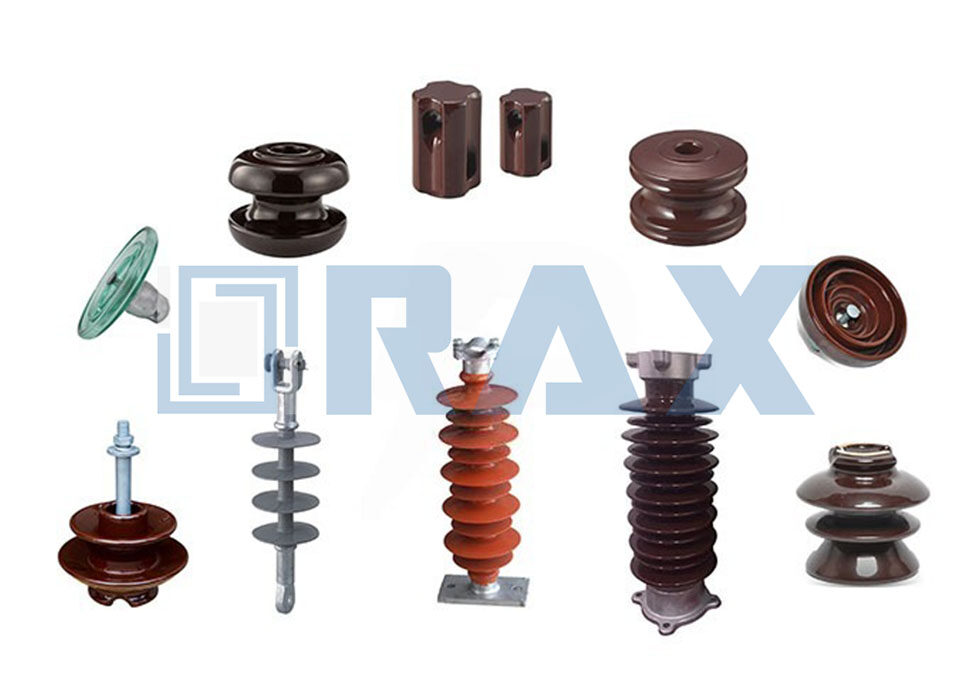
What to Check Before Buying Composite Insulators
Before procurement, verify hydrophobicity class certification, IEC 61284 compliance documentation, filler composition data, aging test records, and housing-to-rod bond integrity. These five checkpoints separate reliable composite insulators from substandard products that degrade prematurely in service.
Composite insulators offer superior performance in polluted and humid environments, but their long-term reliability hinges on material quality and manufacturing precision. Buyers often confuse silicone rubber with EPDM, assuming similar behavior, but only silicone rubber provides dynamic hydrophobicity transfer—a critical feature for maintaining insulation under contamination. Additionally, aging concerns are valid; without proper filler composition and bond integrity, hydrophobicity can degrade within a decade. This section outlines the essential verification steps to ensure your investment delivers 25+ years of stable performance.
1. Hydrophobicity Class Verification
Dynamic hydrophobicity transfer separates genuine silicone rubber composites from materials that appear similar on paper. While EPDM offers only static hydrophobicity, silicone rubber actively migrates hydrophobic groups to the surface under contamination to repel water and prevent flashover.
Before buying, demand test reports that certify the hydrophobicity class according to IEC 62073 or ASTM D4355. The class scale runs from HC1 (best) to HC6 (worst). For harsh industrial or coastal environments, insist on HC1 or HC2. Lower classes indicate poor recovery ability, which leads to increased leakage current and premature failure. Also, verify that the silicone rubber is virgin material, not recycled, as recycled compounds lose hydrophobicity transfer properties faster.
2. IEC 61284 Compliance and Mechanical Integrity
IEC 61284 is the international standard for composite insulators for AC overhead lines with a voltage greater than 1000 V. Compliance ensures that the insulator meets rigorous mechanical, electrical, and environmental requirements. Key parameters to check include:
- Short-circuit current withstand: The insulator must endure thermal and mechanical stresses from fault currents without housing degradation or core rod failure.
- Lightning impulse performance: Verify peak discharge voltage and switching impulse performance under wet conditions.
- Mechanical load rating: Ensure the rated tensile strength matches your line design, typically ranging from 70 kN to 300 kN for transmission applications.
Non-compliant insulators may appear cheaper but risk catastrophic failure under storm or ice-loading conditions. Always request a certificate of conformity to IEC 61284 from an accredited laboratory, not just a manufacturer’s self-declaration.
3. Filler Composition Validation
The silicone rubber housing is compounded with fillers to enhance mechanical strength, UV resistance, and weathering performance. The primary filler is fumed silica, which reinforces the polymer matrix. However, some manufacturers use cheaper extenders like calcium carbonate to reduce costs, which compromises tensile strength and accelerates aging.
To validate filler composition, ask for a material data sheet that specifies the silica content (typically 60–80% by weight) and the type of silane coupling agent used. Silane coupling agents improve the bond between silica and silicone, preventing filler detachment under stress. In field tests, insulators with inadequate filler bonding show surface cracking and loss of hydrophobicity within 5–10 years, especially in high-UV regions.
If possible, conduct a simple burn test on a sample: pure silicone rubber ashing leaves minimal residue (mostly silica), while fillers like calcium carbonate produce visible white ash. This on-site check can quickly identify low-grade compounds.
4. Aging Test Certificates and Long-Term Stability
Aging is the primary concern for composite insulators, particularly regarding hydrophobicity retention and mechanical strength degradation. While silicone rubber is resistant to UV and ozone, prolonged exposure can cause surface hardening and micro-cracking if the formulation is suboptimal.
Request aging test certificates that include:
- Thermal aging: Exposure to elevated temperatures (e.g., 150°C for 168 hours) to simulate load-induced heating and verify no significant loss of tensile strength.
- UV exposure: Xenon arc or carbon arc testing per IEC 60068-2-5 to ensure the housing retains hydrophobicity after prolonged UV radiation.
- Hydrophobicity recovery: Tests showing that hydrophobicity class returns to HC1–HC2 after contamination and washing cycles.
Look for insulators that have undergone 36-year aging simulations, which provide confidence for a 25–30 year design life. Some manufacturers offer extended warranties based on such data. Avoid products with only short-term (less than 10,000 hours) aging results, as they may not reflect real-world degradation patterns.
5. Housing-to-Rod Bond Integrity Standards
The bond between the silicone rubber housing and the fiberglass core rod is a critical failure point. Poor bonding can lead to water ingress, core rod degradation, and sudden mechanical failure. This interface is vulnerable to manufacturing defects such as inadequate surface preparation or incomplete vulcanization.
Verify that the manufacturer performs pull-off tests per IEC 61109 or ASTM D429. The bond strength should exceed 5 N/mm² for dry conditions and 3 N/mm² for wet conditions. Additionally, check for non-destructive testing methods like ultrasonic inspection to detect voids or delamination at the bond interface.
In the field, inspect insulators for signs of bonding failure, such as visible gaps between housing and end fittings or moisture accumulation inside the housing. Reputable suppliers provide bond test reports for each production batch, which should be reviewed before procurement.
Practical Procurement Checklist
To streamline your evaluation, use the following checklist when sourcing composite insulators:
📋 Actionable Steps
- Step 1: Request hydrophobicity class certification (IEC 62073) and confirm HC1 or HC2 for your environment.
- Step 2: Obtain IEC 61284 compliance certificate from an accredited lab, verifying mechanical and electrical ratings.
- Step 3: Ask for filler composition data sheet, ensuring high silica content and silane coupling agents.
- Step 4: Review aging test reports, including thermal, UV, and hydrophobicity recovery results spanning at least 10,000 hours.
- Step 5: Check bond integrity test reports (pull-off strength) and inquire about non-destructive testing methods.
By rigorously applying these checks, you mitigate the risks of material confusion and aging uncertainty, ensuring that your composite insulators deliver reliable performance throughout their design life. Remember, the lowest bid often correlates with compromised fillers or inadequate testing—prioritize verified quality over upfront cost savings.
Safe Installation and Handling of Composite Insulators
Composite insulators are lightweight and field-friendly, but the HTV silicone rubber housing and fiberglass-epoxy core are vulnerable to improper handling. Correct gripping, torque control, and pre-installation inspection are non-negotiable for preserving the 36+ year design life.
Correct Gripping Techniques to Protect the Rubber Sheath
Composite insulators typically weigh 70–85% less than porcelain equivalents of the same voltage class, which makes them easy to handle but also easy to damage. The HTV silicone rubber housing is chemically resistant and UV-stable, but it is mechanically soft. Point loads from improper gripping can create micro-cracks or permanent indentations that compromise both the hydrophobicity transfer mechanism and the electrical insulation barrier.
- Grip zone: Always handle the insulator by the metal end fittings or the designated grip zones marked on the housing. Never wrap straps, ropes, or chains directly around the silicone rubber sheds.
- Spreader bars: For long-span suspension strings (typically 6 kV–132 kV applications), use spreader bars with padded clamps to distribute lifting forces evenly across the assembly rather than concentrating load on a single unit.
- No dragging: Dragging composite insulators across gravel, steel structures, or rough terrain abrades the housing surface and destroys the nano-filler-enhanced hydrophobic layer.
- Vertical storage: Store insulators vertically or on padded racks. Horizontal stacking creates point loads on the lower sheds that can deform the HTV rubber over time.
Field crews frequently sling a wire rope around the mid-section of a composite insulator for lifting. This creates a concentrated compressive load that can crack the silicone housing and expose the fiberglass-epoxy core to moisture ingress — a failure mode that is not visible from the outside until significant internal degradation has occurred.
End Fitting Torque Specifications and Crimping Standards
The mechanical integrity of a composite insulator assembly depends entirely on the interface between the end fitting and the fiberglass-epoxy core. Over-torquing compresses the core beyond its design limit; under-torquing allows creep under cyclic wind and ice loading. Rax Power applies hot-forging technology to all end fittings, which provides superior grain structure and dimensional consistency compared to traditional casting — but the torque values must still be strictly observed during installation.
The following torque specifications are industry-standard reference values for galvanized steel clevis and eye fittings on composite insulators. Always defer to the manufacturer’s installation datasheet for the specific product model, as Rax Power’s automated production ensures a strict 1 mm tolerance on all fitting dimensions.
- M16 clevis pin: 60–75 Nm tightening torque
- M20 clevis pin: 100–125 Nm tightening torque
- M24 clevis pin: 170–210 Nm tightening torque
- Eye bolt (M16–M24): 70–190 Nm depending on bolt diameter
For crimped-type end fittings, hydraulic crimping must follow IEC 61284 load testing parameters. Our in-house QC team verifies every crimped connection against the specified die size and crimp height. We apply a 100% double-review process — each crimped joint is inspected twice before the insulator proceeds to packaging. The galvanized hardware on our fittings meets ISO 1461 hot-dip galvanizing standards with a mean coating thickness exceeding 85 microns, ensuring corrosion resistance across the full operational temperature range of -60°C to 200°C.
In our experience with field installations across Russia and South America, we see the most frequent torque-related failures on guy-wire tensioning applications where crews use impact wrenches without a calibrated torque multiplier. Always use a calibrated torque wrench and verify the final setting with a second pass at 90% of the target value to confirm the fitting has seated correctly.
Pre-Installation Visual Inspection for Housing Damage
A pre-installation visual inspection is the single most effective step for preventing field failures. Housing damage that goes undetected at the installation stage becomes a catastrophic failure point within 2–5 years, particularly in polluted or coastal environments where the hydrophobicity transfer mechanism is constantly active.
📋 Pre-Installation Inspection Checklist
- Step 1 — Housing surface: Check for cuts, gouges, abrasion marks, or indentations deeper than 1 mm. Any breach in the HTV silicone rubber layer must be rejected.
- Step 2 — Shed condition: Inspect all sheds for cracking, especially at the shed root where the silicone meets the core rod. Crack propagation here is the primary pathway for water tracking along the fiberglass-epoxy core.
- Step 3 — End fitting integrity: Verify that the galvanized coating is intact with no flaking or bare spots. Check that the interface between the fitting and the housing shows no visible gap or weeping of silicone material.
- Step 4 — Core rod exposure: Confirm that no part of the fiberglass-epoxy core rod is exposed or visible between the end fitting and the housing. Exposure indicates housing shrinkage or improper molding.
- Step 5 — Markings and certification: Verify that the insulator is clearly marked with voltage class, manufacturing date, and the IEC 61284 compliance label. Rax Power marks every unit for full traceability.
Our 10-person QC team conducts the same inspection protocol on every insulator before it leaves the factory. The double-review process means each unit is examined independently by two inspectors, and any unit with a housing defect is quarantined and reworked. For bulk orders, we recommend field supervisors perform the same five-step visual check on a random 5% sample batch before committing the full shipment to installation.
Shed profile integrity directly determines whether hydrophobicity transfer can function as designed under wet pollution conditions. When inspecting insulators destined for high-pollution or coastal environments, pay particular attention to the shed profile. The HC1–HC2 hydrophobicity rating is the target specification for these harsh conditions, relying on an intact, undamaged shed surface to enable continuous hydrophobicity transfer. Even minor housing damage disrupts this mechanism and accelerates surface tracking under wet pollution conditions.
Conclusion
Silicone rubber composite insulators aren’t a luxury upgrade — they’re the practical choice when your projects face heavy pollution, require lighter pole loading, or can’t afford repeated maintenance shutdowns. The hydrophobic recovery mechanism alone eliminates the flashover failures that porcelain insulators struggle with in coastal and industrial zones. Over a 25-year cycle, the reduced inspection frequency and elimination of replacement outages compound into real margin protection for your supply chain.
- Verify the housing material meets IEC 60815 pollution severity ratings for your target grid environments before specifying.
- Confirm end-fitting crimping standards match your local utility requirements to prevent mechanical failure at the stress point.
- Request technical documentation from our engineering team on hydrophobic transfer behavior under continuous wet pollution conditions — no purchase required.
Frequently Asked Questions
What temperature range do silicone rubber insulators handle?
Silicone rubber composite insulators maintain stable performance from -60°C to 200°C, making them suitable for extreme climates. This wide thermal tolerance prevents cracking in freezing conditions and softening in high-heat environments. RaxPower validates this range across its 72kV–1,200kV product line for global utility applications.
What is the difference between HTV and LTV silicone rubber?
HTV (High-Temperature Vulcanized) silicone rubber is the industry standard for outdoor composite insulators due to its superior mechanical strength and aging resistance. LTV (Low-Temperature Vulcanized) rubber cures at lower temperatures and is typically used for indoor or less demanding applications. For overhead line hardware exposed to UV, pollution, and thermal cycling, HTV silicone rubber delivers the performance required for 25-plus year service life.
How does nano-filler technology improve insulator performance?
Advanced hybrid nano-filler technology embedded in the silicone rubber matrix significantly raises dielectric strength, exceeding 33 kV/mm in validated testing. The nano-fillers create a denser molecular structure that resists electrical tracking, surface erosion, and moisture penetration over decades of exposure. This technology is a key differentiator for RaxPower composite insulators operating in severe pollution and high-voltage environments.
What role does the silicone rubber housing play?
The silicone rubber housing serves as the primary insulation barrier and environmental shield for the fiberglass core rod. It provides electrical insulation, protects against UV degradation, and delivers hydrophobic surface properties that prevent flashover in polluted conditions. Unlike porcelain or glass, the housing is flexible and impact-resistant, reducing the risk of catastrophic failure from mechanical shock or vandalism.
Is EPDM a suitable alternative to silicone rubber for insulators?
EPDM rubber offers good electrical properties but lacks the hydrophobicity transfer capability that makes silicone rubber superior in polluted environments. EPDM tends to become permanently hydrophilic after surface contamination, increasing flashover risk. For outdoor high-voltage applications where self-cleaning and pollution performance are priorities, silicone rubber remains the preferred material choice.
What are composite station post insulators used for?
Composite station post insulators are vertical support insulators used in substations and switchyards to isolate busbars and equipment from grounded structures. They combine the lightweight advantage of fiberglass cores with the pollution performance of silicone rubber housing. These insulators are ideal for spaces where weight reduction, compact design, and high flashover resistance are critical compared to traditional porcelain post insulators.
Can composite insulator shed colors be customized?
Yes, silicone rubber composite insulators can be manufactured in custom shed colors to meet utility identification standards or regional requirements. Color customization supports visual inspection protocols and helps differentiate voltage classes or circuit types on the same pole. RaxPower offers OEM/ODM color options as part of its custom design services for international projects.