
Picture the corner pole on a rural feeder just after sunrise. The span pulls one way, the coming wind will push the other, and nothing between them can carry compression. Everything rides on the one forged head that ties the strand to the earth.
RaxPower has built this hardware category from a hot-forging floor in Hebei since the plant cut its first die. The 170+ people behind the press line read galvanizing certificates the way crews read sag charts. This guide walks the whole path: reading the head, pairing the rod with its anchor, setting the lead, and tensioning the finished assembly.
Reading the Triple Eye Head Before You Break Ground
A triple eye anchor rod is a forged steel rod whose upper end carries three strand eyes. Its lower end is threaded to take a heavy square nut that locks the rod to an earth anchor. The eyes are not decorative. Each one is a forged loop sized to receive the strand, a thimble, or a dead-end fitting. Catalog writers describe the family plainly: rods drop forged to one, two, or three strand eyes.
Follow the load path before the first shovel of soil moves. Line tension enters the strand, turns at the thimble seated in the eye, runs down the shank, crosses the square nut into the anchor, and finally spreads through the soil. Every link in that chain has to be sized for the whole pull, the way you trust a frame bolt on a machine only when its grade matches the job.
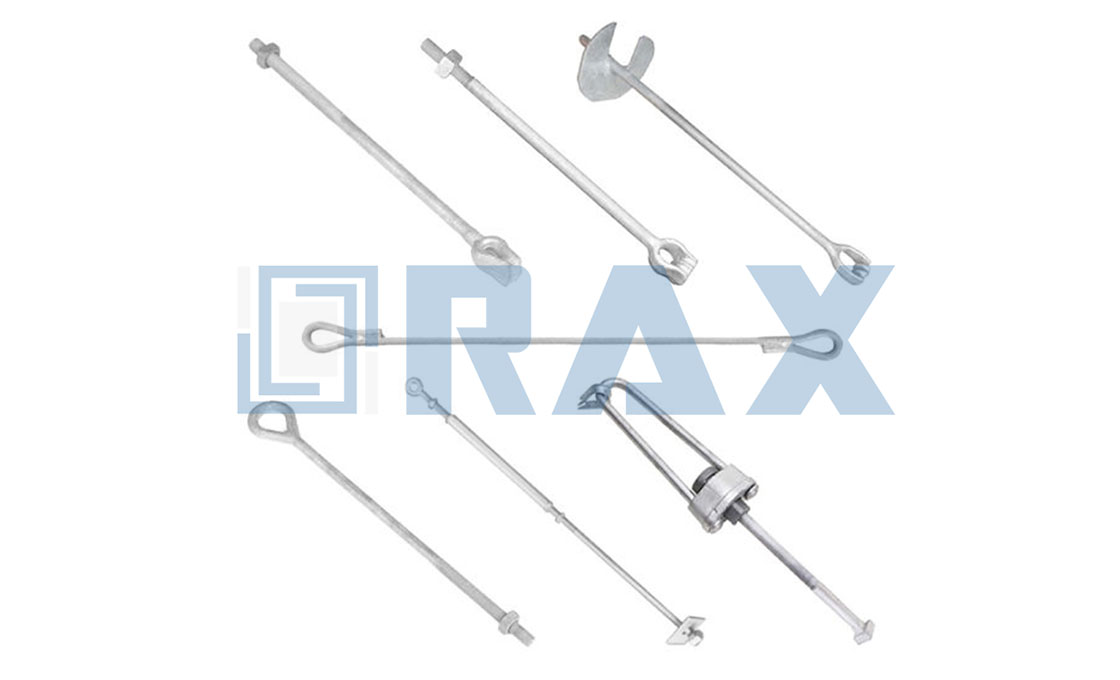
Why three eyes rather than one? The extra eyes give the crew separate attachment points on the same head. The strand dead-end keeps its own forged seat, the adjusting hardware keeps another, and nothing has to share a crowded loop. That separation spreads the wear points apart and leaves room for the fittings the guy design actually calls for.
The material expectation stays plain even when the drawings vary: carbon steel bar, hot forged into the head, then protected by hot-dip galvanizing applied to the ASTM A123 coating standard. The galvanized finish carries the assembly through years of soil contact, so coating knocked off in rough handling is a rejection item, not a touch-up note. Full rod, anchor and accessory coverage for that finish spec sits on the anchor rod and accessory pages.
Pairing the Rod with an Expanding or Cross Plate Anchor
Two anchor families dominate utility guying, and both are sold as systems with the rod as their stem. An expanding anchor locks into an augered hole as the rod takes load. A cross plate anchor works differently: it seats flat in a bored hole and pushes against undisturbed soil at the bottom of the dig. Makers list the triple eye pattern specifically for these products, so treat the triple eye anchor rod and its anchor as one purchase decision rather than two.
Published ladders show how fast the ratings climb with diameter. One catalog covers the range this way:
| Rod diameter | Length | Ultimate strength |
|---|---|---|
| 3/4 in | 7 ft | 23,000 lbf (102,310 N) |
| 3/4 in | 8 to 9 ft | 23,000 lbf (102,310 N) |
| 1 in | 8 to 10 ft | 36,000 lbf (160,316 N) |
| 1-1/4 in | 10 ft | 58,000 lbf (258,000 N) |
Read the table as a floor, not a target. The rod rating, the anchor rating and the calculated guy load have to line up with the weakest link at or above the design pull. Crews that match rod grade to structure class on paper avoid the expensive version of the mistake, which is re-digging a corner after a line failure.
Anchors carry their own published ratings, and those ratings assume the soil class on the drawing. The rod can be flawless and the layout perfect, yet an anchor set one soil class below the assumption will creep at working load. Pair the two on paper first, then confirm in the ground.

The anchor half of the system is its own selection exercise, covering plate area, helix type and soil behavior. It deserves the same attention on the ground anchor pages before the rod diameter is finalized.
Setting the Lead Distance and Guy Angle
Geometry decides how much of the line tension actually arrives at the anchor. Field guides converge on a working guy angle near 45 degrees. That geometry puts the anchor roughly as far out from the pole as the guy attaches above ground, a layout the trade knows as a 1:1 lead.
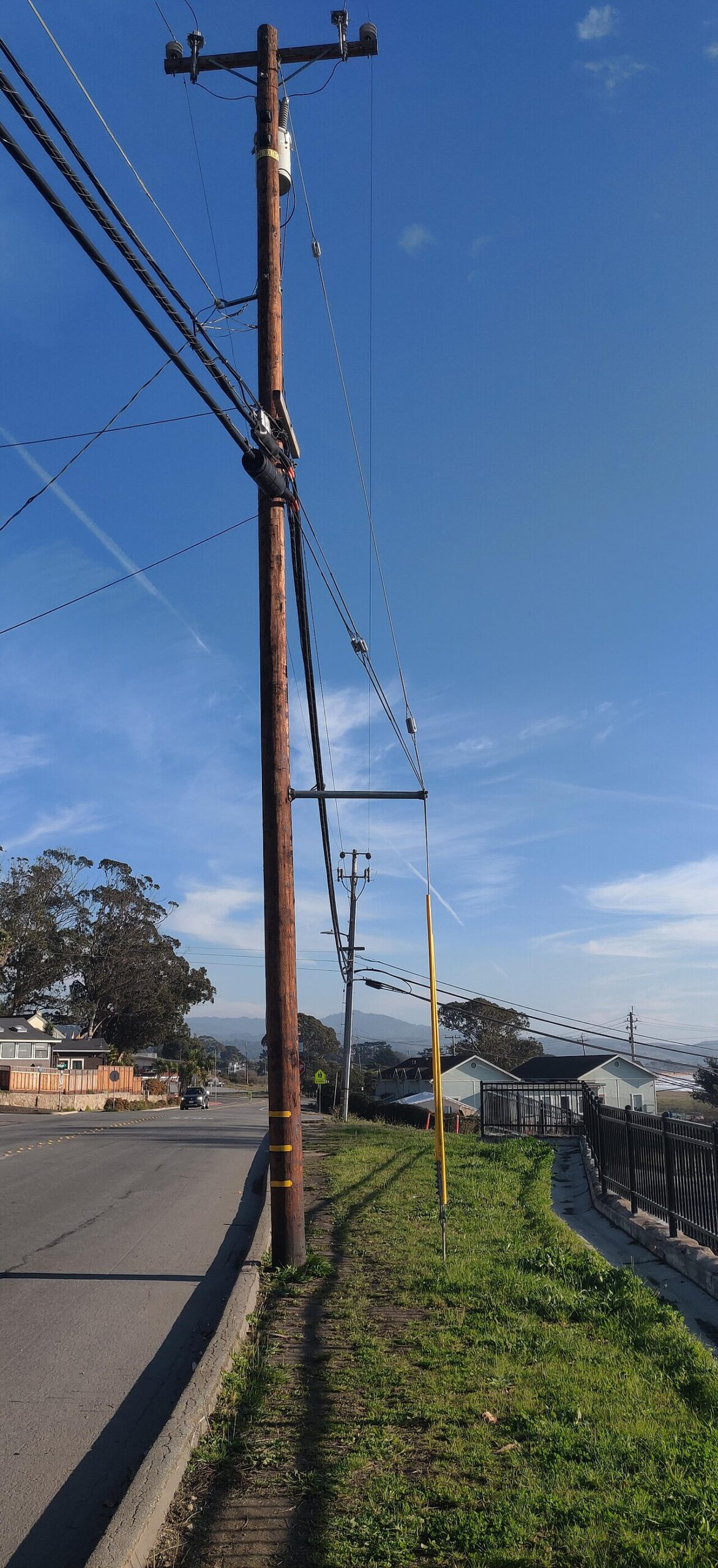
Shallower lines stretch the assembly further out and load it harder, so the strength demanded from the rod and anchor climbs as the angle drops. Mark the lead with a tape before any digging starts, confirm the attachment height on the pole, and only then break ground. A triple eye anchor rod set on a measured lead lines up with the strand naturally. One set by eye tends to land off-axis and fights the hardware all through makeup.
Tight urban plots change the geometry. When the property line blocks a full lead, crews run a sidewalk guy behind a guard pipe, or recover lead by attaching higher on the structure. The anchor rod does not care where the compromise happens. It only feels the resulting angle, so the rating check has to follow the revised geometry rather than the plan sheet.
Crew Prep That Keeps the Dig on Schedule
Good anchor days start before the truck leaves the yard. Walk the structure, confirm the attachment height, and locate every buried service in the dig zone before the first cut. The tool roll is short. It holds a tape for the lead, plus a level and a plumb line for the pole face. It holds the auger or digging bar matched to the anchor style, and a wrench that actually fits the heavy square nut.
Soil tells the crew which anchor style will behave once it is buried. Wet clay holds a plate well but clogs an auger, while loose sand asks for more depth and a wider bearing face. Write the ground conditions into the job record along with the rod size, anchor type and lead actually installed, because the next crew inherits those assumptions.
Seating the Anchor and Rod at Depth
Orient the plate or the expanding shell square to the line of pull, because soil carries load best on its strongest face. A cross plate rides at the bottom of a slanted boring with its face against undisturbed ground. The rod trench above it stays as short and straight as the lead allows, and backfill goes back in compacted layers rather than one loose dump.
Every crew on this work has a story about a hurried backfill. The anchor tests fine on installation day, then the void settles through the first wet season. The assembly ends up standing loose in the very hole it was meant to fill.
When the crew runs screw-type anchors instead, the angle gets locked in before the second helix enters the soil. Manufacturers warn that a running anchor cannot be backed out and re-used in the same hole. Depth matters more than speed on every variant. The triple eye anchor rod is seated when three things line up. The eye end stands at design height, the square nut is run down tight, and the rod no longer shifts under hand pressure.
Making Up the Guy Side Without Hardware Stackup
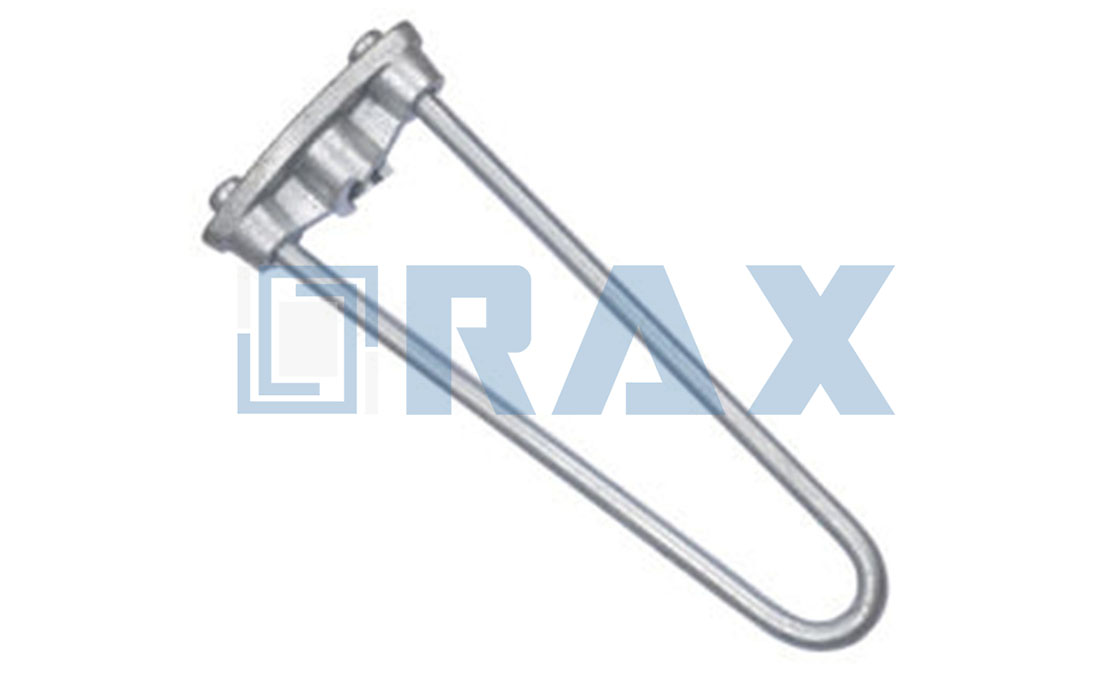
The guy side of the head is where sound assemblies drift into bad ones. A thimble belongs inside every eye that takes strand, because the thimble keeps the bend radius honest and stops the strand from sawing on bare steel. The strand itself dead-ends with a grip or wraps sized for its grade. Manufacturers state the discipline plainly: never attach the guy wire directly to a pulling eye. Where the design calls for one, a strain insulator breaks the run without touching the load path.
Adjustment hardware comes next in the makeup order. A turnbuckle gives the crew a threaded way to take up slack without re-rigging the whole line. The thimbles, hooks and clamps that complete the connection all live on the guy attachment pages. Keep one function per attachment point. The three eyes exist so that strand, adjustment and accessories never have to share a seat.
Resist the instinct to double up fittings in one eye when a layout turns awkward. Two pieces of hardware grinding inside the same forged loop wear each other and the rod, and that wear stays invisible until the line is loaded hard. If the head runs out of eyes, the layout needs another anchor position, not a busier eye. The habit costs nothing on installation day and returns the favor every time the line comes back through for maintenance.
Tensioning and Post Install Checks That Hold the Line
Tension the strand in stages rather than in one hard pull. Bring the line up, let the structure and the soil answer back, and watch the pole return to plumb as the guy takes load. The sequence matters because soil compresses under the anchor, so the first hard pull reads higher than the assembly will actually hold a week later.
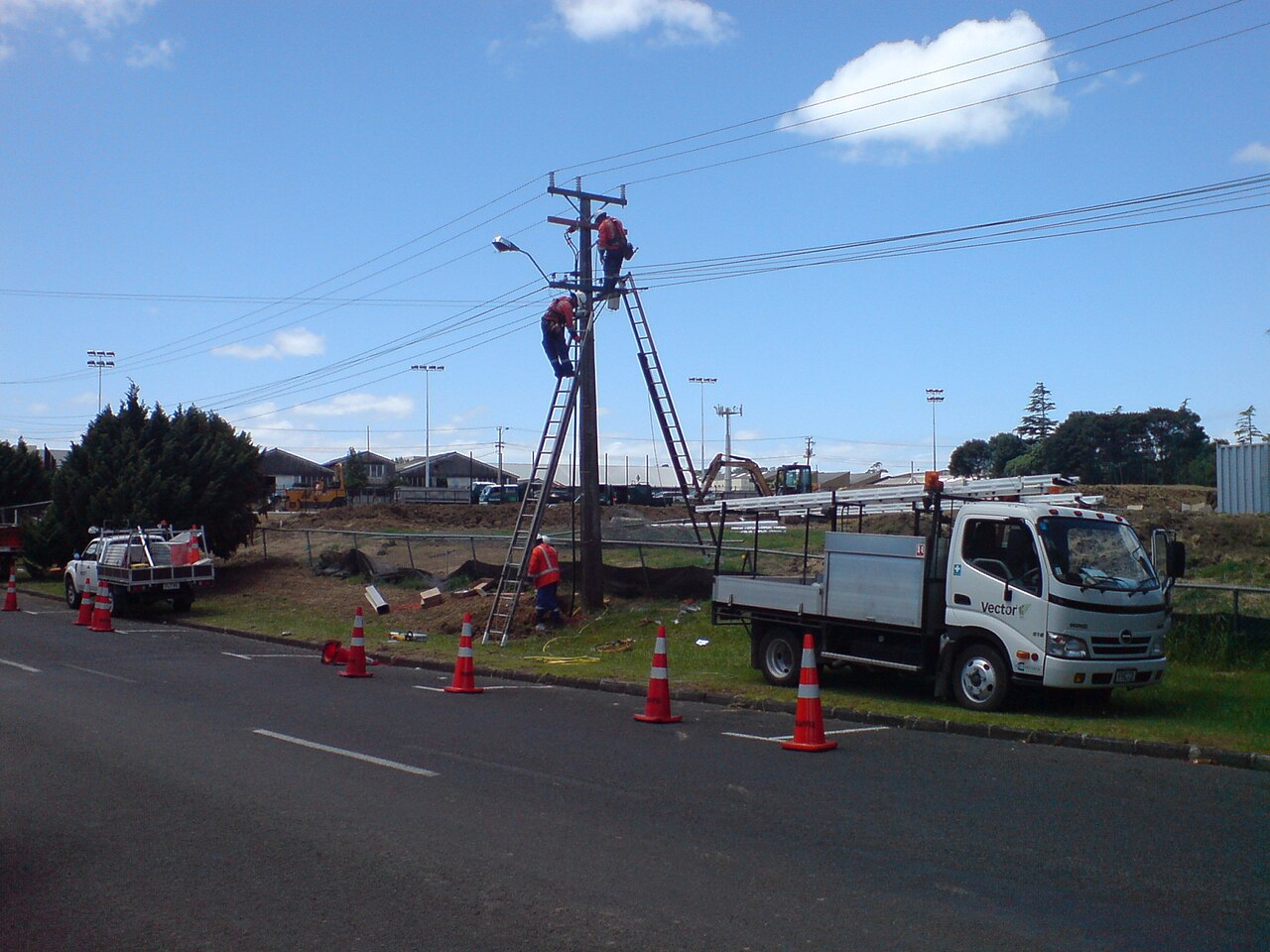
In our experience the walks that catch problems are the ones scheduled after the first few weeks in service, when creep has already spoken. Re-check the strand tension, look for fresh movement at the soil line, and confirm the square nut has not relaxed. Small corrections at that stage cost minutes. The same corrections after a season cost a crew day.
Keep the walk short and repeat it: pole plumb, strand tension, soil movement at the anchor, then the tightness of the square nut. Anything odd gets written against the structure number rather than left in memory.
Design engineers put the underlying rule bluntly: a strand can only pull, never push, so every ounce of stability the assembly promises has to be physically present below grade. That is the standard a triple eye anchor rod installation answers to. It is also why the checks at the end of the job matter as much as the dig at the start.
A Closing Word for Crews and Buyers
A triple eye anchor rod earns its keep quietly. Installed on a measured lead with the anchor matched to the soil, it disappears into the landscape and holds a corner pole square through years of weather. Installed carelessly, it becomes the reason a structure leans. RaxPower supplies anchor rods, earth anchors and the matching guy attachments as one hardware family, so the ratings specified on paper stay consistent all the way into the ground.
Frequently Asked Questions About Guy Anchor Installation
How far out from the pole should the anchor sit?
Match the lead to the attachment height for a guy working near 45 degrees. Most field guides treat that 1:1 lead as the default, and a shallower line raises the load the anchor must carry, so the rating has to rise with it.
Can one triple eye anchor rod take two guy wires?
The head carries three forged strand eyes, so a crew has separate attachment points for strand and adjusting hardware instead of stacking fittings in one eye. Any multi-guy layout still needs engineering against the rated holding strength before the first pull.
Does the square nut go on before backfilling?
Yes. Catalog specs put the thread at about three and a half inches, with a heavy square nut. Run the nut down before the assembly is buried, and the rod stays locked to the anchor at full depth.
What size rod matches a standard distribution guy?
Catalog ladders for the triple eye anchor rod family run from 3/4-inch rods rated near 23,000 pounds up to 1-1/4-inch rods near 58,000 pounds. Size the rod and anchor so the rating covers the calculated guy load with the utility’s margin policy applied.
When does a cross plate anchor beat an expanding anchor?
Cross plate anchors suit open ground where a boring can be dug at an angle and the plate seated against undisturbed soil. Expanding anchors drop into an augered hole and set as the rod loads, which suits tighter urban work.