
A pin insulator looks like the simplest hardware on the pole, yet it carries a century of material decisions inside its skirts. The pin insulator evolution that moved from glass to porcelain to polymer changed what buyers pay at the counter and what crews carry up the pole. Reading that history as a cost story explains most catalogues you are holding today.
Our order desk watches this history arrive as paperwork, because tenders for the same 11 kV feeder now list porcelain and composite pin units side by side. This piece follows the material generations in that order, then traces the cost logic each one left behind, and closes where the market data says the next decade points.
What Evolution Means on a Distribution Pole
Walk any mixed-vintage feeder and the generations sit within one span of each other. Until the 1930s, a buyer specifying pin hardware had in practice one ceramic answer, and the ordering question was size rather than material family. Today the same question splits into glass, wet-process porcelain, and polymer composite, each with its own price behavior. That is why the pin insulator evolution matters more to purchasers than to historians.
The product itself is old. Wikipedia's entry on the type calls it "the earliest developed overhead insulator", still in regular service on networks up to 33 kV. Age is not the interesting part. What matters for a buyer is that every generation entered the catalogue for a cost reason. Every generation it displaced left behind spares, habits, and standards that still shape quotations.
This article stays on the pin class and its purchasing logic. For the full chronology across suspension strings and station posts, see our separate timeline of how transmission and distribution insulators evolved. For the anatomy of the assembly itself, the pin insulator explainer covers each part in order.
Glass Set the First Cost Baseline
Glass earned its head start on price. The material history on Wikipedia gives the reason in one line. "Glass was initially popular as a primary insulating material due to its low production cost and excellent dielectric properties". Melt and mold were cheap, and an inspector could see an internal crack without instruments.
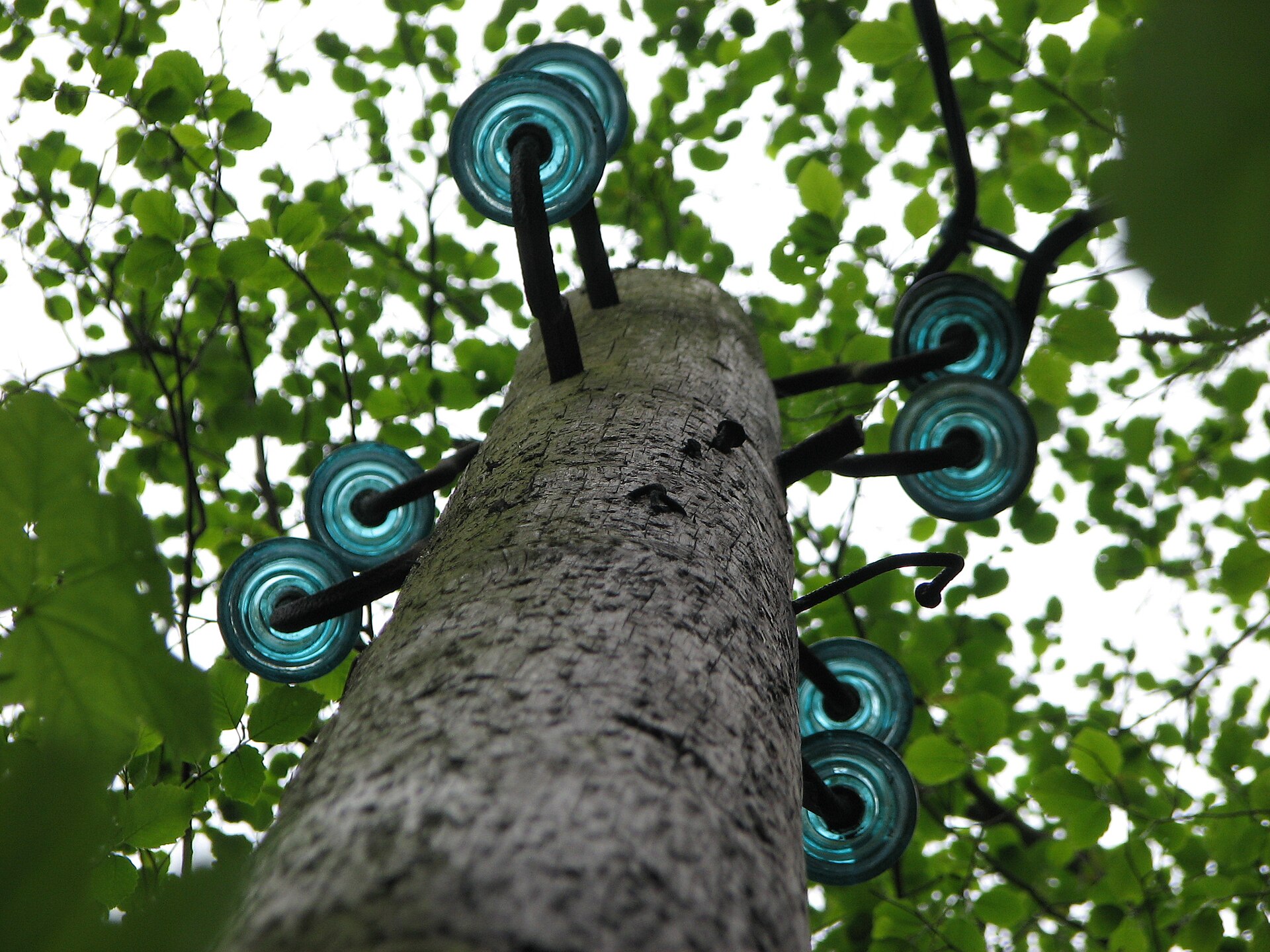
Damp service exposed the ceiling of that bargain. The same history gives the failure mode: glass "attracts condensation and the thick irregular shapes needed for insulators are difficult to cast without internal strains". Thick glass skins cool unevenly, and every pinned body needed exactly those thick curves. The retreat took decades, but it ended clearly, since "Some insulator manufacturers stopped making glass insulators in the late 1960s, switching to ceramic materials".
Glass did not vanish from lines. Toughened glass found a durable second career in suspension discs, where a different failure logic applies and the economics of strings favor it. On the pin seat itself, though, the glass generation closed, and its pricing memory survives mostly in collector catalogues rather than utility tenders.
Why Porcelain Won the Pin Class
Porcelain took the pin seat and has not returned it. The material itself is humble and abundant. "Porcelain insulators are made from clay, quartz or alumina and feldspar, and are covered with a smooth glaze to shed water". Batch materials stay cheap, and kiln firing scales into thousands of near-identical bodies. Electrical performance sits comfortably above distribution needs, since "Porcelain has a dielectric strength of about 4–10 kV/mm".
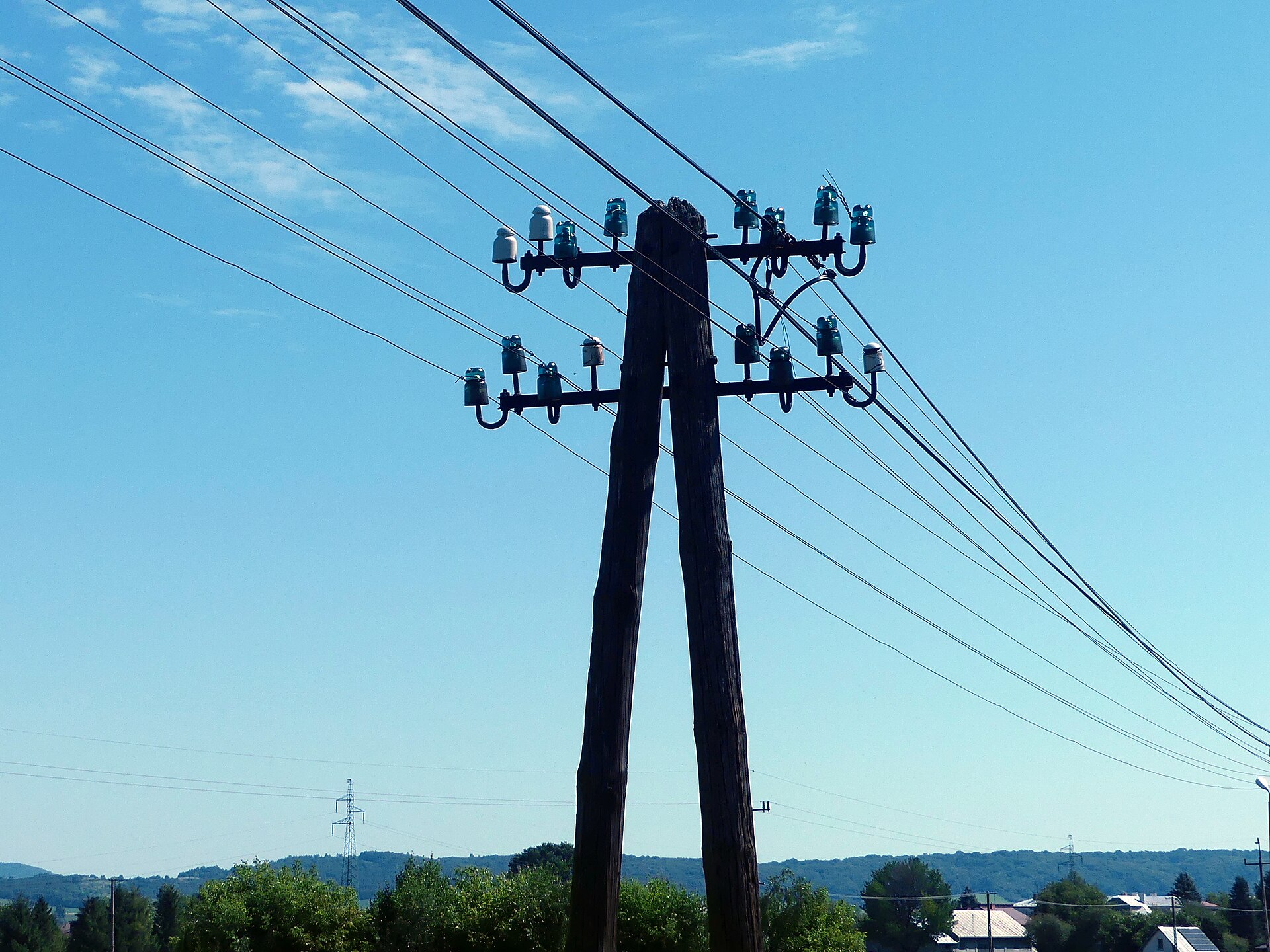
The cost logic of the porcelain generation is a low unit price carried on a heavy body. Weight is where the bill hides, because every unit pays freight twice: once to the warehouse and once up the pole. In our experience, the deeper lock is habitual rather than physical, since decades of spares and printed standards keep ordering porcelain long after alternatives arrive.
That lock is also why porcelain still wins renewals on legacy routes. A utility holding a ceramic specification can replace like with like in one purchase order, with no retraining and no hardware revisions. The pin insulator evolution did not dethrone porcelain on price alone; it arrived while this specification inertia was still the strongest force on the pole.
The Post Insulator Took the Higher Jobs
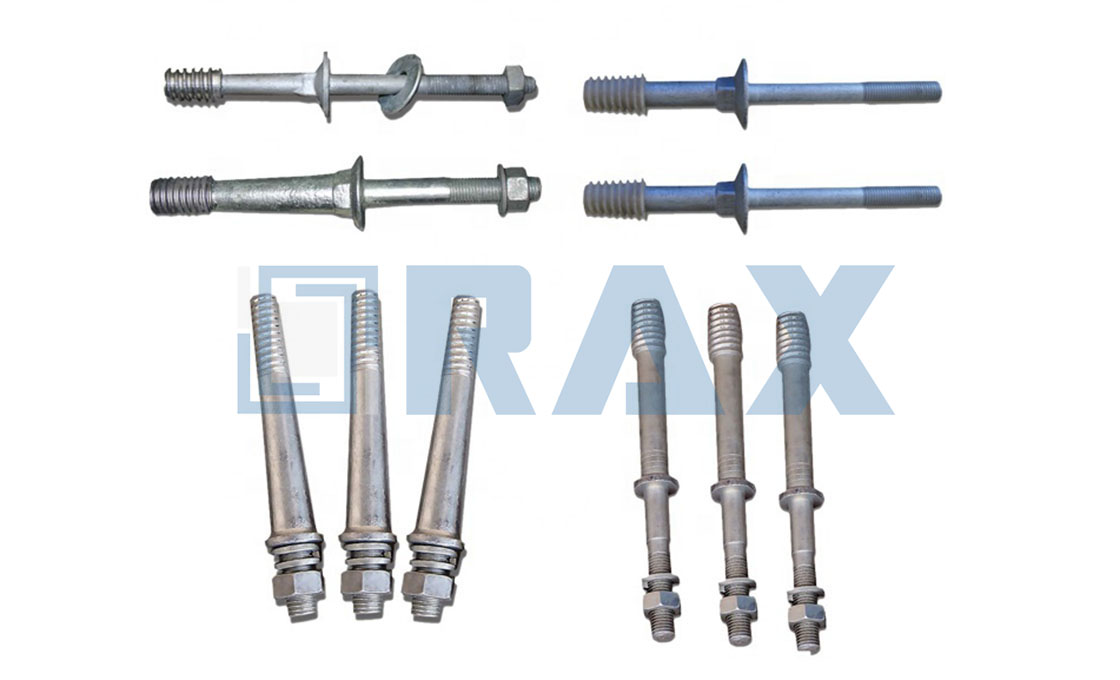
The clearest lesson in the class comes from the voltage boundary. When the voltage climbed, the pin insulator evolution answered with a different device rather than a bigger body. The economics recorded on Wikipedia are blunt: past 33 kV, pin designs "tend to be bulky and have become uneconomical". Scaling a cantilever pin means a heavier body sitting on a longer steel lever, and the mass grows faster than the voltage it buys.
The successor came from inside the pin family rather than from another material. The same source credits the "Post insulator", born in the 1930s, with having "rapidly replaced many pin-type insulators on lines up to 69 kV". The post kept the ceramic material and changed the load path, mounting the body in compression on a bolted base.
Buyers should read that episode as a purchasing rule. When a design need outgrows the pin seat, the answer was never a bigger pin. The evolution of the class bends toward different mounting hardware at higher loads, which is why pin quotations concentrate below 33 kV and stay there.
Polymer Pins Rewrote the Weight Economy
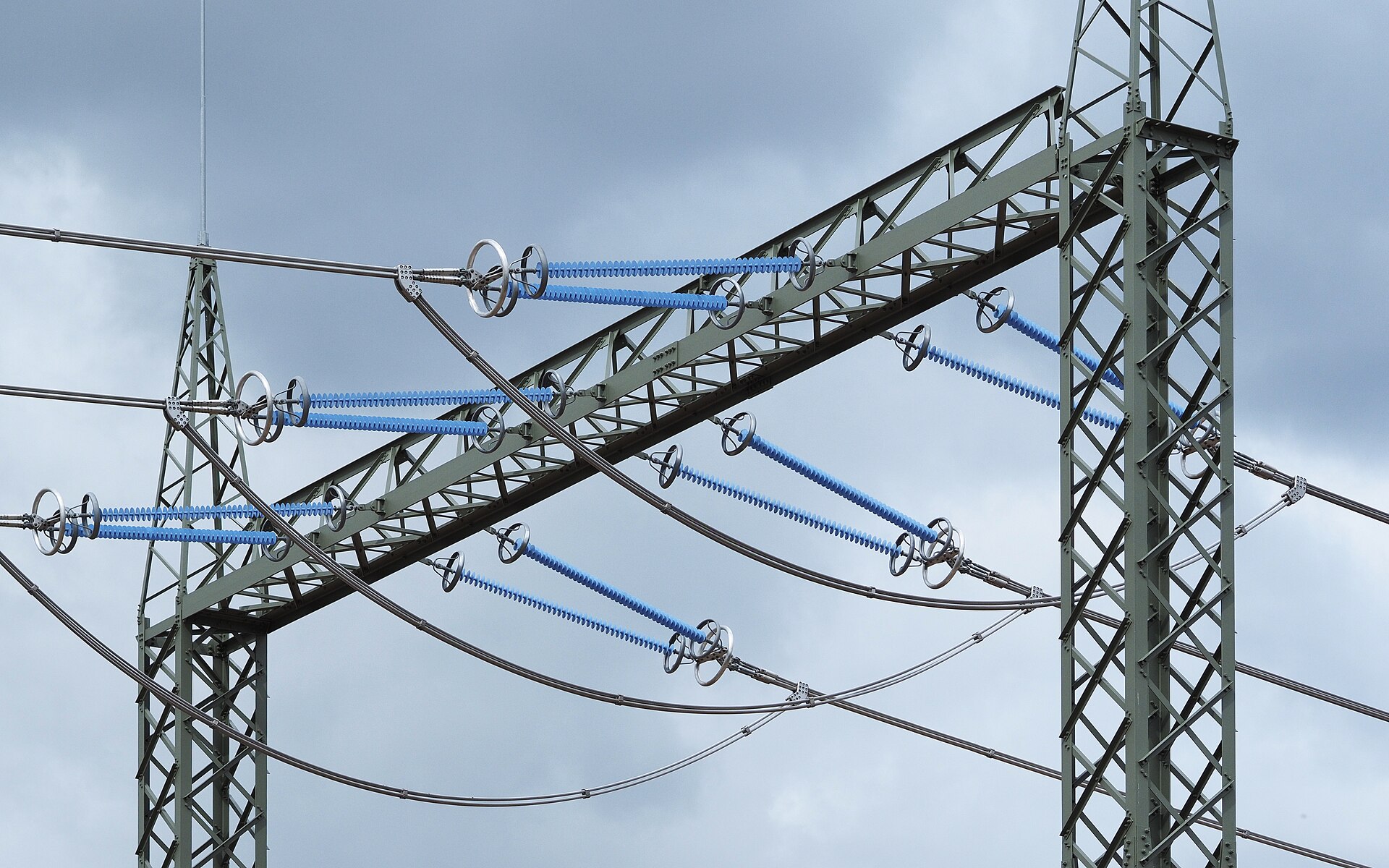
The polymer generation attacked the one cost porcelain could not shed: mass. In the standard description, a composite unit pairs "a central rod made of fibre-reinforced plastic" with "an outer weathershed made of silicone rubber or ethylene propylene diene monomer rubber (EPDM)". The fiberglass core carries the cantilever load, and the rubber sheds do the weather-facing work that porcelain glaze once did.
The material summary on Wikipedia is blunt about the trade. "Composite insulators are less costly, lighter in weight, and have excellent hydrophobic properties. This combination makes them ideal for service in polluted areas." However, it adds a caveat: composite units lack the "proven service life of glass and porcelain". Lightness is the purchasing lever, because porcelain's mass bills itself twice, as freight to the warehouse and as pole-top handling, and its brittle body turns one transit knock into scrap.
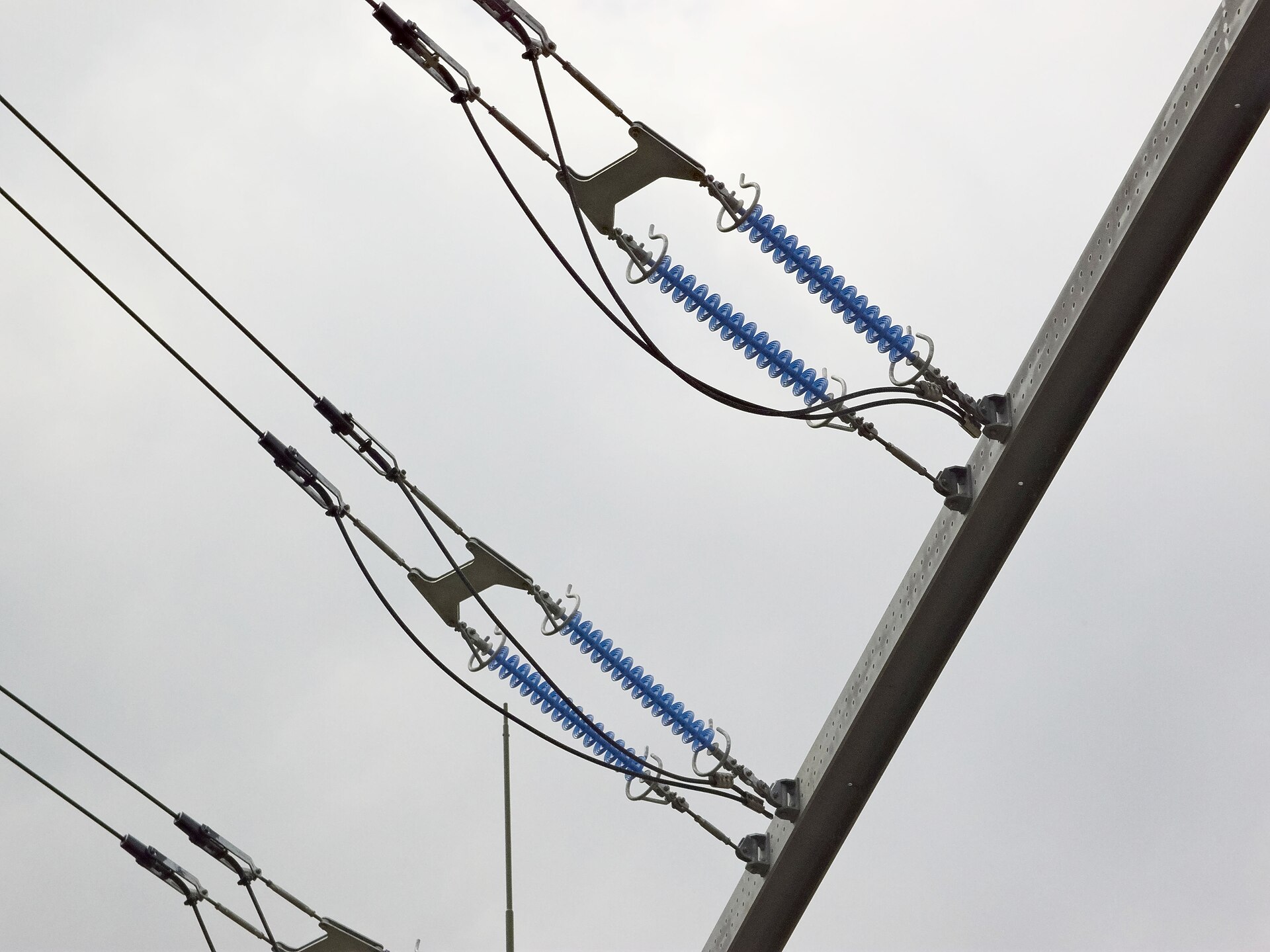
Weight savings compound through the whole logistics chain. A lighter unit means smaller cartons, fuller pole climbs, and fewer breakage claims, line items that recur on every distribution project sheet. For the engineering side of choosing these units, the composite pin selection guide covers creepage, cantilever ratings, and sealing in depth.
Unit Price Is Not the Whole Bill
Catalogue pages compare one number, and that number flatters porcelain. The pin insulator evolution is easiest to misread here, because a unit price is only one bill line among many. The honest cost picture spans the purchase order, the freight invoice, the installation crew, and the maintenance cycle.
Transmission-grade evidence shows how large the gap becomes at scale. Polymer strings there weigh "more than 90% less than porcelain equivalents at 500 kV". One utility case recorded that "based on material selection, cost savings with polymer are alone over 50%". The same contractor case quantified installation savings at about "~US$ 2500/mile" on a single project.
Laboratory evidence adds a running-cost line the catalogue never shows. Testing found "power losses for porcelain insulators are on the order of 10 times those measured for polymeric insulators". Distribution feeders run the same physics at smaller amplitude. The table below sorts the bill into its repeating lines so the comparison survives contact with a real tender.
| Bill line | Glass generation | Porcelain generation | Polymer generation |
|---|---|---|---|
| Counter price trend | Lowest, now historic | Lowest among current options | Premium, narrowing |
| Freight and pole-top handling | Moderate | Highest, mass-driven | Lowest, mass-driven |
| Transit and installation breakage | High | Present, brittle mode | Minimal |
| Pollution servicing | Moisture sensitive | Washing or coating cycles | Hydrophobic recovery |
| Track record | Century-plus, retired | Century-plus, active | Decades, still proving |
A procurement rule follows from the table. Porcelain still wins the counter-price line on legacy renewals, while composite units win every line that repeats after delivery. Where the two generations tie, the tie-breaker is usually the specification file rather than the physics.
Manufacturing Shifts That Moved the Price
Behind both cost curves of the pin insulator evolution sits a process story. The porcelain generation grinds natural batch materials, forms wet bodies, and fires them in kilns, so its floor price tracks energy and skilled labor. The polymer generation molds sheds, crimps fittings onto rods, and assembles in-line, which is a tooling business rather than a furnace business. Like a truck platform sharing one chassis across many bodies, standardized composite tooling spreads development cost across every catalogue size.
Market analysts now describe the composite pin supply side in exactly those terms. One market study lists "standardization of voltage specifications, declining material costs for high-performance composites" among its maturation factors for the segment. The same report describes "the transition from traditional ceramic insulators to advanced composite systems with enhanced mechanical strength and integrated tracking resistance becoming mainstream features". Manufacturing maturity, not laboratory novelty, bent the polymer price curve downward.
For buyers, process maturity carries a practical meaning. A molded shed from a mature line holds its dimensions lot after lot, which keeps creepage and thread geometry consistent across a purchase. That consistency is worth money on the pole, because a crew fitting the tenth unit should need no more judgment than the first.
What Utilities Are Buying Now
Purchase data now shows the generations trading places. The composite pin segment is valued at "USD 423.9 million in 2025", projected to reach "USD 857.5 million by 2035", a 7.3 percent compound annual growth rate. The study lists its "Leading Voltage in Composite Pin Insulator Market: Medium Voltage (49%)", so distribution feeders, in other words, are the battleground.
Field purchasing advice has shifted with the data. New 11 to 33 kV feeder specifications increasingly start from composite pin units unless a ceramic standard is already locked into the network file. Our own quotation desk sees both sides of that rule, with porcelain still holding renewals wherever the specification is written in ceramic.
The comparison across the two families is now standard procurement work, and the side-by-side of insulator pins against polymer insulators lays out the mechanical and standards differences line by line. Reading it beside a tender usually shortens the internal debate.
Where Pin Insulator Materials Go Next
The near future of the pin insulator evolution looks like more polymer, not less. The market study expects the composite segment's expansion to keep compounding through 2035, with tracking-resistant housings and standardized voltage classes moving from options to baseline features. Material research continues at the transmission end of the industry, and the composite insulator frontier report covers those developments for buyers who spec above distribution.
Two cautions keep the forecast honest. First, composite service records remain shorter than a century of fired clay, which is precisely why conservative networks keep ceramic in their renewal files. Second, the pin seat itself is bounded hardware; the pin insulator evolution replaced materials three times without ever moving its voltage ceiling, and no announced material changes that geometry.
The working forecast, then, is coexistence with a drifting boundary. Composite units should keep taking new-build feeders as their price premium narrows, porcelain should keep the renewals it already holds, and glass should stay a curiosity. Buyers who match the generation to the bill, rather than to the habit, capture the savings each generation was invented to deliver.
Frequently Asked Questions
Which three materials define the pin insulator's history?
Glass served the earliest telegraph and low-voltage lines, wet-process porcelain became the long-standing pin-class standard, and polymer composite pins form the newest generation now expanding fastest in distribution.
Why did glass pin insulators leave the market?
Thick glass shapes attract condensation and cast with internal strains, so ceramic displaced them on damp, higher-voltage service, and most makers had quit glass by the late 1960s.
Are composite pin insulators cheaper than porcelain?
Rarely at the counter. Porcelain usually wins the unit price line, while composite units cut freight, handling, breakage, and pollution servicing, which is where the larger bill sits.
How fast is the composite pin segment growing?
One market study values composite pin insulators at USD 423.9 million in 2025, reaching USD 857.5 million by 2035, a 7.3 percent CAGR led by medium voltage.
Will porcelain pin insulators disappear?
Not soon. Networks locked to ceramic specifications keep ordering them, and composite materials still lack the decades of proven service life that glass and porcelain demonstrate.