
Procurement managers always stare at the same line item problem: pay less upfront for ceramic hardware, or stretch the budget now to cut field labor later? The answer rarely lives in the initial invoice. It sits in the hidden drag of freight, rigging time, and reactive cleaning cycles that eat into your project margins over the next two decades. When you actually break down the Composite Insulators vs. Porcelain Insulators math, the numbers shift fast.
The weight differential alone dictates your field margin before the first string goes up. Porcelain assemblies routinely weigh between twenty and fifty kilograms, while composite strings drop to six or fifteen kilograms. That mass reduction slashes freight charges, removes heavy-lift equipment from your rental schedule, and lets standard crews splice lines in half the time. You stop paying for labor you do not need.
We strip out the accounting guesswork and walk through a lifecycle cost analysis framework that ties initial procurement directly to long-term replacement cycles. You will see how an installation and maintenance expense comparison reveals the true break-even point, followed by strategic selection based on environmental context to match salt spray and UV exposure to the correct shed design. Run these variables through your own project spreadsheets and you will finally have a defensible total cost of ownership model that justifies premium unit pricing when the grid demands it.
Lifecycle Cost Analysis Framework
True Total Cost of Ownership (TCO) is not the purchase order value; it is the sum of procurement, logistics, installation, and 20 years of maintenance. While porcelain units often offer a lower initial price tag, composites typically deliver superior ROI by reducing installation heavy-lifting and eliminating pollution maintenance cycles.
Initial Procurement Versus Long-Term Maintenance Expenses
A common error in utility budgeting is treating procurement price as the primary decision metric. While porcelain insulators generally command a lower upfront cost—often ranging between $50 and $150 per unit compared to $100 to $250 for composite equivalents—this saving is frequently eroded by operational expenditures (OpEx). In high-pollution or coastal environments, porcelain units require periodic washing to prevent flashovers. These wash cycles involve specialized crews, water trucks, and potential system shutdowns.
Composite insulators, leveraging hydrophobic properties, resist the accumulation of conductive pollution layers, effectively eliminating the need for cleaning. When you factor in the cost of just one maintenance wash crew over a 10-year period, the “premium” paid for composite technology typically yields a net positive return. From our experience managing global supply chains, we have found that clients who prioritize lifecycle reduction over invoice price realize significant budget relief by year five of the project.
Calculating Replacement Cycles and Failure Rate Impacts
Beyond maintenance, you must model the financial impact of failure rates and Mean Time Between Failures (MTBF). Porcelain insulators are brittle; they are susceptible to catastrophic failure from vandalism, gunshots, or foundation settling. When a porcelain string shatters, the replacement cost isn’t just the hardware—it includes emergency crew mobilization and potential revenue loss from outages.
Composite insulators offer high mechanical strength and resistance to impact, but they carry a specific risk known as Stress Corrosion Cracking (SCD) or brittle fracture, which can be invisible to the naked eye. If the polymer interface is compromised, the core rod can fail unexpectedly. This is where quality assurance becomes a financial hedge. In our manufacturing protocols, every unit undergoes a rigorous double-review process and 100% load testing compliant with IEC standards to ensure the interface integrity prevents SCD. By sourcing from verified suppliers with strict SGS-certified protocols, you effectively insure your capital investment against premature failure cycles that cheaper, unverified alternatives cannot guarantee.
Accounting for Installation Labor and Handling Efficiency
The “hidden” cost of transmission projects often sits in the logistics and installation phases. Composite insulators are typically 70% to 90% lighter than their porcelain counterparts. This weight differential has a direct, calculable impact on your bottom line:
- Transportation Density: You can fit significantly more composite units on a standard truck or shipping container compared to bulky porcelain. This reduces freight costs per unit and lowers the carbon footprint of the logistics chain.
- Rigging Requirements: The light weight of composites allows for installation using smaller helicopters or lighter-duty gin poles. In remote mountainous regions where heavy crane access is restricted, this can prevent the need for constructing temporary access roads.
- Labor Hours: Handling lighter hardware reduces crew fatigue and accelerates the “stringing” process. A faster installation means reduced line rental charges and quicker project commissioning.
Our manufacturing precision further enhances this efficiency. Because we utilize automated production to maintain strict dimensional tolerances, our hardware fits seamlessly on the first attempt. We eliminate the “on-site modification” time that contractors often waste when dealing with inconsistent, low-tolerance castings, thereby directly optimizing your labor utilization.
Initial Procurement Costs Versus Long-Term Savings
The Sticker Shock Phenomenon
Procurement officers often encounter immediate resistance when comparing unit prices. In the current market, traditional porcelain or glass suspension units typically range from $50 to $150 per unit, whereas composite polymer alternatives generally sit between $100 and $250. This 50% to 100% premium on the invoice creates a psychological barrier, often leading bulk buyers to default to legacy ceramics to meet short-term budget caps. However, this perspective isolates the “Cost to Buy” from the “Cost to Keep,” failing to account for the downstream expenses inherent in heavy, brittle materials.
Logistics, Freight, and the “Landed Cost” Reality
For international B2B buyers, the procurement price is only one component of the landed cost. The high mass density of ceramic insulators necessitates durable packaging to prevent breakage during transit and significantly increases shipping weight. In contrast, composite units occupy approximately 20% of the volume and weight of their ceramic counterparts.
This differential provides distinct financial utilization in logistics:
- Structural Savings: Reduced static load on towers and cross-arms can allow for the use of lighter support structures or reduce reinforcement requirements in new builds.
Operational Expenditure (OPEX) and Maintenance Cycles
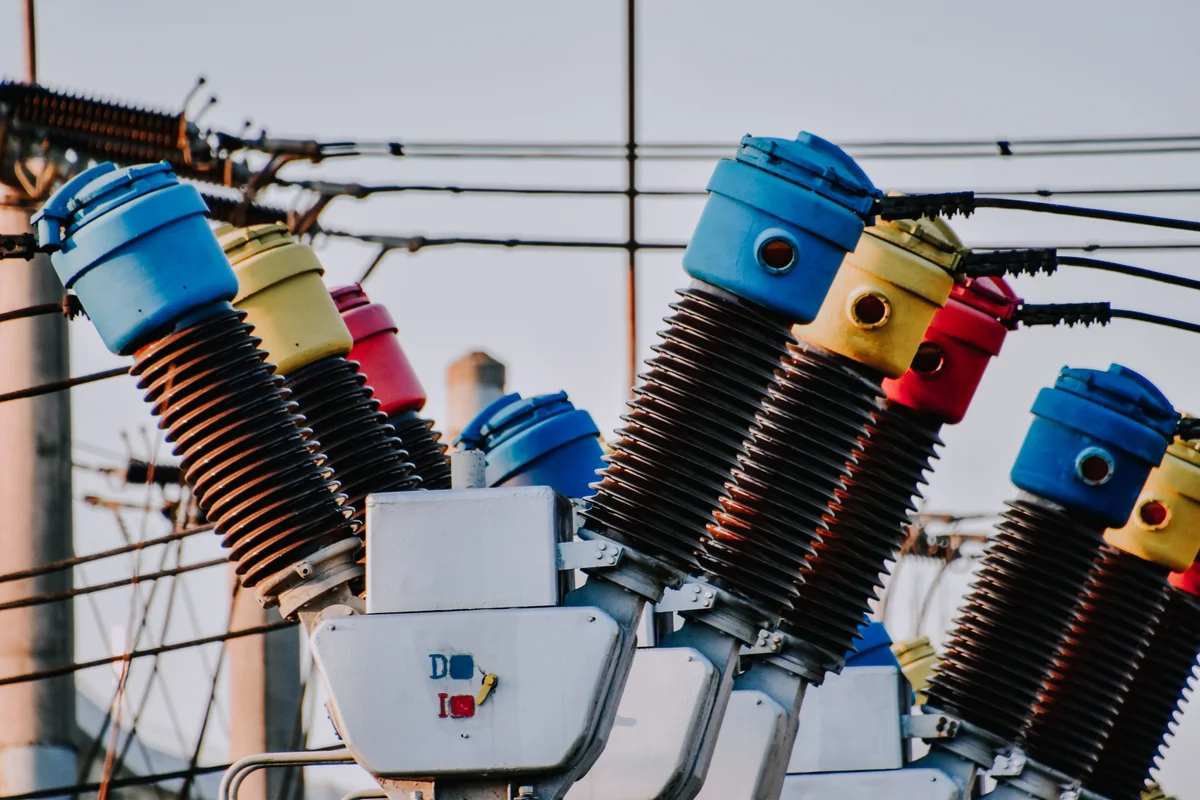
The most significant financial divergence occurs after installation. In coastal, industrial, or desert environments, ceramic hydrophilic surfaces accumulate contaminants, leading to flashovers and costly outages. Mitigating this requires scheduled line washing using high-pressure water trucks—a recurring OPEX cost that spans decades.
Polymer insulators utilize hydrophobic silicone rubber sheds that repel water and inhibit particulate buildup. This self-cleaning capability effectively eliminates the maintenance line item for washing in many corridors. additionally, while brittle ceramic failures can cause catastrophic dropping of conductors requiring emergency repairs, composite units typically fail punctually (end-fitting separation), allowing for planned replacement during scheduled outages. This predictability is invaluable for grid reliability managers and significantly lowers the risk premium associated with emergency call-out crews.
Strategic TCO Calculation for Wholesalers
To accurately evaluate investment returns, buyers must shift from a unit-price comparison to a lifecycle cost model. This model must aggregate initial capital with projected logistics and maintenance flows. When the TCO is calculated over a standard 30-year service life, the higher initial premium of composite insulators is systematically offset by:
- Zero to Low Maintenance: Elimination of periodic washing and painting schedules.
- Damage Mitigation: Drastic reduction in breakage rates during transport and installation.
- Labor Arbitrage: Faster installation times reducing crew mobilization duration.
| Engineering Parameter | Porcelain/Ceramic Specification | Composite/Polymer Specification | Long-Term TCO Implication |
|---|---|---|---|
| Baseline Material Cost Profile | Lower initial casting and kiln-firing expenses | Higher upfront resin molding and polymer extrusion costs | Initial unit premium is systematically offset by decades of reduced maintenance scheduling and chemical coating applications |
| Structural Weight & Handling Load | High mass density requiring reinforced support structures and heavy-lifting equipment | Low mass density, approximately 20% of the weight of equivalent porcelain units | Significantly reduces crane rental fees, manual handling labor, and tower reinforcement requirements across large-scale deployments |
| Pollution & Flashover Resistance | Hydrophilic surface prone to conductive contaminant accumulation, requiring periodic washing | Hydrophobic silicone rubber sheds that naturally repel moisture and inhibit particulate adhesion | Eliminates recurring high-pressure cleaning and hydrophobicity restoration OPEX in coastal or heavily industrialized corridors |
| Failure Mode Detectability | Brittle fracture mechanism producing immediate, visually detectable fragmentation under overload | Progressive internal degradation (e.g., fiberglass rod stress corrosion cracking) with delayed external indicators | Enables routine visual line inspections for porcelain; necessitates specialized UV imaging or electrical testing for composites, increasing diagnostic overhead |
| Thermal & Fire Resistance | Inorganic ceramic matrix retaining full mechanical strength at temperatures exceeding 1000°C | Organic polymer matrix susceptible to softening, deformation, or charring under direct flame exposure | Increases replacement frequency and outage duration in wildfire-prone zones, elevating long-term asset renewal and downtime expenditures |
| Creepage Distance & Tower Design | Linear string configuration requiring additional discs to achieve extended insulation paths | Compact profile design utilizing optimized shed geometry to maximize creepage per unit length | Reduces right-of-way footprint and simplifies cross-arm load distribution, lowering initial capital expenditure and structural engineering costs |
Installation and Maintenance Expense Comparison
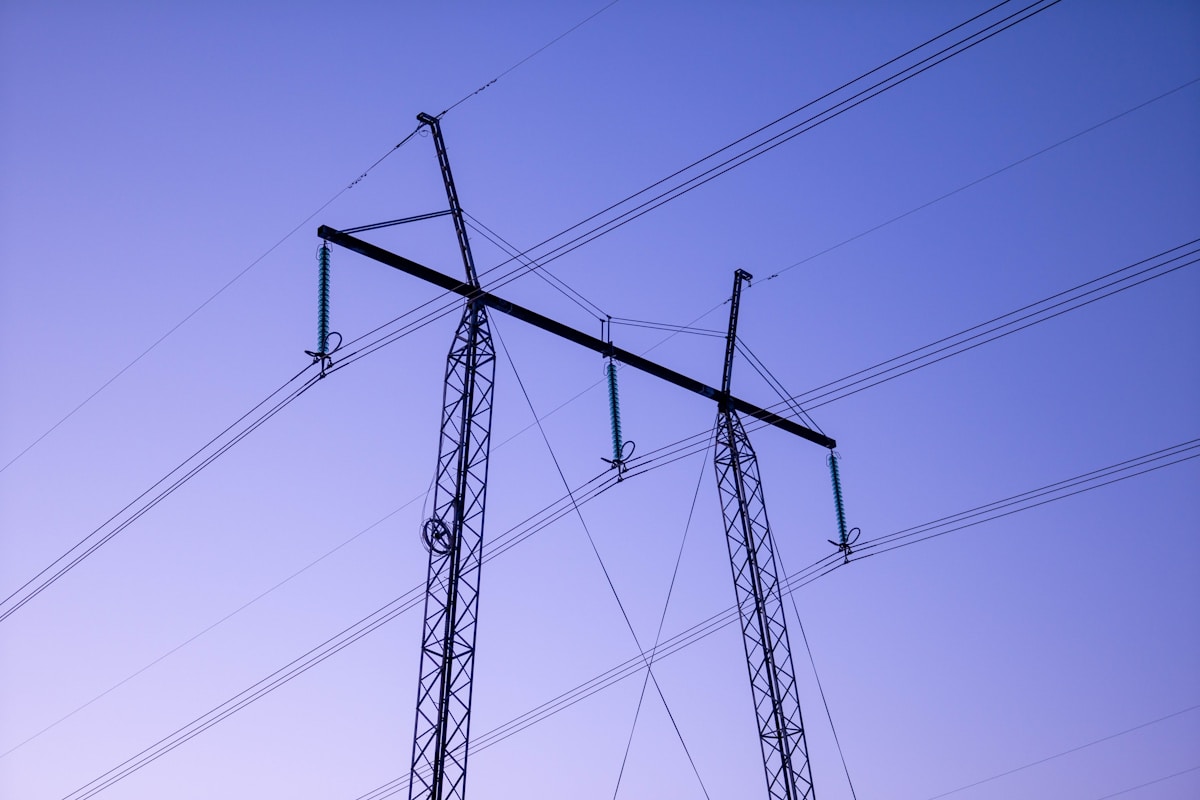
Utility procurement teams consistently flag installation and maintenance expenses as the primary friction point when comparing insulator technologies. The financial divergence is immediate: composite polymer units drastically compress upfront rigging timelines through weight reduction, while traditional porcelain assets lock utilities into recurring operational expenditures for pollution mitigation. Selecting the correct hardware type directly dictates whether a project’s capital budget expands during erection or inflates during long-term grid upkeep.
Installation Phase: Logistics and Labor Efficiency
- Safety Compliance Overhead: Lower handling weights reduce musculoskeletal injury claims and align with modern ergonomic standards, indirectly lowering insurance premiums and project delay risks.
Maintenance Phase: Pollution Management and OPEX Shift
Once energized, porcelain assets require proactive contamination management in industrial, coastal, or agricultural zones. Traditional ceramic sheds are hydrophilic and accumulate conductive particulate matter, necessitating scheduled high-pressure water washing or seasonal application of insulating grease coatings. These recurring interventions demand specialized aerial buckets, water tankers, and dedicated maintenance crews, creating a fixed annual OPEX burden.
Contractors should calculate maintenance routes by topographical access difficulty. If a corridor requires helicopter-supported washing operations for porcelain lines, the composite weight and self-cleaning advantages typically justify the initial premium within three to five years of service life.
Durability Factors Influencing Replacement Costs
Replacement costs for overhead line infrastructure are fundamentally dictated by the degradation rates of core dielectric components and their supporting metal hardware. When utilities project thirty-year grid lifespans, material selection directly determines whether assets reach planned obsolescence or require premature replacement due to environmental fatigue. The primary durability variables driving these costs are chemical resistance, mechanical load tolerance, and long-term polymer aging versus ceramic brittleness.
Ceramic Resilience in Low-Pollution Environments
Porcelain insulators maintain structural integrity in clean or moderately polluted inland grids. Their vitrified silica-alumina composition resists chemical erosion, often extending field service life beyond three decades when mechanical shock remains minimal. However, inherent brittleness introduces a hidden replacement cost. Single-point fracture risk during string tensioning requires higher safety margins. Utilities must budget for frequent physical stress testing to prevent sudden conductor drops.
Polymer Aging and Inspection Liabilities
Composite insulators leverage silicone rubber sheds and fiberglass-reinforced rods to optimize weight efficiency and pollution flashover performance. Despite higher initial procurement costs, long-term durability faces significant ultraviolet radiation and corona discharge exposure. Prolonged solar degradation causes hydrophobicity loss and shed tearing. This typically accelerates replacement cycles to the fifteen-to-twenty-year window.
- Inspection Overhead: Composite units require specialized non-destructive testing to detect internal rod corrosion, inflating lifecycle operational expenses compared to simple visual checks.
- Failure Mode Shift: Whereas ceramic failures are usually external and immediately visible, polymer degradation often initiates internally, demanding higher monitoring budgets.
Hardware Corrosion and System-Level Replacement Triggers
Insulator durability cannot be isolated from its mounting infrastructure. Galvanic failure at attachment points frequently triggers premature pole-line replacements even when the dielectric unit remains functional. Industry-standard hot-dip galvanizing per ISO 1461 must exceed 85 microns of zinc coating thickness to prevent rapid rust-out in humid microclimates.
- Coating Threshold: When zinc depletion falls below 50 microns, fastener seizure becomes common, forcing full assembly teardowns rather than component swaps.
- Load Verification: Rigorous in-house load and gauge testing aligned with IEC 120 standards ensures both the insulator shed and supporting clamps withstand continuous dynamic loading without yielding.
Strategic Selection Based on Environmental Context
Selecting the correct insulation material requires mapping your site’s specific atmospheric profile to the component’s failure thresholds. Prioritize hydrophobic polymer sheds for saline and heavy pollution zones, while reserving high-density ceramic for stable, low-contamination inland routes.
Assessing UV Degradation and Polymer Sleeve Longevity
Solar irradiance accelerates polymer aging through photo-oxidation, which breaks down cross-linked molecular chains in the outer housing. When utility engineers specify composite insulators for equatorial or high-altitude transmission corridors, they must verify that the silicone rubber compound contains certified UV stabilizers and carbon black dispersion. Without these additives, surface tracking initiates prematurely, compromising electrical integrity regardless of the mechanical core strength.
Our engineering team consistently monitors housing elasticity during accelerated weathering cycles. We reject any batch where the polymer exhibits micro-cracking or surface hardening before reaching the design threshold. Ceramic alternatives do not suffer from photodegradation, but they remain vulnerable to rapid thermal shocks during sudden weather shifts. For projects demanding decades of exposure stability, specifying a fully cross-linked EPDM or silicone matrix with verified IEC 62217 compliance eliminates guesswork around material fatigue.
Matching Salt Spray Resistance to Coastal Grid Projects
Marine environments introduce electrolytic conductivity that drastically lowers flashover resistance across standard ceramic surfaces. Salt crystallization creates continuous conduction paths during humid nights, forcing maintenance crews into expensive wet-washing routines. Composite housings address this through inherent hydrophobicity, allowing moisture to bead and roll off rather than forming continuous films. This physical property directly translates to reduced outage probability and extended inspection intervals.
Procurement decisions for coastal infrastructure should prioritize creepage extension profiles paired with anti-pollution silicone compounds. We routinely implement enhanced grading rings on our suspension units deployed in offshore wind and tidal regions to equalize electric field stress. When specifying hardware, verify that all metallic fittings undergo ISO 1461 compliant hot-dip galvanizing. A coating thickness below 85 microns will compromise the entire assembly, regardless of how advanced the polymer shedding design appears.
Evaluating Temperature Extremes and Thermal Expansion Limits
Operating environments spanning severe winter freezes to peak summer heat impose differential stress on dissimilar materials. Composite assemblies typically exhibit higher thermal expansion coefficients compared to fired ceramic or tempered glass. During rapid ambient shifts, this variance places shear stress on the end-fitting to housing interface. If the transition zone lacks proper mechanical interlocking or resin encapsulation, micro-gaps form, allowing moisture ingress that triggers internal core degradation.
Our quality control protocol emphasizes rigorous load testing across simulated climate chambers. We specifically validate the frictional grip retention between fiberglass rods and forged end connectors when subjected to cyclic thermal expansion. Projects in Siberian or desert grid zones require hardware engineered for extreme contraction without loosening. Selecting fittings manufactured via hot-forging rather than sand casting ensures denser grain structures that resist fatigue cracking under repeated thermal cycling.
Aligning Pollution Severity with Self-Cleaning Shed Designs
Contamination accumulation operates on predictable regional gradients, ranging from industrial soot deposition to agricultural dust migration. Standard shed geometries fail when rain intensity drops below the threshold required to wash away accumulated conductive layers. Engineers must cross-reference local pollution maps with IEC 60815 grade classifications to determine necessary creepage distances. Over-specifying insulation length wastes capital, while under-specifying invites dry-band arcing and catastrophic flashovers.
We recommend evaluating multi-petal or deep-ribbed profiles for heavily contaminated substation perimeters and railway-adjacent corridors. These architectural designs trap moisture during light drizzle, creating localized conductive bridges that facilitate uniform leakage current distribution. This prevents the formation of intense heat spots that would otherwise degrade nearby polymer surfaces. When sourcing hardware for tender bids, require manufacturers to provide independent verification of pollution performance rather than relying on generic catalog ratings.
| Environmental Context | Strategic Selection | Technical Attributes | Operational Benefit |
|---|---|---|---|
| Coastal, Industrial & High-Humidity Zones | Composite Insulators | Hydrophobic silicone rubber housing; lightweight E-glass fiber core; enhanced pollution flashover voltage (PFV) | Eliminates routine washing cycles; reduces tower structural dead-load requirements; ensures consistent dielectric performance in saline atmospheres |
| Dry, Clean & Low-Pollution Areas | Porcelain Insulators | High-density fired ceramic composition; mechanical breaking load up to 840 kN; superior electrical tracking resistance (CTI > 600 mm) | Minimizes lifecycle maintenance expenditure; enables extended service intervals without degradation monitoring; leverages proven long-term structural durability |
| Highly Contaminated Substations | Semi-Conductive Glaze (SCG) Insulators | Porcelain substrate with conductive surface glaze; controlled dry-band arcing characteristics; optimized creepage distance for heavy contamination | Mitigates flashover risks under severe pollution buildup; sustains dielectric integrity without supplemental cleaning protocols; prevents localized thermal degradation |
| Live-Line Maintenance & Inspection Zones | Glass & Porcelain Insulators | Fully tempered safety glass construction; standardized mechanical grading; inherent visible fracture failure mode | Facilitates rapid visual defect identification during inspections; reduces reliance on specialized diagnostic equipment for line maintenance; ensures immediate fault detection for crew safety |
Conclusion
Our engineering team has seen every failure mode in the field, so we know these patterns well. We can review your specific line design or environmental load data without any sales pressure. Send us your project specs. We will help you validate the creepage distance and shed profile for your region before you commit to a bulk order. This technical backup ensures your grid stays reliable.
Frequently Asked Questions
Which offers higher electrical strength?
Composite insulators generally provide superior electrical strength due to their polymeric housing and smaller diameter, which enhances hydrophobicity. This characteristic allows them to perform more effectively in polluted environments compared to traditional porcelain options. Consequently, they often require shorter creepage distances to achieve the same insulation performance.
Are composite insulators vandal-resistant?
Porcelain insulators are susceptible to damage from gunshots or projectile impacts, often resulting in catastrophic failure and immediate line outages. Composite insulators, constructed from non-brittle materials, exhibit higher resilience to such vandalism attempts and maintain structural integrity even when damaged. This durability is a critical factor for reducing unplanned downtime in regions prone to security risks.