
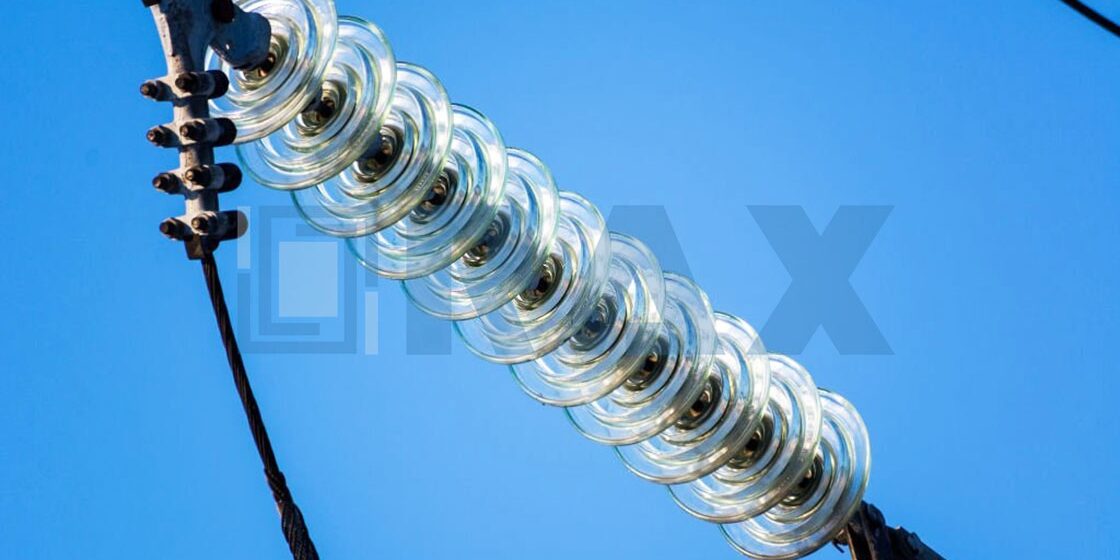
Utility procurement teams often default to porcelain suspension insulators out of habit, assuming the lower upfront unit price protects the budget. That assumption creates a deficit in the true suspension insulator costs over a 30-year lifecycle. The math shifts dramatically once you factor in inspection logistics and specific failure modes.
A baseline for any reliable unit is a galvanizing coating thickness exceeding 85 microns, yet the dielectric material choice dictates your long-term exposure to replacement crews and outage risks. We break down the direct unit price drivers against pollution performance and hidden maintenance expenses. You will leave with a clear Total Cost of Ownership model to justify your next tender specification.

Direct Unit Price and Manufacturing Drivers
Insulator unit pricing is rarely dictated by the dielectric material alone. The final cost is a composite of voltage-rated mechanical scaling, raw material processing energy, and the overhead of forged metal end-fittings coupled with batch certification.
Voltage Class Unit Price Disparities (11kV to 138kV)
The unit price of an overhead insulator scales non-linearly as you move from distribution to transmission voltages. An 11kV or 33kV pin or post insulator utilizes highly standardized profiles and relatively low mechanical load ratings, keeping manufacturing yields high and unit costs predictable. However, when scaling up to 69kV and 138kV suspension or tension applications, the engineering requirements shift entirely.
At transmission levels, the requirement for extended dry arcing distance and higher electromechanical failing load forces a change in profile geometry and cap-and-pin design. This necessitates heavier metal end-fittings, longer curing cycles for porcelain, and complex string assemblies. The price disparity between an 11kV unit and a 138kV unit is driven primarily by the exponential increase in raw material volume and the precision required to maintain concentricity under high mechanical stress.
Raw Material Cost Variance: Borosilicate Glass vs. Alumina Porcelain
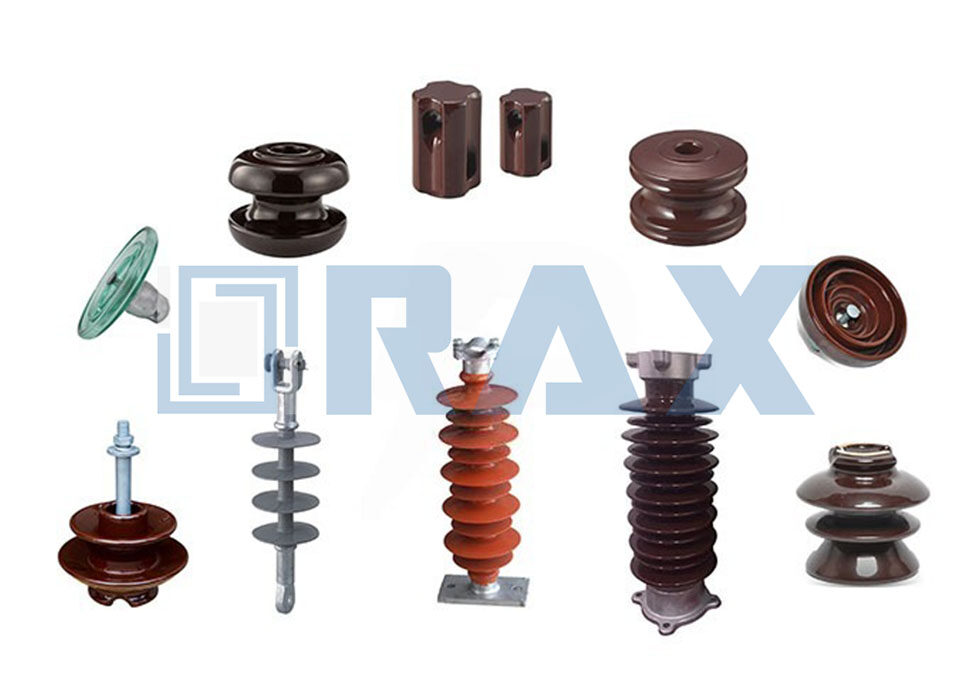
When evaluating cap-and-pin disc insulators, the choice between toughened glass and high-alumina porcelain fundamentally alters the baseline cost. Borosilicate glass generally benefits from a continuous, high-speed tempering process. The raw materials are abundant, and the ability to visually inspect for internal stress makes the manufacturing yield highly efficient, keeping the baseline unit price competitive.
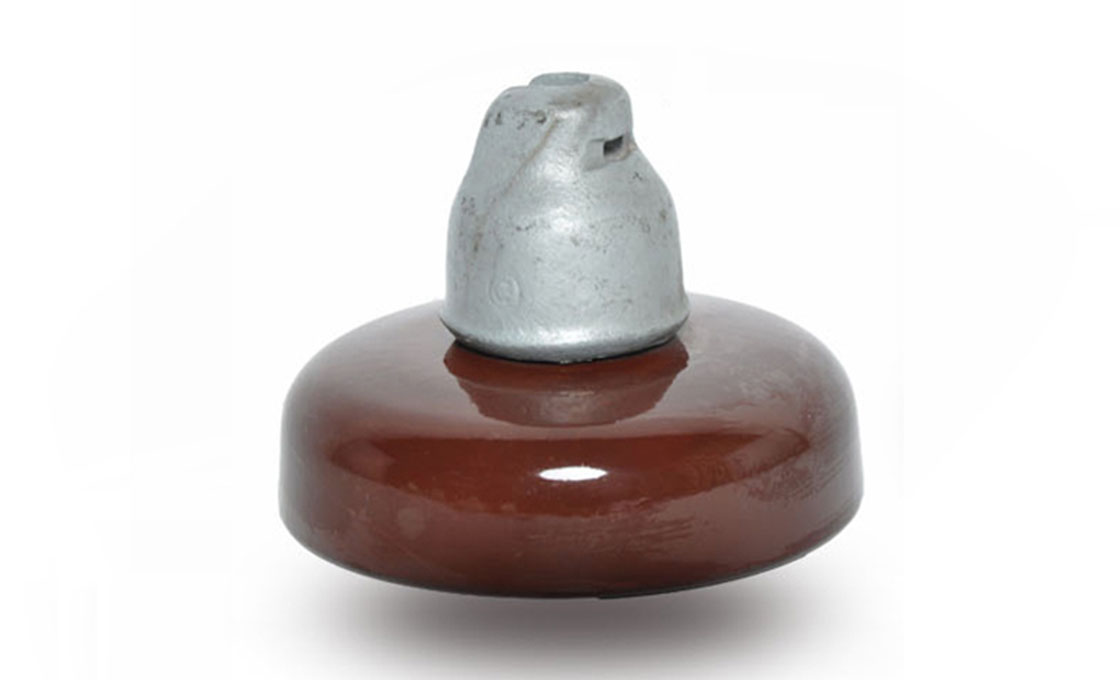
Conversely, high-alumina porcelain requires energy-intensive batch kiln firing over several days. The material must be precisely controlled to eliminate internal voids and ensure consistent dielectric strength. This extended thermal processing, combined with a higher inherent risk of subtle structural imperfections that cannot be visually detected, naturally commands a pricing premium over glass equivalents.
Hardware, Galvanizing, and Certification Overhead Impacts
Procurement teams often focus exclusively on the dielectric shell, overlooking the reality that attached metal hardware represents a significant percentage of the total unit cost. For suspension and tension insulators, the forged steel caps and pins dictate the mechanical integrity of the entire string. Precision hot-forging these components ensures uniform grain structure and eliminates the internal porosity often found in cheaper cast alternatives, though it requires dedicated tooling.
Additionally, the application of hot-dip galvanizing on these components introduces a variable cost directly linked to global zinc commodity pricing. The thickness of the zinc coating required for specific environmental exposure directly impacts the material cost per batch. Finally, baseline pricing must absorb the overhead of compliance. Rigorous in-house load testing and third-party verification add a fixed operational cost per production run, ensuring that field failure liability is minimized but slightly elevating the initial purchase price.
| Manufacturing Driver | Technical Specification | Cost Implication |
|---|---|---|
| Forming Process | Precision Hot-Forging Technology | Higher initial tooling/die costs compared to casting; ensures zero porosity and superior dimensional accuracy. |
| Surface Protection | ISO 1461 Hot-Dip Galvanizing (>85 microns) | Direct cost correlation with zinc weight and dipping process; critical for corrosion resistance in extreme environments. |
| Quality Assurance | 100% In-house Load & Gauge Testing (IEC 120, SGS Verified) | Labor-intensive double-review protocol; eliminates field failure liability and rejection rates. |
| Custom Engineering | OEM/ODM Custom Mold Development | Requires Non-Recurring Engineering (NRE) investment for molds; enables tailored solutions for specific grid requirements. |
Failure Modes and Replacement Expenses
While standard surface flashovers might only temporarily interrupt service, irreversible internal punctures destroy hardware integrity entirely. Underestimating these catastrophic failure modes ultimately drives exponential, unbudgeted replacement expenses.
In overhead power distribution, not all electrical failures carry the same financial weight. A prevalent industry misconception is that glass and porcelain insulators age and fail under similar parameters. However, engineering teams recognize a critical structural divergence: recoverable surface flashovers versus irreparable internal punctures. Steep front impulse voltages—often caused by severe lightning strikes—can fatally compromise the dielectric integrity of a poorly manufactured porcelain insulator, burning through the material core and permanently destroying the unit.
Unlike glass hardware, which visibly shatters when mechanically or electrically compromised, an internally punctured porcelain insulator often shows no immediate external damage. This hidden failure creates a severe diagnostic blind spot for maintenance crews. Because the damaged unit loses its insulating properties, it forces immediate, unplanned tower visits. The resulting replacement expenses rarely align with standard maintenance budgets, as they require emergency crew dispatching, specialized live-line equipment, and extensive diagnostic time to locate the invisible internal short.
Engineering Out Irreparable Damage
Preventing catastrophic field failures requires eliminating microscopic material defects before the hardware ever leaves the factory. At Rax Power, we know that internal puncturing almost always originates from unseen structural porosity or dimensional inaccuracies in the insulator head. This is exactly why our manufacturing protocol is non-negotiable. We deploy a dedicated 10-person QC team to enforce a strict double-review process, guaranteeing that 100% of our manufactured components undergo rigorous inspection prior to packaging.
To verify structural integrity against steep impulse voltages, we mandate in-house load and gauge testing strictly calibrated to IEC 120 standards for all allied pole line hardware. By utilizing advanced automated and semi-automatic machinery, we maintain precise dimensional tolerances—such as the strict 1mm tolerance on our steel cross arms—ensuring that mechanical stress is evenly distributed during severe weather events. This precision prevents micro-fractures in the insulator string, directly mitigating the risk of forced outages and exorbitant emergency replacement costs down the line.
Maintenance Inspection and Lifespan Economics
The High Cost of False Economy
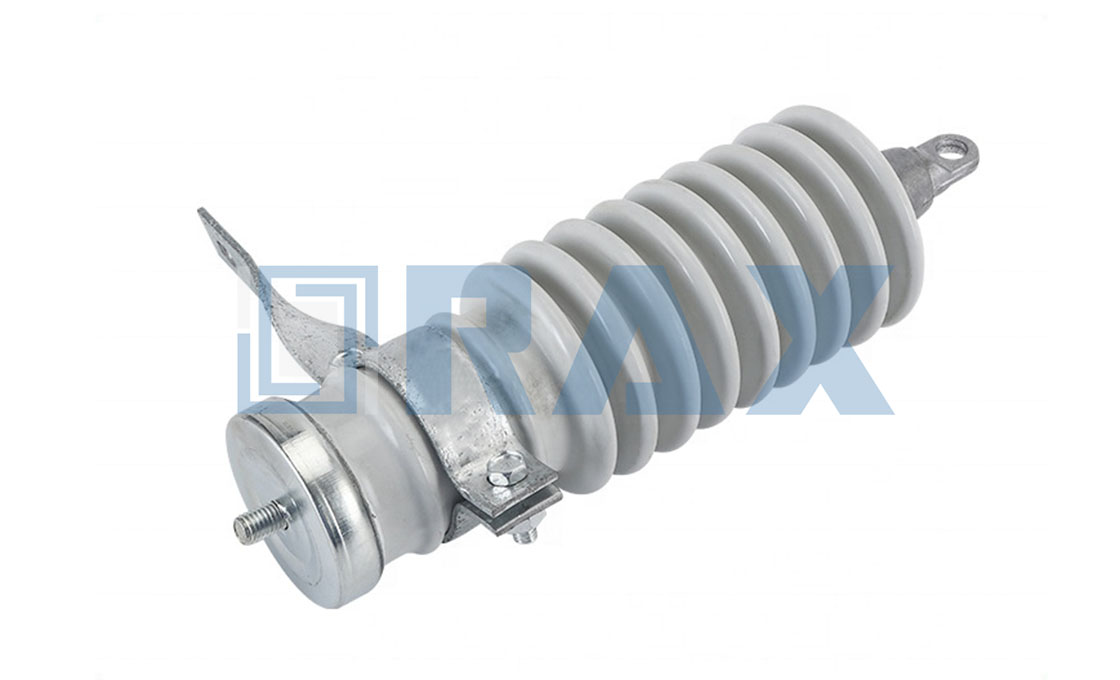
B2B buyers often prioritize the invoice price over lifecycle longevity, a mistake that destabilizes long-term operational budgets. While a lower price per unit wins the initial bid, the resulting increase in maintenance inspection frequency rapidly erodes those savings. Hardware that requires frequent touch-ups or early replacement transforms from a capital expenditure into a recurring operational liability.
Galvanizing Integrity and Inspection Intervals
Corrosion protection is the single largest variable in determining maintenance schedules. While many competitors settle for the minimum industry standard, we strictly adhere to a mean hot-dip galvanizing coating thickness exceeding 85 microns in compliance with ISO 1461. This dense, smooth finish acts as a primary barrier against rust, directly extending the allowable interval between field inspections.
In our experience with markets like South America, where humidity accelerates degradation, this added thickness is not a luxury—it is a requirement for grid reliability. We utilize automated galvanizing lines to ensure this consistency across every batch, eliminating the weak spots that typically trigger emergency maintenance calls.
Quality Assurance as Maintenance Insurance
Pollution Performance and Cleaning Costs
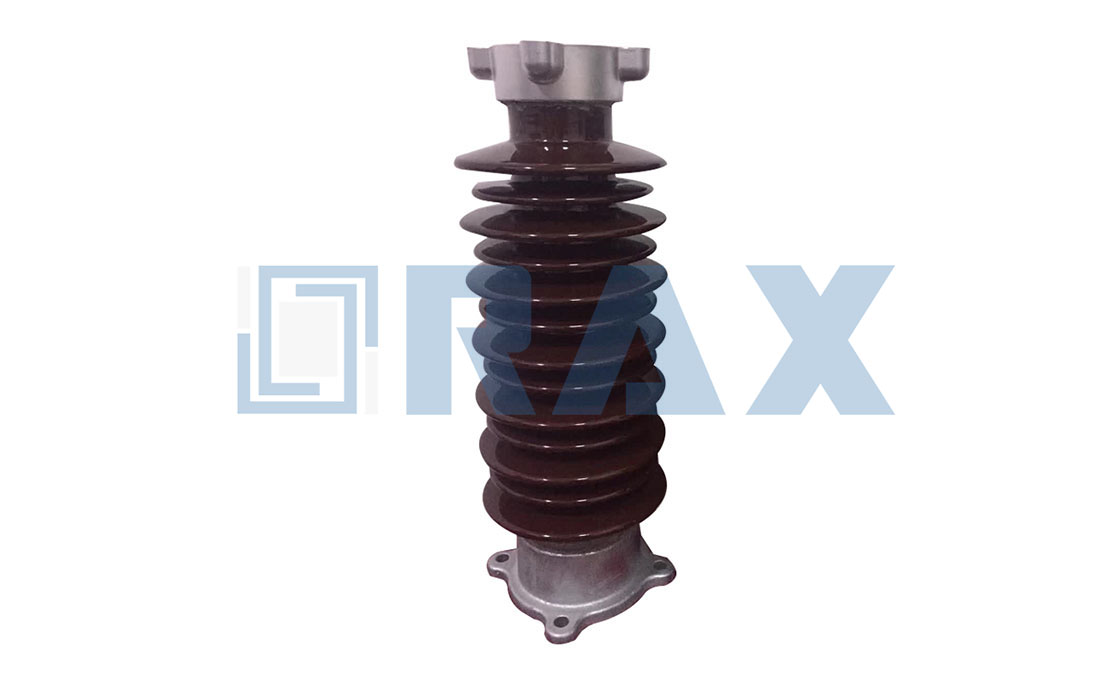
Pollution accumulation on overhead lines acts as a silent budget killer; while a flashover may not shatter a cap-and-pin insulator, the ensuing service interruptions and mandatory line-washing protocols drive operational expenses far beyond initial projections.
Understanding Pollution Flashover Dynamics
In contaminated environments—such as coastal areas with heavy salt spray or industrial zones with conductive particulate matter—suspension insulators are highly susceptible to pollution flashover. When moisture from light rain or fog mixes with these surface contaminants, it creates a conductive layer. This significantly lowers the insulator’s flashover voltage, leading to transient service interruptions. Engineers frequently grapple with “Pollution Flashover Anxiety,” as these unpredictable flashovers threaten grid reliability long before the physical insulator degrades.
The Financial Burden of Cleaning Cycles
To mitigate flashover risks, utility operators are forced into rigorous, costly cleaning regimens. Techniques range from live-line high-pressure water washing to helicopter-based spraying. These recurring maintenance expenses, driven purely by environmental contamination, frequently eclipse the original procurement cost of the equipment. High-tier pollution class ratings are essential in these areas to physically extend the leakage distance and naturally shed contaminants.
Protecting the Hardware Ecosystem in Contaminated Zones
While the dielectric sheds of the insulator take the brunt of the electrical stress, the securing pole line hardware is equally vulnerable to aggressive, pollution-induced corrosion. Flashovers can cause localized arcing that severely pits unprotected metal components, leading to rapid structural failure of the connection points.
In our experience manufacturing components for highly corrosive Southeast Asian coastal tenders, we strictly mandate ISO 1461-compliant hot-dip galvanizing for all assembly hardware. By utilizing an advanced galvanizing process that ensures a smooth, bright finish with a mean coating thickness exceeding 85 microns, we create a physical barrier that prevents corrosive salt and industrial pollutants from degrading the metal.
Supply Chain Trends and Volume Procurement
Volume procurement for overhead line hardware demands strict supply chain engineering. Sourcing success relies on mastering MOQ tiering, optimizing mixed-container payloads, and aligning regional logistics with international manufacturing capacity.
Bulk MOQ Thresholds and Tiered Pricing Structures
Minimum Order Quantities (MOQs) for pole line hardware directly dictate your per-unit landed cost. For standard catalog items like U-bolts, pole bands, and secondary racks, manufacturers typically set baseline MOQs around 1,000 to 3,000 units. This threshold ensures production lines run efficiently without constant tooling changeovers.
When pricing tiers are applied, the price breaks are substantial. You will often see a 10% to 15% cost reduction when jumping from a standard lot to a full 20-foot container load. In our facility, we structure pricing around automated production runs. Because we use semi-automatic machinery for hot-forging and galvanizing, exceeding the 5,000-unit mark allows us to maximize machine cycle times, passing the labor and overhead savings directly to the buyer.
Freight Optimization for Mixed-Container Hardware Orders
Shipping dense steel hardware requires precise container engineering. A common mistake buyers make is loading a container entirely with heavy fasteners or cross arms. You will hit the maximum payload weight of a 20-foot container (approx. 28 tons) while leaving 30% of the physical space empty, wasting freight dollars.
To optimize freight, balance heavy and light cargo. Pair dense items like earth anchors and double-arming bolts with volume-based, lighter preformed line products like armor rods or ADSS/OPGW suspension units. Our logistics team calculates the exact dimensional weight and physical weight ratios to max out both the volume and weight capacity of the container, driving down your per-kilogram shipping rate.
📋 Actionable Steps
- Step 1: Analyze the weight density of your primary order (e.g., steel cross arms and forged bolts).
- Step 2: Identify low-density, high-volume items (e.g., preformed guy grips, insulators) to fill the container’s vertical space.
- Step 3: Verify pallet dimensions to ensure double-stacking without crushing lighter hardware.
- Step 4: Consolidate shipments to avoid Less than Container Load (LCL) surcharges which inflate hardware costs by up to 20%.
Regional Manufacturing Cost Trends and Import Logistics
Manufacturing costs in China remain highly competitive due to integrated steel supply chains and automated processing, but final import costs fluctuate heavily based on destination requirements. Raw material volatility is a global constant, but localized technical requirements dictate the actual production expense.
For instance, projects destined for Russia demand hardware engineered for high-breaking loads to survive extreme cold environments. This requires thicker cross-sections and specific high-tensile steel grades, naturally driving up material costs. Conversely, Southeast Asian utility tenders prioritize exact compliance with local dimensional standards. We actively map these tender requirements to standardize our production runs, eliminating costly rework and speeding up customs clearance.
Conclusion
Look, here’s the bottom line after twenty years in this industry: if you’re only comparing unit price quotes, you’re already losing money. Glass insulators win on inspectability and faster fault detection, while porcelain holds strong in heavy pollution zones. But the real margin-killer for your customers isn’t the purchase order — it’s the unplanned line trips, the emergency crew dispatches, and the fifteen-year maintenance spread that nobody budgeted for. When you’re advising utility buyers, frame the conversation around total cost of ownership, not just the ex-works sticker price. Here’s what I’d tell your team to focus on right now: – Push mixed-container procurement — combine glass and porcelain orders to hit tiered pricing and slash per-unit freight costs significantly. – Qualify manufacturers on testing rigor — demand IEC 120 compliance documentation and galvanizing thickness data before committing volume. – Segment by environment — route glass into accessible corridors where visual inspection matters, and reserve high-grade porcelain for coastal or industrial pollution zones. – Lock multi-year supply agreements now — raw material volatility isn’t cooling off anytime soon. Partner with Rax Power for OEM-grade hardware that clears your QC bar on day one. Call me when you’re ready to structure the order.Frequently Asked Questions
Which type has the lowest initial cost?
Porcelain insulators typically offer the lowest initial purchase price among the three main types. Glass insulators are usually slightly more expensive to manufacture, while composite polymers generally carry the highest upfront cost. However, initial price is only one component of the total cost of ownership calculation.
Does weight impact total installation costs?
Heavier materials like porcelain require more robust supporting structures and increased labor for installation, raising overall project expenses. Glass insulators are lighter than porcelain, which can significantly reduce transportation and handling costs. This weight differential often makes glass a more cost-effective option for projects in difficult terrain.
How do maintenance costs compare?
Glass insulators require minimal maintenance as defects are easily visible during visual inspections, reducing diagnostic expenses. Porcelain insulators can suffer from internal pin corrosion that is harder to detect without specialized testing. Consequently, glass often offers lower long-term maintenance costs despite a similar initial price to porcelain.
How does pollution performance affect cost?
Porcelain insulators are prone to pollution flashovers in contaminated environments, necessitating expensive regular washing or greasing. Glass insulators have a self-cleaning surface that performs better in light pollution but still requires maintenance schedules. In heavily polluted areas, the long-term cleaning costs for ceramic materials can exceed the price of alternatives.
What is the lifespan difference?
Both glass and porcelain insulators offer exceptionally long service lives, often exceeding 50 years under proper conditions. Porcelain can degrade due to cement growth and corrosion over time, while glass remains chemically stable until shattered. This extreme longevity makes both materials highly cost-effective investments compared to shorter-lived polymer options.