
Corona on a porcelain string is easy to dismiss. The glaze tolerates the discharge, and the damage usually stays confined to radio static and pitted hardware. A composite insulator plays by different rules. Its silicone rubber housing is organic, its fiberglass core carries the whole mechanical load, and the voltage concentrates at exactly the point where those two materials meet the air. Treating the two technologies as interchangeable is how premature housing erosion and sudden core failures happen.
RaxPower has manufactured pole-line and insulator hardware since 2003, with 23 years of supplying utility and contractor buyers. Our engineering desk still hears the same assumption: a corona ring is a corona ring. Composite insulator corona protection deserves to be treated as its own discipline. This guide explains why porcelain and glass habits do not transfer to polymer housings, and what a composite-specific playbook looks like in practice.
What Corona Does to a Composite Housing
Corona is a localized breakdown of the air around any point where the electric field gradient spikes. On a composite insulator those spikes cluster at the energized end: the metal fitting, the seal where the housing enters that fitting, and the first few sheds. This triple junction of metal, rubber, and air is the most attacked spot on the entire assembly.
Sustained discharge degrades an organic housing in a sequence that porcelain never experiences. The silicone surface loses hydrophobicity, then chalks, then erodes, and in severe cases tracks. Water makes it worse in a polymer-specific way. On a hydrophobic surface moisture sits as discrete beads, and each bead edge concentrates the local field. Those tiny gradients ignite miniature discharges right on the shed.
The consequence is statistical, not cosmetic. More than 10.05 million composite insulators were installed on Chinese lines of 66 kV and above by May 2021, about 38.7% of the total insulator population. Field experience shows brittle fracture and flashunder as the failure modes that matter most, so a housing defect is never just a surface problem. The core rod behind the housing is the only load-bearing member in the string.
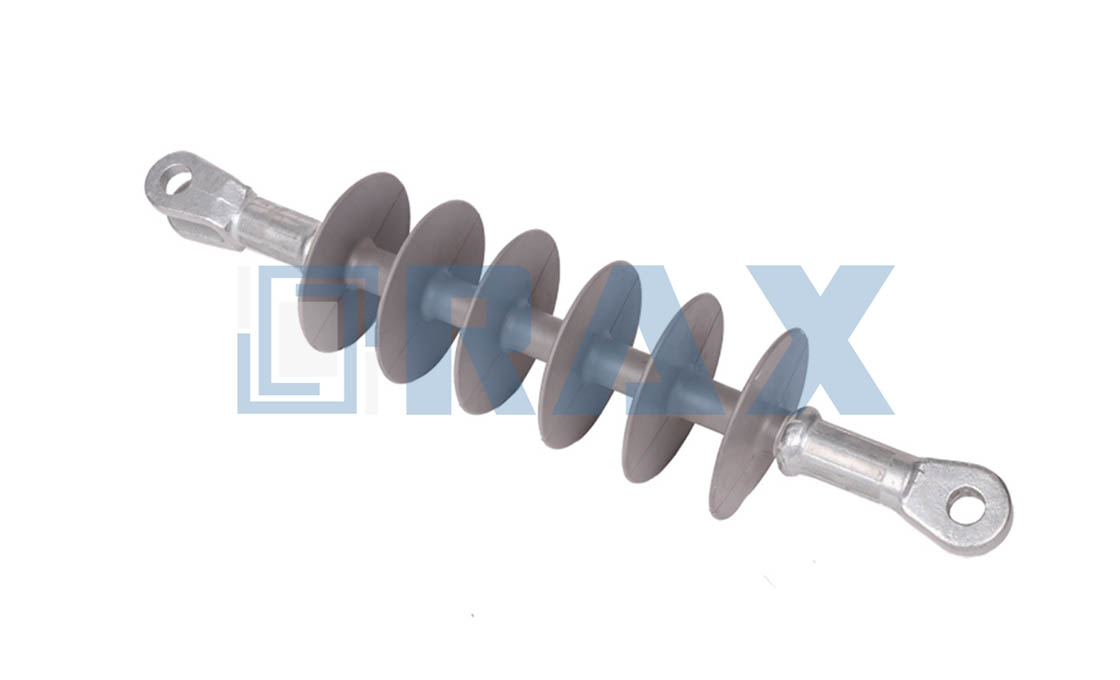
Composite insulator corona protection therefore has one purpose above all others. It keeps discharge away from the housing and the triple junction until the string reaches its design life. Everything in the sections below follows from that single objective.
Why Porcelain Corona Rules Do Not Transfer
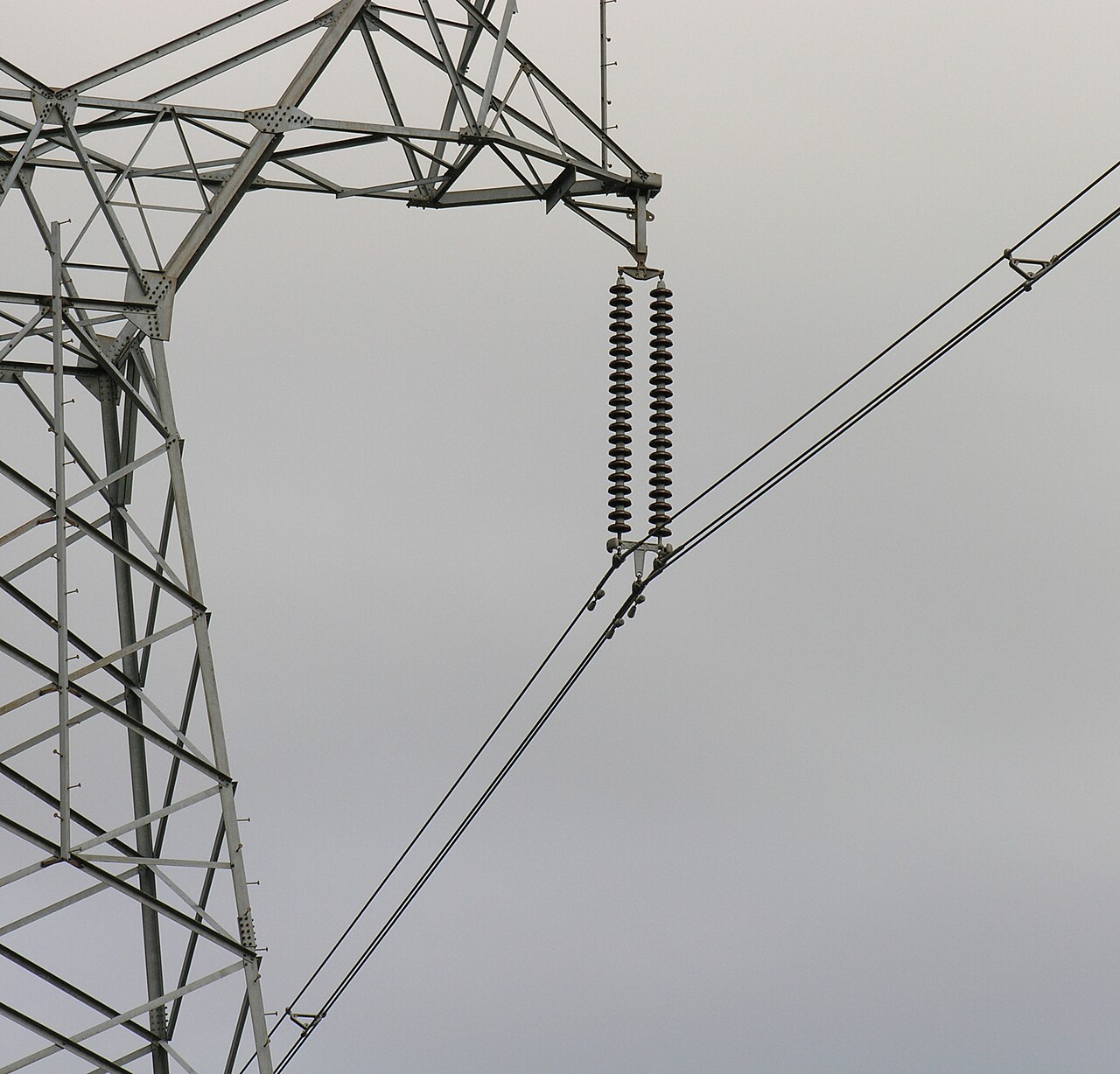
A porcelain or glass string is a chain of independent discs, and every disc inserts its own metal cap and pin into that chain. The caps, pins, and stray capacitances to the tower and conductor form a capacitive divider. Voltage still piles up on the disc nearest the conductor, but the string spreads the stress across dozens of metal electrodes instead of one rubber surface.
A composite insulator has no intermediate electrodes at all. It is a single rubber-clad rod, so the potential must fall continuously along one housing, and the field solution concentrates the gradient at the line end. The same system voltage lands on far less hardware. That is the structural reason a composite string cannot simply inherit a porcelain string’s approach to grading.
The failure consequences differ just as much. Corona on porcelain and glass is largely a nuisance problem: radio interference, audible noise, and slow pitting of metal fittings, while the inorganic dielectric itself shrugs the discharge off. Corona on a composite housing is a material attack. The discharge products erode the only barrier that protects the fiberglass core, so the stakes rise from interference complaints to loss of mechanical strength.
| Aspect | Porcelain / glass string | Composite insulator |
|---|---|---|
| Voltage grading | Caps and pins form a capacitive chain between line and tower | No intermediate electrodes; gradient peaks at the live end |
| Discharge consequence | Interference, noise, pitted fittings; dielectric tolerates corona | Housing erosion and tracking; core rod can be exposed |
| Wet surface behavior | Wets as a continuous conductive film | Beads on hydrophobic surface; droplet-edge corona |
| Pollution retrofit | RTV silicone coating restores missing hydrophobicity | Housing is already silicone; coating logic does not apply |
| Worst credible outcome | Disc shattering or flashover | Brittle fracture of the core rod under load |
The RTV coating row deserves emphasis. Coating a porcelain string with room-temperature-vulcanizing silicone is a mature retrofit because it adds a hydrophobic skin that ceramic lacks. A composite insulator already is silicone. Copying the coating habit onto it solves a problem the design does not have, while the problems it does have sit elsewhere, in grading and end-fitting geometry.
Voltage Grading Without Intermediate Metal Caps
Remove the caps and pins, and the field has to be managed from outside the insulator. Near the energized fitting, the gradient can spike steeply, almost as if the whole line voltage were trying to squeeze through the first few centimetres of housing. External grading exists to stop exactly that. A ring at the live end inserts a large, smooth electrode into the field, intercepts the flux, and flattens the gradient along the housing behind it.
Grading hardware on a composite string also carries a second duty that porcelain rarely thinks about. When a line fault forces a power arc, the arc must attach to dedicated hardware instead of burning across the sheds. Porcelain discs can survive a brief arc scar; a silicone housing cannot. Well-designed grading and arcing fittings pull the flashover path off the polymer surface entirely.
The payoff shows up in service. When the first wet season after energization arrives, a properly graded composite string stays quiet. UV inspection shows no visible discharge, the sheds show no bead-edge crackling, and no erosion ring forms near the fitting seal. Grading done well is invisible; grading skipped shows up as damage within a few years.
Matching the Ring to the Insulator Design
On porcelain strings, a ring can be specified largely from voltage class, because the discs beneath it follow a repeating pattern. On a composite insulator that shortcut fails. The correct ring geometry depends on the shank diameter, the housing profile, the position of the first shed, and the shape of the end fitting. Two composite insulators with the same rating can need different rings.
Selection therefore starts from the assembly, not the accessory. A workable fit does four things at once. It covers the live-end fitting and the triple junction. It leaves the housing creepage unobstructed. And it presents a smooth surface that cannot become its own corona source, while keeping safe clearance under swing.
The ring must also tolerate its share of the power-arc duty discussed above, since it may be asked to steer a fault current path away from the sheds. That duty is one more reason the ring belongs to the insulator design rather than to the accessory shelf.
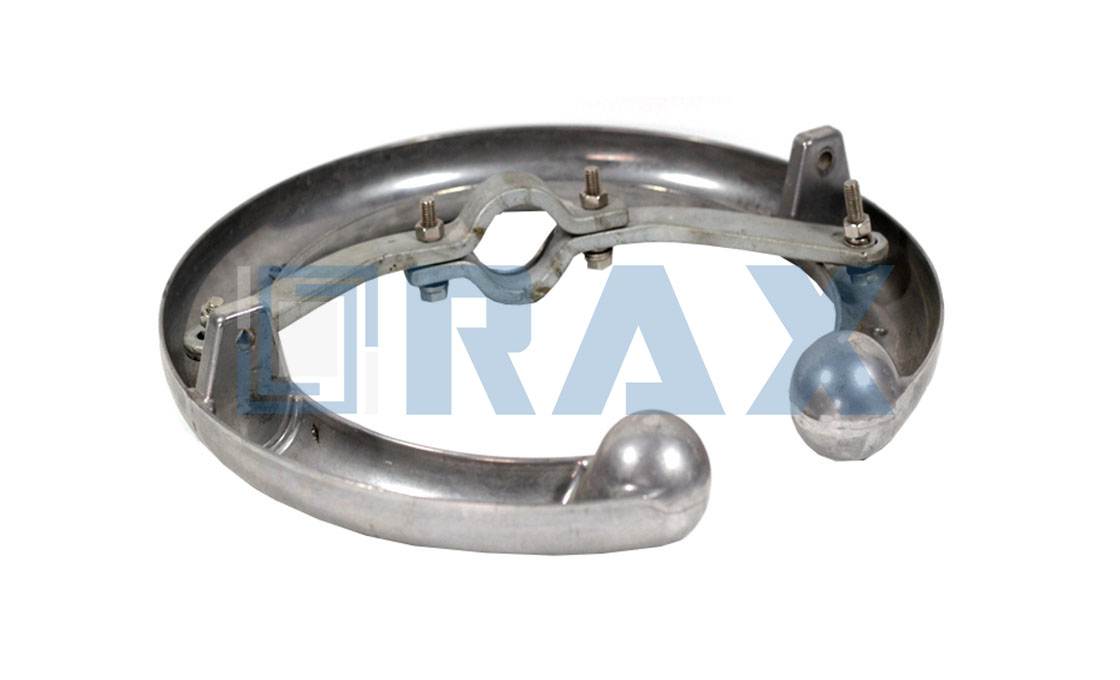
This is why composite insulator corona protection is best purchased as an engineered assembly. Ask the insulator manufacturer for the ring that goes with the string, together with the field analysis that justifies its diameter and position. A ring pulled from stores and bolted onto an unrelated design can shift the peak rather than remove it, leaving the housing worse protected than before.
Positioning the Ring on a Composite String
Position is an electrical decision, not a cosmetic one. Mounted too low, a ring shields nothing; mounted too close to the sheds, it can bridge creepage distance or concentrate stress on the housing it was meant to relieve. The design target is a ring plane aligned with the high-stress zone at the fitting-to-housing junction. The ring sits close enough to intercept the field, yet far enough to keep the polymer surface out of the circuit.
Composite strings add two mechanical cautions that porcelain crews rarely face. The clamp must not crush or dent the rubber sheath, because a dent in the housing is a defect that erosion will find first. The ring must not touch the sheds under load or vibration, because point loading on silicone creates a permanent high-stress line on the surface.
By the time visible erosion appears on a housing, the field distribution behind it has usually been wrong since installation. Placement errors cannot be inspected away; they have to be designed out. That is the strongest argument for treating the ring, the fitting, and the housing as one engineered unit from the drawing board onward.
Sourcing a Corona-Ready Composite Insulator Assembly
Procurement is where the playbook either lands or falls apart. A corona-ready specification names the housing material, the core rod system, the end-fitting design, and the grading hardware as one package, and asks for the electric-field reasoning behind them. Vague hardware descriptions are where mismatched rings and unsealed fittings slip into an order.
Composite Insulators with Corona Protection Engineered In
Silicone rubber housings, fiberglass cores, and grading rings specified as a single assembly for transmission and distribution strings.

End Fittings: The First Line of Defense
The end fitting is where electrical, mechanical, and environmental stress converge. It concentrates the field at the triple junction. It anchors the full mechanical load through a crimped connection to the core. Its seal is the main barrier against moisture reaching the rod. No amount of ring hardware compensates for a poorly designed or poorly sealed fitting.
The brittle-fracture literature makes the stakes concrete. Surveys show this failure mode concentrates in high-humidity regions and on lines of 220 kV and above, and its mechanism is now well described. Nitric acid generated by discharges in humid conditions is considered the most credible initiator, reaching the glass fibers through housing defects or weak seals. Field data also shows the countermeasures: acid-resistant ECR glass cores, refined crimping, and optimized end-fitting and grading configurations have sharply reduced these failures. A CIGRE global survey added a procurement lesson, tracing a significant share of core-rod defects back to rough handling during transport and installation.
For buyers, the practical checklist is short. Confirm the seal system at the housing interface, the crimp process behind it, and the compatibility of the matching insulator fittings with the grading hardware. Specify ECR-grade cores for transmission duty. Handle units like finished components, not like ordinary steelwork, from the crate to the tower.
Inspecting for Corona on Polymer Housings
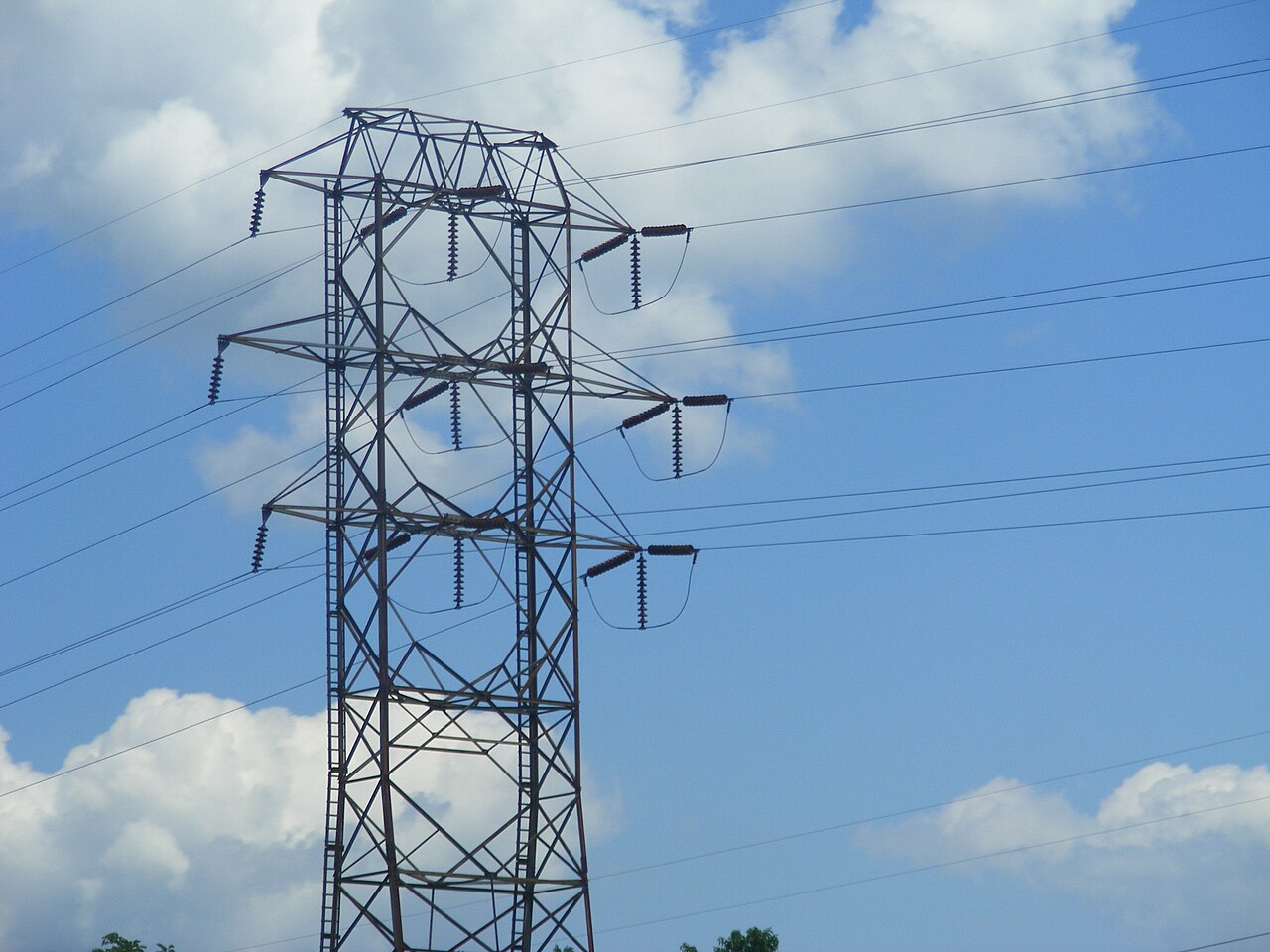
Inspection habits need the same material-specific rewrite as the hardware choices. On porcelain strings, inspectors look for contaminated film and damaged discs anywhere along the string. On composite insulators, the live end deserves most of the attention, because that is where discharge starts and where erosion matters most.
The observable indicators are specific. Chalking or powdering on the sheds, loss of water beading, discoloration, tracking marks, and erosion scars near the first sheds all signal discharge activity. UV imaging can confirm whether a visible defect is still active or merely historical scarring. Each finding near the energized fitting deserves faster follow-up than the same finding mid-string.
Silicone adds one operational twist that porcelain inspectors must learn. A discharge finding does not automatically condemn the unit, because a silicone surface can regain its water beading once the discharge source is removed. Composite insulator corona protection programs should therefore re-check hydrophobicity after a corona finding before defaulting to replacement. Erosion that has reached the core is an immediate retirement case.
Conclusion
Composite insulator corona protection fails when it is copied and works when it is engineered. The differences are structural: no capacitive chain to spread the voltage, an organic housing that discharge actively consumes, and water that beads instead of filming. The playbook follows directly from those facts. Match the ring to the string as a designed assembly, guard the triple junction with serious end-fitting hardware, and inspect for polymer-specific signs at the live end.
In our experience, the lines that stay quiet are the ones where corona protection was designed together with the string, not bolted on afterward. RaxPower builds grading rings, aluminum alloy end fittings, and silicone rubber housings as coordinated assemblies. Each design ships with the field reasoning behind it, so utility and contractor buyers can defend the specification long before the first wet season tests it.
Frequently Asked Questions
Why can’t a corona ring sized for a porcelain string be reused on a composite insulator?
A porcelain string grades voltage through dozens of caps and pins; a composite rod has none. Ring geometry must match the rod, housing profile, and end fitting, or the gradient simply relocates to a new peak.
Does a silicone rubber housing make corona protection unnecessary?
No. Hydrophobicity delays wetting-related flashover, but the housing is organic. Sustained discharge erodes it, and erosion near the live end can expose the core rod and open a path for moisture.
Where does corona damage start on a composite insulator?
Almost always at the energized end: the fitting surface, the housing-to-fitting seal, and the first sheds. That is where the field peaks, and it is where every inspection should begin.
How does corona lead to brittle fracture of the core rod?
Discharge byproducts form nitric acid in humid conditions. The acid reaches the core through eroded housing or weak seals and cracks the glass fibers under load, producing a smooth, sudden fracture.
What should a corona-ready composite insulator specification include?
A grading ring designed with the string, end-fitting geometry that tames the triple junction, an acid-resistant ECR core, an HTV silicone housing, and documented field analysis behind the ring dimensions.