
Picture the same distribution crossarm quoted two ways. Line one prices a porcelain body screwed onto a galvanized steel pin — the pin insulator assembly that has carried pole tops for a century. Line two prices a molded polymer unit, core and sheds in one piece, rated for the same phase position. Reading the two catalogs side by side can feel as if the products were interchangeable. They are not, and the differences surface in service.
Our order desk sees the comparison arrive in writing. Inquiries ask for porcelain pin bodies or polymer equivalents, whichever performs better, with no further specification attached. That request is the insulator pin vs polymer insulator question in its rawest form, and it deserves a performance answer rather than a price answer. What follows compares load path, electrical behavior, aging mechanisms, and service scenarios, then closes with a voltage-by-scenario decision table.
What Each Design Is on the Pole
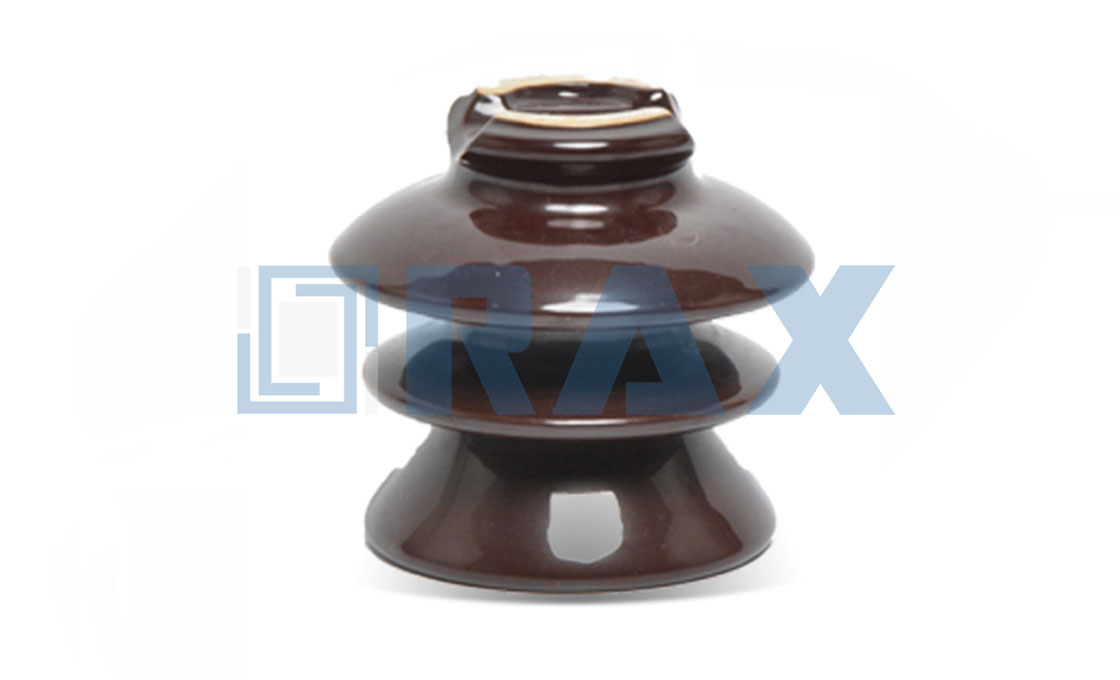
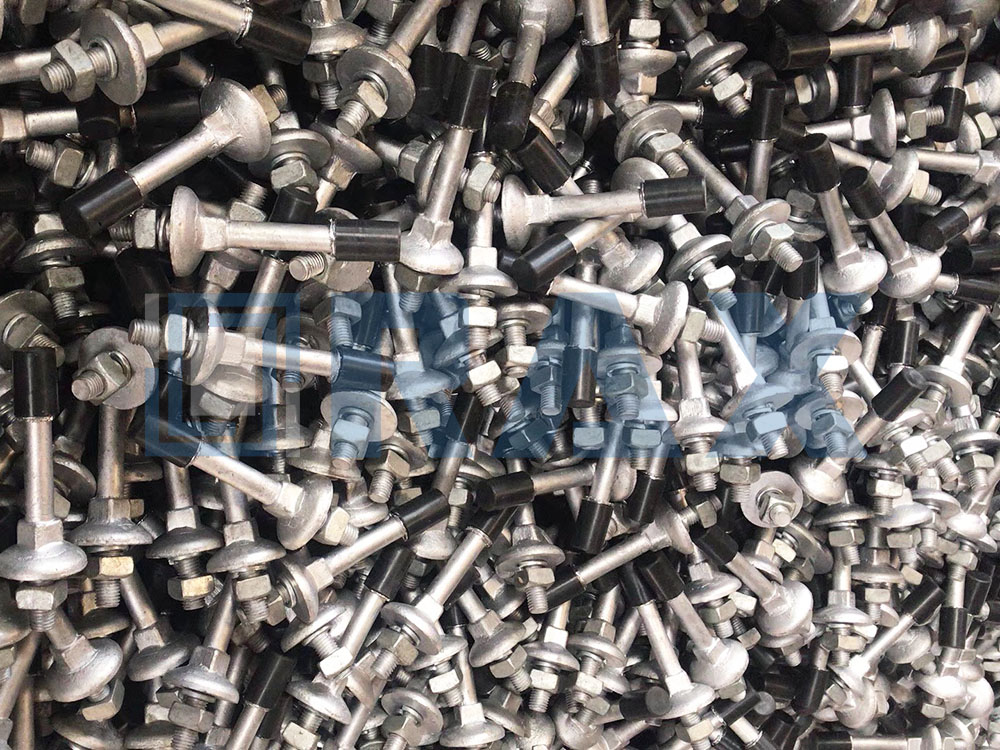
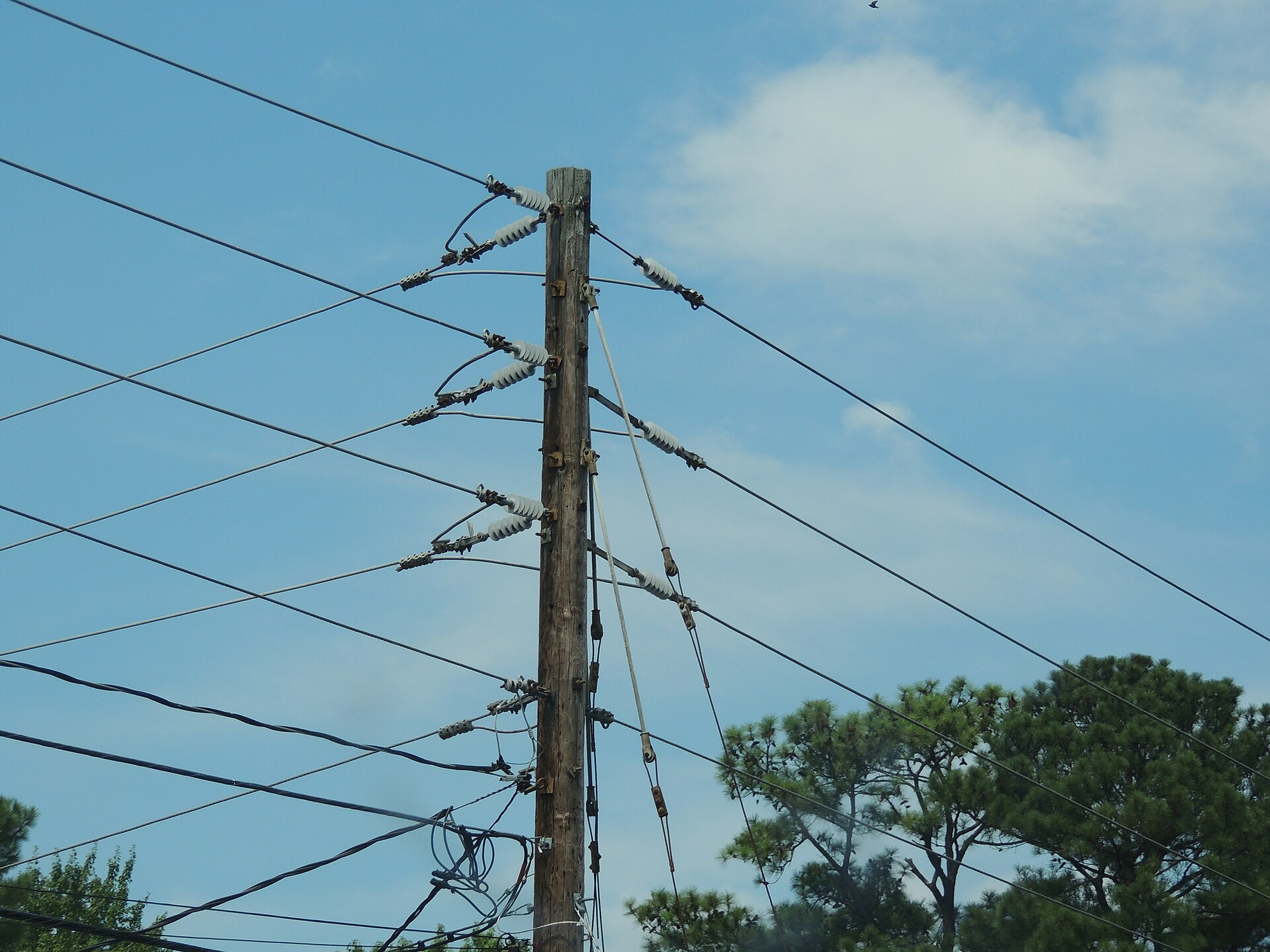
A pin insulator is defined by how it mounts. The ANSI C29.1 test-method standard describes it as "an insulator having means for rigid mounting on a separable pin". In practice that means a porcelain, glass, or polymer body threaded onto a steel pin, and the pin bolted into the cross-arm. TTF Power's field overview completes the picture: the conductor "clamps onto the top groove of the insulator and secured with binding wire", while the pin beneath carries the assembly.
A polymer insulator reaches the same job by a different route. Manufacturer references describe units that "combine a fiberglass-reinforced plastic (FRP) core with silicone rubber sheds, delivering a lightweight, hydrophobic, and impact-resistant design". The pultruded core carries load along its axis while the housing does the insulating. Most designs carry no separable pin and no tied top groove — end fittings and clevises take those jobs.
One boundary keeps this comparison honest. A composite pin insulator is its own product family: a polymer body with the same pin seat and tie-top geometry as porcelain, covered in the composite pin selection guide. This insulator pin vs polymer insulator comparison therefore weighs the two broader classes: the pin assembly as a distribution workhorse, and the polymer family that serves feeders through transmission strings.
Mechanical Load Path: Pin Cantilever Against Core Tension
The mechanical contrast starts where the load enters. On the pin design, conductor weight, wind, and ice arrive at the tied top groove, pass through the body as bending, and exit through the steel pin into the cross-arm. The pin is a short cantilever bolt; every extra kilogram of conductor or ice bends the same lever. The load works the way you would expect a shelf bracket to — one short lever, always in bending.
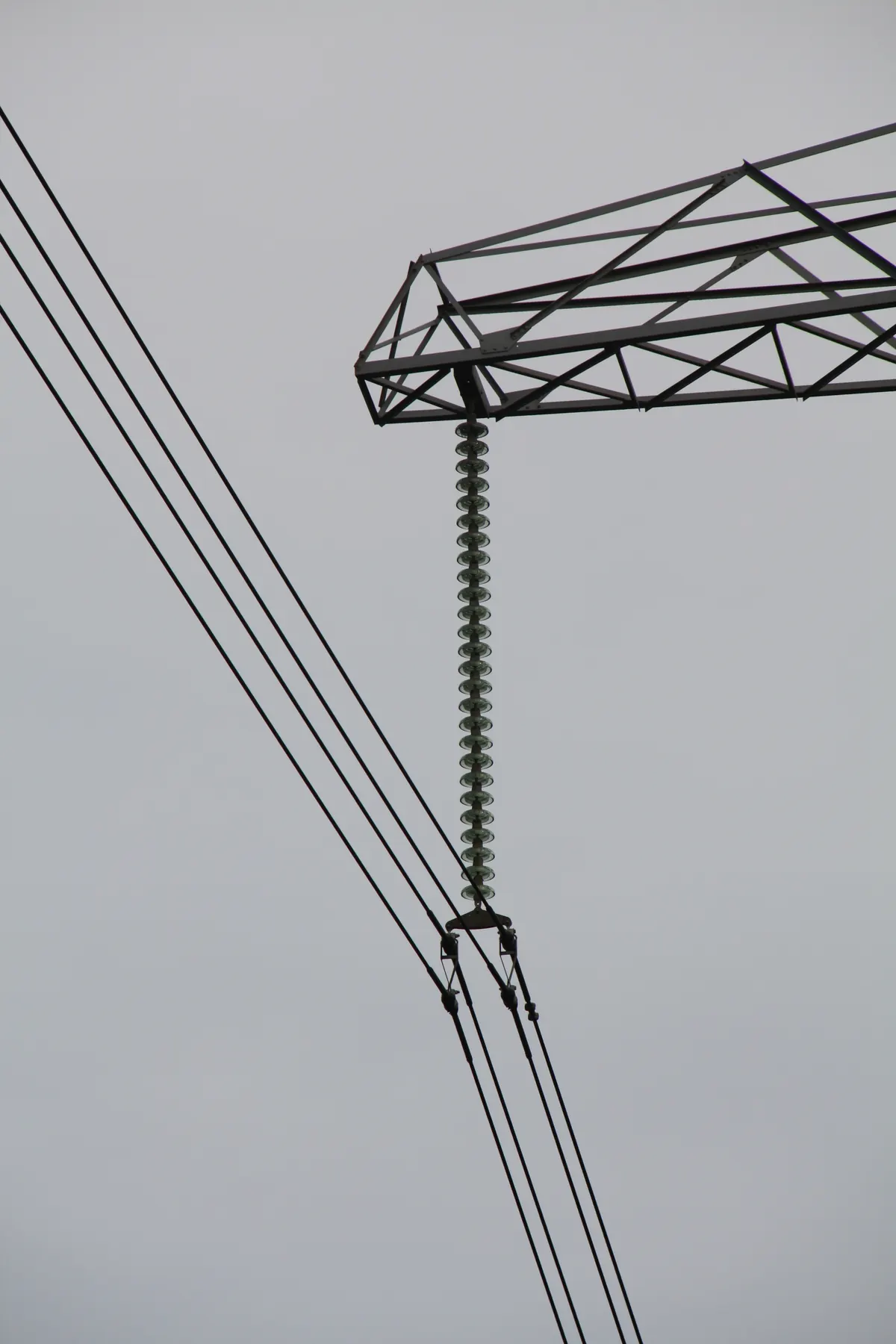
Polymer units carry load along a different axis. In suspension and tension positions the FRP core works in pure line tension — the strongest direction for a pultruded rod. As line posts they work in cantilever too, but the strength-to-weight ratio changes the arithmetic. The same phase position is held with a fraction of the mass, and the pole top carries less permanent load.
Weight is where buyers feel the gap first. Comparison tables put polymer housings at "1/5 to 1/3 of porcelain; easier handling", and field voices agree: "newer composite pin insulators are lighter than porcelain, which makes installation easier". Lighter units cut freight, shorten bucket-truck time, and reduce the bump-and-chip risk porcelain faces on the way to the pole.
The pin arrangement keeps one mechanical wrinkle of its own: the tie. Binding wire flexes with conductor motion for decades, so utilities treat it as a renewable wear part and inspect it on patrol rounds. The pin, the seat, and the tie follow a maintenance discipline of their own, covered in the support hardware upkeep guide.
Electrical Performance: Creepage and Voltage Ceiling
Electrically, the two designs reach the same distribution voltages by different means. The pin ladder grows bodies instead of strings: "One-piece is for voltage up to 11 kV and multipiece up to 33 kV", with line-to-ground voltage across one rigid body. TTF's advantage list is blunt about the ceiling — the design "effectively insulates conductors up to 33 kV".
Above that band, geometry wins. A longer pin body means a heavier casting on a longer bending lever, so suspension strings and line posts take the phase position instead. Polymer families scale by adding sheds along a core rather than stacking shells. That is why distribution insulator catalogs such as MacLean's run to applications up to 46kV before transmission hardware takes over.
Wet weather widens the gap. INMR's failure review notes that "for any given leakage distance, flashover is a more common problem for porcelain and glass insulators due to their relatively easy wettability". Composite housings resist water filming, so equal creepage on paper is not equal behavior in rain. In sustained wet weather the insulator pin vs polymer insulator comparison tilts toward the housing material.
How Each Design Ages in Service
Porcelain ages in visible, mechanical ways. The cement bonding shell to pin expands with weather — INMR attributes this radial cracking to "cement grout phenomenon" in units "assembled using overly expansive Portland cement". Power arcs leave a signature too: arc-heated glaze melts into "a rough surface, more susceptible to pollution accumulation". Under it all, the steel pin corrodes in contaminated districts — a mode INMR calls "basically independent of dielectric bulk material".
Impact closes the porcelain list. "Porcelain is also brittle; impact during transport, installation, or ice shedding can crack or shatter the body", one manufacturer comparison notes. A shell that survives a century of voltage can still lose to one careless drop during handling.
Polymer housings age electrically rather than mechanically. Surface discharge can track and erode shed material, and damaged seals open the door to flashunder along the core. The sharpest composite-specific mode is brittle fracture — "mechanical separation of the fiberglass rod" that drops the conductor. Field cases cluster on early rods attacked by moisture and acid; modern resins and end-fitting seals are the counter.
The offset list is long. There is no cement to grow, no glaze to melt, and no pin to rust. Puncture drops out of the matrix entirely: "composite insulators are normally not at risk of puncture since the electrodes of different potential are separated by a long fiberglass rod". Aging shows on the surface first, where inspection can still catch it.
Insulator Pin vs Polymer Insulator: Side-by-Side
Set side by side, the insulator pin vs polymer insulator rows sort cleanly.
| Aspect | Pin insulator assembly (porcelain body on steel pin) | Polymer insulator (FRP core, silicone housing) |
|---|---|---|
| Load path | Tied top groove; bending through body into the pin and cross-arm | Tension along the core, or cantilever as a line post |
| Weight per position | Full porcelain mass; heaviest item on the pole top | 1/5 to 1/3 of porcelain; easier handling |
| Pollution behavior | Hydrophilic glaze films over; washing holds flashover off | Hydrophobic migration keeps films from forming |
| Aging signature | Cement growth, arc-melted glaze, pin corrosion, shell chips | Housing tracking or erosion, seal wear, rare brittle fracture |
| Usual voltage band | 11/22/33 kV multipiece ladder; exits above 33 kV | Distribution classes to 46 kV; strings and posts beyond |
| Impact and vandalism | Shells chip and shatter; pin corrosion hides underneath | Sheds scar but stay in service |
| Cost pattern | Lowest unit price; heaviest freight | Higher unit price; cheaper logistics |
Neither column sweeps the table. The pin assembly wins on unit price, rigid tie-top geometry, and a century of stocking familiarity. Polymer wins on weight, pollution behavior, and failure modes that announce themselves before they drop a conductor. When one feeder mixes inland spans with coastal industrial segments, many utilities buy both — pin bodies inland, polymer housings on the foul-air routes.
Contamination, Coast and Vandalism Performance
Pollution separates the classes more sharply than any lab curve. The porcelain surface, as SUNJ's comparison puts it, is "hydrophilic", so "moisture and contaminants tend to form conductive films" in wet weather. Silicone rubber works the opposite way: its surface "repels water and allows hydrophobic migration", so the pollution layer itself turns water-repellent and leakage current stays small.
Recovery, not just resistance, is the polymer advantage. Hydrophobicity can return after a pollution event, and INMR calls this recovery a key element of long-term performance. Silicone insulators "regain their initial water-repellency" after it is "temporarily suppressed or lost due to repeated exposure to contaminants and moisture". Porcelain holds no such reserve: whatever the surface loses stays lost until crews wash it back.
Vandalism pushes the same direction. Gunfire and thrown stones shatter brittle shells, which is "one of the reasons why power supply companies experiencing such problems have shifted to composite insulators". A polymer strike may scar a shed; a shattered shell takes the phase out of service.
Where Standards and Testing Split the Two
Standards keep the two families in separate drawers. Pin-type porcelain lives in the ANSI C29 series — high-voltage pin-type bodies in C29.6, titled "Wet Process Porcelain Insulators (High Voltage Pin Type)", with test methods in C29.1. That test-method document also supplies the category's anchor definition of "rigid mounting on a separable pin". Purchase specs for the pin side therefore lean on porosity, thermal-shock, and cantilever evidence.
Polymer hardware answers to the composite documents instead: IEC definitions and test methods for composite insulators, plus utility specifications that exercise housing tracking, core, and seal performance. Newer C29.1 editions extend the common test-method umbrella over nonceramic designs, which is why a polymer datasheet can still cite C29.1 test numbers. The practical takeaway: the two families are not bought against one identical test stack, so cross-family comparisons deserve line-item verification instead of a single catalog column.
Choosing by Voltage and Service Scenario
The decision compresses into the scenarios below.
| Line scenario | Better fit | Why |
|---|---|---|
| Rural feeder to 11 kV, clean air | Pin assembly | Lowest unit cost, rigid tie top, deep stocking familiarity |
| 11–33 kV mixed routes | Either | Compare cantilever rating, weight, and price per phase position |
| Coastal, industrial, or desert pollution | Polymer | Hydrophobic migration stretches washing intervals |
| Vandalism-prone corridors | Polymer | No brittle shell to shatter under impact |
| Above 33 kV | Polymer strings or posts | Pin geometry exits; creepage scales along a core instead |
In our experience, the insulator pin vs polymer insulator decision rarely turns on a single laboratory number; it turns on which failure a line can afford. A cracked shell at a rural road crossing is a nuisance swap. A corroded pin under a leaking cement joint on a coastal route is a recurring patrol item. Match the aging signature to the maintenance budget, and the table usually decides itself.
Boundary cases deserve their own reading. The material triangle behind both families — ceramic, glass, and composite — is compared piece by piece in the insulator materials comparison. The pole-top geometry each design occupies, from arm mount to pole head, is mapped in the pole insulator guide.
Frequently Asked Questions
Is a polymer unit a drop-in replacement on an existing pin seat?
Often yes at the same voltage class: composite pin bodies copy the ANSI pin seat and tie-top geometry. Verify cantilever rating, pin thread size, and tie compatibility against the original drawing before ordering.
Which side of the comparison lasts longer in polluted service?
Manufacturer tables give polymer housings 20–30 years of typical service against 15–25 for porcelain — shorter still in harsher environments. Hydrophobic recovery between pollution events is the advantage porcelain cannot match.
Why does the pin design stop at 33 kV?
Geometry, not materials. Every voltage step means a longer, heavier body on a longer bending lever, so multipiece builds end at 33 kV and strings or line posts take over above it.
Do polymer housings still need washing cycles?
Far less often. Hydrophobic migration keeps pollution layers water-repellent, and recovery returns that property after contamination. Heavy industrial or desert sites still inspect, but washing intervals stretch well beyond porcelain practice.
How much lighter is the polymer option?
Comparison tables put polymer units at one-fifth to one-third the weight of porcelain equivalents, which cuts freight cost, bucket-truck time, and the drop-and-chip risk during installation.