
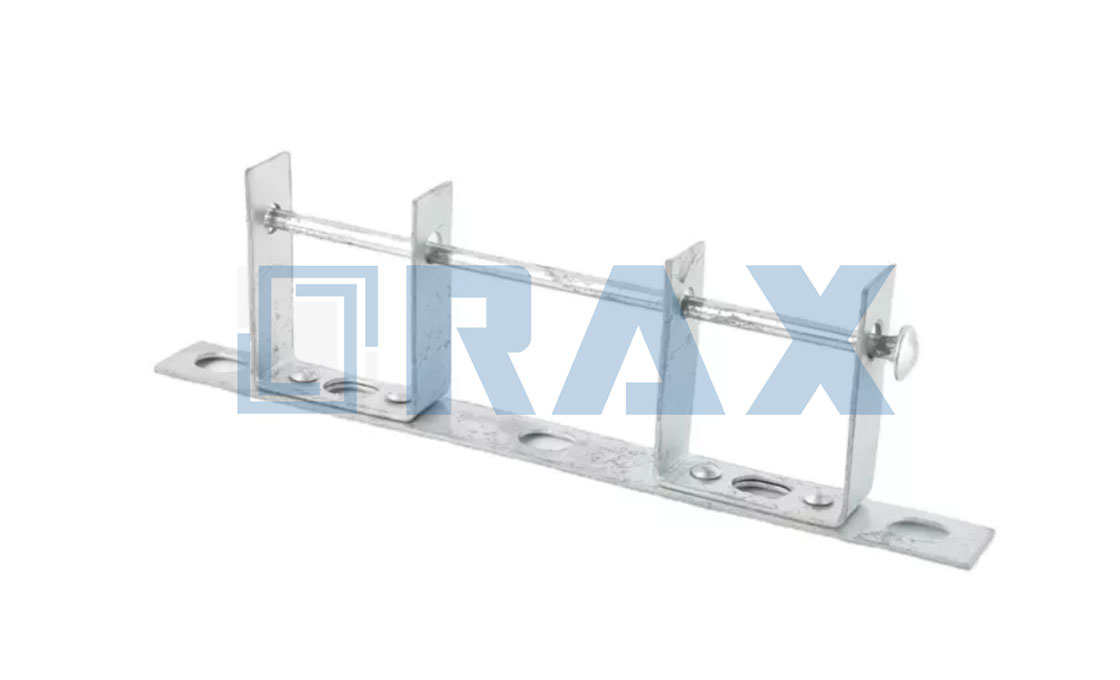
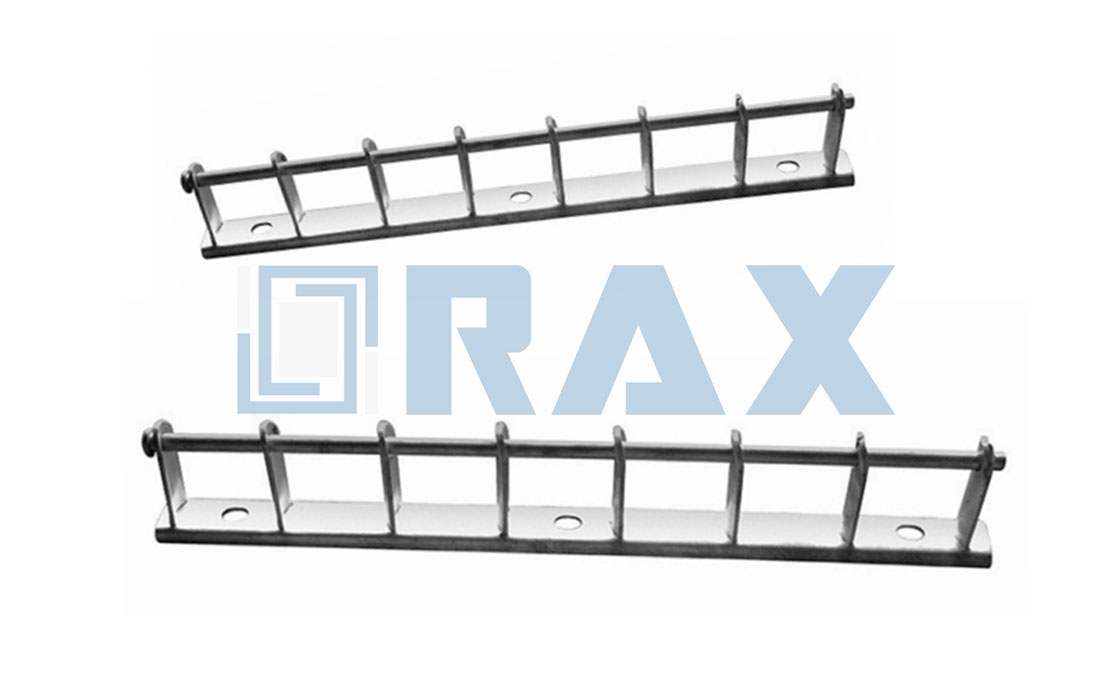
A secondary rack supports and aligns insulators, conductors, and hardware in overhead electrical systems. It maintains proper positioning within power distribution and transmission networks, contributing to grid reliability and safety.
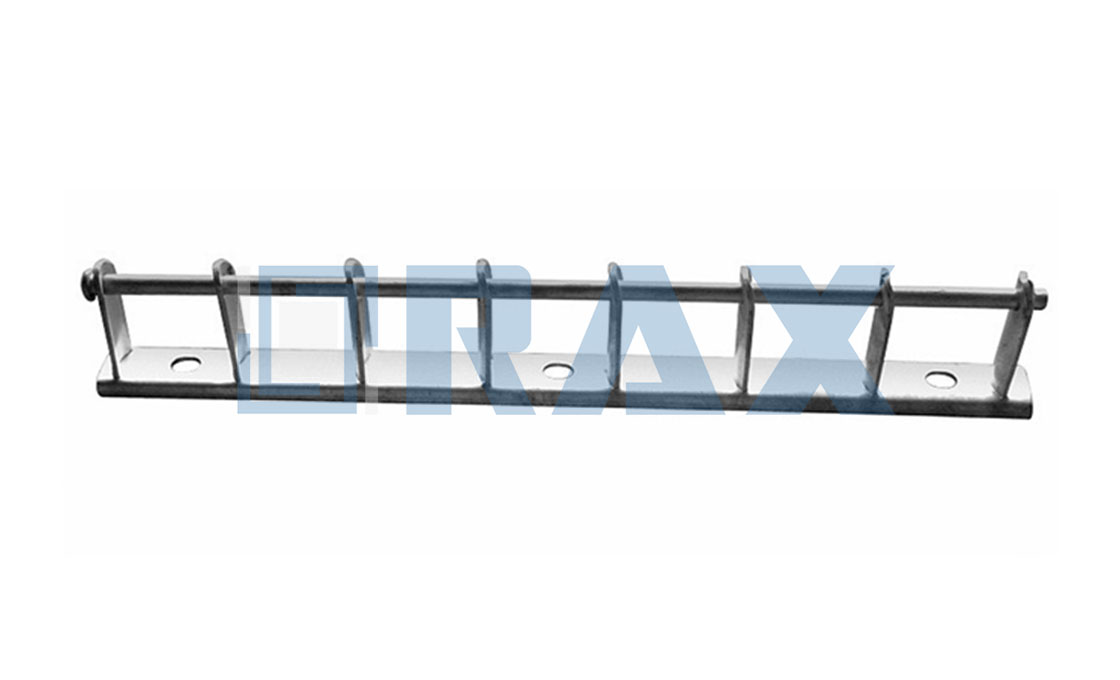
These racks are typically constructed from galvanized steel with hot-dip galvanizing applied for corrosion resistance, often meeting ASTM A123 standards. Common configurations include V-shaped, straight-line, adjustable, and heavy-duty models, with sizes ranging from 26 to 34 inches to accommodate three or four conductors. Designs feature one to four spools for flexibility in telecommunications and high-capacity power line applications.
Secondary racks ensure correct alignment of insulator strings and conductors for efficient operation. Adjustability features accommodate variations in line configurations, while streamlined designs reduce installation labor costs. Their structural support and load distribution capabilities prevent sagging or swaying. Environmental resistance properties enable performance in diverse conditions, including coastal regions, railway electrification systems, and renewable energy projects.
Selection criteria include load capacity to support mechanical stresses, material composition for environmental adaptability, and adjustability for long-term usability. Regular maintenance involves visual inspections for damage or corrosion, applying protective coatings, and checking fasteners to ensure continued reliability and safety.
Secondary Rack Supplier for Enhanced Overhead Infrastructure
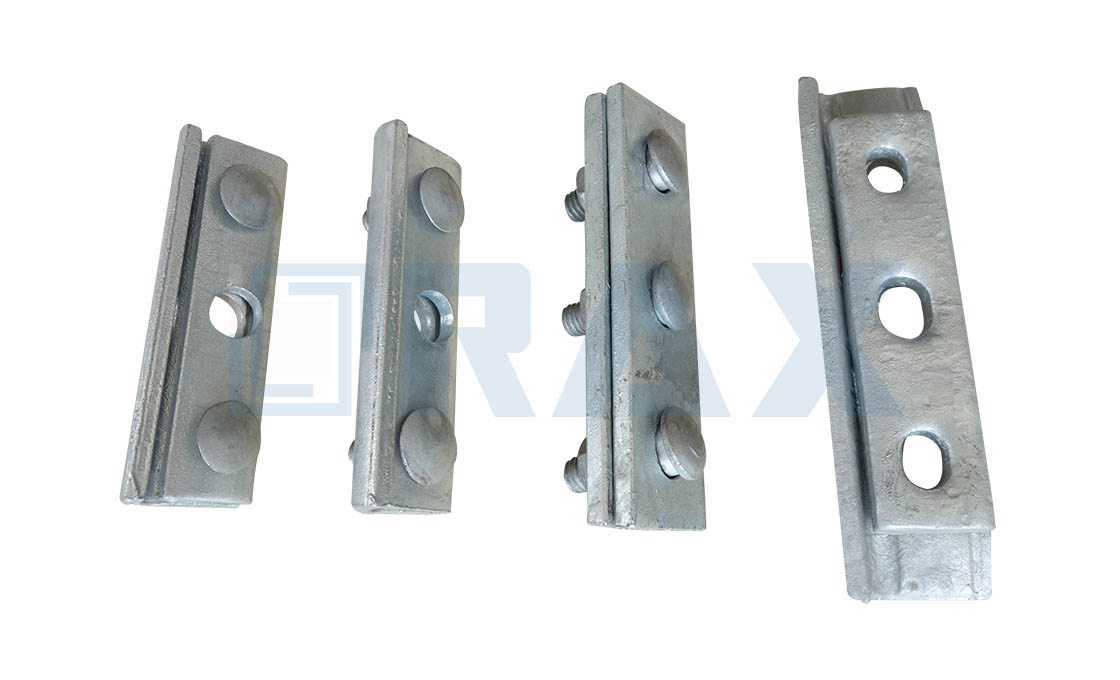
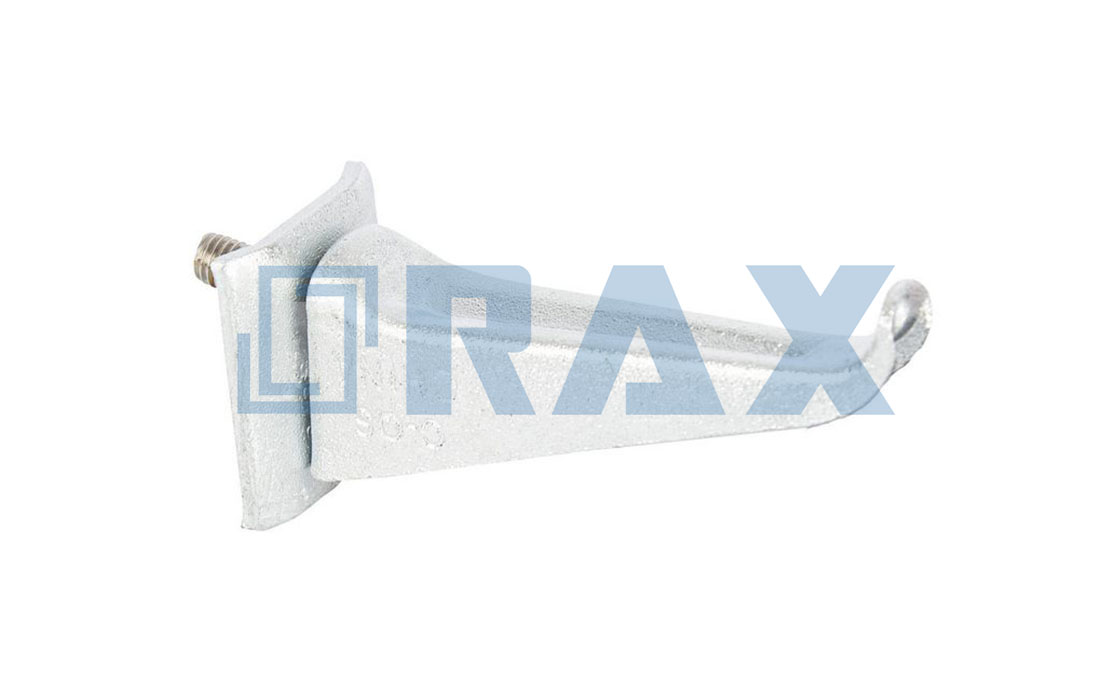
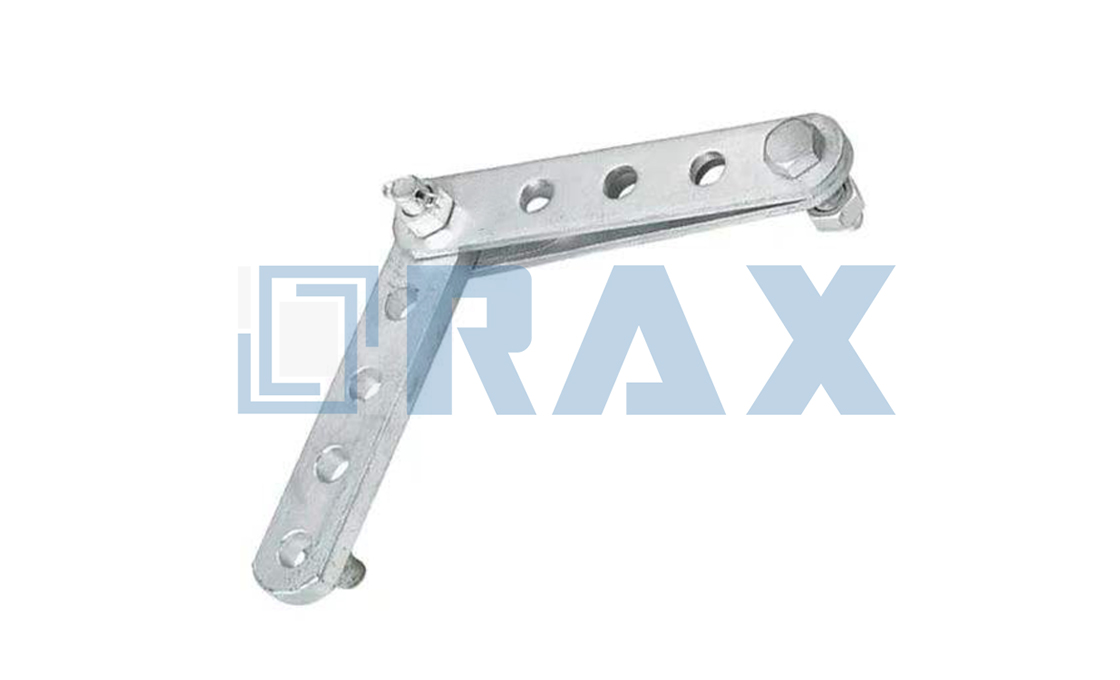
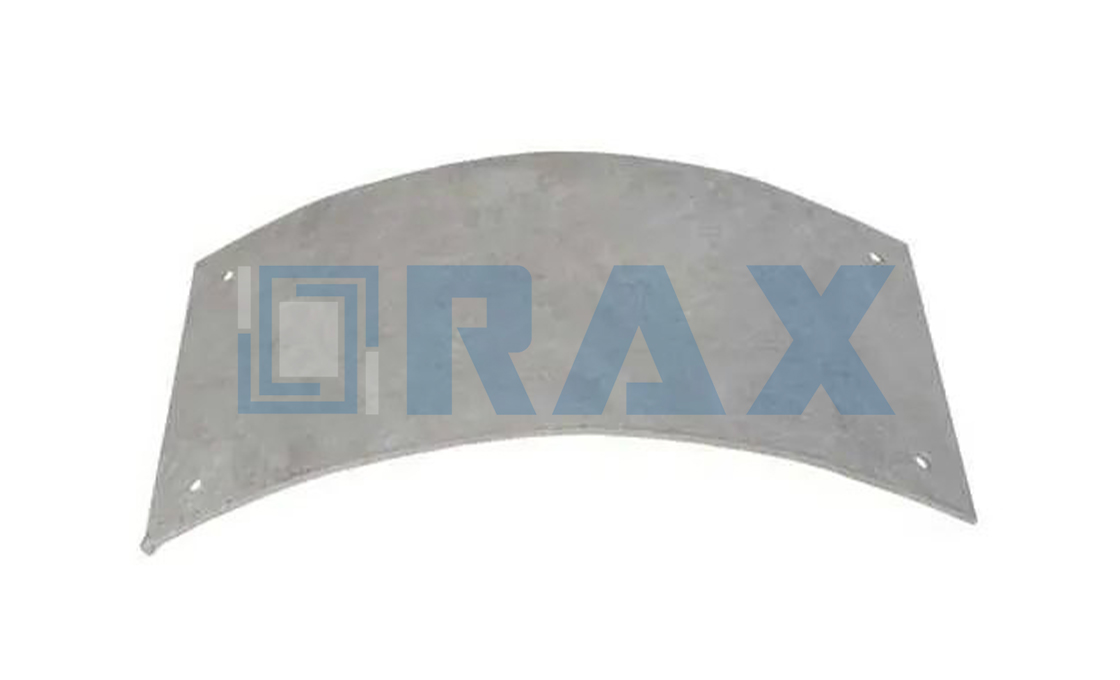
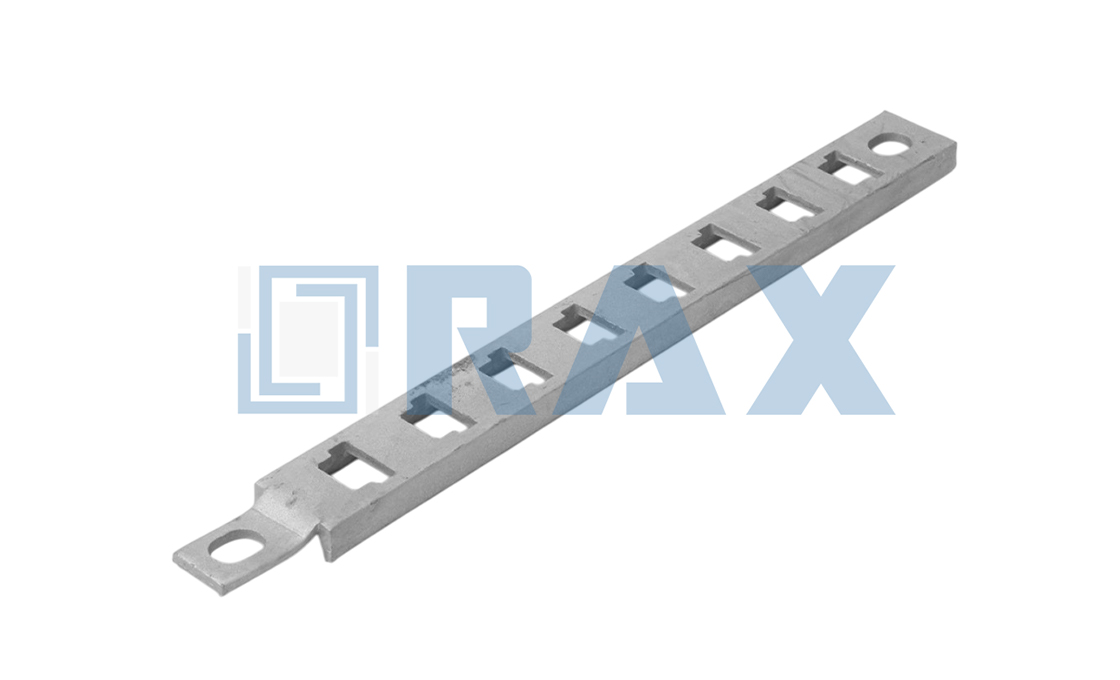
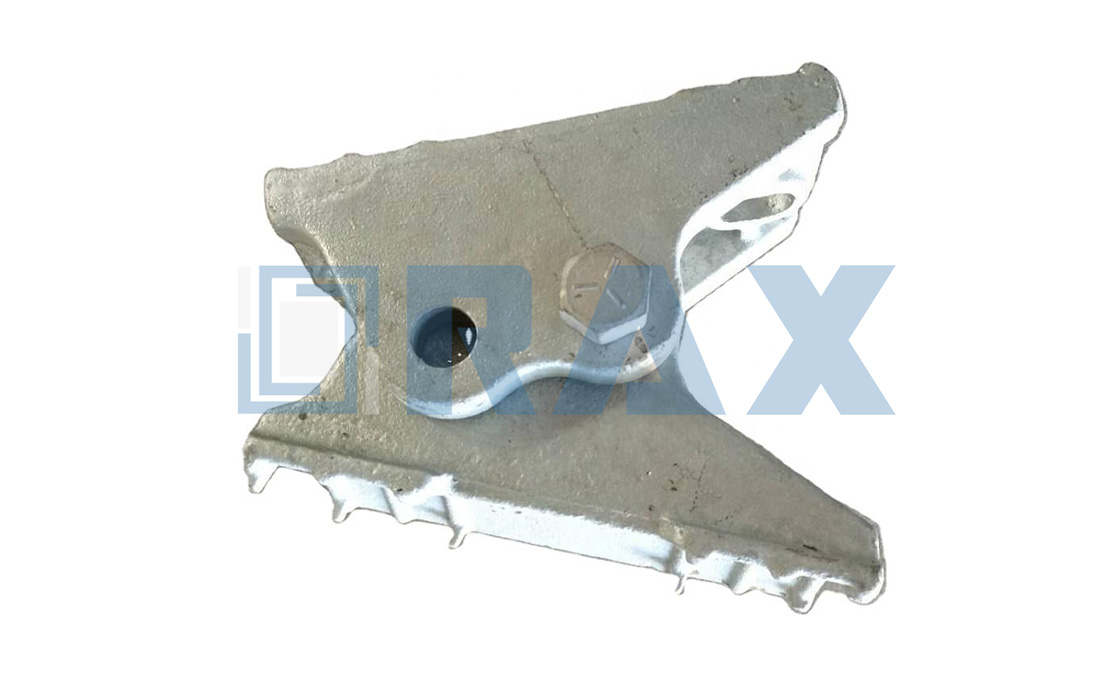
RaxPower is a leading manufacturer of Pole Line Hardware and Fastener in China. Our Secondary Rack is a type of insulator cable support that incorporates a steel U channel at the base, secured by nuts and bolts to the utility pole.
It is hot-dip galvanized and designed to accommodate three to four conductors, essential for maximizing performance and efficiency in overhead infrastructures such as utility pole mounting and telephone lines.
Our experts ensure that these racks are manufactured using the most advanced techniques, including:
- Hot forging for greater strength and accuracy
- Welding
- Controlled galvanizing processes that meet ISO 1461 standards
With over 21 years of experience since our establishment in 2003 in Hebei Province, and operating from 17,000 square meters of production facilities, we focus on quality through the following methods to guarantee reliability and longevity:
- Strict raw material selection
- Automated machinery for uniform sizing
- Multi-stage testing, including load tests and SGS certifications
Contact us today for purchasing or to schedule a visit to our factory.
| Parameter | Value |
|---|---|
| Material | Galvanized Steel |
| Galvanizing | Hot-dip galvanized |
| Standard | ASTM A123 |
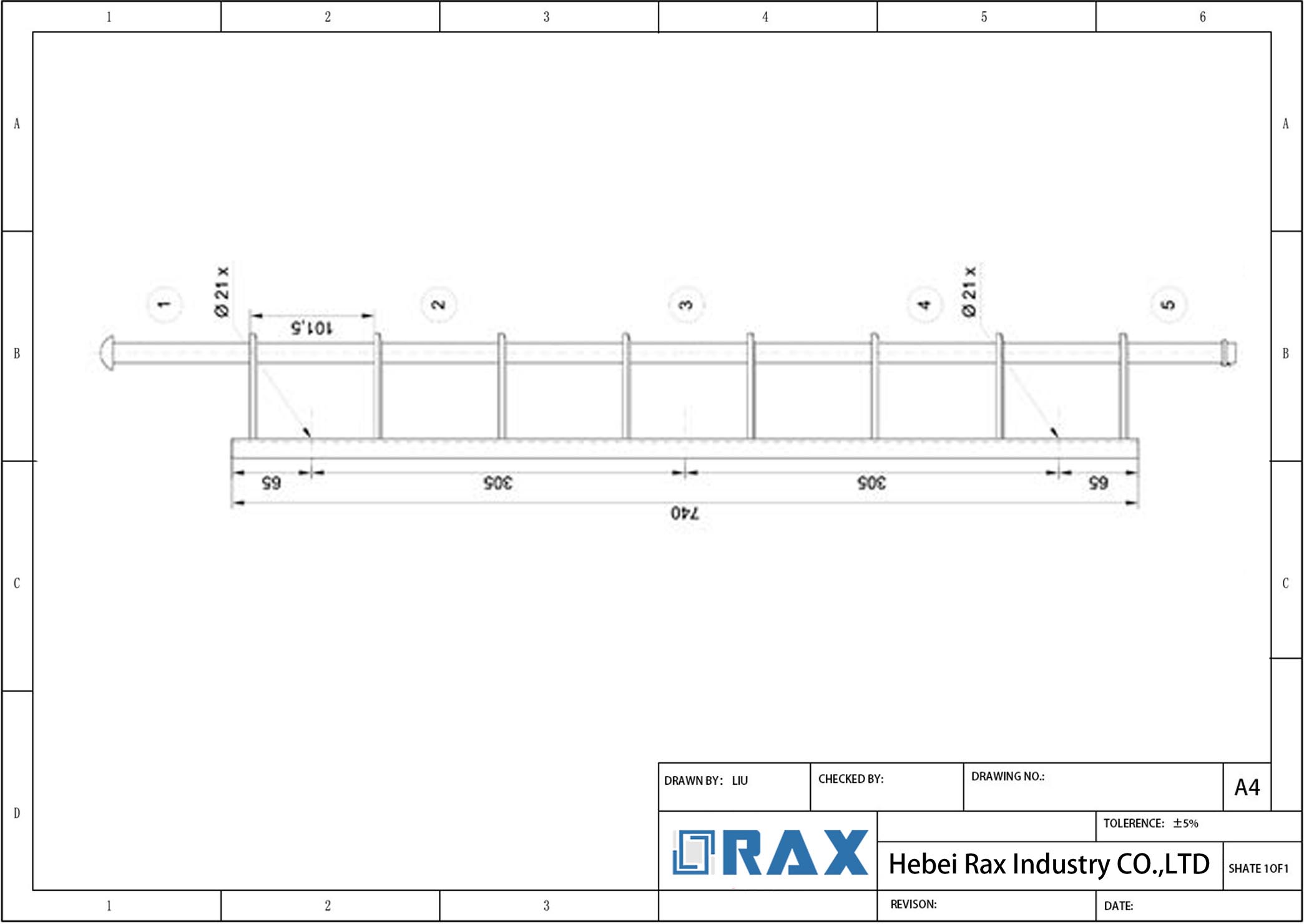
| Overall Length | 26 in to 34 in |
| Number of Spools | 1 to 4 |
| Mounting Bolt Size | 5/8″ |
| Bearing Surface Width | 3-1/4″ |
| Spacing Between Spools | 8″ |
| Spacing Between End Mounting Holes | 24 in to 32 in |







Frequently Asked Questions (FAQS)
What is a secondary rack and what is its primary function?
A secondary rack is a structural component used to support and align insulators, conductors, and other hardware in overhead transmission lines. Its primary function is to ensure safe and reliable electricity distribution by maintaining proper alignment and preventing sagging or swaying, contributing to grid reliability and longevity.
What applications are secondary racks suitable for?
Secondary racks are used in power distribution, coastal regions, renewable energy projects, transmission lines, and railway electrification, providing essential support and alignment for insulators and conductors in various overhead infrastructure setups.
What materials are used in your secondary racks and why?
RaxPower secondary racks are constructed from steel and galvanized steel, hot-dip galvanized to meet ASTM A123 specifications. These materials provide corrosion resistance and durability in challenging environments such as coastal regions or areas with extreme temperatures.
How do I properly install a secondary rack?
Installation includes preparing tools and safety equipment, selecting and verifying location, inspecting the rack for defects, preparing mounting hardware, attaching to the support structure, tightening fasteners, attaching insulators and conductors, checking alignment, performing final inspections, and documenting the setup to ensure secure installation.
What maintenance is required for secondary racks?
Regular maintenance involves scheduling periodic inspections, performing visual checks for damage or corrosion, applying anti-corrosion coatings, lubricating moving parts, tightening fasteners, verifying insulator and conductor attachment, conducting ultrasonic and load testing, and maintaining detailed records for continued reliability.
How do your secondary racks ensure compliance with industry standards?
Our secondary racks are manufactured to meet ANSI, IEC, and other international standards. We perform rigorous load testing, ultrasonic testing, and quality checks to ensure reliability, longevity, and adherence to specifications for structural support and environmental adaptability.
Can secondary racks be customized for specific project requirements?
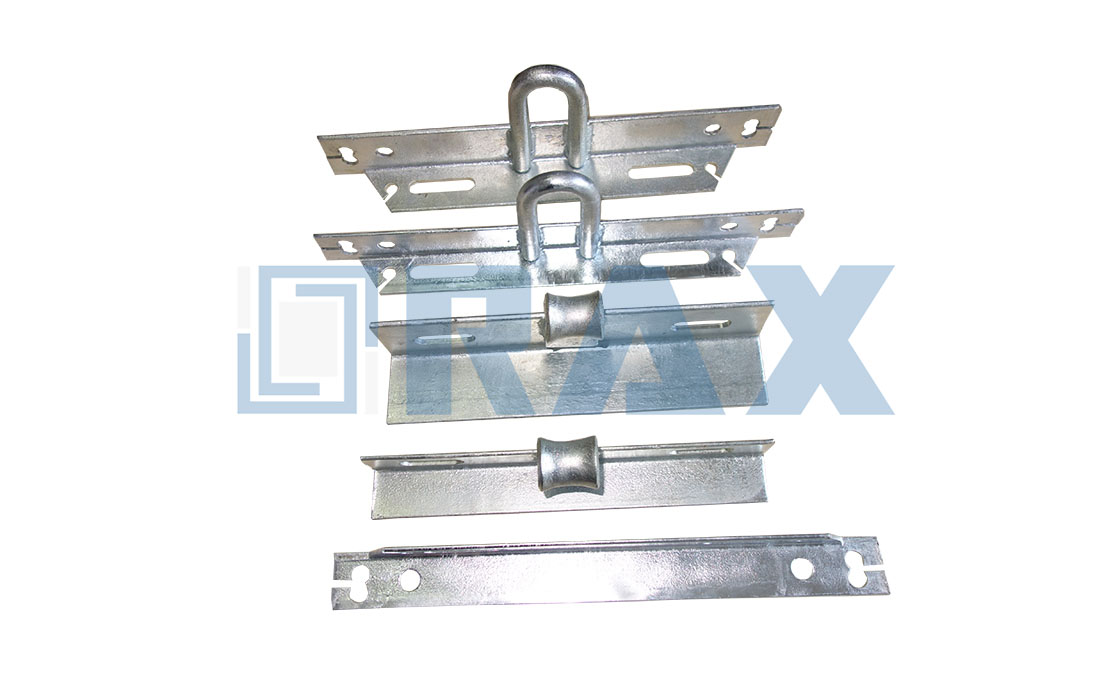
Yes, secondary racks are available in V-shaped, straight-line, adjustable, and heavy-duty configurations with varying spool counts (1, 2, 3, 4). We offer OEM services and custom designs tailored to load capacity, environmental conditions, and project needs, including variations in dimensions and specifications for diverse applications.
What capabilities do you have to handle large-scale orders?
We utilize automated manufacturing processes and maintain large production facilities, enabling efficient handling of high-volume orders. Our automation ensures accurate sizing and uniformity, supporting timely delivery while meeting project requirements for bulk supply and consistent quality.
How do you maintain competitive pricing while delivering high-quality products?
By leveraging manufacturing scale and efficient production techniques, we offer cost-effective solutions without compromising quality. This is achieved through strict quality control from raw material selection to finished products, ensuring reliability and value for applications requiring durability and performance.
Get A Quick Quotation Today
