
Insulator link fittings connect insulators to towers and conductors in overhead power transmission systems, maintaining electrical insulation and mechanical support in high voltage applications. These forged hardware elements handle dynamic loads from environmental factors such as ice shedding and oscillations, ensuring stability in power networks.
Common configurations include Ball Clevis Link, Eye-Eye Hot Line Link, Y-Clevis, and Socket Clevis designs. These fittings feature clevis attachments, oval eyes, and ball-socket setups, providing versatile connectivity for insulator strings and associated hardware across transmission and distribution lines, ultra-voltage installations, and railway electrification systems.
Manufactured from high-strength steel through forging processes, insulator link fittings typically avoid welded joints to maximize durability. Heat treatment enhances ductility and performance under stress, while hot-dip galvanized finishes provide corrosion resistance. This construction delivers sufficient insulation strength and mechanical capacity, with some models handling loads up to 50,000 pounds. The smooth surface minimizes moisture and impurity adherence, and the compact structure reduces space requirements while maintaining functionality.
Products comply with International Electrotechnical Commission (IEC) and American National Standards Institute (ANSI) standards for electrical insulation, mechanical load capacity, and environmental resilience. Fittings are often customized to application requirements, with options for tailored lengths and configurations specified through catalog numbers and dimensional data.

Expert Insulator Link Fitting Exporter
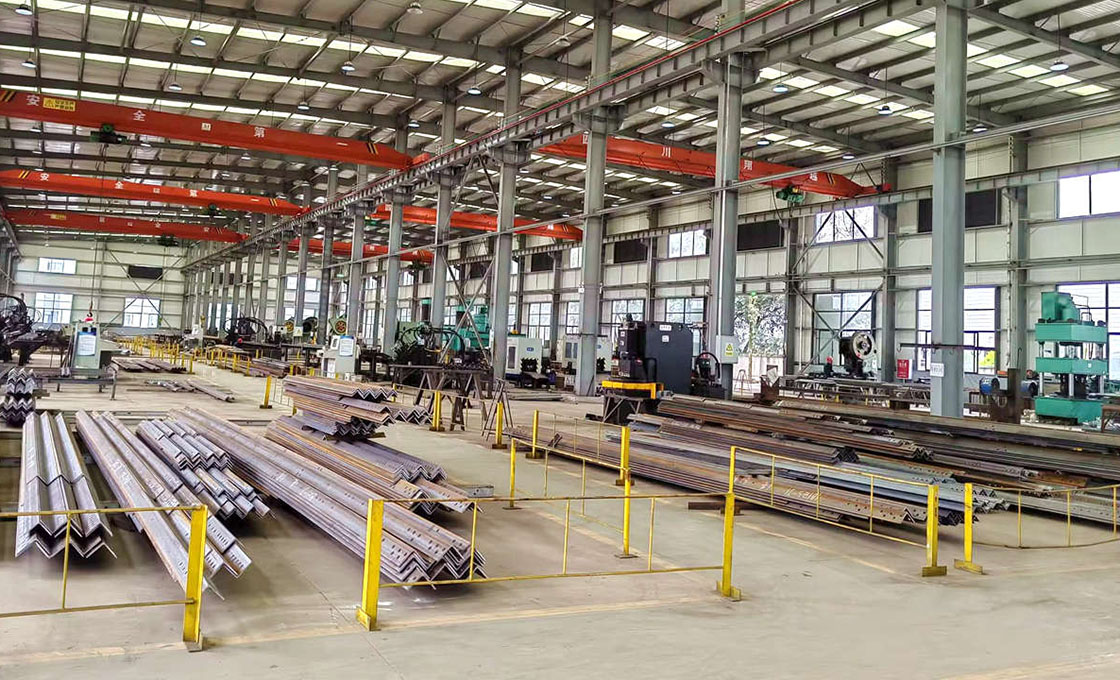
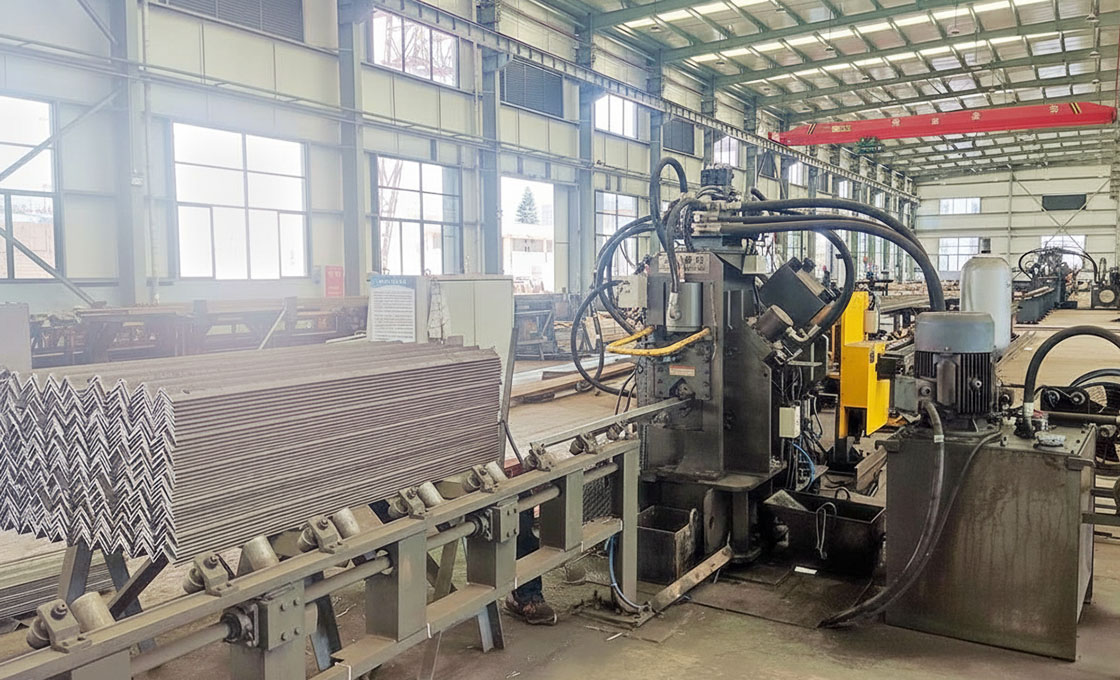
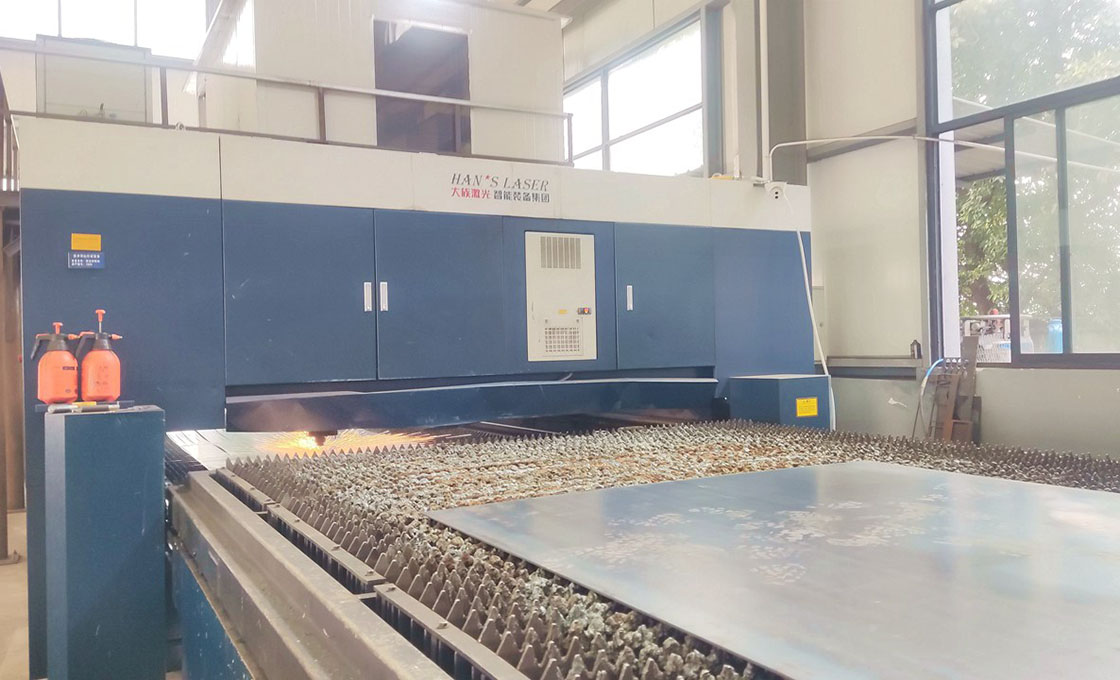
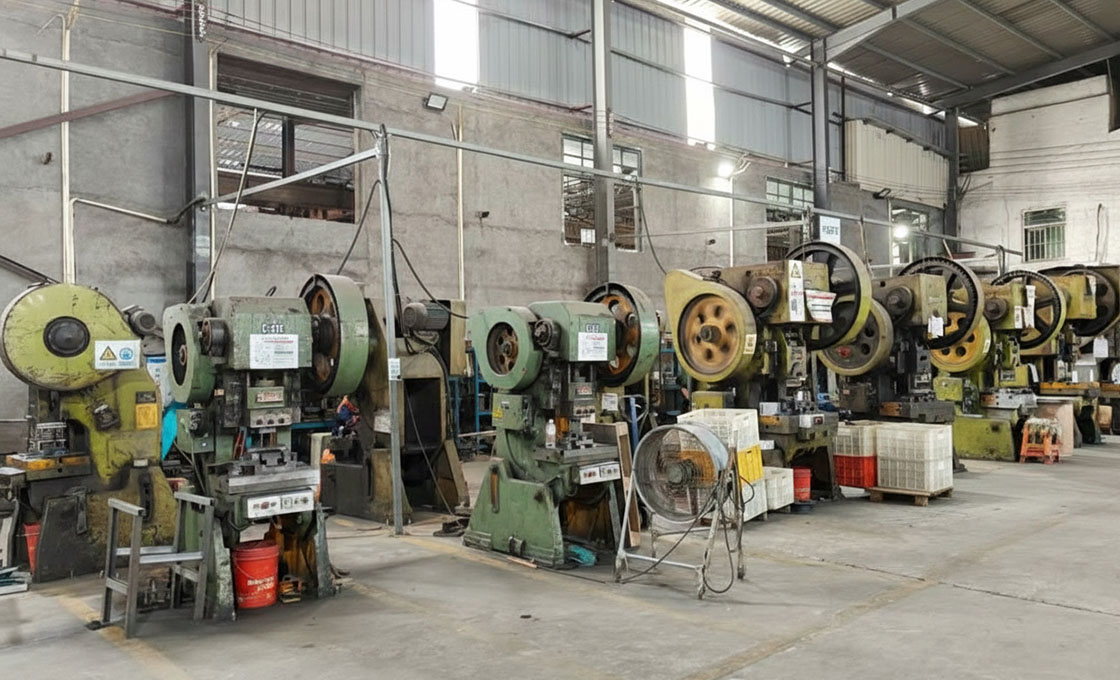
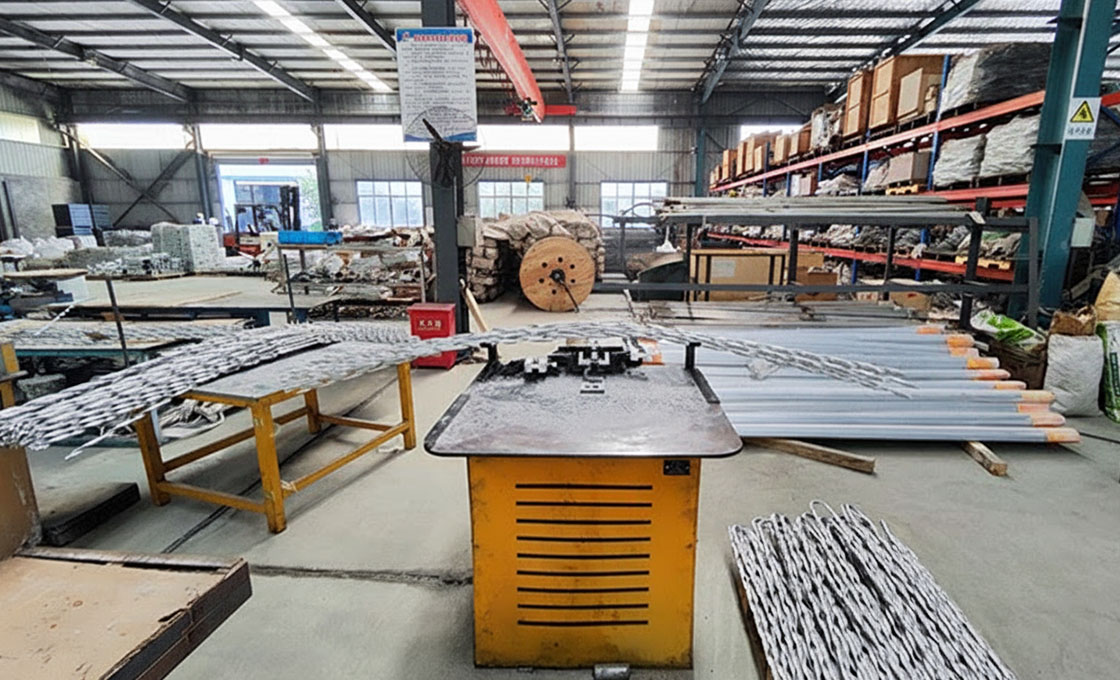
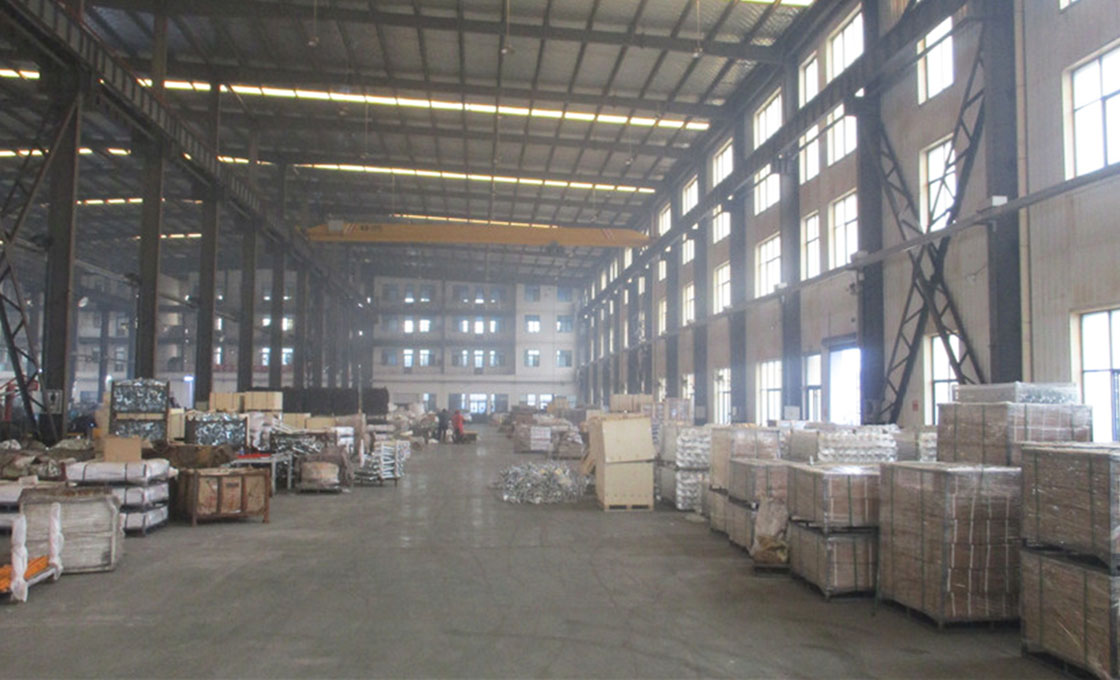
RaxPower is the most trusted and leading manufacturer, supplier and exporter of Insulator Link Fittings. Established in 2003 in Hebei Province, China, with 21 years of manufacturing and exporting experience, we are a major manufacturer focusing on research and development and high production capacity, supported by 30,000 square meters of production workshops and a skilled team of over 170 employees.
The Insulator Link Fitting is precisely manufactured using supreme grade raw material and technologically advanced tools, with strict quality controls that include:
- Raw material selection
- Multi-stage testing
- Sophisticated hot forging for greater strength and accurate sizing
Our leading hot-dip galvanizing process ensures a smooth, durable finish with a mean coating thickness over 85 microns, adhering to international standards.
We offer these fittings within a given time frame at reasonable rates, driven by a customer-oriented philosophy where low-cost and high-quality form the basis for customer satisfaction. Available in both standard and customized options to meet diverse industrial applications, our high-quality Insulator Link Fittings are well recognized by customers worldwide.
Contact us today with your requirement for the best prices.


Other Products You May Like

Vibratory Finishing Machine

Centrifugal Finishing Machine
Automatic Mass Finishing System
Frequently Asked Questions (FAQS)
What is an insulator link fitting?
An insulator link fitting is a precision-engineered component used to connect insulators to towers and conductors in overhead transmission lines, providing secure electrical insulation and mechanical support within the power system.
What are the key applications of insulator link fittings?
Insulator link fittings are primarily used in overhead power transmission and distribution lines to connect insulators to towers and conductors. They are essential for maintaining electrical insulation and mechanical stability in utility, industrial, renewable energy, and telecommunications projects.
What materials and manufacturing process are used?
Insulator link fittings are forged from high-strength steel without welded joints, then heat-treated for enhanced ductility and performance. They feature hot-dip galvanized finish for superior corrosion resistance and longevity in various environmental conditions, ensuring maximum durability and reliability.
What types of insulator link fittings are available?
Common types include Ball Hook, Chain Link, Clevis, Socket, Oval Eye, and Y-Clevis configurations. These fittings come in various designs such as Ball-Eye, Socket Clevis, Ball Clevis Link, Eye-Eye Hot Line Link, and others, each serving specific connection needs in power transmission systems.
What standards do insulator link fittings comply with?
Insulator link fittings are designed and produced strictly according to international standards such as ANSI and IEC, ensuring they meet performance and safety requirements for power transmission applications.
Can insulator link fittings be customized for specific projects?
Yes, insulator link fittings can be customized in terms of length and fitting configurations to match specific application needs. Made-to-order options allow customers to specify catalog numbers and dimensions for optimal fit in their power systems, accommodating both standard and large-volume orders with specific requirements for major infrastructure projects.
How do you ensure product quality and reliability for demanding grid operations?
Strict quality control measures are implemented, including load testing and gauge tests according to IEC standards. The forged construction with no welded joints, combined with heat-treated steel and hot-dip galvanizing, ensures the fittings withstand dynamic stresses such as vibration, ice shedding, and oscillations. These fittings have been successfully used in over 50 countries, demonstrating proven performance across various environmental conditions and enabling reliable, cost-effective production suitable for high-volume procurement.
Get A Quick Quotation Today