
Corona rings are toroidal metallic devices that mitigate corona discharge in high-voltage electrical systems by distributing electric fields more uniformly around conductors and insulators. When electric field strength exceeds the critical value for air ionization, corona discharge occurs, producing visible glow, audible noise, energy losses, ozone generation, and potential equipment damage through localized heating and insulation breakdown. Corona rings control these effects by optimizing field distribution, protecting equipment and enhancing system reliability in transmission lines, substations, transformers, bushings, and surge arresters operating at 230 kV and above.
Common construction materials include aluminum (selected for lightweight properties and corrosion resistance), copper, brass, stainless steel, and silver-plated variants. Aluminum alloys like 6061 or 6063 are frequently used with tube wall thicknesses from 2.0 mm to 10.0 mm. Designs feature smooth surface finishes to reduce electric field gradients, with dimensions tailored to system requirements—inner diameters starting around 100 mm and outer diameters extending to several meters for high-voltage applications.
Various configurations address different application needs: single rings for basic field equalization, double rings for higher voltages, flat disc designs for vertical field distribution, and suspension rings for specific conductor arrangements. Installation involves mounting on insulator strings or bushing ends using bolted keepers or clamps, often designed for hot stick placement during live line work, with proper torque settings to maintain electrical and mechanical performance.
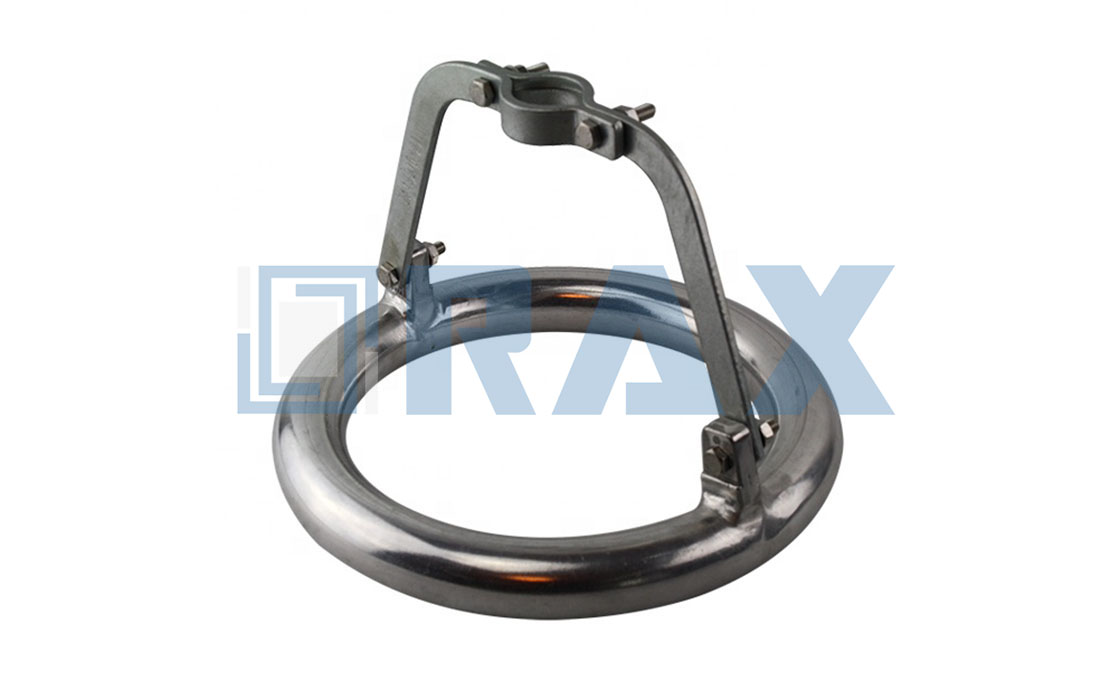
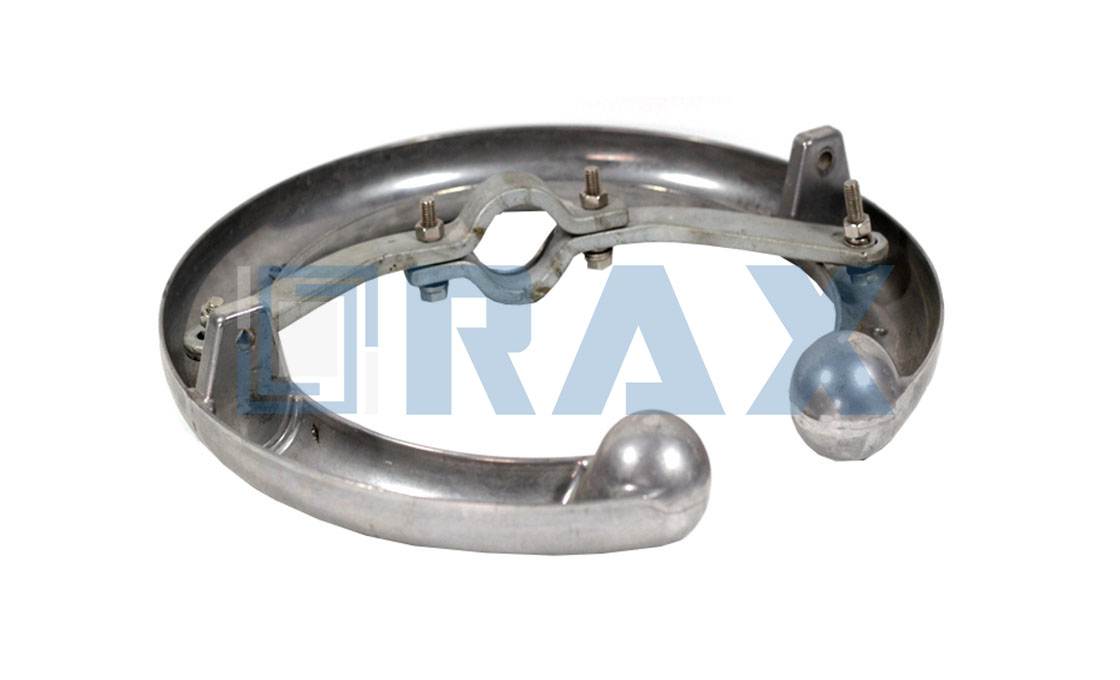
Enhance System Safety with RaxPower Corona Ring Supplier
As a leading corona ring manufacturer in China, RaxPower provides aluminum corona rings that minimize partial discharge and help safeguard high-voltage systems. Our philosophy ensures every project runs more smoothly, safely, and efficiently.
Established in 2003, we bring over 20 years of expertise in precision fabrication, with large-scale production facilities covering 17,000 square meters and a skilled team of over 170 professionals.
The Corona Ring benefits directly from our in-house processes, including welding, bending, and surface treatments like polishing for optimal performance, all supported by rigorous quality control such as raw material selection and load testing.
These manufacturing advantages ensure durable, reliable rings for applications in power transmission, substations, and renewable energy. Contact us today for a free consultation and tailored quote.
| Parameter | Value |
|---|---|
| Product Name | Corona Ring |
| Type | Single, Double, Flat Disc, Suspension, Bundled Conductor, Semicylindrical, Multi-layer, Interphase Spacer, Capacitor Type |
| Corona Ring Raw Material | Aluminum, Copper, Brass, Stainless Steel, Silver-plated variants |
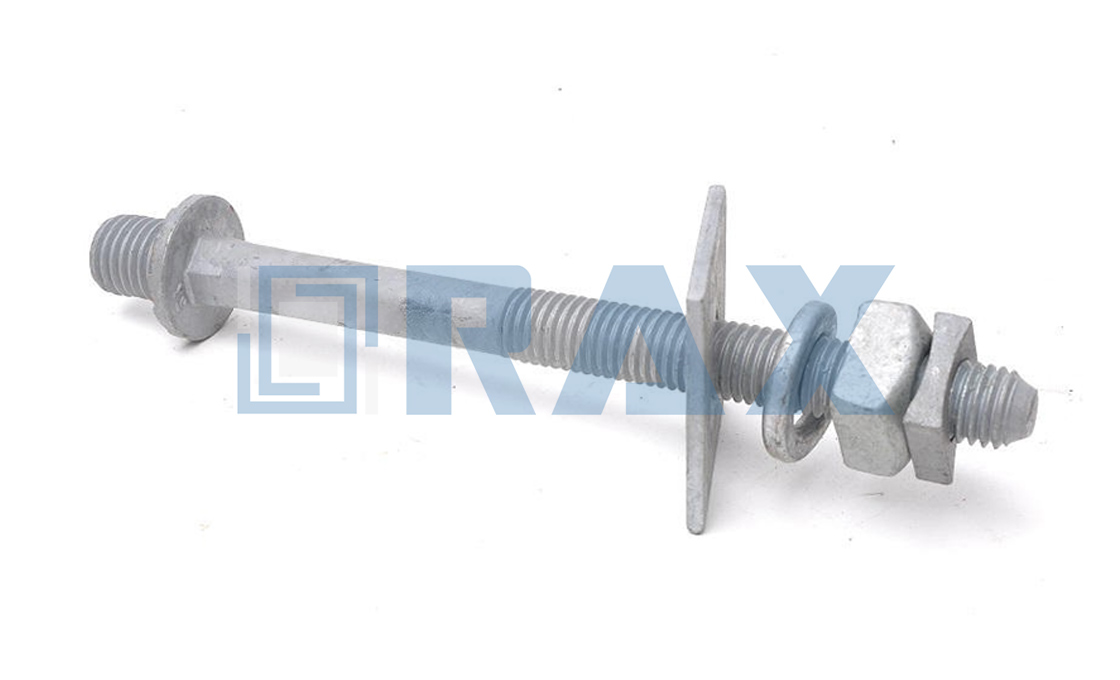
| Matching Fasteners | ASTM 304 Stainless Steel or Hot Galvanized Steel |
| Surface Finish | Polishing to Ra3.2 roughness |
| Other Surface Treatment | Galvanizing, Painting, Coating Insulating Varnish |
| Corona Ring Tube Wall Thickness | 2.0 mm to 10.0 mm |
| OEM/ODM | Available per client’s requirements |
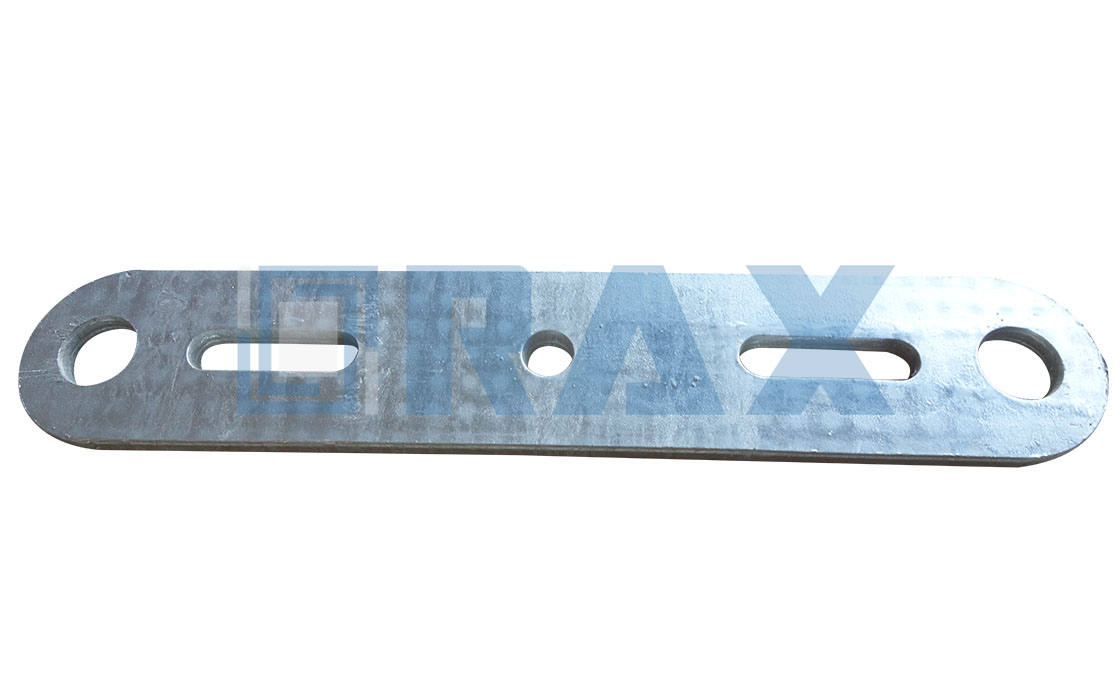
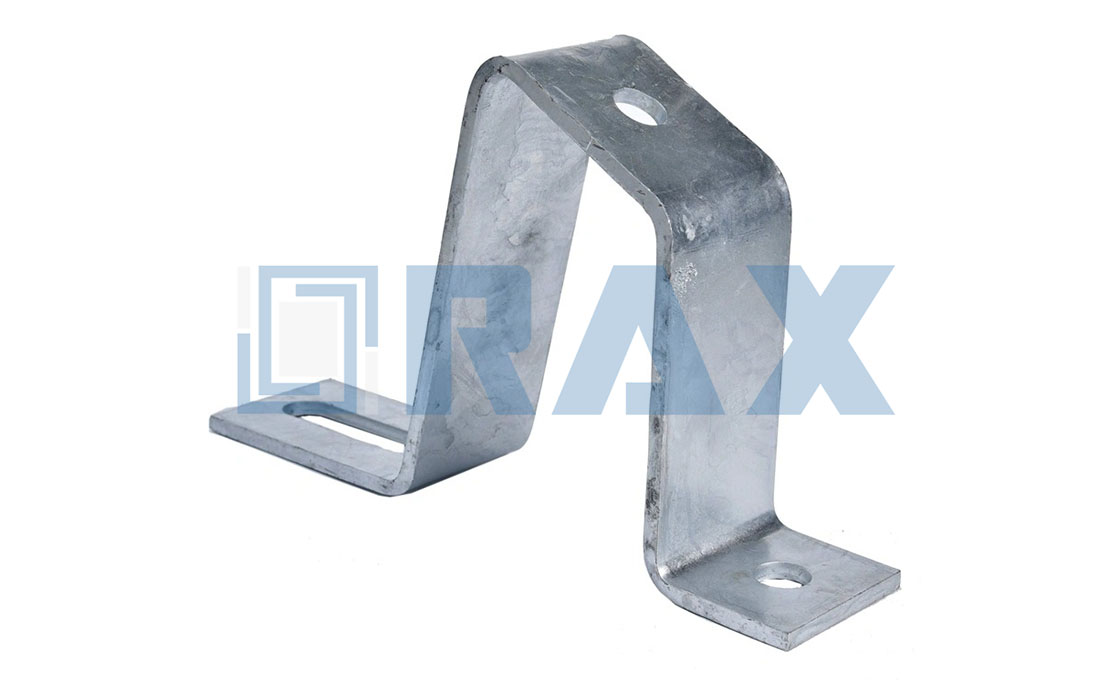
| Middle Support Plate And Bracket | Aluminum or as per specification |
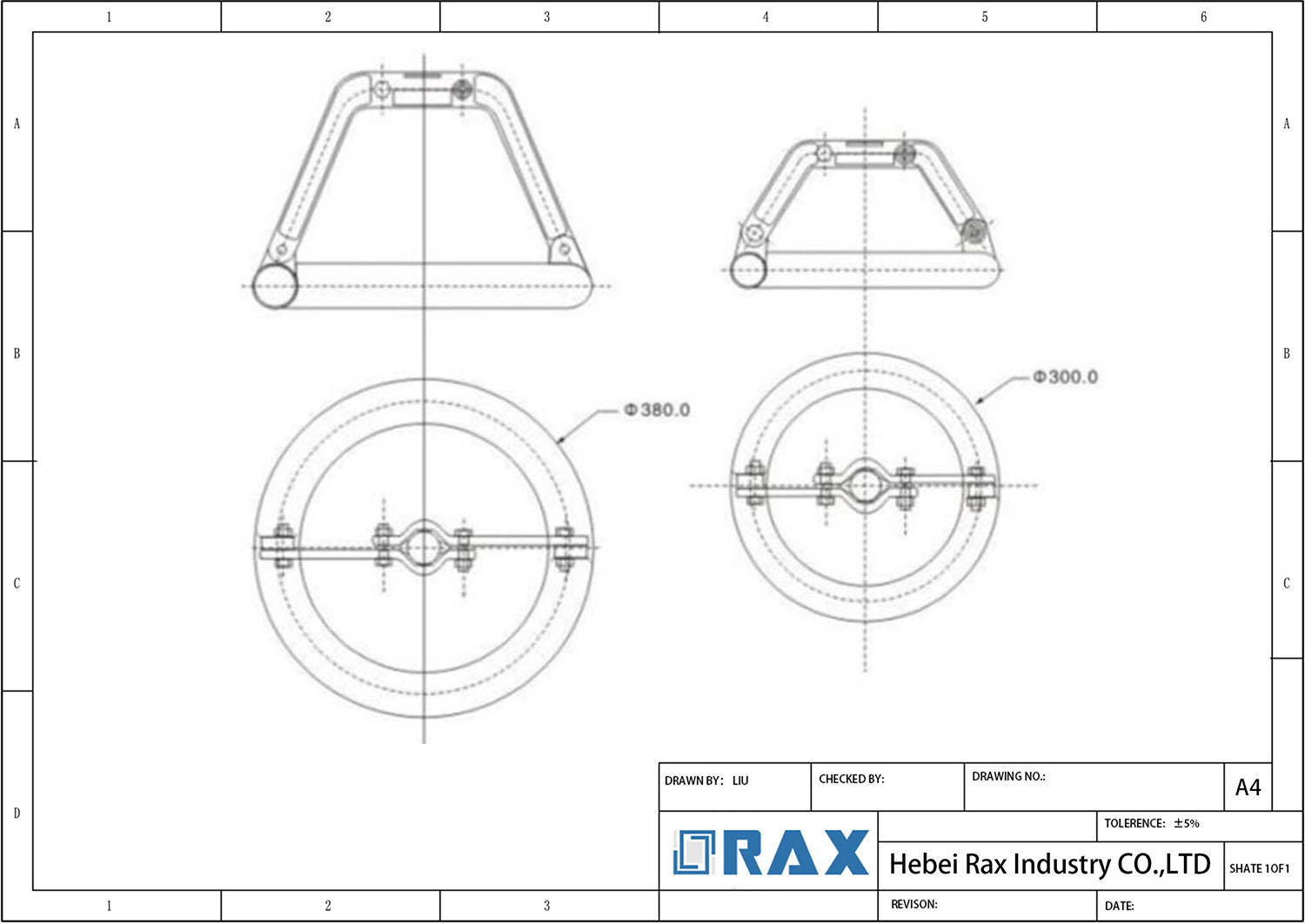
| Inner Diameter of Corona Ring | From 100 mm |
| Outer Diameter of Corona Ring | Up to 16,000 mm |
| Production Type of Corona Ring | Pipe Bending, Pressure Die Casting |
| Operating Voltage | 230 kV and above |
| Drawings Support | CAD, PROE, UG, SOLIDWORKS, etc. |
| Ring Mould | Available from stock or custom design |
| Corona Ring Packaging | Carton Box, Wooden Pallet, Wooden Case |
| Loading Port | Standard export ports |



Frequently Asked Questions (FAQS)
What is a corona ring and how does it work?
A corona ring is a device used on insulator hardware in power transmission lines to mitigate corona discharge, which occurs when the electric field around a conductor exceeds a critical value, causing ionization of the surrounding air. It works by distributing the electric field uniformly around high voltage conductors, reducing localized areas of high electric field strength. This helps minimize power loss, reduce audible noise and radio interference, and protect insulation and equipment from damage.
What materials are used in corona rings?
Corona rings are typically made from materials with high electrical conductivity and mechanical strength, such as aluminum, copper, stainless steel, or brass. These materials are often coated or treated for smoothness and corrosion resistance to ensure durability and efficient performance.
Where are corona rings installed and at what voltage levels?
Corona rings are installed on insulator strings at the ends of conductors in high voltage transmission lines, substations, and on equipment like transformers and bushings. They are commonly used in systems operating at voltages of 230 kV and above to control electric fields and mitigate corona effects.
What types of corona rings are available?
Various types of corona rings are available, including single rings, double rings, flat disc rings, suspension rings, and bundled conductor rings. Each design is tailored for specific applications, voltage levels, and installation requirements to effectively control corona discharge.
Get A Quick Quotation Today
