
Helical anchors are deep foundation systems with a central steel shaft and one or more welded helical plates in a screw-like configuration. The shafts use high-strength steel, such as seamless N80 tubing, with hot-dip galvanization for corrosion protection. Available shaft diameters range from 1-1/4 to 4-1/2 inches, with helical plates from 6 to 42 inches in diameter. Load capacities reach up to 120,000 pounds in compression or tension, depending on design and soil conditions.
Installation uses hydraulic drive heads attached to excavators or skid steers, which apply torque to screw the anchors into the ground. The installation torque correlates to ultimate capacity through industry-established ratios, enabling real-time verification of load-bearing capabilities. Extensions are added as needed to reach stable soil strata. The process requires minimal soil disturbance, produces little to no vibration, and generates minimal spoils or site disruption.
Applications include underpinning existing foundations, supporting new constructions, stabilizing retaining walls, and serving as tiebacks for lateral loads. Helical anchors work effectively in constrained sites, high water tables, and expansive soils. They provide immediate load transfer upon installation and adapt to diverse geotechnical and weather conditions, making them suitable for both remedial repairs and new build projects across residential, commercial, and industrial sectors.


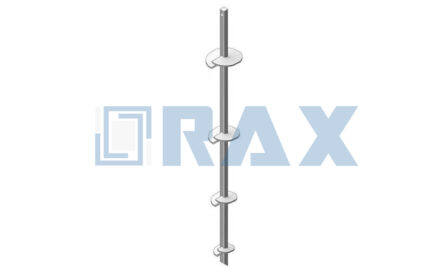
Combination Helical Pile
Combination helical pile uses a square‑shaft lead and round‑shaft extension to combine high tension capacity with greater lateral and compressive performance in variable soils. It suits projects needing deep capacities with reduced displacement, such as underpinning, new foundations, and retrofit work in constrained sites.
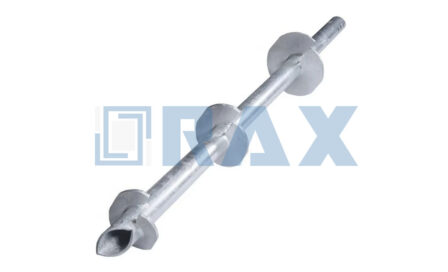
Round Shaft Helical Anchor
Round shaft helical anchor features a tubular shaft with one or more helices, offering strong lateral resistance and reliable compressive and tensile capacity for foundations in soft to medium soils. It is commonly used for sign bases, utility structures, and building foundations where settlement control and corrosion‑resistant galvanizing are required.
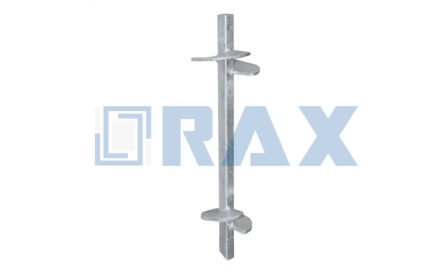
Square Shaft Helical Anchor
Square shaft helical anchor uses a solid square bar shaft that penetrates dense or rocky soils efficiently while providing high tension capacity for guying and tieback applications. Its compact shaft and tapered helices improve torque transfer and uplift resistance, making it ideal for underpinning, soil nails, and seawall or slope stabilization.
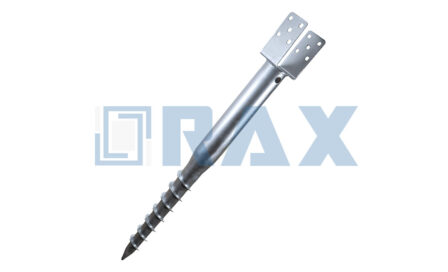
Ground Screw Pile Anchor
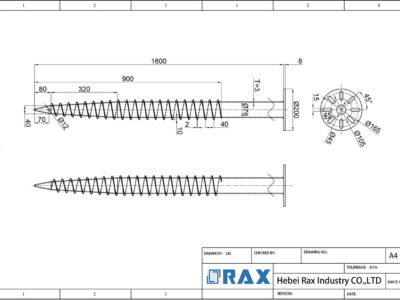
Ground screw pile anchor is a continuous‑flight screw pile with welded blades that is rotated into the ground to support light to medium structures without excavation or concrete curing time. It offers rapid installation, immediate loading capability, and is widely used for decks, solar arrays, walkways, and temporary or demountable structures.
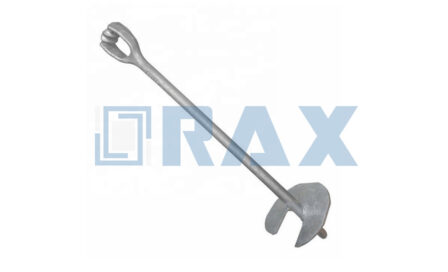
No-Wrench Screw Anchor
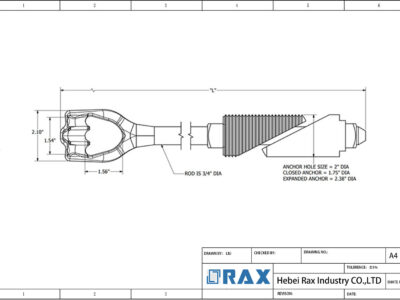
No‑wrench screw anchor is a guy anchor installed by turning a forged eye or head with bars, eliminating the need for powered installation tools on light pole‑line applications. It is designed for relatively soft soils and is commonly used for small utility poles, fences, and similar structures where economical, hand‑installed anchoring is preferred.

Penetrator Screw Anchor
Penetrator screw anchor is a lightweight aluminum or steel earth anchor with deep‑cut threads that installs quickly by rotation to provide high uplift resistance with minimal soil disturbance. Typical uses include securing small towers, solar frames, telecom equipment, and temporary structures where fast installation and removability are important.
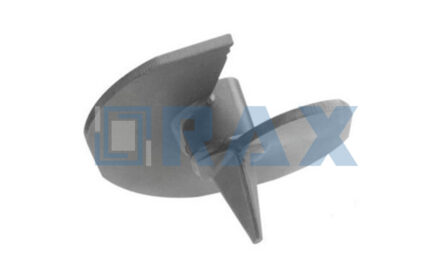
Power Hub Screw Anchor
Power hub screw anchor integrates a central driving hub with multiple screw anchors or blades to transfer higher loads into the ground using powered installation equipment. It is suited for heavy‑duty guying, tower foundations, and high‑capacity tieback applications that demand significant tension resistance and controlled installation torque.
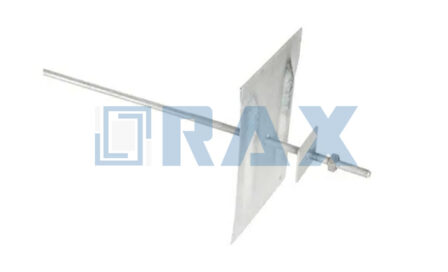
Basement Wall Anchor
Basement wall anchor uses earth anchors outside the wall connected by steel rods and interior wall plates to restrain bowing or leaning foundation walls. The system gradually returns walls toward plumb while stabilizing against further movement, offering a minimally invasive repair method from inside the basement.
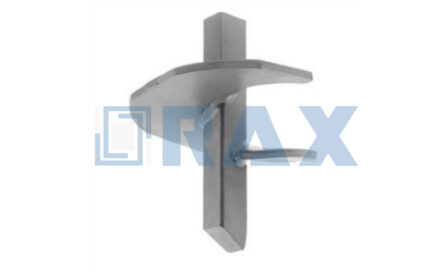
Solid Square Helix Anchor
Solid square helix anchor uses a solid square shaft with welded helical plates to provide high tension resistance in dense or obstructed ground conditions. Its robust shaft and small diameter make it suitable for guy anchors, tiebacks, and deep tension applications where installation torque and uplift capacity are critical.
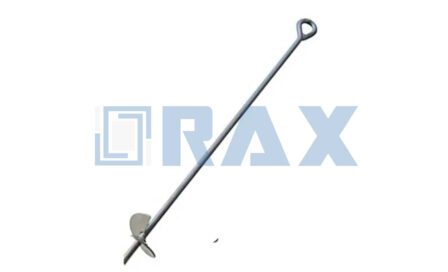
Earth Auger Anchor
Earth auger anchor is a steel shaft with a single or multiple auger plates that screws into soil to provide economical anchoring for light structures. Common uses include guying small poles, anchoring sheds, signs, and temporary structures where moderate holding power and simple installation are sufficient.
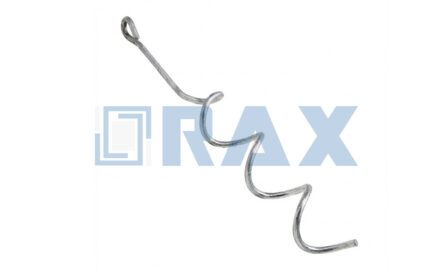
Spiral Ground Anchor
Spiral ground anchor features a spiral or helical plate along a central shaft to develop holding power through soil bearing and friction when rotated into the ground. It is widely used for tents, canopies, garden structures, and small utility loads, offering reusable, easy‑to‑install anchoring without concrete.
Helical Anchor Supplier for Superior Performance
Here at RaxPower, we have a reputation for close collaboration between our customers and our design engineers to configure the right helical anchor material for your project.
WE DESIGN: Our in-house engineering team works directly with you to evaluate soil conditions and deliver precise, stamped drawings for helical systems that install faster, perform stronger, and last longer in any terrain.
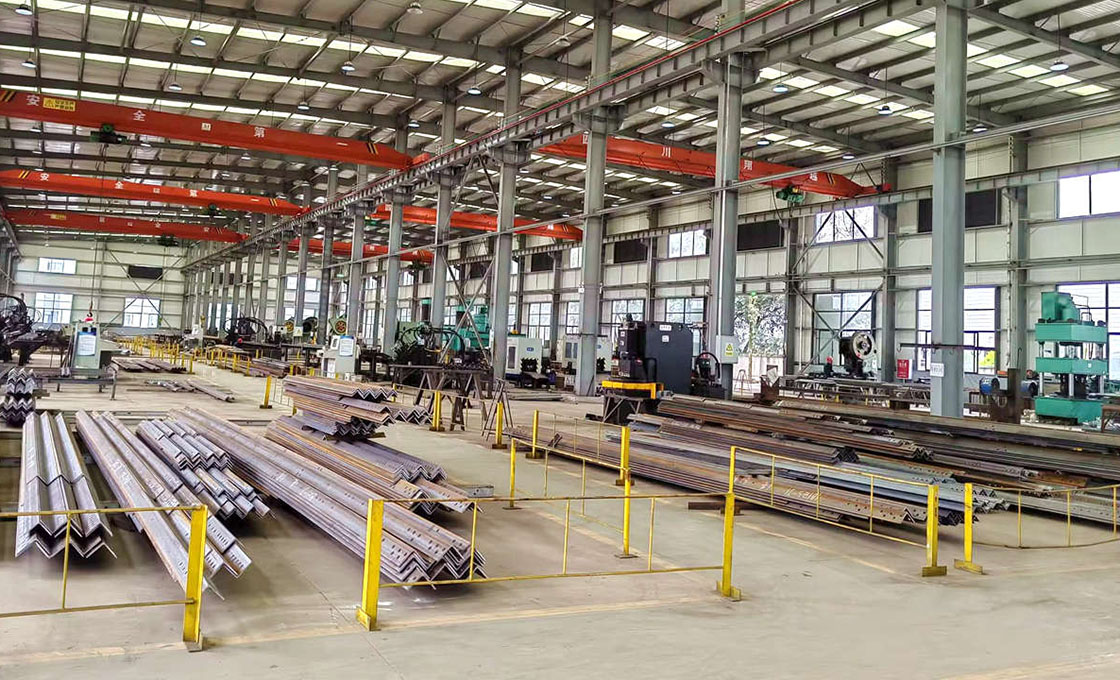
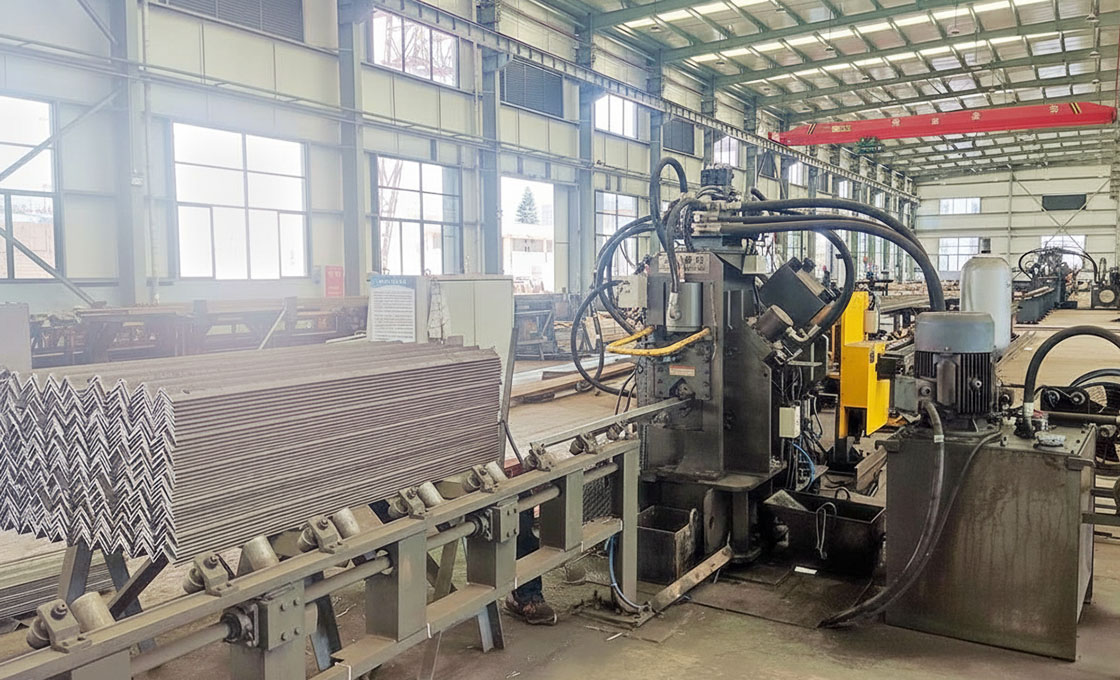
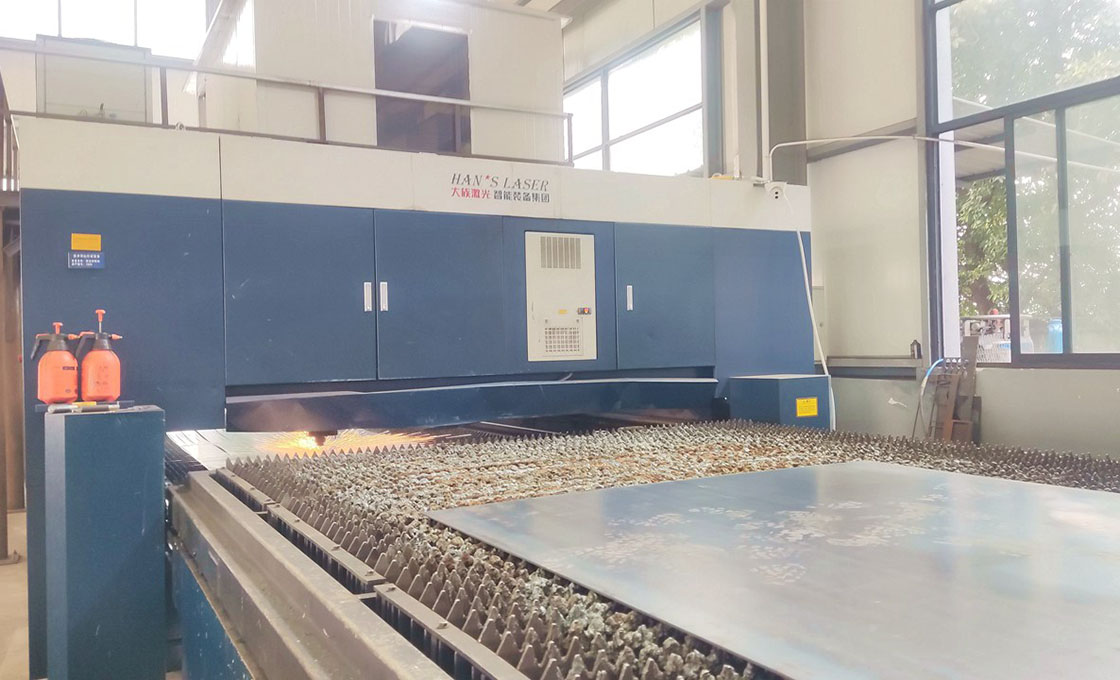
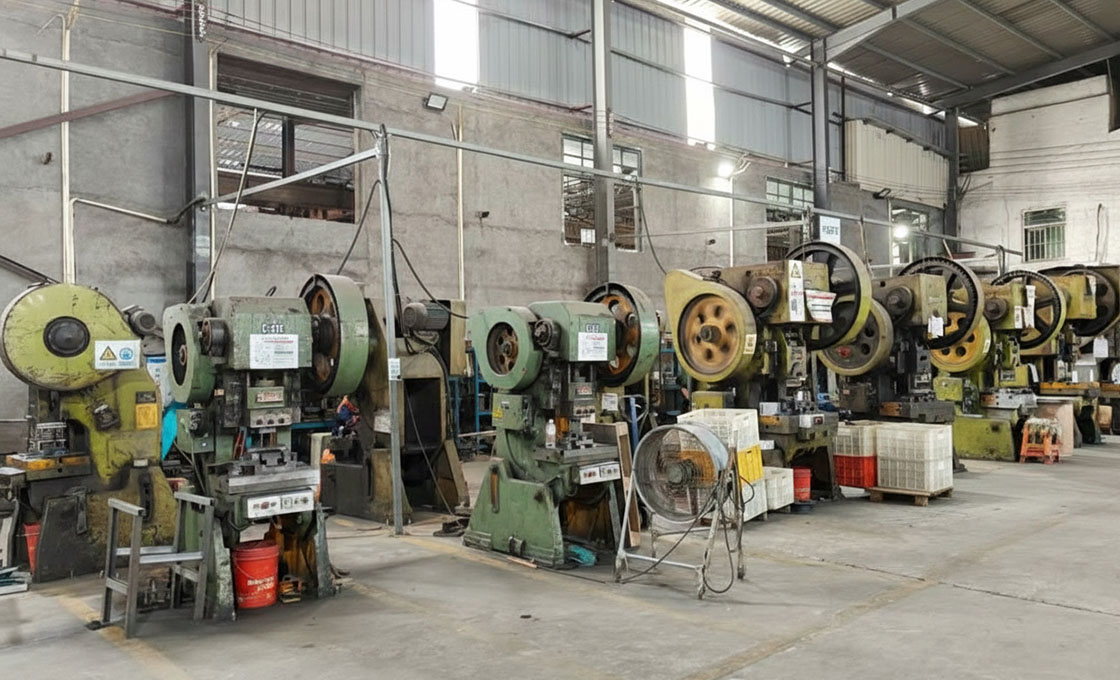
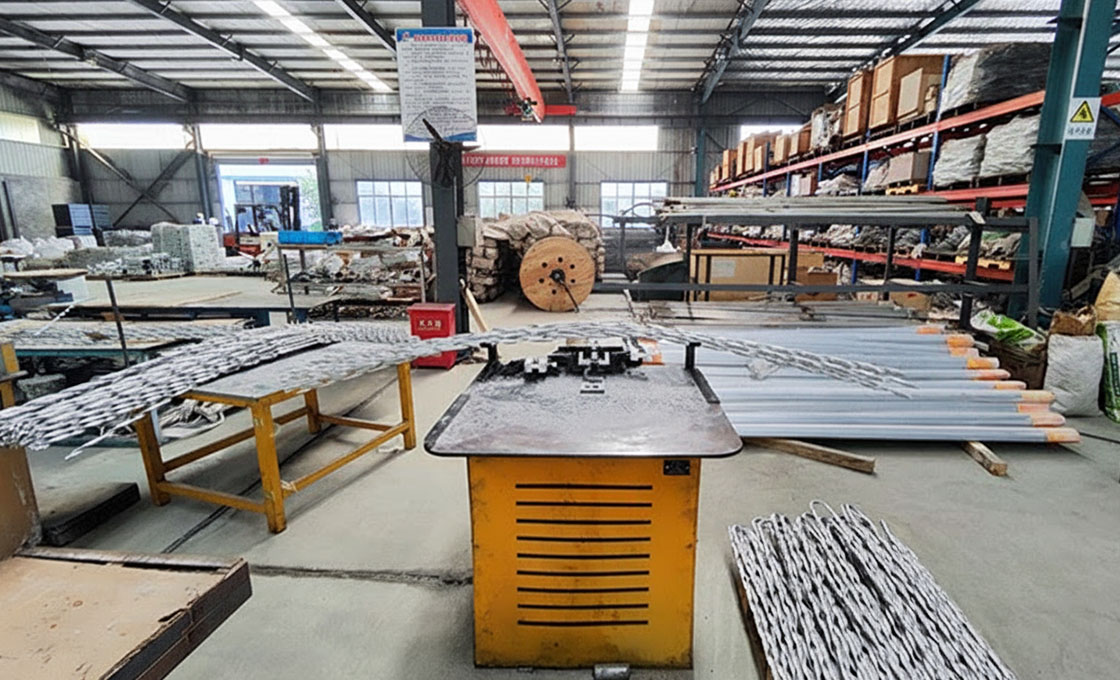
WE MANUFACTURE: With 21 years of expertise, our sophisticated hot forging technology and automated processes produce the strongest helical anchors, using high-quality steel and rigorous multi-stage testing, including load checks and hot-dip galvanization with coatings exceeding 85 microns for corrosion resistance.
Quality is not just what we put into our products; it’s the reliable performance you get out of them.
TOGETHER WE SUCCEED: As a full-service provider, we support you from design to delivery with strict quality control and global availability.
Contact us to become a member of our network of partner contractors or for certified installer referrals.


Other Products You May Like
Frequently Asked Questions
What are helical anchors and what is their purpose?
Helical anchors are deep foundation systems consisting of a central steel shaft with helical bearing plates welded to it. They transfer structural loads to the soil in tension, compression, and lateral load applications, providing support for underpinning existing foundations, new construction, and soil stabilization across residential, commercial, and industrial sectors. RaxPower helical anchors deliver reliable performance in challenging soil conditions.
What are the benefits of using helical anchors?
Helical anchors offer ease of installation and removal, minimal vibration, all-weather capability, no excess soil requirement, reduced foundation repair costs, and immediate load transfer upon installation. They are environmentally friendly, produce no spoils, and can be installed in any soil condition, making them versatile for diverse projects.
How are helical anchors installed?
Helical anchors are installed using hydraulic drive heads attached to excavators or similar equipment. They are screwed into the soil to a predetermined depth and torque, which correlates to load capacity. The installation is clean with no spoils, and torque is monitored throughout to verify design capacity. RaxPower ensures precise installation for optimal performance.
How many helical anchors are required and what determines the cost?
The number of helical anchors depends on structure type, load requirements, and spacing (typically 5 to 10 feet on center, or 3 to 4 diameters apart). Cost is determined by site location, structure type, repair versus new construction, foundation condition, and installation depth. Contact RaxPower for customized recommendations and competitive pricing based on your project specifics.
How long do helical anchors last and what is their weight capacity?
Helical anchors are made from galvanized steel and can last up to 100 years or more depending on soil conditions. Weight capacity varies but can reach up to 500 tons under optimal conditions. RaxPower helical anchors are engineered for high capacity and longevity, ensuring durable foundation performance.
How do you ensure quality, reliability, and compliance with industry standards?
RaxPower uses high-quality steel and advanced hot forging technology to manufacture helical anchors. Our strict quality control includes multi-stage testing (load tests and gauge tests) and hot-dip galvanization per ISO 1461 standards for corrosion resistance. With over 21 years of experience, we guarantee products that meet rigorous industry requirements for critical infrastructure projects.
Can you handle large-volume orders and offer customized designs?
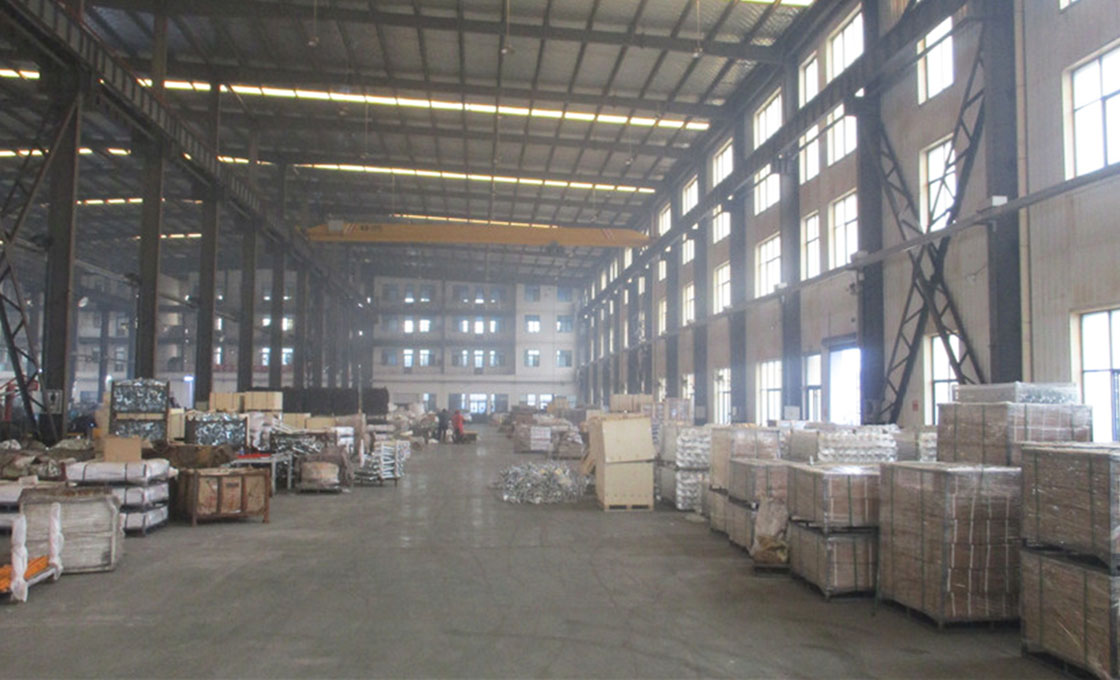
RaxPower has 5,000 square meters of warehouse space and extensive stock to handle projects of any magnitude, ensuring on-time delivery for large-scale orders under condensed timelines. We also provide custom design services through our team of professional engineers and technicians, developing cost-effective solutions tailored to specific application requirements without compromising quality.
What products do you offer and what support is available for distributors?
RaxPower offers a comprehensive range of helical anchors in various sizes, configurations, and specialized options. Distributors benefit from competitive wholesale pricing, a broad product catalog, and reliable support network, ensuring they can meet diverse customer demands with high-quality, in-stock products.
Get A Quick Quotation Today