
Picture the same substation bay quoted twice. One drawing arrives marked pillar insulator, borrowed from European station practice, and specifies a stiff glazed column. The second quote prices the same phase position with a one-piece composite post, silicone sheds over a fiberglass core, and it reads lighter on paper in every sense.
Both quotes answer one question with two different engineering traditions. The order desk at RaxPower sees them collide in writing: inquiries name a pillar post, attach a composite data sheet, and leave the cantilever class blank. That missing row is exactly where the two materials diverge. This guide works down the comparison as a specifier has to: load path first, then failure behavior, weight, environment and cost.
One Post, Two Names, Two Materials
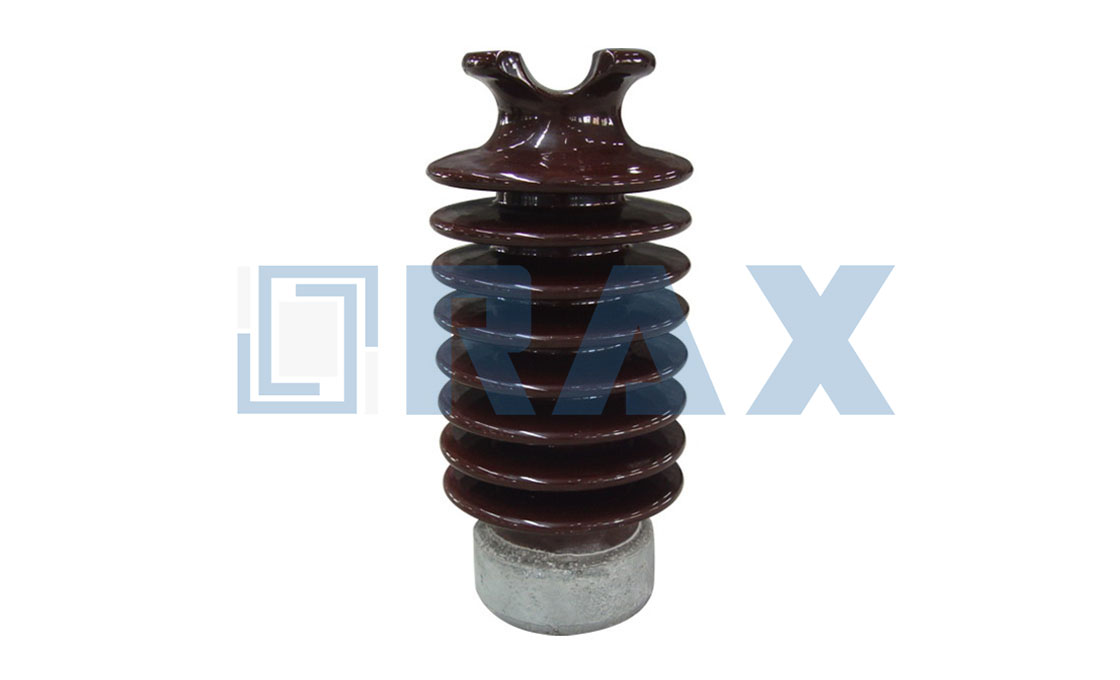
A pillar insulator is the rigid post family of insulators. It is a column standing on a flange or bracket, carries a bus bar, switch or conductor, and works primarily as a cantilever. The name runs through European and IEC-family catalogs; North American drawings say line post or station post for the same component on a crossarm or in a substation bay. Supplier literature uses the words interchangeably, which is why a single post insulator guide can wander between names in one document.
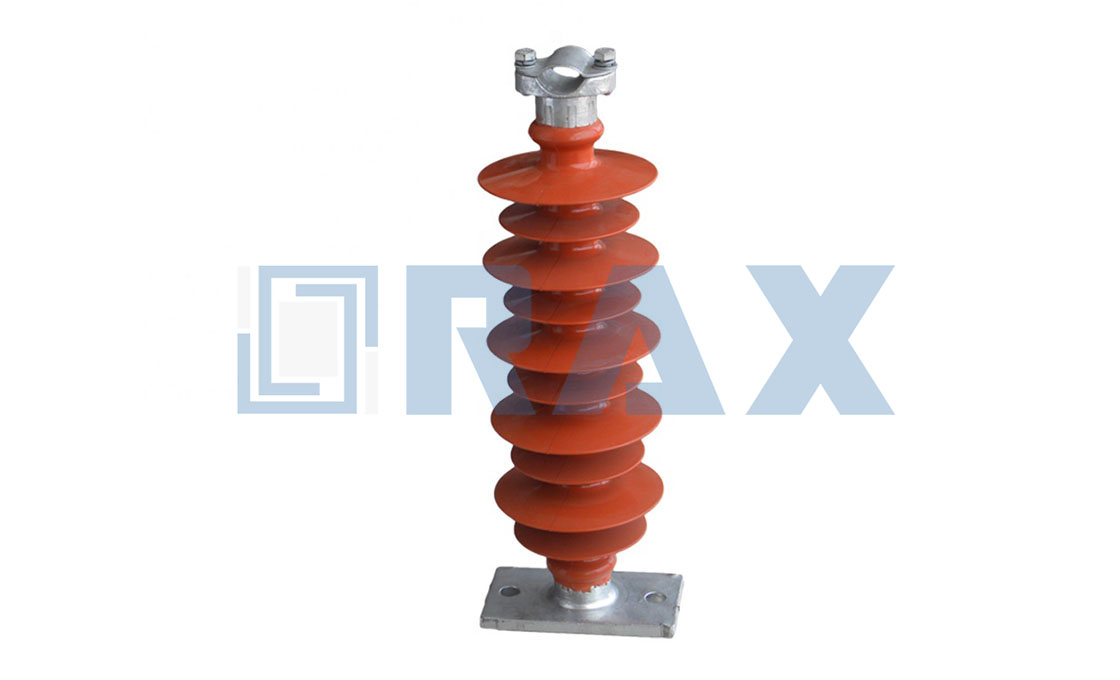
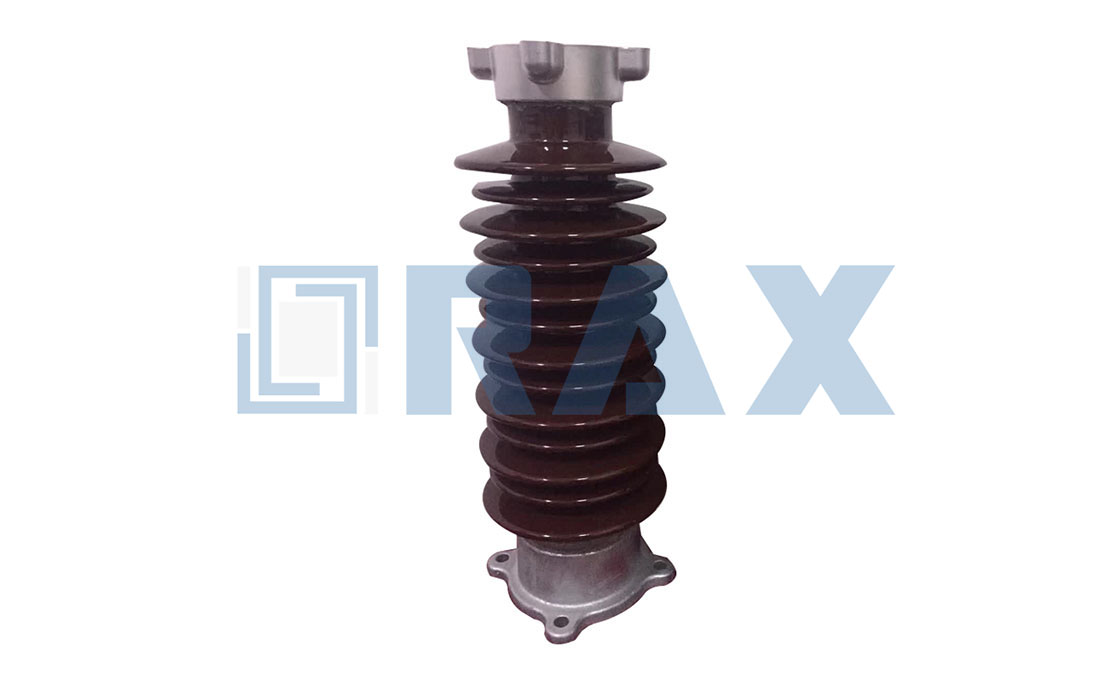
The material, not the name, is where the comparison starts. A porcelain pillar post is a fired and glazed ceramic column, sometimes cemented from two or more units with flanges for higher voltage. A composite post is a long rod instead: a resin-impregnated fiberglass core for load, molded silicone rubber sheds for weather, and crimped aluminum end fittings.
Porcelain station posts have been applied for more than 100 years. The first composite station posts appeared in the 1980s. The century of field record sits on one side, and forty years of polymer development sit on the other.
How Each Post Carries the Bending Load
Post insulators stand up to loads that string insulators never see. Standards therefore rate them by a maximum design cantilever load, because a real position stacks vertical conductor load, compression and lateral pull from line angles into one combined case. On a corner pole, the post leans against the run the way a strut does, and the class number on the drawing is the whole argument.
Porcelain answers that case with stiffness. A glazed ceramic column barely deflects under cantilever load, holds its alignment for switching equipment, and offers proven endurance against torsion and compression. That rigidity is why operators keep porcelain on disconnector bases and bus supports, where a few millimetres of lean would show up as misalignment at the contact blade.
A composite core takes the same load a different way. The fiberglass rod flexes slightly under mechanical load without breaking, like a truck spring tuned for the road, which absorbs vibration and dynamic loading instead of resisting them. Bending spreads as a gradient across the composite core rather than concentrating in one ceramic section.
The critical region moves to the end fitting. Test work on large crimped composite posts shows the peak bending stress sitting at the top of the flange crimp. It also shows the fix: within the crimping process window, thicker crimp walls cut that peak stress by more than half. At higher loads composite posts go in braced pairs, a configuration the line post standard treats as normal practice.
Catalog arithmetic makes the stiffness case concrete. Porcelain station post families run up to cantilever strengths of 20 to 30 kN per unit, and a column built from those units barely moves at rated load. A composite post of equal cantilever class will show visible deflection first, so the comparison is not which material is stronger but which behavior the position tolerates. Bus supports and switch bases usually want the stiff column; long spans and movable equipment tolerate the spring.
How Each Post Fails and Shows It
Porcelain is a brittle ceramic, so overload ends abruptly: the column cracks or snaps, and the damage is plainly visible from the ground. Its known electrical weakness is puncture, where a discharge path can sit hidden inside the body, which is why utilities instrument-test porcelain where suspicion exists. Both failure signatures are old friends, understood across a century of station service.
A composite post rarely gives such a clean signal. The documented core danger is brittle fracture: It is stress corrosion cracking of the fiberglass under combined mechanical stress and acid attack. It can start at loads as low as 10 to 20 percent of rating and progress with the sheath looking intact. Field data stays rare: across nearly three million installed composite units, one failure study counts 315 reported failures. The scarcity is reassuring, but it also means a damaged composite post gives you fewer visual clues than a shattered shed stack does.
Core diagnostics therefore lean on instruments rather than patrols. Failure reviews list mechanical fractures in three families: normal, brittle and decay-like. Electrical failures add flashunder and abnormal core heating. The answers are infrared scans, X-ray tomography and improved seals, not a pair of binoculars. None of this is a defect of the material; it is the inspection program the material asks for, and it belongs in the comparison from day one.

Weight, Handling and Installation Labor
Weight is the least contested row of the comparison. At 110 kV BIL, a porcelain station post exceeds 16 pounds, while a composite equivalent may weigh as little as 7. The gap widens as voltage climbs, because porcelain grows by stacking cemented units and a composite core grows as one continuous column. Single porcelain units reach 3000 mm; beyond 245 kV, assemblies join two or more flanged units, each flange adding mass, interfaces and installation steps.
The handling difference reaches the whole project. Lighter posts lift without heavy plant, cut shipping mass, and reduce the load handed to foundations and structures, which matters on rooftop retrofits and seismic upgrades. Composite insulators as a family are chosen partly for ease of installation. Picture the same bay run twice: by the time the crane arrives for the porcelain delivery, a two-person crew has already set the composite post by hand.
Pollution, Seismic and Site Severity
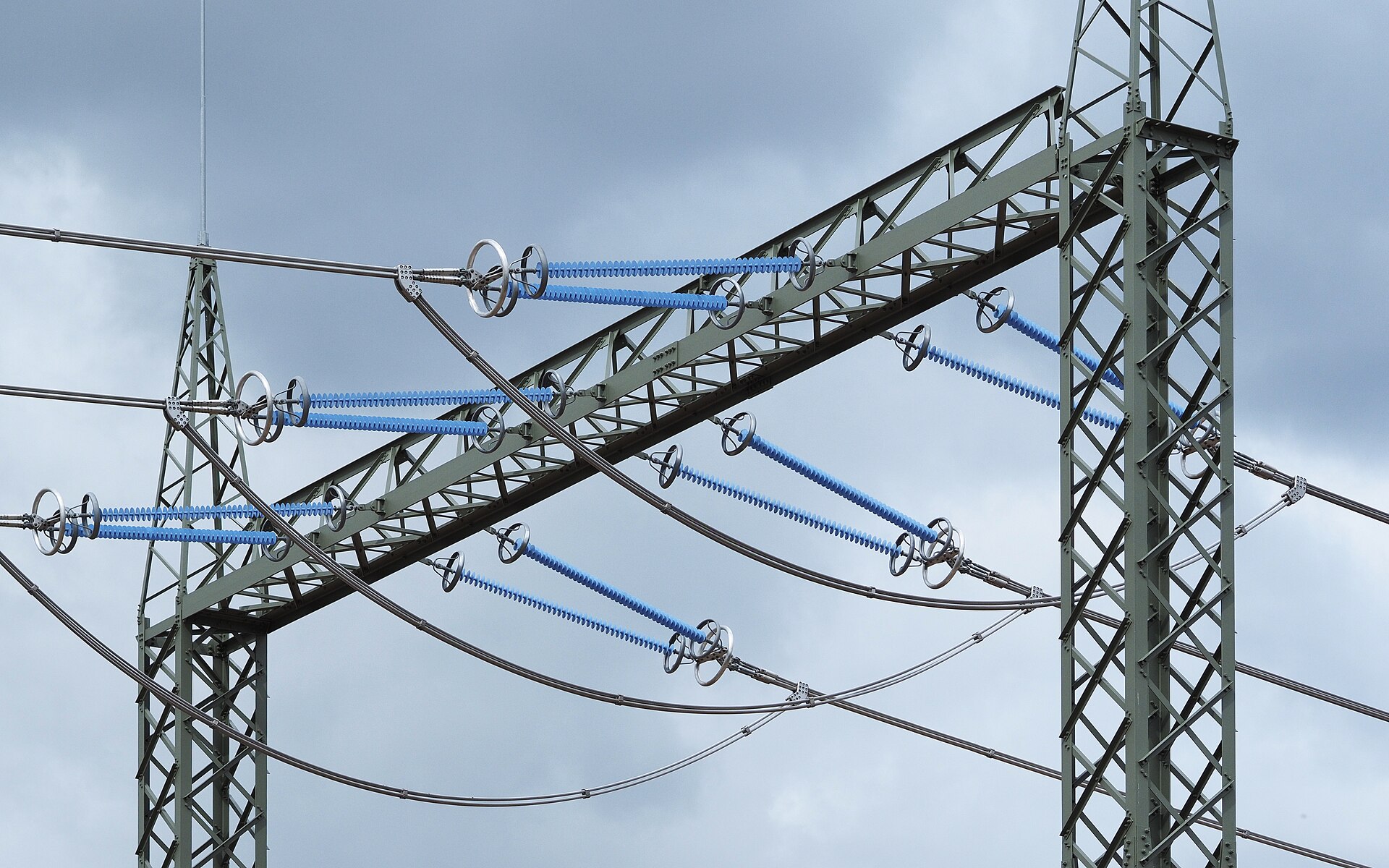
Silicone rubber changes the pollution equation. Its hydrophobic surface beads water and suppresses discharge under contamination. Uncoated porcelain wets over and may hold deposits in heavily polluted air. Coastal and industrial stations therefore either wash porcelain on a cycle or specify RTV coatings over it. Seismic duty points the same direction.
Composite pillar insulators entered substations and converter stations in 2000 on the strength of impact resistance, fracture toughness and large self-damping. All three reduce the inertia a post hands to its foundation.
Porcelain keeps two counters of its own. Stiffness under load preserves equipment alignment, and the material shrugs off decades of UV and weather without the aging checks a polymer housing deserves.
Its electrical ceiling is high as well. Porcelain station posts span impulse withstand levels from 95 kV up to 2050 kV, while composite posts top out near 1470 kV in the same ratings tables. That is why the highest bays still stack porcelain.
Vandalized or shot-at positions also favor replaceable ceramic sections, since damage announces itself. The honest comparison is therefore site-specific: severity pushes toward composite, alignment and familiarity hold porcelain in the frame.
What Each Material Costs Over Its Life
Upfront, porcelain wins: it costs less per unit, distributors stock it, and short lead times make replacement planning simple. Composite posts carry a higher initial price, reflecting pultruded cores, silicone tooling and assembled fittings rather than fired clay.
The ledger inverts where service conditions are hard. Composite posts need less washing, survive contaminated and coastal air longer, and their lower weight trims transport and installation cost on every subsequent project. Utilities that model washing cycles, outage windows and crane time against purchase price usually find the crossover sits well inside the life of the first installation. That is exactly the arithmetic worth running before the next tender.
Pillar Insulator and Composite Post: Side-by-Side
The table compresses the comparison into the rows a specification actually turns on. Read it as trade-offs rather than a ranking: every column wins somewhere, and the winning column is decided by the bay, not the catalog.
| Row | Porcelain pillar post | Composite post |
|---|---|---|
| Construction | Fired, glazed ceramic; flanged units above 245 kV | FRP core, silicone sheds, crimped fittings in one piece |
| Load signature | Rigid cantilever; strong in torsion and compression | Flexes under load; braced pairs for heavy positions |
| Failure visibility | Visible cracks and snaps; puncture hidden but instrumented | Rare, but core brittle fracture can hide behind an intact sheath |
| Weight at 110 kV BIL | Over 16 lb per post | From about 7 lb per post |
| Pollution response | Wets over; washing or RTV coating in severe sites | Hydrophobic silicone recovers between contamination events |
| Seismic behavior | Proven but heavier inertia load | Light, self-damping; the default upgrade since 2000 |
| Purchase price | Lower upfront, stocked, short lead times | Higher upfront; lifecycle gains in severe service |
Which One Should You Choose for the Bay
Clean, inland, price-driven bays stay porcelain territory. The material is cheaper to buy, stocked everywhere, stiff enough to hold switch alignment, and its failure modes are fully understood after a century of service. If the specification is a like-for-like replacement on an existing porcelain station, switching to composite buys little except weight.
Composite takes the positions porcelain finds hard: coastal and industrial pollution, seismic zones, compact structures, weight-limited roofs, and any project where crane time or transport mass dominates the schedule. Above 245 kV the solid core meets its limit and hollow-core composite stations or flanged porcelain stacks take over, so the top of the voltage map remains shared.
Standards keep the comparison honest on paper. The composite line post standard applies from a nominal voltage of 1000 V upward. Its scope explicitly reaches similar-design posts used in substations and on electric traction lines. A composite specified for a station bay therefore still carries a line post designation and its cantilever class. Citing the governing document, and the class inside it, protects you from comparing a porcelain catalog column against a composite rod that was never rated for the same duty.
Specify the same way for either material. Fix the cantilever class and creepage first, then compare bids inside one governing standard, and let the three-material background in the ceramic, glass and composite comparison fill in the context. Do that, and the name on the drawing, pillar or post, porcelain or composite, stops being a guess and becomes a line item you can defend. RaxPower quotes both materials that way, from the cantilever class upward, and in our experience that one line item settles most inquiries the week it is written.
Frequently Asked Questions
Is a pillar insulator the same as a post insulator?
In practice, yes. Pillar insulator is the common European and IEC-family name for the rigid post insulator, while station post and line post are the North American equivalents for substation and crossarm duty.
Which pillar post keeps serving longer, porcelain or composite?
Porcelain posts carry more than a century of station record. Composite posts have run in substations since the 1980s, and their silicone housings age well in pollution as long as the core stays sealed.
Why choose a composite post in an earthquake zone?
Composite materials bring impact resistance, fracture toughness, low weight and large self-damping, so the post shakes less and loads its foundation less. Composite pillar insulators have served substations since 2000.
What rating decides a pillar insulator comparison first?
Cantilever strength. Post insulators work under combined vertical, compressive and lateral loads, so standards specify a maximum design cantilever load. Match the class, then check torsion for switching equipment.
Can composite posts reach the highest station voltages?
Solid composite cores get difficult above 245 kV. Hollow-core composite station posts have been realized up to 800 kV HVDC and 1100 kV UHV, with connection lengths beyond 10 m.