
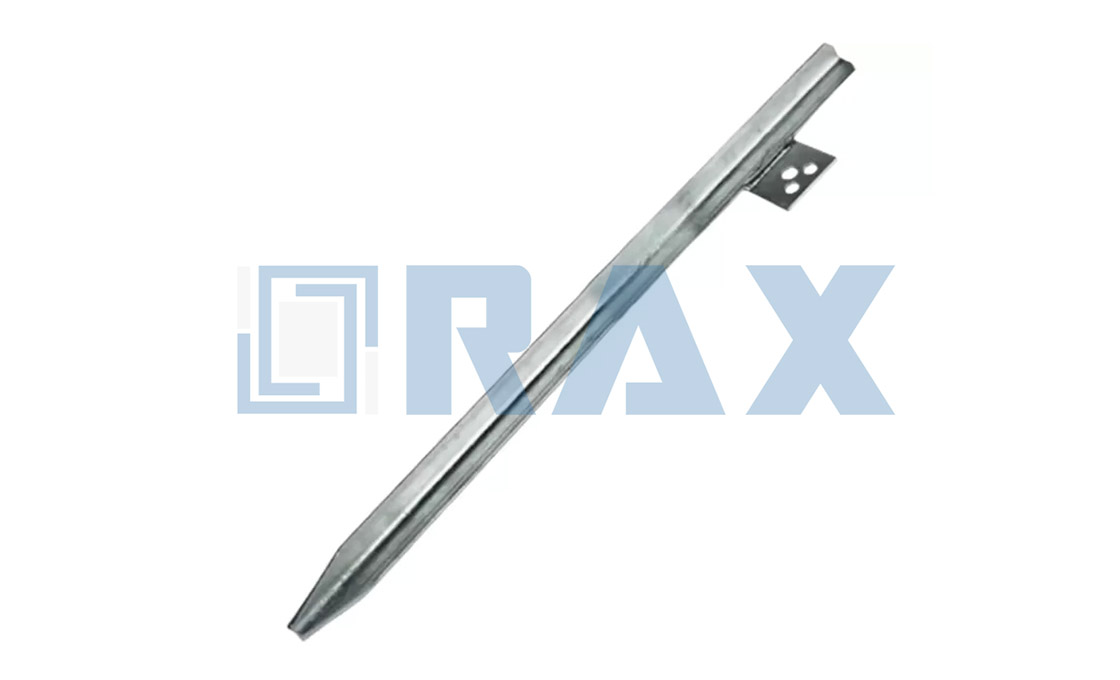
The Cross Earth Rod is an electrode that dissipates fault currents into the earth, enhancing safety in overhead and underground electricity distribution networks. Its cross-sectional design provides stability and optimal conductivity for effective grounding across diverse soil conditions, from low voltage installations to high fault current situations.
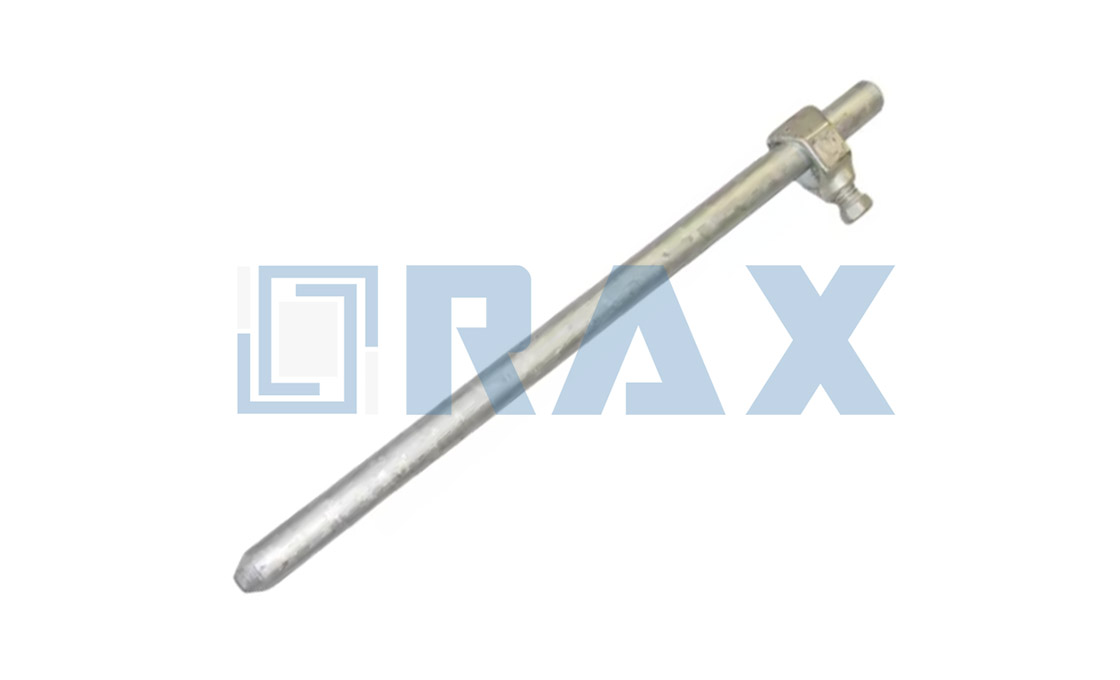
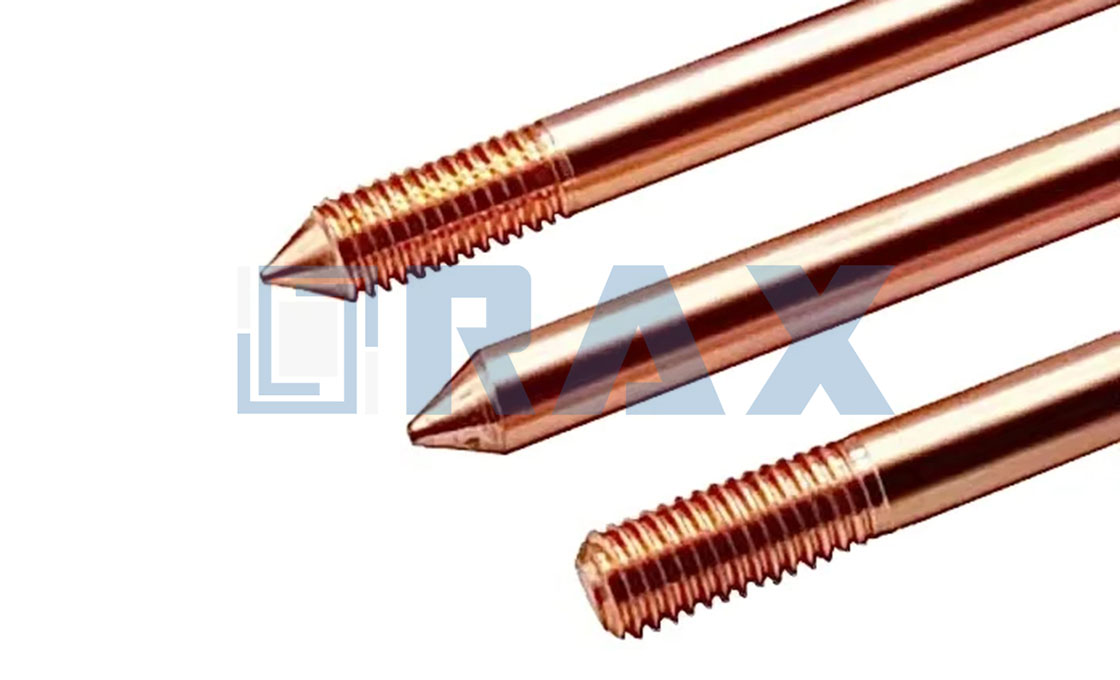
The rod typically features a high carbon steel core with copper coating, or pure copper with 99% purity. Some variants include zinc coatings applied via hot-dip methods for enhanced corrosion resistance. This construction balances electrical conductivity with structural durability. Common specifications include 50x50x3 mm cross profiles, lengths from 1.5 to 3 meters, weights between 500-900 grams, copper thickness of 0.25 millimeters, electrical resistivity below 0.25 μΩm, and tensile strength from 350 to 770 N/mm².
Key advantages include resistance to moisture, corrosion, and chemicals, supporting long-term reliability. The mechanical strength allows the rod to withstand driving forces without bending or fracturing, reducing maintenance needs across various environmental conditions including high salinity or moisture areas.
Applications span electrical substations, industrial facilities, power plants, lightning protection systems, oil and gas installations, telecommunications, and construction projects. Installation involves driving the rod to a minimum depth of 2.45 meters using a hammer or vibration hammer, with multiple rods spaced at least 1.83 meters apart. Customization options accommodate specific project requirements through adjustable lengths and diameters.
Trusted Cross Earth Rod Wholesaler with 21+ Years Expertise
We emphasize progress and introduce new merchandise into the market each and every year.
RaxPower, established in 2003 in Hebei Province, China, has over 21 years of manufacturing and exporting experience, with 17,000 square meters of production workshops and 5,000 square meters of warehouses.
As a specialized manufacturer of Cross Earth Rod, we ensure our products are absolutely superior in quality and reasonable in price.
Our capability has been assessed through strict quality control measures, including raw material selection and multi-stage testing, with all products reviewed twice before packing and passed SGS tests.
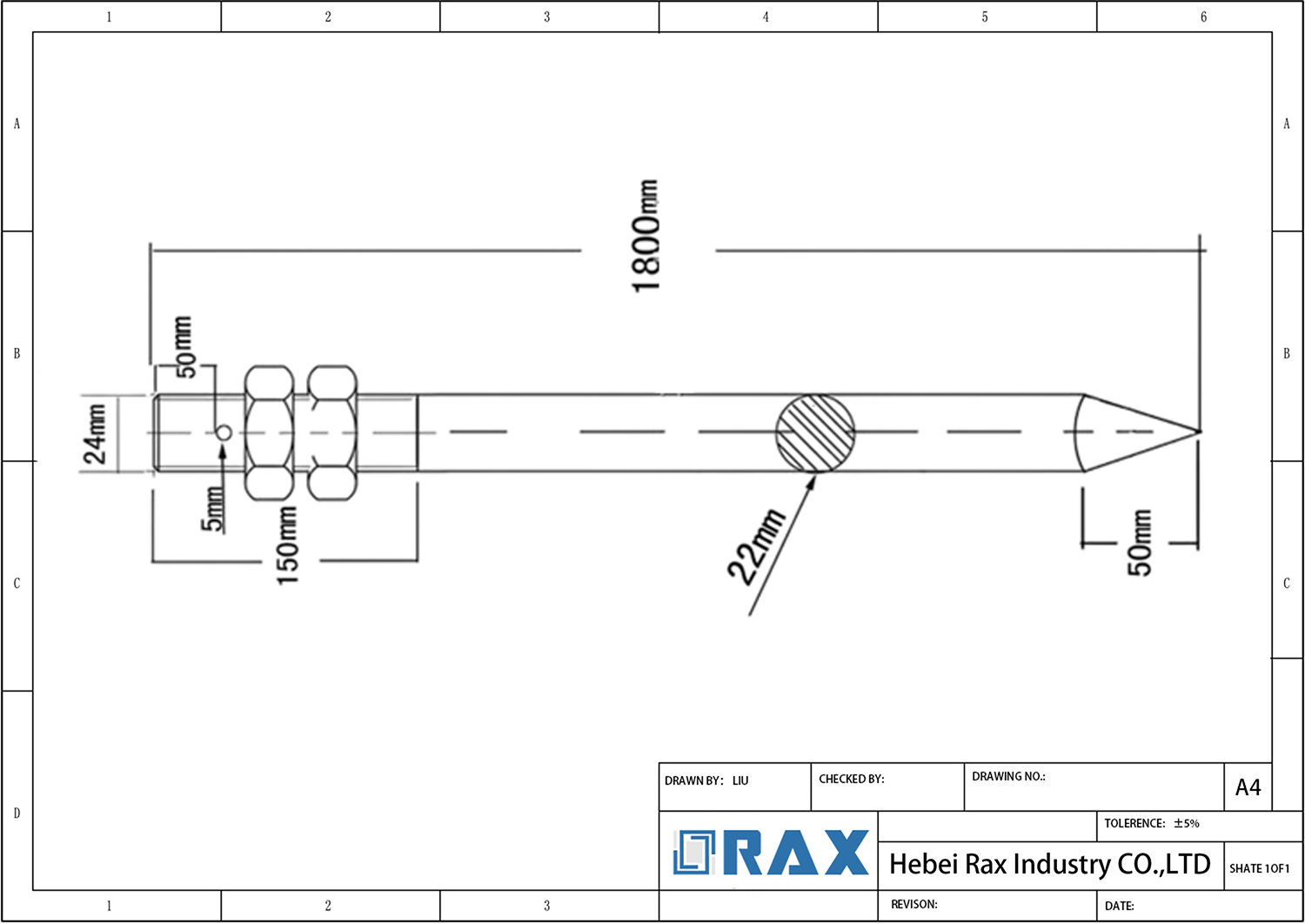
We utilize advanced manufacturing processes like hot forging for greater strength and accurate sizing, ensuring the Cross Earth Rod offers high conductivity, excellent corrosion resistance, and roll-threaded ends for robust installation in harsh soil conditions.
Our main intention is to build a satisfying memory for all consumers and set up long-term win-win business connections.
Kindly consider our Cross Earth Rod for your projects and feel free to write for any clarification.
| Parameter | Value |
|---|---|
| Dimensions | 50x50x3 mm |
| Standard Lengths | 1.5 m, 2 m, 3 m |
| Cross Sectional Area | 300 mm² |
| Weight | 500 – 900 g |
| Core Material | High carbon steel |
| Coating Material | Copper or Zinc |
| Copper Thickness | 0.25 mm |
| Purity | 99% |
| Zinc Coating Weight | >500 g/m² |
| Type of Coating Method | Hot dip |
| Electrical Resistivity | <0.25 μΩ·m |
| Tensile Strength | 350 – 770 N/mm² |
| Minimum Installation Depth | 2.45 m |
| Spacing for Multiple Rods | 1.83 m |
| Installation Method | Driven into ground using hammer or vibration hammer |
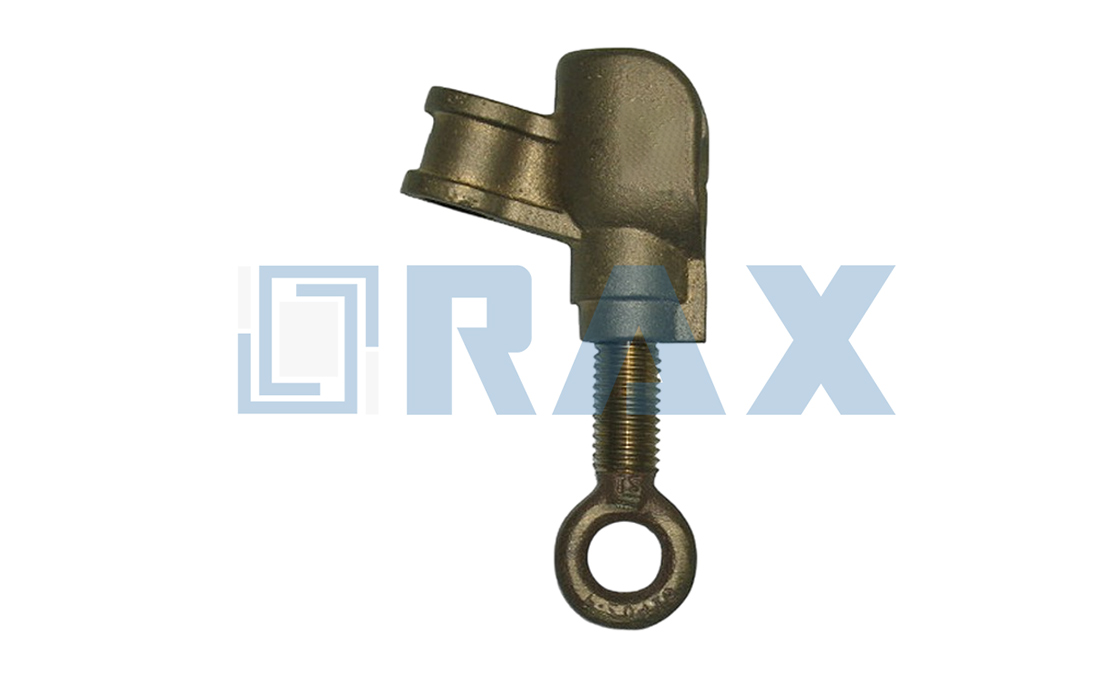
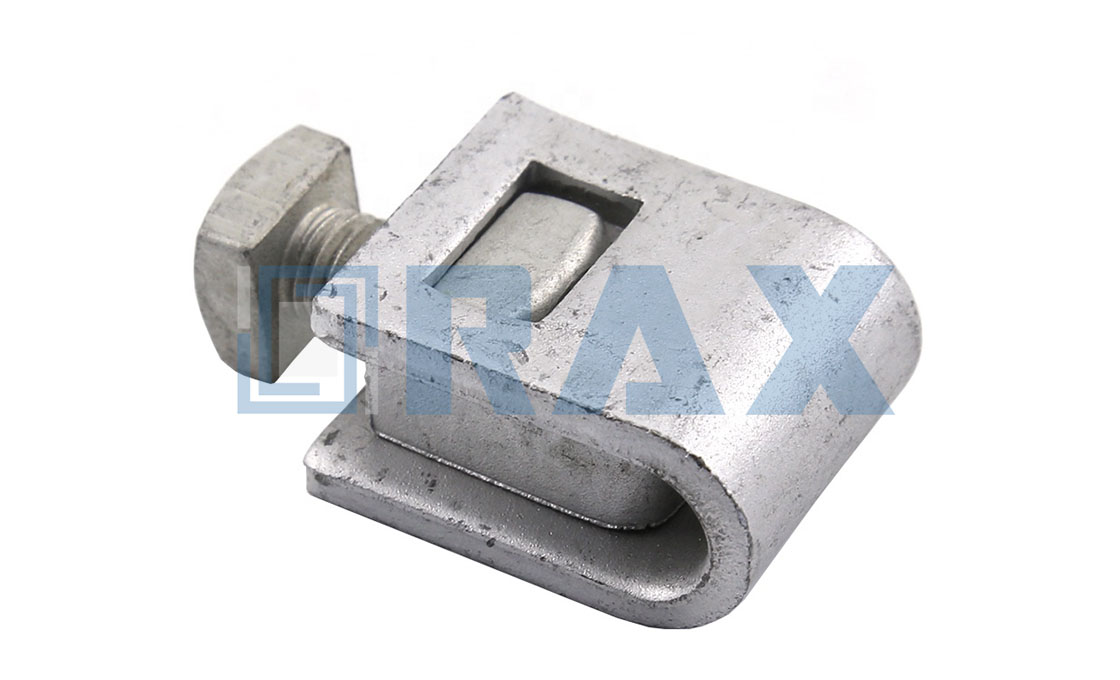
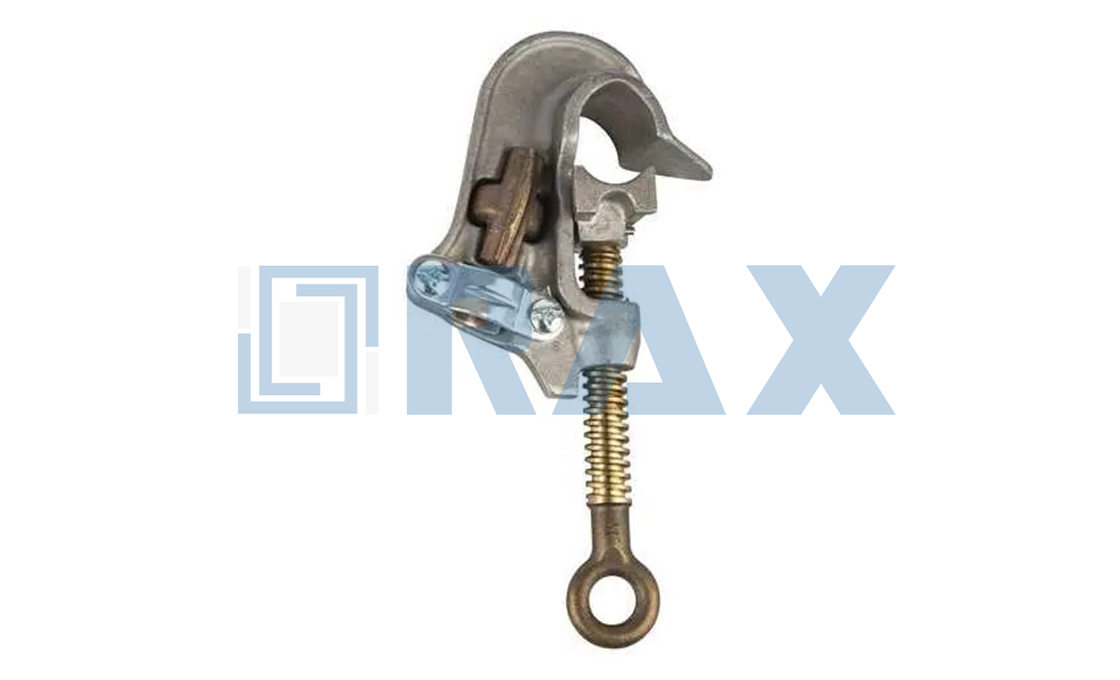
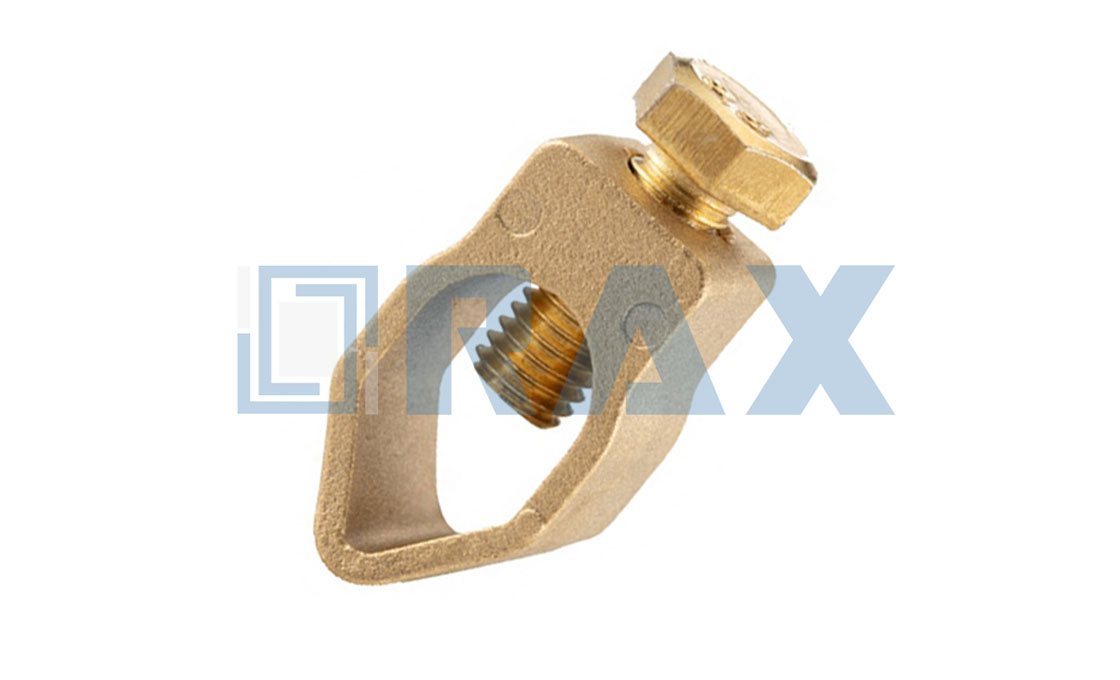
| Connection to Conductor | By clamp or cable lug |
Frequently Asked Questions (FAQS)
What is a Cross Earth Rod and how does it function?
A Cross Earth Rod, also known as a Cross Type Ground Rod, is a grounding device used in electrical systems to ensure safety by dissipating excess electricity into the earth. It features a high carbon steel core with copper coating for excellent corrosion resistance and mechanical strength. Its cross-sectional design enhances stability and conductivity, making it effective for applications ranging from low voltage installations to high fault current scenarios in overhead and underground electricity distribution networks.
What materials and sizes are available for Cross Earth Rods?
Cross Earth Rods are typically made from hot-dip galvanized steel or copper-bonded steel, with some variants using pure copper. Common lengths include 1.5 meters, 2 meters, and 3 meters. Custom sizes and configurations in both length and diameter are available to meet specific project requirements and adapt to diverse environmental conditions.
What is the recommended installation depth and spacing for Cross Earth Rods?
A Cross Earth Rod should be driven to a minimum depth of 8 feet (2.45 meters) to ensure contact with moist soil, which has lower resistance and improves grounding effectiveness. When installing multiple rods, space them at least 6 feet (1.83 meters) apart to avoid overlapping resistance areas.
What are the typical dimensions and weight of a Cross Earth Rod?
Cross Earth Rods often have dimensions such as 50 x 50 x 3 mm for specific lengths like 1000 mm, and they typically weigh between 500-900 grams. Sizes and weights vary based on customization and specific model requirements.
Can rebar be used as an alternative to a Cross Earth Rod for grounding?
While rebar can be used as a grounding rod due to its conductive properties, it is more susceptible to corrosion compared to dedicated grounding rods. It is recommended to use proper grounding rods like Cross Earth Rods for optimal performance and longevity.
Can you accommodate large-volume orders and guarantee on-time delivery?
Yes, we have the capacity to supply up to 100,000 pieces per month and typically deliver within 15-30 days, ensuring we can meet bulk order requirements and adhere to strict project timelines without compromising on quality or consistency.
What quality assurance measures and certifications do your products adhere to?
Our products are manufactured under strict quality control processes and hold certifications including ISO 9001:2015, ISO 14001:2015, ROHS, and CE, ensuring compliance with international standards for safety, performance, and environmental management.
Get A Quick Quotation Today
