
Overhead line insulators support conductors in electrical power transmission and distribution systems while preventing current flow to grounded structures like poles or towers. Using materials with high resistivity, they ensure electricity transmits efficiently over long distances without leakage or short circuits. These components isolate conductive elements and maintain safe clearances critical for overhead line integrity.
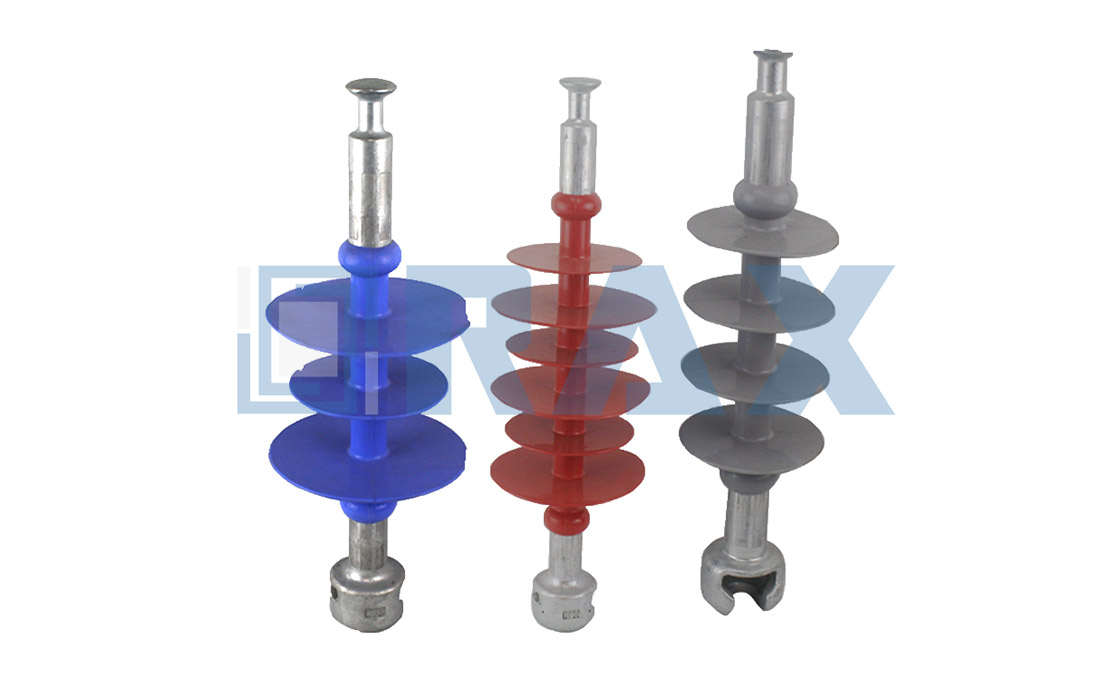
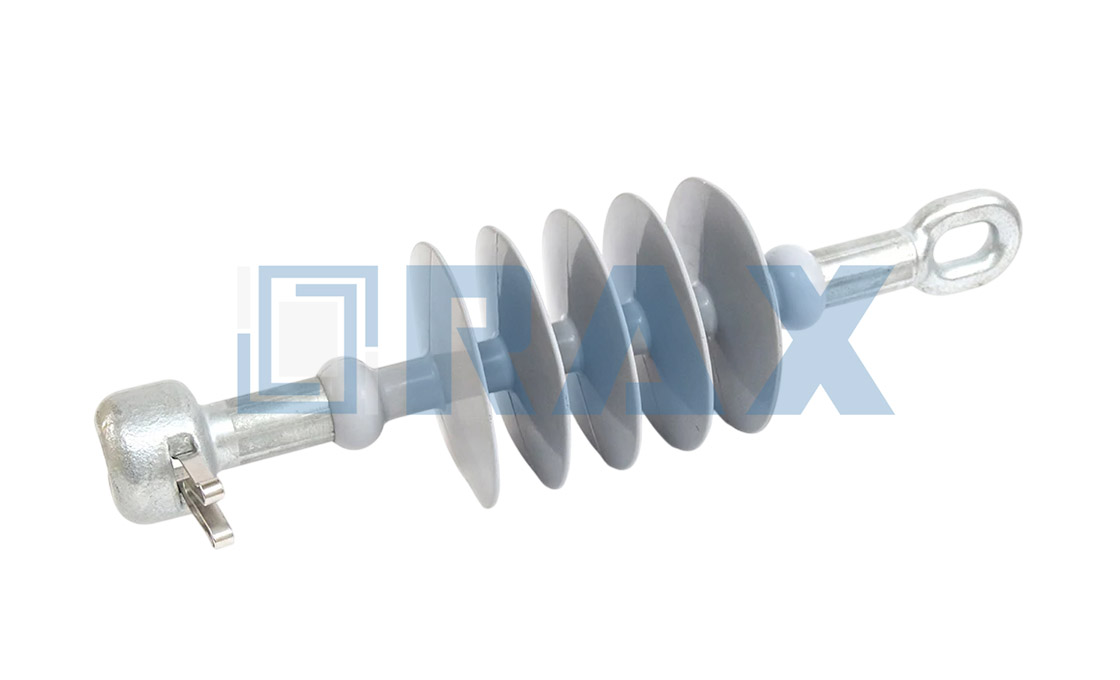
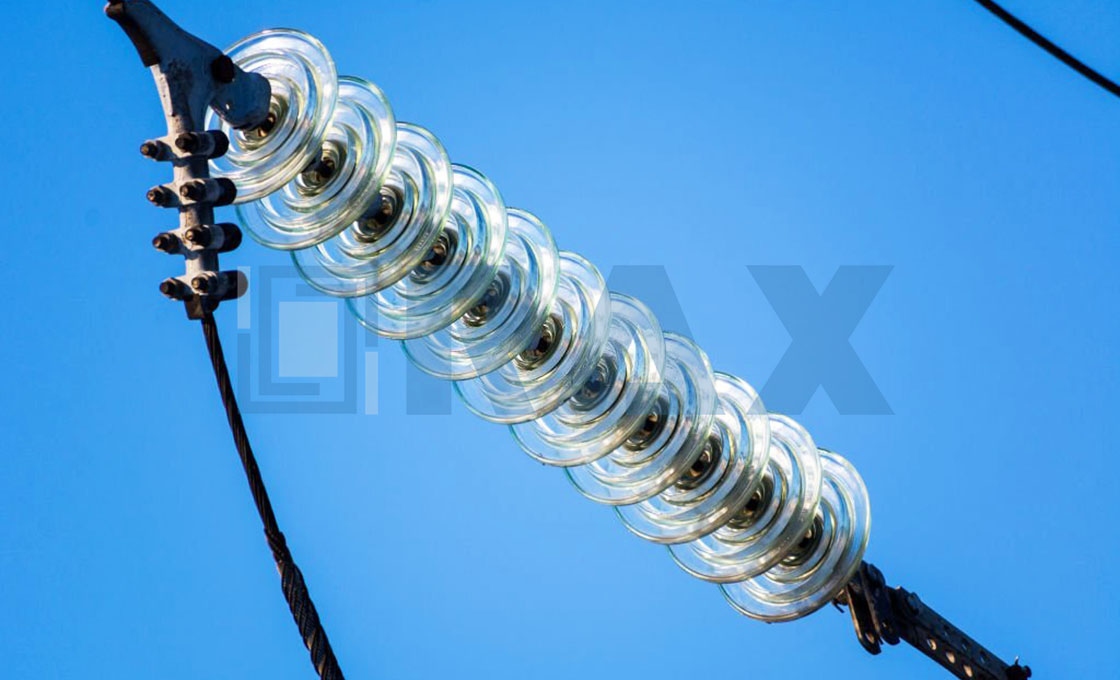
Manufacturing materials include porcelain (made from clay, quartz, and feldspar), glass, and polymer composites. Porcelain offers high dielectric strength and mechanical durability. Glass insulators provide transparency for defect detection and high resistivity. Polymer insulators feature fiberglass cores with silicone rubber sheds, delivering lightweight construction and hydrophobicity that resists pollution and environmental degradation.
Key properties include high electrical resistivity to block current flow, high dielectric strength to withstand voltage without breakdown, and robust mechanical strength to support conductor loads and external forces. They maintain thermal stability across temperature variations and chemical inertness against moisture and pollutants.
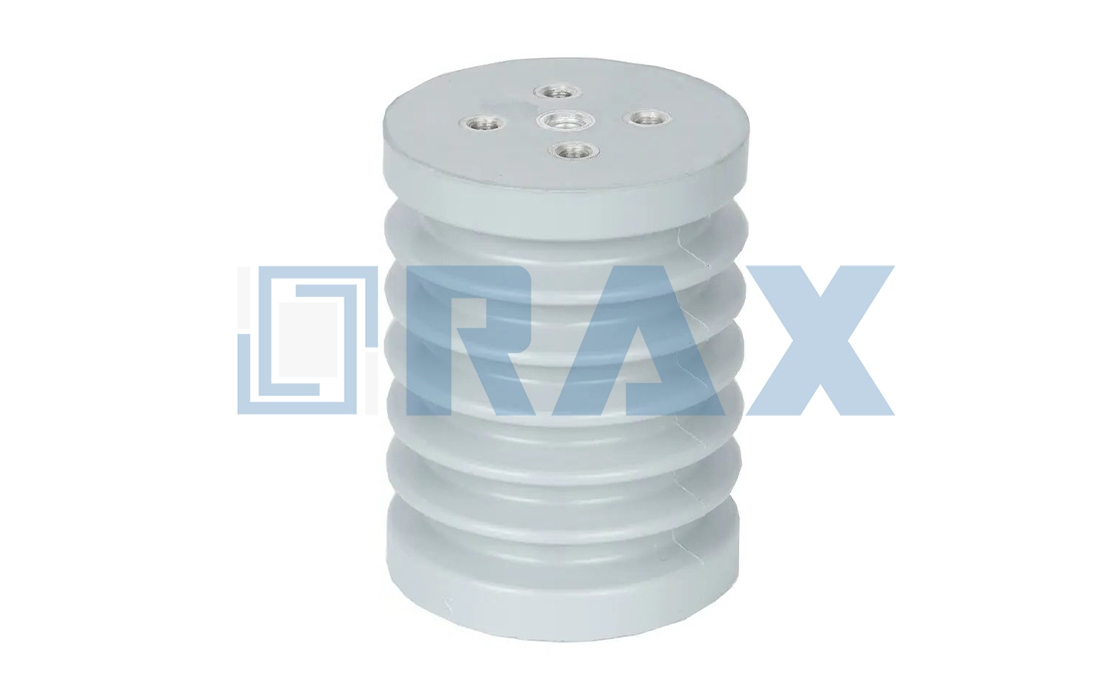
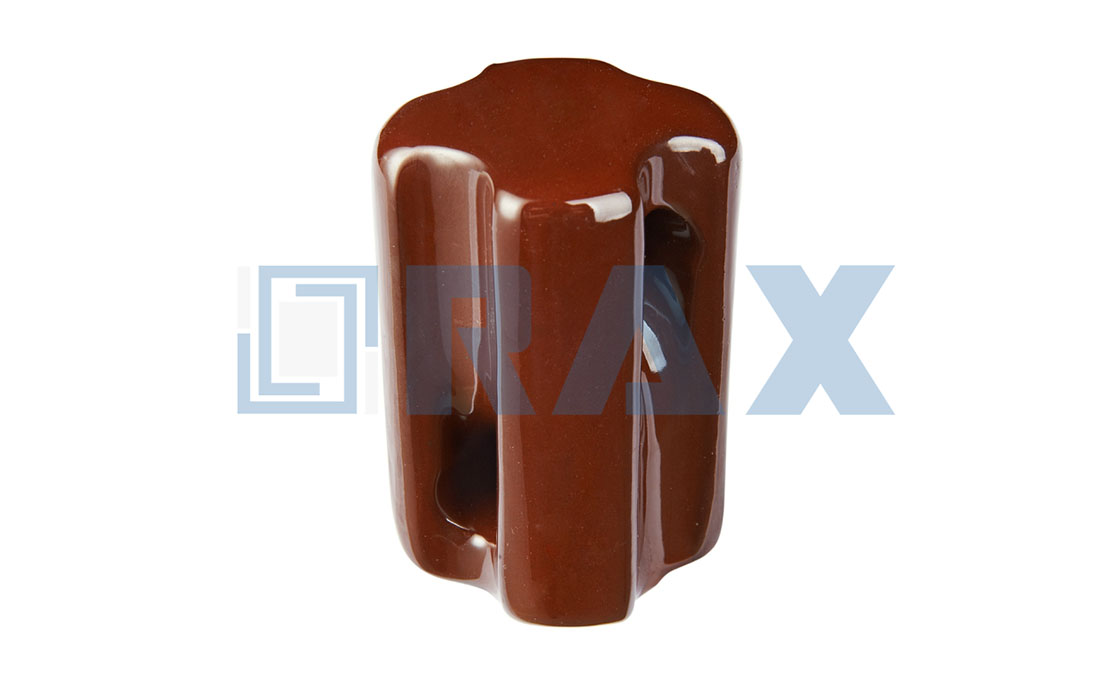
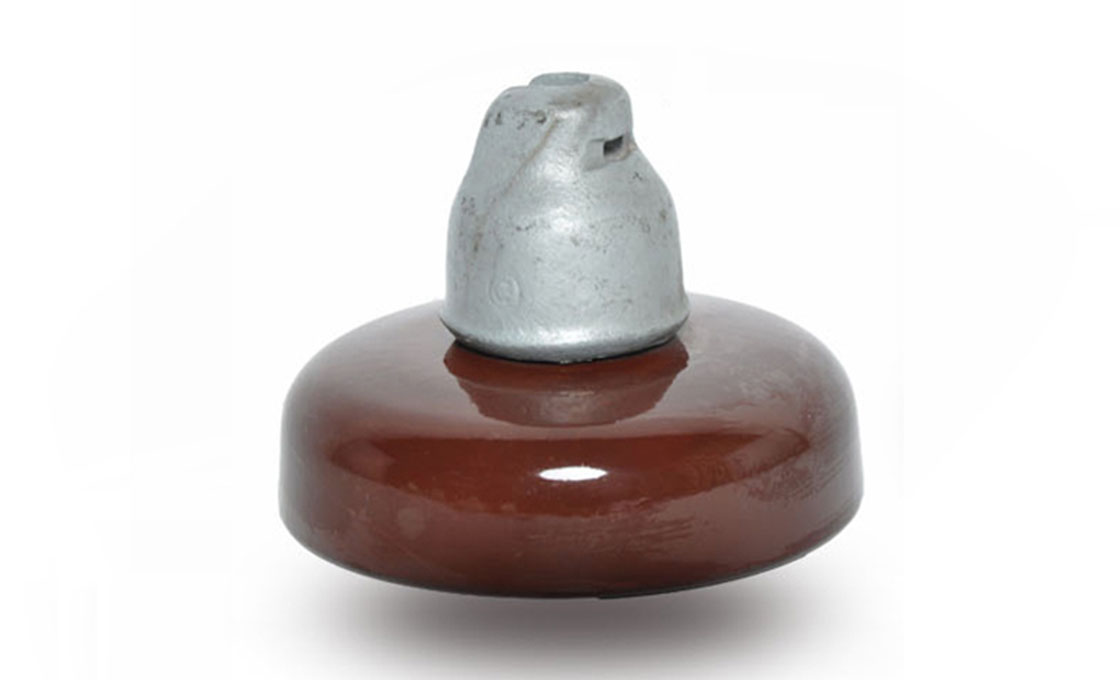
Multiple types serve specific applications and voltage levels. Pin insulators, mounted on cross-arms for voltages up to 33 kilovolts (kV), provide cost-effective distribution solutions. Suspension insulators use multiple discs connected in series for medium to high-voltage transmission lines. Strain insulators absorb tension at dead ends or corners, while post insulators offer solid construction for substations and high-voltage applications. Long rod insulators provide continuous insulation for extra-high voltage lines.





Trusted Supplier of High-Performance Overhead Line Insulators
The future requires innovative solutions for transportation grids, with global growth in renewable energies and rising electricity demand driving extensive modernization. As an independent manufacturer, RaxPower is a central element of this transformation: we provide advanced components and system solutions for overhead lines that ensure sustainable, safe, and efficient energy transmission.
Our Overhead Line Insulators benefit from over 21 years of manufacturing expertise, with a proven track record of reliable performance in diverse global projects. These insulators have passed rigorous multi-stress tests, ensuring durability and operational safety in extreme conditions.
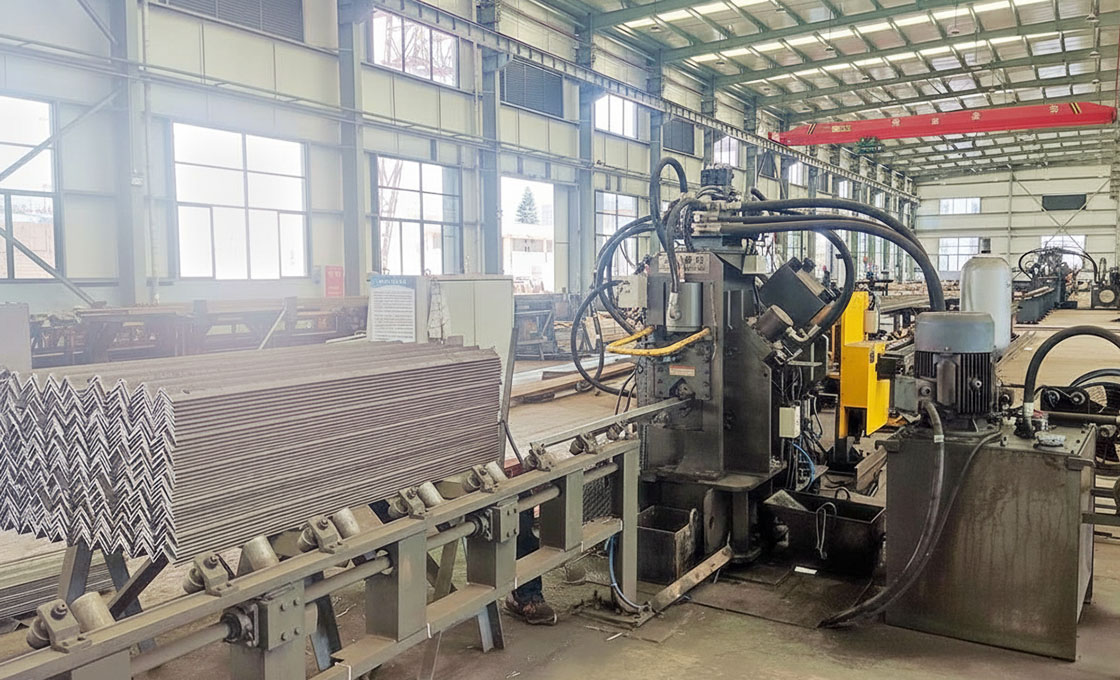
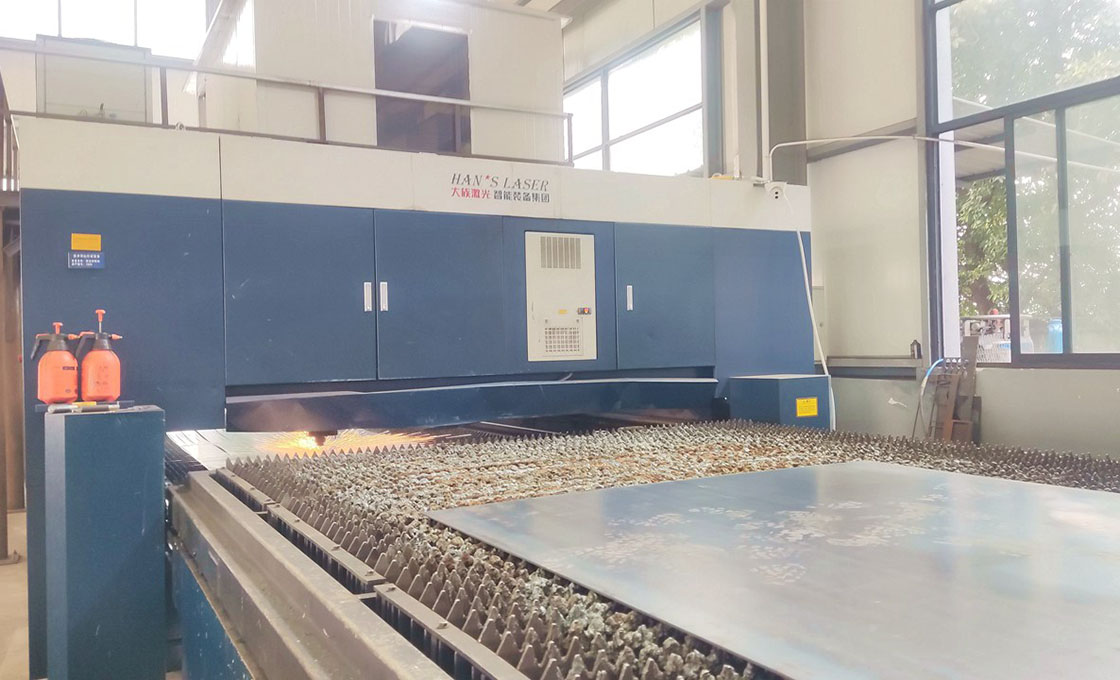
Utilizing state-of-the-art production technologies such as hot forging and automated processes, we achieve enhanced mechanical strength up to 1000 kN, with features like silicon rubber sheds for hydrophobicity and hot-dip galvanized steel fittings for corrosion resistance.
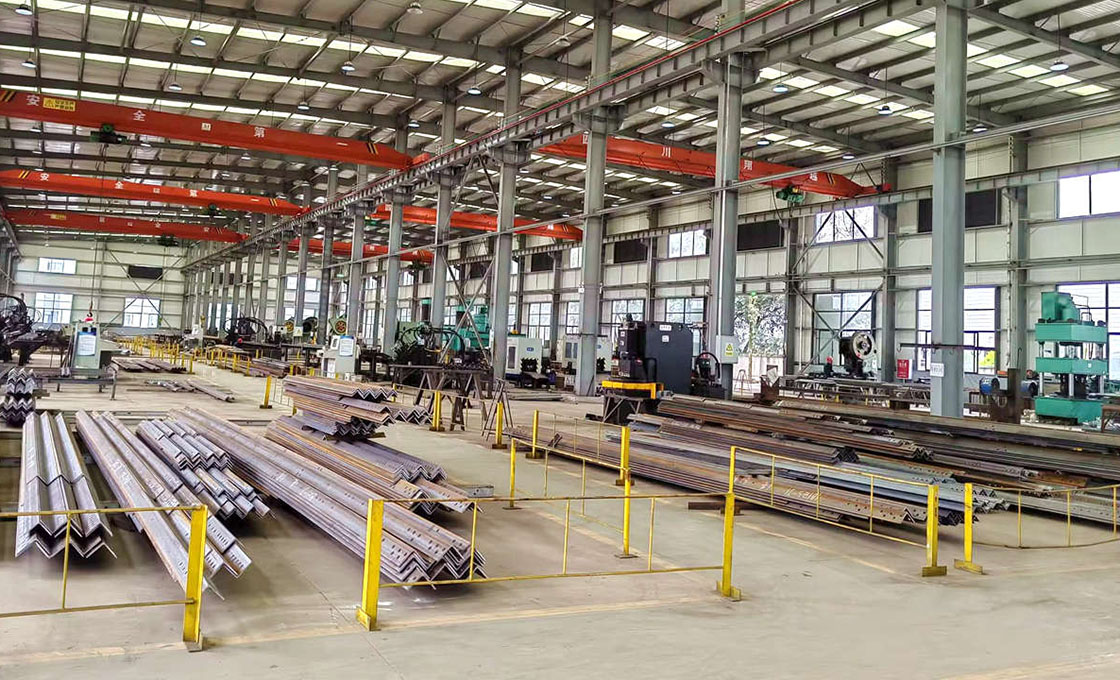
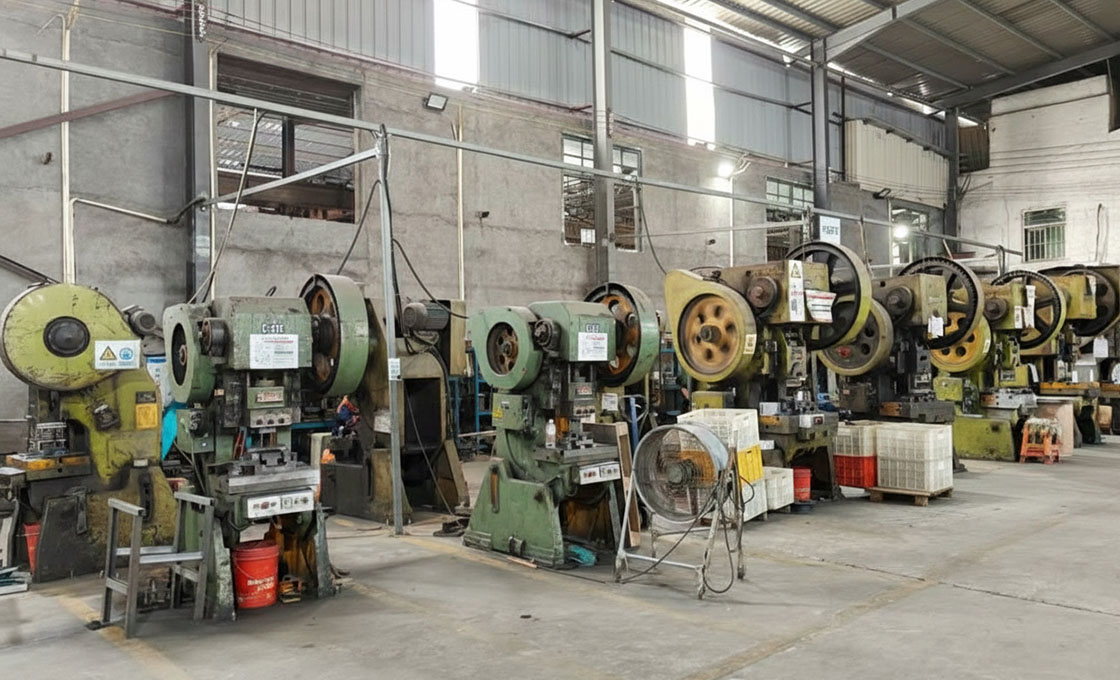
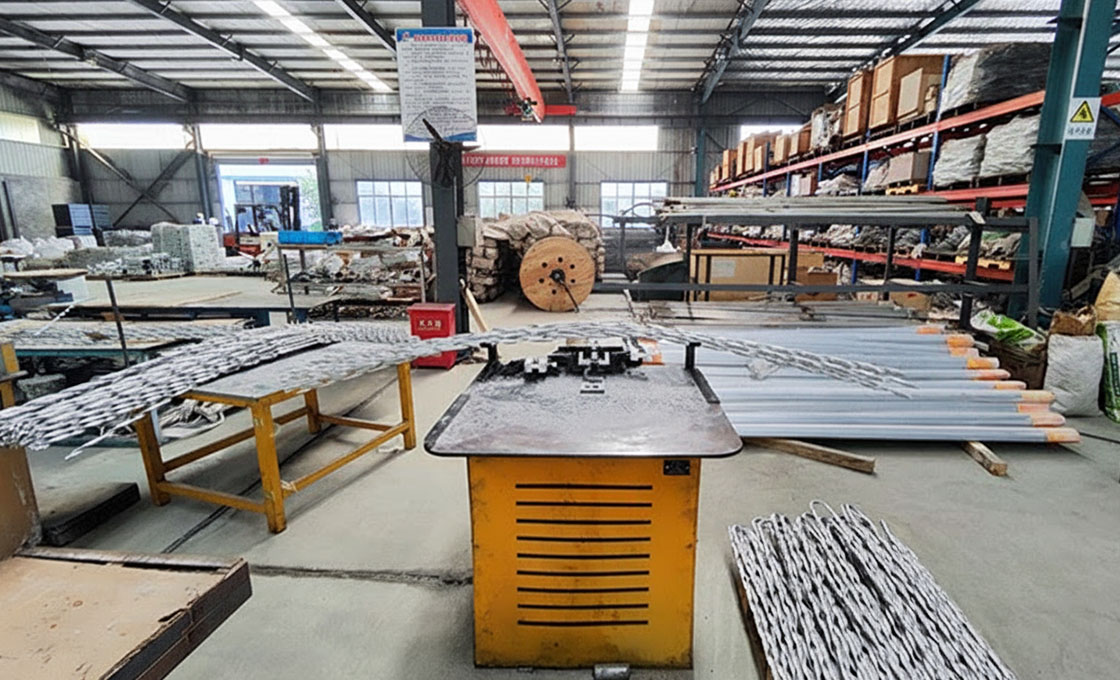
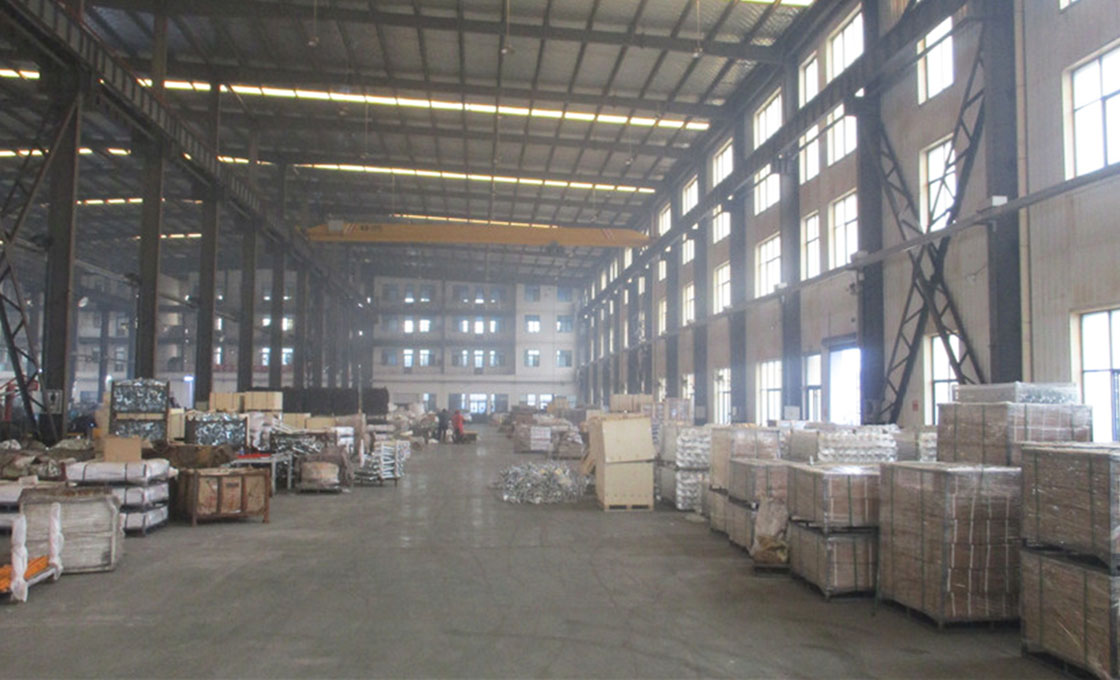
Based in Hebei Province, China, with 17,000 square meters of production workshops and a dedicated team of over 170 professionals, our commitment to technological excellence is reflected in strict quality control, including load testing and compliance with international standards.
Please contact us for a FREE quotation.


Other Products You May Like
Frequently Asked Questions
What is an overhead line insulator?
An overhead line insulator is a device used in electrical power transmission and distribution systems to support and insulate conductors, preventing unintended current flow to grounded structures like poles or towers. It ensures safety by maintaining electrical isolation and withstands mechanical loads and environmental conditions.
What are the common types of overhead line insulators?
Common types include pin insulators for voltages up to 33kV, suspension insulators for medium to high voltages using series-connected discs, strain insulators for absorbing tension at dead ends or corners, shackle insulators for low-voltage distribution, post insulators for substations and high-voltage applications, and long rod or stay insulators for specific mechanical and electrical needs.
What materials and properties are essential for overhead line insulators?
Insulators are typically made from porcelain (high mechanical and electrical strength), glass (transparency and durability), or polymer composites (lightweight, pollution-resistant). Essential properties include high electrical resistivity, high dielectric strength to prevent breakdown, strong mechanical strength, thermal stability, chemical inertness, and a high ratio of puncture strength to flashover voltage for safety and reliable power transmission.
What are the main causes of insulator failure?
Failure can result from cracking due to mechanical stress or thermal expansion, defective materials or porosity allowing moisture ingress, improper glazing leading to pollution buildup, electrical flashover from discharge, and mechanical overstress from conductor tension or environmental loads.
How do you ensure quality, reliability, and standards compliance?
We implement strict quality control including raw material selection, multi-stage testing, and automated production. Our insulators meet international standards such as IEC and utilize hot forging for greater strength and accurate sizing. All products undergo load testing and dual review before packing, with certifications from authoritative bodies like SGS to guarantee compliance and durability.
What advantages do your insulators offer for cost-conscious OEM clients?
Our advanced manufacturing techniques, including hot forging and automated machining, produce insulators with superior strength and consistent dimensions at competitive prices. This reduces waste, enhances efficiency, and delivers significant cost savings while maintaining high-quality standards that protect OEM brand integrity and ensure long-term performance.
Do you provide customized solutions for specialized applications?
Yes, we offer tailored insulator designs for railway electrification, telecommunications, and renewable energy projects. Our engineering team collaborates with clients to develop solutions compliant with relevant standards, customizing materials, configurations, and fittings to ensure optimal performance and safety in specialized scenarios.
Can you accommodate large-volume EPC orders with on-time delivery?
With production facilities spanning 17,000 square meters and over 170 employees, we efficiently handle high-volume orders. We leverage automated manufacturing and optimized logistics to meet project timelines, ensuring reliable and timely delivery for large-scale EPC contracts without compromising quality.
Get A Quick Quotation Today