
A composite polymer insulator almost never fails the way a catalog drawing suggests. The story sits in three interfaces: rod to housing, housing to shed, and core to end fitting. When the bond between any two of them weakens, moisture finds a path, and the countdown to a flashover or a dropped line begins. This analysis assumes you already know what these insulators are and goes where failure investigations actually go.
Since 2003, RaxPower has manufactured pole line and overhead line hardware for utilities and line builders, and insulator failure reports reaching our engineering desk follow a pattern worth studying. The numbers below come from EPRI fleet statistics, CIGRE surveys, published utility interviews and the current IEC test framework. Each section ties a failure mechanism to the test or design choice that controls it.
In this analysis
Where Composite Polymer Insulator Failures Actually Start
Field data puts the risk in perspective first. EPRI has documented roughly 315 failures across the approximately three million composite insulators installed in the United States, a cumulative failure rate of about 0.0105 percent. CIGRE surveys place annual failure rates between one in 100,000 and one in 10,000 units. A composite polymer insulator is therefore a statistically dependable component, but its failures cluster in specific, diagnosable locations.
A 2010-2020 survey of 59 verified Chinese line failures shows where the clusters sit. Brittle fracture led at 39.0 percent, decay-like fracture followed at 37.3 percent, internal breakdown reached 20.3 percent, and normal mechanical fracture just 3.4 percent. About three quarters of those events were core-rod failures that begin at interfaces, not in the sheds. That is exactly why modern standards test interfaces so aggressively.
Brittle Fracture Mechanics Inside the FRP Core
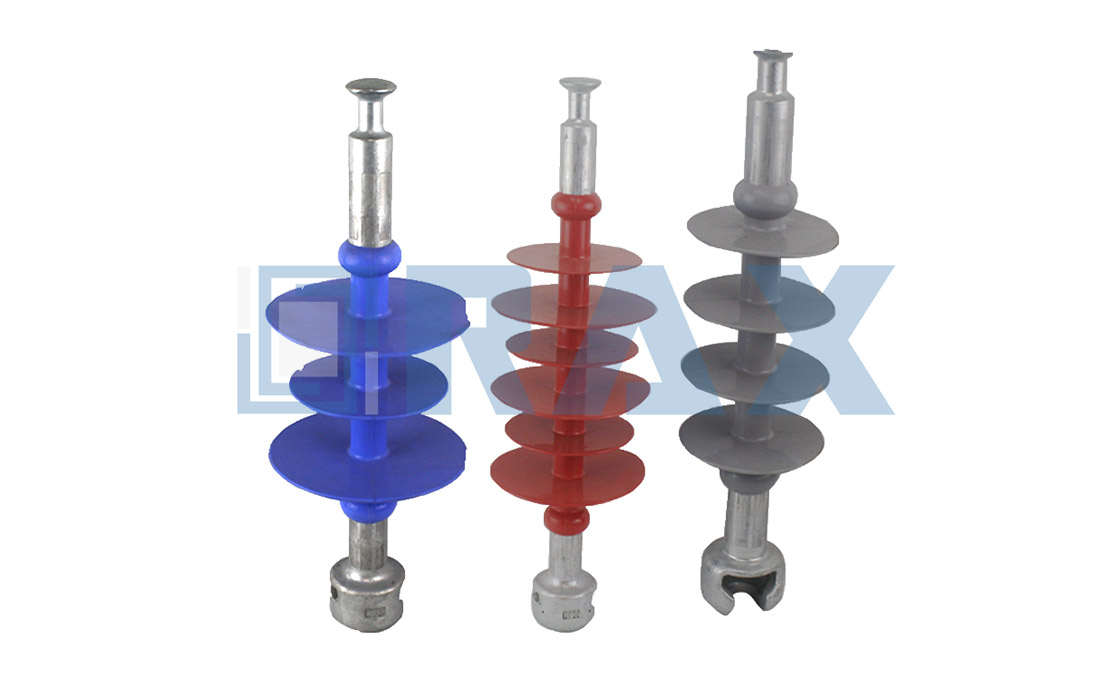
Brittle fracture is the failure mode that commands the most respect among line engineers, and the mechanism is well documented. Partial discharge in humid air generates nitric acid that attacks boron-containing E-glass fibers while the rod carries tension. The result is stress corrosion cracking, a slow and clean split of the core with almost no external warning.
The published signature is distinctive. Fracture occurs at only 10 to 20 percent of rated load, leaving a smooth, flat surface perpendicular to the rod axis. In documented cases the flat planes cover 30 to 90 percent of the cross-section. FTIR and XPS analyses confirm nitric acid corrosion products at the fracture origin. It behaves the way you would expect scored glass to part, because that is what happens at fiber scale.
Field history matches the mechanism. Xcel Energy recorded brittle fracture failures on early-generation 115 kV and 345 kV composite units. PSE&G removed a 138 kV unit whose fiberglass core was already partly exposed before the string could part. Early composite polymer insulators paid for that lesson, which is why modern rods use boron-free ECR glass, a fiber formulation with far better stress corrosion resistance.
Decay-Like Fracture and Abnormal Heating Patterns
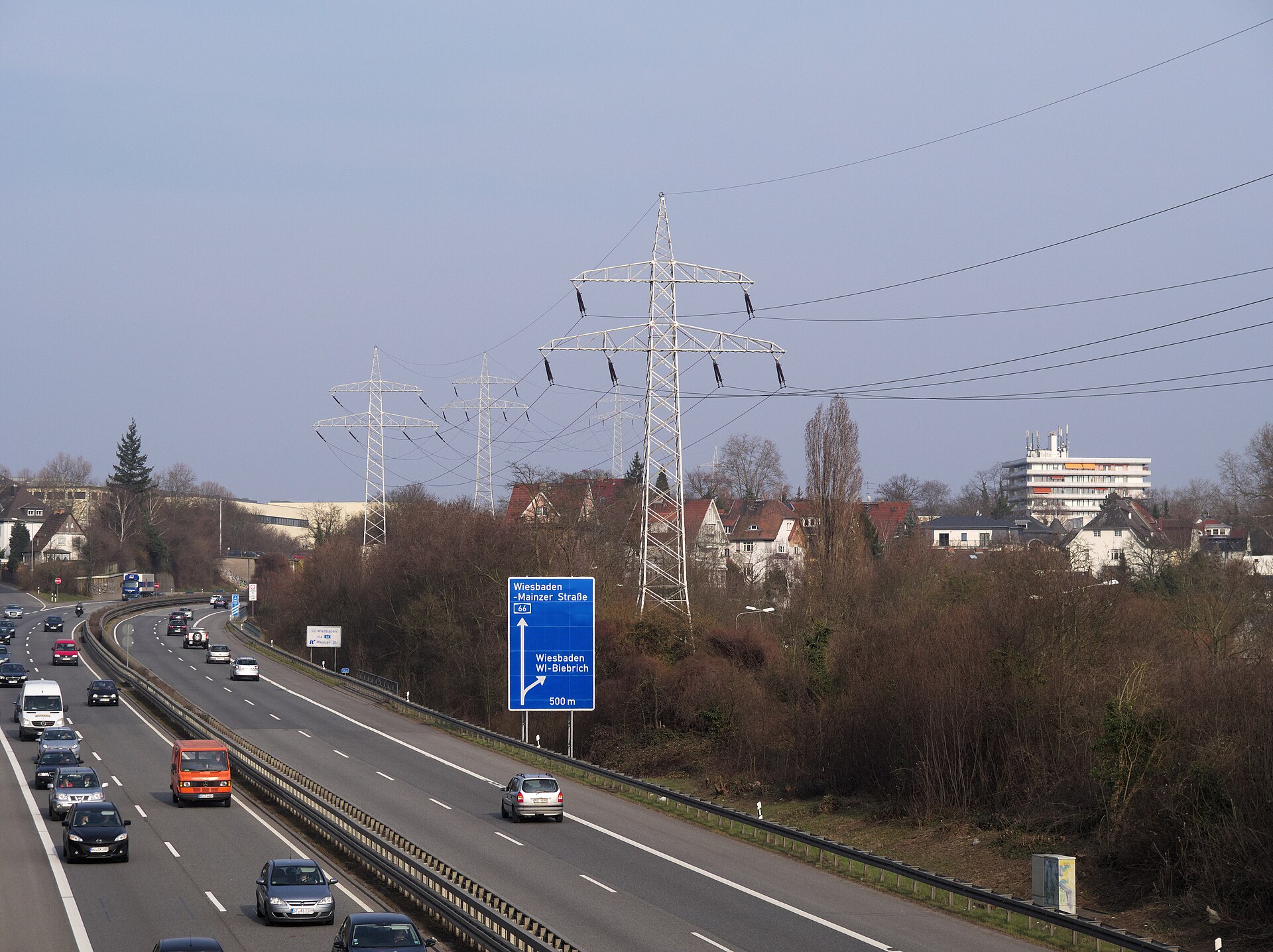
Decay-like fracture develops more slowly than brittle fracture and announces itself through partial discharges and surface tracking before the core finally parts. Surveyed cases occurred on 500 kV lines after 7 to 12 years of service in humid, contaminated regions. Internal breakdown failures tell a similar story on lower voltages: 110 kV and 220 kV lines recorded flashunder events after 5 to 13 years in service.
Abnormal heating has become the dominant inspection finding in some fleets. A 2023 State Grid of China survey across 1.14 million composite I-strings found 85 abnormal heating cases, roughly 0.74 per thousand, while jumper strings ran at about 2.88 per thousand. By the time an infrared camera registers a housing hotspot, the interface has usually been degrading for years. Thermal surveys therefore belong in routine patrol schedules, not only in troubleshooting.
Three diagnostic tools cover most field screening. Infrared thermography finds heating concentrated at the end fittings. UV imaging captures corona discharge active on damaged housings. Electric field distribution measurement detects internal defects that both optical methods miss. Used together, they separate cosmetic surface aging from genuine interface problems worth a replacement order.
Hydrophobicity as a Field Diagnostic Signal
Silicone rubber earns its keep through hydrophobicity, and its loss is a trend to manage rather than a verdict. IEC/TS 62073:2016 defines three measurement methods: the contact angle method, the spray method and the surface tension method. The spray method is the one most crews apply in the field. It rates surfaces across seven classes, from HC1 with discrete droplets down to HC7 as a fully wetted film.
Hydrophobicity also recovers, which is the property non-specialists underestimate most. Low molecular weight silicone chains migrate from the bulk housing into the pollution layer and encapsulate salt particles, so a contaminated surface can still bead water. That transfer effect is why a wiped or rained-on insulator often reads better a few days later. Judge a composite polymer insulator on the trend across inspections, never on a single reading.
Persistent HC5 to HC7 readings after a reasonable recovery window, especially near the end fittings, point at housing aging or severe local discharge. That finding feeds a replacement decision rather than a washing schedule.
What IEC 62217 Ageing Tests Really Prove
IEC 62217:2025, now in its third edition, supplies general test methods and acceptance criteria for polymeric HV insulators. It covers solid-core composite designs and hollow cores for systems above 1,000 V AC and 1,500 V DC. The standard sorts tests into three families, and the distinction matters when you read a supplier certificate. Design tests qualify a material system, and type tests qualify a specific insulator design. Routine tests screen every delivered unit.
For aging, the historical workhorse is the 1,000-hour salt fog test for tracking and erosion, inherited from IEC 61109:1992. The tougher screen is the 5,000-hour multiple stress test defined in IEC TR 62730:2012, which combines UV radiation, humidity, heat and continuous electrical stress. Housing systems that pass 1,000 hours can still separate at 5,000 hours, which is why premium composite polymer insulator designs cite the longer test.
The 2025 edition also draws a practical line between HTM and non-HTM housing materials, meaning hydrophobicity transfer materials, with different test expectations for each. When a datasheet claims IEC 62217 compliance, ask which edition applies and which housing class was actually tested.
Specifying Composite Insulators?
Compare composite polymer insulator options for suspension, tension and line post duty, with documented interface controls and IEC test reporting.
IEC 61109:2025 Raises the Interface Bar
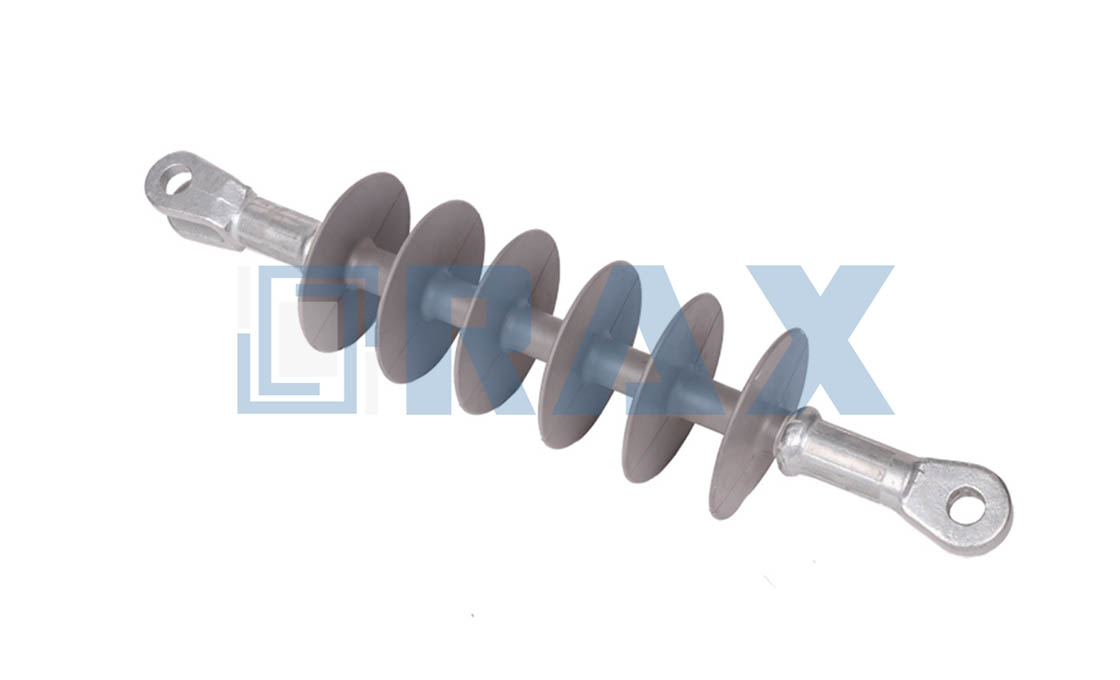
IEC 61109:2025, the third edition published in February 2025, governs composite suspension and tension insulators and carries the most significant changes this product family has seen in years. The scope now reaches both AC and DC systems. Water diffusion testing now applies to the core with housing in place, using procedures drawn from IEC 62217. A dedicated stress corrosion test for core materials has entered the standard as well.
Two annexes deserve attention from buyers. Annex D addresses electric field control for AC designs, which is the engineering logic behind grading rings. Annex F addresses adhesion between the core and the housing, the interface behind most internal failure modes.
Interface screening in the IEC 62217 family is worth quoting precisely.
The dye penetration check requires no dye ingress into the interface for 15 minutes. The water diffusion check requires a 12 kV withstand after 100 hours of boiling, with leakage current below 1 mA.
Those are design and sample checks, not routine tests. The routine test on a finished insulator is a wet withstand voltage check on the complete unit. Anyone describing a full interface test on every delivered insulator is describing a standard that does not exist, so treat such claims as a supplier quality signal.
Pollution Dimensioning with IEC TS 60815-3
Pollution performance is where composite designs earn their premium. IEC/TS 60815-3:2008 remains the reference technical specification for selecting and dimensioning polymer insulators on AC systems in polluted environments. Because the silicone housing transfers hydrophobicity to deposited pollution, the required creepage runs shorter than for equivalent porcelain or glass strings at the same site severity.
Shorter does not mean arbitrary. Site pollution severity class, shed profile and shed diameter all still apply, and extreme locations such as coastal or desert environments can force longer creepage than the standard tables suggest. The correct workflow is to classify the site first, then dimension the string, then confirm the housing material with the ageing tests covered above.
| Standard | Scope | What it decides |
|---|---|---|
| IEC 61109:2025 | Composite suspension and tension insulators, AC and DC | Design, sample and routine acceptance |
| IEC 62217:2025 | Polymeric HV insulators, solid and hollow core | General test methods and acceptance criteria |
| IEC/TS 62073:2016 | Hydrophobicity measurement | Contact angle, spray and surface tension methods |
| IEC/TS 60815-3:2008 | AC polymer insulators in polluted conditions | Creepage and profile dimensioning |
| IEEE P987 (draft) | Composite insulator application guide, US | Application guidance under active revision |
Voltage Class Thresholds for Grading Rings
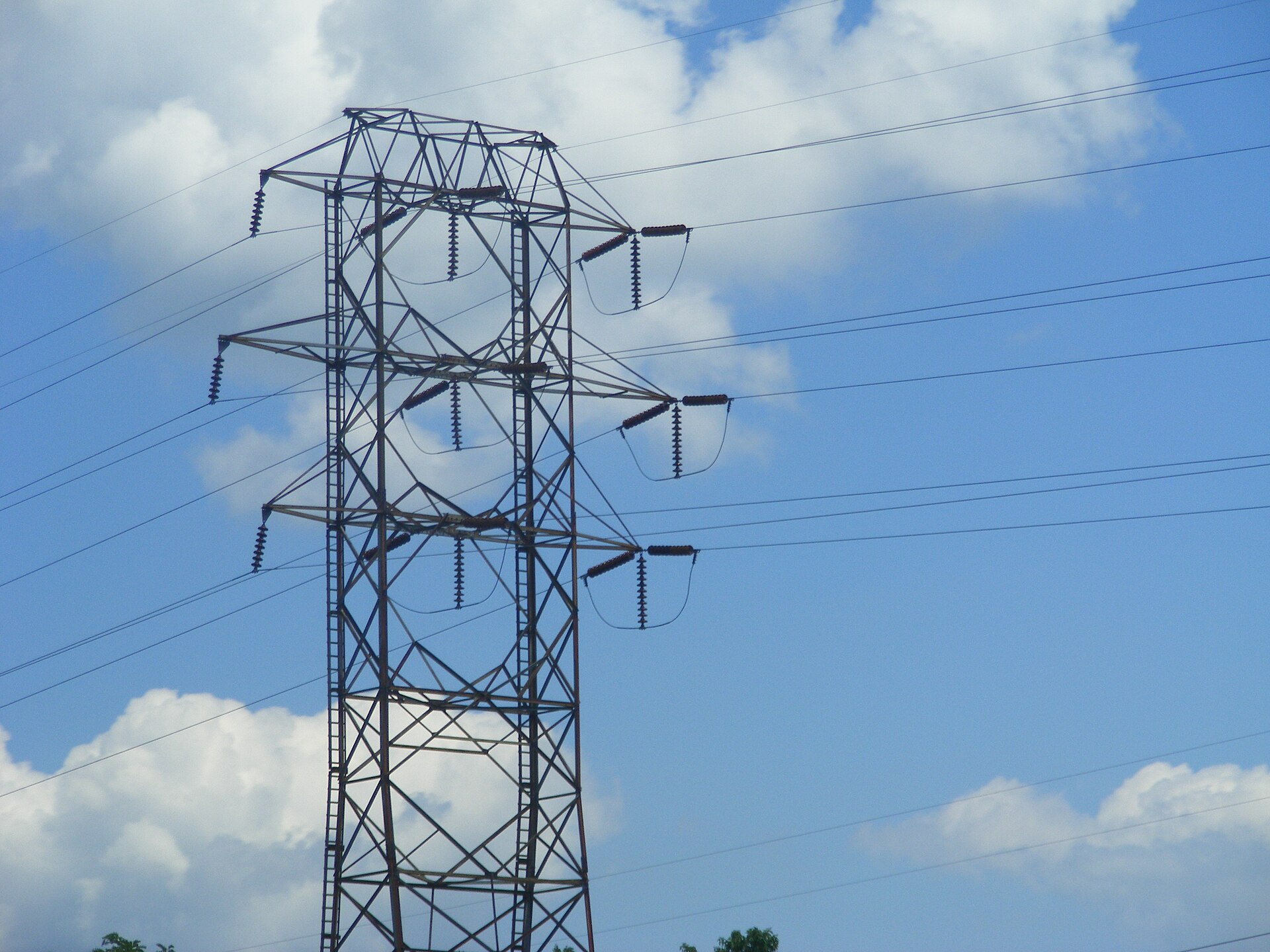
Electric field control is not optional at transmission voltages. MacLean Power Systems states the industry rule plainly: for suspension insulators at 230 kV and above, corona rings are recommended. From 400–500 kV and above, rings belong at both ends. The EPRI position reported in utility interviews adds nuance, noting that composites at 115 to 161 kV may also need a ring depending on the configuration.
Field history explains why the thresholds exist. PSE&G traced erosion and corona cutting on some 138 kV composite units to operation without rings. Salt River Project has fitted line-end rings on every 230 kV suspension composite since recognizing the problem in the early 1980s, and both ends on 500 kV lines. SRP’s 500 kV Mead-Phoenix line, energized in 1990 with silicone rubber composite insulators, remains a referenced case of long-term performance.
Retrofit options exist as well; several suppliers offer one-piece rings that crews install with hot sticks. Specify ring provisions at purchase whenever the line could be re-conductored or uprated later, because adding them after a corona finding costs far more.
Procurement Checks That Separate Robust Designs
In our experience, the datasheet details that predict field performance are the ones least often quoted in offers. When you evaluate a composite polymer insulator, ask for the housing material class under the 2025 IEC framework. Confirm the rod uses boron-free ECR glass. Ask for interface adhesion evidence consistent with Annex F.
Mechanical margins look generous on paper because pultruded rods typically specify tensile strength around 760 MPa while service loads sit near 10 percent of rated capacity. That margin only holds if the end fitting crimp and seal are sound, which is why routine test certificates and sealing system details belong in your file. Manufacturers commonly report composite strings at 80 to 90 percent lighter than equivalent porcelain, which eases transport and tower loading, but weight is a logistics benefit, not a reliability argument.
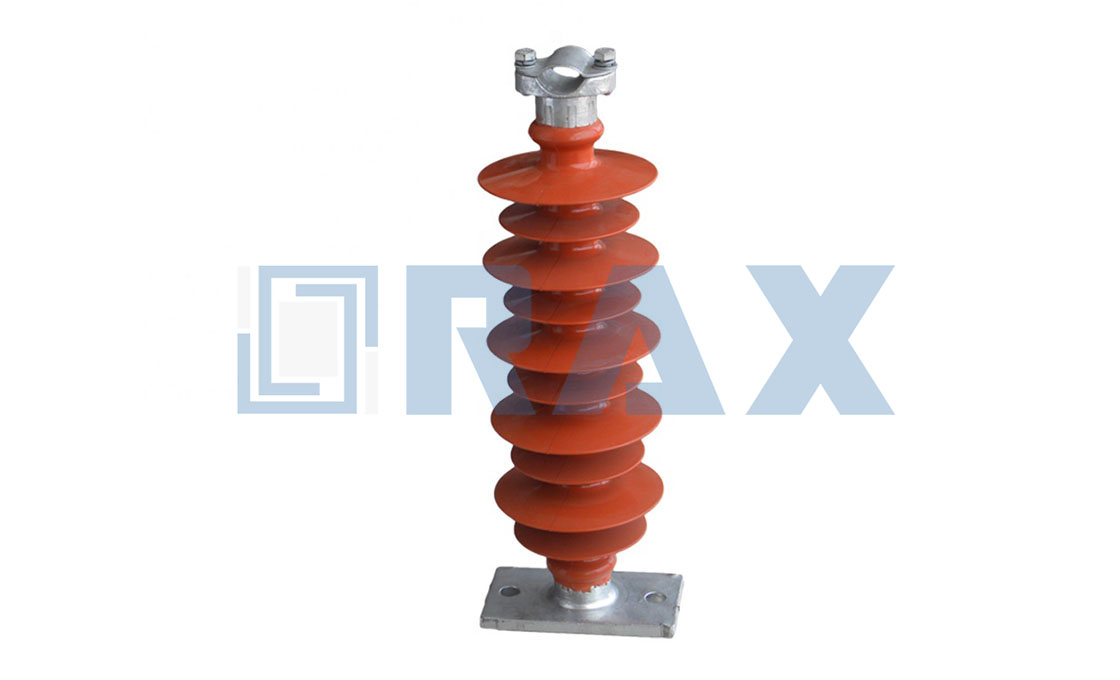
RaxPower manufactures composite insulators with silicone rubber housings, fiberglass core rods and aluminum end fittings, and supplies the matching insulator fittings that complete the string. Ask any supplier, us included, for the three documents that matter: design test reports, routine test certificates, and the grading ring recommendation for your voltage class.
Frequently Asked Questions About Composite Polymer Insulators
How long do composite polymer insulators last in service?
No IEC standard states a fixed service life. CIGRE surveys report annual failure rates between 0.001 and 0.01 percent. EPRI’s United States fleet data shows roughly 315 failures across three million installed units, which supports multi-decade service for the vast majority.
What does an HC4 hydrophobicity reading actually mean?
HC4 sits mid-scale on the IEC spray method, indicating partially wetted surfaces with droplet tracks. A single HC4 reading calls for reinspection after a recovery window, because silicone rubber often regains hydrophobicity within days.
Do 138 kV lines need corona rings on composite insulators?
Usually not, but utility-documented EPRI guidance notes that composites at 115 to 161 kV may require a ring depending on configuration. Manufacturers recommend rings from 230 kV upward, so treat 138 kV as a case-by-case engineering decision.
Which IEC standard applies to design tests for these insulators?
IEC 61109:2025 defines design, sample and routine acceptance for composite suspension and tension insulators, drawing procedures from IEC 62217:2025. Routine testing on delivered units is a wet withstand check, not a full interface program.
Can grading rings be retrofitted on existing composite strings?
Yes. Suppliers offer one-piece rings that crews install using hot sticks, and utilities routinely add them after corona findings. Verify the ring diameter against the end fitting design and recheck field gradients after installation.