
Представьте последний столб на новой линии подачи. Проводник подходит под полным натяжением, и у бригады остаётся одна задача: аккуратно завершить пролёт на опоре. Напряжение кабеля должно прекратиться именно там, не переходя на верхушку столба или через фурнитуру.
Зажим анкерного натяжения — это тупиковое соединение, созданное для такого момента. Он захватывает кабель, выдерживает полное рабочее натяжение и передаёт нагрузку в столб, башню или настенный кронштейн. Термин охватывает два семейства фурнитуры: полимерные клиновые зажимы, доминирующие на волоконно-оптических линиях, и болтовые зажимы из алюминиевого сплава, удерживающие токопроводящие кабели. RaxPower производит оба типа на своём заводе в провинции Хэбэй, где более 170 специалистов работают над инженерией и ковкой.
Краткое определение: зажим анкерного натяжения, также продаваемый как тупиковый или натяжной зажим, фиксирует надземный кабель и удерживает его полное механическое натяжение на столбе, башне или стене.
Применение зажимов анкерного натяжения включает трассы ADSS и «восьмёрка», тупиковые соединения пучковых кабелей ABC, сервисные ответвления, анкеримые на столбах или стенах, а также тупиковые и угловые позиции голых проводников на распределительных линиях.
Два семейства выполняют эту работу. Полимерные клиновые зажимы устанавливаются вручную и затягиваются самостоятельно под нагрузкой. Болтовые зажимы из алюминиевого сплава серии NLL предназначены для проводников диаметром от 5 до 32,6 мм с нагрузкой натяжения до 100 кН.
Стандарты для ссылки: IEC 61284 — требования и испытания к фурнитуре воздушных линий, с ASTM A153 или ISO 1461, регулирующими детали из оцинкованной стали горячего цинкования.
Что на самом деле делает зажим анкерного натяжения
Каждый надземный кабель воспринимает два вида нагрузок. Подвесная фурнитура несёт вес кабеля через середину пролёта, позволяя ему провисать и двигаться под действием ветра и температуры. Тупиковое положение иное: крепеж там должен удерживать полное рабочее натяжение кабеля и передавать его в конструкцию.
Это задача зажима анкерного натяжения. Он завершает пролёт, сильно сжимает кабель так, чтобы ничего не проскальзывало, и оставляет столбу или кронштейну воспринимать силу. Правильно подобранный зажим обеспечивает скучное, но надёжное завершение. Неправильно выбранный — кабель ползёт, стирает оболочку или теряет натяжение, на которое рассчитаны графики провеса.
Два конструктивных семейства выполняют эту работу. Полимерные клиновые зажимы закрываются вокруг лёгкого полностью диэлектрического кабеля вручную, как на большинстве клиновых зажимов. Болтовые зажимы,литые и кованые из алюминиевого сплава, закрываются вокруг крупных проводников под моментом ключа и выдерживают гораздо большие нагрузки.
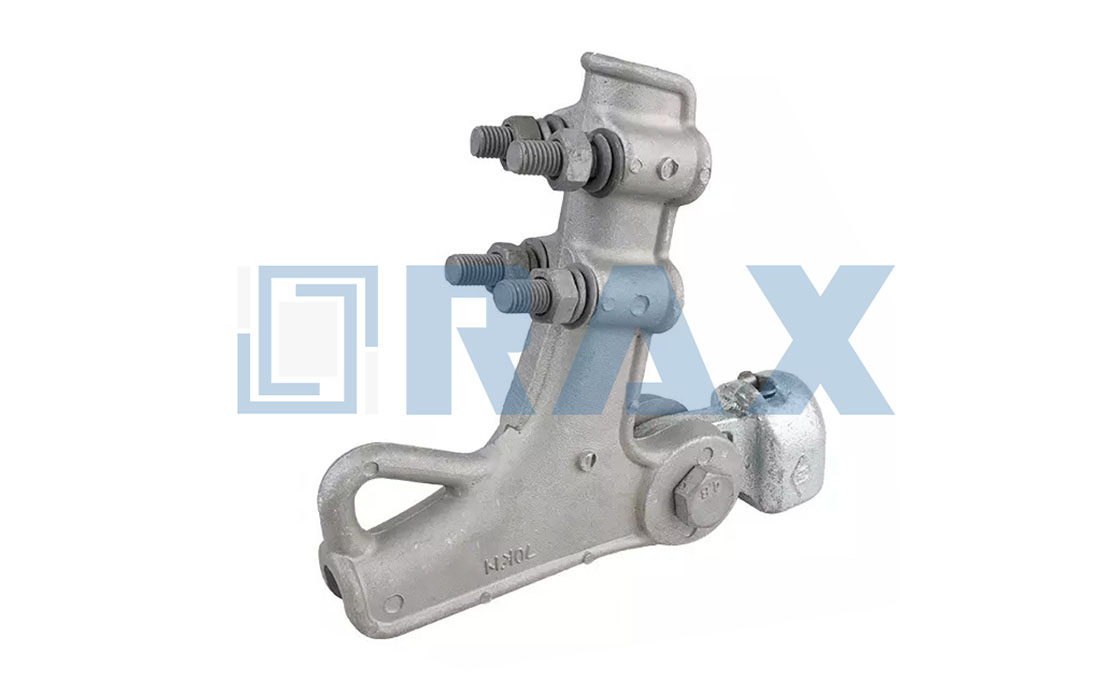
Различие важно при спецификации. Клинковый зажим, рассчитанный на оболочку ADSS 12 мм, не удержит тупиковое соединение голого ACSR. Болтовой зажим, построенный под проводник 26 мм, будет громоздким избытком для волоконно-оптического ответвления. Дальнейшая часть страницы сопоставляет, какое семейство где применяется и что каждому нужно выдерживать.
Как захват удерживает без повреждения
Семейство клиновых зажимов — пример простоты. Конусный корпус, обычно армированный стекловолокном, принимает кабель спереди, а два полимерных клина с рифлёнымиface располагаются за ним. Тяните кабель под натяжением, и клинья входят глубже в конус, словно нагрузка затягивает собственный тиски.
Сила захвата поэтому масштабируется с натяжением линии. При слабом натяжении клинья сидят достаточно свободно для ручной установки; при полной нагрузке они блокируются. Кромочное давление распределяется по оболочке, а не концентрируется в одной точке болта, что именно то, что нужен деликатному полностью диэлектрическому кабелю от своей фурнитуры.
Болтовые зажимы идут по другому пути. Корпус из алюминиевого сплава несёт мостик или держатель, который два и более болта прижимают к проводнику. Захват задаётся моментом болта и площадью контакта, а путь нагрузки проходит через металл, рассчитанный на разрушающее усилие проводника.
Оба подхода разделяют одно правило. Внешняя поверхность кабеля принимает кромочное давление, поэтому геометрия захвата, а не сырая сила, решает, переживёт ли тупиковое соединение ветер, лёд и десятилетие термических циклов.
Применение зажимов анкерного натяжения в воздушных сетях
Спросите, где концентрации применения зажимов анкерного натяжения, и ответ — везде, где кабель должен заканчиваться, поворачивать или быть специально сжат. Пять сценариев покрывают большинство заказов.
| Сценарий | Кабель | Семейство зажима | Примечание на месте |
|---|---|---|---|
| Магистральные трассы ADSS | Круглый полностью диэлектрический ADSS | Полимерный клиновой анкер | Короткие пролёты, петли хранятся у столба |
| Трассы FTTH ответвлений | Самоподдерживающееся ответвление «восьмёрка» | Wedge clamp with messenger slot | Tap-offs from aerial distribution |
| ABC service drops | Two or four core insulated bundle | Service anchor clamp | Anchors at pole or wall bracket |
| Distribution dead-ends | Bare ACSR or AAAC | Bolted NLL series | Full running tension at line ends |
| Angle and substation entrances | Bare conductor | Bolted NLL series | Angle poles up to 90 degrees |
The pattern to notice: fiber and service scenarios are diameter-matched and tension-light, while bare-conductor dead-ends are load-matched and tension-heavy. The same product name covers both, which is why selection discipline matters more than catalog branding.
Трассы ADSS и «восьмёрка»
All-dielectric self-supporting cable carries no metallic strength member, so its hardware cannot bite with metal teeth and cannot introduce a conductive path. Polymer wedge anchor clamps were designed around that constraint. They pair glass-fiber reinforced housings and polymer wedges with a soft bail that ties to the pole bracket, as catalogued across the зажимная арматура оптического кабеля line.
Manufacturers band these clamps by jacket diameter. Supplier datasheets for ADSS anchor clamps quote routes up to 100 meters, with slack loops stored at the pole for splicing and future taps. Anchor tension clamp applications on fiber routes therefore cluster at pole positions: line ends, mid-route tension points, and loop storage at joint locations.
Figure-8 drop cable adds a messenger to the same logic. The clamp grips jacket and messenger together, so the drop hangs from its own strength member rather than from the fibers. The wedge geometry also keeps the small jacket from ovalizing.
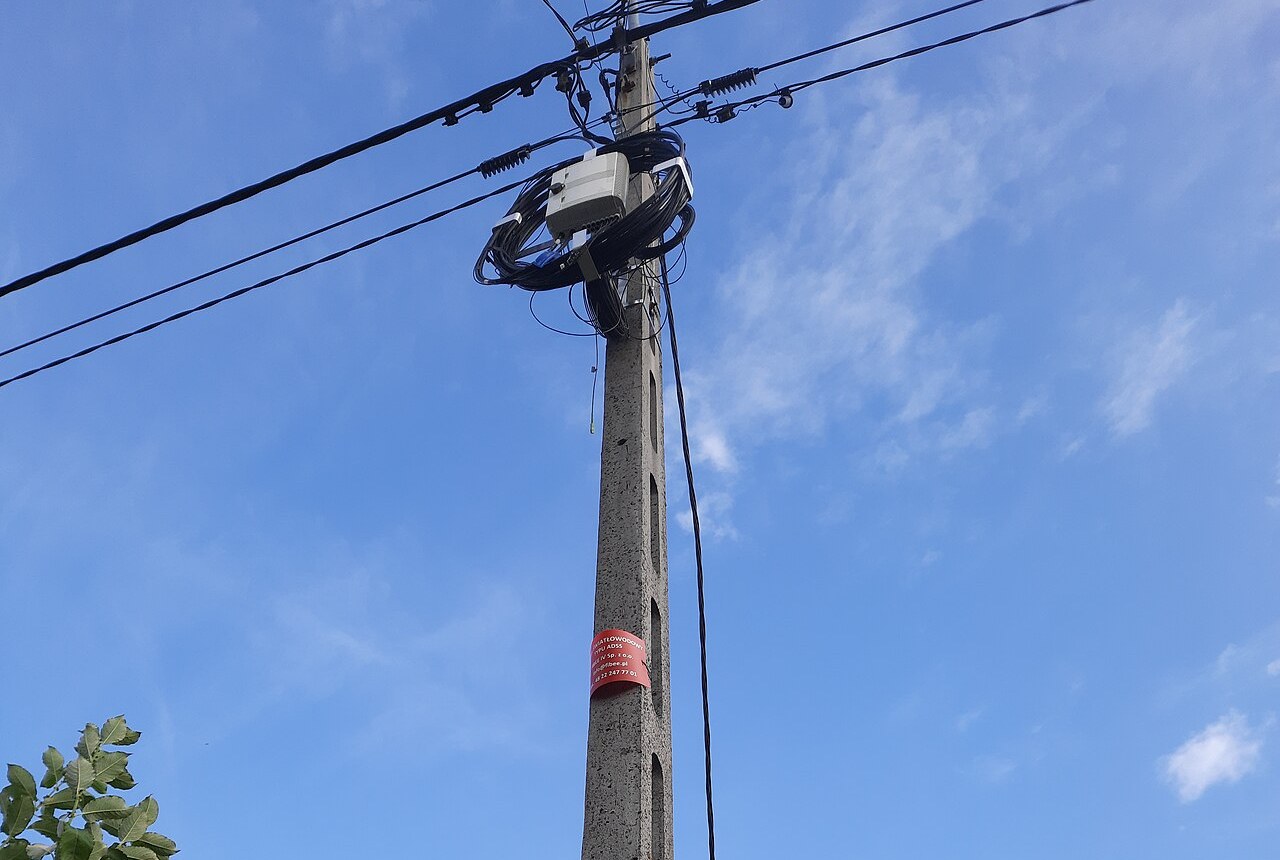
When the route leaves the backbone and turns toward a subscriber, the same clamps follow it. Aerial fiber, in practice, is a chain of anchor points joined by slack.
Тупиковые соединения распределительных кабелей ABC и сервисных ответвлений
Aerial bundled cable, and the service drop that leaves it, create the dead-end points most people actually see from the street. A two or four core insulated bundle crosses from the pole to the customer’s wall bracket. Both ends are anchor tension clamp applications: the cable terminates, the tension stops, and everything downstream hangs slack into the meter position.
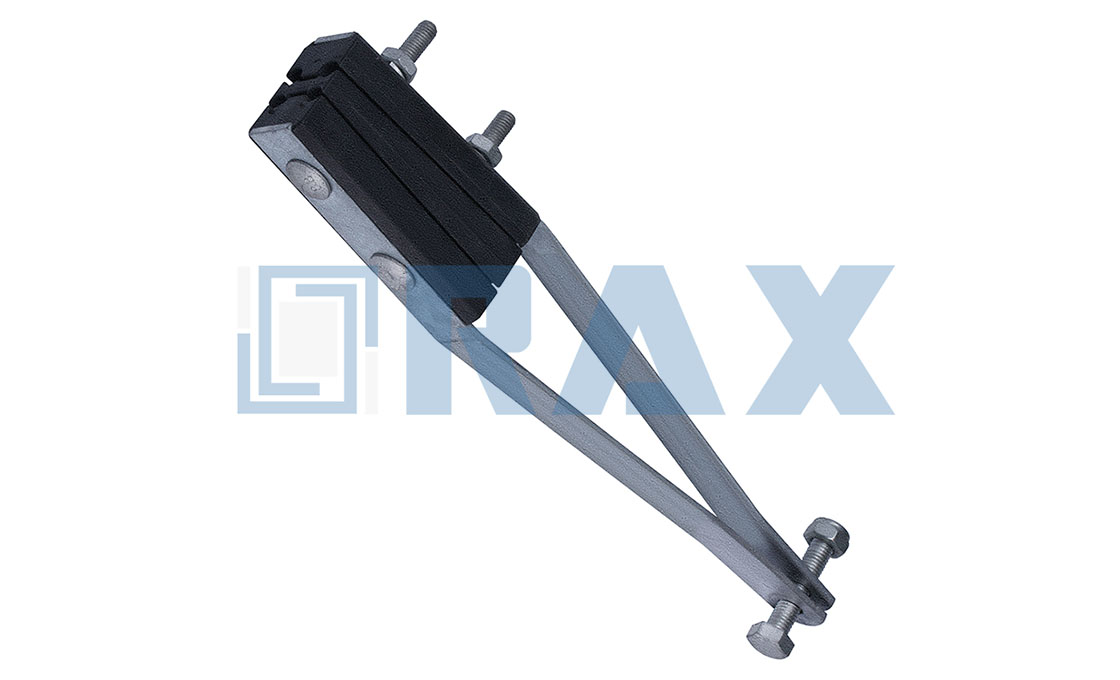
Wedge-type service clamps dominate this scene because crews install them by hand, on the pole and at the wall, with no press and no pumping equipment. The self-tightening principle is identical at this scale; only the jacket bands shrink to match small bundle diameters.
On the mains side, bundled feeders end at poles the same way bare conductors do, and bolted clamps take over as bundle diameter and line tension climb. The two families hand off to each other along one route without the crew changing philosophy.
Соотнесение семейства зажимов с проводником и нагрузкой
Bolted clamp selection starts from two numbers on the conductor datasheet: overall diameter and rated breaking strength. The clamp’s grip band must contain the diameter, and its rated tension load must meet or exceed the design tension, on the натяжной хомут family page as in the field. NLL series clamps quote grip of at least 95 percent of the conductor’s breaking force, with loads that climb through the range.
Three bands from that series show the spread.
| Тип | Conductor range (mm) | Tension load (kN) |
|---|---|---|
| NLL-1 | 5 – 15.5 | 68 |
| NLL-3 | 11.4 – 22.6 | 93 |
| NLL-6L | 25.9 – 32.6 | 100 |
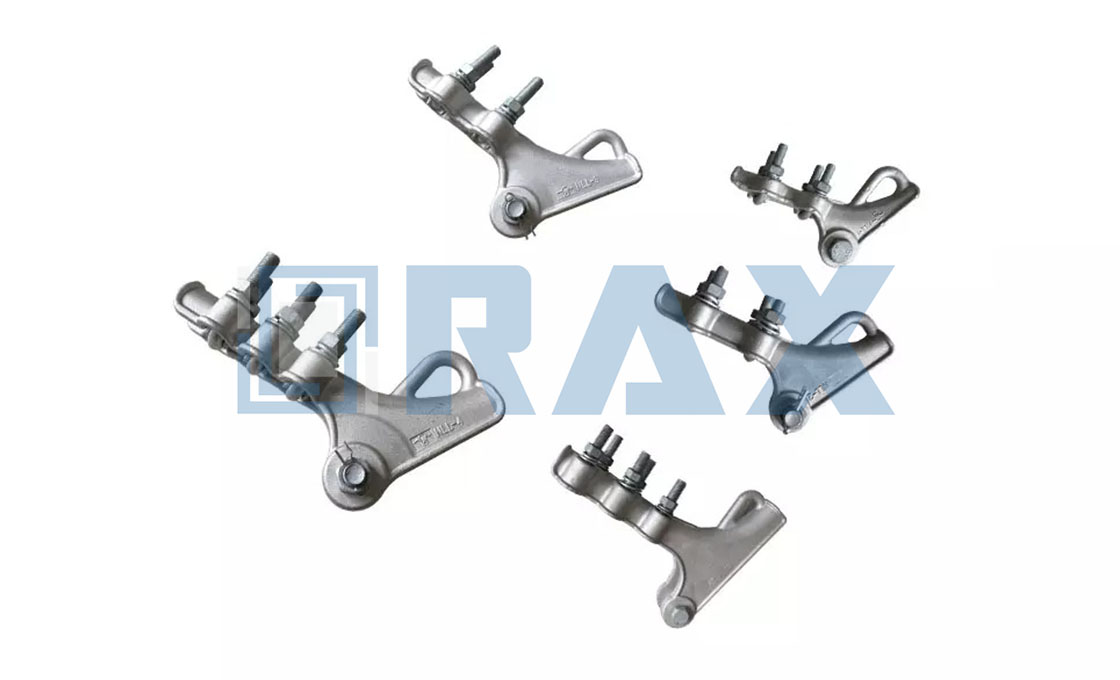
Bodies and keepers are high-strength aluminum alloy; bolts, washers, and hardware that touch steel structures are hot-dip galvanized to keep the corrosion pair honest. Where a termination must also damp vibration, the формованная проволока family of preformed grips is the companion choice rather than a substitute.
Wedge families follow the same discipline with jacket bands instead. A band marked 10 to 14 mm is honest about its range, and cable outside the band either slips or gets squeezed. Neither failure announces itself at installation.
Точки установки, защищающие кабель
Most field problems trace back to four habits. Clean the cable surface before gripping, because jacket dust and oxidation steal friction. Verify the diameter band, since the clamp is honest only inside it. Seat wedges in the direction of pull, so tension drives them tighter instead of backing them out. And close bolted clamps in the sequence and to the torque the datasheet calls for.
In our experience, skipped re-torque is the quiet failure. Bolts bed into conductor strands during the first months of load and thermal cycling. A clamp that left the truck correct can run loose a year later if nobody returns with a wrench.
Never reuse polymer wedges after removal. The serrations deform on the first installation, and a second one never reaches the same grip.
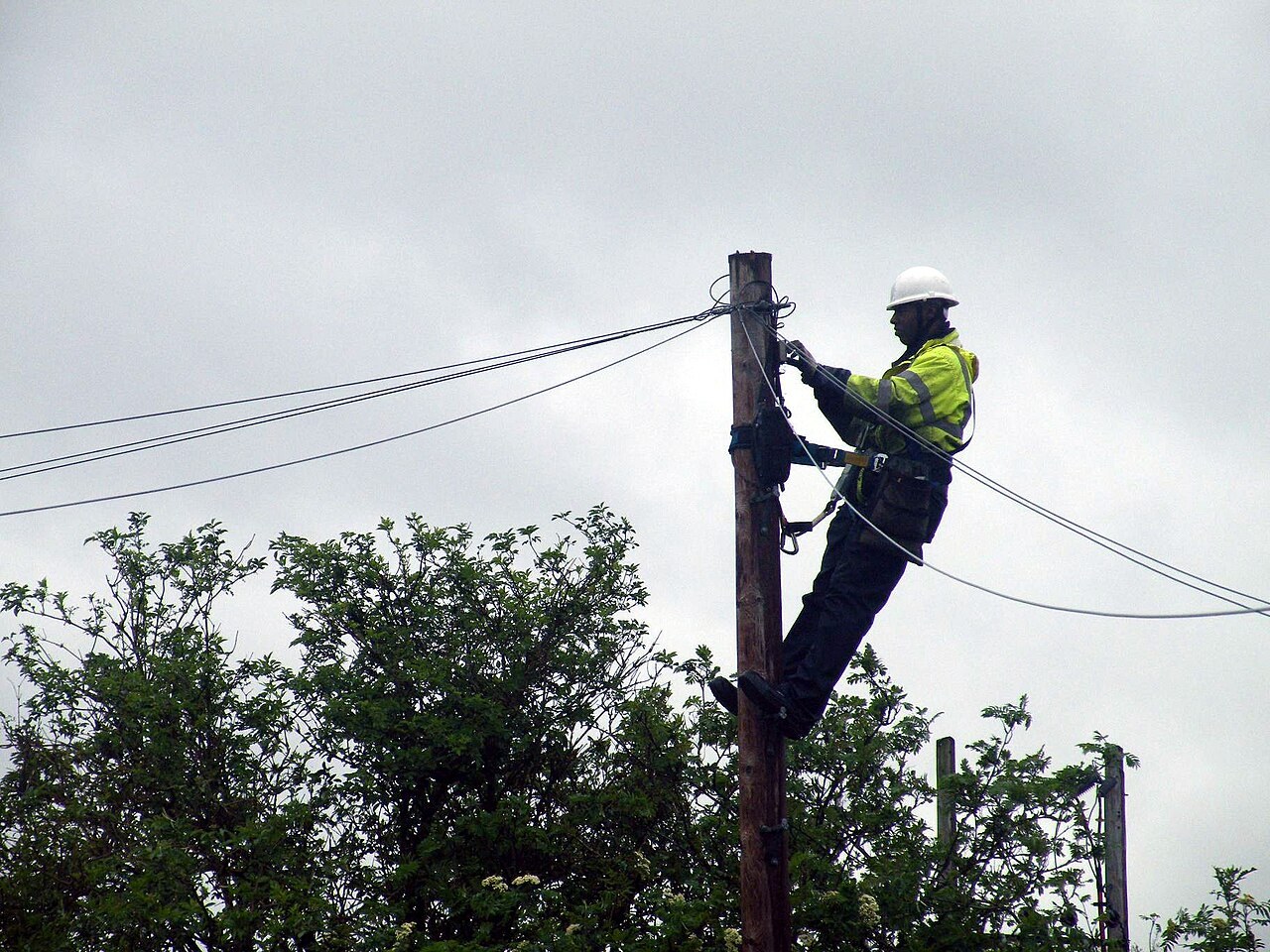
One more habit earns its keep on bundled cable. Support the bundle weight while the clamp takes tension, so the wedge seat forms under controlled load rather than under a falling span.
Привычки inspections, продлевающие срок службы
Anchor positions reward short, regular attention. From the ground, look for wedge slip lines at the clamp mouth, jacket shine where the cable has been moving, and hardware that has lost its zinc. Bolted clamps deserve a torque wrench at the interval the maintenance cycle defines; wedge clamps need eyes on bail wear and housing cracks.
Until a clamp slips, the hardware is invisible, which is precisely why the inspection route should name every anchor position instead of trusting memory. Hot-dip galvanizing does the long-term work on steel parts, aluminum bodies tolerate most atmospheres, and coastal or industrial air simply shortens every interval on the schedule.
Примечания по закупкам для энергетических и телекоммуникационных покупателей
Specification documents settle most anchor tension clamp applications before they happen. Call out the cable diameter and rated breaking strength, the clamp family and band, the standard for fitting tests, and the galvanizing standard for steel parts. Testing against МЭК 61284, the international requirements-and-tests standard for overhead line fittings, gives both sides one yardstick; galvanized components typically reference ASTM A153 or ISO 1461.
Ask suppliers for load test reports rather than catalog claims, and for dimensional drawings that match the band you are buying. RaxPower, a pole line hardware manufacturer founded in 2003 in Hebei, China, produces its NLL series by hot forging and supplies buyers in more than 70 countries. Custom-engineered clamps are available against project drawings, with samples and inspection reports on request.
One last habit: standardize band markings across crews. Mixed bands in one truck are how a 22 mm conductor meets a clamp cut for 13 mm. No inspection program catches that faster than one printed band table in every vehicle.
Часто задаваемые вопросы об анкерных натяжных зажимах
Какие диаметры кабелей покрывает зажим анкерного натяжения?
Болтовые NLL семейства охватывают диаметры проводников от 5 до 32,6 мм по размерным группам, тогда как клиновые семейства классифицируются по диаметру изоляции. Выбирайте по измеренному диаметру кабеля, никогда не ориентируйтесь только на длину пролёта.
Может ли один зажим удерживать одновременно и ADSS, и кабель ABC?
Нет. Геометрия зажима различается: клиновые зажимы бережно обжимают хрупкие диэлектрические оболочки, тогда как болтовые зажимы сжимают металлические проводники. Замена одного на другой чревата проскальзыванием или раздавливанием оболочки.
Нужны ли для клиновых зажимов специальные инструменты?
No. The wedges seat by hand, and line tension locks them. Bolted clamps need standard wrenches plus the datasheet torque sequence.
Какие стандарты регулируют эту фурнитуру?
IEC 61284 defines requirements and tests for overhead line fittings. Hot-dip galvanized steel parts reference ASTM A153 or ISO 1461.
Как часто следует осматривать установленные зажимы?
Follow the utility’s maintenance cycle, with annual ground-level checks as a common baseline. Watch for wedge slip, jacket movement, and lost zinc, and re-torque bolted clamps after the first load season.