
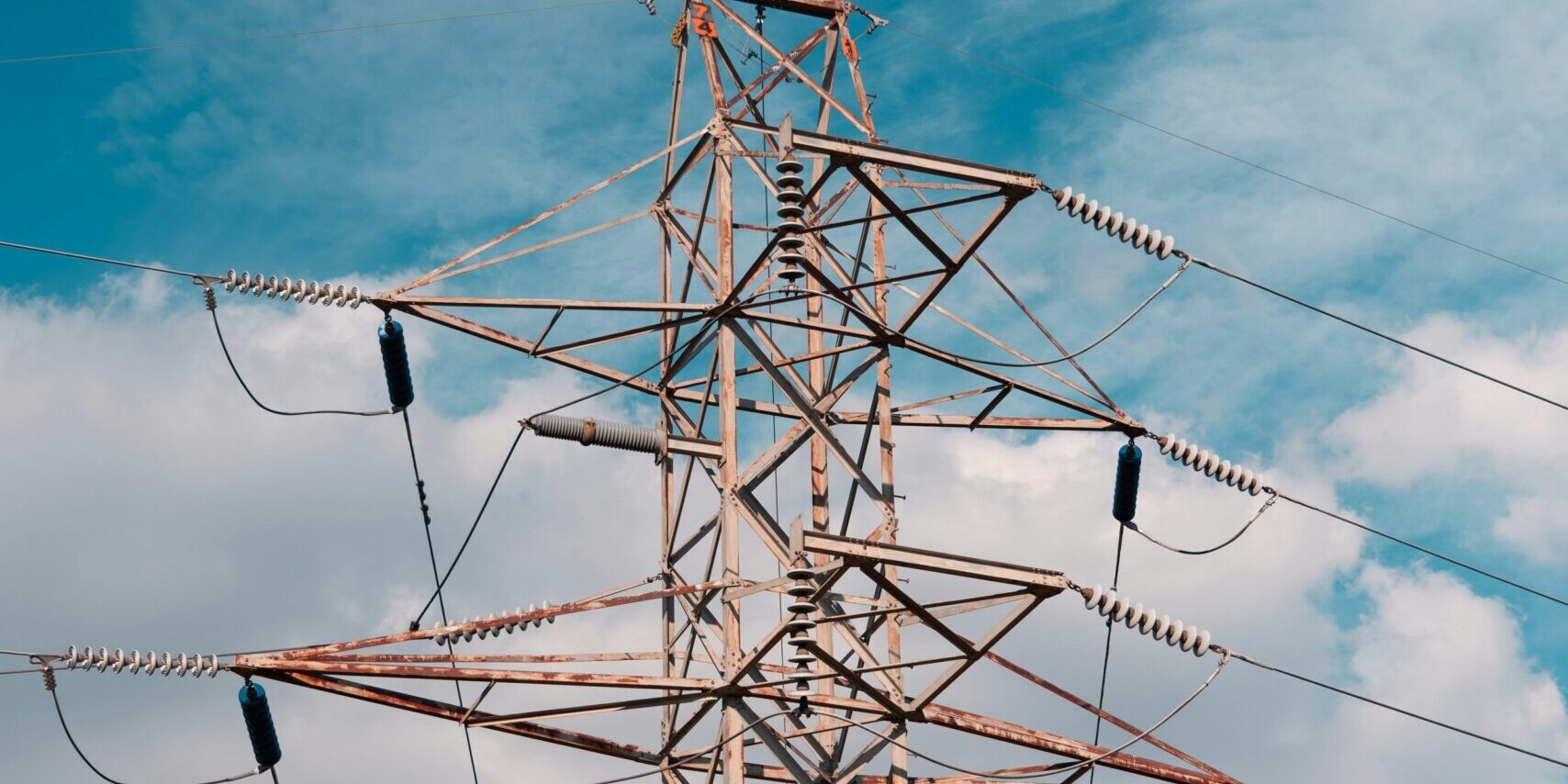
A rural feeder can run many kilometers between substations, and when a conductor fails at a clamp, the repair starts with a long drive. Wind keeps every span in motion, and vibration concentrates that motion at poles, ties and terminations. Hardware choices decide whether those small stresses become truck rolls, outages and early reconductoring. Preformed line products attack the problem at its source.
RaxPower has manufactured pole line and overhead line hardware since 2003, supplying utility, contractor and distributor programs worldwide. The 170+ person company builds its formed wire range — armor rods, dead-end grips, insulator ties and strand splices — in aluminum-clad steel and aluminum alloy wire. This guide sets out where each product cuts maintenance work on rural grids, and where it does not.
Why Rural Distribution Lines Fail at Support Points
Most rural failures cluster where the conductor is held. A peer-reviewed study of aeolian vibration and conductor fatigue notes that fatigue failure is frequently observed near the suspension clamp exit, where cyclic bending concentrates. Abrasion follows the same logic at every tie wire, grinding conductor against insulator under sway and galloping.
Picture a long rural span on an open plain. A steady crosswind sheds vortices, the conductor oscillates a few millimeters at high frequency, and the outer strands work against the clamp mouth season after season. Point-loaded bolted hardware adds a third failure path: bolts loosen, washers migrate, and the jaw slowly distorts the conductor it was meant to hold.
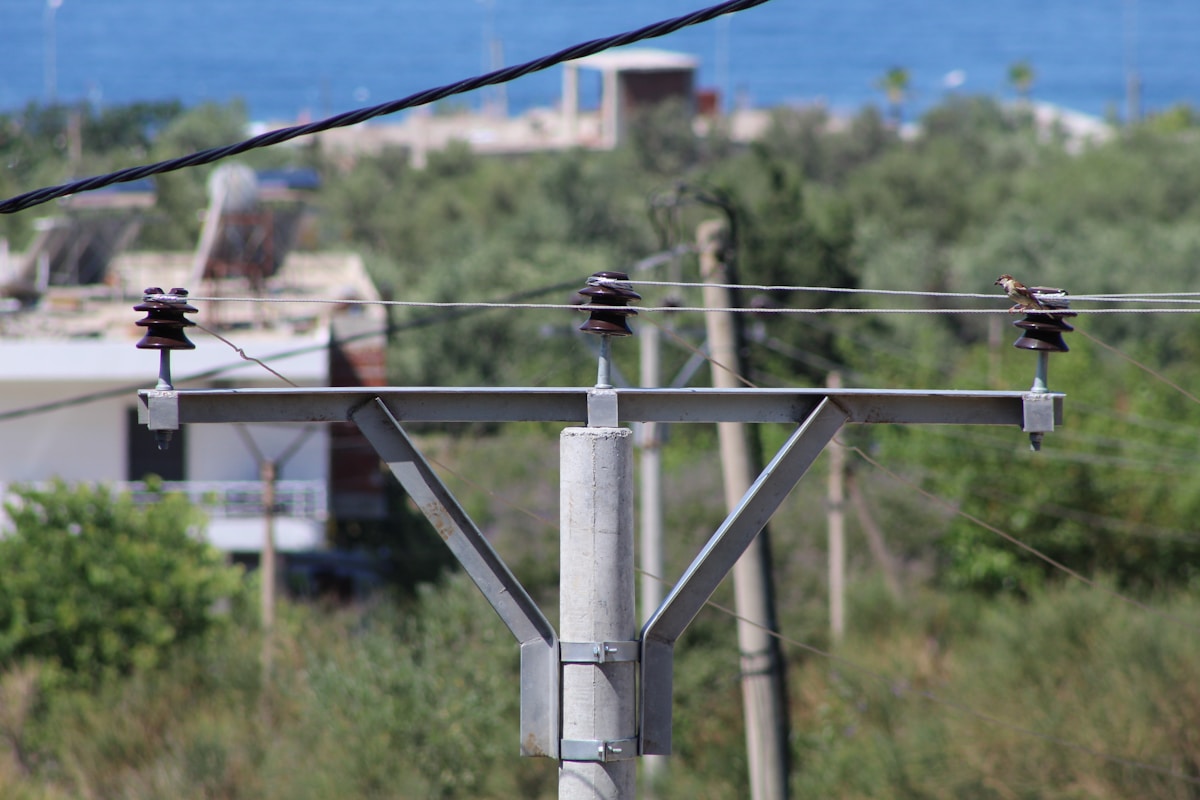
Rural grids amplify all three mechanisms. Longer spans and fewer buildings mean more wind exposure, while maintenance crews often cover hundreds of kilometers of line from a single depot. Each strand break that goes unseen becomes a mid-span repair instead of a scheduled tie change.
The economics follow from that geography. A truck roll to a remote span costs far more in crew hours than the fitting that would have prevented it. Deferred repairs push reconductoring budgets forward by years, which is the cost logic behind formed wire, summarized in the sections below.
What Preformed Line Products Include
Preformed line products are helical rods formed from wire and wrapped onto the conductor by hand. No bolts, no torque wrench, no pressing dies. The family covers four jobs on a distribution line, and each one replaces hardware that wears out or works loose.
L' formed wire product line is built in aluminum-clad steel for strength-critical uses and aluminum alloy where conductivity leads the choice, with galvanized steel wire reserved for steel-strand applications. Right-hand lay is standard for aluminum-based conductors. Every item is sized to a conductor diameter band rather than a universal fit.
| Produit | Job on the line | Failure it prevents |
|---|---|---|
| Barres d'armure | Wrap the conductor at supports and repair spots | Bending, compression, abrasion and flash-over damage |
| Distribution grip dead-ends | Terminate the span without cutting the conductor | Loose bolts and conductor distortion at the clamp |
| Insulator ties | Secure the conductor in the insulator groove | Tie-wire abrasion under sway, vibration and galloping |
| Strand splices | Rejoin or repair damaged conductor sections | Full reconductoring for localized damage |
Because the wrap is continuous, the hardware moves with the conductor instead of against it. That single property drives every cost saving that follows.
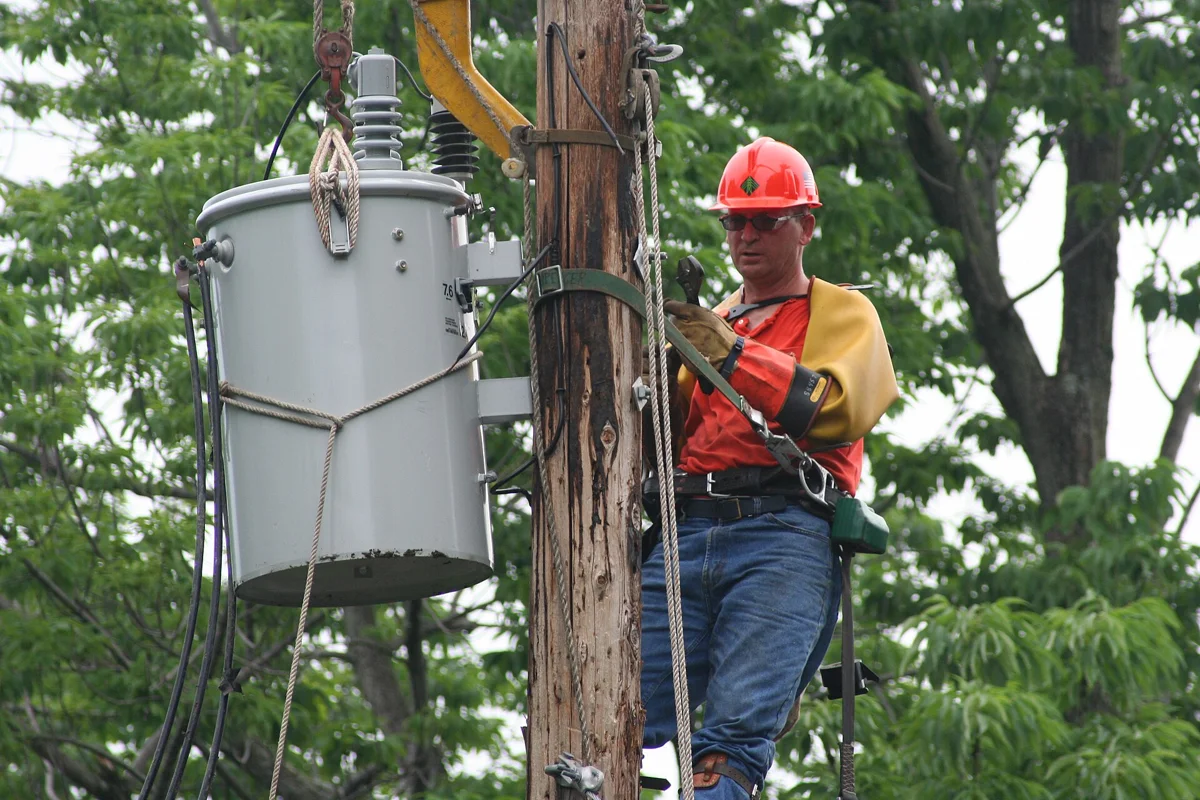
Installation tooling stays minimal across the family. Gloves and a center mark are enough for most sizes, which is why crews carry formed wire on the truck as standard stock.
Stopping Conductor Fatigue at the Support Point
Armor rods are the first line of defense at the support point. PLP, the manufacturer whose application procedures anchor many utility specs, designs them to protect cable against bending, compression, abrasion and flash-over. A splint on a sore joint works the same way: the rod set takes the bending so the strands underneath stop working.
Sizing guidance is explicit. AFL recommends armor rod protection for spans greater than 300 ft (91 m), which covers most rural mainline construction. The same AFL armor rod documentation states that rods improve the conductor’s ability to withstand aeolian fatigue forces, while remaining clear that they are not vibration dampers.
Damper or not, the fatigue arithmetic changes. Where damper sets control amplitude along the span, armor rods thicken the conductor at the clamp exit and move the bending pivot away from the strands. On long rural crossings, the two are specified together rather than interchangeably.
For suspension points that see heavier loads, PLP documents its ARMOR-GRIP Suspension as superior to armor-clamp combinations for protecting conductors from bending stress, compression stress and abrasion. The principle is unchanged: spread the point load into a held grip.
Heat rides along with fatigue on loaded rural feeders. PLP rates its armor rod variants for continuous service at 250 C within a high-temperature suspension clamp on ACSS, and for repair duty on ACSR at 125 C. Matching the rod material to the conductor family is what keeps those ratings intact.
Fewer Failure Points at Terminations and Splices
A bolted dead-end carries its own failure list: bolts, nuts and washers that loosen in service, corrode, or vanish into the grass during installation. PLP’s Distribution-Grip Dead-End eliminates those component parts entirely. The helical grip holds the conductor uniformly over its full length, so no single point takes the tension.
Uniform holding matters as much as the parts count. Because the grip prevents distortion and lets the conductor continue through the termination without cutting, the strand geometry stays intact. Holding power is only half the story; the guide to dead-end grip tensile strength explains how grip ratings track conductor ratings.

Splices close the loop mid-span. A formed splice grips both conductor ends over a long parallel length and restores strength and conductivity, without the press kit a compression sleeve needs.
Sizing and material details sit in the Guide des spécifications d'épissures préformées de brin. Match the splice diameter band and lay direction to the conductor before the crew leaves the yard.
Repairing Instead of Replacing Damaged Conductors
Storm damage rarely destroys a whole span. More often a limb scrape or lightning flash burns a pocket of outer strands a few meters from a pole. Replacing that conductor means a full stringing crew, a reel truck and a road closure.
Formed wire changes the decision threshold. AFL allows armor rods to restore 100% of rated conductance and strength when no more than 50% of the outside strands are damaged. The rule applies outside the support point on ACSR and aluminum conductors.
Beyond that threshold the answer is a splice or a rebuild, not a wrap. Keeping both options on the truck lets a two-person crew leave most damaged spans serviceable the same day. In our experience, the repair-versus-replace decision is where rural utilities recover the most hours in a storm season.
Specifying Formed Wire for Rural Programs
A specification that survives contact with the field answers five questions before the purchase order goes out:
| Spec line | Ce à confirmer |
|---|---|
| Conductor family | ACSR, AAC, AAAC or steel strand; rods and grips are wound per family |
| Diameter band | Measure the actual outside diameter; pick the band covering it, never a near size |
| Lay direction | Right-hand lay is standard for aluminum-based conductors |
| Matériau | Aluminum-clad steel or aluminum alloy wire; galvanized steel for steel-strand hardware |
| Application | Support protection, tie, termination or repair; one product per job |
Formed Wire Built for Rural Spans
Armor rods, dead-end grips, insulator ties and strand splices in aluminum-clad steel and aluminum alloy wire, supplied to utility, contractor and distributor programs worldwide.

Faster Installation Means Fewer Truck Rolls
On a gravel backroad, the meter that matters is crew hours. A dead-end that bolts together is a two-climb job with a torque check; a helical grip is one climb and a pair of gloves. PLP documents that its Distribution-Grip Dead-Ends need no tools except hot-stick applications.
The same hand-install logic shows up across PLP’s catalog, including its communications products. For one-pair aerial drop wire, PLP’s C-Rural dead-ends are documented as quickly installed by hand with no tools required, offering long, maintenance-free service life. The product serves communications drop-wire spans, not power phases; the shared lesson is that formed terminations shed installation labor in both worlds.
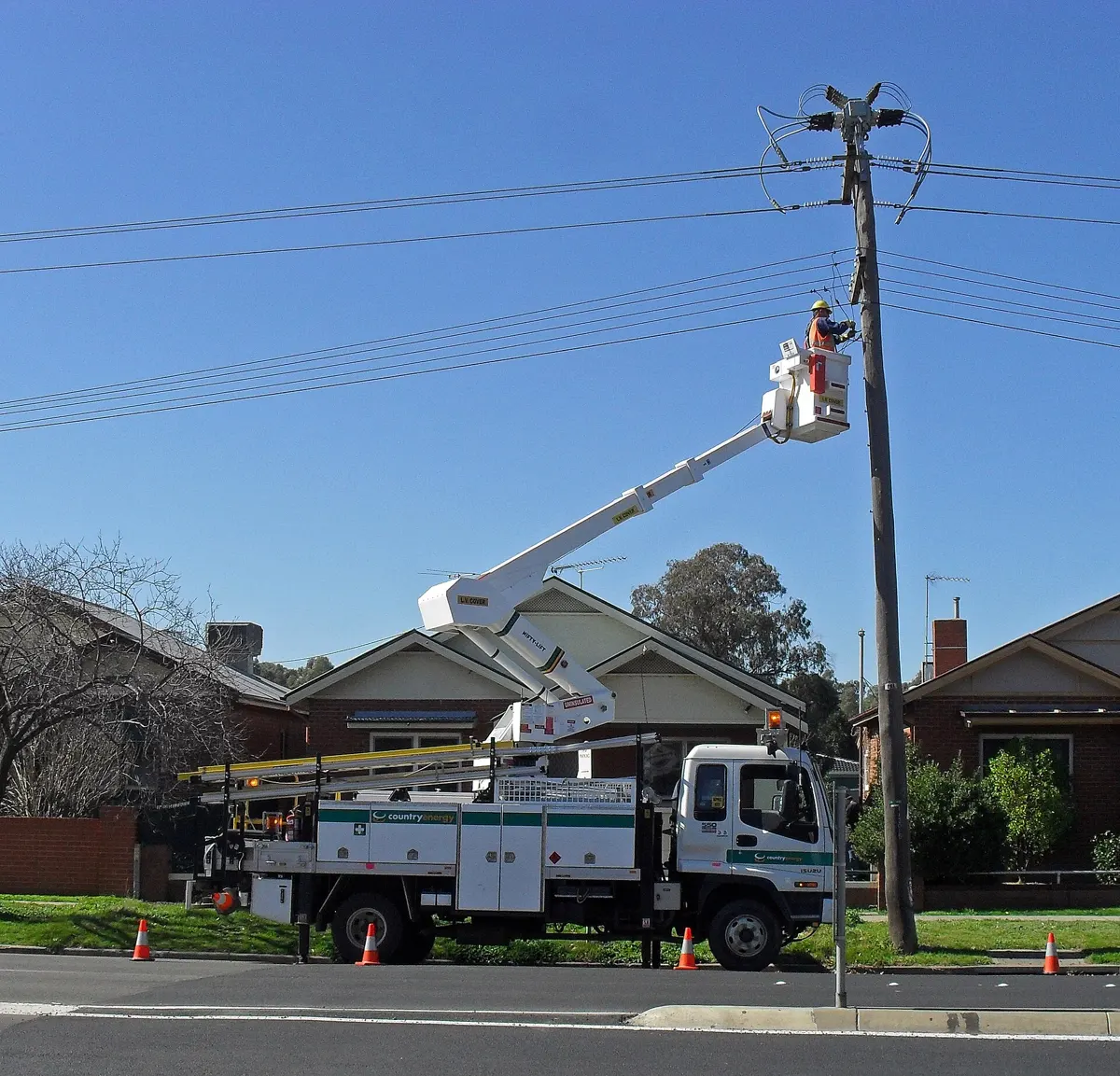
Tool-free wrapping also widens who can do the work. A two-person distribution crew installs a grip or a tie without a press, a generator or a crimping die on board. PLP designed the Distribution-Grip Dead-End so the conductor continues through the termination without cutting and splicing, which keeps the span serviceable while the termination itself is replaced.
Speed compounds across a program. Fewer special tools in the truck, fewer return visits for a missed torque value, and fewer hardware pieces lost in the weeds at the pole base. Color coding and center marks on armor rods shorten the alignment step that used to slow new crews down.
The cost line that moves first is reactive dispatch. Every failure prevented at a support point, tie or termination is a call the control room never takes.
Where Preformed Hardware Fits Best on Rural Grids
The payback is clearest in four places. They are spans longer than 91 m, exposed terrain with steady wind, tie points with recurring insulator abrasion, and terminations with loose-bolt callbacks.
Ties deserve a specific look on older rural lines. A formed insulator tie with its tube armoring layer takes the abrasion that bare tie wire transfers to both conductor and insulator groove. PLP also documents its distribution ties above NESC requirements for unbalanced load. The preformed insulator tie guide walks through conductor and insulator matching.
Honest limits keep the program credible. Armor rods are not vibration dampers, damage beyond half the outer strands needs a splice or rebuild, and steel-strand applications need galvanized steel wire rather than aluminum alloys. A stock list that says so earns fewer arguments at the pole.
What to Check on Rural Inspection Rounds
A formed wire program pays only if rounds catch damage early. Aeolian vibration is wind-induced, high-frequency and low-amplitude, so strand fatigue rarely shows from ground level. The peer-reviewed evidence points to where crews should look first: the conductor surface near the suspension clamp exit.
Tie points get the same attention. PLP attributes conductor and insulator abrasion to motion under sway, aeolian vibration and galloping, and documents its tie tube as the armoring layer that stops it. In our experience, that wear shows up first as a bright band on the conductor where it enters the tie.
Damage assessment then follows the AFL threshold. When no more than half the outer strands are damaged outside the support point, armor rods remain a repair option; beyond it, plan a splice or a rebuild. Photographing the span keeps the next crew from re-diagnosing the same damage twice.
Key Takeaways for Rural Maintenance Planners
Rural maintenance costs concentrate at support points, ties and terminations. Preformed line products move the failure math: rods shield fatigue points, grips end loose-bolt terminations, splices repair instead of replace. RaxPower has built pole line hardware since 2003 and supplies formed wire to utility, contractor and distributor programs worldwide.
Questions fréquemment posées
What are preformed line products?
Helical formed-wire components — armor rods, dead-end grips, insulator ties and strand splices — wrapped onto overhead conductors by hand. They protect support points, terminate spans and repair damaged conductors without pressing or bolting tools.
Do armor rods stop conductor vibration?
No. They improve the conductor’s ability to withstand aeolian fatigue forces at the support point but do not function as vibration dampers, per AFL. Spans with sustained vibration still need damper sets.
When can armor rods repair a damaged conductor?
AFL allows repair when no more than 50% of the outside strands are damaged outside the support point. Within that limit, armor rods restore 100% of the line’s rated conductance and strength.
Why are formed wire dead-ends faster to install?
They wrap on by hand with no bolts, nuts or washers to torque, and no tools except hot-stick applications, per PLP. One climb replaces the bolted assembly sequence.
Do preformed products fit any conductor?
No. Each item is wound for a conductor family and diameter band — ACSR, AAC, AAAC or steel strand — with right-hand lay standard for aluminum-based material. Match the label band to the measured diameter.
How do preformed products cut maintenance costs?
Through mechanisms, not miracles: fewer loose-bolt failures, fewer truck rolls for tool-heavy installs, faster storm repairs at the pole, and deferred reconductoring where armor rods or splices restore serviceability.