
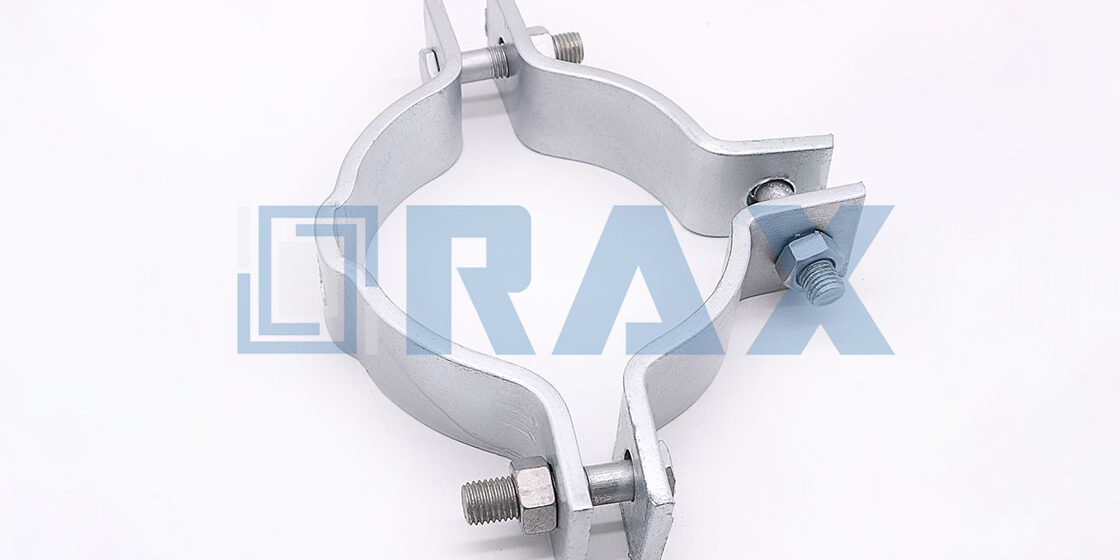
Los sujetadores de línea de poste son la interfaz crítica entre el accesorio de su servicio público y el propio poste, sin embargo, los equipos de adquisición frecuentemente confunden la resistencia del material con la resistencia a la corrosión superficial. La mayoría de las especificaciones de ingeniería establecen por defecto la galvanización en caliente por su protección sólida contra el deterioro ambiental, pero este acabado viene con una contrapartida metalúrgica específica que a menudo toma por sorpresa a los ingenieros de EPC durante las pruebas de carga de alto estrés.
Hemos visto lotes de pernos de acero al carbono A307 fallar en las pruebas de par hasta fluencia no porque el material base fuera débil, sino porque el proceso de galvanizado introdujo fragilización por hidrógeno en grados endurecidos. Este artículo desglosa las limitaciones mecánicas del acero al carbono desnudo frente a los acabados galvanizados, examinando cómo ISO 1461 las reglas de espesor y la agresividad del suelo impactan directamente el costo total de propiedad de su proyecto.
Encontrará un camino claro para seleccionar el sujetador adecuado comparando tasas de corrosión entre diferentes categorías atmosféricas y entendiendo exactamente cuándo el galvanizado reduce la resistencia a la tracción. También cubrimos los cambios de fricción que conducen a la pérdida de par de instalación y los específicos Normas ASTM que previenen costosas fallas de cumplimiento en el campo.
Selección de materiales para entornos específicos
Descodificación de las categorías ISO de corrosividad atmosférica
La durabilidad de la red eléctrica comienza con una evaluación ambiental precisa, no con una selección genérica de material. El norma ISO 9223 define las categorías de corrosividad desde C1 hasta C5, e identificar erróneamente la categoría de un sitio es un factor clave en el fallo prematuro de las infraestructuras.
- C2 (Baja): Entornos rurales o interiores estándar con bajos niveles de contaminación.
- C3 (Media): Zonas industriales o costeras moderadamente salinas que requieren protección robusta.
- C4/C5 (Alta/Muy Alta): Complejos industriales pesados o entornos marinos agresivos con altas concentraciones de sal.
Al especificar el hardware para aplicaciones en líneas de postes, el requisito base cambia drásticamente según estas clasificaciones. Un acabado galvanizado básico estándar que sobrevive cómodamente en un entorno C2 se degradará rápidamente si se despliega en una zona C5 sin especificaciones mejoradas. Evaluamos cada proyecto según su microclima específico para asegurar que la resistencia a la corrosión seleccionada coincida con la realidad operativa.
Límites de galvanizado en caliente para áreas costeras
En zonas costeras, la concentración de cloruros en el aire acelera el consumo de las capas protectoras de zinc. Para combatirlo, la industria confía en la galvanización por inmersión en caliente (HDG) conforme a la norma ISO 1461, pero solo cuando se ejecuta cumpliendo umbrales estrictos de espesor.
Para proyectos costeros de alta salinidad, el recubrimiento de zinc debe superar un espesor medio de 85 micras. En nuestras revisiones de ingeniería, encontramos que mantener este umbral es crítico porque los recubrimientos más delgados, a menudo encontrados en fabricaciones no conformes, no logran cubrir la brecha entre la instalación inicial y la integridad estructural a largo plazo. La galvanización por inmersión en caliente proporciona un enlace metalúrgico al sustrato de acero al carbono, asegurando que incluso si la superficie se rasca durante la instalación de servicios, el zinc proteja sacrificialmente el fijador subyacente.
Límites de exposición a la humedad para acero al carbono desnudo
Es un hecho de ingeniería fundamental que el acero al carbono desnudo no puede usarse al aire libre. No existe un “límite de exposición a la humedad” para el acero sin recubrir en hardware de líneas de postes; cualquier presencia de humedad atmosférica iniciará la oxidación. A diferencia de los aceros patinables que pueden formar una pátina estable en condiciones específicas, el acero al carbono desnudo carece de los elementos de aleación necesarios y se corroerá rápidamente al exponerse a la lluvia, el rocío o la condensación.
Para la contratación B2B, asumir que el acero desnudo puede sobrevivir en climas húmedos es un error costoso. Cualquier componente destinado a la implementación aérea debe poseer una capa protectora. La distinción no radica en si usar acero desnudo versus acero tratado, sino en seleccionar el grosor de tratamiento correcto para manejar la frecuencia específica de humedad y la salinidad de la región de despliegue.
Impacto de la acidez del suelo en la durabilidad de los anclajes
Aunque las condiciones atmosféricas determinan la vida útil del hardware expuesto de los postes, la química del suelo se convierte en el vector de amenaza principal para anclas terrestres y conexiones subterráneas. La agresividad del suelo está determinada en gran medida por los niveles de acidez, medidos como pH, junto con la resistividad del suelo y el contenido de cloruros.
Los suelos ácidos atacan activamente el recubrimiento de zinc y el metal base. Si el pH del suelo desciende significativamente por debajo de la neutralidad, la capa protectora galvánica se degrada mucho más rápido de lo que lo haría en suelos neutros o alcalinos. Al diseñar cimentaciones para arrays solares o postes de transmisión pesados en regiones altamente ácidas, los recubrimientos básicos estándar pueden alcanzar su vencimiento prematuramente. En tales casos, a menudo recomendamos evaluar aplicaciones de recubrimiento mejoradas o lechos químicos suplementarios para aislar la ancla del contacto directo con el suelo, asegurando que el eje helicoidal mantenga su capacidad de torque estructural durante décadas de operación.
| Entorno | Material y acabado | Especificación del recubrimiento | Beneficio |
|---|---|---|---|
| General / Industrial | Acero al carbono, galvanizado por inmersión en caliente (ISO 1461) | >85 micras de espesor medio | Resistencia a la corrosión rentable para redes eléctricas estándar |
| Costero / Marino (C4-C5) | Acero al carbono de alta resistencia, HDG forjado en caliente | Capa de zinc mejorada de 85+ micras | Resistencia superior a la niebla salina e integridad estructural mediante forjado en caliente |
| Frío extremo / Ártico | Acero aleado, fijadores de alta carga de rotura | HDG conforme a la norma ISO 1461 | Mantiene la ductilidad y la resistencia en temperaturas bajo cero sin fallo frágil |
| Cimentaciones para fotovoltaica solar | Anclas helicoidales/tornillo, galvanizadas por inmersión en caliente | Recubrimiento uniforme de 85+ micras | Previene la corrosión del suelo y garantiza la estabilidad a largo plazo de la cimentación para arrays solares |

Tasas de corrosión: acero al carbono vs. galvanizado
Distinción clave: El acero galvanizado es acero al carbono protegido por un recubrimiento de zinc; la tasa de corrosión está determinada por la velocidad de agotamiento del zinc en lugar de la oxidación inmediata del acero.
Material vs. tratamiento superficial: definición de la relación
Un malentendido crítico en las adquisiciones es tratar el hardware galvanizado como un competidor de material distinto al acero al carbono. En realidad, la galvanización es un tratamiento superficial aplicado a los fijadores de acero al carbono para mitigar la vulnerabilidad inherente del metal base. El acero al carbono proporciona la resistencia a la tracción y la capacidad de carga necesarias requeridas para el hardware de líneas de postes, pero es metalúrgicamente susceptible a la oxidación. Sin intervención, este material reacciona rápidamente con la humedad y el oxígeno atmosféricos. La galvanización no reemplaza la integridad estructural del acero al carbono; actúa como una barrera sacrificial, asegurando que el proceso de corrosión consuma el recubrimiento de zinc en lugar del sustrato de acero estructural.
Inicio de óxido rojo: cronologías comparativas
La métrica principal para evaluar el rendimiento contra la corrosión es la aparición del “óxido rojo”, que indica el fallo de la capa protectora y la oxidación del hierro base.
- Acero al carbono desnudo: En condiciones atmosféricas estándar, la formación de óxido rojo comienza casi inmediatamente tras la exposición a la humedad. La oxidación visible puede aparecer en horas o días, llevando a una rápida pérdida de sección y a una integridad estructural comprometida.
- Acero galvanizado: El recubrimiento de zinc aísla físicamente el acero del entorno. El óxido rojo se pospone hasta que la capa de zinc se agota por completo o se penetra. Este proceso extiende la vida funcional del hardware durante décadas, dependiendo del espesor del recubrimiento y la agresividad ambiental.
Mecanismos de fallo: oxidación uniforme vs. agotamiento sacrificial
Los modos de fallo de estas dos opciones difieren fundamentalmente. El acero al carbono desnudo exhibe una oxidación uniforme, donde la superficie del material se erosiona constantemente, reduciendo el área transversal y por lo tanto la capacidad de carga del hardware. En contraste, el acero galvanizado funciona mediante una defensa en dos fases. Inicialmente, actúa como una barrera física. Si el recubrimiento se raya o daña, el zinc circundante se corroe preferentemente respecto al acero expuesto (protección catódica), sellando la pequeña rotura con productos de corrosión del zinc. El fallo total solo ocurre cuando la masa de zinc se agota, momento en el cual el acero al carbono subyacente comienza a oxidarse al mismo ritmo que el material sin recubrir.
La densidad del recubrimiento, más que la mera presencia de zinc, dicta la longevidad del hardware en entornos de alta corrosión. Un recubrimiento más pesado proporciona un mayor reservorio de zinc para sacrificar, retrasando significativamente el inicio del óxido rojo en el sustrato de acero al carbono.
Cómo la agresividad del suelo afecta la durabilidad
El suelo no es un medio estático sino un electrolito corrosivo que puede consumir agresivamente los recubrimientos protectores. Aunque la galvanización por inmersión en caliente estándar ofrece una protección robusta para la exposición atmosférica, el hardware enterrado en suelos de baja resistividad o químicamente agresivos requiere especificaciones de recubrimiento significativamente mejoradas para prevenir la degradación estructural rápida.
El efecto electrolito: por qué el suelo corroe más rápido que el aire
A diferencia de la corrosión atmosférica donde el oxígeno y la humedad son los principales impulsores, la corrosión en el suelo es electroquímica. Cuando el acero al carbono o el hardware galvanizado se entierra, el suelo actúa como un electrolito, permitiendo que la corriente fluya entre áreas anódicas (que se corroen) y catódicas (protegidas) en la superficie del metal. La tasa de esta degradación está determinada principalmente por la resistividad del suelo, que es inversamente proporcional a la corrosividad. Los suelos de baja resistividad, típicamente aquellos con alto contenido de humedad, alta salinidad o sales iónicas disueltas, aceleran la reacción electroquímica, llevando a tasas de fallo significativamente más altas que las observadas en entornos aéreos.
Para los compradores, esto significa que un perno en U galvanizado o una barra de ancla que funciona adecuadamente en una traversa puede deteriorarse rápidamente si la misma especificación se usa bajo tierra. La falta de exposición a los rayos UV no equivale a seguridad; de hecho, la presencia constante de humedad y la química del suelo crean un vector de ataque más agresivo para el metal base.
Tasas de degradación: acero al carbono vs. sistemas galvanizados
The vulnerability of the underlying material varies drastically based on the protective barrier. In aggressive soil conditions, bare carbon steel is subject to severe pitting corrosion. Pitting is particularly dangerous for pole line hardware because it is localized; a component can lose up to 50% of its structural integrity while appearing visually intact on the surface.
- Acero al carbono desnudo: In corrosive soil (pH < 4 or > 9, high chloride content), carbon steel can exhibit corrosion rates exceeding 0.1 mm per year, leading to critical section loss in standard anchors within a decade.
- Acero galvanizado: The zinc coating acts as a sacrificial anode, corroding preferentially to protect the steel substrate. However, in aggressive soils with low resistivity, the consumption rate of zinc accelerates. Once the zinc layer is breached, the underlying steel corrodes at the same rate as bare carbon steel.
Integridad del recubrimiento y el umbral de 85 micras
For pole line hardware, the standard ISO 1461 specification typically results in a mean coating thickness exceeding 85 microns. While this thickness is sufficient for moderate atmospheric environments (C3/C4), it serves as a minimum baseline for buried applications. In aggressive soils, the service life of an 85-micron coating is finite. The industry “rule of thumb” suggests that approximately 12 to 15 microns of zinc coating are consumed per year in severely corrosive environments, meaning a standard coating could be compromised in under a decade.
For critical infrastructure in known aggressive zones, specifications must move beyond the standard minimum. Increasing the coating thickness—often achieved through specialized galvanizing processes or specifying >100 microns—is the primary defense. Ensuring coating integrity also requires rigorous inspection pre-installation; any damage to the zinc layer during transport or installation creates an immediate corrosion cell in the soil, drastically shortening the lifespan of the hardware.
A frequent failure mode in utility projects is using pole line hardware specified for atmospheric exposure (e.g., C4 class) for buried anchor rods or foundations. The coating thickness optimized for air (often 70-85 microns) is insufficient for the electrolytic nature of aggressive soil. Always specify soil corrosivity class (per ISO 9223 soil categories or ASTM G162) separately from atmospheric class to avoid premature red rust on anchors.

ISO 1461 y reglas de espesor ASTM A153
Procurement failures in pole line hardware frequently stem from confusing ASTM A153 and ISO 1461 thickness rules. A mean coating thickness exceeding 85 microns—verified via SGS—is the non-negotiable standard for infrastructure-grade durability.
La confusión en adquisiciones entre ISO 1461 y ASTM A153
In global utility procurement, B2B buyers often conflate ASTM A153 and ISO 1461 standards. Both govern hot-dip galvanizing, but their compliance metrics differ drastically, leading to catastrophic field failures if misapplied. ASTM A153 is strictly an acceptance standard; it defines minimum local coating weights but remains largely silent on the rigorous measurement protocols required for complex geometries. In contrast, ISO 1461 provides a comprehensive framework that dictates exact sampling procedures and precise metallurgical testing methods.
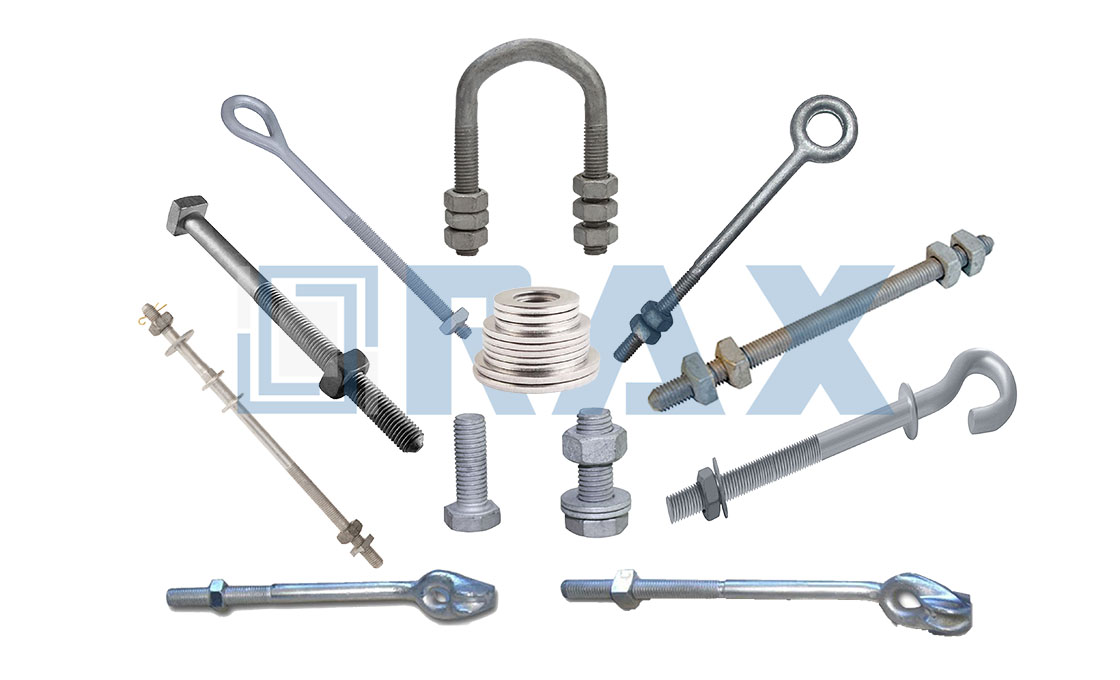
When sourcing galvanized pole line fasteners—such as U-bolts, eye bolts, and double-arming bolts—buyers must demand ISO 1461 compliance rather than relying solely on ASTM A153 labels. The ISO framework forces the galvanizer to prove mean coating thickness across varied surface areas, effectively filtering out low-quality, thin coatings that might technically pass a localized ASTM A153 spot check but fail under long-term environmental stress.
Degradación del agarre de roscas y acumulación de recubrimiento
The primary engineering risk of hot-dip galvanizing is thread degradation. The zinc coating adds measurable material thickness to the fastener’s threads. If a manufacturer ignores this buildup, the resulting mating nut will either fail to engage entirely or require oversized, custom-threaded components, inflating project costs significantly. Conversely, buyers frequently make the mistake of over-spinning galvanized threads to force assembly. This aggressive mechanical action scrapes away the zinc coating at the primary engagement surfaces, instantly creating high-stress corrosion pathways exactly where structural integrity is most critical.
Malinterpretación de especificaciones estándar y protocolos de muestreo
- Sampling Protocol Variance: ASTM A153 relies heavily on statistical sampling, which leaves a margin for error in small batches. ISO 1461 demands strict adherence to sampling based on component mass and surface area, ensuring every batch of utility hardware meets baseline metallurgical thresholds.
- Embrittlement Testing Requirements: Fasteners plated to thick gauges are highly susceptible to hydrogen embrittlement. ISO 1461 mandates rigorous sampling protocols based on component mass, unlike the laxer ASTM A153 standards. While A153 relies heavily on statistical sampling which leaves a margin for error in small batches, ISO 1461 demands strict adherence to sampling based on component mass and surface area, ensuring every batch of utility hardware meets baseline metallurgical thresholds.
Umbral de espesor en micras: prevención de óxido blanco
To prevent white rust (zinc oxide hydroxide formation) and structural pitting in humid environments, mean coating thickness is the ultimate determinant of lifespan. While industry minimums can fluctuate based on base steel thickness, true infrastructure-grade galvanized pole line hardware must exceed a mean coating thickness of 85 microns. This specific threshold ensures the zinc barrier remains intact long after decorative or light-industrial platings have fully oxidized.
Achieving and verifying this >85 micron benchmark requires advanced automation and precise immersion timing in the galvanizing pot. Any deviation below this micrometer range compromises the protective barrier, rendering the fastener vulnerable to rapid corrosion. Buyers should always require SGS-tested verification of these micron levels, as visual inspection alone cannot reliably quantify coating integrity.
Comparación de resistencia y capacidad de carga
Galvanizing ensures longevity but introduces dimensional variables that, if unmanaged, can compromise thread engagement and effective clamping force.
El impacto de la acumulación de recubrimiento en la integridad de la rosca
A primary concern when comparing galvanized components to bare carbon steel is the physical change in geometry caused by the coating process. Hot-dip galvanizing adds a layer of zinc to the surface, which can significantly alter the thread profile. For pole line hardware, where high-vibration loads are common, thread engagement depth is not a trivial detail—it is the mechanism that transfers the load. If the coating thickness on the male threads is not accounted for, the nut may bind before achieving full seating, or worse, strip the threads during installation.
Industry best practice dictates that galvanized fasteners require either oversized taps on female components or thread-chasing after galvanizing to ensure a proper fit. Simply forcing a standard nut onto a heavily coated bolt reduces the effective shear area of the threads. This reduction turns a theoretically high-strength carbon steel bolt into a weak point in the assembly, as the load is no longer distributed across the full thread height but concentrated on the first few threads.
Estructura granular y rendimiento a la tracción
While the material grade (typically carbon steel) sets the baseline for yield strength, the manufacturing method determines the ultimate load capacity. For critical overhead line hardware, hot-forging is the superior process compared to casting. Hot-forging refines the internal grain structure of the steel, aligning it with the contours of the hardware. This continuous grain flow creates a component that can withstand higher tensile and shock loads without the risk of internal voids or inclusions common in cast parts.
When evaluating load capacity, specifiers should look for evidence of this structural integrity. A hot-forged galvanized eye bolt or clamp maintains its ductility, allowing it to deform slightly under extreme stress (giving a visual warning of failure) rather than fracturing catastrophically. This distinction is vital for safety chains and guy anchors, where the failure mode must be predictable and gradual rather than sudden.
Evaluación de la carga de comprobación frente al límite de carga de trabajo
System safety relies on distinguishing between Working Load Limit (WLL) and Proof Load during procurement. The WLL represents the maximum load the hardware should experience in daily service, typically calculated with a safety factor of 5:1. In contrast, the proof load is a test load applied to verify the component’s elasticity; it is higher than the WLL but remains below the yield point. Galvanized carbon steel hardware must undergo these tests after coating to ensure the galvanizing process did not induce hydrogen issues or alter the material’s elastic properties.
Verifying load capacity requires checking that the hardware has been tested to recognized international standards without relying on the base metal properties alone. A rigorous double-review process during manufacturing helps catch dimensional variations that would otherwise affect load distribution. For utility contractors, the key takeaway is that a high-grade carbon steel bolt is only as strong as its weakest point—often the threads—making the precision of the galvanizing finish a direct factor in load capacity.
| Característica | Especificación | Ventaja |
|---|---|---|
| Proceso de fabricación | Hot-Forging Technology | Superior grain structure and tensile strength vs. casting |
| Tolerancia dimensional | Strict +/- 1mm | High-precision fit for automated utility installation |
| Resistencia a la corrosión | ISO 1461 Hot-Dip Galvanizing (>85 microns) | Maximum durability in extreme environmental conditions |
| Garantía de calidad | Double-Review + In-house IEC 120 Load Testing | Verified structural integrity and zero-defect delivery |

¿Reduce el galvanizado la resistencia a la tracción?
For standard carbon steel pole line hardware, hot-dip galvanizing does not reduce tensile strength; rather, the thermal cycle acts as an annealing process that relieves internal forging stresses. However, for high-strength alloys exceeding 150 ksi (1034 MPa) or 33 HRC, the acid pickling phase prior to coating introduces a critical risk of hydrogen embrittlement, which can compromise structural integrity.
Efectos del recocido térmico en el acero al carbono estándar
In the context of standard utility hardware—such as guy clamps, pole bands, and U-bolts fabricated from low or medium carbon steel—the hot-dip galvanizing process is metallurgically beneficial. The immersion of steel components into a molten zinc bath at approximately 860°C (1580°F) subjects the material to a thermal cycle. This cycle effectively anneals the steel, normalizing the grain structure and relieving residual stresses induced by cold-forming operations like bending or threading.
Consequently, for these standard grades, the galvanizing process maintains the material’s original tensile load capacity while significantly enhancing ductility. Provided the fabrication process adheres to correct bending radii to avoid cracking prior to galvanizing, the finished hardware exhibits no reduction in ultimate tensile strength (UTS).
Riesgos de fragilización por hidrógeno en sujetadores de alta resistencia
Tensile strength degradation in fasteners is primarily driven by hydrogen embrittlement rather than thermal annealing. While the hot-dip galvanizing process itself does not degrade the steel, the pre-treatment stage—specifically acid pickling used to remove surface oxides—can introduce atomic hydrogen into the steel matrix. In steels with hardness exceeding 33 HRC or tensile strength above 150 ksi, this hydrogen cannot diffuse out and becomes trapped at grain boundaries, leading to Hydrogen Embrittlement (HE).
Engineers frequently specify hot-dip galvanizing for high-strength anchor bolts or tension rods (e.g., ASTM A490, A354 BD, or SAE J429 Grade 8) without realizing the acid bath renders them susceptible to sudden, brittle fracture under load, often weeks or months after installation.
To mitigate this, high-strength components must undergo mechanical cleaning (abrasive blasting) instead of acid pickling, or be subjected to a post-plating baking treatment to drive out absorbed hydrogen. For standard pole line hardware, which typically falls well below the 150 ksi threshold, this risk is negligible, and standard galvanizing protocols apply safely.
Corrosión vs. pérdida de sección: retención de resistencia a largo plazo
When evaluating tensile strength, the distinction between “initial strength” and “service-life strength” is vital. While bare carbon steel theoretically retains 100% of its initial tensile strength at installation, it immediately begins to suffer section loss due to atmospheric corrosion. In corrosive environments (Categories C3 to C5), unprotected steel can lose significant cross-sectional area within years, directly reducing its load-bearing capacity.
Galvanized hardware, however, utilizes a zinc coating that sacrifices itself anodically to protect the base steel. By preventing rust and pitting, the galvanizing preserves the steel’s original cross-sectional dimensions throughout its design life. Therefore, over a 20 to 50-year service cycle, galvanized components demonstrate superior *functional* tensile retention compared to uncoated steel, even if the initial metallurgical properties are identical.
Riesgos de fragilización por hidrógeno en sujetadores
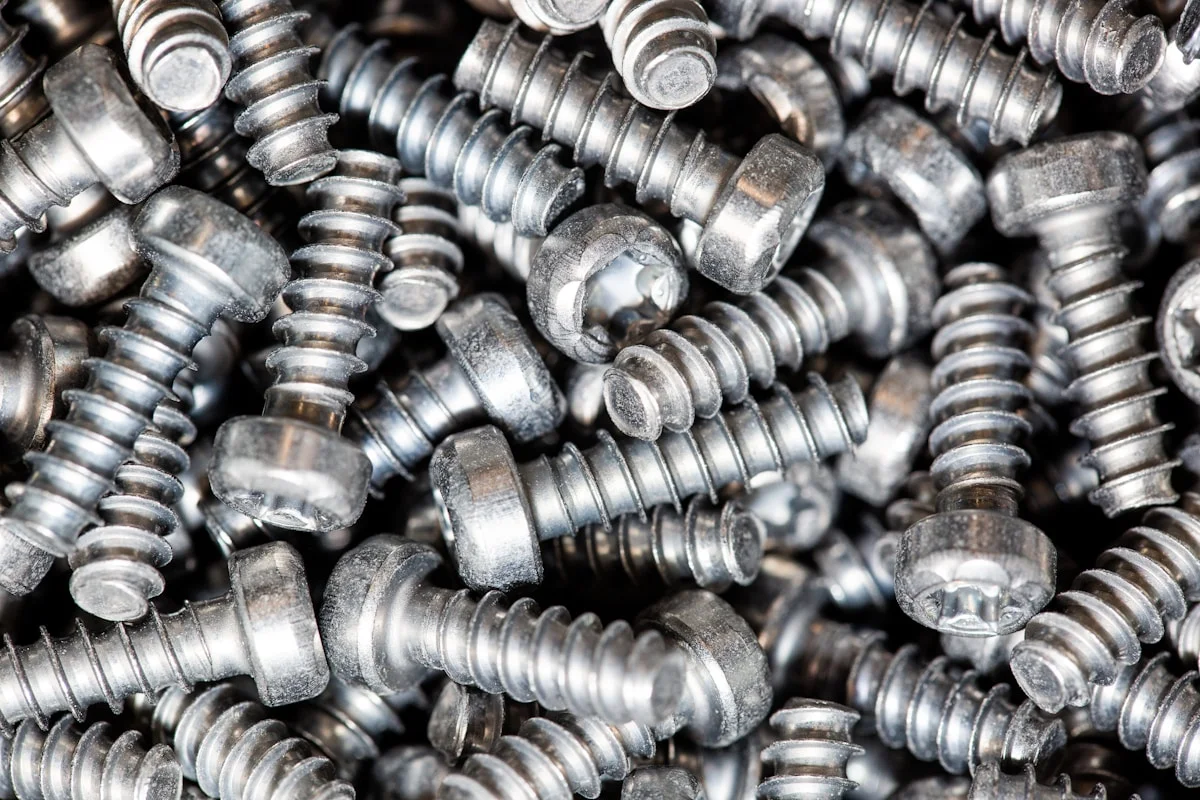
Hydrogen embrittlement poses an invisible threat to high-strength pole line hardware exceeding 150 ksi. While the galvanizing process is designed to preserve cross-sectional dimensions throughout a 20 to 50-year service life, the acid pickling stage introduces atomic hydrogen that undermines this durability. This leads to intergranular cracking and sudden, catastrophic brittle fracture, often occurring within hours of installation rather than through long-term degradation.
El umbral de dureza y los grados susceptibles
Low-carbon steel hardware remains immune to hydrogen embrittlement risks inherent in high-strength alloys. The risk escalates significantly when dealing with high-performance structural fasteners designed for heavy load-bearing applications, where the absence of mandatory relief baking creates a latent defect that may cause components to snap during initial torquing or shortly after energization.
Omitting hydrogen embrittlement relief baking creates latent defects in high-strength fasteners like ASTM A490. Therefore, B2B buyers must verify that post-plating heat treatment is applied to neutralize this risk. This critical mitigation strategy requires baking components at 375-400°F for 4 to 24 hours, allowing sufficient time for hydrogen to diffuse out of the steel lattice.
- ASTM A490 / A325 Type 3: High-strength structural bolts used in critical tower connections are highly susceptible if hardness approaches or exceeds 33 HRC.
- ASTM A354 Grade BD: Commonly specified for heavy-duty double-armming bolts and guy clamp bolts where high clamping force is required.
- SAE J429 Grade 8: Frequently used in specialized tensioning hardware; these require strict controls during the galvanizing process to prevent absorption.
Mitigación: horneado y control de proceso
For B2B buyers, the mitigation strategy relies entirely on the manufacturer’s adherence to post-plating heat treatment, known as “baking.” This process involves heating the fasteners to temperatures between 375°F and 400°F (190°C – 205°C) for a duration typically ranging from 4 to 24 hours, depending on the fastener’s diameter and plating thickness. This thermal energy allows the trapped hydrogen to diffuse out of the steel before the hardware is placed into service.
When procuring batch orders of high-strength galvanized fasteners, require the mill certificate to explicitly reference compliance with ASTM F1940 (Standard Test Method for Hydrogen Embrittlement Testing for Plating Processes). This confirms that the supplier has validated their baking cycle to effectively negate hydrogen uptake, ensuring the fasteners meet the requisite notch tensile strength requirements.
Realidades de instalación y fallos en campo
The insidious nature of hydrogen embrittlement lies in its delay mechanism. Fasteners affected by this phenomenon rarely fail during handling or storage; they typically fracture under sustained tensile load. In the context of pole line hardware, this means a U-bolt or suspension clamp bolt may hold its initial torque during installation but fail hours later when the conductor settles or wind loads introduce dynamic stress. Distinguishing this from overload failure is vital: embrittled fractures are typically flat and crystalline with little to no plastic deformation (necking), whereas ductile overload failures show significant stretching and thinning.
Cambios de fricción y pérdida de par
Comprensión del cambio en el coeficiente de fricción
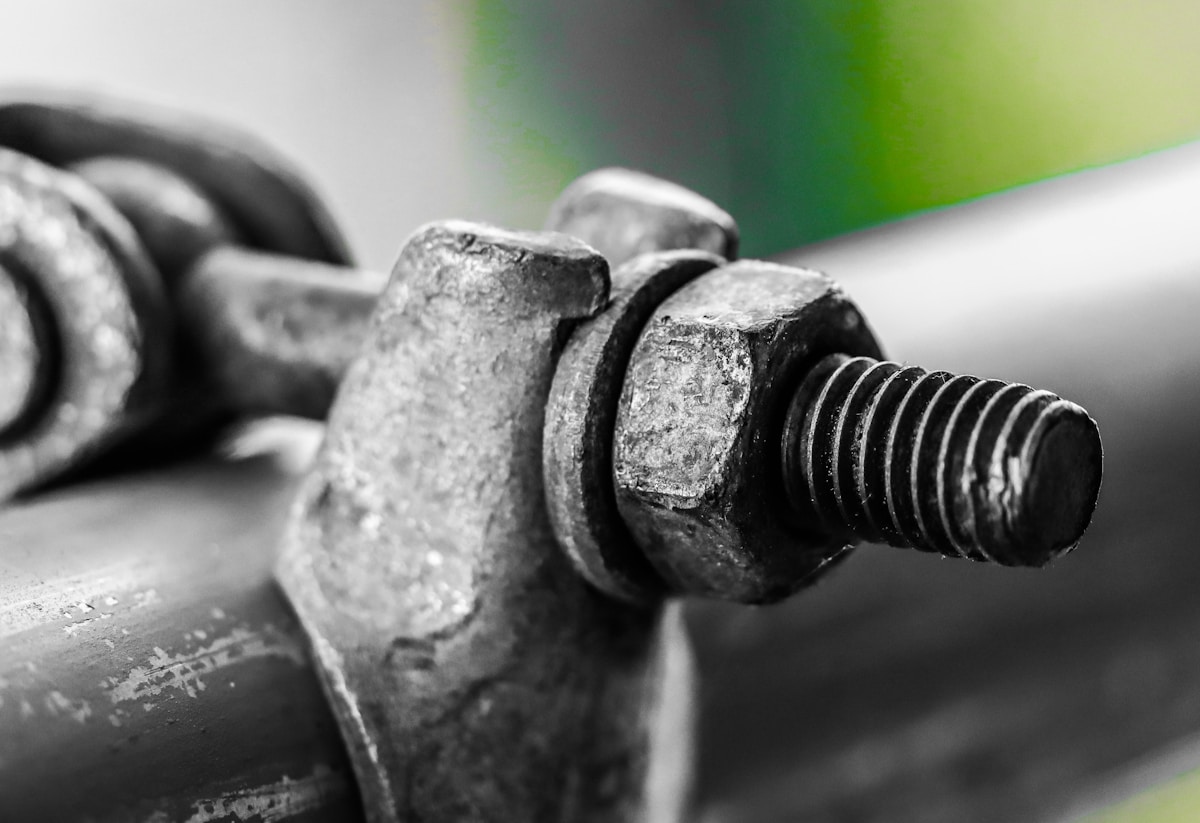
The transition from bare carbon steel to hot-dip galvanized fasteners fundamentally alters the physics of the connection. It is not merely a coating addition; it is a dimensional and frictional change that directly impacts installation integrity. In bare steel applications, the friction coefficient typically remains consistent between 0.12 and 0.15. However, the zinc layer inherent in galvanized pole line hardware increases this coefficient significantly, generally ranging from 0.16 to 0.25. This variation is not linear and depends heavily on the coating thickness and thread fit, creating a complex variable for field installation teams.
Key Insight: Because galvanizing changes the friction coefficient, using standard torque tables designed for bare steel can result in clamping forces that are up to 30% lower than required, directly jeopardizing the holding power of U-bolts and pole bands.
La mecánica de la pérdida de par y la precarga
The relationship between applied torque and resulting tension (preload) is governed by the nut factor, which is directly influenced by friction. When the friction coefficient rises due to the zinc layer, a larger portion of the applied torque is consumed by overcoming friction between the threads and the bearing face, rather than converting into useful clamping force. therefore, if a standard torque specification is applied to a galvanized fastener, the actual preload achieved will be insufficient. This “torque loss” is not a mechanical failure of the bolt itself, but a calculation failure in the installation process. For utility hardware like crossarm braces or guy clamps, insufficient preload leads to slippage under load, which can cause structural movement or conductor damage.
Riesgos de sobrepasar el par y daño al recubrimiento
Conversely, attempting to compensate for high friction by increasing torque introduces severe risks. The zinc coating, while providing essential corrosion resistance, is softer than the underlying steel substrate. Excessive torque can shear or wipe away the galvanizing at the thread roots and nut-bearing surfaces.
- Coating Breach: Damaging the zinc layer exposes raw steel to the elements, creating a focal point for corrosion that can propagate beneath the remaining coating.
- Thread Galling: High friction combined with high pressure can cause cold welding (galling) between the internal and external threads, seizing the fastener during installation and making future maintenance nearly impossible.
- Embedment Relaxation: The rougher surface profile of galvanized coatings leads to higher levels of embedment, where surface peaks flatten out under load, causing the joint to relax and lose preload over time.
Estrategias para una instalación precisa
To mitigate these risks, procurement and engineering specifications must account for the specific friction characteristics of hot-dip galvanized hardware. Standard industry practice requires distinct torque tables for galvanized versus non-galvanized fasteners.
additionally, the use of lubricated galvanized coatings or specific waxes can stabilize the friction coefficient, allowing for more predictable torque-tension relationships. However, any lubrication used must be compatible with the galvanized layer to prevent hydrogen embrittlement or chemical degradation over the service life of the hardware.
Conclusión
Long-term durability in corrosive environments requires strict adherence to ISO 1461 thickness specifications. Relying on bare steel for permanent installations in acidic soils or coastal zones invites premature failure and costly pole replacements. To prevent hydrogen embrittlement, a silent killer of high-strength fasteners, proper baking must be utilized rather than relying on the galvanizing process alone. IEC 120 load testing and SGS verification confirm that proper thermal treatment preserves tensile strength. Choose galvanized hardware for long-term durability and reduced maintenance cycles.
We manufacture these components to strict quality standards, ensuring consistent coating adhesion. Share your project dimensions and environmental conditions for a custom feasibility review. Our engineers provide technical consultation without obligation. Contact our team for samples and precise load capacity data tailored to your infrastructure needs.
Preguntas frecuentes
¿Cómo impacta el espesor del recubrimiento en la durabilidad?
Los recubrimientos de zinc más gruesos proporcionan una vida útil más larga al retrasar la exposición del acero base a los elementos corrosivos. En zonas costeras o industriales, se requieren mayores espesores en micrones para resistir la exposición agresiva a la sal o a productos químicos. Elegir la clase correcta de recubrimiento es vital para garantizar que el hardware cumpla con la vida útil esperada de la red eléctrica.
¿Puedo mezclar piezas galvanizadas y de aluminio?
Mezclar acero galvanizado con aluminio crea una celda galvánica donde el acero actúa como cátodo y el aluminio como ánodo. Esto acelera la corrosión de los componentes de aluminio, lo que provoca un fallo prematuro. Deben utilizarse aislantes o arandelas para aislar eléctricamente los metales disimilares cuando deban ensamblarse juntos.
¿Cómo reparar el recubrimiento galvanizado dañado?
Las áreas dañadas exponen el acero sin revestir a la corrosión, por lo que requiere una reparación inmediata con pinturas o aerosoles ricos en zinc. Estos compuestos contienen partículas de zinc metálico que restauran el mecanismo de protección sacrificada. Las técnicas adecuadas de reparación en sitio son esenciales para mantener la integridad del conjunto durante la instalación y su posterior vida útil.
¿Por qué usar acero patinable en su lugar?
El acero patinable forma una apariencia estable similar a la herrumbre bajo la acción del clima, eliminando la necesidad de pintar. Sin embargo, no es adecuado para todos los entornos, particularmente aquellos con alto contenido de cloruros o ciclos frecuentes de humedad y sequedad. El acero galvanizado sigue siendo la opción preferida para la mayoría del herraje de líneas aéreas debido a su rendimiento predecible.
¿Dispone Raxpower de soluciones personalizadas OEM?
Raxpower ofrece servicios integrales de OEM/ODM para transformar los planos o conceptos del cliente en hardware para líneas de postes terminado. Nuestras capacidades incluyen el desarrollo de moldes personalizados para cumplir con requisitos dimensionales y técnicos específicos. Aprovechamos automatización avanzada y rigurosos protocolos de control de calidad para ofrecer soluciones certificadas de alta resistencia adaptadas a los estándares globales de servicios públicos.