
The same composite insulator that drifts through twenty uneventful years beside a cornfield can fight for survival on a headland six kilometers away. What separates those two careers is rarely voltage class or mechanical rating. It is the environment the string wakes up in: salt fog, cement dust, ice, thin mountain air or windblown sand. Reading that environment first is what turns a catalog purchase into an engineered application.
Since 2003, RaxPower has built pole line and overhead line hardware for utilities, line builders and distributors. The 170+ specialists across the company keep seeing the same lesson in export orders. The operating environment, not the datasheet midpoint, decides how a composite string should be specified. This guide indexes composite insulator applications by their dominant environmental stressor. The goal is a simple match between product structure and the site actually in front of you.
How Environment Reshapes Composite Insulator Applications
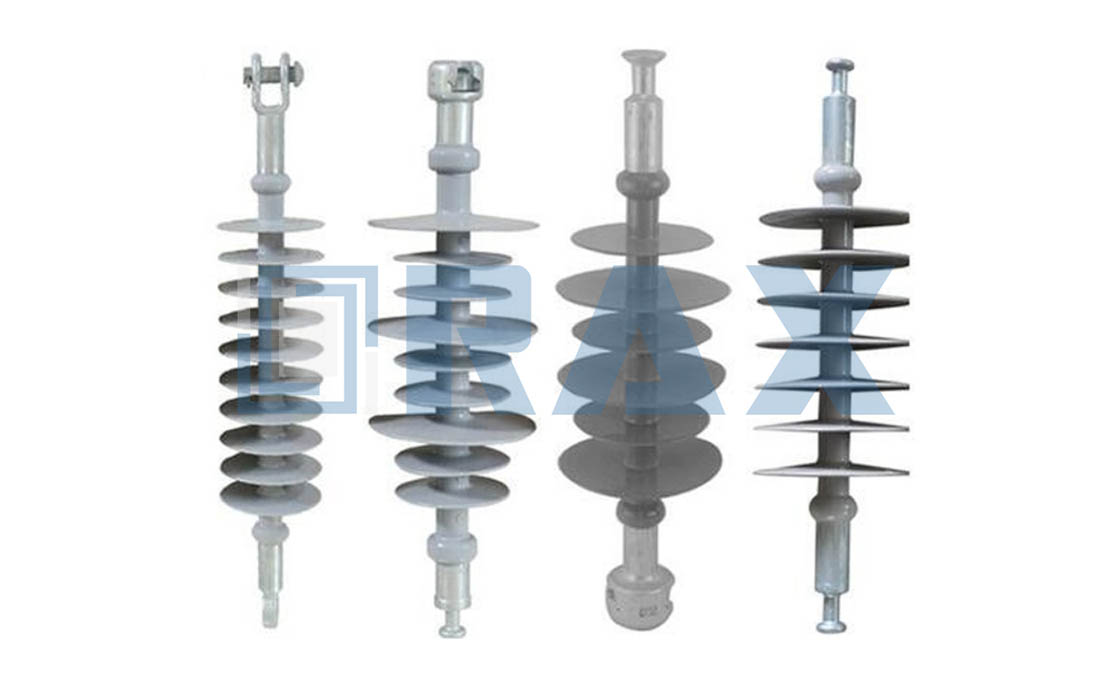
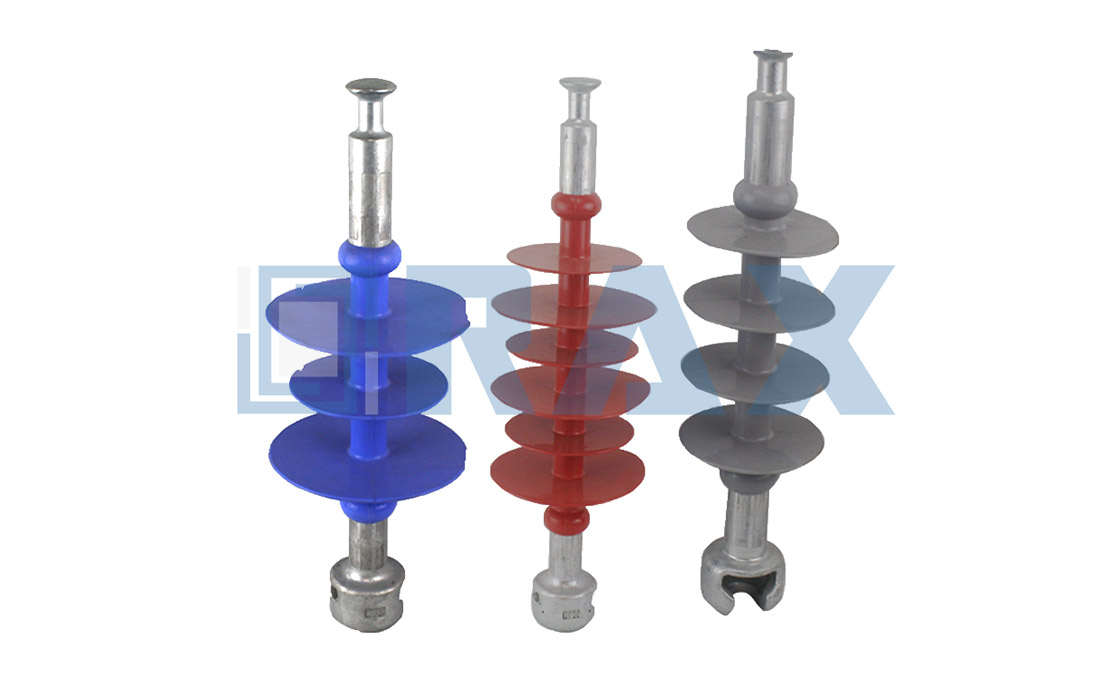
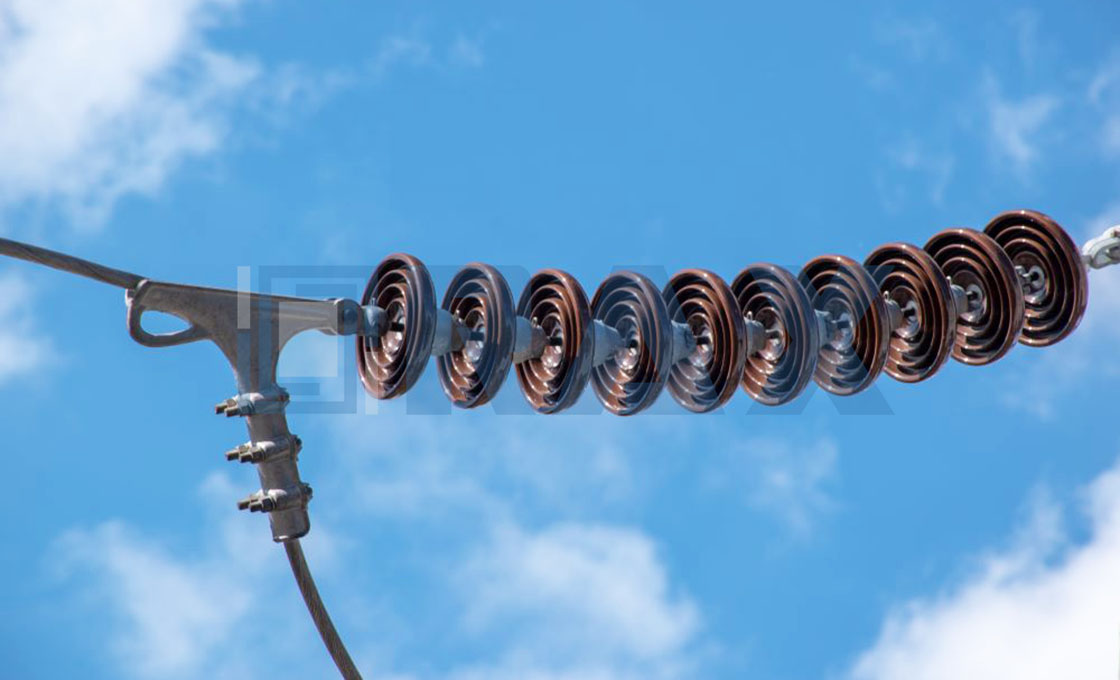
Every composite insulator shares one skeleton: a load-bearing fiberglass core rod, a silicone rubber housing with weather sheds, and aluminum end fittings. The core carries the tension, the fittings pass it to the tower, and the housing does all the weather work. That division of labor explains why environment, more than circuit diagrams, shapes composite insulator applications.
A housing fights three battles at once. It must repel water films, tolerate ultraviolet radiation, and resist the specific contaminant settling on it. Silicone rubber brings hydrophobicity and, more importantly, hydrophobicity transfer, which lets low molecular weight polymer chains migrate into a pollution layer and keep it repelling water. How long that chemistry holds depends on what the site throws at it.
Until the first monsoon season arrives, a coastal quote and an inland quote can look identical on paper. They then diverge fast in washing cost, leakage current behavior and service life. The five environments below are where that divergence is best documented.
Composite Insulator Applications in Coastal Salt-Fog Zones
Sea salt is the most aggressive common contaminant because it arrives as an aerosol and dissolves into a conductive film during every humid night. Standards treat this as Type B pollution, where the conductive layer is liquid rather than deposited dust. The IEC 60507:2013 salt-fog method exists to reproduce exactly this mechanism in a chamber, spraying the energized insulator with salinity-controlled fog until flashovers trace the limit.
Silicone rubber answers salt fog with hydrophobicity transfer. The polymer migrates into the salt deposit, so dew lands as beads instead of a continuous wet film, and leakage currents stay small. Utilities that switch coastal strings from porcelain to composite report clear reductions in washing frequency, and several document near-elimination of preventive washing programs.
The nuance comes from field case histories published by INMR. Most coastal transmission lines constructed recently in Peru use glass, and on the harshest shore corridors polymeric housings are not permitted, with RTV-coated glass specified instead. One documented exception is a coastal line converted fully to composite insulators in 2009, which has recorded no insulation-caused outages since 2010. For routes within roughly 30 kilometers of the surf, the reported guidance is blunt: avoid polymers, or accept a service life of around four years.
The lesson is not that composites fail at the coast. It is that coastal composite insulator applications deserve route-level classification: distance to breaking surf, wind orientation and rainfall washing all shift the answer. Applied guides to IEC TS 60815-1 typically place open coasts in the medium to heavy severity classes, which corresponds to 34.7 to 43.3 mm/kV of specific creepage.
Composite Insulator Applications Near Heavy Industrial Pollution
Picture the fence line of a cement kiln, a steel works or a lignite-burning station. Conductive and cementing dusts settle on every exposed surface several times per season, and morning fog switches those layers from inert to conductive. Engineers call this Type A pollution and grade it through ESDD and NSDD site measurements rather than guesswork.
On porcelain, the traditional answers were washing crews and extra discs. On composites, the housing chemistry and shed geometry do more of that work. Hydrophobicity transfer wraps industrial dust in silicone molecules, which suppresses the leakage currents that drive dry-band arcing, tracking and erosion. Shed profile carries weight as well, because open, streamlined sheds shed dust faster and leave fewer sheltered pockets than deep skirts.
Housing class matters here. The current IEC 62217 framework separates hydrophobicity-transfer materials from non-HTM housings and applies different test expectations to each. When a supplier datasheet claims compliance, ask which housing class was tested and for how many ageing hours. A housing that passes the 1,000-hour screen can still struggle in cementing dust.
Industrial degradation is also gradual, which makes inspections genuinely useful. Chalking, permanent discoloration and loss of water beading appear seasons before flashover risk concentrates. Plant-boundary lines therefore reward a fixed hydrophobicity check inside the normal patrol routine.
Cold Regions and Ice-Prone Routes
Ice changes the failure physics completely. Freezing rain coats the string, builds icicles and eventually bridges the shed gaps with one continuous ice surface. When the thaw begins, a conductive water film forms over that ice bridge, and flashover risk peaks, not during the freeze itself.
Laboratory studies on iced post insulators have measured iced-state flashover voltages near 45 percent of wet-state values, which is why cold-region utilities plan around the melting window. String geometry helps: alternating shed diameters, longer leakage paths and grading rings all delay bridge formation and interrupt the water film.
Silicone rubber contributes two quieter advantages in frost. Its elasticity and low surface energy help ice detach in sheets during thaws instead of clinging through the whole event. And because composite strings are compact, they present a shorter bridge span than an equivalent stack of discs.
None of this makes an icy line safe by default. Cold-region applications earn their keep through design choices made before installation, then post-storm patrols that look for partial bridging and damaged sheds. Ice flashover remains an active research field, so utilities with severe icing usually justify extra creepage beyond the standard tables.
High-Altitude Lines Above the 1,000 Meter Threshold
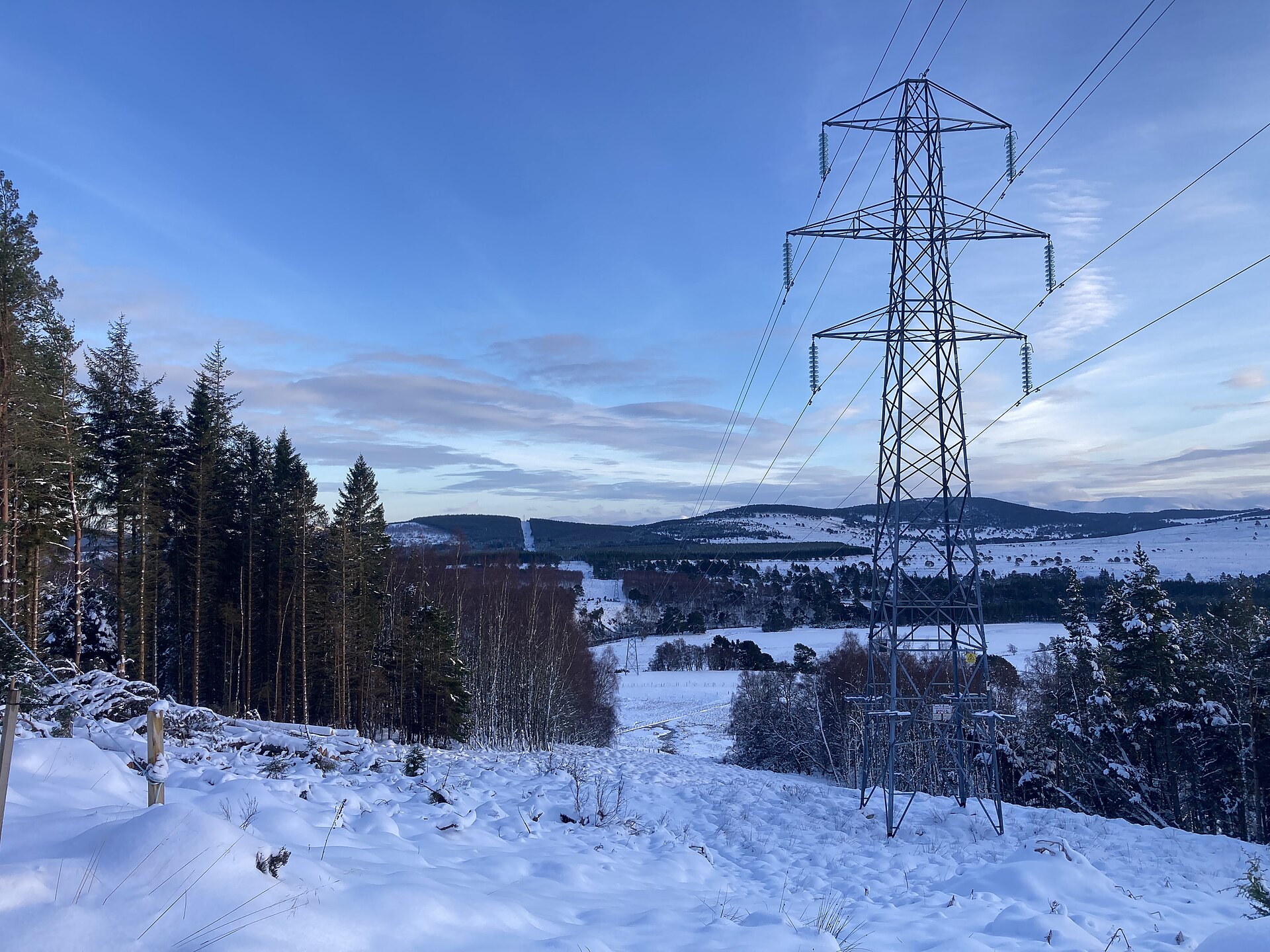
Air gets thin faster than most buyers expect. Above 1,000 meters, reduced air density lowers the withstand voltage of every external insulation gap, and IEC 60071-2 handles it with a correction factor that rises with altitude. In practical terms, a string dimensioned for a lowland line may need more creepage and shed count once the route climbs onto a plateau.
High sun adds a second stress. Ultraviolet dose strengthens with elevation, and housings that weather poorly under UV age visibly within a few seasons. Silicone rubber compounds tolerate sustained UV exposure far better than the early organic polymer chemistries that damaged this technology’s reputation decades ago.
The Andes supply the best documented case. An INMR case history describes Peruvian mountain lines running between 3,260 and 4,570 meters, with 76 percent of towers above the 4,000-meter mark. The operator records no insulation-related failures across two decades of service at those elevations. Rainfall handles natural washing on those corridors, and replacement is planned around an 18 to 20 year cycle.
Desert and Arid Corridors: Dust, Sand and Birds
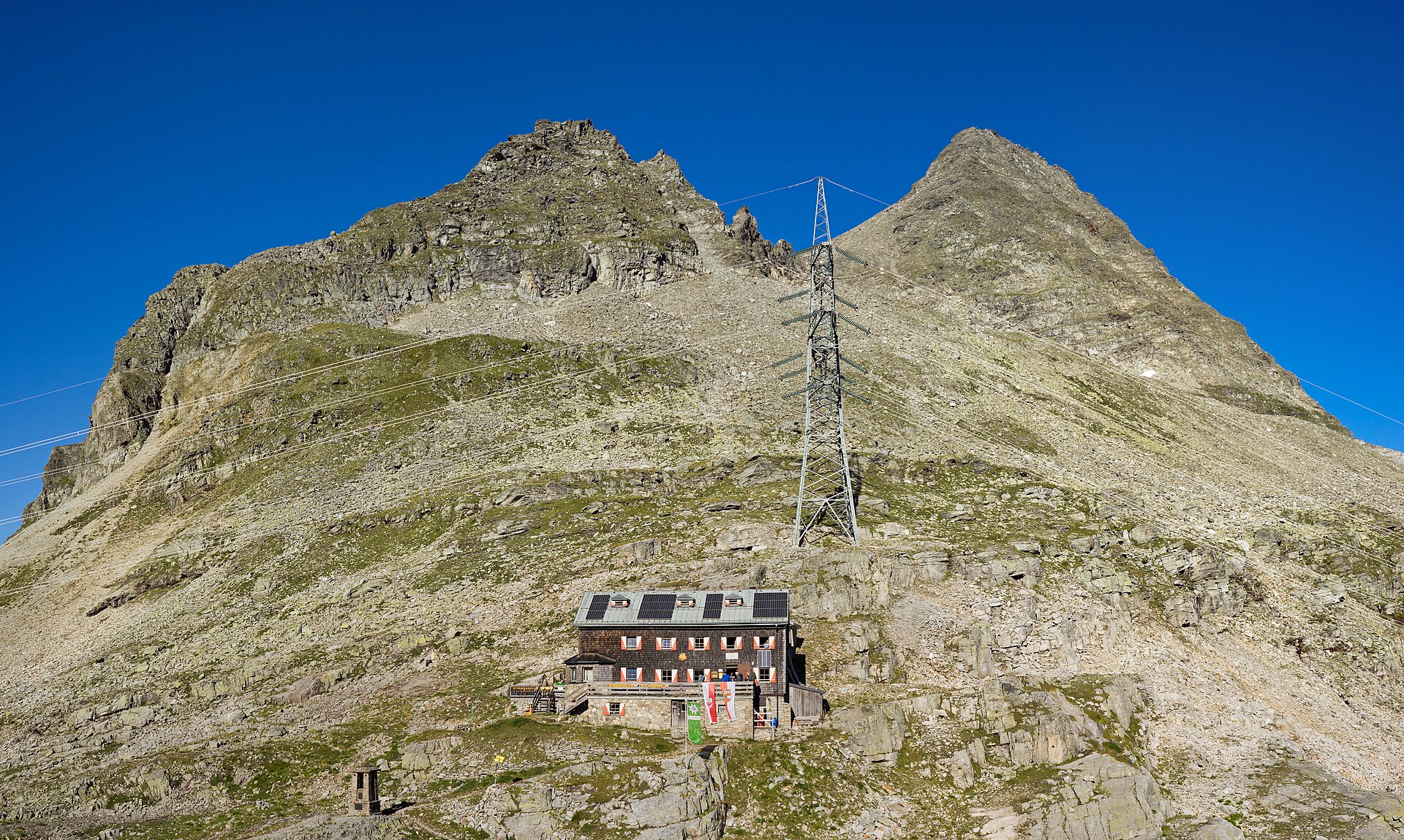
Deserts generate the opposite pollution problem from coasts: abundant non-soluble dust with little salt in it. Severity is dominated by NSDD rather than ESDD, and the dangerous moment arrives when dew or a rare rain wets a thick, cemented layer. Arid flashovers have also been tied to bird streamers, with IEEE-indexed field studies documenting them on 230 kV strings in desert zones.
Hydrophobicity transfer is again the working advantage. A silicone housing keeps deposited dust non-wetting between wetting events, which is why sandstorm-prone networks favor composites over uncoated porcelain. Reviewers of desert-contaminated insulators add a profile note: open shed profiles that resist dust nesting and bridging outperform deep skirts where non-industrial dust dominates. Wind-driven sand adds an abrasion question, so housings in high-wind corridors deserve periodic surface inspection for erosion and chalking.
Because water is scarce, desert programs also think harder about washing logistics. A string chosen for the right creepage class and shed profile defers washing seasons longer than an underspecified one. That difference surfaces directly in operating budgets, which is why environment-first selection is an economic decision as much as a technical one.
Matching Strings to Harsh Sites?
قارن خيارات التعليق والشد وأعمدة الخطوط المركبة المبينة بأغلفة من المطاط السيليكوني، وقضبان لب من الألياف الزجاجية، وتوصيلات طرفية من الألومنيوم. وثائق الاختبار المتوافقة مع معايير IEC متاحة للبرامج في البيئات الساحلية والصناعية والباردة وعالية الارتفاع والصحراوية.
Matching Creepage Distance to Site Pollution Severity
جميع البيئات الأربعة أعلاه تتقارب في خطوة واحدة لتحديد الأبعاد: شدة تلوث الموقع. يحدد معيار IEC TS 60815-1 خمس فئات، من الخفيفة جداً إلى الثقيلة جداً، ويخصص لكل منها مسافة تسرب نوعية موحدة للخدمة بين الطور والأرض. IEC/TS 60815-3:2008 ثم يكيّف طريقة تحديد الأبعاد للعوازل المركبة في أنظمة التيار المتردد.
| فئة SPS | الضبط النموذجي | USCD، مم/كV بين الطور والأرض |
|---|---|---|
| a | خفيفة جداً: هواء ريفي نظيف، غابات | 22.1 |
| b | خفيفة: أراضي زراعية، أطراف البلدات | 27.8 |
| c | متوسطة: حضري داخلي، تأثير ساحلي خفيف | 34.7 |
| d | ثقيلة: صناعة، هواء قريب من الشاطئ | 43.3 |
| e | ثقيلة جداً: صناعة كثيفة، خطوط ساحلية بموجات كاسرة، هوامش صحراوية | 53.7 |
تضفي العملية قيمة للقياس على الافتراض. يصنّف فريق الموقع البيئة، ويقيس ESDD وNSDD عند أبراج ممثلة، ثم يقرأ مسافة التسرب المطلوبة من منحنيات الفئة قبل تحديد عدد الكاسات وشكلها. يسمح نقل الخاصية الكارهة للماء لسلاسل العوازل المركبة بتشغيل مسافات تسرب أقصر من المكافئ البورسليني في نفس الموقع، رغم أن المواقع الساحلية والصحراوية المتطرفة لا تزال قد تدفع بالمواصفات ما وراء الجداول القياسية.
تنبيه واحد يليق بجانب الجدول. الفئات نقطة بداية، وليست حكماً. المواقع القريبة من الأمواج المتكسّة أو مصانع الأسمنت تبرر غالباً الانتقال فئة واحدة أثقل مما تقترحه الخريطة الإقليمية. التطبيقات العازلة المركبة التي تخيب هي عادةً مصمّمة بناءً على خريطة بدلاً من زيارة الموقع.
Specifying for the Worst Season, Not the Average
صمّم السلسلة لمواجهة العاصفة، كما لو كنت تحدّد شاحنة لطريق شتوي. الأيام المعتادة لا تقرر مصير السلسلة أبداً؛ بل الجبهة الملحية، وحدث التجمد، أو عاصفة الرمال. من خبرتنا، الأسئلة التي تنبئ بالنجاح الميداني تُحسم قبل أمر الشراء، وليس بعد تقرير القوس الكهربائي الأول.
قبل منح عقد لأي من البيئات أعلاه،, اطرح خمس أسئلة على كل مورد:
- ما هي فئة شدة تلوث الموقع وقيمة مسافة التسرب النوعي الموحدة التي صُممت السلسلة من أجلها؟
- أي فئة من مواد الغلاف يغطي تقرير اختبار IEC 62217، ولمدّة كم ساعة من الشيخوخة؟
- ما هو نظام التوصيل الطرفي: توصيلات من سبيكة ألومنيوم، مضغوطة ومختومة ضد تسرب المياه؟
- هل حلقات موازنة الجهد مطلوبة عند هذا الجهد والتكوين، وهل تضمّن التصميم provisions اللازمة لذلك؟
- هل ترافق شهادات الاختبار الروتينية كل دفعة تسليم؟
تصنع RaxPower عوازل مركبة بأغلفة من المطاط السيليكوني، وقضبان لب من الألياف الزجاجية، وتوصيلات طرفية من الألومنيوم، وتزوّد بالتوصيلات المطابقة توصيلات العوازل لكل تصميم سلسلة. نفس المنطق البيئي الأول يعمل عبر عائلة المنتج كلها: أخبر المورد بأسوأ موسم يمرّ على خطك، وستتبع الرسومات.
Frequently Asked Questions About Composite Insulator Applications
Do composite insulators still need washing on coastal routes?
Usually far less than porcelain or glass, because hydrophobicity transfer keeps salt layers non-wetting. Some utilities report near-elimination of preventive washing, while a few restrict polymers on their most salt-battered shore corridors. Classify the route first, then set the washing schedule.
Are composite insulators suitable for desert sandstorm regions?
نعم، بشرط أن يكون سلوك الغبار مصمّماً هندسياً. ينقل المطاط السيليكوني الخاصية الكارهة للماء إلى الغبار المترسّب، بحيث يتصرف الندى والأمطار النادرة على شكل قطرات بدلاً من تكوين فيلم مائي. ونظراً لأن الانحراجات في المناطق الجافة تتضمن أيضاً نواقل الطيور وأحداث الرمال المبللة، حدد مسافة تسرب كافية وتفحص الأغلفة بحثاً عن تآكل مدفوع بالرياح.
Do composite insulators need correction above 1,000 meters altitude?
فوق 1,000 متر، يطبق معيار IEC 60071-2 عامل تصحيح الارتفاع على جهود التحمل المطلوبة، لأن الهواء الرقيق يضعف العزل الخارجي. عملياً، يؤكد المصممون مسافة التسرب وعدد الكاسات المناسب للارتفاع التثبيتي بدلاً من إعادة استخدام تصميم السلسلة الخاص بالسهول.
Why do icy string flashovers cluster during melting periods?
الذوبان يُولّد فيلماً مائياً موصلاً فوق الجليد الذي سبق أن عبر الكاسات، مما يمنح قوس تردد الطاقة مساراً سهلاً. أظهرت الدراسات المختبرية على العوازل العمودية المتجمدة حدوث انحراج قرب 45 في المئة من قيم الحالة المبتلة. النافذة الخطرة هي الذوبان، وليس التجميد.
Which pollution class applies near a heavy industrial plant?
قس بدلاً من التخمين. يصنّف معيار IEC TS 60815-1 المواقع من خفيفة جداً إلى ثقيلة جداً باستخدام قياسات ESDD وNSDD، مع حاجة المواقع الثقيلة لحوالي 43.3 مم/كV من مسافة التسرب النوعي. حدود المصانع ذات الغبار الموصل تبرر عادةً الفئة الثقيلة.