
يحمل ذراع الزقاق حموله من جانب واحد فقط. لا يوجد ذراع مزدوج على الجانب البعيد للقطب لمشاركة وزن الموصلات والجليد والرياح. يجب أن يعود كل رطل يعمل عند طرف الذراع إلى القطب عبر عضو فولاذي واحد. ذلك العضو هو داعم ذراع الزقاق، وتصميم داعم ذراع الزقاق درس مصغر في الميكانيكا الإنشائية. كل ميزة يحملها تحل مشكلة قوة محددة.
الاستدلال أدناه يأتي من ذلك الجانب من الأعمال. مصنع RaxPower يصنع معدن خطوط الأعمدة منذ عام 2003، ويوفر أكثر من 170 متخصصاً في فرق الهندسة والإنتاج هذه الدعامات للمرافق والموزعين في جميع أنحاء العالم. ما يلي يوضح سبب استحقاق كل خيار تصميم على القضيب مكانه، من ضبط 45 درجة إلى الطلاء.
لماذا يحتاج الذراع المثبت على الجانب إلى داعم
ذراع الزقاق ببساطة هو عبرة ذراع مثبتة على جانب واحد من القطب، وهو ثابت في عائلة أوسع من معدن خطوط الأعمدة. تصف MacLean Power Systems الفئة ببساطة: تحتاج عبرات الذراع إلى تدعيم صلب للحفاظ على محاذاة خطوط التوزيع والنقل بشكل صحيح. السبب هو علم الثبات الأساسي. قضيب مثبت مسطحاً ضد وجه القطب يقاوم القص، لكنه لا يمكنه بحد ذاته منع الذراع من الدوران.
الوزن عند طرف الذراع يخلق لحظة التواء حول القطب. تضيف الرياح مركبة جانبية، وتضيف شد الخط مركبة ثالثة. حتى يتم ربط الذراع بالقطب أدناه، لا توجد لحظة للذهاب إليها.
الداعم يمد الساق المفقودة. يمتد من تحت الذراع نحو القطب بزاوية، بحيث يشكل الأعضاء الثلاثة إطاراً مغلقاً. ما يحدث بعد ذلك هو هندسة نقية.
المثلث: الهندسة التي لا تنطوي
المثلث هو الإطار المستوي الوحيد الذي تكون شكله ثابتاً بأطوال أضلاعه. ثلاثة أعضاء مثبتة في ثلاث زوايا لها شكل واحد ممكن بالضبط. إطار رباعي الزوايا ليس له أي: ادفع حافته العليا وينزلق جانبياً، كما لو كانت الزوايا مفصلات.
ذلك الشكل الثابت هو ما يعنيه المهندسون بالصلابة في تصميم داعم ذراع الزقاق. لأن الذراع والقطب والداعم يشكلون مثلثاً، لا يمكن لأي حمل تشوه المجموعة دون تمطيط أو ضغط أو قص أحد الأعضاء. الداعم هو العضو المضاف لإغلاق ذلك المثلث فقط.
الدعامات الحقيقية ليست قضباناً مستقيمة. كل واحدة تحمل طية قرب منتصف الامتداد تؤدي بانحناء الملف إلى V ضحل. تتيح الطية لكلا الطرفين الجلوس مسطحين ضد وجوه التركيب بينما يقف الوسط بعيداً عن القطب. هذا ما يسمح لقضيب واحد بالجسر بين سطحين يلتقيان بزاوية.
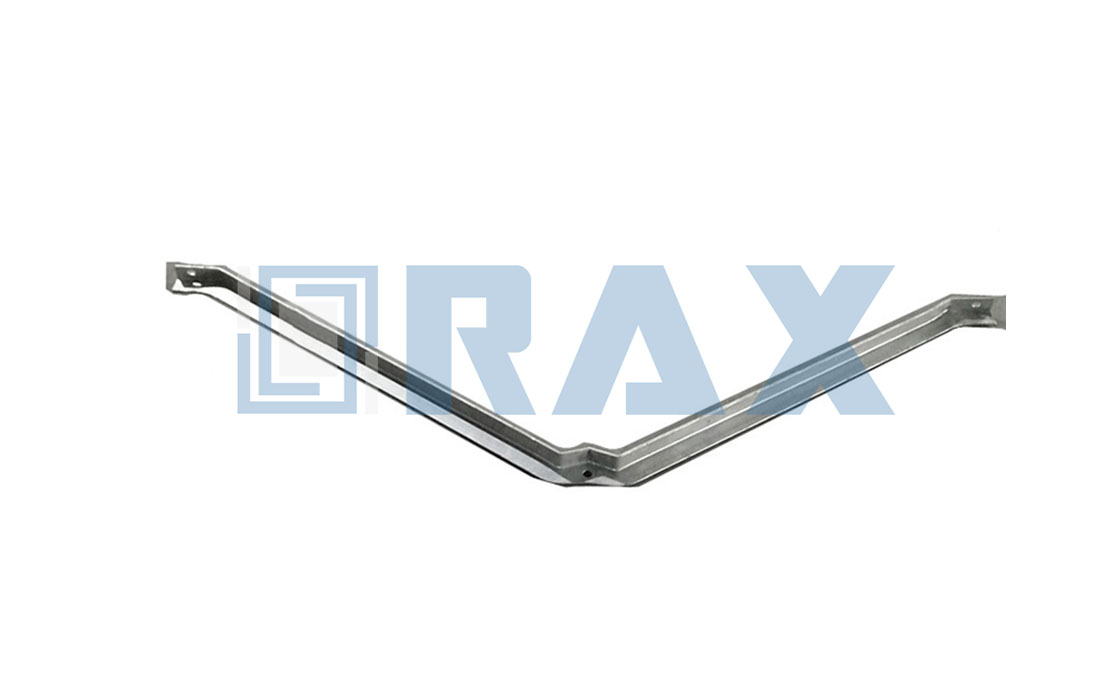
كيف ينتقل الحمل من طرف الذراع إلى القطب
تخيل طرف الذراع محملاً بموصل مغطى بالجليد. ينتقل ذلك القوة على طول الذراع نحو القطب، ويقتطعه الداعم في منتصف الطريق. تتحرك القوة بعد ذلك لأسفل الداعم كدفع على طوله وتصل إلى القطب أدناه الذراع، حيث ينقله القطب إلى الأرض.
تحت الحمل الرأسي العادي يعمل الداعم كعضو ضغط، مما يعني أنه يتم ضغطه. إذا رفع الارتفاع أو انعكاس الرياح الذراع، يتحول نفس القضيب إلى الشد ويسحب ضد وصلاته. هذا الدور المزدوج هو السبب في استخدام وصلات هندسية في كلا الطرفين: براغي آلة عند الذراع وقضبان تثبيت 1/2 بوصة عند القطب.
الأعضاء التي تدفع أو تسحب فقط هي فعالة. تحمل الحمل كقوة محورية نقية مع تقريباً لا انحناء، وهي فائدة المثلث. تلك الكفاءة تسمح لقضيب فولاذي خفيف بأن يؤدي عملاً يتطلب otherwise قضيباً أثقل بكثير.
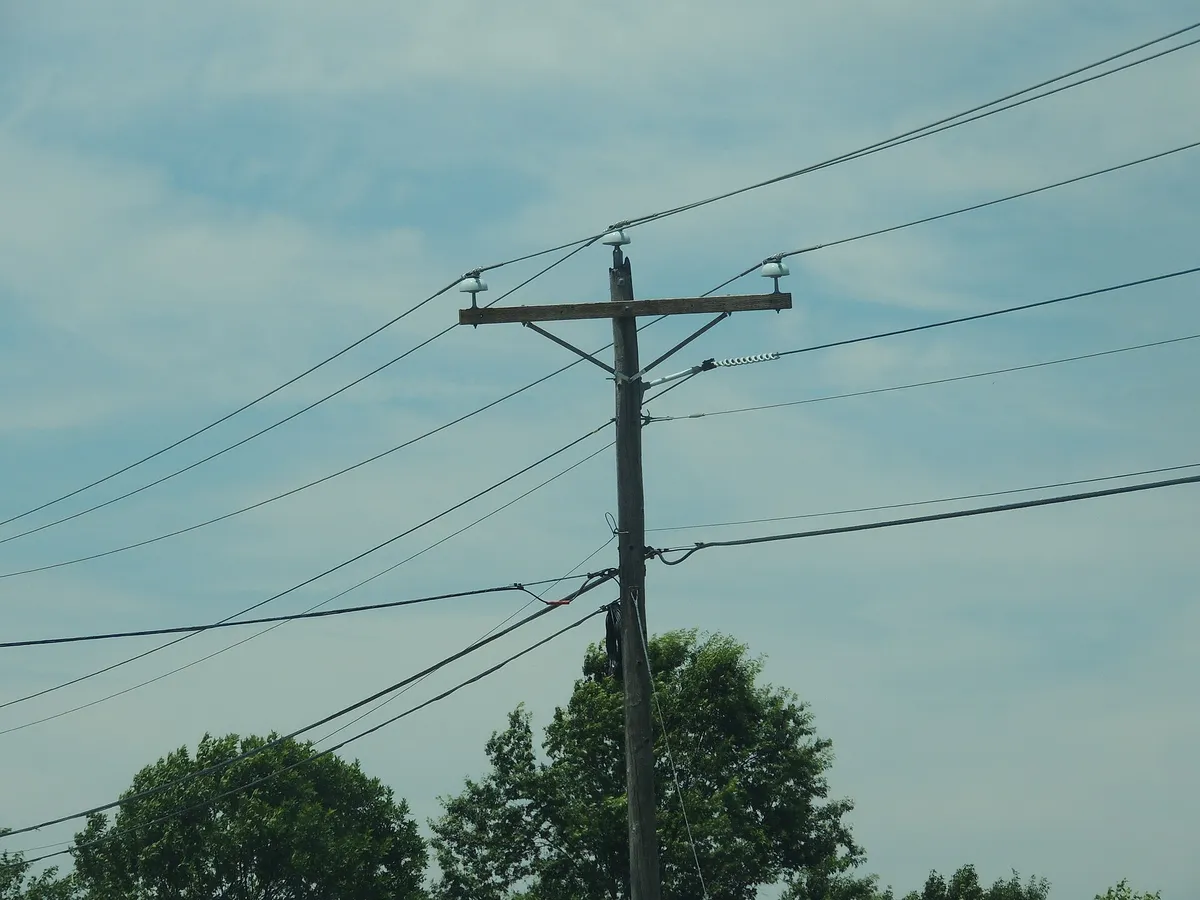
لماذا أصبحت 45 درجة الزاوية القياسية
اسأل ثلاثة موردين وستسمع رقماً واحداً. MacLean Power Systems ينشر تركيب 45 درجة لـ دعامات ذراع الزقاق, ، و RaxPower تحدد نفس الزاوية لكل طول في نطاقها. الاتساق ليس موضة؛ ينشأ من حساب المثلثات.
قوة تسير على طول داعم 45 درجة تصل بمكونات أفقية ورأسية متساوية، لأن جيب وتمام 45 درجة متطابقان. لا يُطلب من طرف الوصل مقاومة المزيد من الحمل من الآخر. الزاوية أيضاً تبقي القضيب مضغوطاً ضد القطب، وهو أمر مهم في الأزقة التي تعطي البناء ذو الذراع الجانبي اسمه.
غيّر الزاوية وتغير ثلاث أشياء في وقت واحد: القوة في القضيب، وطول القضيب، والمساحة التي يشغلها بجانب القطب. 45 درجة تبقي كل ثلاثة ضمن الحدود العملية. ذلك التوازن هو سبب ترسخ 45 درجة كافتراضي لتصميم داعم ذراع الزقاق.
ما يفعله مقطع زاوية الصلب فعلياً
اختيار المقطع هو النصف الثاني من تصميم داعم ذراع الزقاق. دعامات الكتالوج مصنوعة من زاوية فولاذية متساوية الساقين، عادة 1-3/4 بوصة × 1-3/4 بوصة بسُمك 3/16 بوصة. RaxPower تذكر ذلك المقطع على عبرات ذراع الزقاق بطول 5 و 7 أقدام وتنتقل إلى فولاذ 2 بوصة × 2 بوصة × 1/4 بوصة على طول 10 أقدام.
مقطع على الشكل L يضع المواد في اتجاهين متعامدين في آن واحد. الساق العمودية تقاوم الانحناء الناتج عن حمل الضغط، بينما تقدم الساق الأفقية وجهاً مسطحاً لثقوب التركيب والدرج الملحوم. مقارنة بقضيب مسطح مماثل الوزن، تقاوم الزاوية الانبعاج في اتجاهين بدلاً من واحد.
الطول يدفع خطوة في المقطع. قضيب أطول له المزيد من الطول غير المدعم للانبعاج، لذا يحصل داعم 10 أقدام على ساقين أكثر سماكة وجدار أثقل. الجدول أدناه يوضح كيف تتماشى الأرقام في كتالوج حالي.
| طول الداعم | ثقب التركيب | حجم الزاوية | قطع لكل علبة | وزن العلبة | السعة المدرجة لكل سلك |
|---|---|---|---|---|---|
| 5 أقدام | 9/16 بوصة | 1-3/4 × 1-3/4 × 3/16 بوصة | 1 | 13 رطلاً | 32,000 رطلاً |
| 7 أقدام | 11/16 بوصة | 1-3/4 × 1-3/4 × 3/16 بوصة | 5 | 86 lbs | 32,000 رطلاً |
| 10 أقدام | 11/16 بوصة | 2 x 2 x 1/4 in | 5 | 181 lbs | 32,000 رطلاً |
Figures above come from the RaxPower alley arm listing for its ذراع الزقاق models. Capacities are listed values, not field guarantees, and every manufacturer publishes its own table. The pattern behind the columns, though, is the same across the industry.
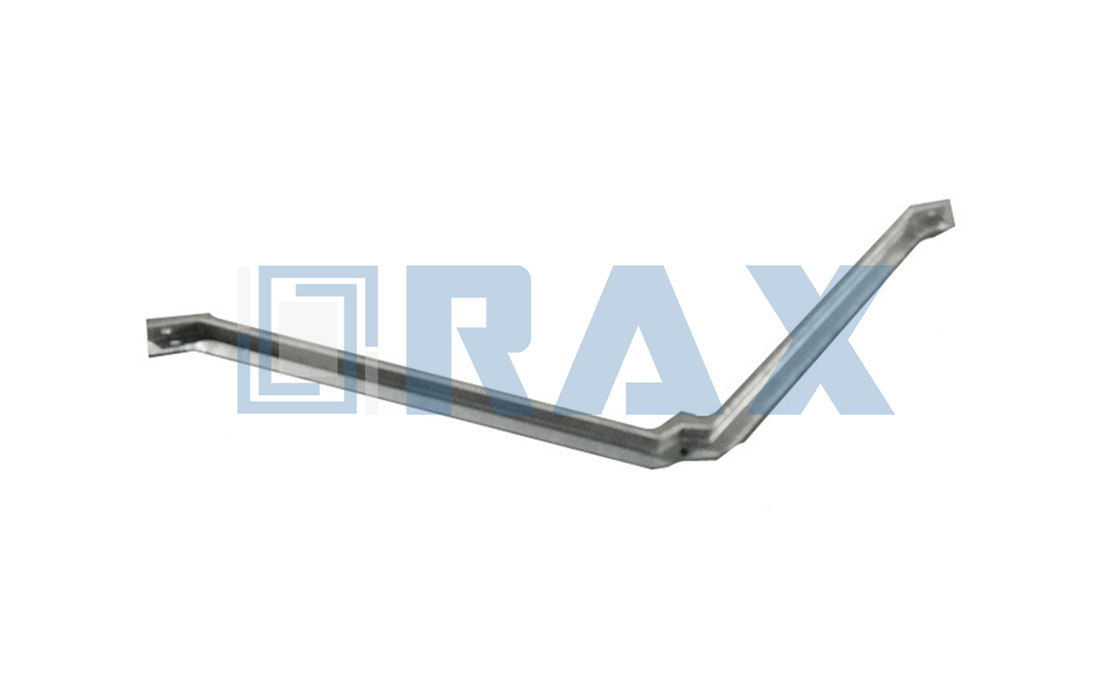
أحجام الثقوب تتبع المعدات، ليس التخمين
Those holes are sized with a quiet rule: drill clearance about 1/16 inch larger than the fastener. MacLean states it openly in its flat brace catalog, listing 7/16-inch holes for 3/8-inch bolts and 9/16-inch holes for 1/2-inch lag screws or through bolts. Add the same 1/16 inch to a 5/8-inch fastener, and you arrive at the 11/16-inch holes fitted to longer alley arm braces.
The clearance is not slack. It absorbs the tolerance reality of fieldwork, because drilled pole holes and punched bracket holes never line up perfectly. The larger 11/16-inch opening exists partly to forgive boring inaccuracy at the pole end, where a machine bolt or lag screw must pass through wood that moves with weather.
Undersized holes stop an assembly halfway through installation. Oversized holes let the connection work loose under vibration and concentrate stress on thread roots. The catalog sizes sit deliberately between those two failure modes, which is why 9/16 and 11/16 recur across suppliers.
ثني واحد ملحوم يعمل كدرج
Look at a finished brace and you will find a small tab welded near the crank. Suppliers describe it as a solidly welded lineman step, and its first job is exactly what the name says: a foothold. The product notes credit the step with preventing slipping during installation.
The second job is structural economy. The brace already occupies the spot where a climber working a side arm needs support. The step therefore adds function without a separate pole step and another set of holes. Welding it in place rather than bolting it removes loose parts that could back off under vibration, and it keeps the coating line uninterrupted across one continuous steel assembly.
الجلفنة جزء من التصميم
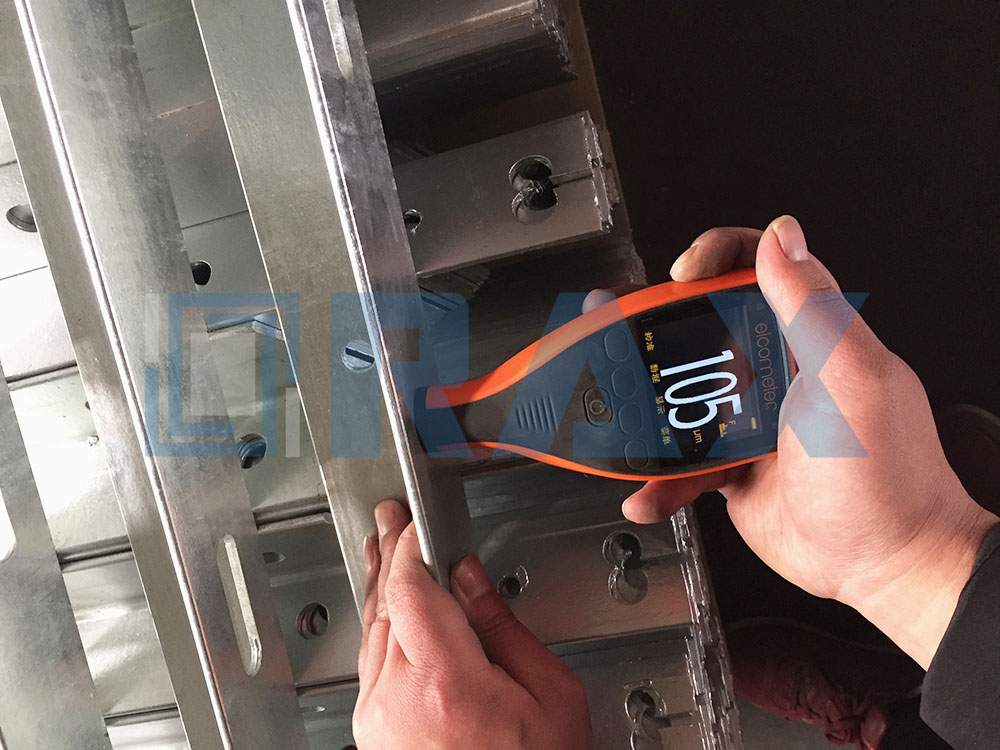
A brace lives outdoors for decades, so the coating is designed in rather than sprayed on. Catalog alley arms are hot-dip galvanized steel, and the product sheet specifies ASTM A123 and ISO 1461 with a mean coating above 85 microns on its alley arms. Those two standards govern how thick the zinc must be and how the bath process is controlled.
Hot-dip galvanizing suits this particular geometry. Molten zinc coats every surface, including the inside faces of the angle and the walls of drilled holes. The deposit is at least as thick on corners and edges as on flat surfaces, where paint behaves in the opposite way and thins exactly where steel is most exposed.
The open L-section helps the process too. Zinc has to reach every face and then drain back cleanly, and a single angle carries no enclosed pockets to trap air or metal. The same mounting holes that fasten the brace plausibly double as flow paths during dipping, and rounded brace ends likely shed coating more evenly than sharp corners. Those side benefits are design rationales rather than documented requirements.
ما يمنع التصميم الجيد في الموقع
Trace each choice to the failure it prevents. The triangle prevents rotation of a single-sided arm. The 45-degree setting prevents overloaded end connections, the angle section prevents buckling without padding the weight, and the 1/16-inch hole rule prevents both assembly fights and loose joints.
Alignment is the outcome utilities care about most. MacLean ties rigid bracing directly to proper alignment of distribution and transmission lines, because a sagging side arm shows up quickly as wrong conductor spacing and clearance losses. In our experience, the braces that hold alignment for decades are the ones whose details were never negotiable: straight bar stock, clean holes, full welds, and honest coating thickness.
That is the design principle in one sentence. The alley arm brace design turns a one-sided cantilever into a triangle, and every dimension on the bar serves that conversion. When the details are right, the hardware disappears into the landscape for decades, which is exactly what RaxPower engineers aim for when they cut, drill, weld, and galvanize each brace.
Key facts. An alley arm brace is an angle-steel member that supports a side-mounted crossarm at a 45-degree angle, completing a rigid triangle between the arm and the pole.
Standard sections are 1-3/4 x 1-3/4 x 3/16 inch for 5 ft and 7 ft braces, and 2 x 2 x 1/4 inch for the 10 ft brace. Mounting holes measure 9/16 inch or 11/16 inch, sized about 1/16 inch larger than the fastener.
Braces attach to the arm with a machine bolt and to the pole with two 1/2-inch lag screws, and they include a solidly welded lineman step.
RaxPower lists lengths of 60, 84, and 120 inches, with hot-dip galvanizing per ASTM A123 and ISO 1461 at a mean coating above 85 microns. Listed load capacity reaches 32,000 lbs per wire.
عازل مثبت على العمود يمسك بالمواسير الرأسية على مسافة ثابتة من سطح العمود، مما يحمي الكابلات ويحافظ على الفصل عن الموصلات والمعدات الأخرى.
لماذا يوضع داعم ذراع الزقاق بزاوية 45 درجة؟
At 45 degrees the brace’s horizontal and vertical force components are equal, so neither end connection carries more of the load than the other. The angle also keeps the bar compact against the pole, which suits the tight clearances that side-arm construction exists for.
من أي حجم الصلب يصنع داعم ذراع الزقاق؟
Most catalog braces use 1-3/4 by 1-3/4 by 3/16 inch hot-dip galvanized angle steel. Longer braces step up: the catalog lists 2 by 2 by 1/4 inch steel on the 10-foot model, because a longer bar needs a stiffer section to resist buckling.
لماذا للدعامات ثقوب 9/16 بوصة أو 11/16 بوصة؟
Clearance holes run about 1/16 inch larger than the fastener. A 9/16-inch hole suits 1/2-inch bolts and lag screws, while 11/16-inch holes suit 5/8-inch-class pole hardware and forgive boring inaccuracy in the field.
ماذا يفعل الدرج الملحم للعامل؟
It gives climbers a secure foothold at the height where the brace already crosses the pole, preventing slipping during installation. Because it is welded rather than bolted, it adds no loose parts and no extra holes in the steel.
كيف يحمي داعم ذراع الزقاق من التآكل؟
Braces are hot-dip galvanized to ASTM A123 and ISO 1461; RaxPower specifies a mean coating above 85 microns. The zinc coats edges, corners, and hole walls fully, which matters on a drilled and welded angle section.