
تصوّر عمود الزاوية على خط تغذية ريفي بعد شروق الشمس مباشرة. تمتد القوة في اتجاه وتدفع الرياح القادمة في الاتجاه الآخر، ولا شيء بينهما يتحمل الضغط. كل شيء يعتمد على الرأس المطروق الواحد الذي يربط السلك بالأرض.
بنى RaxPower هذه الفئة من العتاد منذ أن أطلقت المصنع اولین قالبها في خوبي. يقرأ أكثر من 170 شخص وراء خط الصحافة شهادات الجلفنة كما تقرأ الفرق جداول الترهل. يأخذك هذا الدليل في رحلة كاملة: قراءة الرأس، وصق القضيب بمرماته، وضبط الامتداد، وتشديد التجميع النهائي.
قراءة رأس العين الثلاثية قبل بدء العمل
قضيب مرمية العين الثلاثية هو قضيب فولاذي مطروق يحمل طرفه العلوي ثلاث عيون للسلك. طرفه السفلي ملفوف لقبول صمولة مربعة ثقيلة تثبت القضيب إلى مرمية أرضية. العيون ليست زخرفية. كل واحدة حلقة مطروقة بحجم مستقبِل للسلك، أو البكرة، أو وصلة نهاية السلك. يصف كتّاب الكتالوج العائلة ببساطة: القضبان تُقطَّر بعيون سلك واحدة أو اثنتين أو ثلاث.
اتبع مسار الحمل قبل أن تتحرك أول مجرفة تربة. يدخل شد السلك إلى السلك، ينحني عند البكرة المثبتة في العين، يتدفق عبر الجذع، يعبر الصمولة المربعة إلى المرمية، وأخيرًا ينتشر عبر التربة. كل حلقة في تلك السلسلة يجب أن تكون مُقاسَة للشد الكامل، كما تثق بمسمار إطار على آلة فقط عندما يطابق درجته العمل.
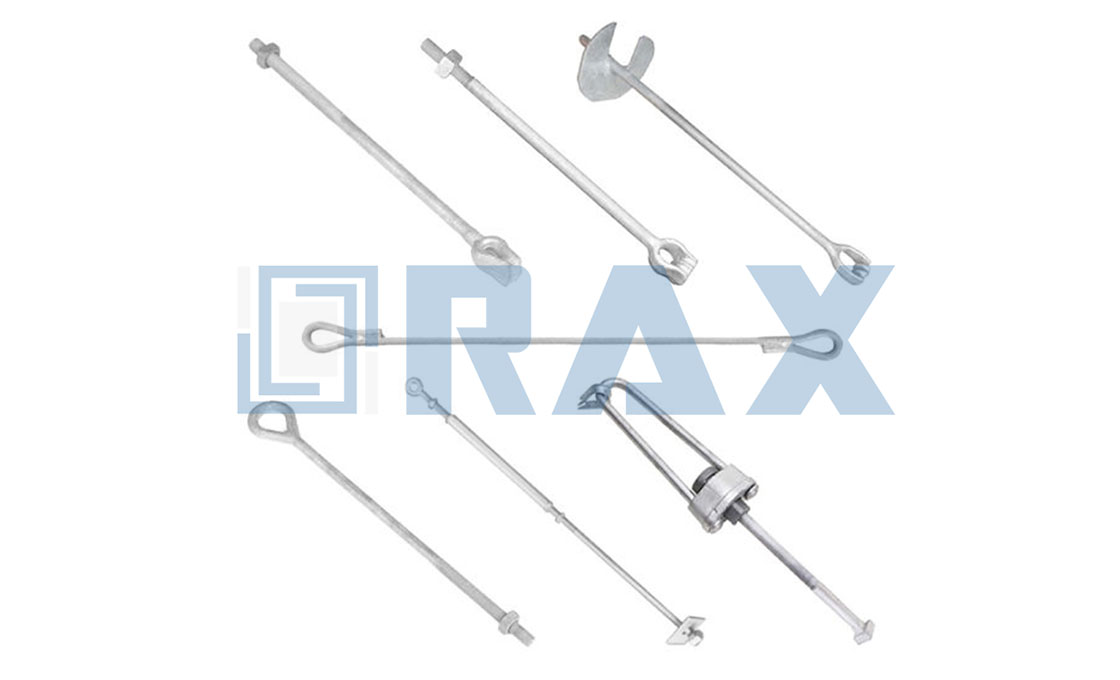
لماذا ثلاث عيون بدلًا من واحدة؟ العيون الإضافية تمنح الفرق نقاط ربط منفصلة على نفس الرأس. تحتفظ نهاية السلك بمقعد مطروق خاص بها، ويحتوي تجهيز الضبط آخر، ولا شيء يجب أن يشارك حلقة مزدحمة. يفصل هذا نقاط البلى ويترك مساحة لتجهيزات التصميم الفعلي لسحب الدعامة.
تبقى توقعات المادة بسيطة حتى عندما تختلف الرسومات: شريط فولاذ كربوني، يُطرق ساخنًا لرأسه، ثم يحمى بالجلفنة الغاطسة الساخنة المطبقة وفق معيار طلاء ASTM A123. يحمل الطلاء المجلفن التجميع عبر سنوات ملامسة التربة، لذا الطلاء المتساقط بالمناولة الخشنة عنصر رفض وليس ملاحظة تلميح. التغطية الكاملة للقضيب والمرسية والإكسسوارات لهذا المواصفة الطلاء موجودة على قضيب المرمية والإكسسوار الصفحات.
مطابقة القضيب مع مرمة توسعية أو صلبّة
تسيطر عائلتان من المرميات على سحب المرافق، وكلاهما يُباع كنظام يكون القضيب هو عموده. المرمية الموسّعة تثبت في حفرة مثقوبة بينما يستقبل القضيب الحمل. المرمية الصلبّة تعمل بطريقة مختلفة: تستقر مسطحة في حفرة محفورة وتدفع ضد التربة غير المضطربة في قاع الحفر. يذكر الصانعون نمط العين الثلاثية تحديدًا لهذين المنتجين، لذا عامل قضيب المرمية ثلاثي العين ومرمياه كقرار شراء واحد بدلًا من اثنين.
تُظهر السلالم المنشورة كيف تصعد التصنيفات بسرعة مع القطر. يغطي أحد الكتالوج النطاق بهذه الطريقة:
| قطر القضيب | الطول | قوة الكسر |
|---|---|---|
| 3/4 بوصة | 7 أقدام | 23,000 رطل قوة (102,310 نيوتن) |
| 3/4 بوصة | 8 إلى 9 أقدام | 23,000 رطل قوة (102,310 نيوتن) |
| 1 بوصة | 8 إلى 10 أقدام | 36,000 رطل قوة (160,316 نيوتن) |
| 1-1/4 بوصة | 10 أقدام | 58,000 رطل قوة (258,000 نيوتن) |
اقرأ الجدول كحد أدنى وليس كهدف. يجب أن تتماشى تصنيف القضيب وتصنيف المرمية والشد المحسوب لسحب الدعامة مع أضعف حلقة عند أو فوق شد التصميم. الفرق التي تطابق درجة القضيب مع صنف الهيكل على الورق تتجنب النسخة المكلفة من الخطأ، وهي إعادة حفر زاوية بعد فشل الخط.
تحمل المرميات تصنيفاتها المنشورة الخاصة، وتفترض تلك التصنيفات صنف التربة على الرسم. قد يكون القضيب مثاليًا والتخطيط مثاليًا ومع ذلك مرمية مضبوطة بصنف تربة واحد أقل من الافتراض ستزحف عند حمل التشغيل. طابق الاثنين على الورق أولًا، ثم أكد في الأرض.

نصف المرمية من النظام هو تمرين اختيار خاص به، يغطي مساحة الصفيحة ونوع اللولب وسلوك التربة. يستحق نفس الاهتمام على صفحات المرميات الأرضية قبل إنهاء قطر القضيب.
ضبط امتداد السحب وزاوية الدعامة
الهندسة تقرر كم من شد السلسلة يصل فعليًا إلى المرمية. تتوافق أدلة الميدان على زاوية سحب تشغيلية قريبة من 45 درجة. تضع تلك الهندسة المرمية تقريبًا بعيدة عن العمود بقدر ارتباط الدعامة فوق الأرض، تخطيط يعرفه القطاع بامتداد 1:1.
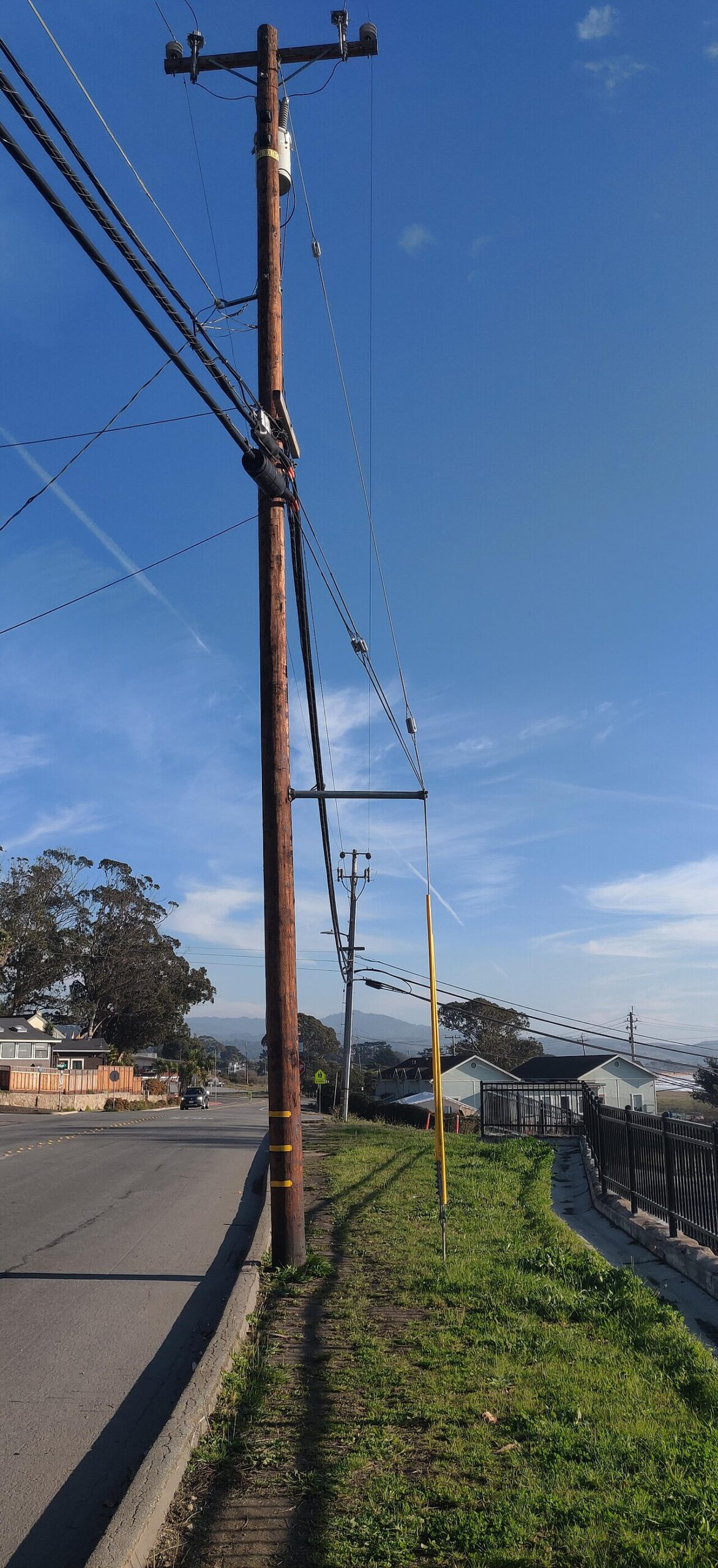
السلاسل الأعمق تمتد التجميع أبعد وتحمّله أكثر، لذا يرتفع القوة المطلوبة من القضيب والمرمية مع انخفاض الزاوية. علّم الامتداد بشريط قياس قبل أي حفر يبدأ، أكد ارتفاع الارتباط على العمود، فقط عندها ابدأ الحفر. قضيب مرمية العين الثلاثية المضبوط على امتداد مقاس يصف نفسه مع السلك بشكل طبيعي. واحد مضبوط بالعين يميل للهبوط خارج المحور ويصارع العتاد طوال عملية التركيب.
القطع الحضرية الضيقة تغير الهندسة. عندما يمنع خط الملكية امتدادًا كاملًا، يعمل الفرق بسحب الرصيف خلف أنبوب حماية، أو يستعيد الامتداد بالارتباط أعلى على الهيكل. لا يهتم قضيب المرمية أين يحدث التوافق. يشعر فقط بالزاوية الناتجة، لذا يجب أن يتبع فحص التصنيف الهندسة المعدلة بدلًا من ورقة المخطط.
استعدادات الفرق التي تحافظ على جدولة الحفر
Good anchor days start before the truck leaves the yard. Walk the structure, confirm the attachment height, and locate every buried service in the dig zone before the first cut. The tool roll is short. It holds a tape for the lead, plus a level and a plumb line for the pole face. It holds the auger or digging bar matched to the anchor style, and a wrench that actually fits the heavy square nut.
Soil tells the crew which anchor style will behave once it is buried. Wet clay holds a plate well but clogs an auger, while loose sand asks for more depth and a wider bearing face. Write the ground conditions into the job record along with the rod size, anchor type and lead actually installed, because the next crew inherits those assumptions.
تثبيت المرمية والقضيب بالعمق المطلوب
Orient the plate or the expanding shell square to the line of pull, because soil carries load best on its strongest face. A cross plate rides at the bottom of a slanted boring with its face against undisturbed ground. The rod trench above it stays as short and straight as the lead allows, and backfill goes back in compacted layers rather than one loose dump.
Every crew on this work has a story about a hurried backfill. The anchor tests fine on installation day, then the void settles through the first wet season. The assembly ends up standing loose in the very hole it was meant to fill.
When the crew runs screw-type anchors instead, the angle gets locked in before the second helix enters the soil. Manufacturers warn that a running anchor cannot be backed out and re-used in the same hole. Depth matters more than speed on every variant. The triple eye anchor rod is seated when three things line up. The eye end stands at design height, the square nut is run down tight, and the rod no longer shifts under hand pressure.
تركيب جانب السحب دون تراكم عتاد
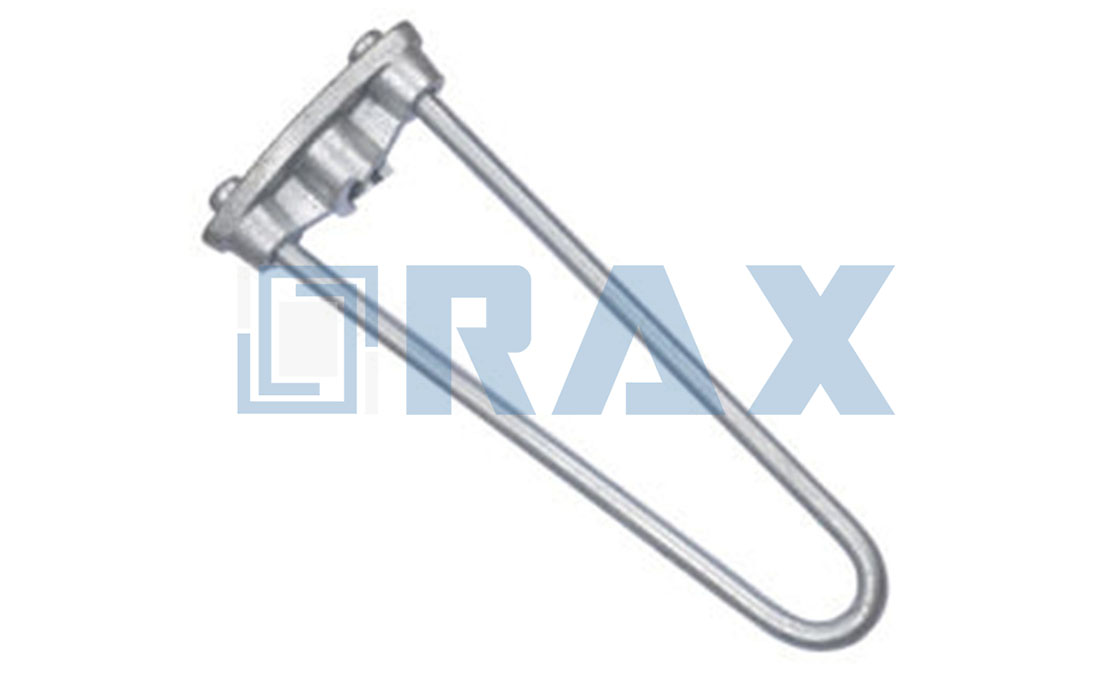
The guy side of the head is where sound assemblies drift into bad ones. A thimble belongs inside every eye that takes strand, because the thimble keeps the bend radius honest and stops the strand from sawing on bare steel. The strand itself dead-ends with a grip or wraps sized for its grade. Manufacturers state the discipline plainly: never attach the guy wire directly to a pulling eye. Where the design calls for one, a strain insulator breaks the run without touching the load path.
Adjustment hardware comes next in the makeup order. A turnbuckle gives the crew a threaded way to take up slack without re-rigging the whole line. The thimbles, hooks and clamps that complete the connection all live on the توصيلة حبل شد pages. Keep one function per attachment point. The three eyes exist so that strand, adjustment and accessories never have to share a seat.
Resist the instinct to double up fittings in one eye when a layout turns awkward. Two pieces of hardware grinding inside the same forged loop wear each other and the rod, and that wear stays invisible until the line is loaded hard. If the head runs out of eyes, the layout needs another anchor position, not a busier eye. The habit costs nothing on installation day and returns the favor every time the line comes back through for maintenance.
التشديد وفحوصات ما بعد التركيب التي تثبت الخط
Tension the strand in stages rather than in one hard pull. Bring the line up, let the structure and the soil answer back, and watch the pole return to plumb as the guy takes load. The sequence matters because soil compresses under the anchor, so the first hard pull reads higher than the assembly will actually hold a week later.
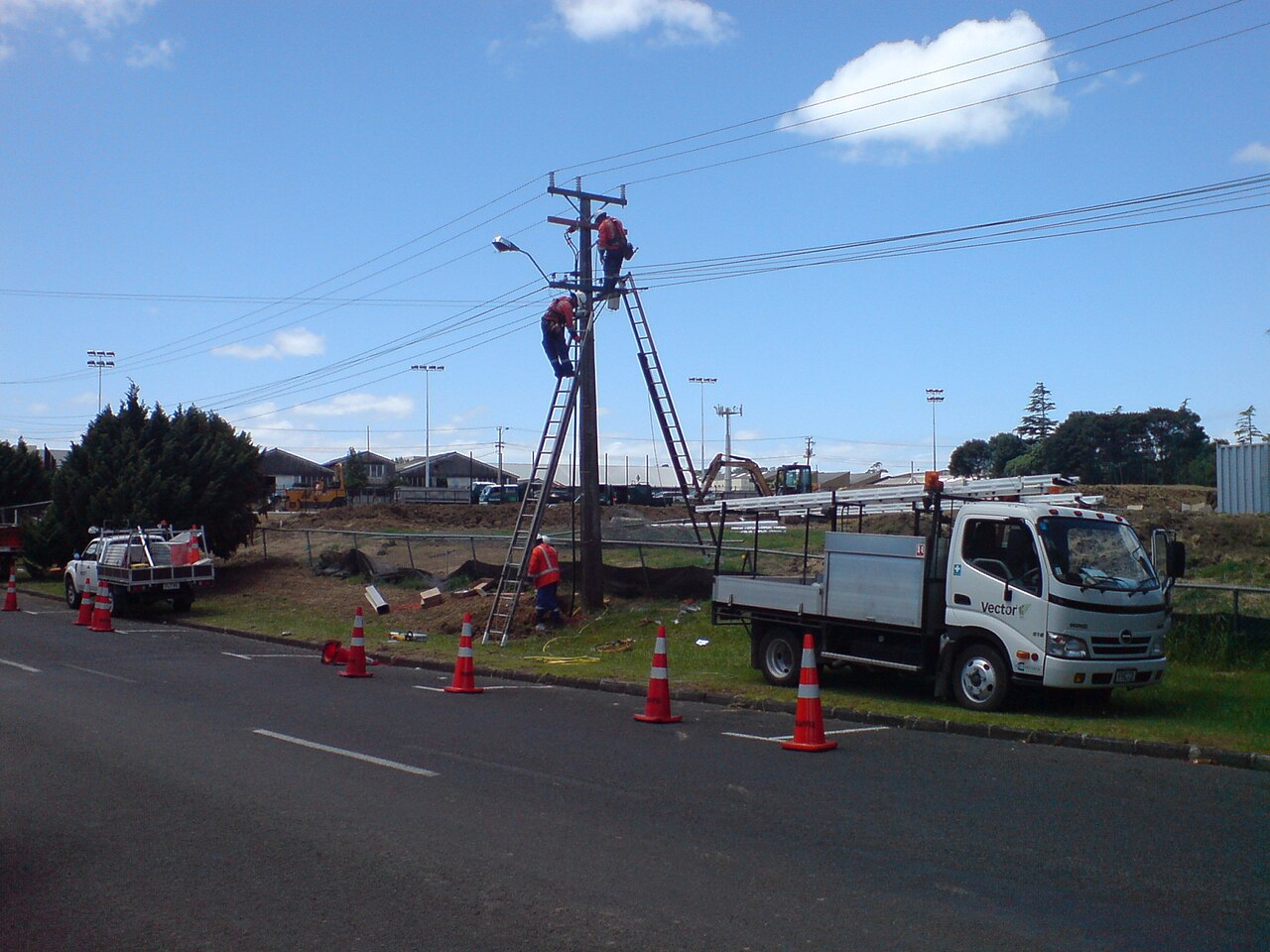
In our experience the walks that catch problems are the ones scheduled after the first few weeks in service, when creep has already spoken. Re-check the strand tension, look for fresh movement at the soil line, and confirm the square nut has not relaxed. Small corrections at that stage cost minutes. The same corrections after a season cost a crew day.
Keep the walk short and repeat it: pole plumb, strand tension, soil movement at the anchor, then the tightness of the square nut. Anything odd gets written against the structure number rather than left in memory.
Design engineers put the underlying rule bluntly: a strand can only pull, never push, so every ounce of stability the assembly promises has to be physically present below grade. That is the standard a triple eye anchor rod installation answers to. It is also why the checks at the end of the job matter as much as the dig at the start.
كلمة ختامية للفرق والمشتريين
A triple eye anchor rod earns its keep quietly. Installed on a measured lead with the anchor matched to the soil, it disappears into the landscape and holds a corner pole square through years of weather. Installed carelessly, it becomes the reason a structure leans. RaxPower supplies anchor rods, earth anchors and the matching guy attachments as one hardware family, so the ratings specified on paper stay consistent all the way into the ground.
الأسئلة الشائعة حول تركيب مرميات السحب
كم بعيدًا عن العمود يجب أن توضع المرمية؟
Match the lead to the attachment height for a guy working near 45 degrees. Most field guides treat that 1:1 lead as the default, and a shallower line raises the load the anchor must carry, so the rating has to rise with it.
هل يمكن لقضيب مرمية ثلاثية العين واحد أن يحمل سلكي سحب؟
The head carries three forged strand eyes, so a crew has separate attachment points for strand and adjusting hardware instead of stacking fittings in one eye. Any multi-guy layout still needs engineering against the rated holding strength before the first pull.
هل تُركّب الصمولة المربعة قبل الردم؟
Yes. Catalog specs put the thread at about three and a half inches, with a heavy square nut. Run the nut down before the assembly is buried, and the rod stays locked to the anchor at full depth.
ما حجم القضيب المناسب لسحب التوزيع القياسي؟
Catalog ladders for the triple eye anchor rod family run from 3/4-inch rods rated near 23,000 pounds up to 1-1/4-inch rods near 58,000 pounds. Size the rod and anchor so the rating covers the calculated guy load with the utility’s margin policy applied.
متى تتفوق المرمية الصلبّة على المرمية الموسّعة؟
Cross plate anchors suit open ground where a boring can be dug at an angle and the plate seated against undisturbed soil. Expanding anchors drop into an augered hole and set as the rod loads, which suits tighter urban work.