
تصوّر آخر عمود في مسار علوي جديد. يدخل الكابل من القطعة، وتتعليق شدة الخط بأكملها الآن على جمعية إسفين صغيرة عند العمود. يمسك مشبك التثبيت، المعروف غالباً بأنه مشبك شدٍّ نوع إسفين، بالكابل، ويحافظ على تلك الشدّة، وينقل الحمل إلى حامل العمود عبر حلقاته. يوضح دليل تركيب مشبك التثبيت هذا التسلسل الكامل لحزم ABC الجهد المنخفض والموصلات المعزولة، من الفحص الأولي إلى التفتيش النهائي.
منذ عام 2003، تصنع RaxPower معدات خطوط الأعمدة على خطوط التسبيك الحار. تأتي الملاحظات الميدانية خلف هذا الدليل مباشرة من أسئلة التركيب التي يرفعها عمال المرافق ومقاولو الخطوط مع مكتب الهندسة لدينا. يعكس التسلسل أدناه كيفية تصرف مشابك الإسفين فعلياً على العمود، وليس مجرد مظهرها في رسم كتالوج.
- يبدأ تركيب مشبك التثبيت عند العمود: الحامل أولاً، ثم المشبك، ثم الكابل.
- تزداد قبضة الإسفين كلما زادت شدّة الخط، لذا لا تنطبق قيمة عزم.
- طابق المشبك مع قطر عزل الكابل وافحص الإسفين قبل التحميل.
- أنهِ التشكيل بحلقة الخدمة وفحص يدوي قبل أن يغادر الطاقم العمود.
كيف يمسك مشبك التثبيت خطاً علوياً
يعمل مشبك الإسفين بالطريقة التي تشدّ بها حزام التفافي: كلما سحب الخط بقوة أكبر، أمسك المشبك بقوة أكبر. تعمل شدّة الخط على الحلقة وتسحب الإسفين أعمق داخل الجسم المخروطي, ، لذا تزداد قوة القبضة مع الحمل بدلاً من الضعف. هذه العملية الذاتية الشدّ هي السبب في أن هذه العائلة من fittings terminates حزم LV ABC والموصلات المعزولة دون أي رقم عزم واحد.
ثلاثة أجزاء تؤدي العمل. الحامل، المصبوب من بلاستيك مقاوم للأشعة فوق البنفسجية أو مصبوب من سبيكة الألومنيوم، يحمل قناة الإسفين المخروطية. إسطوانة أو اثنتان تضغطان ضد عزل الكابل بدلاً من المعدن العاري. حلقة السلك، المكتملة بأغلفة عازلة، هي الحلقة التي تربط الجمعية بالحامل وتنقل سحب الخط الكامل إلى العمود.
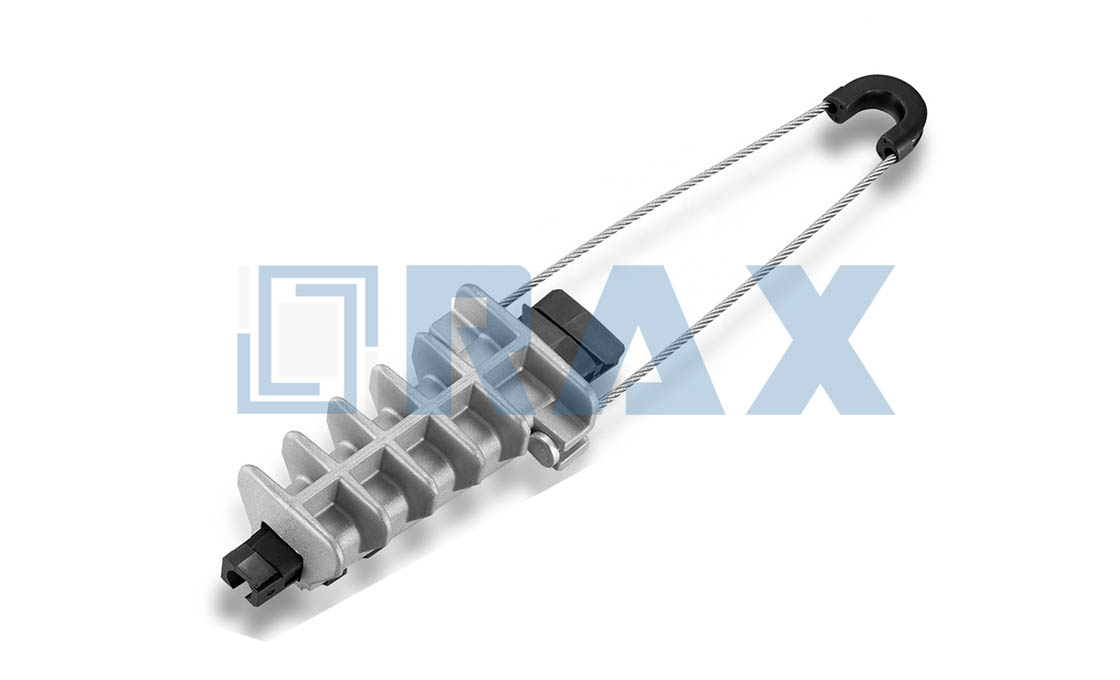
إذا كنت بحاجة إلى الخلفية المكونية أولاً، فإن الدليل حول ما هو مشبك التثبيت يغطي تشريح المشبك بعمق. يبقى بقية الصفحة على العمود: تسلسل عملي يحول مشبكاً مرتخياً وبكرة كابل إلى نهاية ميتة مكتملة وقابلة للتفتيش.
افحص المشبك والكابل قبل البدء
ينجح كل تركيب لمشبك التثبيت أو يفشل عند هذه الخطوة، قبل أن يتسلق أي شخص. اطلب ورقة البيانات للمشغل المحدد وطابق قطر الكابل الكلي، بما في ذلك العزل، داخل النطاق المحدد للمشبك. المشبك الممتد فوق كابل أصغر حجماً أو المثبت على كابل أكبر حجماً هو السبب الجذري الأكثر شيوعاً لشكاوى الانزلاق.
| افحص | حالة النجاح | ارفض إذا |
|---|---|---|
| مطابقة الحجم | قطر الكابل داخل النطاق المحدد للمشبك | تم تخمين حجم المشبك من عدد النوى فقط |
| حالة الإسفين | الأسنان نظيفة، بدون شقوق أو كسور | إسفين مُسقط على خرسانة أو معاد استخدامه من عملية أخرى |
| الجسم والحلقة | الحلقة تتحرك بحرية، الأغلفة سليمة | جسم مشقق، حلقة ملتوية، أغلفة مفقودة |
| سطح الكابل | العزل نظيف وسليم عند طول القبضة | Abraded or burned insulation inside the wedge path |
In our experience, most clamps that slip in service were damaged before loading, not worn out on the line. A wedge that has rolled across the switchboard floor can look serviceable and still fail to bite, so treat dropped wedges as expendable and swap them without argument.
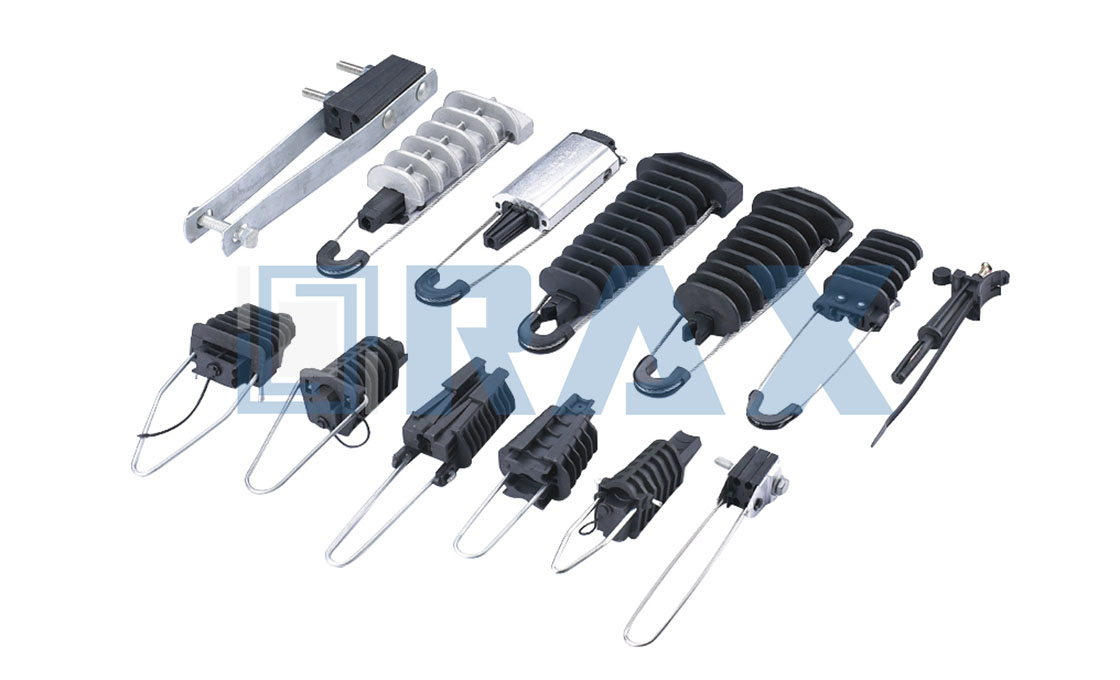
Also confirm the design intent at this point. Single-core clamps grip one insulated core each, so a four-core bundle needs a set, while bundle clamps close around the whole cable in one body. Mixing the two up mid-installation costs a second trip up the pole.
ثبّت الحامل واعلّق المشبك
Work from the pole outward. Fix the pole bracket or hook at the marked attachment height, using the fasteners and bolt torque your utility specification calls for. This hardware carries the same line load as the clamp itself. Standard brackets and hooks for this duty sit in the معدن خطوط الأعمدة range and are ordered alongside the clamps, not improvised.
Hang the clamp on the bracket by its bail before the cable reaches the pole. Check that the bail sits fully home in the bracket groove and swings freely, because a clamp that cannot pivot will fight the span alignment instead of following it.
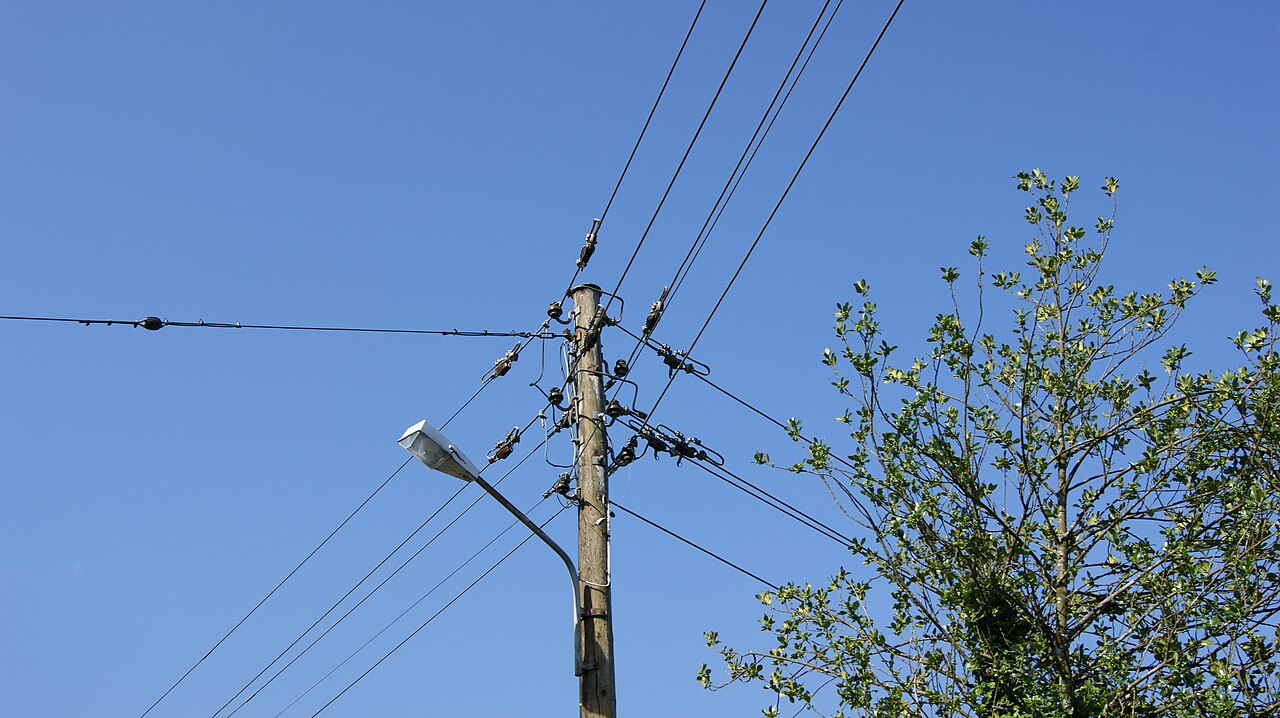
When the clamp hangs plumb and the bail sits fully home, the pole side of the job is finished. From here the work moves to the cable, and the wedge does the rest.
حمّل الكابل وثبّت الإسفين
Bring the cable up to the clamp and pass it through the housing in the direction of pull, leaving enough tail on the pole side to form the loop later. Slide the wedge into the housing behind the cable, tapered faces toward the clamp mouth, so that line tension pulls the wedge deeper rather than pushing it out.
On ABC bundles with a neutral messenger, position the cable as the clamp design intends, with the messenger taking the mechanical role where the datasheet calls for it. Keep the insulated cores out of direct contact with clamp metal. Never grip a section of cable whose insulation is abraded, because the wedge reads surface condition as much as diameter.
Seat the wedge by hand until it just nips the cable. A firm push is enough on a correctly sized set; if the wedge refuses to enter, stop and re-check the size match rather than reaching for a hammer.
طبّق الشدّة ودع الإسفين يشدّ ذاتياً
Pull the span in with a winch and sock or gripping jaw until the sag matches the tensioning chart for the span, then let the clamp do its job. As load builds, the wedge draws in and locks, and the wedge reaches full grip without any threaded adjustment. This is the sharpest contrast with bolted dead-end hardware, where manufacturers typically specify tightening in the region of 20 to 35 Nm. A wedge clamp has no torque value at all.
For insulated overhead distribution, NF C 33-042 defines the characteristics and tests for anchoring devices on cables rated 0.6/1 kV, and it is the usual reference scope behind wedge clamp type approvals on LV insulated lines.
Watch the wedge during the pull. A correctly seated wedge draws in a short distance and then stops moving. A wedge that keeps creeping under rising tension is telling you the size match or orientation is wrong. Back off, unload, and restart the sequence instead of hoping the next increment of load will fix it.
شكّل حلقة الخدمة وأتمّم النهاية الميتة
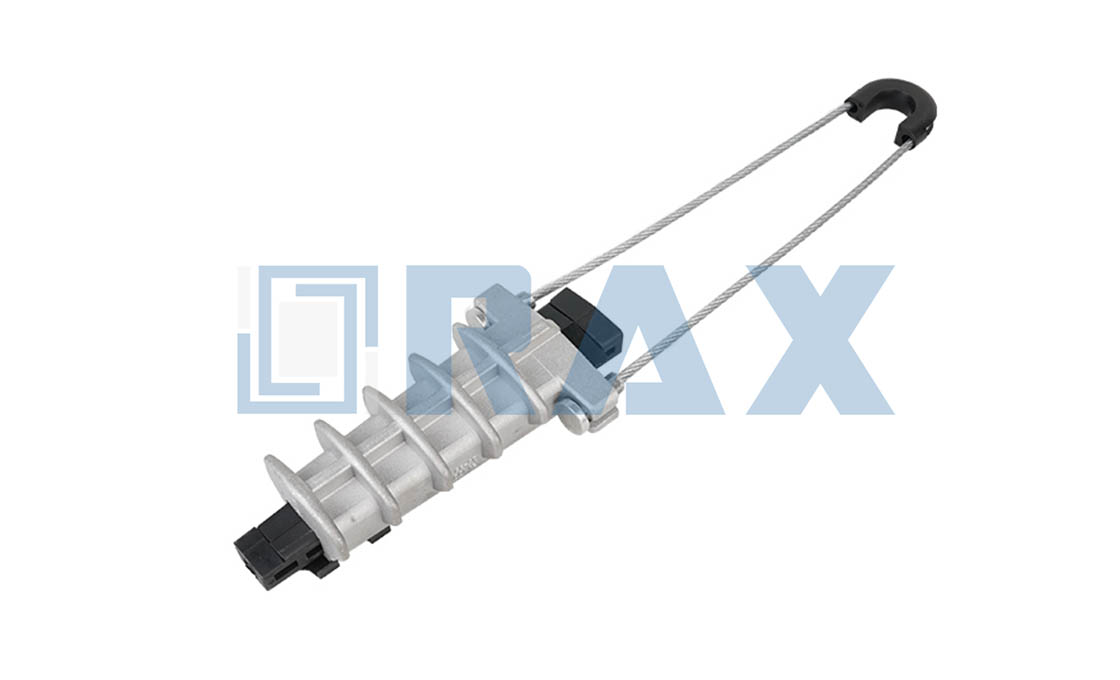
With the clamp holding, shape the cable tail into the service loop that the connection design calls for. The loop should reach the jointing point without stretch and without kinks, because a loop formed under corner strain will fight the connection hardware for the rest of its life.
Terminate the loop with the fittings your network standard prescribes, typically insulation piercing connectors on LV ABC bundles, which are grouped with the connector and splice range. Dress the loop clear of the bracket edge, close the clip-in retainers where the clamp provides them, and stand back to look at the finished geometry before leaving the pole.
افحص تركيب مشبك التثبيت عند العمود
Acceptance takes about a minute when you know the four points. The wedge must sit fully home with no gap under its shoulder. The cable must not slide when pushed firmly toward the span. The bail must rest in the bracket groove rather than on its lip, and the loop must hang clear of the housing.
Run the same four checks after the first full tension, not only after the pull. Thermal and load changes in the first hours expose a set that was never fully seated. Log the span with the clamp model and cable type so the next crew inherits the pairing, not a guess.
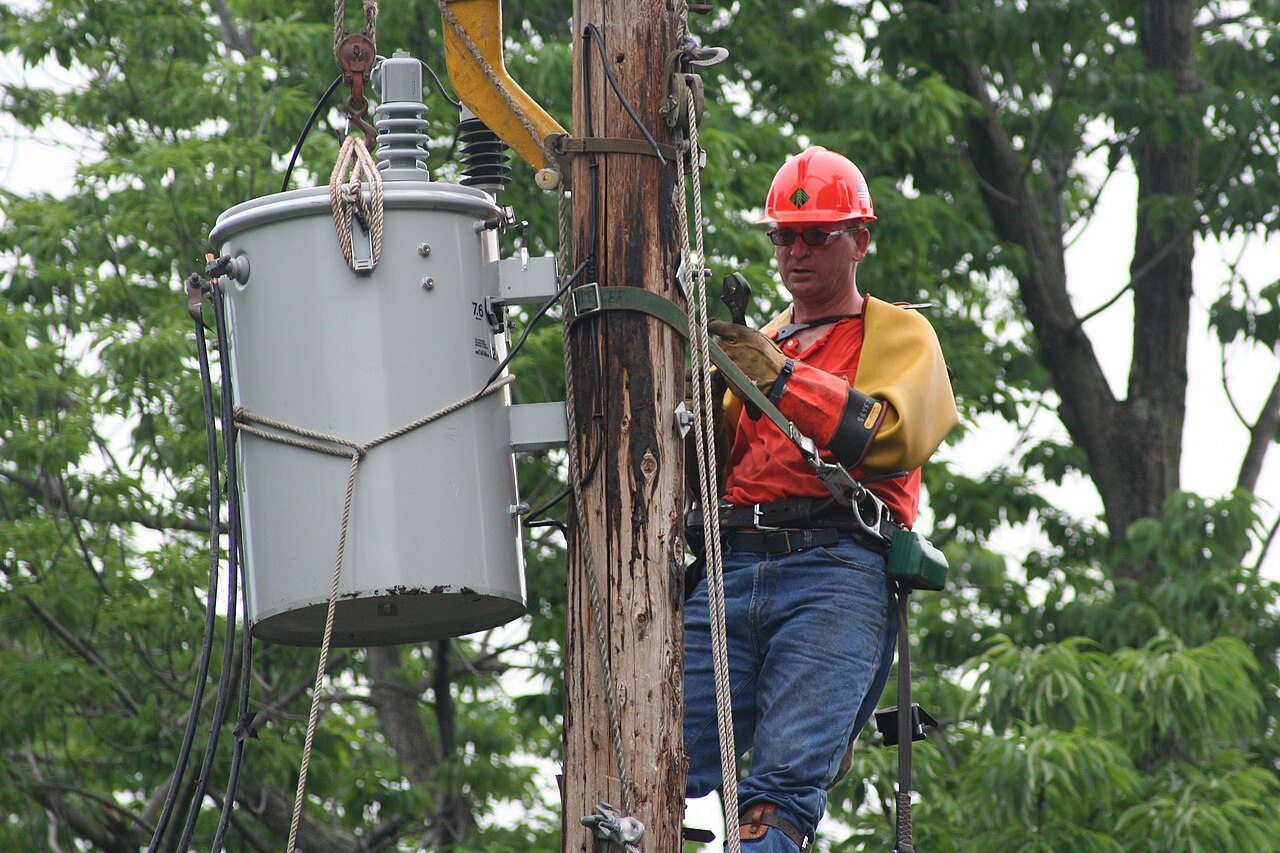
Photograph the finished dead end where your records allow. A dated photo settles most warranty and handover questions faster than any recollection of the day.
أخطاء شائعة في تركيب مشابك التثبيت يجب تجنبها
Almost every field failure in this family traces back to one of five avoidable errors, and none of them costs money to prevent.
- Size guessed instead of checked. The clamp’s diameter window, not the core count, decides whether the wedge can bite.
- Wedge fitted backwards. Tapered faces must point toward the clamp mouth so tension jams the wedge; reversed, the same tension ejects it.
- Damaged wedge reused. A cracked or chipped wedge passes visual inspection from arm’s length and slips at half load.
- Insulation ignored. Grit or burned insulation in the wedge path reads as the wrong diameter under load.
- Tension borrowed from the wrong span chart. Sag and tension figures belong to the span, and over-pulling loads every fitting on the pole beyond its design point.
الصيانة الميدانية لمشابك التثبيت العاملة
Once installed, the clamp asks for little. Inspection follows the utility’s normal pole cycle, with attention on wedge position, insulation condition at the grip, and corrosion on the bail and bracket. The manufacturer specifies modern polymer and aluminum clamp bodies for annual temperature swings from -60°C to +60°C, with service lives beyond 25 years. A replacement need usually means storm damage or line work, not ageing.
Reuse is a policy question, not a habit. Wedges that have carried full line tension are treated as single-use by most manufacturers because their gripping geometry deforms microscopically on the first pull. Housings and bails can return to stock after inspection confirms clean wedge channels and intact boots, but the honest default after an unknown service history is replacement.
نهاية ميتة تُنجز بشكل صحيح من المرة الأولى
A dead end rewards sequence discipline more than strength: bracket before clamp, clamp before cable, hand-seated wedge before machine tension, and a four-point check before the bucket comes down. RaxPower supplies the wedge type anchoring clamps, brackets, and connector hardware for this sequence as a matched set. ISO 9001 certified production keeps each batch inside the diameter windows its datasheet promises.
أسئلة شائعة حول تركيب مشبك التثبيت
كم ينبغي أن يكون مشبك التثبيت مشدوداً؟
A wedge anchoring clamp has no torque value. Seat the wedge snugly by hand, then let line tension pull it self-tight. The clamp is set once the wedge stops drawing in and the cable cannot be slid by hand.
لماذا انزلق مشبك التثبيت على الكابل؟
Slip usually traces to a size mismatch, a wedge fitted backwards, or a cracked wedge that passed pre-check. Pull the wedge, verify the clamp’s diameter range against the cable, fit a serviceable wedge, and re-tension the span.
هل يمكن إعادة استخدام مشبك التثبيت بعد إزالته؟
Treat wedges as single-use once they have carried full line tension, because their gripping geometry deforms on the first pull. Reuse the body and bail only after inspection confirms clean channels and intact boots, and follow the manufacturer’s reuse policy.
ما المعيار الذي يغطي مشابك التثبيت على الخطوط المعزولة؟
NF C 33-042 covers anchoring devices for overhead distribution with insulated cables rated 0.6/1 kV. Match it against your own utility’s fitting specification before approving a clamp model for the network.
كم عدد مشابك التثبيت التي تحتاجها النهاية الميتة؟
It depends on the span design. Bundle clamps close around the whole cable in one body, while single-core designs grip one insulated core each, so a multi-core dead end needs a set. Always follow the clamp datasheet and the line design.