
За данными об эксплуатации энергослужб, охваченными настоящим руководством, стоят около 8,6 млн линейных изоляторов, и цифры рассказывают более ясную историю, чем любой паспорт изделия. Пробои внутри оболочки, хрупкие разрушения и перекрытия при загрязнении встречаются в известных пропорциях. Покупатели, изучившие эти данные, могут сопоставить параметры конструкции композитных изоляторов со средами, где изделия отказывают или надёжно служат.
С 2003 года компания RaxPower выпускает траверсы и арматуру для опор воздушных линий и композитные изоляторы для энергослужб, подрядчиков и дистрибьюторов, а её более 170 специалистов тщательно отслеживают поведение изделий в эксплуатации. В настоящем руководстве наше инженерное бюро обобщает опубликованные результаты наблюдений в виде рекомендаций по проектированию и выбору. Цель практическая: знать, какие виды отказов преобладают, какие выбор материалов существенен и какие вопросы задавать перед тем как специфицировать изделие.
Эксплуатационные данные, накопленные энергослужбами за десятилетия
Когда в 1990 году был рассылан первый опрос CIGRE, в нём обобщён опыт эксплуатации примерно 140 000 композитных линейных изоляторов свыше 100 кВ. В списке отказов того первого поколения изделий преобладала деградация оболочек. Второй опрос, опубликованный в 2000 году, охватил около 700 000 установленных единиц и 4 679 000 изолятор-лет эксплуатации. К моменту его завершения стержень заменил оболочку как компонент, привлекающий основное внимание.
В более позднем техническом бюллетене CIGRE, основанном на данных EPRI, преобладающими видами отказов названы хрупкое разрушение и пробой внутри оболочки. Надёжность оценена в диапазоне 10⁻⁴…10⁻⁵ отказов в год, при этом механические причины доминируют. Недавнее сравнительное исследование около 8,6 млн линейных единиц показало среднюю максимальную эксплуатацию 24 года, а самая старая единица всё ещё находилась в эксплуатации спустя 40 лет.
В опросе 2000 года также выделены флоты Соединённых Штатов, где изоляторы служили в среднем 14–15 лет. Этот разрыв со средним мировым показателем в семь лет показывает, как быстро накапливается реальная эксплуатационная нагрузка по мере созревания технологии. Важна и величина выборки: именно изолятор-леты, а не количество единиц, придают статистике отказов разрешающую способность.
В том сравнительном исследовании внедрение практически универсально: 98 % ответивших энергослужб использовали композитные линейные изоляторы. Надёжность по всем флотам в среднем составила 10⁻⁵ отказов в год, и это число следует принимать за исходное при реалистичном специфицировании.
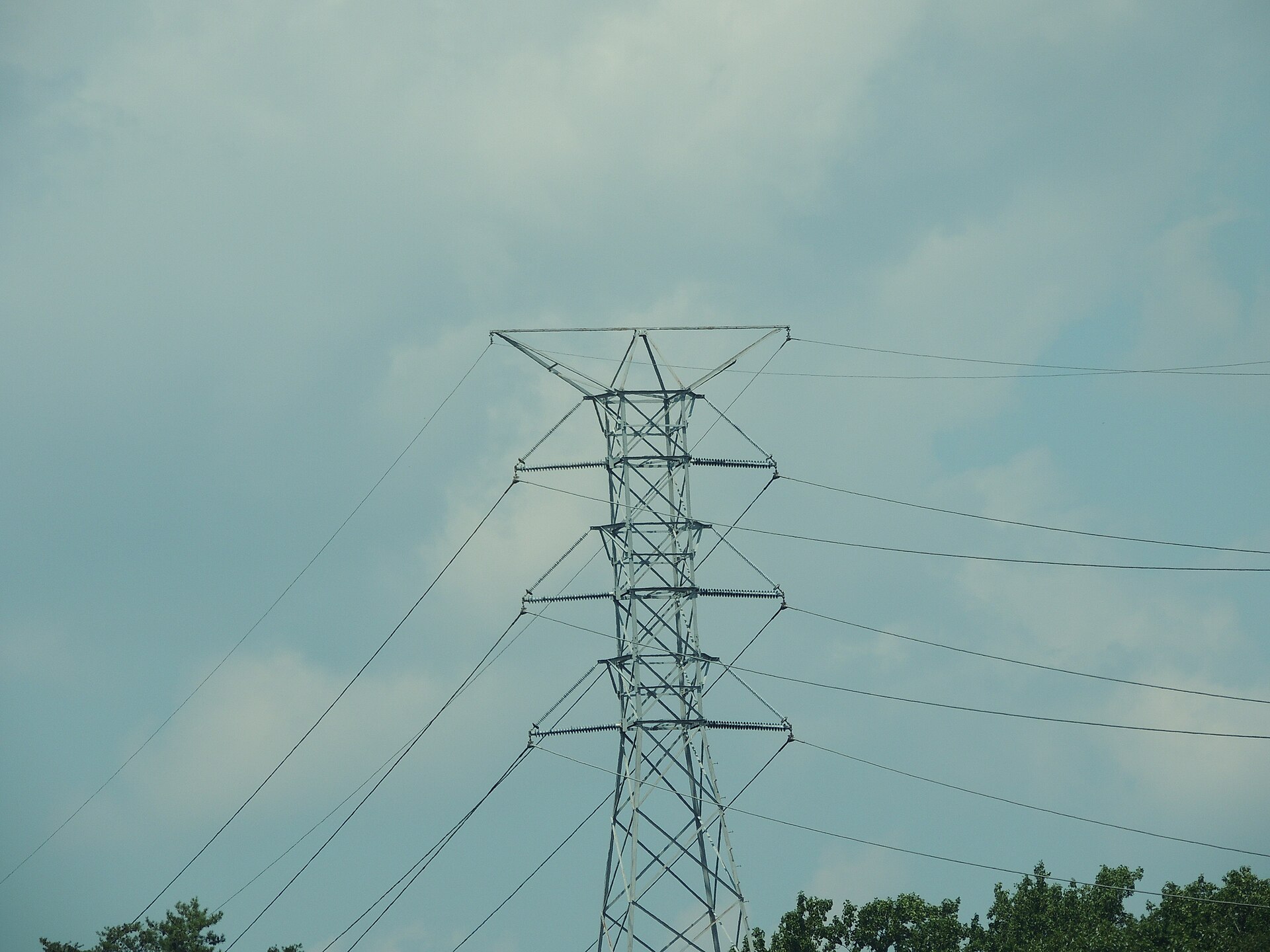
Наиболее часто встречающиеся в эксплуатации виды отказов
Возвраты от энергослужб группируются в пяти повторяющихся типах: пробои внутри оболочки, перекрытия, деградация поверхности, хрупкое разрушение и повреждения клювами птиц. Каждый тип указывает на свой рычаг влияния при проектировании композитного изолятора, и поэтому картина имеет значение для покупателей. Флоты с положительным опытом обычно фиксировали годовую долю отказов на уровне 10⁻⁵ или ниже, смешанные флоты располагались около 10⁻⁴, а флоты с отрицательным опытом — около 10⁻³.
Опыт оценён как положительный в 86 % случаев, смешанный — в 10 %, отрицательный — в 4 %. Одна закономерность заслуживает внимания: энергослужбы с положительными записями, как правило, проводили процедуры предварительной квалификации, тогда как недовольные флоты обычно их пропускали.
Контекст надёжности помогает правильно читать эти цифры. Диапазон 10⁻⁴…10⁻⁵ в бюллетене означает примерно один отказ на 10 000…100 000 изолятор-лет, что является хорошим показателем для любого линейного компонента. Задача покупателя — не совершенство, а знание рычагов, которые удерживают флот у нижней границы этого диапазона.
| Вид отказа | Что показывает запись | Выявляемый рычаг |
|---|---|---|
| Пробой внутри оболочки | Разряд внутри интерфейса стержня и оболочки | Качество адгезии и уплотнения |
| Хрупкое разрушение | Внезапный отказ стержня при умеренном натяжении | Стержень из ECR-стекла и целостность уплотнения |
| Перекрытие | Внешняя дуга поверх оболочки | Крепированная длина, соответствующая загрязнённости площадки |
| Деградация поверхности | Эрозия или трекинг на юбках | Силиконовая смесь HTV с ATH |
| Повреждения клювами птиц | Механическое повреждение юбок | Прочность оболочки и периодичность осмотра |
Состав оболочек определяет поведение при загрязнении
Выбор оболочки — наиболее заметное проектное решение композитного изолятора. Современные оболочки изготавливают из силиконового каучука высокого температурного вулканического отверждения (HTV), обычно наполненного трёхгидратом алюминия (ATH). Наполнитель не пассивен: он обеспечивает стойкость к трекингу и эрозии, а кислотное воздействие на него — установленный путь старения. Компаундировщики балансируют содержание ATH относительно механической прочности и технологических свойств переработки.
Силикон также делает то, что не умеет керамика: он передаёт гидрофобность самому слою загрязнения. Полимерные цепи с низкой молекулярной массой мигрируют из объёма на поверхность, поэтому осаждённое загрязнение собирает воду каплями, а не смачивается. Когда корона, УФ или загрязнение подавляют этот эффект, гидрофобность восстанавливается после периода покоя.
The first-generation lesson came from EPDM housings. One utility reported hydrophobicity loss and tracking on 20 to 25 year old EPDM units installed in the late 1980s and early 1990s. Silicone supplies of recent decades have not shown the same aging signature in those fleets.
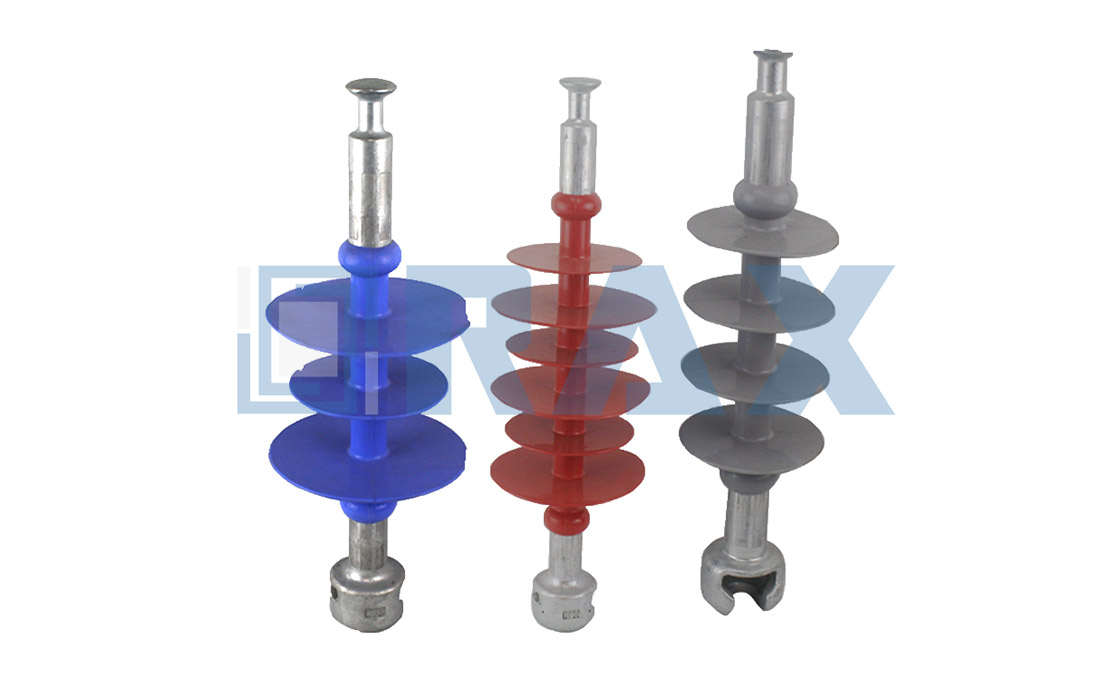
Как в эксплуатации начинается хрупкое разрушение
Brittle fracture is stress corrosion cracking of the fiberglass core. Field investigations traced the chemistry: humidity, atmospheric gases, and corona discharge combine to form nitric acid on the housing. The acid attacks glass fibers under tension, and the rod can fail suddenly at a fraction of its rating.
Location matters in the record. Corona activity concentrates near the housing-to-fitting interface, where the electric field peaks, and surface pollution raises conductivity enough to feed more discharge. A coastal utility cited in industry interviews replaced one brand after 13 years in service following two brittle fracture failures.
Composite insulator design answers exist and are testable. Boron-free ECR glass fibers resist acid attack far better than standard E-glass, whose boron oxide content dissolves readily in acid. IEC 62217 accordingly specifies a 1N nitric acid test for core rods. Grading rings that tame the end-fitting field, plus verified seals at both fittings, close the remaining doors.
The fibers tell much of that story. Failed rods examined in field case studies showed fibers of about 20 micrometers in diameter, boron-free and alumina-lime silicate in composition, matching the ECR type specified for acid resistance. Rod choice is therefore a documented, checkable line item.
Зажимы и места сопряжений при циклической нагрузке
Flashunder, the top internal failure type in utility records, starts with adhesion. Moisture diffuses through the rubber housing and condenses at the core/housing interface; only rarely does it enter through improper sealing. Poor adhesion combined with a strong electric field then drives partial discharge where the water collects.
Buyers should know about a gap here: adhesion and sealing tests are still non-standardized in IEC documents. Both are under consideration in the current IEC 62217 and IEC 61109 revisions, alongside electric-field limits. Until those revisions land, ask suppliers directly for interface test evidence and crimp process controls.
Mechanical issues dominated the failure categories in that brochure, which puts the interface on par with the rod itself. In our experience, crimp validation separates reliable insulator suppliers from polished brochures. Fittings also pair with the linking hardware on the Изоляторная арматура page, so review both when auditing an assembly.
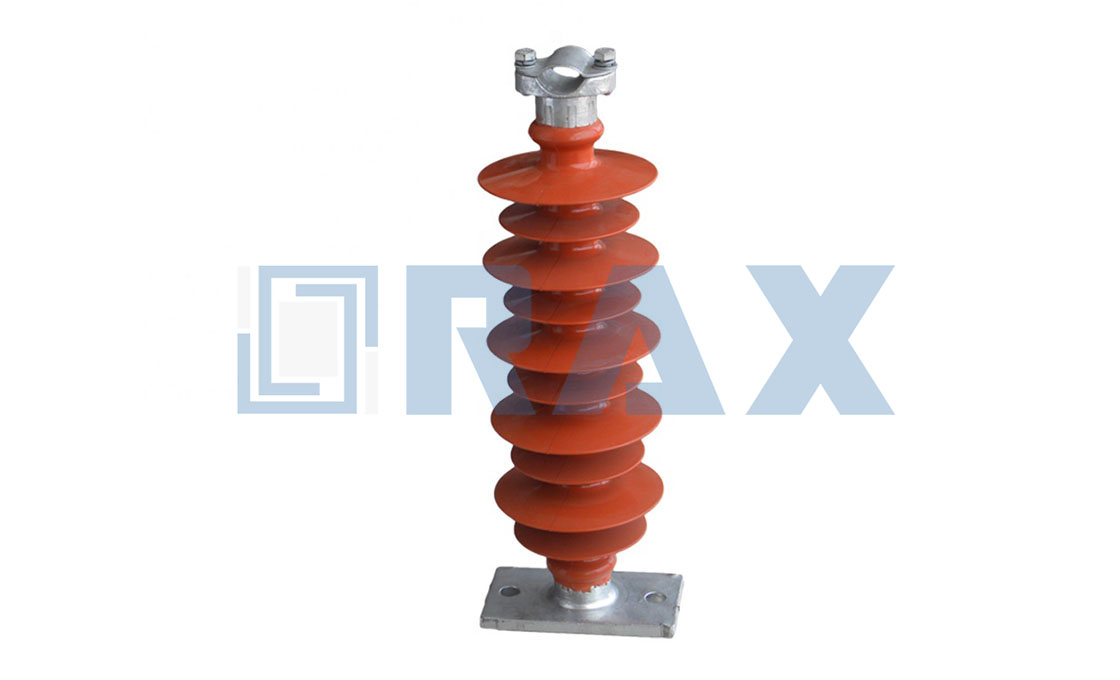
Что значат и чего не значат перекрытия при загрязнении
A flashover is an external event: the arc rides over the housing because the pollution layer went conductive. It usually indicts the composite insulator design choice for creepage, not the material itself. Field investigators still watch one subtlety, because a flashunder can be misread as a flashover after the fact.
The hydrophobicity transfer mechanism is the working defense. Because low-molecular-weight chains coat the pollution layer, contaminated sheds still repel water. That is why polymer units can hold their own in filthy service with modest creepage. Long strings on lattice towers remain the visible proof of creepage budgets at transmission scale.
For buyers, the takeaway is to specify surface behavior, not just shed geometry. Hydrophobic transfer and recovery are measurable material properties, and housing suppliers can document both. A creepage number alone does not capture how a housing will behave once its surface ages.
Early reliability math also warns against overreacting to removal counts. The first survey treated every removed unit as a failure; one utility pulled 350 units after only 3 actually failed. Corrected estimates settled at 10⁻⁴ to 10⁻⁵ per year, in line with the later brochure.
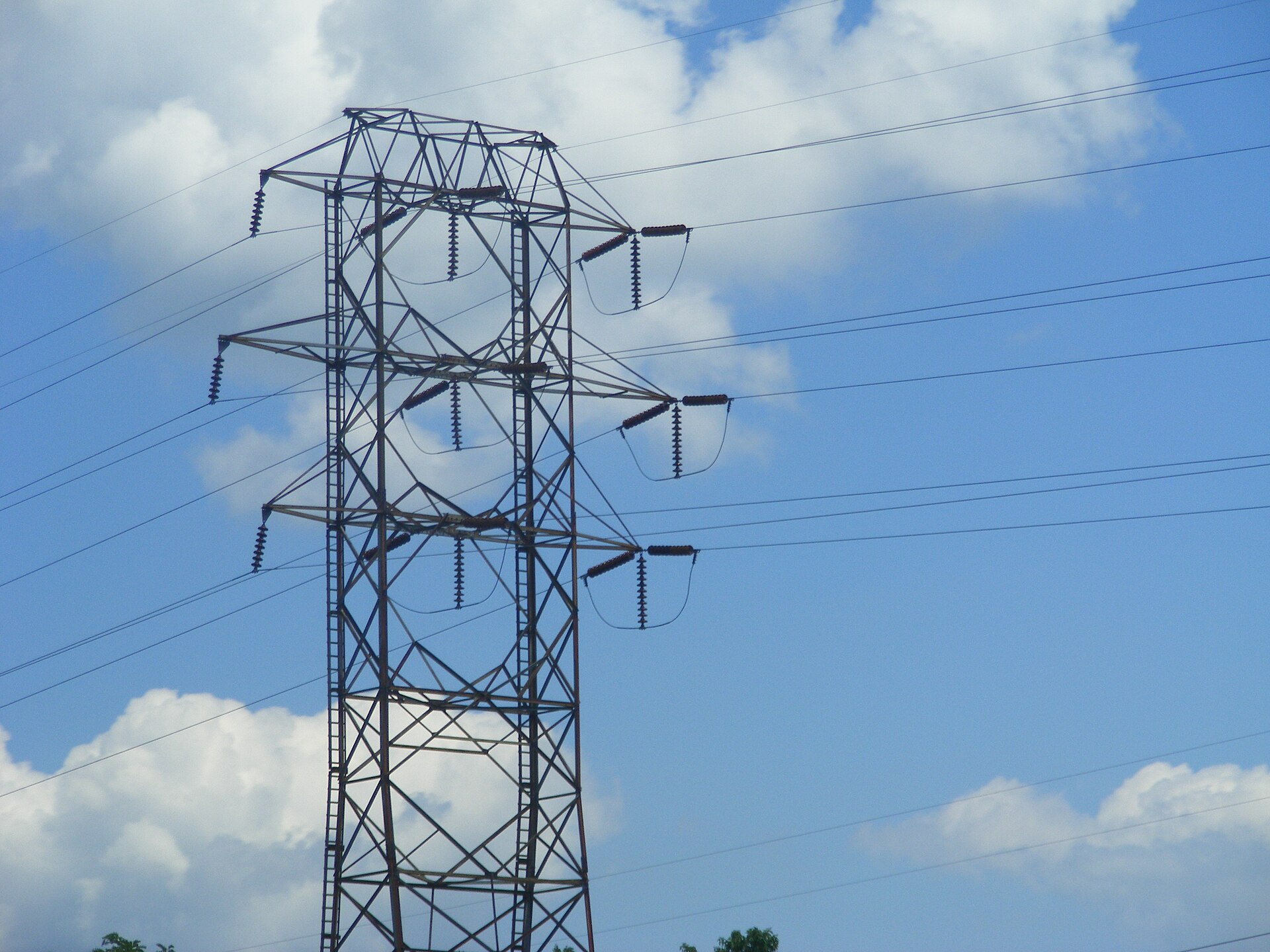
Полевая диагностика, подтверждающая состояние в эксплуатации
Utilities do not fly blind between failures. CIGRE Technical Brochure 545 catalogs the working toolkit: visual inspection, infrared thermography, electric-field measurement, and leakage-current monitoring. Each method catches a different stage of trouble.
Visual passes catch shed damage and bird pecking early. Thermography flags abnormal heating that can precede interface breakdown, while UV and field measurements expose corona near fittings. Leakage-current trend lines show pollution building long before it ever arcs.
Treat diagnostics the way you treat tire rotation: cheap, routine, and far cheaper than the failure it prevents. Fleets that pre-qualified units and then measured them in service reported the best records in the benchmark data.
Brochure 545 has a companion volume for units already removed from service, so the same evidence discipline continues into laboratory assessment. Together they let a utility move from online screening to a documented removal decision. That trail also gives buyers something to request: condition reports from fleets similar to their own.
Перевод полевых данных в параметры конструкции
Service records turn specification from guesswork into engineering. Every dominant failure mode maps to a composite insulator design parameter a buyer can check on the datasheet or the test report. The table below compresses that mapping.
| Field lesson | What to specify or request |
|---|---|
| Brittle fractures cluster near the fittings | Boron-free ECR glass core rod; seal test evidence |
| Flashunder leads internal failures | Core/housing adhesion data; crimp process controls |
| Acid attack ages housings | HTV silicone with ATH filler; acid-resistance data |
| Corona concentrates at end fittings | Grading rings sized to voltage class |
| Flashovers track site pollution | Creepage matched to contamination; hydrophobic transfer |
Grading-ring practice deserves its own line because the field data is explicit. Utilities reported no grading devices below 110 kV. One ring or arcing horn went at the high-voltage fitting from 110 to 132 kV. Two rings, one at each end, became practice from 220 to 275 kV upward. For ring geometry and placement examples, see the 3. коронарные кольца product page.
Pre-qualification is the final parameter. Positive-experience fleets ran it; unhappy fleets generally did not.
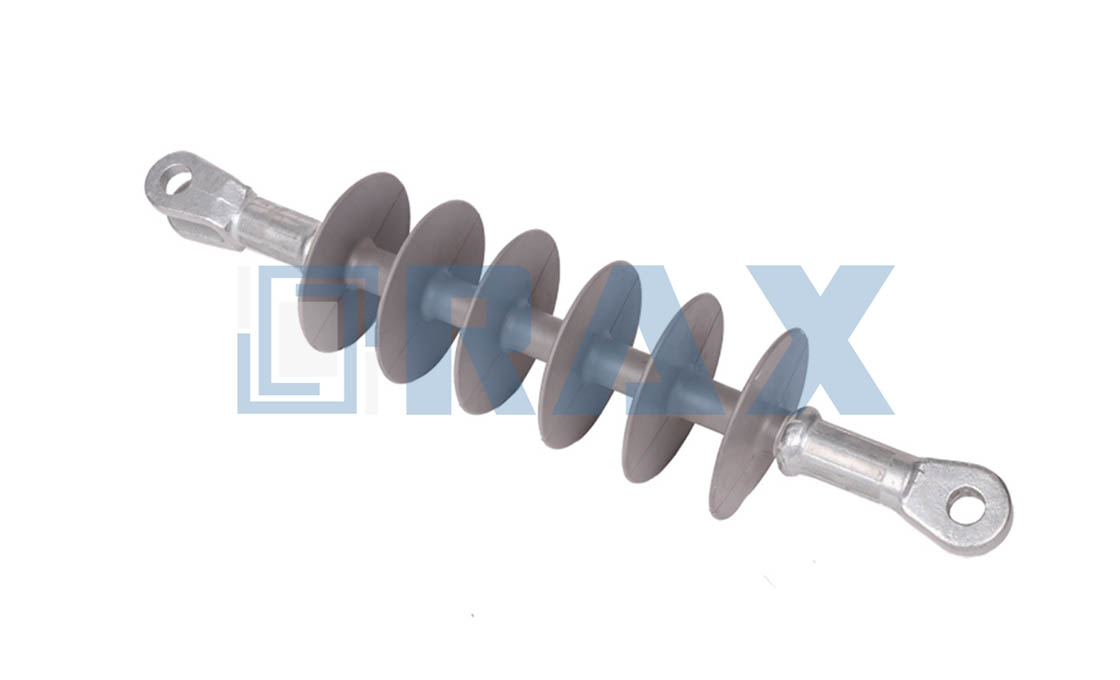
Закупка изоляторов, предназначенных для полевой службы
Field evidence rewrites the supplier conversation. Instead of comparing price lists, ask each bidder for ECR core certification, interface adhesion data, HTV compound details, and crimp test records. Suppliers who serve utilities will answer with documents, not adjectives.
Standards give that conversation a frame. IEC 61109 defines the test methods and acceptance criteria for composite suspension and tension insulators above 1,000 V, and IEEE application guide 987 covers the operating side. Cite both in the request, then attach the field-evidence questions above.
Делаем полевые данные своим ориентиром при выборе
Three decades of records point one way: composite insulators fail on interfaces, seals, and mismatched creepage far more often than on the silicone itself. Treat composite insulator design as a field-evidence problem and the odds follow. RaxPower builds to that standard, pairing silicone rubber housings, fiberglass core rods, and aluminum alloy end fittings with test documentation for every project lot.
Match each parameter to the field lesson behind it, and demand the paperwork that proves it. A fleet run that way will very likely stay on the right side of 10⁻⁵ failures per year.
Часто задаваемые вопросы
Какой вид отказа преобладает в статистике композитных изоляторов?
Согласно данным эксплуатационных организаций, внутренние пробои и хрупкое разрушение занимают лидирующие позиции в списках внутренних отказов. Пробои по поверхности изоляции также регистрируются довольно часто, однако они обычно отражают несоответствие длины пути утечки условиям загрязнения на месте установки, а не дефекты материала, поэтому при расследовании внешние события отделяют от внутренних.
Восстанавливается ли гидрофобность после многолетних воздействий в условиях открытой местности?
Yes. Silicone rubber recovers water repellency once corona, UV, or pollution stress eases, and it transfers hydrophobicity to contamination through migrating polymer chains. First-generation EPDM housings lacked this resilience, which is why their aging showed lasting hydrophobicity loss.
Откуда влага проникает при хрупком разрушении?
Mostly through the housing itself: moisture diffuses through the rubber and condenses at the core/housing interface, while improper sealing is a rarer path. Corona discharges near the end fittings then generate nitric acid that attacks glass fibers under tension.
Что может выявить мониторинг тока утечки на линиях, находящихся под напряжением?
It shows pollution building up and dry-band discharge activity before a flashover becomes possible. Utilities usually combine it with visual inspection, infrared thermography, and electric-field measurement, the toolkit CIGRE Technical Brochure 545 documents for in-service assessment.
Когда композитным изоляторам нужны выравнивающие кольца?
Surveyed utility practice uses none below 110 kV. One ring or arcing horn sits at the high-voltage fitting from 110 to 132 kV. From 220 to 275 kV upward, two rings are used, one at each end.