
يقبع وراء سجلات خدمات المرافق هنا نحو 8.6 مليون وحدة خط هوائي، والأرقام تروي قصة أوضح من أي ورقة بيانات. وتظهر الشرارات الداخلية والكسور الهشة وشرارات التلوث بنسب معروفة. ويمكّن المشتري الذي يقرأ تلك السجلات من مطابقة معايير تصميم العوازل المركبة مع البيئات التي تفشل فيها الوحدات أو تزدهر.
منذ عام 2003، تصنع شركة RaxPower مكونات خطوط الأعمدة والعوازل المركبة للمرافق والمقاولين والموزعين، ويتابع أكثر من 170 متخصصًا سلوكها الميداني عن كثب. وفي هذا الدليل، يلخّص مكتب الهندسة لدينا الأدلة الصادرة عن المسوحات لتقديم إرشادات حول التصميم والاختيار. الهدف عملي: معرفة أنماط الفشل المهيمنة، والاختيارات المادية المهمة، والأسئلة التي يجب طرحها قبل تحديد المواصفات.
أدلة الخدمة التي بنتها شركات المرافق على مدى عقود
عندما وُجه أول استبيان لـ CIGRE في عام 1990، لخص خبرة الخدمة لنحو 140,000 عازل خطي مركب فوق 100 كيلو فولت. هيمن تدهور الغلاف على قائمة حالات الفشل في ذلك الجيل الأول من المنتجات. وتناول المسح الثاني، المنشور في عام 2000، نحو 700,000 وحدة مُثبّتة و4,679,000 سنة-عازل من التعرّض. وحين إغلاقه، حلّ القلب القضبي محل الغلاف كمكوّن يجرّ فحصًا مكثّفًا.
ووصف كتيب فني لاحق لـ CIGRE، معتمدًا على بيانات EPRI، الكسر الهش والشرارات الداخلية كحالات فشل سائدة. وقد وضع الموثوقية في مدى 10⁻⁴ إلى 10⁻⁵ فشل سنويًا، مع هيمنة الأسباب الميكانيكية. وكشف تقييم معياري حديث عبر نحو 8.6 مليون وحدة خطية عن متوسط أقصى خدمة يبلغ 24 سنة، مع بقاء أقدم وحدة في الخدمة حتى 40 سنة.
وفصّل مسح عام 2000 أساطيل الولايات المتحدة، حيث بلغ متوسط خدمة العوازل 14 إلى 15 سنة. ويوضح هذا الفارق مقابل المتوسط العالمي البالغ سبع سنوات مدى سرعة تراكم التعرّض الحقيقي بمجرد نضج التقنية. ويهمّ حجم المسح أيضًا: فسنوات العازل، لا عدد الوحدات، ما يمنح الإحصاءات قدرة تحليلية أعلى.
كان اعتماد التقنية شبه مطلق في ذلك التقييم المعياري: استخدم 98 بالمائة من المرافق المستجيبة عوازل خطية مركبة. وبلغت الموثوقية عبر جميع الأساطيل متوسط 10⁻⁵ فشل سنويًا، وهو الرقم الذي ينبغي أن تفترضه المواصفات الواقعية.
أنماط الفشل الأكثر شيوعًا في الخدمة
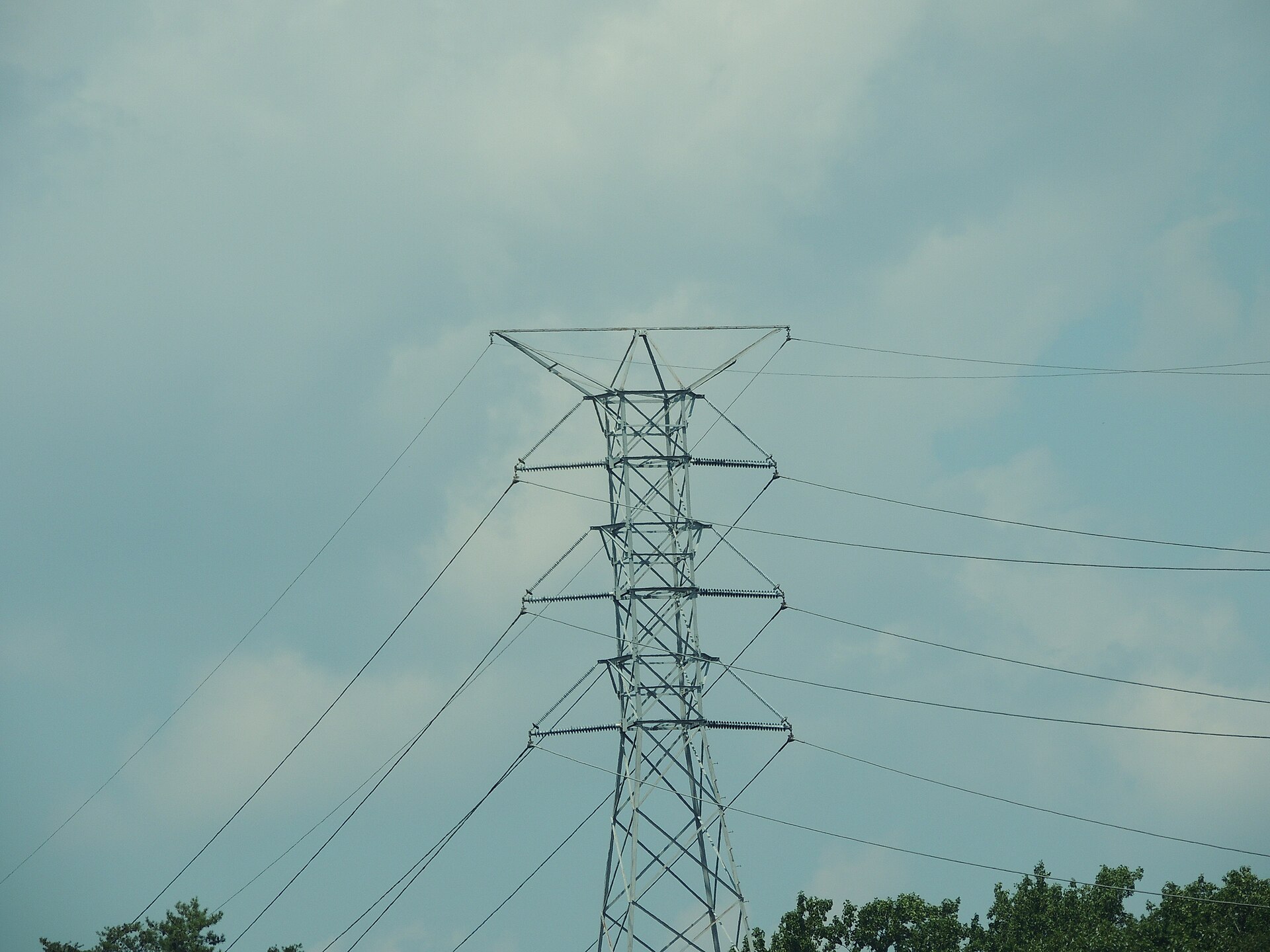
تتجمع نتائج المرافق حول خمسة أنواع متكررة: الشرارة الداخلية، والانهيار البرقي السطحي، وتدهور السطح، والكسر الهش، وأضرار نقار الطيور. ويشير كل منها إلى ذراع تصميم مختلف في العازل المركب، ولهذا يهمّ نمط الفشل المشتري. وتسجّل الأساطيل ذات الخبرة الإيجابية معدلات فشل سنوية عند أو أقل من 10⁻⁵، بينما تقع الأساطيل مختلطة الجدل قرب 10⁻⁴ والسلبية قرب 10⁻³.
قيّمت 86 بالمائة من المرافق تجربتها إيجابية، و10 بالمائة مختلطة، و4 بالمائة سلبية. ونمط واحد يستحق الانتباه: فقد طبّقت المرافق ذات السجلات الإيجابية عمومًا إجراءات التأهيل المسبق، بينما تخطتها الأساطيل غير الراضية في الغالب.
يساعد سياق الموثوقية في قراءة تلك الأرقام بصورة صحيحة. مدى الكتيب 10⁻⁴ إلى 10⁻⁵ يعني فشلًا واحدًا تقريبًا لكل 10,000 إلى 100,000 سنة-وحدة، وهو أداء قوي لأي مكون خطي. ومهمة المشتري ليست الكمال، بل معرفة الذرائع التي تبقي الأسطول قريبًا من قاع ذلك النطاق.
| نمط الفشل | ما يظهره السجل | الذراع التي تكشف عنها |
|---|---|---|
| الشرارة الداخلية | التفريغ داخل واجهة القلب/الغلاف | جودة الالتصاق والختم |
| الكسر الهش | فشل القضيب المفاجئ تحت شد معتدل | قضيب زجاج ECR وسلامة الختم |
| الانهيار البرقي السطحي | القوس الخارجي فوق سطح الغلاف | مسافة التسرب المتناسبة مع تلوث الموقع |
| تدهور السطح | تآكل أو تتبع على الأجنحة | مركب سيليكون HTV مع هيدروكسيد الألومنيوم الثلاثي |
| نقار الطيور | أضرار مادية للأجنحة | متانة الغلاف وتواتر الفحص |
تركيبة الغلاف تحدد سلوك التلوث
يعدّ اختيار الغلاف قرار التصميم الأكثر وضوحًا في العوازل المركبة. تستخدم الهياكل الحديثة مطاط السيليكون المعالج بدرجة الحرارة العالية، المليء عادة بهيدروكسيد الألومنيوم الثلاثي. وليس المالئ سلبيًا: فهو يغذي مقاومة التتبع والتآكل، ويُعدّ هجوم الأحماض عليه مسارًا معيّنًا للشيخوخة. ويوازن المكوّنون محتوى هيدروكسيد الألومنيوم الثلاثي مقابل القوة الميكانيكية وسلوك المعالجة.
يفعل السيليكون أيضًا شيئًا لا تستطيع السيراميك فعله: فهو ينقل الخاصية الكارهة للماء إلى طبقة التلوث ذاتها. تهاجر سلاسل البوليمر منخفضة الوزن الجزيئي من المادة إلى السطح، فتجعل التلوث المترسّب يتجلط الماء بدل أن يبلله. وعند كبت هذا التأثير بواسطة التتويج أو الأشعة فوق البنفسجية أو التلوث، تتعافى الخاصية الكارهة للماء بعد فترة راحة.
جاءت دروس الجيل الأول من أغلفة EPDM. وأفادت إحدى المرافق بفقدان الخاصية الكارهة للماء وتتبع على وحدات EPDM بعمر 20 إلى 25 سنة مُثبّتة أواخر الثمانينيات وأوائل التسعينيات. ولم تُظهر إمدادات السيليكون في العقود الأخيرة نفس علامة الشيخوخة في تلك الأساطيل.
كيف يبدأ الكسر الهش في الموقع
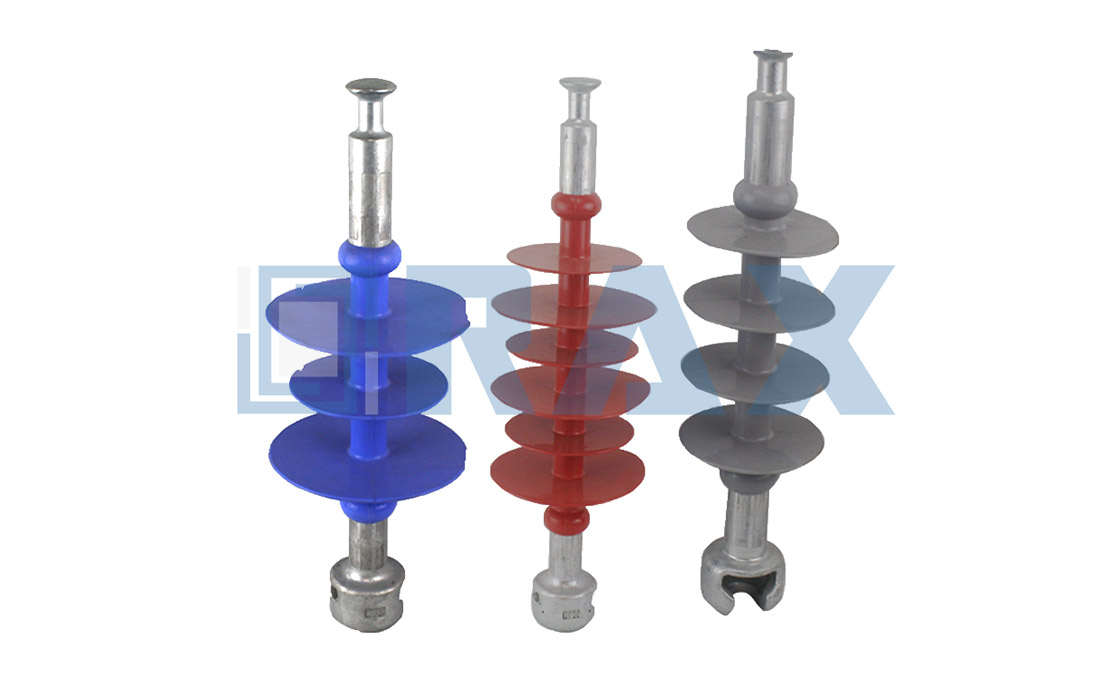
Brittle fracture is stress corrosion cracking of the fiberglass core. Field investigations traced the chemistry: humidity, atmospheric gases, and corona discharge combine to form nitric acid on the housing. The acid attacks glass fibers under tension, and the rod can fail suddenly at a fraction of its rating.
Location matters in the record. Corona activity concentrates near the housing-to-fitting interface, where the electric field peaks, and surface pollution raises conductivity enough to feed more discharge. A coastal utility cited in industry interviews replaced one brand after 13 years in service following two brittle fracture failures.
Composite insulator design answers exist and are testable. Boron-free ECR glass fibers resist acid attack far better than standard E-glass, whose boron oxide content dissolves readily in acid. IEC 62217 accordingly specifies a 1N nitric acid test for core rods. Grading rings that tame the end-fitting field, plus verified seals at both fittings, close the remaining doors.
The fibers tell much of that story. Failed rods examined in field case studies showed fibers of about 20 micrometers in diameter, boron-free and alumina-lime silicate in composition, matching the ECR type specified for acid resistance. Rod choice is therefore a documented, checkable line item.
التوصيلات الطرفية والواجهات تحت الحمل الدوري
Flashunder, the top internal failure type in utility records, starts with adhesion. Moisture diffuses through the rubber housing and condenses at the core/housing interface; only rarely does it enter through improper sealing. Poor adhesion combined with a strong electric field then drives partial discharge where the water collects.
Buyers should know about a gap here: adhesion and sealing tests are still non-standardized in IEC documents. Both are under consideration in the current IEC 62217 and IEC 61109 revisions, alongside electric-field limits. Until those revisions land, ask suppliers directly for interface test evidence and crimp process controls.
Mechanical issues dominated the failure categories in that brochure, which puts the interface on par with the rod itself. In our experience, crimp validation separates reliable insulator suppliers from polished brochures. Fittings also pair with the linking hardware on the قطعة العازل page, so review both when auditing an assembly.
ما تعنيه شرارات التلوث وما لا تعنيه
A flashover is an external event: the arc rides over the housing because the pollution layer went conductive. It usually indicts the composite insulator design choice for creepage, not the material itself. Field investigators still watch one subtlety, because a flashunder can be misread as a flashover after the fact.
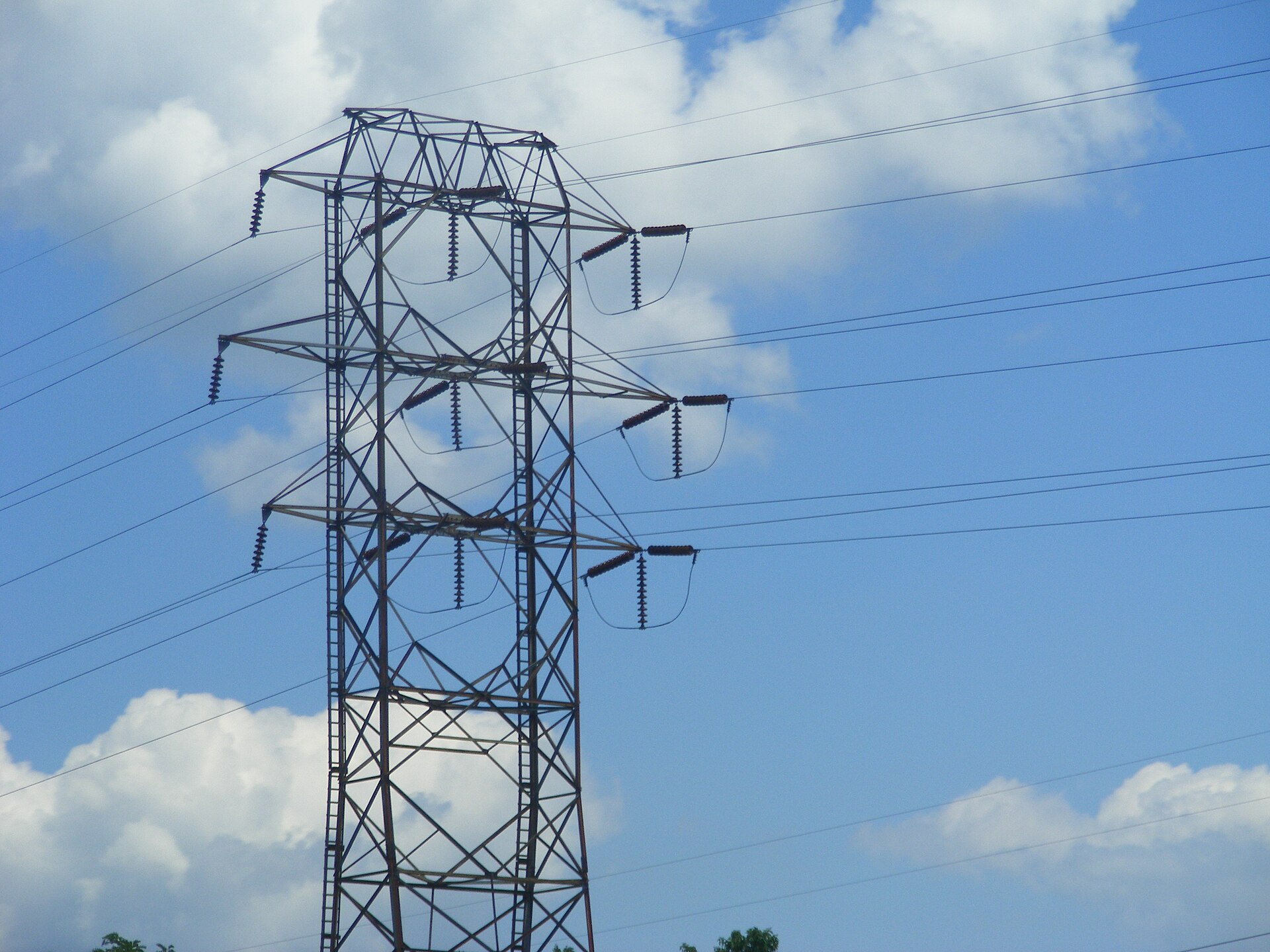
آلية نقل الخاصية الكارهة للماء هي آلية الدفاع الفعّالة. لأن السلاسل قصيرة السلسلة الجزيئية تغطي طبقة التلوث، لا تزال المظلات المتسخة تطرد الماء. وهذا هو السبب في أن وحدات البوليمر يمكنها مجاراة التحدي في الخدمات الملوّثة مع زحف كهربائي محدود. تبقى السلاسل الطويلة على الأبراج الشبكية الدليل المرئي على مخصصات الزحف على نطاق النقل.
For buyers, the takeaway is to specify surface behavior, not just shed geometry. Hydrophobic transfer and recovery are measurable material properties, and housing suppliers can document both. A creepage number alone does not capture how a housing will behave once its surface ages.
Early reliability math also warns against overreacting to removal counts. The first survey treated every removed unit as a failure; one utility pulled 350 units after only 3 actually failed. Corrected estimates settled at 10⁻⁴ to 10⁻⁵ per year, in line with the later brochure.
التشخيصات الميدانية التي تحقق من حالة التشغيل
Utilities do not fly blind between failures. CIGRE Technical Brochure 545 catalogs the working toolkit: visual inspection, infrared thermography, electric-field measurement, and leakage-current monitoring. Each method catches a different stage of trouble.
Visual passes catch shed damage and bird pecking early. Thermography flags abnormal heating that can precede interface breakdown, while UV and field measurements expose corona near fittings. Leakage-current trend lines show pollution building long before it ever arcs.
Treat diagnostics the way you treat tire rotation: cheap, routine, and far cheaper than the failure it prevents. Fleets that pre-qualified units and then measured them in service reported the best records in the benchmark data.
Brochure 545 has a companion volume for units already removed from service, so the same evidence discipline continues into laboratory assessment. Together they let a utility move from online screening to a documented removal decision. That trail also gives buyers something to request: condition reports from fleets similar to their own.
ترجمة الأدلة الميدانية إلى معايير تصميم
Service records turn specification from guesswork into engineering. Every dominant failure mode maps to a composite insulator design parameter a buyer can check on the datasheet or the test report. The table below compresses that mapping.
| Field lesson | What to specify or request |
|---|---|
| Brittle fractures cluster near the fittings | Boron-free ECR glass core rod; seal test evidence |
| Flashunder leads internal failures | Core/housing adhesion data; crimp process controls |
| Acid attack ages housings | HTV silicone with ATH filler; acid-resistance data |
| Corona concentrates at end fittings | Grading rings sized to voltage class |
| Flashovers track site pollution | Creepage matched to contamination; hydrophobic transfer |
Grading-ring practice deserves its own line because the field data is explicit. Utilities reported no grading devices below 110 kV. One ring or arcing horn went at the high-voltage fitting from 110 to 132 kV. Two rings, one at each end, became practice from 220 to 275 kV upward. For ring geometry and placement examples, see the ...حلقات التاج product page.
Pre-qualification is the final parameter. Positive-experience fleets ran it; unhappy fleets generally did not.
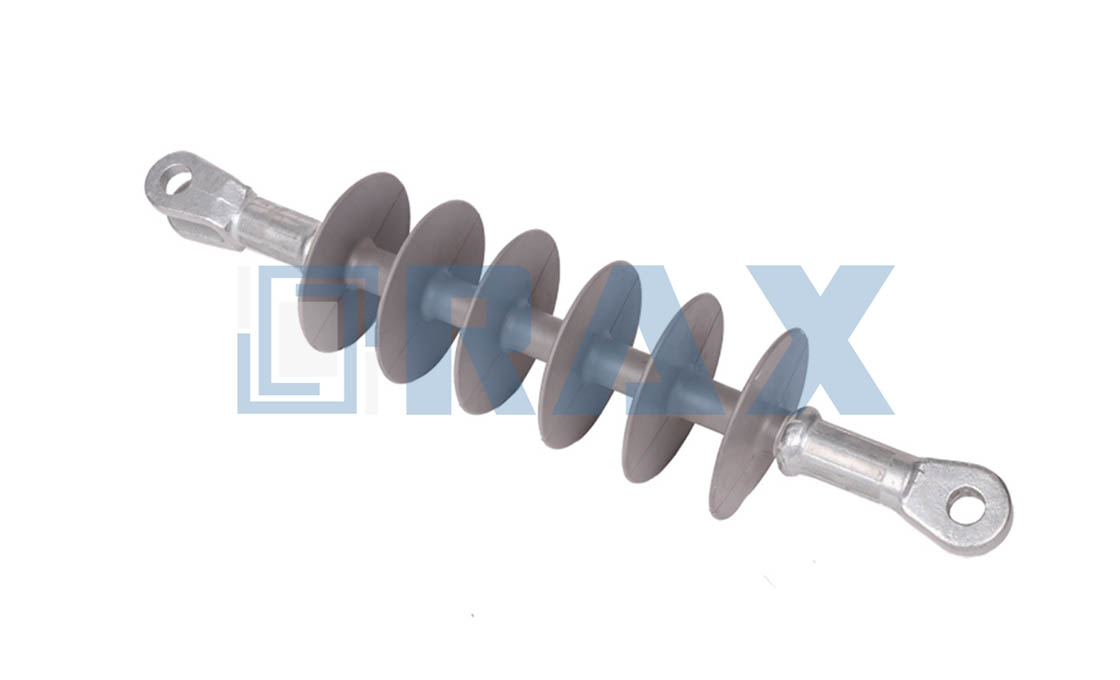
توريد عوازل مصمّمة للخدمة الميدانية
Field evidence rewrites the supplier conversation. Instead of comparing price lists, ask each bidder for ECR core certification, interface adhesion data, HTV compound details, and crimp test records. Suppliers who serve utilities will answer with documents, not adjectives.
Standards give that conversation a frame. IEC 61109 defines the test methods and acceptance criteria for composite suspension and tension insulators above 1,000 V, and IEEE application guide 987 covers the operating side. Cite both in the request, then attach the field-evidence questions above.
جعل الأدلة الميدانية بوصلة اختيارك
Three decades of records point one way: composite insulators fail on interfaces, seals, and mismatched creepage far more often than on the silicone itself. Treat composite insulator design as a field-evidence problem and the odds follow. RaxPower builds to that standard, pairing silicone rubber housings, fiberglass core rods, and aluminum alloy end fittings with test documentation for every project lot.
Match each parameter to the field lesson behind it, and demand the paperwork that proves it. A fleet run that way will very likely stay on the right side of 10⁻⁵ failures per year.
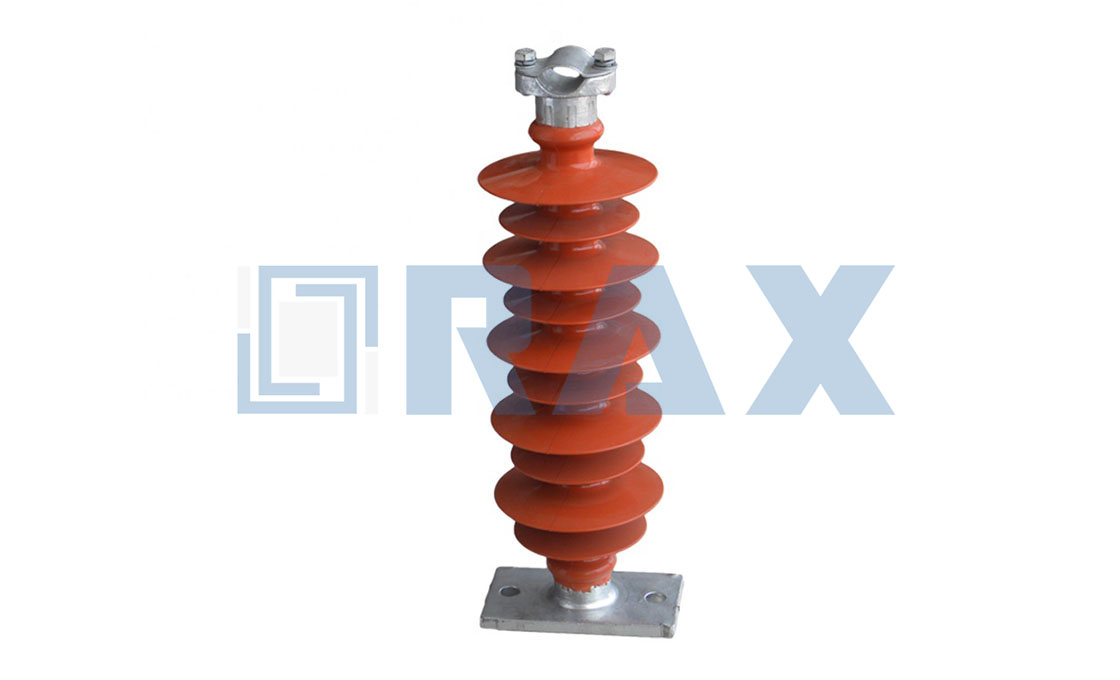
عازل مثبت على العمود يمسك بالمواسير الرأسية على مسافة ثابتة من سطح العمود، مما يحمي الكابلات ويحافظ على الفصل عن الموصلات والمعدات الأخرى.
أي نمط فشل يهيمن على إحصاءات العوازل المركبة؟
Utility records put flashunder and brittle fracture at the top of internal failure lists. Flashovers are reported often too, but they usually reflect creepage mismatches with site pollution rather than material defects, so investigators separate external events from internal ones.
هل تعود الكارهة للماء بعد سنوات من التعرّض الخارجي؟
Yes. Silicone rubber recovers water repellency once corona, UV, or pollution stress eases, and it transfers hydrophobicity to contamination through migrating polymer chains. First-generation EPDM housings lacked this resilience, which is why their aging showed lasting hydrophobicity loss.
أين تدخل الرطوبة الكامنة وراء الكسر الهش؟
Mostly through the housing itself: moisture diffuses through the rubber and condenses at the core/housing interface, while improper sealing is a rarer path. Corona discharges near the end fittings then generate nitric acid that attacks glass fibers under tension.
ماذا يمكن أن يكشف رصد تيار التسرب على الخطوط الحية؟
It shows pollution building up and dry-band discharge activity before a flashover becomes possible. Utilities usually combine it with visual inspection, infrared thermography, and electric-field measurement, the toolkit CIGRE Technical Brochure 545 documents for in-service assessment.
متى تحتاج العوازل المركبة إلى حلقات التدرج الجهدية؟
Surveyed utility practice uses none below 110 kV. One ring or arcing horn sits at the high-voltage fitting from 110 to 132 kV. From 220 to 275 kV upward, two rings are used, one at each end.