
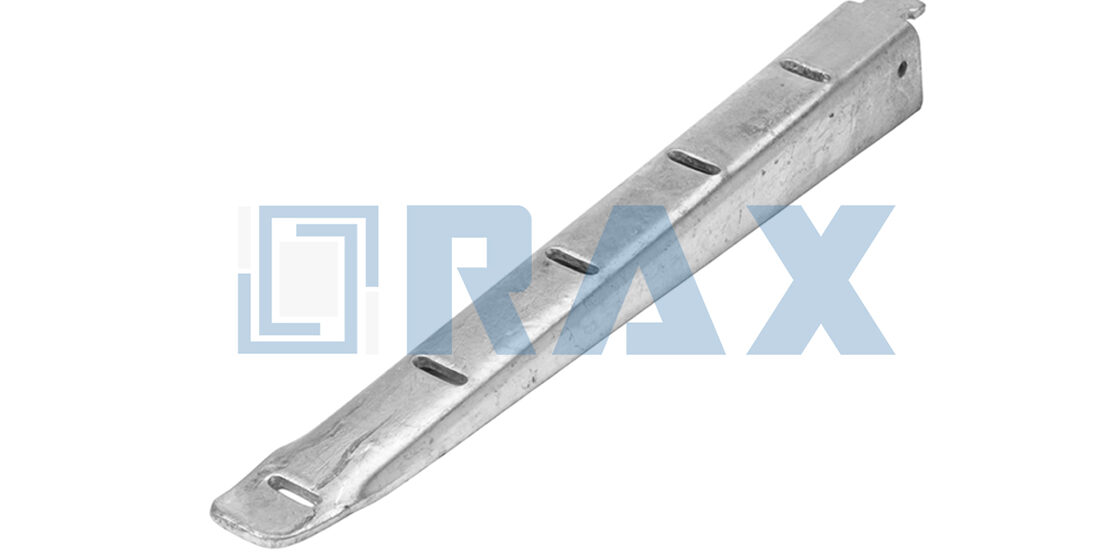
A força de ruptura última é uma métrica vaidosa para hardware de linhas de poste. Ignora microfissuras causadas pela vibração diária. A maioria dos engenheiros de EPC especificam galvanização inferior ao revisar orçamentos para um gancho de estante de cabos porque os fornecedores ocultam a espessura do revestimento atrás de rótulos genéricos resistentes à corrosão. Nós exigimos galvanização por imersão a quente que excede consistentemente 85 microns de revestimento de zinco na Rax Power porque camadas finas eletropletadas racham sob o balanço do vento. Essa única métrica de revestimento determina se suas conexões sobrevivem a cargas pesadas de vento ou desenvolvem jogo perigoso em poucos meses.
Nós ignoramos o marketing superficial e vamos direto às realidades mecânicas que as equipes de EPC controlam. Esta análise examina o fluxo de grãos do aço Q235 durante a forjamento a quente, tolerâncias dimensionais de ±1mm, e como cargas de prova IEC 120 calculam fatores de segurança dinâmicos reais. Você obterá valores precisos de limiar para verificar o hardware recebido e captar manufatura subpadrão antes que chegue ao seu canteiro de obras.
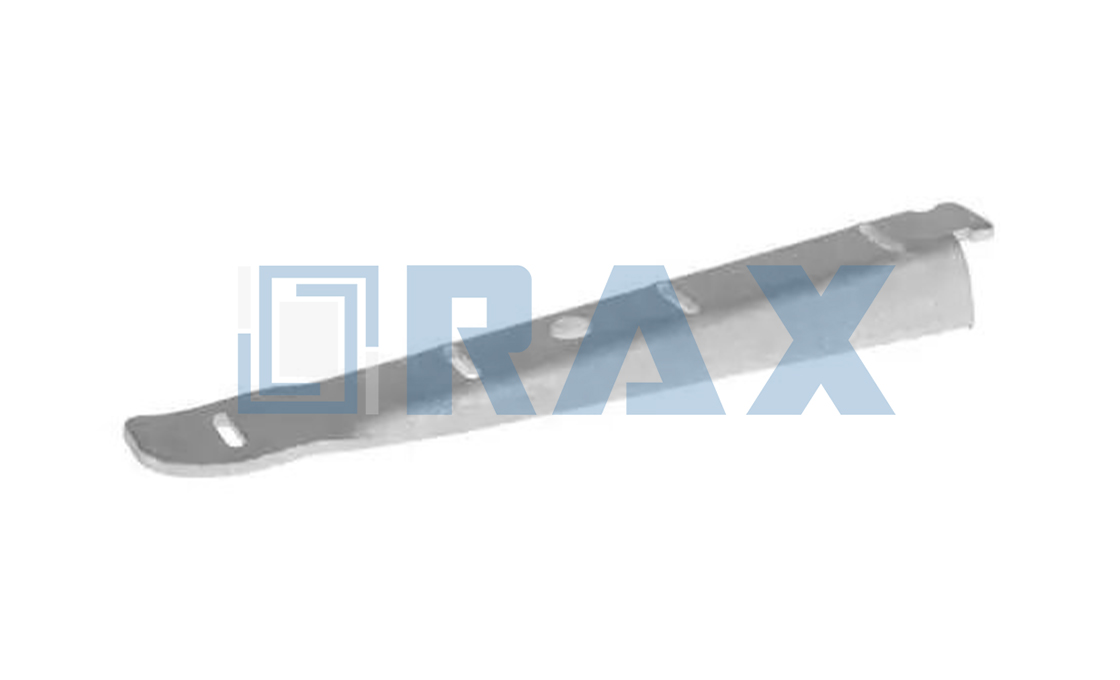
Padrões de Material para Gancho de Estante de Cabos
Selecionar a liga base correta e o limiar de revestimento metalúrgico determina se o hardware de linha de poste sobrevive décadas de carregamento dinâmico ou falha prematuramente devido a fadiga por corrosão.
Substrato de Aço Q235 e Química de Superfície
A durabilidade dos ganchos de estante de cabos começa com a composição química do substrato. Aço carbono Q235 é o padrão da indústria para hardware de linhas aéreas devido ao seu equilíbrio ideal entre resistência à tração e ductilidade. Diferentemente dos aços com maior teor de carbono que podem se tornar frágeis durante processos térmicos, o Q235 mantém a integridade estrutural enquanto fornece uma superfície quimicamente reativa ideal para galvanização. Este teor específico de silício e fósforo facilita a formação de uma camada forte de liga de zinco-ferro durante o processo de imersão a quente, o que é crítico para a aderência a longo prazo. Se a química do substrato não for controlada corretamente, a reação com zinco fundido pode ser imprevisível, levando à descolamento do revestimento sob carga.
Em nosso protocolo de produção, nós rigorosamente adquirimos aço Q235 com certificados químicos de laminação verificados. Nós identificamos que esta rigorosa triagem de materiais elimina o risco de porosidade de fundição em areia frequentemente vista em alternativas de menor qualidade, garantindo que o revestimento galvanizado adira uniformemente a uma superfície densa e não porosa.
A Diferença Crítica: Eletropletagem vs. Galvanização por Imersão a Quente
Um ponto de falha comum em sistemas de estantes secundárias é a aplicação incorreta de eletropletagem em vez de galvanização por imersão a quente. A eletropletagem deposita uma camada fina de zinco sobre a superfície através de uma corrente elétrica. Isso cria uma barreira física, mas carece de ligação metalúrgica exigida para aplicações mecânicas pesadas. Sob a vibração e as cargas estáticas inerentes ao hardware de linhas de poste, camadas eletropletadas estão propensas a microfissuras e descascamento. Uma vez que a peltura é comprometida, a corrosão acelera rapidamente, comprometendo a capacidade de suporte de carga do gancho.
A galvanização por imersão a quente, em contraste, mergulha o componente de aço em um banho de zinco fundido (tipicamente acima de 450°C). Isso desencadeia uma reação de difusão que forma quatro camadas distintas de liga intermetálica de zinco-ferro. Essas camadas são mais duras que o aço subjacente e estão integradas à superfície, em vez de simplesmente ficarem sobre ela. Nós utilizamos este método porque garante que mesmo que o hardware seja riscado durante a instalação, o revestimento circundante forneça proteção catódica sacrificial, impedindo que a ferrugem se espalhe.
Padrões de Espessura ISO 1461 e Vida Útil
A resistência à corrosão é diretamente proporcional à espessura do revestimento. Para hardware de utilidade exposto a poluição industrial ou ambientes costeiros salinos, a norma ISO 1461 não é meramente uma diretriz — é um requisito de sobrevivência. A norma especifica uma espessura média de revestimento que atua como um reservatório de proteção; uma espessura média superior a 85 microns fornece uma extensão significativa de vida útil comparada aos revestimentos comerciais padrão. Esta espessura garante que a taxa de intemperismo do zinco permita que o revestimento supere a vida operacional projetada do hardware da linha de poste, mesmo em ambientes corrosivos Classe C4 ou C5.
- Rugosidade Superficial: A galvanização adequada adiciona um acabamento levemente texturizado, o que na verdade auxilia na aderência de tinta se codificação de cores adicional for exigida por normas de utilidade.
- Resistência à Abrasão: As espessas camadas de liga geradas pelo nosso processo compatível com ISO 1461 resistem ao desgaste mecânico que ocorre durante o transporte e a instalação.
To guarantee compliance, our quality team performs mandatory coating thickness verification on every batch. We reject any production run that falls even marginally below the 85-micron mean, as we know from our export experience that international utility auditors will not compromise on corrosion protection metrics.
| Parâmetro | Specification | Technical Advantage | Garantia de Qualidade | Commercial & Procurement Edge |
|---|---|---|---|---|
| Base Material & Forming | Q235 Steel via Automated Hot-Forging | Eliminates internal voids for superior ductility and fatigue resistance under high tension | In-house IEC 120 load and gauge testing with full SGS verification | Optimized for rapid EPC technical validation and direct factory pricing |
| Dimensional Precision | ±1mm Strict Manufacturing Tolerance | Prevents onsite installation delays and ensures stable load transfer in secondary rack connections | Mandatory 100% double-review inspection protocol prior to packaging | Flexible MOQ and customized lead times tailored to project schedules |
| Surface Protection | ISO 1461 Hot-Dip Galvanizing (>85μm mean thickness) | Maximum corrosion resistance for extreme climates and long-term grid reliability | Strict coating thickness verification with mandatory batch certification | Streamlined sample approval workflows aligned with global utility procurement |
| Structural Grain Control | Hot-forged steel grain structure optimization | Delivers higher breaking load capacity compared to traditional sand-casting methods | Continuous mechanical property tracking aligned with global utility procurement metrics | OEM/ODM capabilities for custom mold development and regional tender specifications |
| Supply Chain Readiness | 21-year export optimized production line | Consistent high-volume output without compromising dimensional accuracy | Rigorous pre-shipment verification ensuring compliance with highest international standards | Dedicated project engineering support from initial inquiry to final delivery |
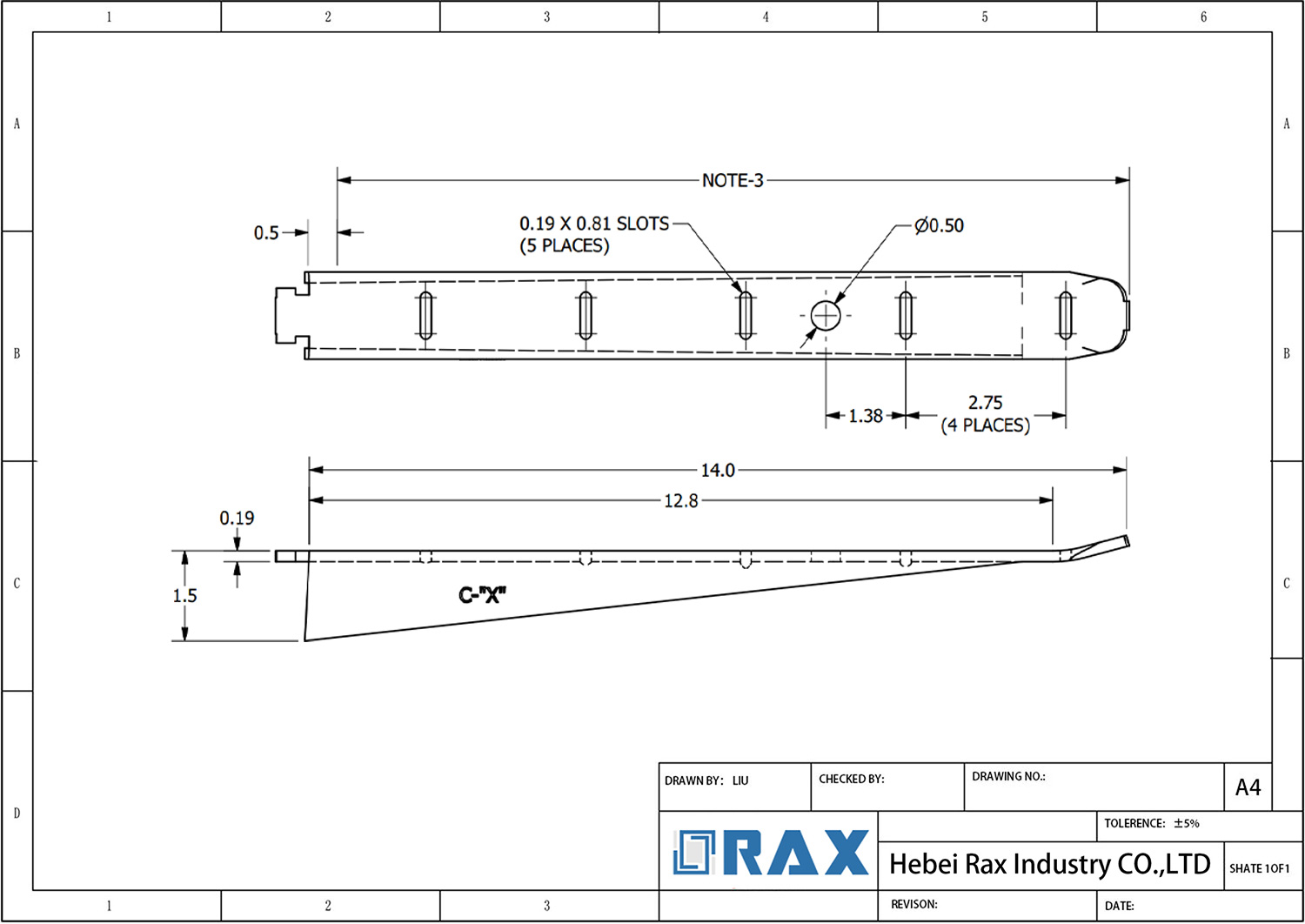
Forjamento a Quente vs. Métodos de Fundição
Processo de Manufatura: Compressão Térmica vs. Deposição Fluida
The fundamental difference between hot-forging and casting lies in the state of the raw material during formation. Casting relies on pouring molten metal into a mold, where it cools and solidifies. While cost-effective for complex shapes, this process is vulnerable to impurities settling and inconsistent cooling rates. In contrast, hot-forging applies intense thermal energy and compressive force to a solid steel billet, deforming it plastically to take the shape of the die. We have strictly adopted automated hot-forging to replace traditional sand-casting, ensuring that the material’s density is increased through mechanical pressure rather than relying on the unpredictable settlement of fluid metal.
Alinhamento da Estrutura Granular e Resistência a Fratura
The mechanical superiority of hot-forging is primarily rooted in the manipulation of the steel’s grain structure. In cast components, the grain structure is randomized and globular, creating planes of weakness that can propagate cracks under stress. Hot-forging realigns these grains, forcing them to flow along the contour of the part. Much like the grain in a piece of wood, this directional alignment allows the hardware to absorb energy more efficiently. By aligning the steel grain structure through high-pressure forging, we produce components that exhibit superior ductility and fatigue resistance, significantly reducing the risk of brittle fractures during high-tension events or dynamic load shifts.
Eliminação de Riscos de Vazios Internos e Porosidade
One of the most critical failure modes in pole line hardware is internal porosity, often found in cast products. As molten metal cools, trapped air creates microscopic pockets or voids that act as stress concentrators. These invisible defects can drastically compromise the actual load capacity of a component, leading to sudden failures below the rated working load. The compressive nature of hot-forging crushes the internal structure of the steel, effectively welding these gaps shut and creating a homogeneous mass without air pockets. Our manufacturing process guarantees these voids are eliminated, ensuring that the structural integrity calculated during the design phase is physically present in every unit shipped.
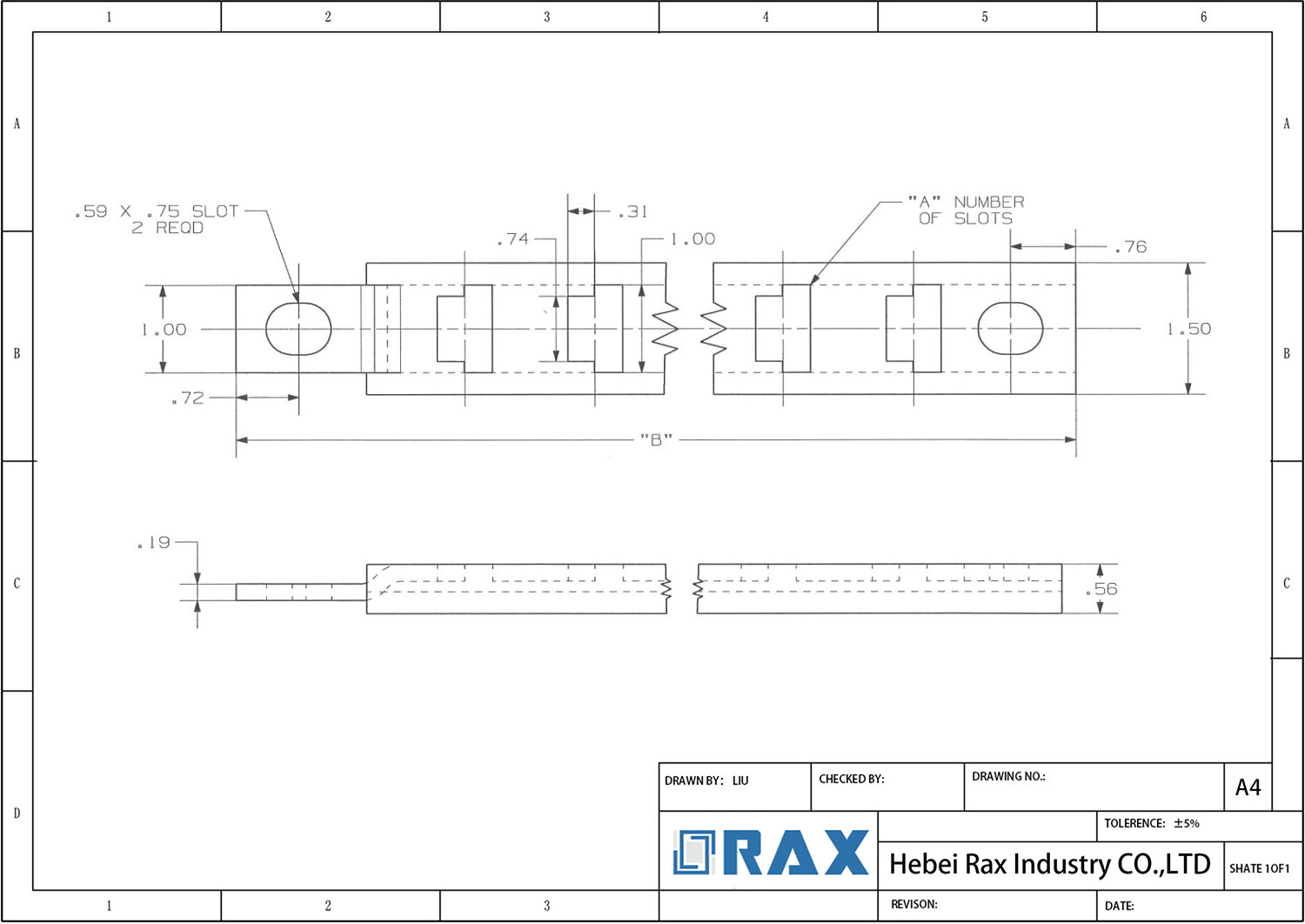
Marcos de Tolerância Dimensional
TL;DR: Dimensional accuracy is not just about fit; it is a primary determinant of fatigue life. For secondary rack hardware, a strict ±1mm tolerance on shank length and eye diameter is required to prevent vibration-induced failure and ensure zero onsite rework.
A Criticidade do Diâmetro do Olho e do Comprimento do Caule
In overhead line infrastructure, the interface between hook and rack is a high-stress point where minor dimensional variances can escalate into critical structural failures. The eye diameter dictates the interface area with the connecting bolt or pole band; an undersized eye forces assembly delays or field modifications, while an oversized eye distributes load unevenly across the contact surface. Similarly, shank length directly impacts thread engagement and clamping force. If the shank is too short, the nut cannot achieve full thread engagement, compromising the integrity of the entire assembly under load.
Precisão Automatizada de 1mm: Eliminando Variância Manual
Achieving consistent dimensional accuracy across high-volume production batches is impossible with manual processes alone, which are inherently subject to human fatigue and error. To guarantee interchangeability and safety, we utilize advanced automated and semi-automatic machinery in our forging and finishing lines. This technological integration ensures that every unit meets a strict ±1mm tolerance standard, effectively eliminating the drift often seen in manual manufacturing.
- Tolerance Standard: Strict ±1mm dimensional control on critical axes (shank length, eye diameter).
- Process Consistency: Automated machinery ensures zero variance between the first piece and the ten-thousandth piece in a batch.
- Verification: A dedicated 10-person QC team performs gauge testing to validate these automated results before packaging.
Compatibilidade do Diâmetro do Olho e Fadiga por Vibração
A loose fit is rarely a static problem; it is a catalyst for dynamic failure. When the eye diameter exceeds the upper tolerance limit, it creates “play” or mechanical clearance within the connection point. Under operational conditions—specifically wind-induced Aeolian vibration—this slack allows the connected hardware to hammer against each other. This repetitive impact creates stress concentrations that initiate micro-cracks, leading to vibration fatigue and eventual fracture. We ensure our eye diameters are machined to the tighter end of the tolerance spectrum to provide a snug, secure fit that dampens vibration rather than amplifying it.

Testes de Carga e Conformidade
Grid infrastructure demands verifiable mechanical resilience. Overhead line hardware relies on standardized proof-load protocols and calculated safety margins to pass utility procurement audits and ensure decades of fault-free operation.
Utility verification processes for pole line hardware focus heavily on traceability, batch consistency, and documented compliance rather than general material claims. Procurement engineers and general contractors require a transparent audit trail that demonstrates each component meets exact grid code specifications before installation. Our factory implements a mandatory 100% double-review inspection protocol, where a dedicated quality control team validates every unit against dimensional drawings and surface finish requirements. This rigorous screening eliminates the risk of shipping non-compliant batches, which frequently causes costly project delays and onsite rework. We align our documentation package with major international tender standards, providing clear material certifications, test reports, and packaging logs that facilitate the EPC approval workflow.
Processos de Verificação de Projetos de Utilidade
- Batch Sampling & Third-Party Audits: Utilities typically require independent verification before full deployment. We prepare for these audits by maintaining consistent production logs and offering third-party laboratory coordination to validate mechanical properties on-site or within our facility.
- Documentation Traceability: Every shipment is accompanied by thorough test certificates and inspection records. This transparency allows utility engineers to quickly validate compliance without requesting additional field samples or delaying commissioning schedules.
Teste de Carga de Prova IEC 120 (Prova vs. Testes Últimos)
Understanding the operational distinction between proof testing and ultimate testing is essential for specifying reliable pole line hardware. Proof testing applies a predetermined tensile force to verify that a component successfully returns to its original dimensions after stress removal, confirming it possesses adequate yield strength without suffering permanent deformation. This method is highly effective for routine quality assurance because it preserves the integrity of the tested sample while validating structural performance. In contrast, ultimate testing continuously increases tension until the hardware fractures, which is inherently destructive and entirely unsuitable for batch inspection. In our testing laboratory, we conduct non-destructive proof load evaluations on statistically significant sample sizes to guarantee that every manufactured unit can safely handle peak operational tension. This approach allows us to maintain high production throughput while strictly adhering to international grid standards.
Cálculos de Fator de Segurança (Margens de 2:1 ou 3:1 para Cargas Dinâmicas)
Overhead transmission lines operate under highly variable environmental conditions, making safety factor calculations a critical component of hardware selection. Engineers apply 2:1 or 3:1 safety multipliers to account for unpredictable dynamic forces such as sudden wind gusts, heavy ice accumulation, thermal contraction, and long-term cyclic fatigue. These margins ensure that the installed hardware can absorb transient shock loads without reaching its yield threshold. We design our components to handle these multipliers through controlled ductility and consistent grain alignment, rather than relying solely on rigid strength. When contractors calculate required breaking strength for a specific span, they factor in these dynamic coefficients alongside the base static tension. Our manufacturing controls prioritize tight tolerance enforcement and uniform heat treatment precisely to support these high safety thresholds across demanding utility contracts.
When evaluating suppliers for large-scale grid projects, request their in-house proof-load testing logs rather than relying solely on external certificates. Direct access to batch-specific verification data significantly reduces procurement risk and accelerates utility approval timelines.
Conclusão
Stop risking your reputation on sand-casting hooks that crack under load. Utility projects demand precision, not vague promises. If you’re dealing with onsite delays because the eye diameter doesn’t fit the rack, you’re burning money. You need grain structure alignment from hot-forging to ensure the hardware survives dynamic tension without brittle fracture. We don’t guess with tolerances; we guarantee ±1mm precision to stop vibration fatigue before it starts. That is the only way to secure a long-term installation.
We have spent 21 years perfecting automated hot-forging to eliminate internal voids completely. Our facility uses ISO 1461 galvanizing standards to push service life past the industry average, backed by full SGS verification. Don’t settle for parts that fail the proof load test. Contact our engineering team today to get hard metrics on mechanical properties and physical samples for your next validation phase.
Perguntas Frequentes
Por que escolher aço em vez de alumínio para estantes?
O aço carbono oferece resistência superior à tração e custo-benefício para aplicações em linhas de postes de uso pesado. Seu maior módulo de elasticidade proporciona melhor resistência à deformação sob cargas mecânicas extremas. O aço também apresenta comportamento mais previsível à fadiga quando submetido a cargas contínuas de vibração.
Que teste verifica a resistência à fadiga sob tensão?
Simulações de carga cíclica in-house reproduzem décadas de esforço operacional em prazos de laboratório reduzidos. Os engenheiros monitoram a propagação de trincas e medem os limites de alongamento até que sejam atingidos limiares predefinidos de falha. Esses dados validam a confiabilidade estrutural antes que os componentes entrem em operação na rede.
Que certificações de qualidade acompanham os pedidos grossistas?
Every production batch undergoes mandatory SGS verification alongside comprehensive IEC 120 load testing. A dedicated inspection team executes double-review protocols to confirm dimensional accuracy and coating uniformity. These documented validations streamline EPC technical approvals and accelerate customs clearance processes.
A Raxpower suporta projetos de design personalizado?
Our engineering team facilitates full OEM and ODM development through dedicated custom mold creation. Clients can submit physical samples, technical drawings, or conceptual requirements for tailored manufacturing. We manage the entire prototyping-to-production pipeline to align with specific utility procurement standards.