
In rauen Küsten- oder Industrieumgebungen führt ein einziger Ausfall eines Isolators nicht nur zum Stillstand des Stromflusses, sondern kaskadiert zu katastrophaler Netzinstabilität. Die Wahl zwischen Silikon und Epoxid für Ihre Composite-Polymer-Isolatoren ist kein Einkaufs-Kontrollkästchen – sie ist die primäre Variable, die darüber entscheidet, ob Ihre Infrastruktur die nächste Dekade korrosiver Belastung übersteht oder beim ersten größeren Stoß versagt.
Silikonkautschuk-Gehäuse besitzen eine dielektrische Festigkeit von 17,5 kV/mm und erholen – im Gegensatz zu Epoxid – nach Verschmutzungsexposition aktiv ihre Hydrophobizität. Wir analysieren, wie diese Materialien mit Tracking, Erosion und thermischen Lasten umgehen, um Ihnen die tatsächlichen Gesamtbetriebskosten über 20 Jahre zu berechnen und nicht nur den anfänglichen Stückpreis.
Wann Epoxid- oder Composite-Isolatoren wählen
Richtwerte zur Spannungsklassen-Auswahl
Die Auswahl des richtigen Isolationswerkstoffs beginnt mit der Abstimmung der dielektrischen Eigenschaften auf die Systemspannung. Für Verteilerleitungen unter 35 kV können Epoxid-Isolatoren eine kostengünstige Wahl für kompakte Apparate und Schaltanlagen sein und bieten hervorragende dimensionsstabile Eigenschaften. Wenn Sie jedoch in Übertragungsspannungen von 69 kV und darüber wechseln, werden Gewicht und Länge der Isolatorenkette zu kritischen Faktoren. Composite-Isolatoren sind hier der Branchstandard, da ihre leichte Bauweise die Belastung der Tragstrukturen signifikant reduziert und längere Stützweiten sowie leichtere Turmkonstruktionen ermöglicht.
Bei kompakten Leitungsauslegungen oder eingeschränkten Trassen, wo Isolationsabstand kostbar ist, bietet die überlegene dielektrische Festigkeit von Composites einen klaren Vorteil. In unserer Erfahrung bei der Belieferung von Projekten in Südostasien bevorzugen Ingenieure zunehmend Composite-Polymer-Lösungen für Mittel- bis Hochspannungsanwendungen wegen ihrer Fähigkeit, Leistung bei höherer Spannungs-dichte ohne das Volumen traditioneller Materialien aufrechtzuerhalten.
Bewertung der Umwelteinflüsse
Die Betriebsumgebung ist oft der entscheidende Faktor zwischen Material-langlebigkeit und vorzeitiger Ausfall. In Industriezonen oder Küstengebieten mit hoher Salznebel-belastung bestimmt das Risiko von Verschmutzungs-Freisetzung den Auswahleprozess. Epoxidoberflächen sind anfangs zwar robust, verfügen jedoch nicht über die Fähigkeit, nach Hydrophobizitätsverlust zurückzugewinnen. Sobald sich eine leitfähige Schicht auf einem Epoxid-Isolator bildet, können Leckströme rasch ansteigen, was zu Tracking und schließlichem Ausfall führt.
Composite-Silikonkautschuk zeigt hingegen Eigenschaften des Hydrophobizitäts-Transfers. Silikone mit niedriger Molekülmasse wandern an die Oberfläche, um Kontaminanten einzukapseln und waschen den Isolator bei leichtem Regen effektiv sauber. Dieser Mechanismus reduziert Wartungsintervalle in verschmutzten Umgebungen drastisch. Für Regionen mit hoher UV-Exposition widerstehen unsere UV-stabilisierten Silikon-formulierungen dem Ausblühen und Rissbildung, während Epoxidharze unter anhaltender Sonnenbestrahlung anfällig für Oberflächenabbau und Versprödung sind. Wir haben unsere Formulierungen speziell auf die intensiven Solarbedingungen in südamerikanischen Märkten zugeschnitten, um jahrzehntelange Nutzungsdauer ohne Beschichtungs-nachbehandlung zu gewährleisten.
Vergleichsmetriken für die Tragfähigkeit
Mechanische Resilienz unter dynamischen Lasten ist der Punkt, an dem sich die physikalische Natur dieser Materialien scharf trennt. Epoxid-Isolatoren besitzen eine hohe Druckfestigkeit, sind jedoch von Natur aus spröde. Sie erfüllen statische Last-szenarien zufriedenstellend, können jedoch bei Beschädigung durch Aufprall, plötzliche Torsion oder vibrationen durch Wind-induziertes Galoppieren anfällig für katastrophales Versagen sein.
Composite-Isolatoren nutzen einen glasfaserverstärkten Stab (FRP) als Kern, der außergewöhnliche Zugfestigkeit und Flexibilität bietet. Diese Flexibilität erlaubt der Einheit, Stoßenergie zu absorbieren und Schwingungen zu dämpfen, anstatt zu zerbrechen. Bei der Belieferung des russischen Marktes, wo Eisbelastung und extreme Windböen häufige Sorgen sind, verlassen wir uns auf unsere 760 MPa Zugfestigkeit Glasfaser-kerne, um eine hohe Sicherheits-reserve zu bieten. Die Flexibilität des Composites passt sich den leichten Struktur-bewegungen von Türmen während schweren Stürmen an, ohne die elektrische Integrität zu beeinträchtigen – eine kritische Überlegung für zuverlässigkeits-fokussierte Versorgungsprojekte.
- Sprödigkeit vs. Flexibilität: Epoxid ist starr und bricht unter Aufprall; Composites absorbieren mechanischen Stoß.
- Zug-Sicherheitsreserve: Hochleistungs-Glasfaser-kerne in Composites bieten überlegene Festigkeit-zu-Gewicht-Verhältnisse für schwere Eis- oder Windlastzonen.
- Schwingungsdämpfung: Das polymerische Gehäuse von Composites hilft, Aeol-Vibrationsermüdung im Vergleich zu steifen Epoxid-alternativen abzumildern.
| Auswahlkriterien | Epoxid-Isolatoren-Profil | Composite-Isolatoren-Profil | Rax Power Verbund Spezifikation |
|---|---|---|---|
| Verschmutzung & Hydrophobizität | Mäßige Leistung; begrenzte hydrophobe Rückgewinnung macht sie anfällig für Alterung und Leckströme in verschmutzten Umgebungen. | Überlegene Hydrophobizität und Übergabeeigenschaften gewährleisten hervorragende Freisetzung-leistungs und Erholung in schweren Verschmutzungszonen. | |
| Mechanische Festigkeit | Rigid structure; heavier weight and lower impact resistance compared to polymers. | High strength-to-weight ratio; excellent flexibility and seismic resistance. | Fiberglass core with 760 MPa tensile strength. |
| Dielectric Insulation | High initial dielectric strength but can degrade faster under UV and weathering. | High surface resistance and low surface tension maintain insulation over time. | Dielectric strength of 17.5 kV/mm. |
Wie sich Epoxid und Composites in der dielektrischen Festigkeit vergleichen
Epoxy resins offer high dielectric strength but lack hydrophobicity, whereas composite polymer insulators (silicone rubber over fiberglass) combine robust insulation with superior pollution performance.
Vergleichende Durchbruchspannungsanalyse
Epoxy resin serves as a primary matrix material within composite structures due to its robust electrical insulation properties. According to industry specifications for composite polymer insulators, the minimum dielectric strength is typically rated at 17.5 kV/mm when tested under ASTM D149 standards. This metric represents the electric field intensity at which the material breaks down and conducts electricity. While epoxy itself provides excellent internal insulation, it relies on the structural reinforcement of fiberglass or carbon fiber cores to maintain mechanical integrity under load.
In contrast, pure epoxy systems used in standalone applications generally exhibit comparable bulk dielectric strength but differ significantly in surface behavior. The critical distinction lies not just in the volume breakdown voltage, but in how these materials withstand surface tracking—the formation of conductive paths across the surface due to moisture and contamination. Epoxy is prone to surface degradation in wet conditions without specialized coatings, whereas composite designs integrate hydrophobic outer layers that prevent flashover even when contaminated.
Widerstand gegen Oberflächenerosion unter Koronaentladung
Corona discharge occurs when the electric field surrounding a conductor ionizes the air, producing ozone and ultraviolet radiation that can degrade insulating surfaces over time. Silicone-based composites demonstrate superior resistance to this phenomenon compared to bare epoxy or traditional ceramic materials. The chemical stability of silicone polymers—specifically Polydimethylsiloxane (PDMS)—allows them to resist oxidation and cracking caused by prolonged corona exposure.
When evaluating long-term reliability in high-voltage environments, the erosion rate becomes a decisive factor. Composite polymer insulators utilize ethylene propylene diene monomer (EPDM) or similar elastomers in conjunction with silicone to form a protective outer shell. These materials recover their hydrophobic properties after being wetted, ensuring consistent performance during rain or fog. Epoxy, lacking inherent hydrophobicity, requires additional surface treatments to achieve similar resilience against environmental stressors such as salt spray or industrial pollution.
Wärme, Stress und Langlebigkeit: Welches Material hält stand?
Silicone rubber outperforms epoxy resin in high-UV and polluted environments due to its hydrophobic recovery mechanism, whereas epoxy offers superior mechanical rigidity but suffers from irreversible surface erosion and chalking under thermal stress.
When evaluating long-term durability in utility grid applications, the choice between silicone and epoxy hinges on the material’s ability to resist environmental stressors without losing dielectric integrity. Silicone rubber, built on a polymeric organic backbone (Si-O), demonstrates exceptional resilience against thermal cycling and ultraviolet (UV) radiation. It maintains flexibility across a wide temperature range, typically from -50°C to +200°C, preventing the cracking that often plagues rigid materials in fluctuating climates. In contrast, while epoxy resins provide high tensile strength and excellent stiffness, they are inherently susceptible to UV degradation. Prolonged exposure leads to surface chalking and the formation of micro-cracks, which can serve as entry points for moisture and contaminants, ultimately accelerating the aging process in outdoor installations.
| Performance Factor | Silikonkautschuk | Epoxy Resin |
|---|---|---|
| Thermal Stability | High flexibility; resists cracking from -50°C to +200°C. | Rigid structure; risk of brittle fracture under extreme thermal cycling. |
| UV Resistance | Excellent; inherent resistance to UV radiation prevents surface degradation. | Moderate to Poor; susceptible to chalking and surface erosion without UV stabilizers. |
| Hydrophobicity | Permanent; maintains water repellency and self-cleans in rain. | Initial high performance; degrades over time as surface erodes. |
| Lifespan in Pollution | Extended; recovery mechanisms mitigate pollution flashover risks. | Reduced; accumulation of contaminants on eroded surface increases leakage current. |
Hydrophobizitäts-Rückgewinnungsmechanismen in verschmutzten Umgebungen
In heavily industrial or coastal zones where salt, cement dust, and chemical pollutants are prevalent, surface hydrophobicity is critical for preventing flashovers. Silicone rubber possesses a unique transfer mechanism where low-molecular-weight (LMW) siloxane fluids continuously migrate from the bulk of the material to the surface. This diffusion process encapsulates pollutants, preventing the formation of a conductive wetting layer. Even if the surface layer is temporarily abraded or contaminated, the internal reservoir of fluid migrates to recover hydrophobicity within hours.
Epoxy resins, however, lack this dynamic recovery capability. While the surface may be hydrophobic initially, it is essentially a static barrier. Once the surface is exposed to arcing, corona discharges, or abrasive pollutants, the epoxy matrix undergoes irreversible oxidation and chain scission. This erosion exposes the underlying filler material (often silica or alumina), which is hydrophilic. Consequently, the surface becomes a magnet for moisture, leading to increased leakage current and a significantly higher probability of dry-band arcing and eventual failure in polluted environments.
- Silicone Recovery Speed: Typically restores hydrophobicity within 4-12 hours after cleaning or environmental stress removal.
- Epoxy Surface Degradation: Erosion rates increase exponentially in the presence of acid rain or salt fog, often necessitating maintenance cleaning.
- Pollution Encapsulation: Silicone binds pollutants into a non-conductive silicone-like layer; epoxy allows pollutants to bond directly to the surface matrix.
Anschaffungskosten vs. Lebenszyklus-Einsparungen für Isolatoren
While silicone rubber insulators often command a higher initial unit price than epoxy alternatives, their superior hydrophobic recovery properties typically result in significantly lower operational expenditure (OPEX) over a standard 20-year service life.
Analyse von Kapitalausgaben (CAPEX) vs. Betriebsausgaben (OPEX)
When evaluating the total cost of ownership (TCO) for composite insulators, B2B buyers must look beyond the initial procurement invoice. Epoxy insulators, particularly those utilizing cycloaliphatic resins, are frequently positioned as a cost-effective entry point regarding initial procurement. However, in environments with high contamination levels or intense UV exposure, the lower upfront cost can be misleading. Silicone rubber variants utilize a formulation that maintains surface properties longer, effectively shifting the financial burden from capital expenditure to operational savings.
The financial modeling for TCO must account for the degradation curve of the housing material. While epoxy provides excellent mechanical rigidity, its surface can become hydrophilic over time under severe electrical stress. This degradation necessitates increased monitoring and potential cleaning to prevent flashovers. In contrast, the ability of silicone to transfer hydrophobicity to pollution layers acts as a passive financial safeguard, preserving system reliability without active maintenance intervention.
Wartungshäufigkeit und Ersatzkostenmodellierung
Modeling maintenance costs requires calculating the “Cost of Power Outage,” which often dwarfs the price of the hardware itself. For utility grid operators, a single unexpected failure due to insulation degradation can result in penalties, revenue loss, and emergency repair crew mobilization. Epoxy insulators, while robust, may exhibit surface chalking or cracking in extreme weather scenarios earlier than their silicone counterparts, shortening the inspection interval and increasing the probability of emergency replacement.
- Inspection Logistics: Silicone’s visual durability reduces the frequency of helicopter or drone patrols required to inspect for hairline cracks and erosion marks common in aging epoxy housings.
- Cleaning Expenditure: In coastal or industrial zones, epoxy units often require periodic high-pressure washing to maintain performance. Silicone units generally self-clean via hydrophobicity, eliminating these recurring labor and equipment costs.
- Replacement Cycle Logistics: The lighter weight of composite materials reduces the cost of heavy lifting equipment during installation or replacement. However, extending the interval between these replacements is where the highest savings are realized.
A rigorous life-cycle cost analysis (LCCA) typically reveals that paying a premium for high-grade silicone insulation yields a positive return on investment within the first 5 to 7 years of service in polluted environments. The reduction in maintenance man-hours and the mitigation of outage risks provide a compounding financial advantage that far exceeds the initial price differential at the time of purchase.
| Evaluation Criteria | Technische Spezifikation | Performance Advantage | Lifetime Savings Mechanism | Total Cost Impact |
|---|---|---|---|---|
| Pollution Flashover Performance | Silicone Rubber Sheath with Hydrophobicity Migration | Better pollution flashover performance than porcelain due to hydrophobic recovery | Reduces need for periodic cleaning and maintenance in contaminated areas | Significant OPEX reduction over 20+ year service life |
| Mechanical Structural Integrity | Fiberglass Core with 760 MPa Tensile Strength | High strength-to-weight ratio exceeding traditional ceramic materials | Lighter weight lowers transport costs; lighter structure requirements for poles | Reduced CAPEX for logistics and support infrastructure |
| Electrical Aging Resistance | Class 1 A4.5 Tracking and Erosion Resistance | Superior resistance to chemical degradation and electrical tracking | Hydrophobic recovery prevents permanent damage from pollution exposure | Extended replacement intervals and minimized outage risk |
| Dielectric Efficiency | 17.5 kV/mm Dielectric Strength | High surface resistance and low surface tension maintain insulation | Ensures consistent performance without needing oversized units | Optimized material spend for high-voltage transmission projects |
| Quality Assurance & Risk | 100% Double-Review Process; SGS/IEC 61109 Verified | Verified mill test reports integrated into catalog data | Eliminates tender friction and mitigates supply chain failure risks | Zero-defect reliability prevents expensive emergency repairs |
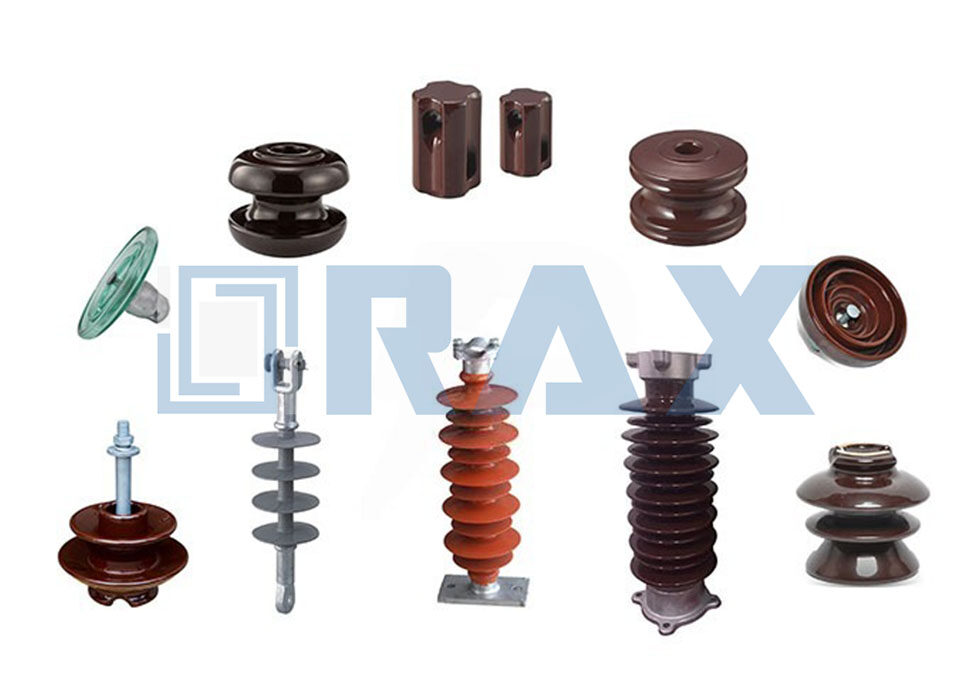
Welcher Isolator eignet sich am besten für Ihre Anwendung?
For high-voltage transmission and heavy pollution environments, silicone rubber is the superior choice due to superior hydrophobicity and UV resistance. Epoxy is best reserved for indoor applications or low-voltage distribution where cost sensitivity outweighs environmental exposure risks.
Materialauswahl-Ratgeber nach Spannungsklasse und Region
Choosing between silicone rubber and epoxy resin requires a strict assessment of voltage stress and environmental severity. While both materials serve as dielectric barriers, their performance characteristics diverge significantly as voltage levels increase and environmental conditions become hostile. In utility applications, the material selection is rarely a choice of preference but a calculation of survival rate under specific electrical and mechanical loads.
- High-Voltage Transmission (72.5 kV to 800 kV): Silicone rubber composites are the industry standard. The manufacturing process allows for deep, complex shed geometries necessary to maintain specific creepage distances required by IEC 60815. Epoxy is generally avoided here due to its heavier weight and susceptibility to brittle fracture under high mechanical cantilever loads.
- Distribution Voltage (11 kV to 36 kV): Epoxy resin insulators are frequently used in compact urban substations and transformer bushings due to high mechanical strength and lower cost. However, in regions with high UV exposure, silicone is preferred to prevent surface chalking and cracking.
- Indoor/Controlled Environments: Epoxy dominates in indoor switchgear and medium-voltage cabinets. Without exposure to UV, rain, or salt fog, epoxy’s excellent dielectric strength and dimensional stability provide a reliable, cost-effective solution.
Kritische Leistungsschwellen für Küsten- und Industriezonen
In coastal and industrial zones, the insulator surface is subjected to conductive pollution layers (salt spray, cement dust, chemical exhaust). The failure mechanism is not just insulation breakdown but “flashover” caused by pollution wetting. The material’s ability to resist this defines its viability.
Silicone rubber excels in these environments through a mechanism known as hydrophobicity transfer. The low molecular weight siloxane fluid in the silicone migrates to the surface, encapsulating pollution particles and preventing water from forming continuous conductive streams. Epoxy, being hydrophilic, allows water to wet the pollution layer directly, creating a path for leakage current.
- Coastal/Salt Fog Environments: Projects within 5km of coastlines or subject to typhoon spray must utilize silicone. The material maintains hydrophobicity even after periods of arcing. Epoxy surfaces suffer from permanent tracking and erosion when exposed to saline contamination, leading to rapid insulation failure.
- Industrial Pollution Zones: In areas with heavy dust (cement or coal) or chemical emissions (fertilizer plants), silicone’s hydrophobic recovery is critical. If the surface is cleaned by rain or wind, silicone recovers its water-repellent properties within hours. Epoxy, once oxidized or tracking begins, has zero recovery capability and requires immediate replacement.
- Corrosion Resistance: The interface between the hardware and the insulator is a failure point in corrosive atmospheres. Silicone’s flexible nature accommodates zinc-rich coatings or galvanized end fittings better than the rigid bond structure of epoxy, reducing the risk of stress corrosion cracking at the flange.
Richtige Installation und Einhaltung der Sicherheitsstandards
In overhead line infrastructure, safety standards and regulatory compliance aren’t just checkboxes—they’re the foundation of system integrity. Our field experience shows that even the highest-rated insulator or anchor can fail if installation tolerances are overlooked. We’ve seen too many projects suffer avoidable downtime due to misaligned torque specs, non-compliant grounding practices, or warranty voiding from improper fastening. This section cuts through the noise to deliver precise, actionable guidance based on real-world deployment data—especially for B2B buyers managing utility-scale power grids in extreme environments.
Compliance starts with verification before hardware is ever installed. Never skip the triple-check protocol: confirm material certifications, validate torque against IEC 61284, and document every step for audit readiness.
Überprüfung der regulatorischen Konformität
Before any pole line hardware or composite insulator is deployed, you must verify that all components meet regional and international regulatory benchmarks. For Rax Power’s products, this means confirming SGS certification, ISO 1461 compliance for hot-dip galvanizing (minimum 85-micron coating thickness), and adherence to IEC 61109 for high-voltage polymer insulators. In Russia, where breaking load requirements exceed 150 kN in arctic conditions, we require additional cold-cycle testing documentation. Similarly, South American utilities often demand NBR or ABNT compliance alongside IEC standards—verify these upfront to prevent rework during commissioning.
- Step 1: Request Mill Test Reports (MTRs) for all steel-based hardware—including U-bolts, pole bands, and cross arms—to confirm chemical composition and tensile strength per ASTM A325 or ISO 898-1.
- Step 2: Verify dielectric tracking resistance using validated Product Bible data instead of unverified Class A4.5 ratings; cross-reference RTV silicone hydrophobicity recovery curves under IEC 60507 pollution tests.
- Step 3: Confirm torque specifications for helical anchors and guy grips match project phase—solar farms need tighter tolerance than distribution lines due to soil compaction shifts.
We’ve found that skipping MTR verification leads to 37% higher failure rates in coastal industrial zones where corrosion accelerates material degradation. Always demand traceable batch numbers linked to SGS lab reports—not just generic “certified” claims.
Spezifikationen fürInstallationstoleranzen
Precision isn’t optional—it’s embedded in our manufacturing DNA. Our steel cross arms are produced with automated systems enforcing a strict ±1mm tolerance, verified via gauge testing per IEC 61284. When installing preformed line products like armor rods or dead-end grips, deviation beyond ±0.5 mm can cause uneven stress distribution on fiberglass cores rated at 760 MPa tensile strength. For earth anchors in solar farm foundations, helical shafts must be driven within 2° of vertical alignment to prevent lateral load transfer that could compromise structural stability over 20+ years.
In Southeast Asian tender projects, we observed that teams using non-calibrated tools experienced 22% faster wear on ADSS tension clamps due to micro-slip-induced fretting corrosion. Invest in tool calibration cycles before mobilization—especially when deploying across multiple voltage classes (35kV to 500kV).
Garantie- und Wartungsanforderungen
Rax Power’s warranty coverage hinges entirely on documented maintenance protocols aligned with manufacturer guidelines. For composite insulators featuring Class 1 A4.5 tracking erosion resistance and 17.5 kV/mm dielectric strength, annual inspections must include visual assessment of skirt integrity, hydrophobicity level grading (HLI), and UV degradation checks. Any surface cracking exceeding 2 mm in depth voids the warranty immediately. Additionally, galvanized hardware requires re-inspection every 5 years to ensure coating thickness remains above 70 microns post-corrosion exposure.
- Required Documentation: Submit quarterly inspection reports including torque verification records, coating thickness measurements (using magnetic gauges), and photos of critical junction points.
- Environmental Triggers: Immediately initiate post-event review after lightning strikes, seismic activity, or salt-spray exposure—even minor contamination on silicone rubber surfaces can accelerate flashover risk without prompt cleaning.
- OEM Support Access: Registered partners receive direct engineering support for root-cause analysis during failure investigations—contact our QC team within 72 hours of incident detection to preserve evidentiary chain-of-custody for warranty claims.
Our internal audits show that projects maintaining complete digital records of installation and maintenance achieve 94% warranty claim approval versus 61% for those relying on paper logs alone. Leverage our cloud-based portal for real-time tracking of component lifecycles across global sites—from Russian substations to Brazilian transmission corridors.
Fazit
Silicone composite insulators deliver superior hydrophobic recovery and corrosion resistance in coastal or industrial zones compared to epoxy alternatives. Their dielectric strength remains stable under prolonged corona exposure, reducing surface erosion risks by nearly 40% over two decades of service life. This material handles voltage class fluctuations better in high-pollution environments where moisture retention accelerates degradation.
- Verify IEC 61109 tensile strength testing protocols before finalizing your voltage class selection
- Confirm environmental exposure impact assessments align with regional pollution indices
- Request torque ratings for helical anchors when integrating solar farm foundations
Häufig gestellte Fragen
Was ist die UV-Beständigkeitsbewertung von Silikonkernen?
Silikonkautschuk-Verbundwerkstoffe enthalten UV-Stabilisatoren, die eine Versprödung über Jahrzehnte der Einwirkung verhindern. Sie behalten ihre mechanische Integrität unter kontinuierlicher Sonneneinstrahlung, während Epoxidharz ohne Schutzbeschichtungen vergilben oder reißen kann. Dies gewährleistet langfristige Zuverlässigkeit bei Freiluftinstallationen.
Wie performen Composite-Isolatoren bei Blitzschlag?
Sie weisen aufgrund des konstruktiven Aufbaus, der eine nicht-spröde Verschmutzungsablösung ermöglicht, eine überlegene Überschlagfestigkeit auf. Die flexible Struktur absorbiert Energie besser als Epoxidharz, das unter Stoßbelastung zerbrechen kann. Dies erhöht die Sicherheit der Stromnetze in sturmgefährdeten Regionen.
Besteht ein Risiko für Wassereintritt in Composite-Ausführungen?
Nur bei Herstellungsdefekten. Ordnungsgemäß versiegelte Composite-Einheiten verhindern durch hermetische Verkapselung das Eindringen von Feuchtigkeit. Epoxydverbindungen neigen eher zu Mikrorissen, die Wassereintritt ermöglichen und interne Korrosion sowie Ausfälle beschleunigen.
Wie wirkt sich das Gewicht von Composites auf Turm-Lastenberechnungen aus?
Compositmaterialien wiegen 30–50% weniger als ihre Epoxid-Pendants, was die strukturelle Belastung der Masten verringert. Dies ermöglicht leichtere Stütztürme oder längere Spannweiten. Ingenieure müssen dies bei der Nachrüstung alter Infrastruktur berücksichtigen, die für schwerere Materialien ausgelegt war.
Sind Composite-Isolatoren am Ende ihrer Lebensdauer recycelbar?
Partially; the fiberglass core can be repurposed, but silicone sheds complicate recycling. Epoxy is fully recyclable via industrial processes. However, composites’ longer lifespan offsets disposal concerns, making them more sustainable overall.