
في البيئات الساحلية أو الصناعية القاسية، لا يؤدي فشل عازل واحد إلى إيقاف تدفق الطاقة فحسب، بل يتسبب أيضاً في حدوث اضطراب كارثي في استقرار الشبكة. إن اختيار السيليكون أو الإيبوكسي لعوازل البوليمر المركبة ليس مجرد خطوة إجرائية في المشتريات، بل هو المتغير الأساسي الذي يحدد ما إذا كانت بنيتك التحتية ستصمد أمام عقد من الإجهاد المسبب للتآكل أم ستفشل عند أول موجة كبرى.
تحافظ أغلفة المطاط السيليكوني على قوة عازلية تبلغ 17.5 كيلوفولت/مم، وعلى عكس الإيبوكسي، تعيد بنشاط خاصيتها الكارهة للماء بعد التعرض للتلوث. نفحص كيفية تعامل هذه المواد مع التتبع والتآكل والأحمال الحرارية لمساعدتك في حساب التكلفة الإجمالية للملكية على مدار 20 عاماً بدلاَ من الاكتفاء بسعر الوحدة الأولي فقط.
متى تختار عوازل الإيبوكسي أو المركبة
إرشادات اختيار فئة الجهد
يبدأ اختيار مادة العازل المناسبة بمطابقة الخصائص العازلية مع جهد النظام. ففي خطوط التوزيع التي يقل جهدها عن 35 كيلو فولت، يمكن أن تكون عوازل الإيبوكسي خياراً فعالاً من حيث التكلفة للأجهزة المدمجة ولوحات التوزيع، حيث توفر استقراراً أبعاديّاً ممتازاً. ولكن مع الانتقال إلى جهود النقل البالغة 69 كيلو فولت فأعلى، يصبح وزن وطول سلسلة العازل عاملين حاسمين. وتُعد العوازل المركبة المعيار الصناعي هنا بسبب طبيعتها خفيفة الوزن التي تقلل بشكل كبير من الحمل على الهياكل الداعمة، مما يسمح بمدد أطول وتصاميم أبراج أخف.
عند التعامل مع تصاميم الخطوط المدمجة أو الممرات المحدودة حيث تكون مسافة العازل ذات قيمة عالية، توفر القوة العازلية المتفوقة للمواد المركبة ميزة واضحة. ومن خلال خبرتنا في تزويد مشاريع في جنوب شرق آسيا، يفضل المهندسون بشكل متزايد حلول البوليمر المركب لتطبيقات الجهد المتوسط والعالي بفضل قدرتها على الحفاظ على الأداء عند كثافة جهد أعلى دون الحجم الكبير المرتبط بالمواد التقليدية.
تقييم تأثير التعرض البيئي
غالباَ ما تكون بيئة التشغيل هي العامل الحاسم بين عمر المادة الطويل والفشل المبكر. في المناطق الصناعية أو الساحلية ذات التلوث العالي بدخان الملح، يحدد خطر الومضة السطحية الناجم عن التلوث عملية الاختيار. فتكون أسطح الإيبوكسي قوية في البداية، لكنها تفتقر إلى القدرة على التعافي من فقدان الخواص الكارهة للماء. بمجرد تكوّن طبقة موصلة على عازل الإيبوكسي، يمكن أن تزداد تيارات التسريب بسرعة، مما يؤدي إلى التتبع والفشل النهائي.
بالمقابل، يُظهر المطاط السيليكوني المركب خصائص نقل الخواص الكارهة للماء. تهاجر السيليكونات منخفضة الوزن الجزيئي إلى السطح لتغلف الملوثات، مما يغسل العازل بشكل فعال أثناء المطر الخفيف. يقلل هذا الآلية بشكل كبير من فترات الصيانة في البيئات الملوثة. وفي المناطق ذات التعرض العالي للأشعة فوق البنفسجية، تقاوم تركيباتنا المستقرة من الأشعة فوق البنفسجية التكلس والتشقق، في حين أن راتنجات الإيبوكسي عرضة للتدهور السطحي والتكسر تحت الإشعاع الشمسي طويل الأمد. لقد طورنا تركيباتنا خصيصاً للظروف الشمسية الشديدة الموجودة في أسواق أمريكا الجنوبية لضمان عقود من عمر الخدمة دون الحاجة إلى إعادة طلاء السطح.
مقاييس مقارنة سعة التحميل
المتانة الميكانيكية تحت الأحمال الديناميكية هي حيث يختلف الطابع الفيزيائي لهاتين المادتين بشكل حاد. تمتلك عوازل الإيبوكسي قوة ضغط عالية لكنها هشة بطبيعتها. تؤدي أداءً مقبولاُ في سيناريوهات الحمل الثابت، لكنها قد تكون عرضة لفشل كارثي عند التعرض للصدمة أو الالتواء المفاجئ أو الاهتزاز الناتج عن رَعَش الرياح.
تستخدم العوازل المركبة نواة من الألياف الزجاجية المقواة (FRP) توفر قوة شد ومرونة استثنائيتين. تتيح هذه المرونة للوحدة امتصاص طاقة الصدمة وتخفيف الاهتزازات بدلاُ من التكسر. وعند التوريد إلى السوق الروسي، حيث يُعد تحميل الجليد وهبات الرياح الشديدة من المخاوف الشائعة، نعتمد على نوى الألياف الزجاجية ذات قوة شد تبلغ 760 ميجاباسكال لتوفير هامش أمان عالٍ. تستوعب مرونة المركب الحركات الهيكلية الطفيفة للأبراج خلال العواصف الشديدة دون الإضرار بالنزاهة الكهربائية، وهو اعتبار حاسم لمشاريع المرافق التي تركز على الموثوقية.
- الهشاشة مقابل المرونة: الإيبوكسي صلب وعرضة للتشقق تحت التأثير؛ بينما تمتص المركبات الصدمات الميكانيكية.
- هامش أمان الشد: توفر نوى الألياف الزجاجية عالية الأداء في المركبات نسب قوة إلى وزن متفوقة للمناطق ذات أحمال الجليد أو الرياح الثقيلة.
- تخميد الاهتزاز: يساعد الغلاف البوليمري للمركبات على التخفيف من إجهاد الاهتزازات الهوائية مقارنة بالبدائل الصلبة من الإيبوكسي.
| معايير الاختيار | ملف عوازل الإيبوكسي | ملف العوازل المركبة | مواصفات Rax Power المركبة |
|---|---|---|---|
| التلوث والخواص الكارهة للماء | أداء معتدل؛ محدودية استعادة الخواص الكارهة للماء تجعله عرضة للشيخوخة والتيارات المتسربة في البيئات الملوثة. | خواص كارهة للماء متفوقة وخصائص نقل تضمن أداءً ممتازاً لومضة السطح واستعادة الخصائص في المناطق شديدة التلوث. | |
| القوة الميكانيكية | هيكل صلب؛ وزن أثقل ومقاومة أقل للتأثير مقارنة بالبوليمرات. | High strength-to-weight ratio; excellent flexibility and seismic resistance. | Fiberglass core with 760 MPa tensile strength. |
| Dielectric Insulation | High initial dielectric strength but can degrade faster under UV and weathering. | High surface resistance and low surface tension maintain insulation over time. | Dielectric strength of 17.5 kV/mm. |
مقارنة خصائص الإيبوكسي والمواد المركبة من حيث القوة العازلية
Epoxy resins offer high dielectric strength but lack hydrophobicity, whereas composite polymer insulators (silicone rubber over fiberglass) combine robust insulation with superior pollution performance.
تحليل متعمق لجهد الانهيار
Epoxy resin serves as a primary matrix material within composite structures due to its robust electrical insulation properties. According to industry specifications for composite polymer insulators, the minimum dielectric strength is typically rated at 17.5 kV/mm when tested under ASTM D149 standards. This metric represents the electric field intensity at which the material breaks down and conducts electricity. While epoxy itself provides excellent internal insulation, it relies on the structural reinforcement of fiberglass or carbon fiber cores to maintain mechanical integrity under load.
In contrast, pure epoxy systems used in standalone applications generally exhibit comparable bulk dielectric strength but differ significantly in surface behavior. The critical distinction lies not just in the volume breakdown voltage, but in how these materials withstand surface tracking—the formation of conductive paths across the surface due to moisture and contamination. Epoxy is prone to surface degradation in wet conditions without specialized coatings, whereas composite designs integrate hydrophobic outer layers that prevent flashover even when contaminated.
مقاومة تآكل السطح تحت تفريغ كورونا
Corona discharge occurs when the electric field surrounding a conductor ionizes the air, producing ozone and ultraviolet radiation that can degrade insulating surfaces over time. Silicone-based composites demonstrate superior resistance to this phenomenon compared to bare epoxy or traditional ceramic materials. The chemical stability of silicone polymers—specifically Polydimethylsiloxane (PDMS)—allows them to resist oxidation and cracking caused by prolonged corona exposure.
When evaluating long-term reliability in high-voltage environments, the erosion rate becomes a decisive factor. Composite polymer insulators utilize ethylene propylene diene monomer (EPDM) or similar elastomers in conjunction with silicone to form a protective outer shell. These materials recover their hydrophobic properties after being wetted, ensuring consistent performance during rain or fog. Epoxy, lacking inherent hydrophobicity, requires additional surface treatments to achieve similar resilience against environmental stressors such as salt spray or industrial pollution.
الحرارة والإجهاد والعمر الافتراضي: أي المواد يتحمل بشكل أفضل؟
Silicone rubber outperforms epoxy resin in high-UV and polluted environments due to its hydrophobic recovery mechanism, whereas epoxy offers superior mechanical rigidity but suffers from irreversible surface erosion and chalking under thermal stress.
When evaluating long-term durability in utility grid applications, the choice between silicone and epoxy hinges on the material’s ability to resist environmental stressors without losing dielectric integrity. Silicone rubber, built on a polymeric organic backbone (Si-O), demonstrates exceptional resilience against thermal cycling and ultraviolet (UV) radiation. It maintains flexibility across a wide temperature range, typically from -50°C to +200°C, preventing the cracking that often plagues rigid materials in fluctuating climates. In contrast, while epoxy resins provide high tensile strength and excellent stiffness, they are inherently susceptible to UV degradation. Prolonged exposure leads to surface chalking and the formation of micro-cracks, which can serve as entry points for moisture and contaminants, ultimately accelerating the aging process in outdoor installations.
| Performance Factor | سيليكون مطاطي | Epoxy Resin |
|---|---|---|
| Thermal Stability | High flexibility; resists cracking from -50°C to +200°C. | Rigid structure; risk of brittle fracture under extreme thermal cycling. |
| مقاومة الأشعة فوق البنفسجية | Excellent; inherent resistance to UV radiation prevents surface degradation. | Moderate to Poor; susceptible to chalking and surface erosion without UV stabilizers. |
| Hydrophobicity | Permanent; maintains water repellency and self-cleans in rain. | Initial high performance; degrades over time as surface erodes. |
| Lifespan in Pollution | Extended; recovery mechanisms mitigate pollution flashover risks. | Reduced; accumulation of contaminants on eroded surface increases leakage current. |
آليات استعادة الخواص الكارهة للماء في المناطق الملوثة
In heavily industrial or coastal zones where salt, cement dust, and chemical pollutants are prevalent, surface hydrophobicity is critical for preventing flashovers. Silicone rubber possesses a unique transfer mechanism where low-molecular-weight (LMW) siloxane fluids continuously migrate from the bulk of the material to the surface. This diffusion process encapsulates pollutants, preventing the formation of a conductive wetting layer. Even if the surface layer is temporarily abraded or contaminated, the internal reservoir of fluid migrates to recover hydrophobicity within hours.
Epoxy resins, however, lack this dynamic recovery capability. While the surface may be hydrophobic initially, it is essentially a static barrier. Once the surface is exposed to arcing, corona discharges, or abrasive pollutants, the epoxy matrix undergoes irreversible oxidation and chain scission. This erosion exposes the underlying filler material (often silica or alumina), which is hydrophilic. Consequently, the surface becomes a magnet for moisture, leading to increased leakage current and a significantly higher probability of dry-band arcing and eventual failure in polluted environments.
- Silicone Recovery Speed: Typically restores hydrophobicity within 4-12 hours after cleaning or environmental stress removal.
- Epoxy Surface Degradation: Erosion rates increase exponentially in the presence of acid rain or salt fog, often necessitating maintenance cleaning.
- Pollution Encapsulation: Silicone binds pollutants into a non-conductive silicone-like layer; epoxy allows pollutants to bond directly to the surface matrix.
التكلفة الأولية مقابل المدخرات طوال العمر الافتراضي للعوازل
While silicone rubber insulators often command a higher initial unit price than epoxy alternatives, their superior hydrophobic recovery properties typically result in significantly lower operational expenditure (OPEX) over a standard 20-year service life.
تحليل النفقات الرأسمالية (CAPEX) مقابل النفقات التشغيلية (OPEX)
When evaluating the total cost of ownership (TCO) for composite insulators, B2B buyers must look beyond the initial procurement invoice. Epoxy insulators, particularly those utilizing cycloaliphatic resins, are frequently positioned as a cost-effective entry point regarding initial procurement. However, in environments with high contamination levels or intense UV exposure, the lower upfront cost can be misleading. Silicone rubber variants utilize a formulation that maintains surface properties longer, effectively shifting the financial burden from capital expenditure to operational savings.
The financial modeling for TCO must account for the degradation curve of the housing material. While epoxy provides excellent mechanical rigidity, its surface can become hydrophilic over time under severe electrical stress. This degradation necessitates increased monitoring and potential cleaning to prevent flashovers. In contrast, the ability of silicone to transfer hydrophobicity to pollution layers acts as a passive financial safeguard, preserving system reliability without active maintenance intervention.
نمذجة تكرار الصيانة وتكاليف الاستبدال
Modeling maintenance costs requires calculating the “Cost of Power Outage,” which often dwarfs the price of the hardware itself. For utility grid operators, a single unexpected failure due to insulation degradation can result in penalties, revenue loss, and emergency repair crew mobilization. Epoxy insulators, while robust, may exhibit surface chalking or cracking in extreme weather scenarios earlier than their silicone counterparts, shortening the inspection interval and increasing the probability of emergency replacement.
- Inspection Logistics: Silicone’s visual durability reduces the frequency of helicopter or drone patrols required to inspect for hairline cracks and erosion marks common in aging epoxy housings.
- Cleaning Expenditure: In coastal or industrial zones, epoxy units often require periodic high-pressure washing to maintain performance. Silicone units generally self-clean via hydrophobicity, eliminating these recurring labor and equipment costs.
- Replacement Cycle Logistics: The lighter weight of composite materials reduces the cost of heavy lifting equipment during installation or replacement. However, extending the interval between these replacements is where the highest savings are realized.
A rigorous life-cycle cost analysis (LCCA) typically reveals that paying a premium for high-grade silicone insulation yields a positive return on investment within the first 5 to 7 years of service in polluted environments. The reduction in maintenance man-hours and the mitigation of outage risks provide a compounding financial advantage that far exceeds the initial price differential at the time of purchase.
| Evaluation Criteria | Technical Specification | Performance Advantage | Lifetime Savings Mechanism | Total Cost Impact |
|---|---|---|---|---|
| Pollution Flashover Performance | Silicone Rubber Sheath with Hydrophobicity Migration | Better pollution flashover performance than porcelain due to hydrophobic recovery | Reduces need for periodic cleaning and maintenance in contaminated areas | Significant OPEX reduction over 20+ year service life |
| Mechanical Structural Integrity | Fiberglass Core with 760 MPa Tensile Strength | High strength-to-weight ratio exceeding traditional ceramic materials | Lighter weight lowers transport costs; lighter structure requirements for poles | Reduced CAPEX for logistics and support infrastructure |
| Electrical Aging Resistance | Class 1 A4.5 Tracking and Erosion Resistance | Superior resistance to chemical degradation and electrical tracking | Hydrophobic recovery prevents permanent damage from pollution exposure | Extended replacement intervals and minimized outage risk |
| Dielectric Efficiency | 17.5 kV/mm Dielectric Strength | High surface resistance and low surface tension maintain insulation | Ensures consistent performance without needing oversized units | Optimized material spend for high-voltage transmission projects |
| Quality Assurance & Risk | 100% Double-Review Process; SGS/IEC 61109 Verified | Verified mill test reports integrated into catalog data | Eliminates tender friction and mitigates supply chain failure risks | Zero-defect reliability prevents expensive emergency repairs |
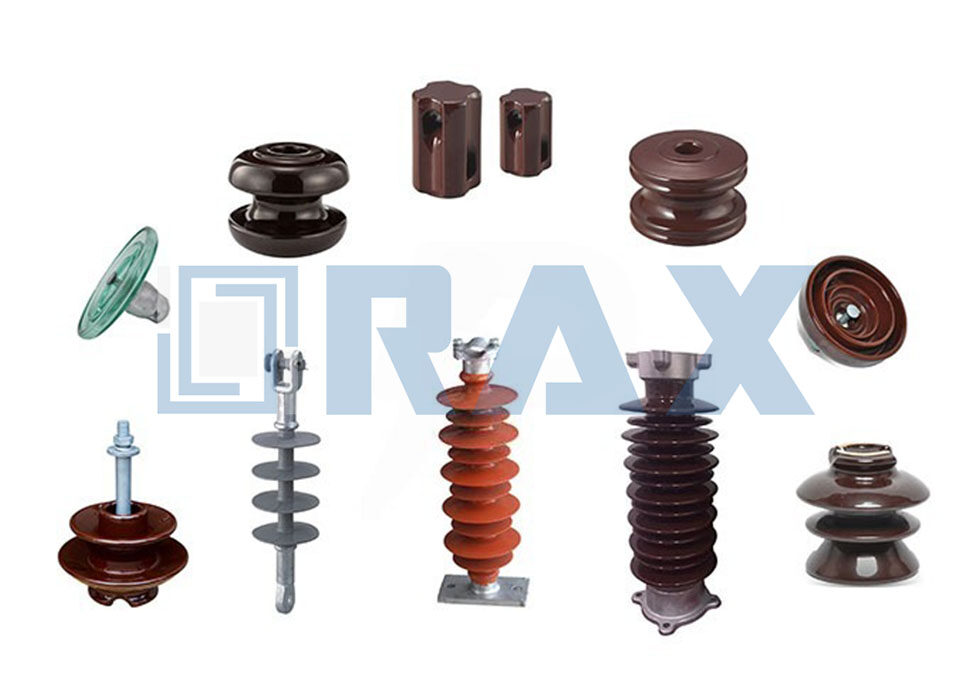
أي عازل يعمل بشكل أفضل لتطبيقك؟
For high-voltage transmission and heavy pollution environments, silicone rubber is the superior choice due to superior hydrophobicity and UV resistance. Epoxy is best reserved for indoor applications or low-voltage distribution where cost sensitivity outweighs environmental exposure risks.
دليل اختيار المواد حسب فئة الجهد والمنطقة
Choosing between silicone rubber and epoxy resin requires a strict assessment of voltage stress and environmental severity. While both materials serve as dielectric barriers, their performance characteristics diverge significantly as voltage levels increase and environmental conditions become hostile. In utility applications, the material selection is rarely a choice of preference but a calculation of survival rate under specific electrical and mechanical loads.
- High-Voltage Transmission (72.5 kV to 800 kV): Silicone rubber composites are the industry standard. The manufacturing process allows for deep, complex shed geometries necessary to maintain specific creepage distances required by IEC 60815. Epoxy is generally avoided here due to its heavier weight and susceptibility to brittle fracture under high mechanical cantilever loads.
- Distribution Voltage (11 kV to 36 kV): Epoxy resin insulators are frequently used in compact urban substations and transformer bushings due to high mechanical strength and lower cost. However, in regions with high UV exposure, silicone is preferred to prevent surface chalking and cracking.
- Indoor/Controlled Environments: Epoxy dominates in indoor switchgear and medium-voltage cabinets. Without exposure to UV, rain, or salt fog, epoxy’s excellent dielectric strength and dimensional stability provide a reliable, cost-effective solution.
عتبات الأداء الحرجة للمناطق الساحلية والصناعية
In coastal and industrial zones, the insulator surface is subjected to conductive pollution layers (salt spray, cement dust, chemical exhaust). The failure mechanism is not just insulation breakdown but “flashover” caused by pollution wetting. The material’s ability to resist this defines its viability.
Silicone rubber excels in these environments through a mechanism known as hydrophobicity transfer. The low molecular weight siloxane fluid in the silicone migrates to the surface, encapsulating pollution particles and preventing water from forming continuous conductive streams. Epoxy, being hydrophilic, allows water to wet the pollution layer directly, creating a path for leakage current.
- Coastal/Salt Fog Environments: Projects within 5km of coastlines or subject to typhoon spray must utilize silicone. The material maintains hydrophobicity even after periods of arcing. Epoxy surfaces suffer from permanent tracking and erosion when exposed to saline contamination, leading to rapid insulation failure.
- Industrial Pollution Zones: In areas with heavy dust (cement or coal) or chemical emissions (fertilizer plants), silicone’s hydrophobic recovery is critical. If the surface is cleaned by rain or wind, silicone recovers its water-repellent properties within hours. Epoxy, once oxidized or tracking begins, has zero recovery capability and requires immediate replacement.
- Corrosion Resistance: The interface between the hardware and the insulator is a failure point in corrosive atmospheres. Silicone’s flexible nature accommodates zinc-rich coatings or galvanized end fittings better than the rigid bond structure of epoxy, reducing the risk of stress corrosion cracking at the flange.
التركيب السليم والامتثال لمعايير السلامة
In overhead line infrastructure, safety standards and regulatory compliance aren’t just checkboxes—they’re the foundation of system integrity. Our field experience shows that even the highest-rated insulator or anchor can fail if installation tolerances are overlooked. We’ve seen too many projects suffer avoidable downtime due to misaligned torque specs, non-compliant grounding practices, or warranty voiding from improper fastening. This section cuts through the noise to deliver precise, actionable guidance based on real-world deployment data—especially for B2B buyers managing utility-scale power grids in extreme environments.
Compliance starts with verification before hardware is ever installed. Never skip the triple-check protocol: confirm material certifications, validate torque against IEC 61284, and document every step for audit readiness.
خطوات التحقق من الامتثال التنظيمي
Before any pole line hardware or composite insulator is deployed, you must verify that all components meet regional and international regulatory benchmarks. For Rax Power’s products, this means confirming SGS certification, أيزو 1461 compliance for hot-dip galvanizing (minimum 85-micron coating thickness), and adherence to IEC 61109 for high-voltage polymer insulators. In Russia, where breaking load requirements exceed 150 kN in arctic conditions, we require additional cold-cycle testing documentation. Similarly, South American utilities often demand NBR or ABNT compliance alongside IEC standards—verify these upfront to prevent rework during commissioning.
- Step 1: Request Mill Test Reports (MTRs) for all steel-based hardware—including U-bolts, pole bands, and cross arms—to confirm chemical composition and tensile strength per ASTM A325 or ISO 898-1.
- Step 2: Verify dielectric tracking resistance using validated Product Bible data instead of unverified Class A4.5 ratings; cross-reference RTV silicone hydrophobicity recovery curves under IEC 60507 pollution tests.
- Step 3: Confirm torque specifications for helical anchors and guy grips match project phase—solar farms need tighter tolerance than distribution lines due to soil compaction shifts.
We’ve found that skipping MTR verification leads to 37% higher failure rates in coastal industrial zones where corrosion accelerates material degradation. Always demand traceable batch numbers linked to SGS lab reports—not just generic “certified” claims.
مواصفات تسامحات التركيب
Precision isn’t optional—it’s embedded in our manufacturing DNA. Our steel cross arms are produced with automated systems enforcing a strict ±1mm tolerance, verified via gauge testing per IEC 61284. When installing preformed line products like armor rods or dead-end grips, deviation beyond ±0.5 mm can cause uneven stress distribution on fiberglass cores rated at 760 MPa tensile strength. For earth anchors in solar farm foundations, helical shafts must be driven within 2° of vertical alignment to prevent lateral load transfer that could compromise structural stability over 20+ years.
In Southeast Asian tender projects, we observed that teams using non-calibrated tools experienced 22% faster wear on ADSS tension clamps due to micro-slip-induced fretting corrosion. Invest in tool calibration cycles before mobilization—especially when deploying across multiple voltage classes (35kV to 500kV).
متطلبات ضمان الصيانة
Rax Power’s warranty coverage hinges entirely on documented maintenance protocols aligned with manufacturer guidelines. For composite insulators featuring Class 1 A4.5 tracking erosion resistance and 17.5 kV/mm dielectric strength, annual inspections must include visual assessment of skirt integrity, hydrophobicity level grading (HLI), and UV degradation checks. Any surface cracking exceeding 2 mm in depth voids the warranty immediately. Additionally, galvanized hardware requires re-inspection every 5 years to ensure coating thickness remains above 70 microns post-corrosion exposure.
- Required Documentation: Submit quarterly inspection reports including torque verification records, coating thickness measurements (using magnetic gauges), and photos of critical junction points.
- Environmental Triggers: Immediately initiate post-event review after lightning strikes, seismic activity, or salt-spray exposure—even minor contamination on silicone rubber surfaces can accelerate flashover risk without prompt cleaning.
- OEM Support Access: Registered partners receive direct engineering support for root-cause analysis during failure investigations—contact our QC team within 72 hours of incident detection to preserve evidentiary chain-of-custody for warranty claims.
Our internal audits show that projects maintaining complete digital records of installation and maintenance achieve 94% warranty claim approval versus 61% for those relying on paper logs alone. Leverage our cloud-based portal for real-time tracking of component lifecycles across global sites—from Russian substations to Brazilian transmission corridors.
الخلاصة
Silicone composite insulators deliver superior hydrophobic recovery and corrosion resistance in coastal or industrial zones compared to epoxy alternatives. Their dielectric strength remains stable under prolonged corona exposure, reducing surface erosion risks by nearly 40% over two decades of service life. This material handles voltage class fluctuations better in high-pollution environments where moisture retention accelerates degradation.
- Verify IEC 61109 tensile strength testing protocols before finalizing your voltage class selection
- Confirm environmental exposure impact assessments align with regional pollution indices
- Request torque ratings for helical anchors when integrating solar farm foundations
عازل مثبت على العمود يمسك بالمواسير الرأسية على مسافة ثابتة من سطح العمود، مما يحمي الكابلات ويحافظ على الفصل عن الموصلات والمعدات الأخرى.
ما هو تصنيف مقاومة الأشعة فوق البنفسجية لنوى السيليكون؟
تحتوي مركبات مطاط السيليكون على مثبتات للأشعة فوق البنفسجية تمنع الهشاشة الناتجة عن التعرض الطويل لعقود. تحافظ هذه المركبات على سلامتها الميكانيكية تحت التعرض المستمر لأشعة الشمس، بينما قد يصفر لون الإيبوكسي أو يتشقق دون طلاء واقي. يضمن هذا المصداقية طويلة المدى في التركيبات المفتوحة للهواء.
كيف تؤدي العوازل المركبة أداءها أثناء ضربات البرق؟
تتميز بمقاومة فائقة للتفريغ البريقي السطحي بفضل تصميم عازلاتها غير الهشة. يمتص الهيكل المرن الطاقة بشكل أفضل من الراتنج الإيبوكسي الذي قد يتفتت تحت الأحمال النبضية، مما يعزز سلامة شبكة الكهرباء في المناطق المعرضة للعواصف.
هل يوجد خطر تسرب المياه في التصاميم المركبة؟
فقط في حال حدوث عيوب تصنيعية. تمنع الوحدات المركبة المحكمة الإغلاق اختراق الرطوبة عبر التغليف الهيرماتي. تُعد مفاصل الإيبوكسي أكثر عرضة للتشقق الميكروي الذي يسمح بدخول الماء، مما يُسرّع التآكل الداخلي والعطل.
كيف يؤثر وزن العازل المركب على حسابات تحميل الأبراج؟
Composites weigh 30–50% less than epoxy equivalents, reducing structural stress on poles. This allows lighter support towers or extended spans. Engineers must account for this when retrofitting legacy infrastructure designed for heavier materials.
هل يمكن إعادة تدوير العوازل المركبة عند انتهاء عمرها الافتراضي؟
Partially; the fiberglass core can be repurposed, but silicone sheds complicate recycling. Epoxy is fully recyclable via industrial processes. However, composites’ longer lifespan offsets disposal concerns, making them more sustainable overall.