
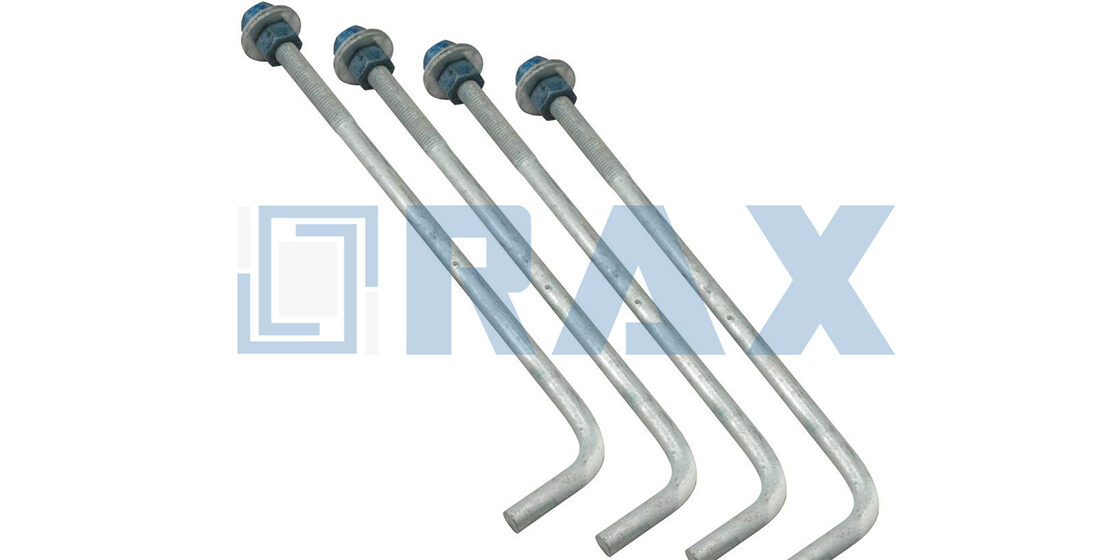
يُعد الخلط بين قياس الدائرة البولتية وقياس المربع البولتي السبب الرئيسي لعدم توافق صفائح القاعدة في المنشآت العامة. فتحدد الدائرة البولتية قطر حلقة وهمية تمر عبر مراكز المسامير، بينما يقيس المربع البولتي المسافة بين الجوانب المتوازية للمربع الذي يشكلونه. وإذا عومل نمط المربع كنمط دائرة، أو العكس، فإن نمط مسامير عمود الإنارة لن يتوافق مع مراسي الأساس, بغض النظر عن مدى دقة صب الخرسانة.
نحلل كيف يتوزع الحمل الشعاعي في التكوينات الدائرية مقارنة بمقاومة العزم التي توفرها التخطيطات المربعة تحت حمل الرياح. ستتعلم كيفية اختيار الهندسة الصحيحة استناداً إلى معايير هندسية 5. Close وقيود الموقع لضمان السلامة الهيكلية.
كيف تدعم أنماط الدائرة والمربع الحمل
توفر الأنماط الدائرية توزيعاً شعاعياً موحداً مثالياً للأعمدة المستديرة واتجاهات الرياح غير المتوقعة، بينما تقدم الأنماط المربعة كفاءة اتجاهية عالية لكنها تفرض مخاطر تركيز الإجهاد إذا تحوّل متجه الحمل.
توزيع الحمل الشعاعي في الأنماط الدائرية
في سياق الأعمدة الضوئية الأسطوانية المخروطية، تم تصميم نمط مسمار المرساة الدائري — المعروف غالباً باسم الدائرة البولتية — لتحقيق أقصى قدر من التماثل. تتمثل الميزة الأساسية لهذا الشكل الهندسي في أن كل مسمار مرساة يحافظ على مسافة متطابقة من المحور المحايد المركزي للعمود. عند تطبيق الأحمال الرأسية أو العزوم، يضمن ذراع الرافعة متساوي البعد هذا أن إجهادات الشد والقص تتوزع بالتساوي عبر جميع الوصلات في آن واحد. وفي المشاريع العامة التي تواجه متجهات بيئية غير متوقعة، يمنع هذا التجانس تحميل بعض المسامير بشكل زائد بينما تبقى أخرى دون استخدام. وتُظهر خبرتنا في أسواق التصدير أن الأنماط الدائرية تقلل بشكل كبير من خطر إرهاق صفيحة القاعدة على مدار عمر العمود لأن الإجهاد يتشارك بالتساوي بدلاً من عزلّه عند نقاط محددة.
مقارنة مقاومة العزم: دائرة مقابل مربع
يدور النقاش بين أنماط الدائرة والمربع غالباً حول مقاومة العزم — القدرة الهيكلية على مقاومة الدوران أو الانحناء. في النمط المربع، المحدد بأركانه الأربعة، يُوضع مسماران بفعالية على المحور المحايد ومسماران عند أقصى مسافة لذراع الرافعة عندما يتوافق الحمل مع القطر. يمكن نظرياً أن يوفر هذا سعة عزم أعلى قليلاً على طول ذلك المحور القطري المحدد مقارنة بدائرة ذات حجم إجمالي مماثل. ومع ذلك، يأتي ذلك مقابل مقايضة: إذا تحوّل حمل الرياح أو متجه القوة للتحاذي مع الجانب المسطح للمربع، ينخفض ذراع الرافعة للمسامير المقاومة، مما يقلل سعة العزم.
على العكس، يحافظ النمط الدائري على ذراع رافعة ثابت بغض النظر عن اتجاه القوة المطبقة. وفي تحليلنا التصنيعي، يعد النمط المربع فعالاً للهياكل ذات صفائح القاعدة المستطيلة حيث يكون مسار الحمل معروفاً وثابتاً. لكن بالنسبة للأعمدة المستديرة حيث اتجاه الرياح ديناميكي، يوفر النمط الدائري مقاومة عزم أكثر موثوقية واتساقاً عبر 360 درجة. ونجد أن الاعتماد على نمط مربع للأعمدة المستديرة غالباً ما يتطلب زيادة درجة البولت لتعويض فقدان الكفاءة الهندسية عند الزوايا دون الذروة.
توافق حمل الرياح مع هندسة توزيع المسامير
يُعد تطابق حمل الرياح المتغير الحرج الذي يحدد أي مسامير مراسي ستتعرض لأعلى شد. وفي ظل ظروف الرياح العالية، يعمل العمود كـ كمرة كابوليّة, ، مما يولد قوى رفع على جانب مواجهة الريح وضغوطاً على جانب خلف الريح. في التخطيط الدائري، تكون مسامير “مواجهة الريح” دائماً في أقصى مسافة من المحور المحايد، مما يوفر مقاومة مثلى للعزوم الانقلابية بغض النظر عن اتجاه ورود الرياح. ويضمن هذا الشكل الهندسي انخراط غرس الخرسانة بشكل متسق.
Wind load alignment dictates which specific anchor bolts experience peak tension under high wind conditions. With a square pattern, if the wind load aligns with the face of the base plate, tension is distributed across two bolts to provide higher capacity. However, corner loading concentrates tension on a single bolt, effectively reducing the anchorage efficiency in that orientation. Circular patterns provide optimal resistance regardless of wind direction because they maintain a consistent maximum distance from the neutral axis. Consequently, the precision of the layout is paramount; even a minor deviation in the template during concrete pouring can misalign the geometry, compromising the calculated wind load resistance.
When designing for square patterns on high-load projects, we frequently recommend increasing the bolt circle diameter (or square size) rather than just upsizing the bolt grade. Increasing the geometric spread maximizes the lever arm, which yields a higher return on moment resistance than simply using stronger steel in a tighter pattern.
| ميزة | المواصفات | الميزة |
|---|---|---|
| Anchor Bolt Pattern | 3, 4, or 8 bolt configurations | Tailored to specific light pole base designs for optimal stability |
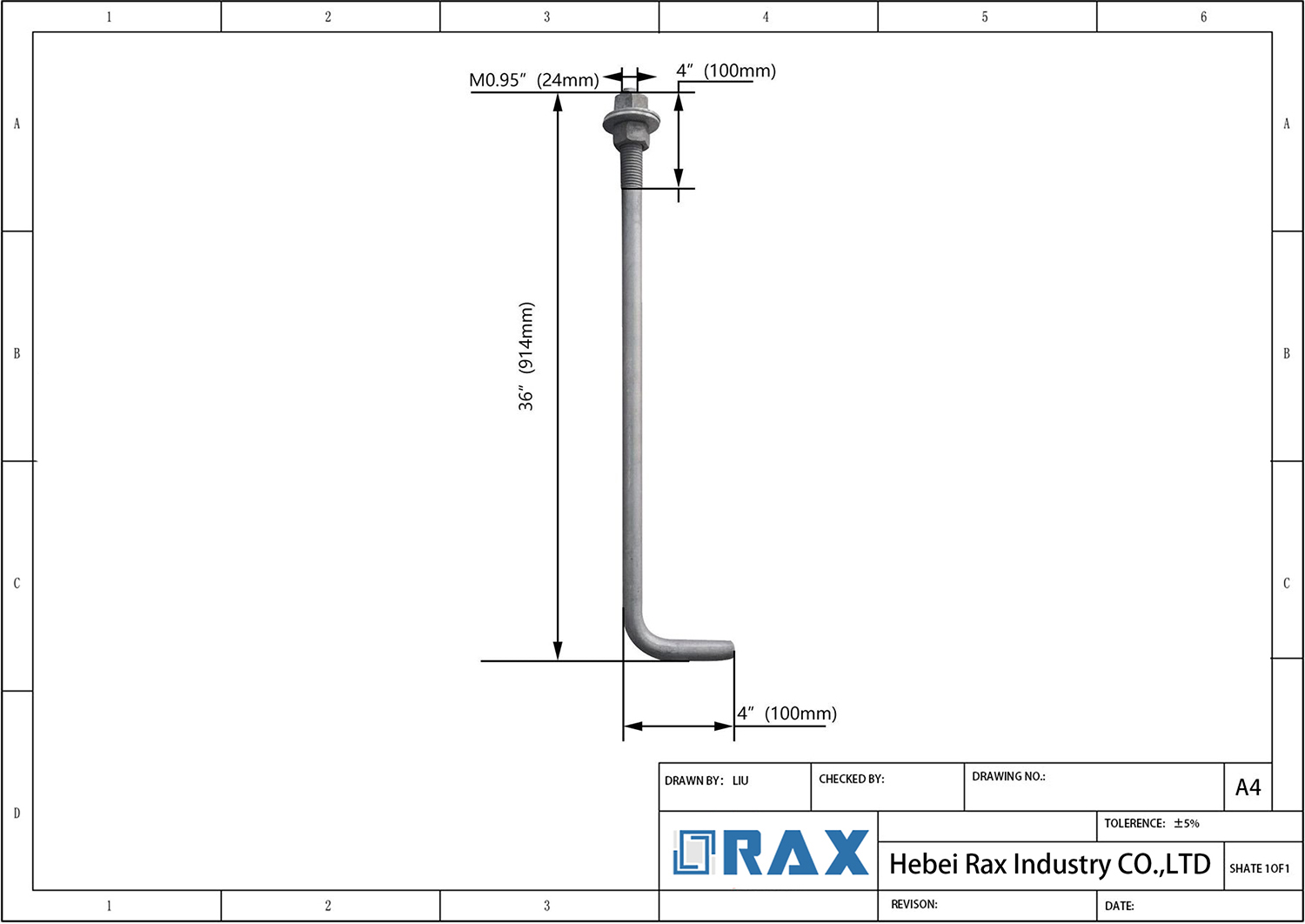
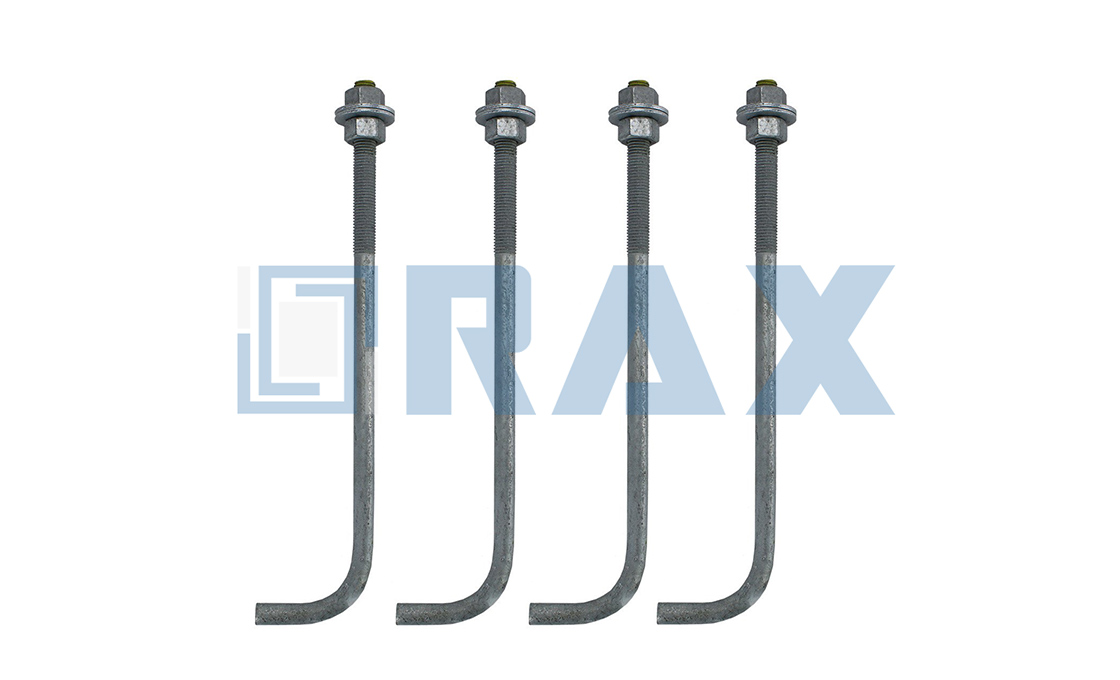
| Bolt Configuration Types | Straight rods (double-ended), L-shaped bent bolts, fully threaded rods | Customized pull-out resistance based on structural load requirements |
| Template Compatibility | Steel templates matching bolt circle patterns | Ensures precise alignment and eliminates installation delays |
| Fastener Assembly | 6 nuts and washers per rod (straight/fully threaded); 2 nuts and washers per rod (bent/headed) | Secure sandwiching of base plate and embedded templates in concrete foundation |
الالتزام بالمعايير الهندسية لكل تخطيط
Selecting the correct anchor bolt layout—either a circular pattern or a square pattern—is a fundamental engineering decision that dictates structural integrity and installation feasibility in pole line hardware projects. The primary pain point engineers face is ensuring that the chosen geometry aligns with load distribution requirements while remaining compatible with site-specific foundation constraints.
Circular patterns excel at radial load distribution and wind alignment, whereas square patterns offer simplified template fabrication and precise moment resistance in specific axes. Selection must depend on jurisdictional standards (AASHTO/IBC) and actual field tolerance conditions rather than generic assumptions.
التحليل المقارن لهندسات التخطيطات
Engineers often confuse the measurement techniques required for these two configurations, leading to specification errors during the procurement phase. Understanding the technical distinction between Bolt Circle Diameter (BCD) 5. Close Bolt Square is essential for accurate ordering and foundation preparation.
- Bolt Circle: Defined by the diameter of the circle passing through the center of each bolt hole. This measurement is critical when analyzing moments applied from multiple directions, such as swirling wind loads. It requires precise template plate positioning before concrete pouring.
- Bolt Square: Measured as the straight-line distance between the centers of opposite bolts (forming a square). This layout simplifies the calculation of rectangular base plates but may require careful conversion to Bolt Circle if design calculations assume radial symmetry.
التوافق التنظيمي ومتطلبات الولاية القضائية
Different regions and governing bodies impose distinct preferences based on historical precedent and local soil conditions. For instance, AASHTO standards often dictate specific geometries for highway infrastructure where lateral wind forces are unpredictable, favoring the uniform stress distribution of a circular layout. Conversely, IBC-compliant commercial sites might utilize square layouts for their ease of integration with standard rebar grids found in concrete footings.
مقارنة التكاليف وكفاءة المواد
When evaluating total project expenditure, square 4-bolt patterns typically reduce fabrication and layout labor due to simpler geometry, whereas circular patterns may incur higher initial tooling costs but can optimize material distribution in specific base plate designs.
تعقيد القياس والتكاليف العمالية
The most immediate cost difference between bolt square and bolt circle configurations lies in the verification and layout processes. For square patterns, field crews can determine accuracy by measuring the straight-line space between adjacent bolts. This simplicity allows for rapid verification using standard tape measures, reducing crew time on site.
Conversely, circular patterns require precise measurement of the Bolt Circle Diameter (BCD). This often involves measuring across diagonally opposed bolts or using specialized bolt circle calculators to convert chord lengths. If anchor rods are set even slightly out of tolerance, correcting circular patterns during concrete pouring is significantly more labor-intensive than adjusting square layouts. Selecting a configuration that aligns with standard field measurement tools can decrease installation hours by up to 15% on large-scale projects.
استخدام الفولاذ وتصنيع صفيحة القاعدة
Material efficiency is heavily influenced by the geometry of the base plate. Square patterns are inherently compatible with square base plates, which are typically cut from standard steel sheets with minimal waste (“nesting efficiency”). This reduces raw material scrap rates during the manufacturing phase.
Circular patterns, however, usually require round base plates. When fabricating round plates from square sheets, manufacturers generate significant corner waste (scrap) unless these offcuts can be utilized for smaller components. While circular designs can sometimes reduce overall plate weight by distributing load closer to the center, the fabrication cost per kilogram of processed steel is often higher due to increased cutting energy and waste handling. Contractors must balance the potential for lighter individual components against the higher raw material waste factor associated with circular geometries.
دقة التسامح وعائد الاستثمار على دورة الحياة
Dimensional accuracy of hardware directly influences erection risk and field modification costs. High-precision manufacturing, such as automated machining for steel cross arms, ensures tight tolerances that minimize misalignment during pole erection. While generic bolts with standard industry specifications may have a lower upfront unit price, they increase the risk of costly field modifications, such as reaming holes or grinding base plates.
Furthermore, material efficiency extends to service life. Utilizing hot-dip galvanizing technology with a mean coating thickness exceeding 85 microns—significantly above the industry minimum—ensures corrosion resistance in harsh environments. This specification reduces the long-term ownership cost by deferring maintenance cycles and preventing premature foundation failures, offering a higher return on investment despite a marginal increase in initial material costs.
- Layout Efficiency: Square patterns reduce verification time to simple side-to-side measurements, whereas circular patterns require complex diagonal calculations.
- Material Waste: Square base plates optimize steel sheet usage with minimal scrap, while round plates generate higher material waste during fabrication.
- Fitment Tolerances: Strict dimensional control (e.g., 1mm tolerance) prevents expensive field rework, ensuring the base plate fits the anchor array without modification.
- Corrosion Protection: Coating thicknesses exceeding 85 microns (ISO 1461) lower lifecycle costs by extending the service interval in corrosive soils or atmospheres.

أي نمط يناسب ظروف موقعك؟
Selecting the correct bolt pattern is not merely a matter of pole specification; it is dictated by the interplay between soil mechanics, seismic activity, and the physical constraints of the installation site.
استقرار التربة وهندسة الأساس
The bearing capacity of the sub-grade soil is the primary determinant of the foundation type, which in turn dictates the optimal anchor bolt pattern. In sites with high-load bearing capacity, such as dense rock or compacted gravel, smaller diameter footprints using square patterns are often sufficient. However, in loose or sandy soils where vertical uplift is a significant risk, engineers typically specify circular patterns with larger diameters.
Circular patterns allow for a wider distribution of the tension load generated by the pole’s moment arm. This configuration is particularly effective in cohesive soils where the concrete pier must rely on skin friction and the weight of the soil cone to resist pull-out forces. The symmetry of a bolt circle ensures that regardless of the wind direction, the tension is evenly transferred to the surrounding soil mass.
المناطق الزلزالية ومسارات الحمل الديناميكي
In regions characterized by high seismic activity, the selection criteria shift from static load resistance to dynamic energy dissipation. Seismic events induce complex, multi-directional forces on utility infrastructure. While square patterns provide Strong resistance to unidirectional bending (typical of prevailing winds), circular patterns generally offer superior performance under torsional stress.
High-seismic zones frequently favor circular configurations with increased anchor quantities. This layout minimizes stress concentrations at the corners of a base plate—a common failure point in square patterns during lateral shaking. additionally, the use of fully threaded rods or specific bolt styles in these zones allows for the “sandwiching” of the base plate with heavier nut and washer assemblies, ensuring the pole base remains secured even during significant ground acceleration.
ارتفاع العمود وتكوين الذراع
The physical dimensions of the pole and its associated hardware act as a lever, amplifying the forces transferred to the foundation. Standard street lighting poles under 15 meters typically utilize square bolt patterns due to their lower overturning moments and the prevalence of square base plates in standard inventory. Conversely, high-mast lighting poles (30m+) and heavy-duty utility poles equipped with large steel cross arms generate substantial overturning moments.
For these taller installations, circular patterns are the industry standard. The larger bolt circle diameter accommodates the massive base plates required to distribute these high loads. When a site requires the mounting of heavy equipment or multiple cross arms, the circular arrangement provides the necessary geometric flexibility to align with complex structural geometries without compromising the edge distance of the concrete foundation.
Site upgrade failures often stem from geometric confusion between bolt circles and bolt squares during retrofit verification. Always verify the geometric definition of the pattern—center-to-center diameter versus side-to-side width—before fabrication to ensure proper base plate alignment and installation.
وصول الموقع وقيود الموقع الحضري
In dense urban environments or constrained easements, the physical footprint of the foundation excavation is a limiting factor. While circular patterns are structurally efficient for high loads, they may require larger diameter excavations than square patterns for similar load capacities in stable soil. If the site is adjacent to underground utilities or other infrastructure, a square pattern might be specified to minimize the horizontal footprint of the pier.
Additionally, accessibility for installation equipment plays a role. Templates for circular patterns can be more cumbersome to maneuver in tight trenches compared to square templates. Contractors must weigh the structural benefits of a circular layout against the logistical feasibility of placing the template and pouring concrete in a restricted access area.
| Bolt Style Options include straight rods, L-shaped bent bolts, fully threaded, or headed types optimized for structural requirements. | ||
| Template Integration utilizes steel templates matching bolt circle patterns to ensure precise pole alignment during installation, eliminating delays. | ||
| Hardware Assembly specifies nut and washer counts per rod type to secure sandwiching within the concrete foundation. | 6 nuts and washers per rod for straight/fully threaded; 2 nuts and washers for bent/headed types | Secures base plate and embedded templates. |
| دقة التصنيع | Manufacturing Precision leverages automated hot-forging production to deliver superior strength over traditional casting methods. | Superior strength and precision over traditional casting methods |
تحقق من اختيارك وتجنب المخاطر
Mismatched anchor bolt patterns remain a primary cause of installation delays requiring precise geometric fitment. Verifying whether your specification calls for a Bolt Circle or Square pattern before ordering is essential to prevent template misalignment with the foundation’s rebar cage, which would otherwise necessitate costly core drilling or epoxy repairs that risk structural integrity.
تأثير تسامح الأساس على اختيار النمط
The concrete foundation pour is the single most critical phase for pattern selection. If your template is not aligned with the poured foundation’s rebar cage during casting, correcting it afterward requires expensive core drilling or epoxy repair, risking structural integrity. A deviation greater than 3mm in the bolt square dimension will prevent the steel base plate from seating flush, causing eccentric loading that compromises wind resistance calculations.
Template specification during anchor bolt ordering ensures foundation alignment matches manufacturing precision. Steel templates are required to verify fitment against foundation boreholes, as Rax Power automated production reserves strict 1mm dimensional tolerances for steel cross arms per the Product Bible. We recommend verifying the actual borehole alignment against the template design before the concrete cures to avoid the “bolt circle mismatch” error.
خطوات التحقق من مطابقة تخطيط المراسي
To ensure compliance before ordering final hardware, perform these verification steps on-site:
- Diagonal Check: Measure the distance between two diagonal anchor bolts (corner to corner) to determine the Bolt Circle. This value should match the circular diameter specified in the engineering drawing.
- Adjacent Check: Measure the center-to-center distance between two adjacent bolts to establish the Bolt Square. This linear measurement confirms the rectangular footprint of the pattern.
- Tolerance Audit: Cross-reference both measurements against the ASTM standards applicable to your region. Any variance exceeding 1-2mm indicates a potential fitment issue with standard cross-arms or base plates.
📋 خطة العمل الخبيرة
- Step 1: Conduct a site survey to measure existing foundation anchors or verify new formwork alignment.
- Step 2: Specify both Bolt Circle and Bolt Square dimensions in your purchase order template section.
- Step 3: Request Rax Power to manufacture custom molds if the site conditions deviate from standard 4-bolt patterns to guarantee hot-forging accuracy.
مخاطر الإفراط في التصميم في اختيار تكوين المسامير
A common mistake in B2B procurement is over-engineering the bolt configuration based on theoretical maximum loads rather than practical field constraints. Selecting an 8-anchor bolt pattern where a 4-bolt square suffices increases material costs significantly without improving safety margins for typical light pole applications.
Furthermore, attempting to force a non-standard bolt square into a pre-designed steel cross arm often leads to failed welds or unstable connections. In our experience, strictly adhering to the load distribution geometry provided by the pole manufacturer prevents unnecessary cost escalation while ensuring the galvanizing coating remains intact at critical stress points.
الخلاصة
Anchor bolt patterns determine how wind loads transfer to your foundation, and engineering teams must select layouts that match site conditions precisely. Our manufacturing facility produces anchor bolts compliant with ASTM standards for critical infrastructure projects. We recommend square bolt patterns for most light pole installations because they simplify concrete template alignment during construction. This geometry reduces installation errors while maintaining structural integrity under dynamic wind loads. Circular patterns require precise radial measurement that often increases field complications without delivering meaningful performance gains over square configurations in standard utility applications.
Our engineering team supports wholesale partners by reviewing project specifications before finalizing orders. This ensures correct bolt circle or square dimensions align with local foundation tolerances and loading requirements. Share your project dimensions with us for a free technical consultation on anchor bolt configuration. We verify all custom fabrication against established industry guidelines so you avoid costly rework or compliance issues on site.
عازل مثبت على العمود يمسك بالمواسير الرأسية على مسافة ثابتة من سطح العمود، مما يحمي الكابلات ويحافظ على الفصل عن الموصلات والمعدات الأخرى.
براغي L أم القضبان الملفوفة: أيهما أفضل؟
توفر مسامير-L مقاومة ممتازة للسحب بفضل تصميمها المشووك الذي يغرس في الخرسانة، مما يجعلها مثالية لأحمال الشد القياسية. توفر القضبان ذات الخيوط الكاملة مرونة في موضع الصواميل والتسوية لكنها قد تتطلب ألواح تثبيت إضافية لتحقيق قوة مكافئة. يعتمد الاختيار على متطلبات الحمل المحددة لهيكل العمود.
هل درجة مسمار المرساة مهمة للعطاءات؟
Specifying the correct bolt grade is crucial for ensuring the fastener can handle the designed mechanical loads. Tenders must list the grade to prevent the use of inferior materials that could compromise the pole’s stability. Verification of grade compliance is a standard step in technical tender reviews.
كيف تؤثر الجلفنة على عمر المسمار؟
Hot-dip galvanizing provides a robust barrier against soil corrosion and the alkaline environment of concrete. This protective layer ensures the bolt maintains its tensile strength and structural integrity over the pole’s operational life. Manufacturers like Raxpower utilize ISO 1461 compliant galvanizing to meet these durability requirements.
ما اختبارات الحمل التي يجب أن تخضع لها مسامير المراسي؟
Anchor bolts typically undergo proof load testing to verify they can withstand specific tension forces without permanent deformation. Pull-out tests are also conducted to ensure the bond between the bolt and concrete meets safety standards. These tests must comply with international standards like ASTM or IEC to guarantee performance under stress.
كيف تربط جدول الكميات بمسامير المراسي؟
Reviewers must cross-reference the Bill of Quantities against the pole height and base plate drawings to confirm bolt quantity and grade. The anchor bolt configuration, including Pitch Circle Diameter (PCD) and embedding depth, must be explicitly stated to match the physical pole. This verification prevents supply chain errors where incorrect hardware is delivered.