
لا تفشل خطوط النقل بسبب الجاذبية؛ بل تفشل بسبب الإجهاد المتكرر. الاهتزاز الأليوي يآكل نقاط إجهاد الموصلات، محوّلاً أصلًا يستحق مليارات الدولارات إلى عبء خلال أقل من عقد. تؤكد تحليلات شركة راكس لصناعات حالات الفشل الميدانية أن تجاهل هذا الاهتزاز الدقيق عند مشابك التعليق هو السبب الرئيسي لتوقف الموصلات عن العمل بشكل مبكر.
قضبان الدروع المشكلة مسبقاً المُحدَّدة بشكل صحيح توفر مستوى احتفاظ بالقوة لا يقل عن 95% من القوة الأصلية للموصل، مما يضمن السلامة الميكانيكية للخط دون الإضرار بنقاط التعليق الحرجة. سنستعرض كيف تحمي تركيبات سبائك الألومنيوم موصلات ACSR وAAAC من التآكل والانحناء، ولماذا يُعد مطابقة اتجاه لف القضيب أمرًا لا غنى عنه لزيادة العمر الافتراضي. ستتعلم كيفية اختيار نظام تعليق يخفف من إجهاد الاهتزاز بدلاَ من مجرد إخفائه.
ما هي قضبان الدروع بالضبط؟
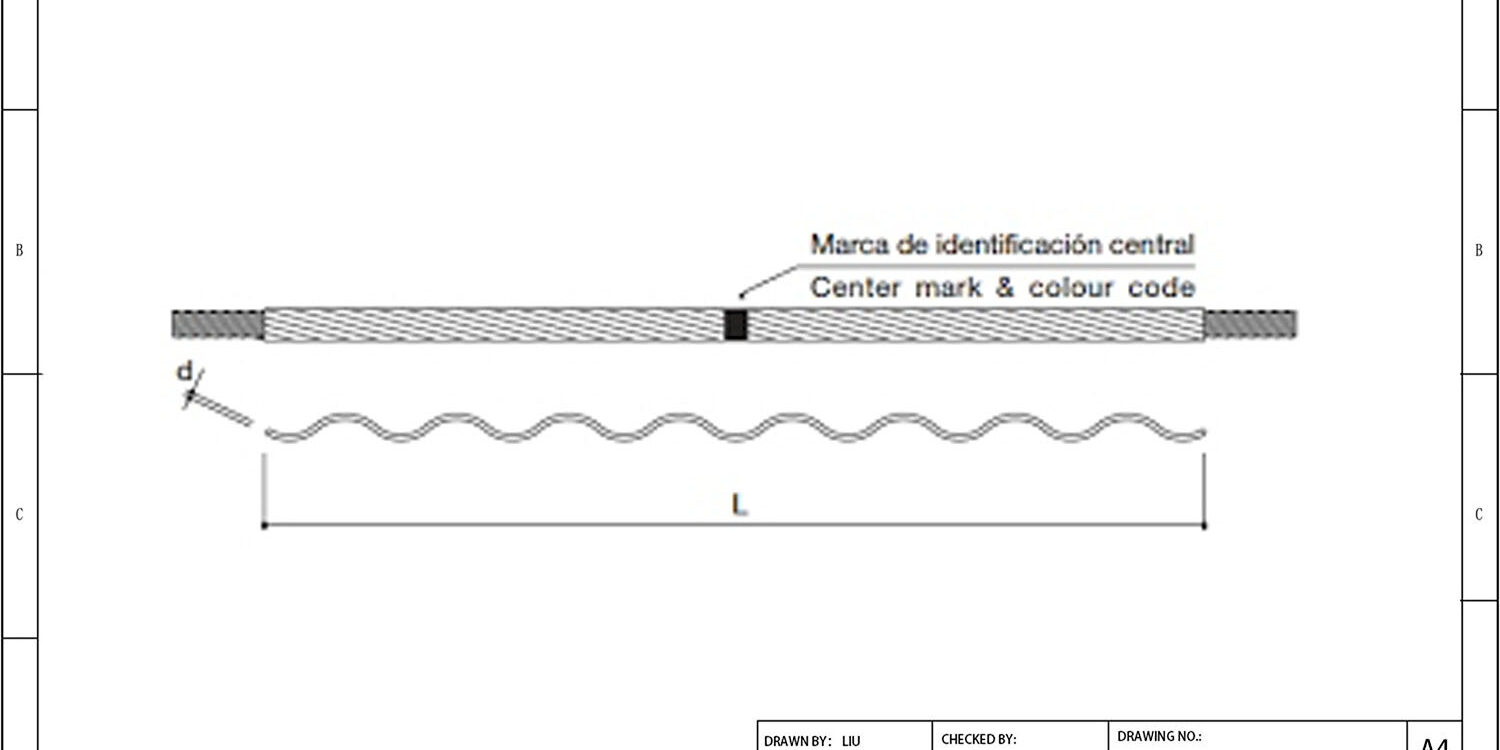
قضيب الدرع هو قضيب حلزوني مُشَكَّل مسبقاً ومصنّع خصيصاً ليلتف حول الموصل، بهدف توزيع إجهاد التعليق ومنع الإجهاد والتآكل.
فيزياء هيكل اللولب الحلزوني
من الناحية البصرية، لا تبدو قضبان الدروع كأجهزة التركيب المعتادة؛ فهي تشبه زنبركاً ممتداً أو برميل الفلين. هذا الهيكل الحلزوني “المُشَكَّل مسبقاً” هو جوهر هندستها. وعلى عكس المشابك التقليدية المثبتة بالبراغي التي تُشد الموصل في نقاط محددة، تحافظ البنية الحلزونية على اتصال مستمر على طولها. عند التركيب، تتشابك خيوط اللولب لتكوين قبضة موحّدة توزع الحمل بالتساوي على سطح الموصل.
فكّر في الأمر بهذه الطريقة: يشد المشبك المثبت بالبراغي جانبي السلك، محدثاً ذروات إجهاد. أما البنية الحلزونية فتعمل مثل الجبيرة، تحيط بالمحيط بأكمله. يسمح هذا التصميم للمجموعة بمقاومة الاهتزاز الأليوي — وهي اهتزازات عالية التردد ناتجة عن الرياح — دون احتكاك أو قطع للموصل. ومن منظور التصنيع، يُعد الحفاظ على هذا الشكل الحلزوني مع “ذاكرته” أمراً حاسماً. إذا فقد القضيب انحناءته المُشَكَّلة مسبقاً، فلن يتمكن من الحفاظ على ضغط القبضة اللازم. نعتمد على آلات تشكيل آلية لضمان خروج كل قضيب من المصنع بالخط الحلزوني الدقيق المطلوب للانغلاق securely على الكابل دون تشوّه.
تركيب المادة من سبائك الألومنيوم
اختيار المادة ليس عشوائياً؛ فهو مُفْرَض بالكيمياء الكهربية. تُصنع قضبان الدروع عادةً من سبائك الألومنيوم عالية القوة. يُملي هذا الاختيار الحاجة إلى التوافق الجلفاني مع الموصل نفسه. وبما أن معظم الموصلات العلوية (AAC وAAAC وACSR) مصنوعة من الألومنيوم أو مطلية بالألومنيوم، فإن استخدام قضيب فولاذي سيؤدي إلى تفاعل بين معدنين غير متشابهين. في وجود الرطوبة، سيتصرف الفولاذ والألومنيوم مثل بطارية، مما يؤدي إلى التآكل الجلفاني تآكل سريع للموصل.
ومن خلال مطابقة سبيكة الألومنيوم للقضيب مع الموصل، نضمن الاستقرار الكهروكيميائي، مما يمنع التآكل الذي قد يُضعف سلامة الخط على مدى عقود. وعلاوة على ذلك، يجب أن تكون السبيكة لينة بما يكفي لعدم كشط الموصل أثناء التركيب، لكنها صلبة بما يكفي لمقاومة الاصطدام بالحطام أو الجليد. وتشمل بروتوكولات ضبط الجودة لدينا تحليلاً دقيقاً للتركيب الكيميائي لضمان استيفاء قضبان السبائك لهذه المتطلبات المزدوجة من الصلابة والتوصيلية.
هندسة مطابقة القطر
لا يوجد ما يُسمى بقضيب دروع “unver sal”. العلاقة بين القطر الداخلي للقضيب والقطر الخارجي للموصل هي لعبة المحصلة الصفرية. يتم تصنيع القضيب الحلزوني بقطر داخلي أصغر قليلاً من الموصل المقصود حمايته. هذا “التصغير” مقصود؛ فعند لف القضيب حول الموصل، يُجبَر على الفتح، مما يخلق قوة زنبركية تشد المجموعة بإحكام.
- كبير جداً: إذا كان قطر القضيب كبيراً جداً، فلن تتولد قوة الشد اللازمة. سيتوضع القضيب بارتخاء على الموصل، مما يفشل في تخفيف الاهتزاز وقد ينزلق من موقعه.
- صغير جداً: إذا كان القضيب صغيراً جداً، فإن قوى التركيب تصبح مفرطة. يمكن أن يتلف هذا الخيوط الخارجية للموصل أثناء عملية اللف أو يُجهِد مادة قضبان الدروع أكثر من اللازم، مما يؤدي إلى شقوق إجهاد مبكرة.
ولهذا فإن التحديد الدقيق أمر لا غنى عنه. نوفر جداول أحجام مفصلة تربط رموز قضبان معينة بأقطار موصلات دقيقة. وتجربتنا تُظهر أن العديد من حالات الفشل الميدانية تعود إلى بدائل “كافية تقريباً”. يتطلب المعيار الصناعي ملائمة دقيقة، ونلتزم بالضوابط الصارمة للتسامح لضمان أنه عندما يُحدَّد قضيبنا لموصل معين، يوفر التداخل الضيق حماية مثلى دون الإضرار بهيكل الكابل.
| ميزة | المواصفات | الميزة |
|---|---|---|
| الوظيفة الأساسية | الحماية الميكانيكية وتخفيف الاهتزاز للموصلات العلوية | يمنع فشل الإجهاد والتآكل عند نقاط التعليق |
| تكوين المادة | سبيكة ألومنيوم عالية القوة مع خيوط حلزونية مُشَكَّلة مسبقاً | يضمن التوافق مع مواد الموصلات ومقاومة التآكل |
| طريقة التركيب | التطبيق الحلزوني يدوياً أو باستخدام قوة دافعة بدون أدوات | يوفر توزيعاً متجانساً للإجهاد وقبضة آمنة على مختلف الأقطار |
| Compliance Standards | IEC 61284 / ASTM F719 tested for mechanical strength | Guarantees reliability under extreme environmental loads and vibrations |
| العمر الافتراضي | Designed for 40-50 years of maintenance-free operation | Reduces long-term OPEX by eliminating frequent hardware replacements |

لماذا تحتاج إلى قضبان الدروع
Armour rods act as a critical mechanical buffer for overhead conductors, protecting expensive aluminum strands from fatigue and abrasion at suspension points.
In the harsh environment of overhead power lines, conductors are subjected to relentless physical stress. An armour rod serves as a hardened sleeve that covers the vulnerable transition zone where the rigid hardware meets the flexible conductor. This component is not merely an accessory; it is the primary defense mechanism against the two most common causes of premature line failure: aerodynamic vibration and structural friction.
منع إجهاد الاهتزاز الأليوي
Even in moderate wind conditions, overhead lines experience a phenomenon known as Aeolian vibration. This occurs when steady wind flows across the line, creating vortices that induce a standing wave pattern on the conductor. Think of this like air blowing over the opening of a bottle to create a musical note—the conductor “sings” in specific frequencies.
While spiral vibration dampers are designed to absorb energy further down the span, they cannot fully mitigate the high-frequency oscillations right at the suspension point. Without protection, these constant micro-movements cause the individual aluminum strands of the conductor to bend back and forth until they undergo metal fatigue. An armour rod mitigates this by stiffening the conductor temporarily over its length. By increasing the rigidity of the protected section, it shifts the resonant frequency out of the problematic range, effectively stopping the fatigue process before it starts.
- Vortex Shedding: Wind creates alternating pressure waves that lift the conductor up and down.
- Fatigue Failure: Rapid bending at the clamp edge cracks aluminum strands.
- Rigidity Buffer: The pre-formed armour rod locks strands together to resist localized bending.
توزيع إجهاد نقاط التعليق
The suspension clamp is responsible for holding thousands of pounds of tension. When a clamp applies direct pressure onto the soft aluminum strands of a conductor, it creates a massive concentration of stress. Over time, this crushing force permanently deforms the wires, reducing the overall cross-sectional area and electrical carrying capacity of the line.
Effective load distribution relies on the specific mechanical interaction between the armor rod and the conductor. An armour rod acts as a specialized load distributor. Because it is manufactured with a slightly smaller inner diameter than the conductor itself, it creates an interference fit and clamping force. When the suspension clamp grips the armour rod rather than the conductor directly, the immense mechanical tension is spread evenly across the surface of the rod. This distributes the crushing force across dozens of contact points instead of just a few tight grooves.
- Pressure Distribution: Spreads the clamp’s grip over a wider surface area.
- Strand Preservation: Prevents the crushing and flattening of delicate outer aluminum wires.
- Structural Integrity: Maintains the geometric shape of the conductor under heavy tension.
الحماية من تآكل السطح
During the installation phase, conductors are pulled through pulleys and past guide wires. This process subjects the conductor to severe frictional forces that can strip away the protective oxide layer and abrade the aluminum strands. Once the outer layer is compromised, the exposed inner steel core (in ACSR conductors) is highly susceptible to rapid corrosion, leading to catastrophic line failure years later.
Furthermore, the electrical clearance between the hard hardware and the wire creates microscopic movement during storms. This fretting action generates conductive dust that can bridge gaps and cause flashovers. The armour rod provides a sacrificial, highly abrasion-resistant barrier that takes the brunt of both installation friction and long-term operational rubbing. In our engineering assessments, we consistently find that lines installed with properly sized armour rods require significantly less maintenance intervention over a 40-year lifecycle compared to those relying solely on bare hardware.
- Installation Friction: Protects wires from damage during pulling and stringing operations.
- Fretting Corrosion: Stops wear caused by wind-induced rubbing between the wire and the clamp.
- Oxide Layer Defense: Preserves the natural corrosion resistance of the conductor surface.

أماكن استخدام قضبان الدروع
مناطق التركيب الرئيسية على خطوط النقل
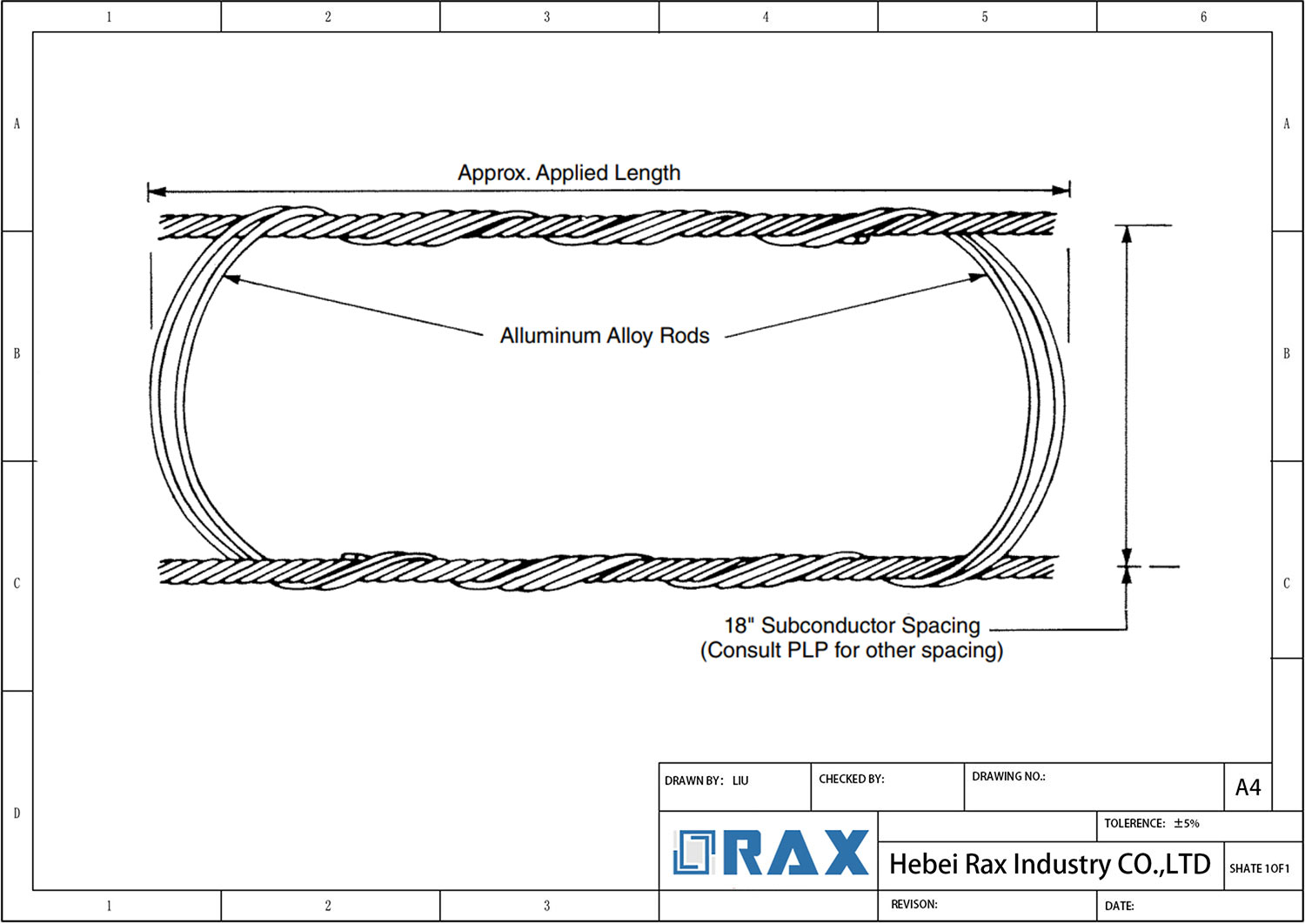
The most critical application for preformed armour rods is at mechanical suspension points where the overhead conductor is clamped to suspension hardware. Without these rods, the rigid metal grip of the clamp digs into the aluminum strands, creating high-stress concentration zones that lead to rapid fatigue and structural failure. By wrapping a helical aluminium alloy rod around the conductor before installing the suspension clamp, you effectively distribute the crushing load across a much wider surface area.
This is particularly vital for All-Aluminium Alloy Conductors (AAAC) and Aluminum Conductor Steel Reinforced (ACSR) lines. In these systems, the exterior strands are pure aluminum or aluminum-clad steel, which are significantly softer than the galvanized steel core. The armour rod acts as a sacrificial buffer, ensuring the internal steel core remains uncompromised while the outer strands are protected from abrasion and bending stress.
توافق مواد الموصلات والأحجام
Correct deployment requires matching the armour rod material to the conductor type. For phase conductors made of aluminum alloys, using a standard aluminium alloy armour rod is standard practice to ensure galvanic compatibility and prevent corrosion between similar metals. Conversely, for overhead ground wires (OPGW) or conductors with an aluminum-clad steel exterior, an aluminium-clad steel armour rod is necessary to maintain mechanical integrity under high-tension loads.
The sizing is not generic; it must precisely match the nominal diameter of the cable. An oversized rod will create loose gaps allowing vibration-induced chafing, while an undersized rod cannot cover the full strand area, leaving vulnerable sections exposed to the suspension clamp’s bite.
شبكات التوزيع والوصلات الخدمية
Beyond high-voltage transmission, these components are essential in medium-voltage distribution networks and overhead service drops. In these configurations, the tension is lower but the frequency of bends and twists is higher due to shorter span lengths and frequent attachment points. Armour rods here prevent “kinking” of the stranded wire during installation and protect against the wear caused by constant wind-sway interactions with nearby structures like poles and cross-arms.
| Application Scenario | Engineering Function | Failure Mode Prevented | نوع التركيب | Long-Term Value |
|---|---|---|---|---|
| Suspension Points | Distributes bending stress & increases grip area | Conductor fatigue & fretting wear | Preformed Helix (Hand-wound) | Extends conductor life under dynamic loads |
| Damaged Sections | Restores mechanical strength of strands | Progressive strand breakage | Spiral Wrap (Preformed) | Maintains ampacity and tension integrity |
| Dead-End Attachments | Provides cushioning against hardware contact | Abrasion & cutting at interface | Integrated with grips | Prevents stress concentration failures |
| Heavy Span Areas | Adds mass and stiffness for damping | Aeolian vibration resonance | Matched rod length to frequency | Ensures grid reliability in wind zones |

كيفية اختيار قضبان الدروع المناسبة
التوافق ومطابقة المواد
Selecting the appropriate armor rod begins with aligning the rod’s material properties with the conductor’s metallurgy. Armor rods are constructed from materials that must match the strand to which they are applied to prevent galvanic corrosion and ensure uniform mechanical performance.
- Aluminum Conductors: For All-Aluminum Alloy Conductors (AAAC) or pure aluminum strands, utilize preformed rods manufactured from aluminum alloy.
- Steel-Reinforced Conductors: For Aluminum Conductor Steel Reinforced (ACSR) lines, the rod must be engineered to interface correctly with the aluminum outer strands without damaging the core.
- Fiber Optic Integration: When used with optical ground wires or ADSS cables, specific aluminum-clad steel designs are often required to maintain both mechanical grip and electrical grounding integrity.
Always verify the exact conductor metallurgy before procurement. Mismatching materials can lead to accelerated corrosion at the contact points, significantly reducing the lifespan of the transmission line hardware.
تسامح القطر وتكوين اللولب
Beyond material, the physical dimensions of the rod—specifically its internal diameter relative to the conductor—dictate the effectiveness of stress distribution. A properly selected helical armour rod acts as a flexible sleeve, distributing suspension clamping pressure over a broader area of the cable.
- Precise Fitment: The rod must slide onto the conductor with slight resistance but no forceful deformation of the wire strands. Too loose, and vibration fatigue continues; too tight, and you crush the aluminum strands, compromising tensile strength.
- Helix Pitch: The spiral pitch should align with standard industry tolerances for the specific voltage class, ensuring the rod holds its shape under high wind loads and thermal expansion.
Do not attempt to retrofit an armour rod designed for a smaller gauge onto a larger conductor. Even a minor mismatch can create uneven pressure points, leading to premature failure of the line hardware during severe weather events.
الخلاصة
Mitigating aeolian vibration requires strict adherence to the correct material specifications and dimensional alignment. Our engineering teams have seen countless premature failures stem from mismatched suspension clamps or ignored fatigue limits. You must verify that your armor rods meet relevant aluminum alloy standards and align perfectly with your specific conductor diameter. This prevents the spiral helix structure from slipping under load, ensuring consistent stress distribution across the anchor point. Correct installation torque requirements are equally critical to avoid damaging the aluminum alloy composition during deployment.
- Reach out to our engineering group for technical clarification on these specs without any commercial obligation, allowing you to validate your design choices against our manufacturing data.
Proper implementation of these protective measures ensures long-term reliability and minimizes maintenance costs. To ensure your specific project requirements are met, we invite you to consult our technical experts.
عازل مثبت على العمود يمسك بالمواسير الرأسية على مسافة ثابتة من سطح العمود، مما يحمي الكابلات ويحافظ على الفصل عن الموصلات والمعدات الأخرى.
كيف تختلف قضبان الدروع عن المشابك القياسية؟
Standard clamps often create localized stress points that can crush or deform conductor strands. Armor rods use a helical design to distribute pressure uniformly along the conductor’s surface. This prevents strand breakage and maintains the electrical integrity of the line over time.
هل تناسب قضبان الدروع جميع أنواع الموصلات؟
تُصمَّم قضبان الدروع للموصلات من نوع ACSR والألمنيوم، ولكنها قد لا تكون متوافقة مع Alumoweld أو الأسلاك الأرضية الفولاذية. تتميز كل نوع من الموصلات بخصائص هيكلية فريدة تتطلب تركيبات معدات محددة. تحقق دائمًا من التوافق مع المعايير الهندسية قبل الشراء.
هل تلغي قضبان الدروع الحاجة إلى الممتصات؟
لا، قضبان الدروع ومخمّدات الاهتزاز تؤديان وظائف متكاملة ولكنها مختلفة. تحمي قضبان الدروع من التآكل والإجهاد الموضعي، بينما تمتص مُخمِّدات الاهتزاز طاقة الاهتزاز. في العديد من التطبيقات الكهربائية، تُركَّب المكونان معًا لحماية شاملة ضد الاهتزازات الناجمة عن الرياح.
ما هو العمر الافتراضي المتوقع لقضبان الدروع؟
High-quality armor rods are engineered for a service life of 40 to 50 years under normal operating conditions. Their durability relies on proper installation and adherence to material specifications like ASTM A153 galvanizing. Regular inspections ensure they continue to perform effectively throughout their lifecycle.
كيف يؤثر طريقة التركيب على الأداء؟
Hand installation can reduce the holding capacity of armor rods by 10-20% compared to power-driven methods. Proper torque application ensures uniform contact between the rod and conductor strands. Incorrect installation techniques can lead to premature failure or slippage under heavy loads.