
A composite insulator earns its keep in the first millimetre of its sheds. That grey skin is a silicone rubber compound, and its recipe decides how the housing ages under pollution, sun and dry-band arcing. Base polymer, cure system and filler package are the three levers inside that recipe. Anyone comparing two silicone rubber composite insulator quotations is often comparing two formulations without realising it.
The 170+ specialists at RaxPower have manufactured pole line hardware since 2003, and housing-compound questions reach the engineering desk every week. This guide consolidates the chemistry behind those answers: what the polymer is, how it cures, what the fillers do, and which tests expose the differences between compounds.
A Backbone Built From Silicon and Oxygen
Most insulation polymers hang from a chain of carbon atoms. Silicone does not. Silicones are polydimethylsiloxanes, or PDMS, built from repeating silicon-oxygen units, and each silicon atom carries two methyl groups. That single structural difference sets the whole material apart from hydrocarbon-based elastomers.
The backbone explains two housing behaviours at once. PDMS is hydrophobic, so water withdraws into discrete beads instead of filming across a shed. Like a car’s freshly waxed hood, the methyl-terminated surface simply refuses to wet. The siloxane chain is also unusually flexible, which keeps the elastomer mobile through decades of thermal cycling.
Suppliers file the material under the abbreviation VMQ. The Q denotes a rubber with silicon and oxygen in the polymer chain. The M stands for the dominant methyl groups, and the V marks the vinyl groups that act as the curable species. A silicone rubber composite insulator housing is therefore a vinyl-functional PDMS compound, formulated and crosslinked to hold its shape outdoors.
Three Cure Routes to One Housing
Curing converts the uncured compound into an elastic solid by forming covalent bonds between polymer chains. Depending on the class of silicone rubber, peroxides, silanes or SiH-containing siloxanes provide that crosslinking. The route a compounder chooses fixes the product form every silicone rubber composite insulator housing will take.
Peroxide Cure for Solid Rubber
High-consistency rubber, HCR, arrives as high-viscosity logs and is the classic solid silicone of insulator housings. HCRs are typically peroxide-curing materials, although one- and two-component addition-curing systems also exist. Peroxide curing is widely used, and the reaction leaves breakdown products behind, so manufacturers treat parts in a post-cure oven that greatly reduces the residue.
Platinum Addition Cure for Liquids
Liquid silicone rubber, LSR, is a two-component material with a viscosity between roughly 10,000 and 1,000,000 millipascal-seconds, and every LSR is addition-curing. Platinum-catalysed addition, known as hydrosilylation, joins Si-H-rich crosslinkers to vinyl-functionalised polysiloxanes, and the reaction produces no byproducts. Clean chemistry is the reason the route dominates liquid processing.
| Семейство | Cure chemistry | Product form | Where you meet it |
|---|---|---|---|
| HTV / HCR | Peroxide, or platinum addition | Solid logs, hot-cured | Moulded sheds and sheaths |
| LSR | Platinum addition, two components | Pumpable liquid in drums | Injection-moulded housings |
| RTV-1 | Moisture condensation, one part | Pourable coating | Coatings on ceramic insulators |
| RTV-2 | Two-part polyaddition or polycondensation | Rubber kit | Joint filling and repair |
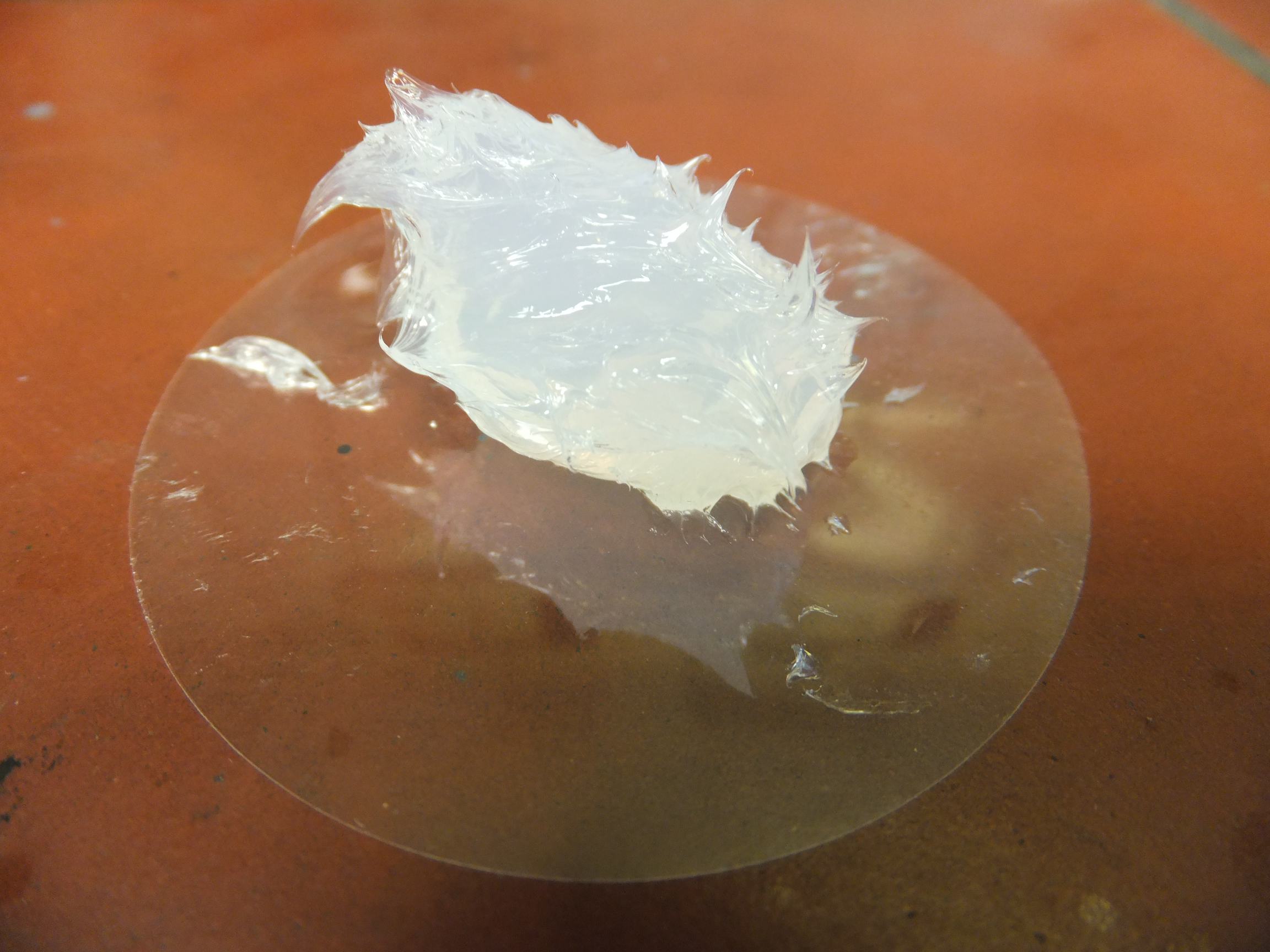
Room-Temperature Silicones Serve Different Jobs
Room-temperature materials, grouped as RTV, crosslink at comparatively low temperature by polyaddition or polycondensation. They come as two-component rubbers or as one-component coatings. Curing of RTV-1 materials relies only on exposure to ambient moisture, which is why a coating skins over in the field rather than in an oven.
Thickness separates the two product roles. A moulded housing specimen needs at least three millimetres, while typical coating thicknesses average only about 300 micrometres on glass or porcelain substrates. The bulk housing and the field coating therefore play different roles in an insulation programme, and coating application belongs to maintenance decisions rather than compound selection.
The same compound families also enclose other equipment. CIGRE Working Group D1.27 examined polymeric materials used as external housings for insulators, arresters, bushings and instrument transformers, so a compound proven on line insulators often reappears across the station. Silicone-housed surge arresters and cutouts share that lineage.

Why ATH Filler Carries the Tracking Duty
When the surface of a polluted shed dries in bands, small arcs ignite across each wet-dry boundary and concentrate their energy on a few square millimetres of rubber. Alumina trihydrate, ATH, is the compound’s answer. ATH cools that attack the way you cool your own skin: by releasing water and absorbing heat.
The chemistry is precise. Aluminium hydroxide starts to decompose at around 180 to 220 degrees Celsius, depending on type, absorbing a considerable amount of heat and giving off water vapour. That endothermic response starves the dry-band arc of thermal energy, and silicone compounds use ATH to raise resistance to tracking, erosion and corona.
The effect is measurable, not cosmetic. In HTV silicone formulations, a high level of tracking and erosion resistance relates directly to ATH filler content. Independent university tests compared three material families. An unfilled castable silicone and an ATH-filled HTV both lasted far longer than a structural distribution material, which failed once leakage current exceeded the 60 milliampere threshold.
How Formulators Defend ATH Against Acid
Filler strength has one documented enemy. Nitric acid, generated near energised hardware, attacks and decomposes the ATH filler inside an HTV housing. In published immersion tests, ATH-filled formulations showed significant crack formation, the worst cracking belonged to a compound with non-silane-treated ATH, and the unfilled HTV showed no cracks at all.
The countermeasures are formulation variables, not factory fixes. Developers can substitute an inert filler, optimise silane treatment, particle size and distribution of the ATH, or add a buffering agent for the acid. In our view, silane surface treatment is the quiet variable here: it changes how the filler bonds, cracks and ages long before any visible shed damage appears.
The challenge, as one housing developer put it, is achieving acid resistance without compromising other material properties, especially a high level of tracking and erosion resistance. Formulators work from a limited set of components: base polymer, curing agent, ATH fillers with their particle size, distribution and surface treatment, plus selected additives.

How the Inclined Plane Test Rates Compounds
The inclined plane test exists to compare housing compounds at their worst. Its purpose is to evaluate the tracking and erosion performance of a polymeric housing material. The method starts by cheating: a wetting agent destroys inherent hydrophobicity, simulating the late-aged phase from the first minute.
One widely used procedure follows IEC 60587, Method 1, at constant voltage with the leakage-current criterion. A published housing study states the pass conditions plainly: the test runs at 4.5 kilovolts AC and is deemed passed after six hours if none of five specimens:
- exceeded a leakage current of 60 milliamperes for two seconds;
- showed a hole from intensive bulk erosion;
- started burning.
The method is old and sensitive. The first inclined plane standard dates back to 1977, and results still vary with current levels, arc-root temperature and source stiffness. Two caveats matter for buyers. First, the test runs easily on LSR and HTV compounds moulded into large sections. Second, AC rankings do not generally transfer to DC service, so HVDC projects need DC-specific compound evidence.
TR 62039 Lists What a Compound Must Prove
Between raw chemistry and finished insulators sits a selection guide. IEC TR 62039:2021, “Selection guidelines for polymeric materials for outdoor use under HV stress”, is the gatekeeper. It tells a compound what it must prove before it may face high-voltage outdoor duty.
IEC TR 62039 defines 13 key properties, including minimum requirements, that must be fulfilled by polymeric materials for high-voltage outdoor applications. One of these is tracking and erosion resistance according to the test method described in IEC 60587.
The layering is worth reading once and remembering. Material-level tests such as IEC 60587 feed the TR 62039 property matrix, and the matrix feeds the insulator-level standards, IEC 62217 with its general definitions, test methods and acceptance criteria. A silicone rubber composite insulator is therefore only as standardised as the compound data underneath it.
Fingerprinting Batches With TGA and FTIR
Documents describe a compound; laboratory instruments confirm it. CIGRE Technical Brochure 595 explains how to establish the fingerprint of a silicone material with three measurements: thermogravimetric analysis, infrared spectroscopy and density. TGA demonstrates the presence and proportion of ATH inside the silicone, which is exactly the variable the tracking test depends on.
Each instrument reads one dimension of identity. TGA monitors mass loss in real time while the sample heats under inert or oxidising atmosphere, splitting the compound into pyrolysable and inorganic fractions. FTIR, recorded across the mid-infrared region from 500 to 4,000 reciprocal centimetres, yields a spectral fingerprint unique to the formulation.
Together with density and hardness readings, that fingerprint serves as material identification and as a baseline for quality control in subsequent batches, confirming consistency between deliveries from the same manufacturer. This is incoming-material science, a laboratory activity distinct from walking a production line.
A Decade of Sun Builds a Silica Skin
Outdoor exposure does change the surface, and one change surprised even the investigators. Inspectors examining silicone housings after ten years of service found a silicification: a surface layer of silica formed under moderate pollution, intense sun and a rainy season.
The follow-up testing settled the worry. Those housings showed no reduction of hydrophobic properties or mechanical strength. Inclined plane testing of specimens cut from the aged sheds reached the same verdict: silicification does not reduce tracking and erosion performance in ATH-filled HTV silicone. A weathered-looking surface, in other words, can still be a functioning compound.
Matching the Compound to the Insulator’s Job
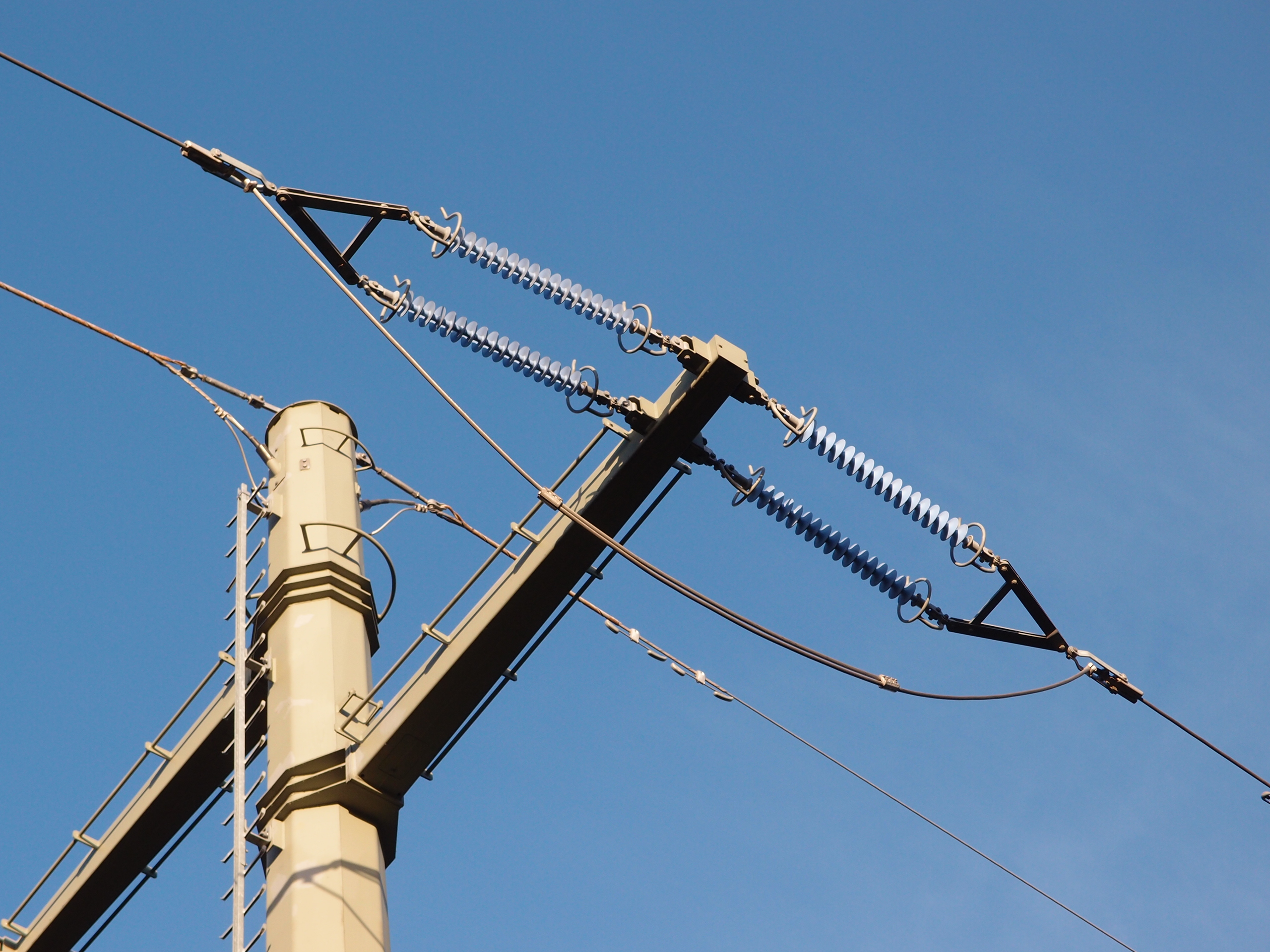
Remember the division of labour inside the unit. The fiberglass core rod carries the mechanical load, the aluminium alloy end fittings couple the string, and the silicone compound alone faces the weather. Silicone elastomers remain stable and elastic up to 200 degrees Celsius, and modified grades withstand as high as 300, so heat rarely picks the compound for you.
Service conditions do the picking instead. Heavy-pollution corridors justify demanding the IEC 60587 and TR 62039 evidence trail. DC lines justify asking whether the compound was ranked under DC stress rather than transferred from AC data. Station equipment, meanwhile, shares housing families with line insulators. In our experience, suppliers with real compound data answer those three questions in one document.
Where Compound Knowledge Pays Off
The housing compound is the part of a composite insulator no drawing fully specifies, yet it decides the pollution story, the acid story and the ageing story. Engineers who can read a compound data sheet — polymer family, cure route, ATH treatment, tracking class — negotiate from evidence rather than adjectives.
RaxPower builds overhead line hardware around exactly that evidence discipline. The диапазон изоляторов для воздушных линий lists silicone rubber composite insulator housings whose material story holds up under the tests described here. Ask the compound questions early, because every later warranty rests on the answer.
Часто задаваемые вопросы
What is the difference between peroxide cure and platinum cure?
Peroxide curing crosslinks solid high-consistency rubber and leaves breakdown products that a post-cure oven drives off. Platinum addition cure, or hydrosilylation, joins Si-H crosslinkers to vinyl-functional polysiloxanes and leaves no reaction byproducts.
How does ATH filler fight dry-band tracking?
Alumina trihydrate decomposes between roughly 180 and 220 °C, absorbing considerable heat and giving off water vapour. That endothermic reaction cools dry-band arcs, and a silicone rubber composite insulator owes much of its tracking resistance to ATH content.
What does IEC TR 62039 actually cover?
The technical report defines 13 key properties, with minimum requirements, that polymeric materials must fulfil for high-voltage outdoor use. One property is tracking and erosion resistance, tested to IEC 60587, which links material data to insulator standards such as IEC 62217.
Can a laboratory confirm the compound in a delivered batch?
Yes. TGA measures mass loss under controlled heating to expose filler proportion. FTIR records the mid-infrared fingerprint between 500 and 4,000 cm⁻¹, and density and hardness complete the identity card that CIGRE TB 595 prescribes.
Is an RTV coating the same silicone as a housing?
Both are silicone families, but they cure differently. Moulded housings crosslink at high temperature in the factory, while one-component RTV coatings cure from ambient moisture and average about 300 µm on ceramic substrates.