
1. Выбор 2. композитного штыревого изолятора 3. для распределительного проекта требует балансировки номинального напряжения, механических нагрузок и расстояния утечки 4. специфическими условиями окружающей среды. Указание неверного изолятора для линии 33 кВ в зоне сильного загрязнения создаёт уязвимое место, снижающее эксплуатационную надёжность проекта. В RaxPower мы рассматриваем процесс подбора как упражнение по управлению рисками, а не как простую покупку из каталога.
5. Полевые данные показывают, что высококачественные изделия выдерживают механические нагрузки до 100 кН, но пиковая прочность ничего не значит, если 6. силиконовая резиновая оболочка 7. разрушается под воздействием ультрафиолета. Эта статья предлагает рамки подбора, основанные на 8. стандартах МЭК 61109 и МЭК 61952. Мы рассмотрим, как оценивать стойкость к условиям окружающей среды и рассчитывать полную стоимость владения, чтобы избежать скрытых расходов на обслуживание. Правильная спецификация исключает угадывание в цепочке поставок и обеспечивает надёжность сети.. 9.
10. Определите свои технические потребности
Систематический подход к выбору, основанный на стандартах МЭК 61109 и МЭК 61952, исключает элемент угадывания при закупке композитных изоляторов. Заранее указание правильных параметров предотвращает катастрофические отказы сети и снижает долгосрочные затраты на обслуживание.
11. Номинальное напряжение и совместимость с системой
Хотя композитный штыревой изолятор 33 кВ разработан для систем 33 кВ, простого согласования номинального напряжения недостаточно для надёжной работы. Инженеры также должны учитывать импульсное напряжение электрической прочности (BIL) и напряжение промышленной частоты, чтобы обеспечить способность прибора выдерживать коммутационные перенапряжения и переходные всплески. Недооценка этих параметров часто приводит к перекрытиям во время бурь, даже если установившееся напряжение находится в пределах нормы. Мы рекомендуем проверять, что конкретная сухая дуговая длина достаточна для класса напряжения вашей линии, особенно в компактных распределительных конфигурациях, где межфазные расстояния минимальны.
- Факторы перенапряжения системы: Убедитесь, что указанное напряжение электрической прочности изолятора превышает ожидаемое коммутационное перенапряжение с безопасным запасом.
- Номиналы BIL: Проверьте базовый импульсный уровень (BIL) относительно истории местной молниевой активности, чтобы предотвратить пробои.
12. Механические требования к нагрузке в зависимости от применения
Номинал механической нагрузки часто является основной точкой отказа плохо специфицированного оборудования. Вы должны рассчитать максимальную комбинированную нагрузку проводника, веса льда и давления ветра, затем применить к этой величине коэффициент запаса. Хотя отраслевые стандарты предписывают минимальный коэффициент запаса, Rax Power проектирует с значительно большими запасами, обеспечивая сохранение структурной целостности изолятора даже под экстремальными консольными напряжениями. По нашему опыту, отказы часто происходят на границе между полимерной оболочкой и металлическим наконечником. Чтобы устранить эту слабую точку, мы используем компрессионное соединение вместо клеевого, обеспечивая механическую блокировку, которая предотвращает проскальзывание стержня под большим натяжением.
- Консольные vs. растягивающие нагрузки: Штыревые изоляторы в основном выдерживают консольные нагрузки (изгиб), но напряжения натяжения от углов линии также необходимо рассчитывать.
- Анализ точек отказа: Приоритет отдавайте изоляторам с коваными металлическими наконечниками вместо литых, чтобы избежать хрупких разрушений в зоне обжимки.
13. Воздействие окружающей среды и степень загрязнения
Условия окружающей среды определяют геометрию юбок и состав материала, необходимые для долгосрочной производительности. В зонах с тяжёлым промышленным загрязнением, солёным туманом или прибрежным туманом стандартные длины пути утечки часто недостаточны, что приводит к перекрытию вследствие загрязнения. Геометрия юбок играет здесь жизненно важную роль; переменные профили специально разработаны для улучшения самоочищения ветром и дождём. Мы также подвергаем каждый стержень 100% ультразвуковому сканированию для обнаружения внутренних микрополостей. Если присутствуют внутренние дефекты, влага может проникать со временем и разрушать диэлектрическую прочность изолятора изнутри — это критический режим отказа, который визуальные осмотры не способны обнаружить.
- Классы загрязнённости: Отнесите место установки к классу загрязнённости по МЭК (лёгкий, средний, тяжёлый или сверхтяжёлый) для определения необходимой удельной длины пути утечки.
- Передача гидрофобности: Убедитесь, что силиконовая резиновая оболочка обладает высокой способностью восстановления гидрофобности для предотвращения формирования непрерывных водяных плёнок во влажных условиях.
14. Габаритные стандарты и совместимость с опорой
Точность в рамках размерных стандартов не подлежит обсуждению при оптовых закупках. Изолятор, который не устанавливается идеально на поперечину, создаёт концентрацию напряжений, способную вызвать растрескивание полимерной оболочки или повреждение арматуры столба. Поскольку мы также производим стальные поперечины и сопутствующую арматуру, мы понимаем, что отклонение даже в несколько миллиметров может остановить монтаж. Всегда проверяйте верхние и нижние шаровые/гнездовые или штыревые размеры на соответствие конкретным кронштейнам, которые используются. Для проектов, включающих существующую инфраструктуру, предоставление поставщикам точных чертежей вершины столба необходимо для обеспечения того, чтобы новые композитные изоляторы устанавливались без дорогостоящих доработок на месте.
- Совместимость интерфейса: Подтвердите, что радиус кривизны основания изолятора соответствует кривизне поперечины или штыря, чтобы избежать точечной нагрузки.
- Интеграция оборудования: Проверьте, что зазор между скобой и шпинделем позволяет свободное движение токопроводящей арматуры без механических помех.
| Категория потребности | Решение Rax Power | Стандартный | Преимущество |
|---|---|---|---|
| Механическая надёжность | Коэффициент запаса ~10; технология компрессионного соединения | Технология горячей ковки | Превосходная прочность; устраняет риски отказа клеевого соединения |
| Загрязнение и окружающая среда | Длина пути утечки до 7150 мм; переменные профили юбок | Оптимизировано по МЭК 60815 | Улучшенное самоочищение в суровых условиях |
| Гарантия качества | Ультразвуковое сканирование 100%; двойной процесс проверки | Верифицировано SGS; стандарт ISO 1461 | Detection of internal micro-voids; zero-defect guarantee |
| Operational Lifespan | Service Life Exceeding 20 Years | High-Performance Composite | Reduced maintenance and replacement costs |
| Индивидуальные размеры | Bespoke OEM/ODM; Custom Mold Development | Pollution-Specific Geometry | Tailored solutions for specific project demands |
15. Проверьте номинальное напряжение и длину пути утечки
Selecting a composite pin insulator based solely on nominal voltage (e.g., 33kV) is a critical error. The true differentiator in performance and safety is the specific creepage distance (mm/kV), which must be matched to the site’s pollution severity to prevent costly flashovers.
16. Понимание удельной длины пути утечки и номинального напряжения
While the voltage rating indicates the system level an insulator is designed for (e.g., 15kV, 33kV), it does not guarantee performance in dirty environments. The creepage distance refers to the shortest path along the surface of the insulator between two conductive parts. In technical procurement, the focus must shift from nominal voltage to specific creepage, calculated in millimeters per kilovolt (mm/kV). A higher specific creepage ratio provides a longer path for electrical currents to travel, significantly reducing the risk of flashovers when contamination like dust, salt, or industrial smoke accumulates on the surface.
Buyers often confuse voltage compatibility with dielectric strength. A 33kV insulator with a standard creepage distance might fail quickly in a coastal area, whereas a 33kV insulator engineered for heavy pollution will maintain operation. The material properties of the composite housing (typically hydrophobic silicone rubber) aid performance by repelling water, but the physical geometry—the number and depth of the sheds—determines the absolute creepage length.
17. Соответствие требований к длине пути утечки уровням загрязнения
To prevent surface tracking and flashovers, engineers must reference IEC 60815 standards to determine the necessary creepage distance based on local environmental conditions. Using a “one-size-fits-all” approach often leads to premature failure in high-pollution zones. The table below outlines the standard creepage requirements relative to pollution severity.
| Pollution Class | Specific Creepage (mm/kV) | Typical Environment |
|---|---|---|
| I – Light | 16 | Clean areas with no industry or sea coast. |
| II – Medium | 20 | Areas with low industrial density or occasional sea wind. |
| III – Heavy | 25 | Industrial areas with frequent emissions or moderate sea salt. |
| IV – Very Heavy | 31 | Desert areas, heavy chemical industry, or direct sea spray zones. |
Specifying a standard creepage insulator for a Class III or IV environment is a primary cause of line tripping. While the polymer housing’s hydrophobicity helps repel water, it cannot compensate for insufficient creepage distance when conductive pollutants form a continuous layer over time.
18. Проверка качества и соответствия размерным стандартам
Distinguishing high-quality insulators from substandard options requires strict verification of the creepage distance against the manufacturer’s data sheet. Unverified suppliers may label an insulator as “33kV” while providing a creepage distance suitable only for 24kV clean environments. When reviewing technical specifications, look for the Длина пути утечки (мм) parameter explicitly, rather than just the voltage class.
- Creepage Ratio Check: Divide the total creepage distance by the highest system voltage to ensure it meets the specific mm/kV requirement for your site’s pollution class.
- Shed Design Analysis: Effective creepage requires alternating large and small sheds to increase the leakage path without making the insulator excessively tall. Verify that the shed spacing is sufficient to prevent bridging by icicles or heavy bird droppings in specific service conditions.
- Core Integrity: Ensure the specified creepage does not compromise the mechanical core diameter. An insulator with an artificially extended creepage but a reduced fiberglass core diameter will fail under mechanical load, even if the electrical performance seems adequate on paper.
By rigorously calculating the required specific creepage and enforcing dimensional tolerances during inspection, buyers ensure the insulation system remains robust against both electrical stress and environmental contamination, thereby avoiding the misconception that composite materials automatically solve all pollution-related issues.
19. Оцените механическую нагрузку и прочность
20. Выносливость на изгиб и предел прочности на растяжение: ключевое отличие
Selecting a composite pin insulator with insufficient mechanical strength is a primary cause of catastrophic line failures. The core challenge lies in matching the insulator’s cantilever and tensile ratings to the specific line tension and wind-load scenarios of your project.
Unlike traditional porcelain, composite pin insulators derive their mechanical strength from a solid fiberglass-reinforced epoxy rod core. This construction allows them to achieve high breaking load values that are often comparable to, or exceed, equivalent porcelain units while offering significantly lower weight. The insulator’s ability to resist bending forces (cantilever) and direct pulling forces (tensile) is governed by international testing standards such as IEC 61284.
21. Сравнение с фарфором: вес против механического рейтинга
When evaluating mechanical load, the most effective comparison is against porcelain pin insulators of the same voltage class. Porcelain units are heavy and brittle, making them susceptible to shattering under mechanical shock or improper handling. Composite alternatives provide a superior strength-to-weight ratio, simplifying installation and reducing stress on supporting structures.
Field data and industry testing indicate that high-performance composite pin insulators can routinely withstand mechanical loads of up to 100 kN. This rating makes them a robust choice for heavy-duty applications such as large span crossings, high-tension dead-end configurations, and areas with severe ice loading. The specific mechanical rating required for your application depends on the line tension, span length, and environmental conditions.
22. Ключевые механические характеристики для проверки
To prevent costly failures due to underspecification, ensure that the mechanical data for any candidate insulator includes the following verified parameters:
- Short-Circuit Withstand Current: The maximum current the insulator can endure for a specified duration without thermal or mechanical damage.
- Mechanical Safety Factor: The ratio of the insulator’s breaking load to the maximum expected working load, ensuring a critical margin against failure.
- Creepage Distance: The minimum insulated path length along the surface, which must be sufficient for the pollution severity of the installation site.
- Standard Compliance: Verification that the insulator has been tested per relevant standards (e.g., IEC 61109, ASTM D4830) for both electrical and mechanical performance.
Do not assume a higher voltage rating guarantees higher mechanical strength. A 33kV composite insulator may have a low mechanical rating for light-duty service, while another 33kV unit may be engineered for 100 kN heavy-duty loads. Always cross-reference the mechanical breaking load specification separately from the electrical rating.
23. Цена механического несоответствия
Under-specifying mechanical strength leads to direct failures, while over-specifying can unnecessarily inflate project costs. According to industry analyses, insulator failures can cost utilities over $10 million annually when factoring in downtime, emergency repairs, and replacement logistics. A thorough evaluation of cantilever and tensile requirements during the procurement phase is essential to balance performance, reliability, and total cost of ownership.
Engineers should request detailed test reports that confirm the insulator’s ability to withstand both static and dynamic mechanical loads throughout its intended service life, typically exceeding 30 years in composite formulations.
24. Оцените стойкость к условиям окружающей среды и ультрафиолету
Composite pin insulators excel in harsh environments primarily due to the hydrophobic nature of silicone rubber. This material repels water and prevents pollution tracking, reducing flashover failure rates by approximately 30% compared to traditional porcelain in high-humidity or contaminated regions.
25. Критическая роль гидрофобности
Hydrophobicity transfer capability distinguishes premium composite insulators from budget alternatives in contaminated environments. For buyers targeting projects in industrial or coastal areas, assessing the перенос гидрофобности capability is essential; this is the material’s ability to recover its water-repellent properties after surface contamination or electrical activity. If the insulator loses this characteristic, pollution layers can absorb moisture and lead to system failure.
26. Оценка УФ-стойкости и старения
Prolonged exposure to ultraviolet (UV) radiation is the primary driver of material degradation for polymer insulators. When specifying composite pin insulators for sunny or high-altitude regions, buyers must verify that the housing material incorporates high-quality UV stabilizers and inhibitors. Without these additives, the silicone rubber surface will degrade through a process known as chalking, where the surface becomes brittle, cracks, and loses its hydrophobicity. While light chalking is often a cosmetic result of normal weathering, deep cracking exposes the fiberglass core rod to environmental elements, compromising the unit’s mechanical integrity.
Avoid mixing housing materials. Some manufacturers may use Ethylene Propylene Diene Monomer (EPDM) sheds with silicone rubber to cut costs. EPDM has significantly inferior UV resistance and hydrophobicity compared to High-Temperature Vulcanized (HTV) silicone rubber, leading to rapid performance decline in outdoor applications.
27. Тепловые характеристики и стойкость к обледенению
Extreme temperature fluctuations pose a significant challenge to traditional ceramic insulators, which are susceptible to fracture due to thermal shock. Composite pin insulators offer superior resilience in these scenarios because the polymer materials have a higher coefficient of thermal expansion and can absorb mechanical stress without cracking. In cold climates where icing is a concern, the hydrophobic nature of the sheath also inhibits the formation of ice bridges. Since ice cannot easily adhere to the water-repellent surface, the risk of flashovers caused by ice melting and creating conductive paths is significantly lower than on ceramic counterparts.
- Temperature Range: Verify that the specified silicone rubber can maintain flexibility across the expected operational range, typically from -40°C to +80°C or higher, without becoming brittle in cold or soft in heat.
- Arc Resistance: Ensure the housing material has proven tracking and erosion resistance (often classified by Comparative Tracking Index values) to withstand dry band arcing without burning.
- Corrosion Resistance: Confirm that the end fittings are galvanized or coated to resist corrosion in salty or chemically aggressive atmospheres, which complements the polymer housing’s weather resistance.
28. Проверьте соответствие международным стандартам
Compliance is the baseline for grid safety, but a generic certificate is not enough. Buyers must demand traceable Type Test data specifically aligned with composite standards such as IEC 61109, not legacy ceramic protocols.
29. Отличие композитных стандартов от устаревших сертификатов
Not all composite pin insulators carry the same level of compliance verification. The most critical distinction lies in whether the manufacturer references МЭК 61109, the dedicated international standard for composite insulators, or falls back on older ceramic standards like IEC 60305. The latter was written for porcelain and glass, and its test methods do not fully address the unique failure modes of polymer-based insulators, such as rod degradation or stress grader failure.
A compliant composite pin insulator must pass a documented Type Test program under IEC 61109, which includes electrical withstand testing, mechanical load cycling, and environmental aging. Buyers should request the actual test report, not just a certificate of conformity. The report should show specific values for lightning impulse withstand voltage, power frequency dry and wet flashover, and short-duration power frequency withstand voltage, all measured per the standard’s prescribed procedures.
For projects in North America, IEEE 1783 provides additional guidance on the application and testing of composite line insulators. While IEC 61109 remains the globally recognized baseline, IEEE 1783 addresses specific North American utility requirements that may not be fully covered by the IEC standard alone. Some high-tier procurement specifications explicitly require testing under both frameworks.
When evaluating a supplier, ask for their IEC 61109 Type Test report by test number. A real report will include the laboratory name, date, specimen identification, and measured values. A certificate alone without traceable test data is insufficient for mission-critical grid applications.
30. Понимание уровней тестирования: типовые, приёмочные и выборочные испытания
Global compliance involves three distinct testing tiers, and understanding the difference is essential for quality assurance. Type Tests are comprehensive evaluations performed on representative samples to verify the design meets all standard requirements. These are expensive and time-intensive, typically taking months to complete. A manufacturer that has not performed Type Tests under IEC 61109 should be viewed with significant caution.
Routine Tests are conducted on every production batch or individual unit before shipment. For composite pin insulators, routine tests typically include a power frequency withstand voltage test and a visual inspection. These tests confirm that each manufactured unit meets the baseline electrical and dimensional requirements. Buyers should verify that routine testing is performed on 100% of production output, not on a sampling basis.
Sample Tests fall between type and routine testing. They may be performed periodically during production or when a material or process change occurs. Reputable manufacturers will conduct sample tests whenever there is a change in the silicone rubber compound, the fiberglass-reinforced epoxy (FRE) rod, or the molding process. This ensures that the modified product still meets the original type-tested specifications.
- Type Test (IEC 61109): Full design validation including electrical, mechanical, and environmental testing. Must be performed by an accredited third-party laboratory.
- Routine Test: Performed on every unit or batch. Includes power frequency withstand voltage and visual inspection. Should be documented per unit.
- Sample Test: Periodic or trigger-based testing when materials or processes change. Validates continuity of compliance after modifications.
31. Ключевые пороги производительности согласно МЭК 61109
IEC 61109 defines specific performance thresholds that composite pin insulators must meet or exceed. The most critical of these are the electrical strength values, which vary by voltage class. For a typical 33 kV composite pin insulator, the standard requires a minimum power frequency dry withstand voltage of approximately 95 kV and a wet withstand voltage of approximately 70 kV. The lightning impulse withstand voltage should be no less than 150 kV peak.
Mechanical load requirements are equally critical. The standard specifies a minimum breaking load for pin insulators based on their rated mechanical load (RML). For a 33 kV unit with an RML of 15 kN, the insulator must withstand at least 1.5 times its rated load without failure during the type test. Creepage distance is another key parameter, determined by the pollution severity level of the installation environment. For heavy pollution areas, the minimum creepage distance typically exceeds 1,100 mm.
- Power Frequency Dry Withstand Voltage: Minimum 95 kV for 33 kV class units, measured per IEC 61109 Clause 8.3.
- Lightning Impulse Withstand Voltage: Minimum 150 kV peak for 33 kV class units, measured per IEC 60060-1 test procedures.
- Minimum Breaking Load: 1.5 times the Rated Mechanical Load (RML) without fracture or permanent deformation.
- Creepage Distance: Minimum 1,100 mm for severe pollution conditions (IEC 60815 pollution level IV).
- Operating Temperature Range: Standard range covers -40°C to +50°C, with special compounds available for extreme climates.
Some manufacturers quote compliance with IEC 61109 but only provide routine test certificates, not Type Test reports. A routine test certificate proves that an individual unit passed a basic electrical test, but it does not verify that the insulator design has been validated against the full suite of environmental, mechanical, and aging requirements. Always demand the Type Test report from an accredited laboratory.
32. Проверка аккредитации сторонних лабораторий
The credibility of any compliance claim depends heavily on the testing laboratory. Reputable Type Test reports originate from ISO/IEC 17025 accredited laboratories that specialize in high-voltage insulator testing. The most widely recognized facilities include VDE in Germany, CIGB in China, and KEMA (now part of DNV) in the Netherlands. When a supplier presents test data, verify that the laboratory holds current accreditation and that the test report references the correct IEC 61109 clauses.
Some regional markets have additional certification requirements. In India, for example, the Central Electricity Authority (CEA) mandates testing through approved Indian laboratories such as CEEI or BHEL. In Russia, GOST R certification may be required alongside IEC compliance. Buyers should confirm that the supplier’s testing portfolio covers the specific accreditation requirements of their target market before placing an order.
33. Перекрёстная ссылка на стандарты ASTM и ANSI для проектов в Северной Америке
For North American installations, compliance with ASTM D429 и ANSI/IEEE standards adds an additional layer of verification. ASTM D429 covers the measurement of dielectric properties of insulating materials, which is relevant for evaluating the silicone rubber compound used in the insulator housing. While not a product standard itself, this test method is frequently referenced in North American procurement specifications as a material qualification requirement.
The IEEE 1783 standard provides comprehensive guidance on the application, testing, and maintenance of composite line insulators in North American utility systems. It addresses topics such as electrical performance criteria, mechanical loading, environmental aging, and field failure analysis. Projects specifying IEEE 1783 compliance typically require suppliers to demonstrate that their Type Test program aligns with the standard’s performance benchmarks, in addition to meeting IEC 61109 requirements.
34. Контрольный список для проверки заявлений о соответствии
- Шаг 1: Request the IEC 61109 Type Test report and verify it references the correct voltage class and mechanical load rating.
- Шаг 2: Confirm the testing laboratory holds ISO/IEC 17025 accreditation and is recognized in your target market.
- Шаг 3: Cross-check the reported electrical and mechanical values against the minimum thresholds specified in IEC 61109 for your voltage class.
- Шаг 4: For North American projects, request evidence of ASTM D429 material testing and IEEE 1783 alignment.
- Шаг 5: Verify that routine test certificates are available for the specific production batch you are purchasing.
35. Красные флаги в документации о соответствии
Buyers should be alert to several warning signs when reviewing compliance documentation. A report that lists IEC 61109 compliance but omits specific test values is incomplete and unreliable. Similarly, a certificate that does not identify the testing laboratory, the test date, or the specific standard clauses applied should be treated as insufficient. Some suppliers also present test reports for a different voltage class or mechanical rating than the product being offered, which is a serious red flag.
Another common issue is the use of outdated standard versions. IEC 61109 has undergone revisions, and newer editions may include additional test requirements that older versions do not cover. Buyers should confirm that the Type Test was conducted under the current edition of the standard, or at minimum, a version that is still recognized by their local regulatory authority. Rejecting documentation with these red flags prevents costly mismatches between purchased specifications and actual product performance.
36. Обеспечение долгосрочного соответствия через периодическое повторное тестирование
Compliance is not a one-time event. Material changes, process modifications, or shifts in the supply chain can affect the performance of composite pin insulators over time. Reputable manufacturers conduct periodic re-testing to ensure that their products continue to meet the original Type Test specifications. This is especially important when there is a change in the silicone rubber compound supplier, the FRE rod manufacturer, or the molding process parameters.
Buyers should request evidence of periodic re-testing as part of their supplier evaluation. A manufacturer that proactively re-tests and maintains updated Type Test reports demonstrates a commitment to long-term quality consistency. This practice is particularly relevant for long-duration infrastructure projects where the insulators must perform reliably for decades under varying environmental conditions.
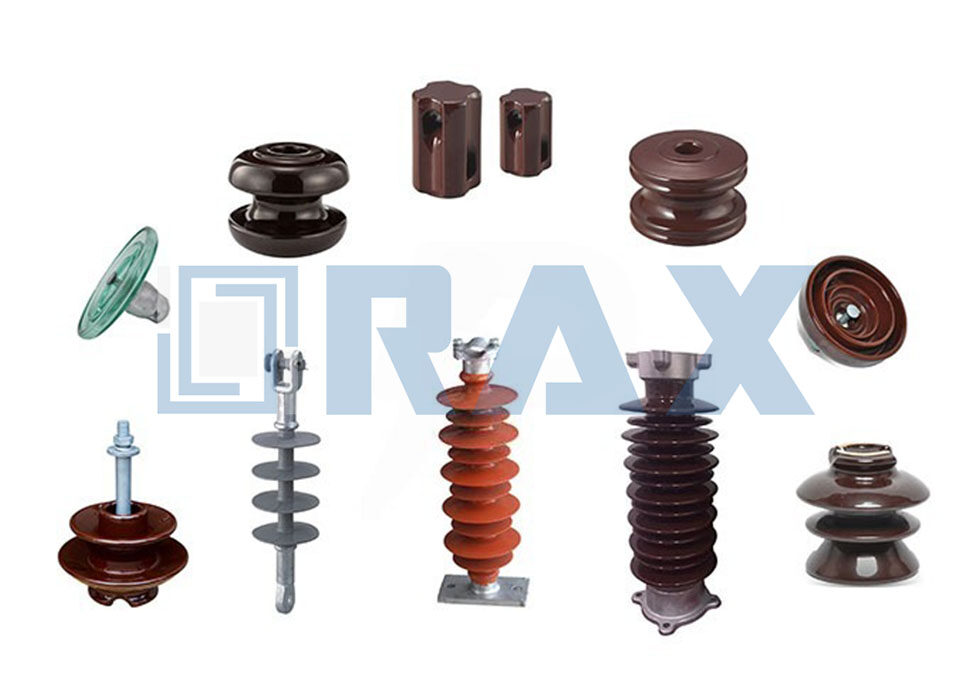
37. Композитный или керамический: какой лучше?
Composite pin insulators generally outperform ceramic alternatives in distribution networks due to superior hydrophobicity, lightweight handling, and high vandalism resistance, whereas ceramics remain brittle and heavy.
38. Мифы о составе материала и электропроводности
A common misconception among procurement engineers is that the polymeric materials used in composite insulators might conduct electricity under damp conditions. This is incorrect. A composite pin insulator consists of a glass fiber reinforced polymer (FRP) rod—the load-bearing core—encased in silicone rubber sheds and metal end fittings. The FRP rod possesses extremely high dielectric strength, ensuring zero electrical conductivity along the axis. According to IEC 61109 standards, these designs must withstand strict dry and wet power-frequency voltage tests. Unlike ceramics, which rely solely on material thickness for insulation, the composite core provides mechanical strength without compromising electrical isolation, effectively solving the conductivity confusion by separating the mechanical load path from the insulating barrier.
39. Механические характеристики: хрупкость против ударной вязкости
The most distinct operational difference lies in the material’s reaction to physical stress. Ceramic or porcelain pin insulators are inherently brittle; they possess high compressive strength but negligible tensile flexibility. When subjected to mechanical shock—such as projectile impact (vandalism), bird strikes, or accidental tool impact during maintenance—ceramics tend to shatter catastrophically, leading to immediate line failure. In contrast, composite insulators exhibit high toughness and flexibility. The internal FRP rod absorbs energy, allowing the unit to withstand significant impacts without fracturing. For projects in high-vandalism areas or rough terrain, the damage tolerance of composites drastically reduces the risk of service interruption compared to the fragile nature of glass or porcelain.
40. Вес, логистика и безопасность монтажа
From a logistics and installation perspective, the weight disparity creates a decisive advantage for composites. A composite pin insulator typically weighs 80% to 90% less than its ceramic equivalent of the same mechanical rating. This reduction translates directly to lower shipping costs and easier handling on-site. For installation crews, lightweight components reduce fatigue and the risk of musculoskeletal injuries. Additionally, the “one-piece” construction of many composite designs eliminates the complex assembly of multiple ceramic shells and cement found in traditional insulators, streamlining the installation process and reducing potential assembly errors.
41. Стойкость к загрязнениям и поверхностная гидрофобность
In polluted or coastal environments, the surface properties of the material dictate long-term reliability. Ceramic insulators are hydrophilic, meaning pollution layers like dust or salt mix with water to form a conductive film on the surface, often necessitating periodic washing. Composite insulators utilize hydrophobic silicone rubber sheds. This material repels water, causing it to bead up and roll off, preventing the formation of continuous conductive paths. This hydrophobicity transfers to pollution layers, maintaining high insulation resistance even in heavy contamination. Therefore, for 33kV systems in industrial or seaside areas, composites offer a “install-and-forget” advantage regarding maintenance compared to the frequent cleaning requirements of ceramic surfaces.
- Impact Resistance: Composites flex and absorb shock; ceramics shatter upon impact.
- Weight Efficiency: Composites are significantly lighter, reducing transport and handling complexity.
- Pollution Tolerance: Hydrophobic sheds on composites resist conductive film formation better than hydrophilic ceramics.
- Core Integrity: FRP rods provide superior tensile strength relative to weight compared to cemented porcelain assemblies.
42. Предотвращение монтажных отказов
Approximately 15% of composite insulator failures trace back to improper handling or installation errors—not product defects. Correct mounting practices are the difference between a 20+ year service life and premature failure.
43. Правильные моменты затяжки для крепежа
Installation torque errors account for a significant portion of field failures, making proper hardware specification a critical quality gate. The glass-reinforced epoxy core rod, engineered for high tensile strength per ASTM D638 (minimum 1000N), remains vulnerable to point stresses introduced during installation. When hardware is over-tightened, localized compression can crack the fiber-reinforced core or damage the shed profile, creating entry points for moisture ingress.
Every fitting—guy clamps, double-arming bolts, and pole bands—requires a specific torque value defined by the manufacturer’s installation manual. These values are not arbitrary; they are calibrated to the tensile strength of the hardware and the mechanical tolerance of the insulator end fittings. Using a calibrated torque wrench and verifying each fastener to specification is non-negotiable on any project, particularly in 33kV and higher voltage applications where mechanical loads are significantly greater.
Our engineering team routinely encounters field reports where installers use impact wrenches without torque verification. This practice introduces inconsistent clamping forces that can exceed the designed load limits of the insulator assembly. We recommend a two-step tightening procedure: initial snug-torque at 50% of specification, followed by final torque at 100% after all hardware is positioned correctly.
44. Рекомендации по подбору совместимого крепежа
Composite pin insulators are engineered as complete systems. The end fittings, shank geometry, and shed profile are matched to specific hardware configurations. Pairing Rax Power composite insulators with incompatible pole bands, cross-arm brackets, or tension clamps from different manufacturers can create dimensional mismatches that compromise the mechanical integrity of the installation.
Hot-forged hardware, like the steel components Rax Power produces, offers superior strength and precision compared to traditional casting methods. This manufacturing advantage means the tolerances on Rax Power fittings are tighter than generic cast equivalents. When mixing hardware sources, even minor dimensional deviations—such as a pole band inner diameter that is 1mm oversized—can allow micro-movement under wind load, leading to fretting corrosion and accelerated wear on the insulator’s metal end fittings.
The most reliable approach is to source compatible hardware from the same manufacturer as the insulator. When that is not feasible, verify that all mating surfaces, bolt diameters, and clamp specifications match the insulator’s technical datasheet before procurement. A quick dimensional check on the job site can prevent costly rework and potential field failures down the line.
45. Обращение и хранение перед монтажом
Composite insulators are resilient, but they are not invincible during the pre-installation phase. The silicone rubber shed material is resistant to UV degradation and environmental exposure, but the fiberglass-reinforced epoxy core and metal end fittings require proper handling to avoid damage that may not be visible during a cursory inspection.
Key handling protocols include: lifting insulators by the designed lifting points or using soft slings around the shed region—never by the end fittings or core rod; storing units upright or horizontally on padded supports to prevent core deformation under their own weight; and protecting end fittings from impact during transport and site handling. The mean coating thickness of hot-dip galvanized hardware exceeds 85 microns per ISO 1461, but this protective layer can be compromised by sharp impacts or abrasion against rough surfaces.
Improper storage on uneven ground or exposed to standing water can accelerate corrosion on uncoated or damaged metal components. In our experience with projects across Russia, South America, and Southeast Asia, we consistently observe that sites with organized, padded storage areas report significantly fewer handling-related defects compared to those where materials are left uncovered on-site.
46. Предмонтажный контрольный список осмотра
A systematic pre-installation inspection is the final safeguard against field failures. Every insulator should be verified against the following checklist before it is mounted on the pole or structure:
- Визуальный осмотр: Check for cracks, chips, or scratches on the silicone rubber sheds. Any visible damage to the shed profile can compromise hydrophobicity and create water tracking paths under wet pollution conditions.
- End Fitting Integrity: Inspect all metal end fittings for deformation, threading damage, or galvanizing defects. The hot-dip galvanized finish should be smooth and bright with no exposed base metal.
- Creepage Distance Verification: Confirm the insulator’s creepage distance matches the IEC 60815 pollution severity class for the installation environment. For high-pollution areas, ensure the alternating shed profile is intact and undamaged.
- Mechanical Load Rating: Verify the short-duration mechanical load (SML) rating exceeds the calculated design load for the application, including wind, ice, and conductor tension factors.
- Certification Documentation: Confirm SGS certification and IEC 61109 compliance documentation is available and matches the ordered specifications, including voltage rating, creepage distance, and SML.
- Ultrasonic Core Rod Verification: For critical applications, request ultrasonic scanning reports that confirm the absence of internal micro-voids in the fiber-reinforced epoxy core rod. This is a standard quality step in our production process.
Never install an insulator with damaged end fittings or compromised galvanizing. Even minor coating defects expose the steel substrate to corrosion, which can propagate inward and reduce the mechanical strength of the connection point over time. A seemingly cosmetic defect can become a catastrophic failure under sustained load.
47. Расчёт полной стоимости владения
Focusing solely on the invoice price creates a false economy. The true ROI of polymer insulators is realized over decades through near-zero maintenance and superior resistance to environmental flashovers.
48. Начальная стоимость покупки по уровню спецификации
The acquisition price of composite pin insulators is driven primarily by the complexity of the mold and the materials science required to meet specific mechanical and electrical loads. Unlike generic mass-produced ceramics, polymer units are often categorized into specification tiers that reflect their creepage distance and specific mechanical load (SML) ratings.
For standard distribution applications (e.g., 33kV systems), the entry price is competitive, though often slightly higher than basic porcelain counterparts. However, as the specification tier rises—particularly for high-pollution areas requiring alternating shed designs or heavy-duty transmission lines with high cantilever strength—the cost curve for composites scales differently than ceramics. While ceramics become exponentially heavier and more expensive to transport as specifications increase, polymer units remain lightweight, keeping logistics costs flat even as performance grades improve. B2B buyers should structure their RFQs around the “installed cost” rather than just unit price to see the benefit of this weight advantage.
49. Экономия на обслуживании за срок службы
The most significant variable in the Total Cost of Ownership equation is not the hardware, but the operational expenditure (OPEX) required to keep it online. Traditional ceramic insulators are hydrophilic; they attract water and contamination, necessitating regular maintenance washing to prevent flashovers. This requires specialized crews, shutdowns, or live-line equipment, creating a recurring financial drain that compounds over the system’s life.
Composite insulators utilize the intrinsic hydrophobicity of silicone rubber. This property transfers to the pollution layer, preventing the formation of continuous conductive water films. For utility managers, this translates to a “wash-free” maintenance profile in most environments. The savings are twofold: direct reduction in labor and equipment costs, and the avoidance of revenue loss from unplanned outages. When calculating lifecycle costs, applying a zero-maintenance factor to composites versus a scheduled-maintenance factor for ceramics typically inverts the financial comparison within the first 5 to 7 years of operation.
50. Ожидаемый срок службы и циклы замены
Asset depreciation schedules for grid infrastructure must account for the physical degradation rates of the materials. Porcelain and glass are brittle materials susceptible to fracture from vandalism, bird strikes, or line vibrations. Once the cement cap cracks or the glaze fails, the unit must be replaced immediately, creating unpredictable, urgent procurement cycles.
Modern composite pin insulators utilize high-strength ECR-glass or epoxy resin cores encased in weather-resistant housings. These materials absorb mechanical shock rather than shattering. therefore, the replacement cycle for polymers is primarily dictated by material aging (corona cutting or UV degradation) rather than catastrophic breakage. With advanced formulations offering resistance to UV and acid rain, the operational lifespan extends significantly beyond the traditional replacement window. This elongation allows procurement teams to amortize the initial cost over a much longer period, reducing the annualized cost of ownership.
Сравнение жизненных затрат в различных условиях эксплуатации
The financial viability of composite insulators is heavily contingent on the installation environment. In clean, arid regions, the TCO difference between polymer and ceramic may be marginal, as ceramic units perform adequately without heavy maintenance. However, the equation shifts drastically in harsh environments such as coastal areas (salt spray), industrial zones (chemical dust), or heavy agricultural regions (fertilizer spray).
In these high-risk scenarios, ceramic insulators often require “extra creepage” designs or expensive silicone greasing to maintain performance, driving up both material and maintenance costs. Composite insulators, with their optimized shed profiles and inherent hydrophobic recovery, maintain performance without these add-ons. A lifecycle cost analysis in these environments will show that the higher initial outlay for composites is recovered rapidly by eliminating the need for pollution mitigation measures and reducing the risk of failure-induced penalties. For any project situated in a pollution Class III or IV area, polymers offer the lowest long-term financial exposure.
Avoid low-cost composite imports that use inferior silicone rubber (HTV vs. LSR inconsistency) without proper tracking. While the initial price is attractive, accelerated aging in UV-heavy environments can halve the service life, ultimately making the TCO higher than that of premium ceramics.
| Cost Factor | Composite Pin Insulator | Porcelain Alternative | Long-Term Impact |
|---|---|---|---|
| Initial Purchase Price | Higher upfront cost vs. porcelain | Lower upfront cost | Offset by reduced maintenance and longer service life |
| Срок службы | 20+ years | 10–15 years typical | Fewer replacements reduce lifecycle expenditure |
| Maintenance & Inspection | Minimal — hydrophobic silicone rubber sheds resist contamination | Regular cleaning and testing required | Lower OPEX and reduced outage risk |
| Installation Cost | Lightweight design cuts handling and labor time | Heavier, requires more crew and equipment | Faster deployment and lower transportation costs |
| Failure & Replacement Risk | Safety factor ~10; compression coupling prevents moisture ingress; 100% ultrasonic core scanning | Prone to cracking and flashover in polluted/coastal conditions | Avoids costly outages and emergency replacements |
| Creepage & Pollution Performance | Creepage up to 7150mm; IEC 60815-optimized alternating shed profiles | Limited pollution tolerance without additional grading | Suitable for harsh environments without extra hardware |
| Коррозионная стойкость | ISO 1461 hot-dip galvanized or stainless steel hardware | Metal fittings degrade faster in coastal and industrial zones | Extended hardware lifespan and reduced corrosion-related failures |
Заключение
Composite insulators dominate heavy pollution zones due to hydrophobic properties, while ceramic suits clean environments better. For 33kv distribution projects, the lighter polymer hardware reduces pole structure costs significantly. Do not chase the lowest sticker price. Substandard housings crack under UV stress fast. You need a unit that handles the creepage distance requirements of your local grid code.
Calculating the total cost of ownership shows polymer units save money over twenty years through reduced maintenance cycles. We verify designs against IEC 61109 standards for high-severity pollution. Send us your load requirements. Our engineering team will provide a technical feasibility review to ensure your infrastructure lasts. No obligation, just accurate data for your procurement decision.
Часто задаваемые вопросы
Что отличает штыревые изоляторы от опорных изоляторов?
Штыревые изоляторы крепятся к поперечине с помощью одного болта и обычно применяются для распределительных линий низкого напряжения. Столбовые изоляторы имеют большую площадь основания и предназначены для восприятия более высоких механических нагрузок или жёстких шин. Выбор между ними зависит от конкретного монтажного пространства и требуемого кантеверного сопротивления, задаваемого конструкцией линии.
Как геометрия юбок влияет на характеристики?
Alternating shed profiles are engineered to increase the creepage distance while promoting effective self-cleaning in windy conditions. This specific geometry prevents pollution accumulation and reduces the risk of flashovers during heavy rain or fog. It ensures the insulator maintains its electrical integrity even in contaminated environments.
Лучше ли компрессионное соединение клеевым?
Compression coupling utilizes mechanical crimping to attach end fittings, eliminating the risk of adhesive degradation over time. This technology prevents moisture ingress at the critical interface between the metal and the core rod. It provides superior tensile strength and long-term reliability in fluctuating temperatures.
Как обнаруживаются внутренние дефекты стержня?
Advanced manufacturers employ 100% ultrasonic scanning to identify micro-voids within the fiber-reinforced epoxy core rod. This non-destructive testing method ensures that no internal flaws compromise the insulator’s mechanical strength. It is a crucial quality control step that guarantees the structural integrity of the product.
Что защищает металлические наконечники?
The metal hardware should be hot-dip galvanized to ISO 1461 standards to ensure protection against rust and corrosion. A smooth, bright galvanized finish with adequate thickness prevents the fittings from seizing during installation. This protection is vital for maintaining mechanical stability in coastal or industrial atmospheres.