
By the time an energized 220 kV line announces itself with an evening hiss, its hardware has been reporting a problem for weeks. Corona ring optimization is the discipline of reading that report: collect the signature, attribute it to a parameter, and apply the smallest correction the evidence supports. Unlike design, which starts from a specification sheet, optimization starts from what the line itself is saying.
Our order desk can tell within two messages which kind of request it is dealing with. One caller asks for a bigger ring, just in case; another sends a tower number, a dusk photograph, and a note that the noise only appears in rain. RaxPower works the second way, because evidence shrinks the parameter space faster than any calculation.
What Optimization Means Once the Ring Is in Service
A ring leaves the factory as a set of dimensions: tube diameter, centerline radius, mounting plane, surface finish. In service, those dimensions are answers to a question the grid keeps asking under changing air, load, and weather. Optimization is the maintenance-side habit of checking whether the answers still hold, and adjusting them when they do not.
The habit matters because a line never stops negotiating with its environment. Conductors age, hardware swaps in and out across maintenance seasons, and voltage profiles shift as the grid around them grows. A ring that was correct at commissioning can be quietly overtaken by all three.
The loop has five stations: observe, attribute, correct, verify, record. Skipping the second station is what turns optimization into guessing, and guessing tends to add weight and wind load without silencing anything. A corona ring optimization loop works the way you would tune an instrument: small adjustments, played and listened to, never a rebuild after the first sour note.
Field Signatures That Point at Ring Performance
Energized hardware reports through a small number of channels, and each one can be collected without de-energizing the line.
- Sound. Corona discharge generates audible and radio-frequency noise, so a hiss that rises at dusk or in humid air is a measurement, not an opinion.
- Glow. A faint blue-violet halo at the line-end fitting is easiest to see after dark, and it marks where the field is winning.
- Ultraviolet imaging. UV cameras are commercially available in daylight and night-vision types, so a plume can be photographed during a normal shift and compared year over year.
- Interference reports. Listeners along the route, or a radio-interference reading that has crept upward since acceptance, both count as data.
Conditions belong in the record next to the signature. A plume photographed in fog tells a different story than the same plume photographed at noon in dry heat. The crew that notes weather, season, and load at capture time saves the analyst a round of guesswork later.
A signature is evidence with a direction, not a diagnosis. The same hiss can point at the ring, at the fitting beside it, or at the weather. Before any hardware moves, each signature needs a cause.

Matching Each Signature to Its Likely Cause
Attribution is the station that separates optimization from parts-swapping. The matrix below covers the signatures that reach crews most often, the first suspect behind each, and the lever that answers it.
| Signature | First suspect | First corrective lever |
|---|---|---|
| Glow at the fitting edge while the ring stays dark | Ring sits too low or projects too little; the stress peak outlives the shield | Check center-plane height against the fitting top; correct position first |
| Discharge sits on the ring seam or on a dent | Weld bead, burr, or impact damage acting as a sharp point | Dress and refinish the defect, then inspect the whole circumference |
| Noise appears only in rain or fog | Water-drop corona, not a sizing fault; droplet edges can lift the local field roughly 12 times | Compare against the dry-weather baseline before changing geometry |
| Quiet at the coast, noisy on the mountain pass | Thinner air ionizes sooner, so the onset threshold drops with pressure | Re-check the altitude margin; upsize the geometry if it is consumed |
| Interference creeping upward over the years | Surface aging and pitting lowering the onset threshold | Assess the surface, then plan refinish or replacement |
The wet-versus-dry split deserves emphasis, because it prevents the most expensive mistake in the matrix. Water clings to energized hardware, and its relative permittivity near 80 lets each droplet edge intensify the local field, by as much as roughly 12 times. That is how rain can switch corona on without any fault in the geometry.
Altitude gets the same honest treatment. Air density falls with elevation, and the gradient air can hold before ionizing falls with it. Hardware that was silent at the coast can start reporting on the first mountain span. The attribution there points at the margin the original drawing carried, not at anything the crew did wrong.
In our experience, most wet-weather complaints shrink once crews compare them with a dry-night pass on the same structure. A signature that survives dry weather is structural and belongs to the hardware; one that appears with the forecast belongs to the air. Attribution moves one variable at a time, and the table keeps that discipline honest.
Position Corrections: The Cheapest Lever First
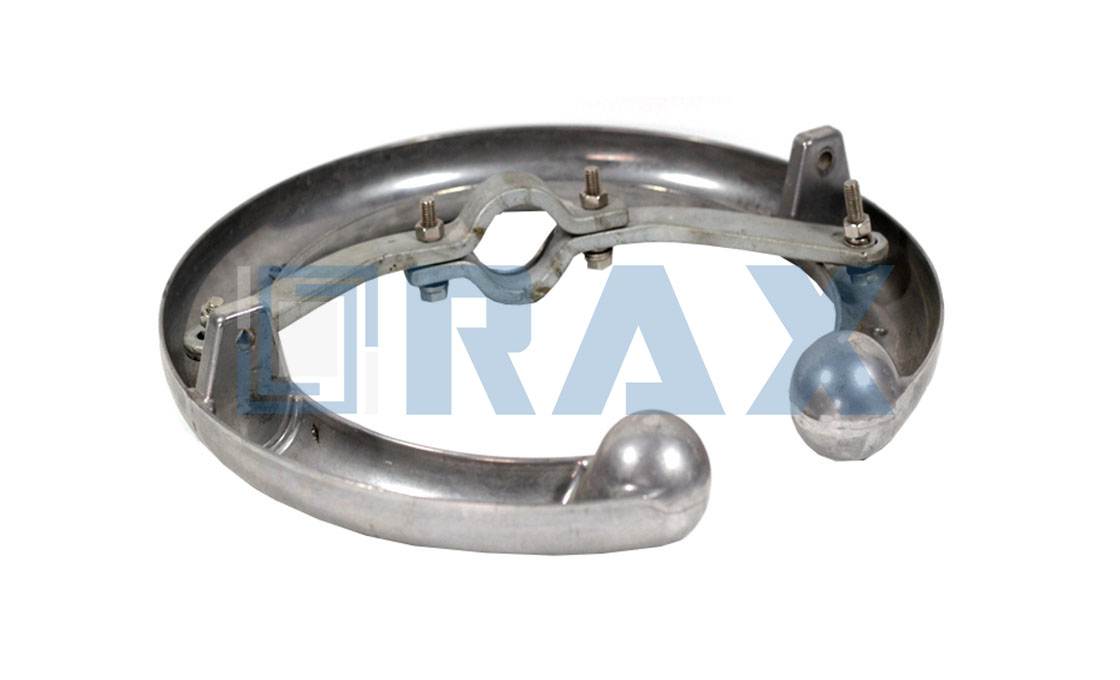
Picture the ring as an umbrella held over the fitting it protects. Slide the umbrella half a span sideways and half the hardware is out in the rain, which is exactly what a slipped or mis-centered bracket does to field coverage. Because the stress peak lives at the line-end fitting, small position errors there are worth correcting before any geometry changes.
A position correction covers three checks. Height: the tube’s mid-plane rides close to the top face of the end fitting, where the gradient concentrates on a typical string. Reach: the loop should overshoot the hardware in every direction, so gradients close on the ring’s own smooth curve rather than on bare metal. And the moved ring must still respect the clearances the line already reserves, because a ring that swings nearer to tower steel trades one hazard for another.
Most fixes are that simple and that permanent. A shim under the bracket, a re-secured clamp, a yoke replaced after it bent in service — all ordinary actions on acessórios de tensão e suspensão. They belong to the same trade that already maintains the string.
Repositioning costs a crew visit, not a drawing. That is why it comes first in every corona ring optimization sequence: if the signatures quiet down after the bracket is re-centered and secured, the geometry was never the problem.
Geometry Corrections That Need a Drawing Change
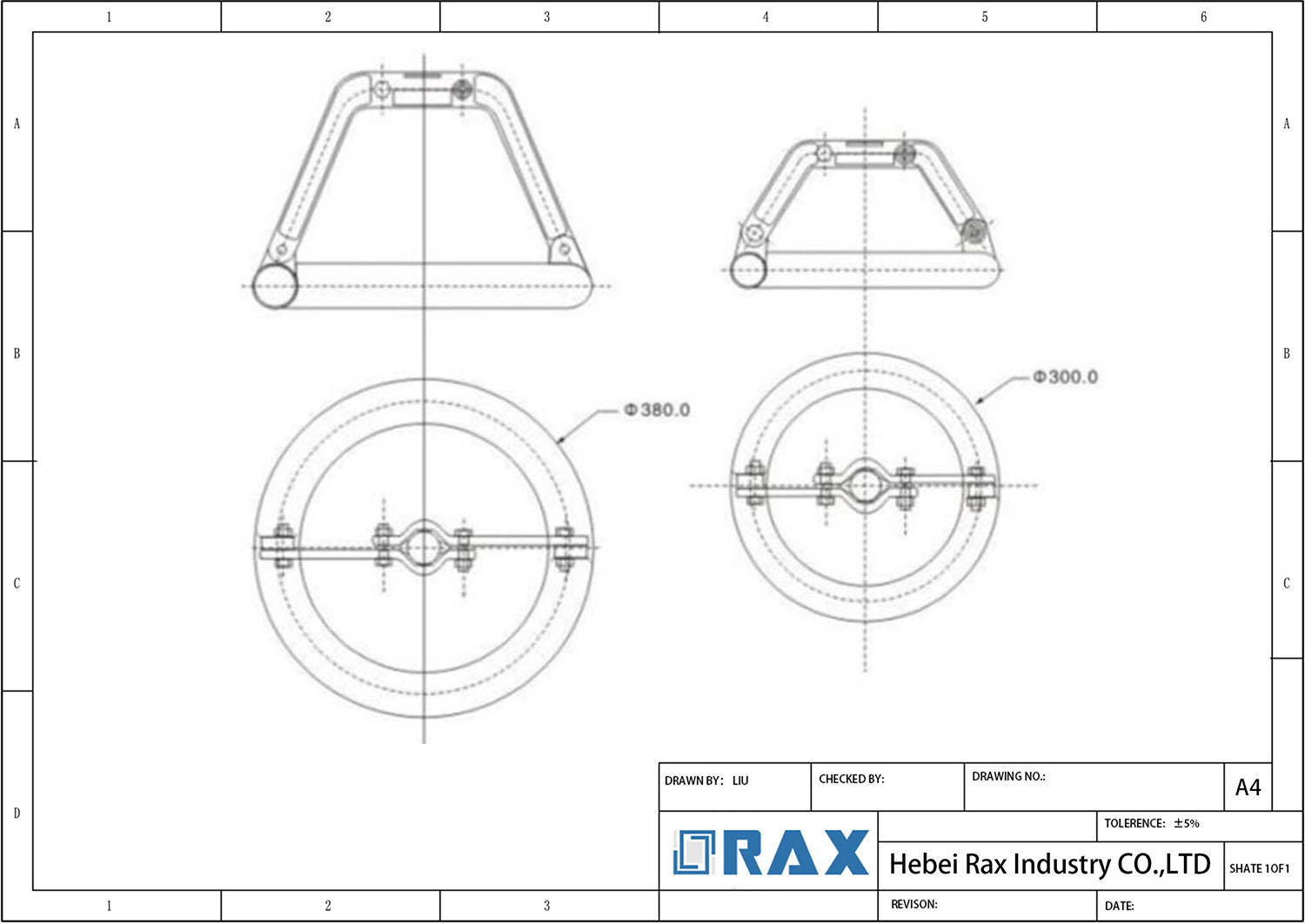
When verified position corrections do not silence the signature, the evidence has exhausted the cheap levers. Geometry is next, and it always runs through a drawing, because tube diameter, centerline radius, and ring count are manufacturing dimensions, not field adjustments.
Three changes carry most of the weight. A thicker tube lowers the surface gradient on the ring itself. A larger centerline radius extends the shielded volume around the fitting. A second tier adds grading where a single loop no longer covers the string. Each option is billed three ways: added mass, added sail area for the wind, and a larger moment on the bracket. The drawing has to settle all three bills before the tube is bent.
Factories answer evidence best when the request arrives as dimensions. Our standard ring sheet carries diameters of 300 and 380 millimeters with a plus-or-minus five percent tolerance. A corrected request is simply a new line drawn under the same discipline. Send the signature, the attribution, and the changed dimension, and the part that arrives matches the finding.
Surface Defects: Restore the Finish or Replace
A dent you can barely see can still run a ring. Air near standard conditions breaks down around 30 kV/cm at the conductor surface. A sharp point multiplies the local field, which is why a single burr on a weld seam can glow while the rest of the ring stays silent. Surface defects concentrate stress in exactly the way the ring exists to disperse it.
The decision rule follows the damage. Transport dents, grinding marks, and rough weld beads can be dressed and polished back to the specified finish, then re-checked. Widespread pitting, deep dents that thin the wall, or corrosion at the bracket interface change the structure itself. Polish does not restore a thinned wall or a corroded interface. Aluminum rings that pass the finish check go back into service; rings that fail it go back to the drawing instead of back onto the string.
Finish checks close the loop on this lever as well. A dressed ring earns its return only after the surface has been verified, because a repair that leaves the finish rough has changed nothing that matters.
Verifying the Fix Under Comparable Conditions
Every correction ends where it began: at the signature. Re-run the same observation under the same conditions. That means the dry-night baseline for a dry-weather complaint, the same ultraviolet pass for a plume, or the same interference comparison for a noise report. Daylight-capable UV cameras make the before-and-after practical, because the re-test does not have to wait for dark.
Verification also has a shop form. A ring that has been re-welded, resized, or heavily dressed should re-enter service through the same acceptance framework used for new fittings. For changed parts, IEC 61284 is the frame that counts. The standard covers overhead-line fittings at nominal voltages above 45 kV and is applied to similar substation hardware as well. Changed parts deserve the same evidence standard as first deliveries.
Record what was found, what was changed, and what the re-test showed. Without that triple, the next crew inherits a mystery instead of a method.

When Optimization Ends and Replacement Begins
Some rings cannot be talked back to work. If position corrections and surface restoration have both been verified and the signatures persist, the geometry itself is short for the voltage it serves. The same conclusion follows when a line is re-rated, re-conductored, or extended into terrain whose thinner air consumes the original margin.
A different cadeia de isoladores on the same fitting shifts the stress peak the ring was placed to cover, which is why string changes belong in the attribution record too. So does any growth in the load the circuit now carries. The ring answers the field around it, and the field answers the line.
Replacement then becomes the honest correction, and the failed loop becomes the specification. The new ring is ordered against the recorded evidence: the voltage and altitude it actually serves, the fitting it must shield, and the clearances it must keep. A replacement justified by a documented loop is not an expense; it is the loop closing.
Carrying One Verified Fix Across the Whole Line
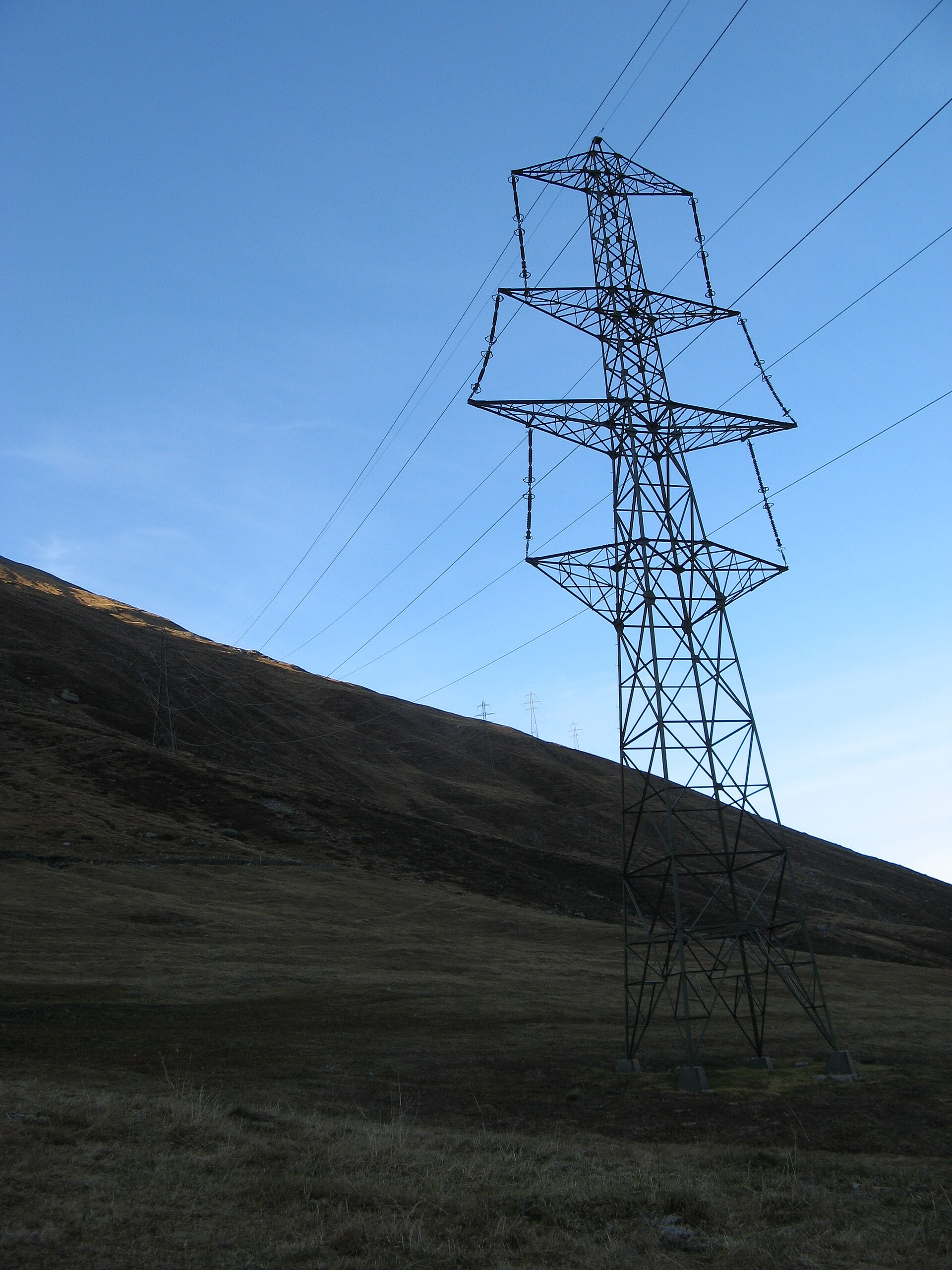
Structures rarely fail alone. Twin towers on the same crossing, built in the same year from the same drawings, share the same exposure, so a verified fix should travel. Rolling the corrected geometry out to matching structures before their signatures appear stops the line from reporting the same problem one tower at a time.
The record travels with the fix. Baseline, attribution, change, and verification belong in the asset file, where the next patrol and the next procurement round can find them. Patrol frequency and hands-on inspection technique live in the separate field guide; this loop starts where its readings stop. Optimization that is not written down is only maintenance that happened once.
Conclusão
Corona ring optimization is a loop with five stations: observe, attribute, correct, verify, record. It treats noise, glow, and interference as measurements, spends the cheap levers before the expensive ones, and lets re-tests decide when a drawing must change.
When the evidence does point to new hardware, the corrected drawing goes to the shop floor. RaxPower turns those dimensions into a finished aluminum ring, built against the findings the line reported. What comes back is hardware that answers the signature, not a guess from a catalog page.
Perguntas Frequentes
O que a otimização do anel de corona envolve na prática?
É um loop repetitivo: colete assinaturas de campo, como ruído, brilho ou plumas UV. Atribua cada uma a uma causa relacionada a parâmetros. Aplique a menor correção na posição, geometria ou superfície e, em seguida, refaça o teste sob condições comparáveis, registrando o resultado.
Qual correção as equipes devem tentar primeiro?
Position. Moving or re-aligning a ring costs a crew visit, not a drawing change. Upsizing the tube or adding a second tier only makes sense when re-tests show the geometry itself cannot carry the gradient.
Why does corona appear only in rainy weather?
Water droplets clinging to energized hardware intensify the local field at the drop edge, so wet-weather discharge can appear without any sizing fault. Judge the ring against its dry-weather baseline before changing anything.
How do you confirm a correction actually worked?
Repeat the original measurement under comparable conditions: the same dry or wet baseline, the same dusk visual or daylight UV pass, and a radio-interference comparison. If the numbers do not move, neither should the hardware.
When is replacement the only remaining option?
When position and surface corrections have been verified without silencing the signatures, or when the ring was never sized for the voltage and altitude it actually serves. Then the drawing, not the crew, is the fix.