
A composite insulator rarely fails because the grid asked too much of its core. Most service problems start on the surface, where salt, dust and industrial residue try to build a conductive film faster than rain can strip it off. Contamination control is therefore not housekeeping. It is the discipline that decides whether a string rides through a wet season or hands you a trip report.
RaxPower has built pole line hardware since 2003 and supplies composite insulators alongside it, with 170+ people across the company. Our engineering desk reads pollution tickets from utility customers, and this guide stays inside one slice of composite insulator operation. It covers what deposits do in service, how to measure them, and when to wash. It also shows how to wash without harming the silicone housing, and where coatings take over.
What Pollution Films Do During Composite Insulator Operation
Picture the housing at dawn after a coastal fog. Each shed carries a thin, damp paste of salt and dust, and the leakage path runs straight across it. That paste is the working enemy in polluted service.
The film has two parts. One dissolves in water and is measured as equivalent salt deposit density, or ESDD. The other is an inert matrix measured as non-soluble deposit density, NSDD. The distinction matters because the soluble fraction carries current while the insoluble fraction holds moisture and decides how long the film stays conductive.
Silicone rubber fights back with hydrophobicity. Water beads instead of filming, and low molecular weight chains migrate into the deposit so the film itself resists wetting. When deposition outruns this recovery, leakage current starts to flow, dry bands form, and localized arcing follows.
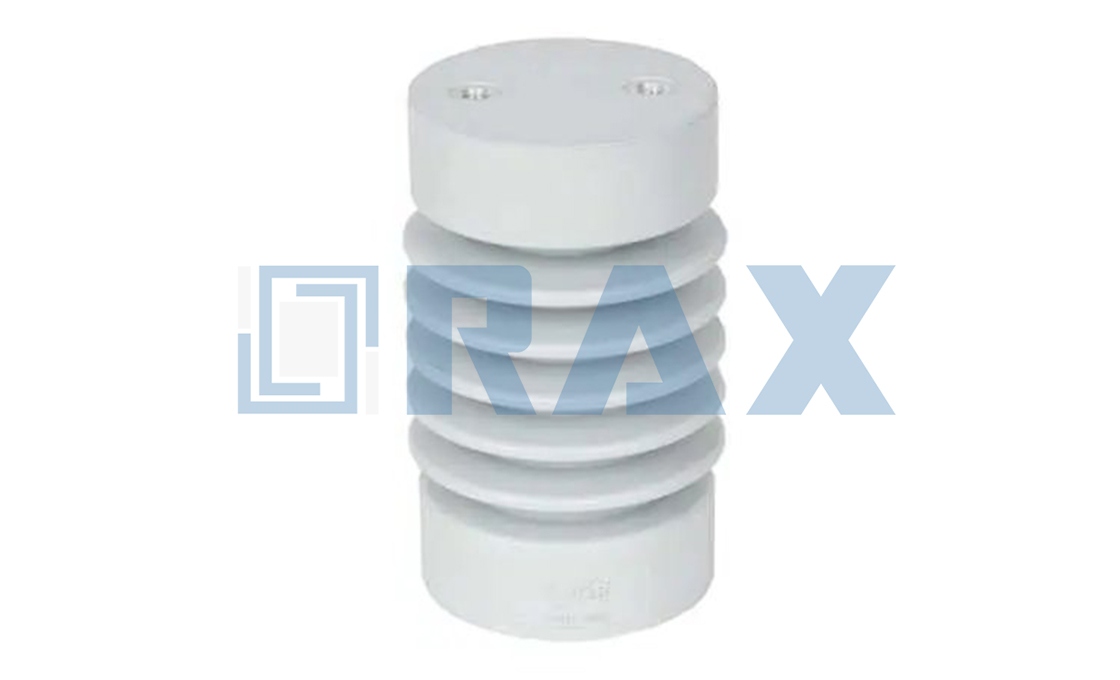
None of this is a defect story. The core, the housing and the aluminum alloy end fittings can all be healthy while the surface quietly loses the pollution race. That is why composite insulator operation treats the surface film as a managed asset with its own readings, its own calendar and its own limits.
Reading the Deposit Before You Reach for Water
Escalating to washing starts with evidence, and the cheapest evidence is visual. Heavy, uniform deposits, glazed tracks, or orange arcs during humid nights all point to a surface losing margin. Utility practice treats orange partial arcs on salt films as a pre-flashover state, not a cosmetic quirk.
Tripped lines add context. A sound assessment of a suspected pollution flashover compiles the basic event record first: timestamp, location, service voltage and on-site observations. Patterns across several events say more than any single incident.
Treat the readings as a fleet asset. The European utility framework for composite insulator maintenance logs UV and IR findings, hydrophobicity class and ESDD/NSDD numbers in one database, which lets a utility benchmark mitigation effects across seasons.
Quantification follows the same logic. Wipe sampling measures ESDD and NSDD on the top and bottom shed faces and on the trunk at several positions, and the framework records weighted averages alongside maxima. Bottom faces often collect more deposit than top faces, so a single whole-string average can hide the worst surface.
In our experience, utilities that skip the measurement step wash on habit. They spend crew hours on strings that rain would have cleaned, and miss the ones quietly building toward a trip.
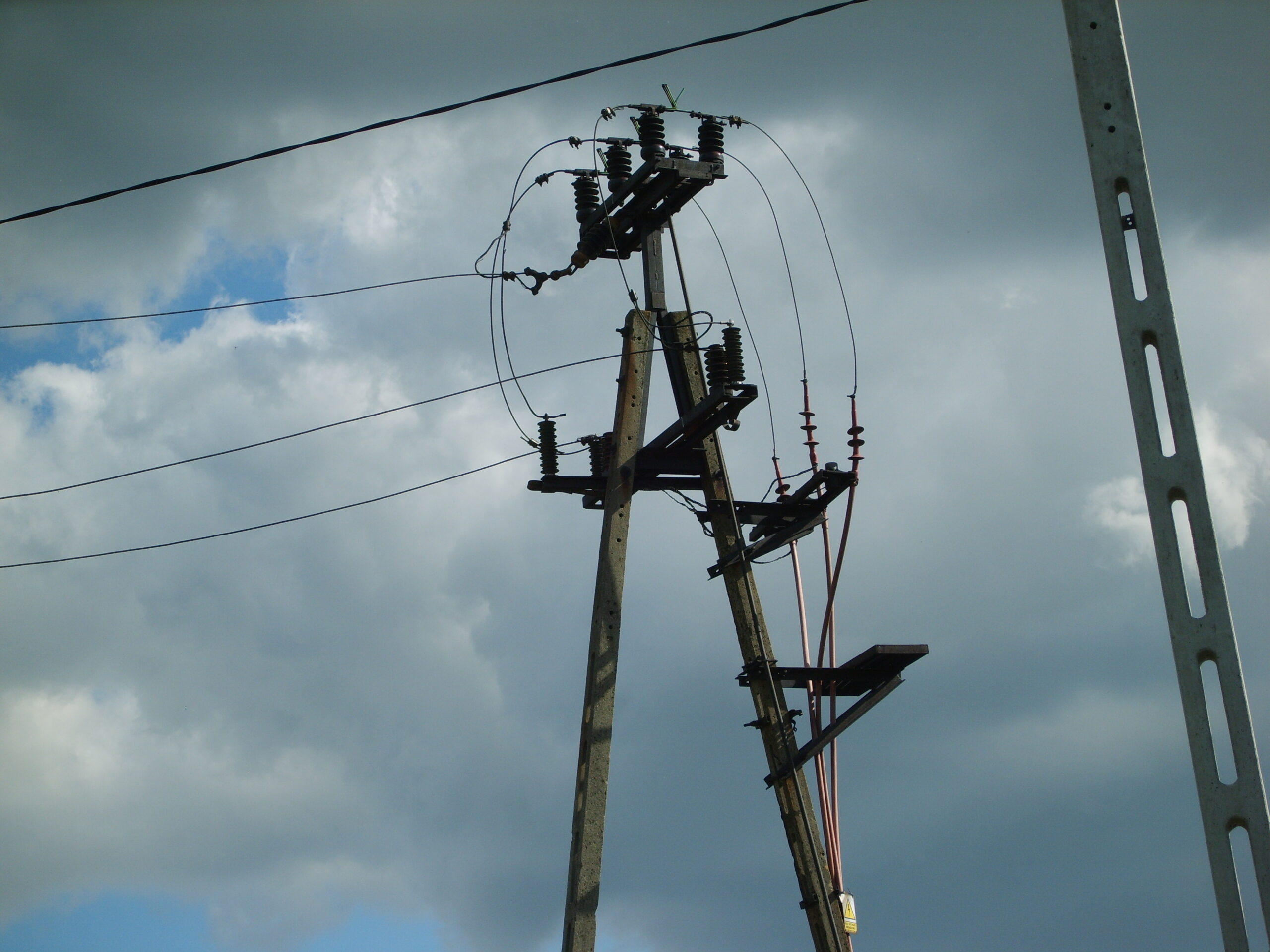
Rain is part of the reading too. A site with regular wetting keeps its surfaces naturally washed, while a short rainy season lets deposits accumulate for months at a stretch. The same deposit load means different risk at these two sites.
When Washing Beats Waiting on a Polluted String
Washing earns its place when deposition outruns natural cleaning, and that is the daily reality of composite insulator operation in dirty air. Coastal spray seasons, dry seasons without rain, and industrial corridors with continuous emissions all produce surfaces rain cannot keep clean. On those strings, waiting is a decision to ride the leakage current.
The triggers are practical. Dense visible deposits, ESDD readings trending upward, a flashover event on the circuit, or beading that no longer recovers between patrols. Any one of them moves washing onto the schedule.
There is one standing exception. A housing with cuts, exposed core or deep erosion should never be washed and returned to service. Treat it the way you would treat a cracked pump casing: hosing it down does not repair the fault. Water finds the defect faster than the dirt ever did, so damage escalates the case to replacement rather than cleaning.
Between those poles sits judgment. Utilities in the European framework schedule targeted inspections and washings for high-risk weather windows, which keeps the intervention ahead of the season instead of behind the outage.
How to Wash Without Harming the Silicone Housing
The housing works because of a thin surface layer, so the first rule of washing is to remove deposits without attacking the layer underneath. Water does the work. Abrasive pads, scrapers and aggressive solvents cause damage no deposit could justify.
Live washing raises the stakes and brings its own rules. The water itself must insulate. Field practice sets a floor of 2,540 ohm-cm resistivity, equal to 400 microsiemens of conductivity, as the minimum for safe hot washing.
IEEE 957-2024 is titled the Guide for Monitoring, Managing, and Cleaning of Contaminated Insulators. It gathers the procedures in one place: monitoring contamination, managing the risk, and cleaning insulators of all types with the equipment and techniques the job requires.
Two habits keep a live wash predictable. Resistivity falls as water warms, so crews monitor it continuously, and washer packages carry monitors that shut the system down when conductivity drifts past the limit. Wash guns and the truck chassis stay grounded to the structure for the same reason.
- Confirm water resistivity at the tank, then again at the nozzle, before the first jet.
- Keep the jet moving in a sweeping pass, never parked on one shed and never aimed into a seal.
- Work the string section by section so dirty water always runs off already-cleaned surface.
- On de-energized work, hand wiping with clean cloths and plain water is the gentle default.
- Log the wash: date, water readings, sections covered and what the beading looked like afterwards.
Verification closes the job. After the string dries, a spray check shows whether water beads and rolls as it should. Beading that fails to return is not a washing failure to repeat. It is a finding for the escalation ladder later in this guide.

Setting Washing Frequency From the Pollution Calendar
Frequency is a derived number, not a preference. It follows the local pollution calendar: when deposits arrive, when rain fails to arrive, and when the wet season concentrates risk. Two lines in one utility can justify different intervals without either being wrong.
The calendar logic is simple. Sites inside a coastal spray season need coverage in front of the season, not after the first trip. Dry industrial corridors need a wash before the long rainless stretch, because natural washing will not resume for months.

Ceramic practice contributes a rule of thumb: severe pollution or low natural washing justifies intervention such as greasing or washing. Composite strings shift the balance, because the housing does more of the work itself. The trigger structure survives translation. What changes is the response: water first, chemistry never, and records every time.
Trend data tightens the schedule over time. A utility that logs wash dates against flashover records and deposit readings soon sees its real interval. The second season then costs less than the first.
Where RTV Coatings Fit in Composite Insulator Operation
Coatings enter the conversation whenever washing gets expensive, and the boundary matters. RTV silicone coatings are a ceramic-string technology. IEEE 1523-2018 says so in its title: the guide for the application, maintenance and evaluation of RTV silicone rubber coatings for outdoor ceramic insulators.
The economics explain the growth. Millions of factory pre-coated cap and pin units now run on lines where frequent washing had become unaffordable. Coated ceramic has gained market ground where much lower inspection costs outweigh a higher acquisition price.
Peru shows all three options inside one grid. The country’s TSO installed polymeric insulators between 1996 and 2004 to cut washing on coastal lines. After 17 core-fracture failures within a few years, it specified RTV-coated glass from 2009 for the worst coastal sections. Washing burden, housing failure and coating adoption each had a role.

The boundary for a buyer follows from that record. A silicone rubber housing already supplies the hydrophobic surface a coating would add, so coating a healthy composite string buys nothing. Coating belongs where a ceramic string carries a washing burden the budget can no longer carry. Choosing between a composite string and a coated ceramic one is a design decision made once, not a maintenance patch applied mid-life.
Washing Mistakes That Turn a Cleanup Into a Hazard
Most washing harm traces to five habits, and all five are avoidable with discipline the crew already has.
- Washing damaged housings. Water enters cuts and exposed core faster than dirt leaves, so any visible defect converts the job into a replacement order.
- Ignoring water quality on live work. Conductive water turns the jet into the fault path, which is why the resistivity floor and continuous monitoring exist.
- Letting dirty water bridge dry sections. A section-by-section sequence keeps contaminated runoff moving off the string instead of building a wet track across it.
- Reaching for solvents or abrasive tools. The deposit is soluble; the hydrophobic surface is not renewable on site. Scrubbing trades a temporary film for permanent loss.
- Washing without records. An unlogged wash cannot inform the interval, defend the budget, or explain the next trip.
Each mistake shares one root: treating the surface as dirt to remove rather than a working layer to preserve. Crews that internalize the difference need less supervision, and their strings show it at every inspection.
When Cleaning Ends: Upgrade, Coat or Retire
Washing is the first rung, and a shrinking interval is the signal to climb. When washes stack closer together, the mitigation no longer matches the site. The European framework points to the next rungs: profiles upgraded to higher USCD requirements under IEC 60815-3, or housings from more robust silicone material families.
| Signal | Reading That Confirms It | Response |
|---|---|---|
| Dense visible deposits | ESDD/NSDD wipe samples trending up | Schedule a wash before the next wet season |
| Flashover trip on the circuit | Event record: time, location, voltage | Wash the corridor, then re-read deposits |
| Wash intervals shrinking | Two or more washes per wet season | Move up the ladder: USCD profile or housing upgrade |
| Beading never returns | Spray check stays wetted after drying | Flag the string for replacement review |
| Ceramic string, washing budget exhausted | Rising wash cost trend on a porcelain route | Evaluate an RTV coating program |
The ladder ends differently per material. Ceramic strings with unsustainable washing burdens move to RTV coating programs, per the boundary above. Composite strings that stay wet and stop recovering move toward replacement, because cleaning a housing that has lost its recovery adds cost without adding margin.
Two adjacent reads deepen both ends of this guide. The field evidence behind hydrophobicity, heating and fracture behavior is compiled in the composite polymer insulator data analysis. Replacement thresholds and justification documentation live in the dedicated operating guide for composite insulators.
Keeping the Housing Working Is the Whole Job
Composite insulator operation, at its core, is surface management between rain events. Read the deposit, respect the water rules, follow the pollution calendar, and let coatings and upgrades carry what washing no longer can. RaxPower has watched lines run this loop across many grid markets since 2003, and the strings that last are the ones whose housing never became an afterthought.
Perguntas Frequentes
A lavagem em tensão de cordas compostas energizadas é uma prática normal?
Sim, onde as concessionárias executam programas qualificados de lavagem em tensão com água monitorada por resistividade e equipamentos aterrados. Onde esses programas não existem, as mesmas sequências são lavadas desenergizadas durante paradas planejadas.
What water quality does live washing require?
Practice sets a minimum of 2,540 ohm-cm resistivity, about 400 microsiemens. Because resistivity falls as water warms, crews monitor it continuously and systems shut down past the limit.
Can detergents or solvents speed up the job?
No. Deposits are water-soluble, while the hydrophobic surface layer is thin and not renewable in the field. Solvents and abrasive pads trade a temporary film for permanent housing damage.
How do you confirm a wash actually restored the surface?
Spray the dried housing and watch the response. Water should bead and roll. Beading that stays absent across the following weeks is a replacement signal, not a reason to wash again.
Why not renew a composite insulator with an RTV coating?
A silicone housing already provides the hydrophobic layer a coating would add. IEEE 1523-2018 scopes RTV coatings for ceramic insulators, so coatings belong to porcelain and glass programs.