
Environmental Factors Affecting Corona Ring Sizing
Impact of Altitude on Air Density
Corona Rings vs. Voltage Grading Hardware
Design Constraints for High Voltage Applications
Identifying Applicable High-Voltage Engineering Standards
Method 1: Electrical Field Stress Calculation Methods
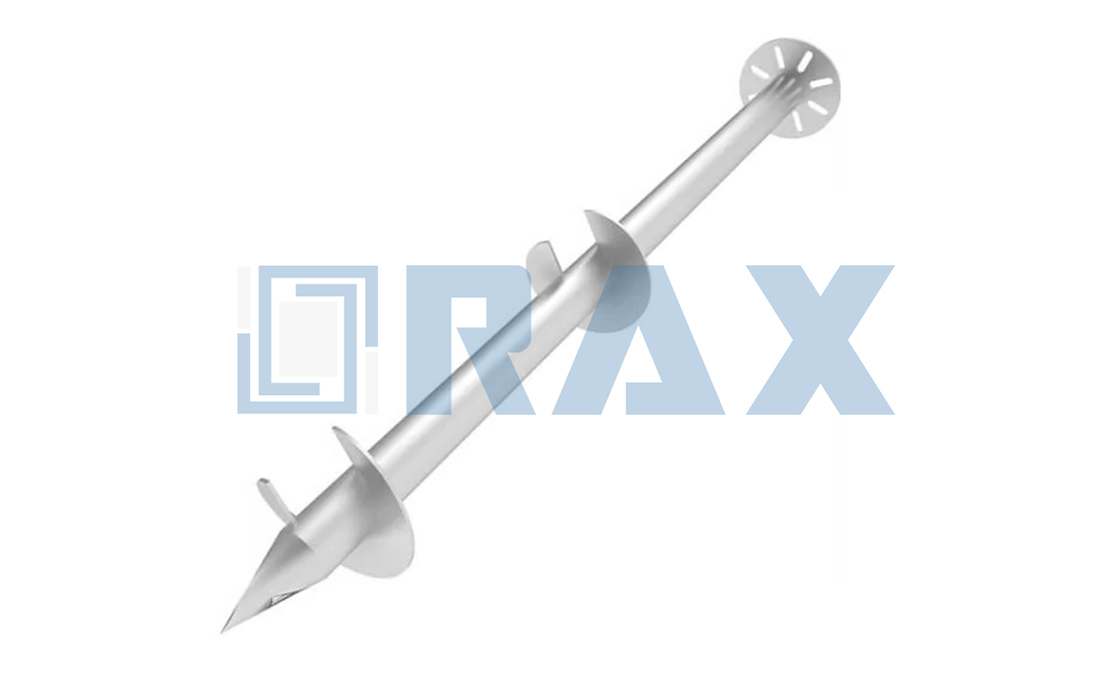
Step 2: Tube Radius and Ring Diameter Specs
- 🏷️ Category: High Voltage Design Specifications
- 🎯 Core Outcome: Dimensional tolerance within 1mm
Analysis:
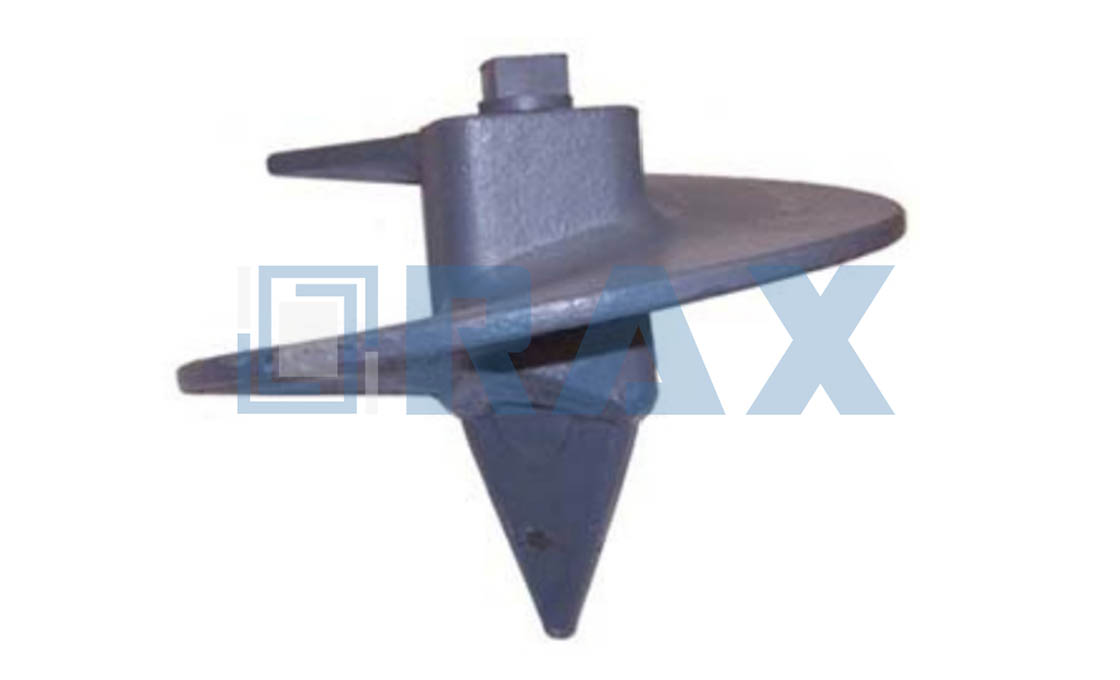
Step 3: Optimal Placement and Mounting Distance Guidelines
- 🏷️ Category: Installation Geometry / Mounting Tolerances
- 🎯 Core Outcome: ±1mm tolerance compliance with zero-field shimming required
Analysis:

Step 4: Conductive Material Selection Criteria
- 🏷️ Category: Conductive Material Selection / Surface Engineering
- 🎯 Core Outcome: >85 micron ISO 1461 galvanization & Ra3.2 surface roughness threshold
Analysis:
Step 5: Simulation Testing Validation Procedures
- 🏷️ Category: Quality Assurance & Validation
- 🎯 Core Outcome: 100% of products inspected twice and load-tested
Analysis:
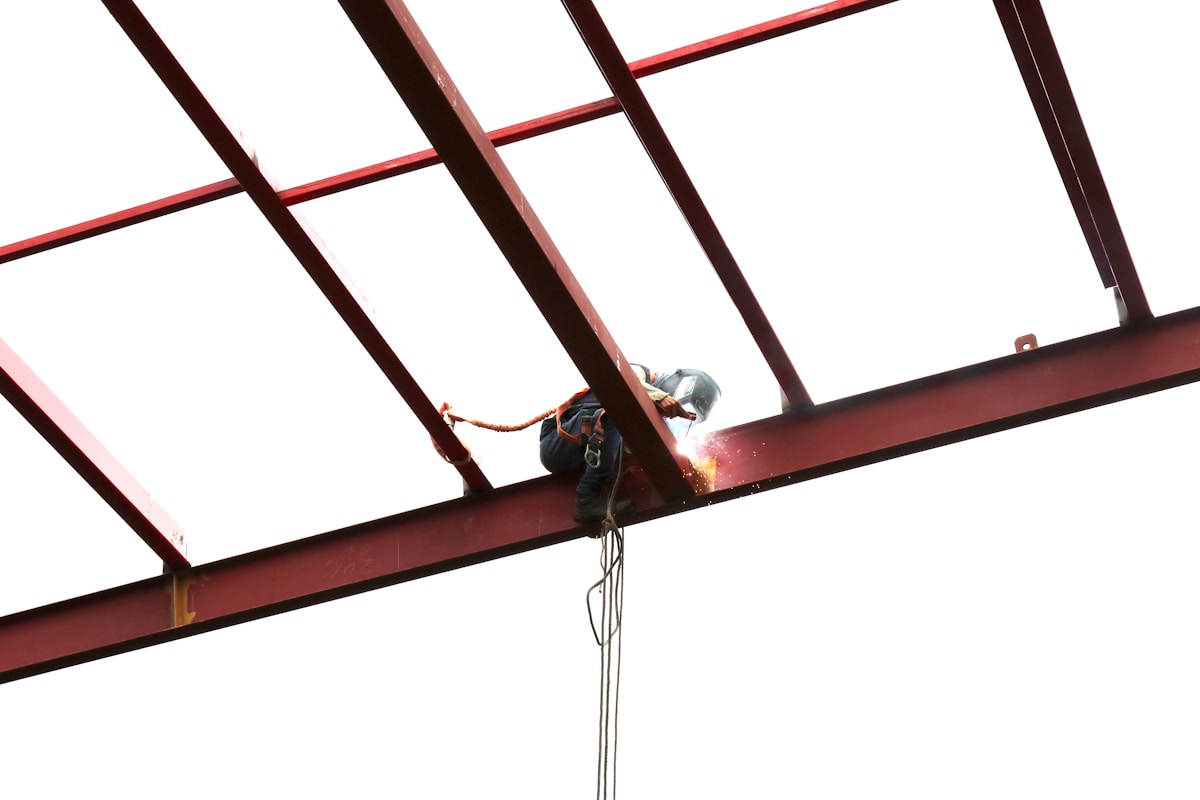
Installation Geometry Error Troubleshooting Steps
Why Does Misalignment Beyond Five Degrees Reduce Effectiveness?
Correcting Spacing Deviations to Prevent Localized Field Intensification
📋 Etapas Práticas
Long-Term Performance Monitoring Best Practices
How Do You Track Audible Noise Reduction Over Time?
Schedule Periodic Inspections for Surface Degradation or Corrosion
📋 Etapas Práticas
Conclusão
Perguntas Frequentes
Quais tipos de solo são mais adequados para estacas escariadas?
Os parafusos de ancoragem apresentam desempenho ideal em solos coesivos, como argila e areias siltosas, onde conseguem atingir alta capacidade de resistência. Eles também são eficazes em areias soltas, desde que seja realizada a verificação adequada do torque. No entanto, solos rochosos ou com presença de blocos podem exigir técnicas especializadas de perfuração ou pré-sondagem.
Como calcular a capacidade de carga de um parafuso de ancoragem?
A capacidade de carga é determinada pela resistência ao cisalhamento do solo, geometria da âncora e diâmetro da hélice. Os engenheiros normalmente utilizam fórmulas empíricas ou programas de análise geotécnica para estimar a capacidade de carga última. É fundamental considerar cargas axiais de tração e compressão no projeto da fundação.
Quão profunda deve ser a instalação de uma âncora de parafuso?
Depth is dictated by the required load capacity and the stability of the underlying soil strata. Typically, anchors are installed until they reach competent soil layers below the frost line or active zone. The number of helices and their spacing are adjusted to achieve the necessary depth and performance.
What role does installation torque play in sizing?
Installation torque serves as a primary indicator of anchor capacity and soil density during placement. Higher torque values generally correlate with greater load-bearing potential in granular soils. Engineers often use torque-capacity correlations to verify that the installed anchor meets the design specifications without excessive testing.
How does corrosion protection affect anchor sizing?
Corrosion protection, such as hot-dip galvanizing or epoxy coatings, adds thickness to the anchor shaft. This extra material must be considered when calculating the effective cross-sectional area for load-bearing purposes. In aggressive environments, thicker coatings or stainless steel components may be specified to ensure long-term integrity.