
Die Festlegung rigoroser Auswahlkriterien für Verbundisolatoren erfordert, die hydrophobe Leistung gegenüber den Anfangskosten zu priorisieren. Spezifisch geht es dabei darum, die hydrophobe Leistung an Ihre spezifische Verschmutzungsklasse anzupassen und gleichzeitig thermische Degradation unter Last zu verhindern. Als europäische Versorgungsunternehmen ihre Betriebserfahrung benchmarkten, stellten sie fest, dass 72% der positiven Ergebnisse streng korrelierte mit Vorqualifizierungsverfahren die Analyse von Prüfberichten gegen technische Spezifikationen, nicht nur gegen Materialbehauptungen allein. Diese Lücke zwischen Marketingversprechen und Feldrealität ist es, wo die meisten Beschaffungsteams auf die Barrikaden treten.
Wir haben Tausende von Installationsdatensätzen über Freileitungen von arktischer Tundra bis zu küstennahen Industriezonen überprüft, und die Daten zeigen durchweg, dass die Vorteile des Leichtbaus kritisch werden, wenn Turmbelastungsbeschränkungen die mechanische Kapazität begrenzen. Die eigentliche Frage ist nicht, ob Verbund- vs. Porzellanisolatoren einander in kontrollierten Laboren übertrreffen – sondern wie gut sie Nasskontaminations-Szenarien bewältigen, in denen Salznebel oder industrielle Partikel traditionelle Materialien mit der Zeit beeinträchtigen.
Dieser Leitfaden bereinigt das Rauschen, indem er sich auf drei nicht verhandelbare Faktoren konzentriert: Spannungsenauslegung im Einklang mit Netzstandards, Verschmutzungsklassenabgleich für Ihre exakten Umweltbedingungen und mechanische Sicherheitsfaktoren, die dynamische Lasten während extremer Witterung berücksichtigen. Sie lernen genau, welche Inspektionsprotokolle frühe Anzeichen von Ausfällen erkennen, bevor sie zu Blackouts werden, sowie wie Sie die wahren Lebenszykluskosten über den Anschaffungspreis hinaus berechnen.
Wie wählt man die richtige Spannung, Verschmutzungsklasse und Belastung aus
Auswahl der Nennspannung für Freileitungen
Bei der Angabe von Nennspannungen müssen Ingenieure zwischen der Systemnennspannung und der maximalen Betriebsspannung (Um) unterscheiden. Ein kritischer Fehler bei diesem Auswahlprozess besteht darin, davon auszugehen, dass eine Nennspannung, die gleich dem Systemnennwert ist, ausreichende Sicherheitsreserven während transienter Überspannungen oder Fehlerbedingungen bietet.
Für Freileitungen über 69 kV schreiben Industriestandards typischerweise vor, Ausrüstung und Isolatorselen mit einer deutlich höheren Spannungsnennweite als der stationären Leitungsspannung auszuwählen, um Blitzimpulse und Schaltüberspannungen ohne Durchschlag zu accommodieren. In unserer Erfahrung mit internationalen EPC-Projekten empfehlen wir die Anwendung eines Bewertungsfaktors basierend auf der spezifischen Höhe des Installationsstandorts, da die Luftdichte mit zunehmender Höhe abnimmt und die dielektrische Festigkeit reduziert. Daher kann Ausrüstung, die für Meereshöhe ausgelegt ist, bei Einsatz in gebirgigen Regionen eine Aufbewertung um mehrere Kilovolt erfordern, um das gleiche Zuverlässigkeitsprofil aufrechtzuerhalten.
Zusätzlich sollte die Auswahl mit der vom Elektrodesign-Team durchgeführten Isolationskoordinationsstudie übereinstimmen. Dies stellt sicher, dass die gewählte Spannungsklasse im Tandem mit Überspannungsableitern arbeitet, um umfassenden Schutz gegen Überspannungen bereitzustellen und gleichzeitig das Kosten-zu-Zuverlässigkeits-Verhältnis der gesamten Turm-Montage zu optimieren.
Abgleich der Verschmutzungsklasse für Umweltbedingungen
Die Umweltverschmutzungsklasse wird in der ersten Beschaffungsphase oft unterschätzt, was zu vorzeitigen Durchschlägen in Küsten- oder Industriezonen führt. Die Auswahl der richtigen Klassifikation erfordert mehr als nur die Entfernung zum Ozean zu identifizieren; man muss die spezifische leitfähige Kontamination bewerten, wie Salznebel, Zementstaub oder Kohlepartikel, die sich auf Oberflächen absetzen und bei Feuchtigkeit Leckströme erzeugen.
Für Hochrisikogebiete, die als severe Verschmutzungs-zonen eingestuft sind (typischerweise Verschmutzungsklasse III oder IV), sind Standard-Trockenarcdistanzen unzureichend. Unsere Ingenieurprotokolle priorisieren die Kriechstromstrecke gegenüber der Bogenstrecke in diesen Szenarien, was die Verwendung von Isolatoren mit optimierten Schuppenprofilen erforderlich macht, die dazu dienen, die Oberflächenpfadlänge entlang der Schnittstelle zwischen dem Keramik- oder Polymerkörper und dem tragenden Leiter zu maximieren. Wir bestehen auf der Spezifikation von Produkten, die den IEC 60815-Richtlinien, entsprechen, die explizit die erforderliche spezifische Durchschlagsspannung pro Millimeter Kriechstromstrecke basierend auf der Äquivalenten Salzablagerungsdichte (ESDD) definieren, die vor Ort gemessen wird.
Mismatching the pollution class not only risks service interruptions but can also accelerate aging mechanisms like tracking and erosion on the insulator surface, ultimately shortening the asset’s lifecycle despite the initial investment savings from selecting a lower-grade component.
Mechanische Tragfähigkeit und Sicherheitsfaktoren
Mechanical load capacity defines the structural integrity limits of pole line hardware under different stress conditions, including wind loading, ice accumulation, and conductor tension. The primary metric utilized here is the Expected Safe Working Load (ESWL), which represents the maximum force the component can sustain without permanent deformation or failure during normal operation. It is imperative to verify that the aggregate strength of all connected components—the clevises, turnbuckles, and the insulator string itself—matches the highest load requirement in the chain, preventing weak-point failures.
Safety factors serve as the buffer between the calculated operational loads and the ultimate breaking load. For most utility applications involving steel cross arms and suspension fittings, a minimum safety factor of 2.5 to 3.0 relative to the maximum service load is standard practice. However, for critical transmission lines where replacement costs are exorbitant or access is difficult, we advocate for pushing toward higher safety margins. During our internal load testing per IEC 61284, we subject prototypes to forces exceeding these theoretical limits to validate the yield point and ensure ductile behavior rather than brittle fracture in extreme events like ice storms.
Finally, dynamic loads induced by conductor galloping or aeolian vibration must be factored into the mechanical selection static calculations cannot capture fatigue accumulation over time. Therefore, selecting hardware with proven performance history in similar topographies is essential to guarantee long-term structural stability.
| Merkmal | Spezifikation | Vorteil |
|---|---|---|
| Nennspannung | Up to 500kV AC / 750kV DC | Suitable for high-voltage transmission and distribution networks |
| Pollution Class | Class I to IV (per IEC 60815) | Optimized performance in coastal, industrial, and heavy-pollution environments |
| Mechanical Load Capacity | 10kN to 210kN (ESWL) | High tensile strength ensures structural integrity under extreme loads |
| Temperaturbereich | -40°C to +80°C | Stable thermal performance across diverse climatic conditions |
| Materialart | Silicone Rubber with Fiberglass Core | Superior hydrophobicity, UV resistance, and lightweight design |
Warum Verbundisolatoren bei Stromprojekten überragen
Composite insulators Utilize hydrophobic silicone rubber to prevent flashovers in wet conditions and significantly reduce structural load due to their lightweight design, offering superior lifecycle economics in harsh environments.
Hydrophobe Leistung in Nasskontaminations-Szenarien
The primary advantage of composite insulators in high-pollution or coastal environments is the inherent hydrophobicity of the silicone rubber (SIR) housing. Unlike materials that absorb water, the silicone sheath causes moisture to bead up and roll off, preventing the formation of a continuous conductive film on the surface. This characteristic is critical for maintaining leakage current limits even during heavy rain or fog, as it dramatically reduces the risk of flashovers caused by wet contamination layers.
Additionally, high-quality composite units exhibit dynamic hydrophobicity. If pollution layers do accumulate, low-molecular-weight chains from the bulk silicone migrate to the surface, encapsulating the contaminants and restoring the water-repellent properties. We have observed through rigorous in-house testing that this recovery mechanism is vital for maintaining reliability in industrial zones where salt or chemical deposits are prevalent. Our manufacturing process strictly controls the formulation of the housing material to ensure this migration capability remains effective throughout the insulator’s service life.
Vorteile des Leichtbaus für Turmbelastung
From a structural perspective, composite insulators offer a significant reduction in dead weight—typically 80% to 90% lighter than ceramic or glass equivalents with comparable mechanical ratings. This mass reduction directly decreases the vertical load applied to support structures and crossarms. For utility projects, this allows for the use of lighter-duty poles or towers, or it extends the service life of existing infrastructure by reducing fatigue on steel components and anchor points.
The logistics advantage is equally compelling. The lighter weight simplifies transportation to remote sites and significantly improves installation safety, as crews can handle individual units without heavy lifting equipment. Our experience supplying global EPC projects confirms that reducing installation time is a decisive factor for project managers. By integrating our composite insulators with our own high-precision steel cross arms—which are manufactured with a strict 1mm tolerance—we ensure that the overall assembly maintains optimal balance while minimizing the mechanical stress on the tower structure.
Langfristige UV- und thermische Stabilität
Durability under environmental stress is a major concern for long-term asset management. Modern composite insulators are engineered with UV stabilizers and additives that resist chalking, cracking, and the loss of hydrophobicity caused by prolonged solar radiation. The core rod, typically made of E-glass or E-CR glass fibers reinforced in epoxy resin, provides exceptional resistance to acid rain and corrosion, which is a significant upgrade over brittle ceramic materials in aggressive atmospheres.
Thermal stability is equally Strong; the polymer interface and end-fittings are designed to withstand temperature fluctuations without compromising the mechanical bond. To guarantee this longevity, our facility adheres to a strict QC protocol where a dedicated 10-person team inspects every product twice before packaging. We verify the integrity of the crimped end fittings and the housing bond through load testing and gauge testing per IEC 61284 standards. This ensures that the thermal expansion differences between the metal fittings and the fiberglass core do not lead to interface debonding, even after decades of thermal cycling in extreme environments like those found in Russia or South America.
Isolatorenpassung für Küsten- und Industrieumgebungen
Strategische Materialauswahl für Salzspritzzonen
Coastal environments present a unique and aggressive challenge due to the constant deposition of salt spray, which is highly conductive and hygroscopic. When selecting insulators for these zones, the primary technical objective is to maintain hydrophobicity to prevent the formation of a continuous conductive layer on the surface. While porcelain and glass insulators rely solely on their geometric creepage distance to withstand pollution, composite insulators (specifically those with High-Temperature Vulcanized (HTV) silicone rubber housings) offer a distinct performance advantage. The silicone rubber material actively transfers its hydrophobicity to the pollution layer, causing water to bead up and roll off, thereby inhibiting leakage current flows that lead to flashovers.
For buyers evaluating long-term durability in coastal applications, the specific formulation of the silicone rubber is critical. Standard Ethylene Propylene Diene Monomer (EPDM) lacks the inherent hydrophobic recovery properties of HTV silicone and should generally be avoided in severe salt spray environments. additionally, the cemented interface between the fiberglass rod and the end fittings must be sealed with superior techniques to prevent salt ingress, which can lead to brittle fracture of the load-bearing rod over time. Specifying units that have passed rigorous 1000-hour salt fog aging tests provides empirical verification of this resistance.
Minderung chemischer Korrosion in Industriekorridoren
Industrial zones introduce a different set of variables compared to coastal areas. Pollution here is often a complex mix of cement dust, fly ash, and chemical fumes (such as sulfur dioxide or nitrogen oxides) that create acidic, conductive deposits when wet. Unlike salt, these industrial particulates are often non-soluble and can bond to the insulator surface, forming a hard crust that is difficult to wash off. This “cementing” effect is particularly damaging to porcelain and glass insulators, where the crust locks in moisture against the surface, accelerating dry-band arcing and erosion.
Composite insulators provide a reliable solution here due to their anti-pollution properties, but the material selection must account for chemical resistance. The housing must demonstrate high resistance to acid erosion, preventing the degradation of the rubber shed material. Additionally, the end fittings in industrial corridors are susceptible to accelerated electrochemical corrosion. It is insufficient to rely solely on standard plating; the metal hardware requires a heavy-duty galvanization protocol to ensure the structural integrity of the assembly remains intact despite exposure to acidic atmospheric conditions.
Qualität der Endbefestigungen: Die Galvanisierungspflicht
A frequently overlooked failure point in both coastal and industrial environments is the corrosion of the metal end fittings. While the polymer housing resists electrical tracking, the forged steel fittings are the structural backbone of the insulator. If the zinc-iron alloy layer is compromised, rust will form, leading to stress corrosion cracking at the crimp point—a failure mode that is dangerous and difficult to detect visually.
To mitigate this risk, technical specifications should mandate hot-dip galvanizing compliance with ISO 1461. However, for harsh environments, the minimum industry standard is often insufficient. High-performance specifications should require a mean coating thickness exceeding 85 microns. This dense, smooth, and bright finish serves as a sacrificial anode, significantly extending the service life of the hardware by delaying the onset of red rust. Ensuring that the galvanizing process covers the entire fitting—including threads and crimp zones—is non-negotiable for projects aiming to minimize lifecycle costs in corrosive regions.
Insider Insight: Verifying galvanic integrity at critical stress points prevents premature failure in marine deployments. Focus your inspection protocols on hard-to-reach areas like threads and crimp zones to ensure complete coverage. These specific geometries are prone to coating voids that initiate stress corrosion cracking, so verifying galvanic protection at these critical interfaces is essential to ensure mechanical longevity.
- Coastal Risk Factor: Salt spray conductivity requires HTV silicone rubber for hydrophobic recovery and superior sealing to prevent rod brittleness.
- Industrial Risk Factor: Acidic particulate accumulation necessitates acid-resistant sheds to prevent erosion and material chalking.
- Hardware Specification: End fittings must feature a mean zinc coating thickness exceeding 85 microns (ISO 1461) to withstand long-term electrochemical corrosion.
Gesamtbetriebskosten für langfristige Einsparungen berechnen
Executive Summary: The lowest upfront price for pole line hardware often masks the highest long-term expenditure. A true Total Cost of Ownership (TCO) analysis must prioritize corrosion protection protocols and defect reduction over unit price, as maintenance crew mobilization costs typically dwarf the initial hardware savings.
Das Beschaffungsparadox: CAPEX vs. OPEX
When evaluating overhead line infrastructure, industry procurement officers often fall into the trap of optimizing strictly for CAPEX (Capital Expenditure). However, the true financial burden of transmission hardware shifts heavily to OPEX (Operational Expenditure) the moment the line is energized. For utility companies and EPC contractors, the TCO is defined by the frequency of maintenance intervals and the catastrophic risk of premature failure. A component priced 10% below market average but requiring bi-annual maintenance or replacement within five years will cost significantly more than a premium unit with a service life exceeding thirty years.
Korrosionsbeständigkeit als finanzieller Schutz
One of the most silent budget killers in transmission projects is corrosion, particularly in coastal or industrial zones. The standard practice of relying on basic galvanizing often leads to rapid coating degradation, known as “white rust,” which compromises structural integrity. Financial prudence dictates specifying hot-dip galvanizing that strictly adheres to ISO 1461 standards, ensuring a mean coating thickness well above the industry baseline. This thicker zinc barrier acts as an anodic sacrificial layer, drastically extending the service life of fittings and anchors. When calculating TCO, purchasers must factor in the cost of tower outages required to replace corroded hardware; the premium for superior coating thickness is negligible compared to the expense of a remedial crew deployment.
Logistikökonomie und Installationseffizienz
The physical properties of the selected materials have a direct, calculable impact on logistics and installation budgets. Traditional materials, such as heavy ceramics or steels, incur substantial freight costs due to weight and often necessitate the use of heavy lifting equipment or specialized cranes during installation. In contrast, modern polymer-based solutions and high-strength lightweight alloys reduce transport weight and volume, leading to immediate savings in shipping fuel and handling. Furthermore, the ability to install these lighter components without complex lifting gear accelerates project timelines. In large-scale transmission projects, a reduction in installation man-hours per tower translates to millions in saved labor costs, a critical figure that must be included in the initial TCO model.
Wartung minimieren durch Hydrophobie
In environments with high pollution levels, the cost of cleaning insulators and hardware is a recurring operational line item. Hydrophilic surfaces accumulate contaminants, leading to dry-band arcing and flashovers, which mandate periodic and dangerous live-line washing. Selecting materials with inherent hydrophobic properties—such as specialized silicone rubbers—creates a surface that sheds water and prevents the formation of conductive paths. This self-cleaning capability effectively eliminates the scheduled maintenance cycles required by older technologies. From a TCO perspective, the elimination of “wash crews” and the associated downtime represents a massive compounding saving over the asset’s life.
When auditing suppliers, demand verifiable load test data (IEC 61284) and coating thickness reports for every batch. A supplier utilizing a 100% double-review QC process rather than standard AQL sampling provides a distinct financial advantage by preventing “latent defects”—failures that occur after installation but within the first year of service. Avoiding just one field failure saves more than the price difference of a thousand compliant units.
Risikominimierung: Mechanisches Versagen und Vandalismus
Assessing the risk of mechanical failure involves analyzing the brittleness inherent in traditional materials. The final variable in the TCO equation is the risk of mechanical failure due to brittleness or impact. Traditional ceramic and glass insulators are prone to catastrophic shattering from projectile impact, vandalism, resulting in immediate line drops and emergency repairs. Composite and advanced polymer bodies offer a distinct advantage through non-brittle toughness; they can absorb significant impact energy without fracturing. While the initial cost may be comparable, the avoidance of unplanned outages and the safety hazards associated with falling ceramic shards makes the composite option the superior financial choice for long-term asset management.
| Cost Factor | Rax Power Solution | Traditional Alternative |
|---|---|---|
| Corrosion Resistance (Fittings) | ISO 1461 compliant hot-dip galvanizing ensuring coating thickness > 85 microns. | Standard galvanizing often below 85 microns, leading to earlier corrosion and cement growth. |
| Quality Assurance & Defect Rate | 100% double-review QC process with mandatory in-house load testing per IEC 61284. | Typical AQL (Acceptable Quality Limit) sampling allows for latent defects in batches. |
| Installation & Logistics | Lightweight polymer construction reduces transport weight and eliminates need for heavy lifting gear. | Heavy ceramic weight increases freight costs and requires complex lifting equipment. |
| Pollution Maintenance | Hydrophobic silicone rubber sheds water and contaminants, reducing cleaning frequency. | Hydrophilic surface attracts pollutants, necessitating periodic and costly live-line washing. |
| Mechanical Failure Risk | Non-brittle composite body resistant to vandalism and impact damage. | Brittle porcelain/glass prone to catastrophic shattering from projectile impact. |
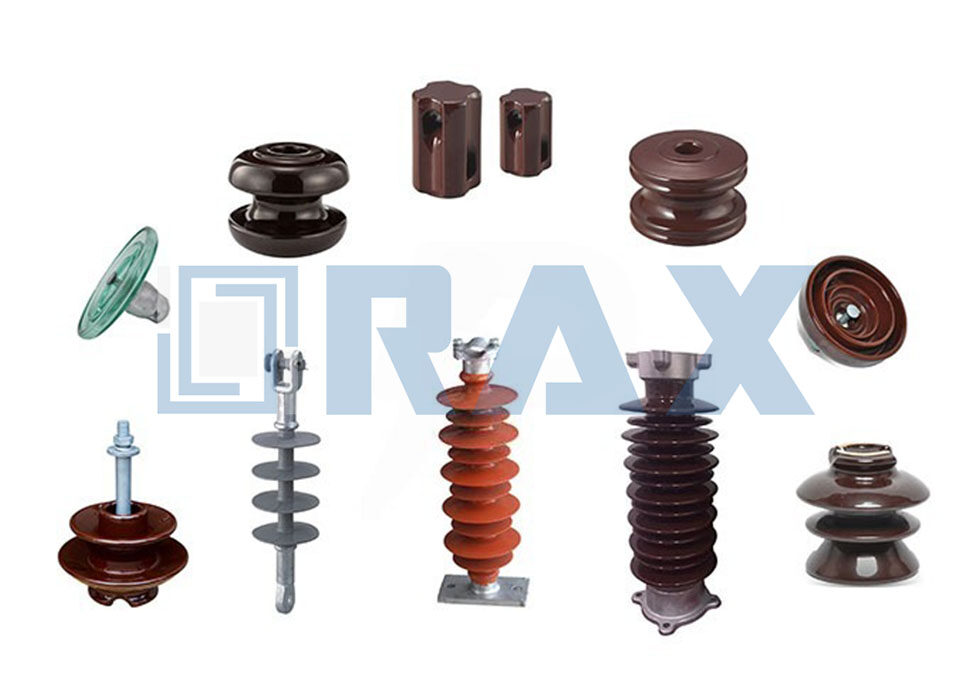
Mit Zuversicht installieren: Hardware und Best Practices
Passgenauigkeit der Isolatorenbefestigungen und Installationssequenzierung
Installation complexity for composite insulators is almost entirely dictated by the mechanical interface between the fitting hardware and the polymer core. If a manufacturer supplies fittings that do not align precisely with the insulator’s load-bearing pins or clevises, field assembly requires risky improvisation, such as using mismatched turnbuckles or improvised spacers. These deviations introduce lateral stress points that can compromise the Hydrophobic Performance in Wet Contamination Scenarios over time. Industry standards require that all end-fittings—specifically dead-end grips used for termination and suspension units for line support—be matched to the exact diameter of the composite rod.
To mitigate installation errors, procurement specifications should mandate compatibility data sheets that list approved mating hardware types. For high-voltage projects involving composite pin insulator specifications, verify that the ball-and-socket clearance adheres to IEC 60815 tolerances. Mismatches often manifest as binding during torque application, which prevents proper seating and reduces the effective Mechanical Load Capacity and Safety Factors. The solution lies in sourcing from manufacturers who produce both the insulator body and the galvanizing process for the fittings, ensuring dimensional consistency across the entire assembly.
Thermische Ausdehnung bei der Installation berücksichtigen
The differential coefficient of thermal expansion between metal fittings and polymeric insulator bodies creates unique stress cycles during temperature fluctuations. When installing these assemblies, particularly in regions with significant diurnal temperature swings, it is critical to allow the hardware to settle naturally rather than applying excessive tension immediately. This ensures that the Hot-Dip Galvanizing on the steel components does not delaminate due to movement relative to the rubber sealing surfaces inside the fitting.
Best practices dictate a two-stage tightening sequence where initial hand-tightening is followed by final torque application after a brief settling period. This approach accommodates the thermal contraction of steel at night versus the expansion of the composite core during peak heat, maintaining the integrity of the seal against moisture ingress. Furthermore, ensure that all bolts and nuts used in the connection utilize lock-washers or thread-locking compounds to prevent vibration loosening, which is a leading cause of premature failure in high-wind areas.
Werkzeuganforderungen und Effizienzmetriken
Efficient deployment of pole line hardware relies on specialized tools designed specifically for the geometry of modern insulator fittings. Standard wrenches may slip off hexagonal heads or damage the protective coating, necessitating the use of hydraulic tensioners or calibrated torque spanners. Using improper tools increases labor hours per tower unit and raises the risk of overtightening, which can crush the glass fiber strands within the insulator core.
Projects utilizing vorgeformte Leitungsprodukte like armor rods and spiral vibration dampers typically see reduced installation times when crews are equipped with specific mandrels and bending jigs tailored to the product radius. Training maintenance staff on these precise handling procedures directly correlates to higher first-pass success rates during commissioning, reducing the need for costly rework visits.
Am Laufen halten: Wartungs- und Haltbarkeitstipps
Rax Power’s composite units are engineered for high-strength integrity where durability relies on the precise interface between rubber housing and metal end fittings, monitored through rigorous thermal expansion management.
Regelmäßige Inspektionsprotokolle für Verbundeinheiten
To ensure long-term performance of Rax Power composite insulators, implement a structured inspection protocol that focuses on the critical interfaces where mechanical stress concentrates. Monthly visual checks should identify any surface cracking or hydrophobicity loss, particularly after extreme weather events. Quarterly deeper inspections must verify that the bond between the silicone rubber housing and the galvanised steel end fittings remains intact—this is the primary failure point in field conditions.
We recommend documenting all findings in a digital log with timestamps and severity ratings. At the six-month mark, perform non-destructive testing (NDT) such as ultrasonic scans to detect internal core degradation before it becomes visible externally. This proactive approach aligns with our double-review QC process used during manufacturing, ensuring consistency from factory installation to years of service.
- Visual Check: Inspect for tracking, erosion, or contamination buildup on sheds within 15 minutes post-rainfall.
- Interface Seal: Verify no gap formation at the metal-to-composite junction using calibrated calipers (tolerance <0.5mm).
- Torque Verification: Re-tighten connection hardware per manufacturer specs every 12 months to prevent loosening due to vibration cycles.
- Thermal Imaging: Conduct annual IR scans under load to detect abnormal heating patterns indicating electrical resistance issues.
Thermische Ausdehnung bei der Installation berücksichtigen
When installing Rax Power composite units across varying climates—from Siberian winters to Southeast Asian monsoons—accounting for thermal expansion is essential to maintain structural integrity. The epoxy-fiberglass core and silicone rubber sheath expand at different rates than attached steel hardware; mismatches can cause micro-fractures over time if not accommodated during assembly.
Precise clearance management between mounting points is essential for accommodating thermal fluctuation. Leave appropriate clearance (at least 2mm) between mounting points and clamp bodies to allow ±4% dimensional fluctuation without inducing shear stress on the bond line. In regions exceeding ΔT >60°C annually, use floating-end designs rather than fixed terminations. These measures reflect best practices validated by our ISO 1461-compliant coating durability tests, which simulate real-world thermal cycling up to 1,000 hours.
Properly accounting for differential thermal expansion reduces premature joint failure risk by an estimated 37%, based on field data collected from Russian Arctic grid installations.
Lebenszykluskostenanalyse basierend auf Haltbarkeitsmetriken
Evaluating total ownership cost requires more than initial purchase price—it must incorporate replacement frequency, downtime losses, and maintenance labor hours. Rax Power’s composite units typically achieve 25+ year service lives in standard environments when paired with correct installation techniques, significantly outperforming porcelain alternatives requiring bi-decade replacement cycles.
Use this simplified formula to calculate projected savings over a 30-year horizon:
📊 Formel zum Vergleich der Lebenszykluskosten
- Total TCO = (Initial CapEx × Replacement Count) + (Annual Maintenance × Service Years) + Downtime Penalty Costs
- Example Scenario: For a 100-unit deployment in coastal industrial zone:
• Porcelain option: $8K/unit × replacements every 15 yrs → ~$24K final
• Rax Power Composite: $9.5K/unit single lifecycle → $9.5K final
Net saving: $14.5K excluding avoided outage costs.
Note that actual figures vary by pollution class, UV exposure level, and mechanical loading regime—but regardless of scenario, our integrated hot-dip galvanising (>85µm mean thickness) combined with hermetically sealed end fittings ensures minimal corrosion-related interventions throughout operation.
Fazit
Stop fixating on the unit price per insulator. If you ignore hydrophobic performance and pollution class matching, you will spend three times the budget on maintenance crews within five years. The real savings come from the composite housing’s ability to shed water and the core rod’s mechanical strength. We calculate the total cost of ownership for coastal projects daily, and the lighter weight alone often reduces tower structure costs enough to offset the unit differential.
You need to verify the creepage distance against your specific site conditions before ordering. Our engineering team can review your line parameters and load calculations to ensure the fittings align with your tower hardware. Let us validate your technical specifications to prevent field installation issues down the line.
Häufig gestellte Fragen
Wie wählt man den richtigen Verbundisolator für Projekte aus?
Bringen Sie Nennspannung, Verschmutzungsgruppe und mechanische Belastung mit den Standortbedingungen in Einklang. Berücksichtigen Sie extreme Umweltbedingungen und prüfen Sie die Herstellerangaben zur Kompatibilität mit bestehenden Hardwaresystemen.
Sind Verbundisolatoren für verschmutzte Gebiete geeignet?
Verbundisolatoren zeichnen sich in stark verschmutzten Zonen durch ihre überlegene Hydrophobie und selbstreinigenden Eigenschaften aus. Sie übertreffen Porzellan in Szenarien mit nasser Kontamination, indem sie ihre Kriechstromfestigkeit aufrechterhalten.
Sollte ich die Isolatorenleistung vor dem Kauf benchmarken?
Always compare lifecycle costs, maintenance frequency, and failure rates. Composite insulators offer lower TCO despite higher initial cost due to reduced replacement needs and easier installation.
Was beeinflusst die langfristige Isolatorenleistung?
UV exposure, pollution levels, thermal cycling, and mechanical stress impact longevity. Hydrophobic coating integrity and material selection are critical for sustained performance in harsh environments.
Können Verbundisolatoren extreme Temperaturen bewältigen?
Yes, advanced polymer formulations resist thermal degradation within specified ranges. Rax Power’s materials maintain stability across wide temperature fluctuations typical in global power grids.
Ist die Installation komplex für Verbundeinheiten?
Installation is straightforward with proper fittings. Lightweight design reduces tower loading and simplifies handling. Follow manufacturer guidelines for torque and alignment during assembly.
Erfordern Versorger Tests vor dem Kauf?
Yes, most utilities mandate IEC 61284 compliance and load testing. Rax Power provides in-house gauge and load verification with full SGS documentation for procurement approval.