
The same composite insulator that drifts through twenty uneventful years beside a cornfield can fight for survival on a headland six kilometers away. What separates those two careers is rarely voltage class or mechanical rating. It is the environment the string wakes up in: salt fog, cement dust, ice, thin mountain air or windblown sand. Reading that environment first is what turns a catalog purchase into an engineered application.
Since 2003, RaxPower has built pole line and overhead line hardware for utilities, line builders and distributors. The 170+ specialists across the company keep seeing the same lesson in export orders. The operating environment, not the datasheet midpoint, decides how a composite string should be specified. This guide indexes composite insulator applications by their dominant environmental stressor. The goal is a simple match between product structure and the site actually in front of you.
How Environment Reshapes Composite Insulator Applications
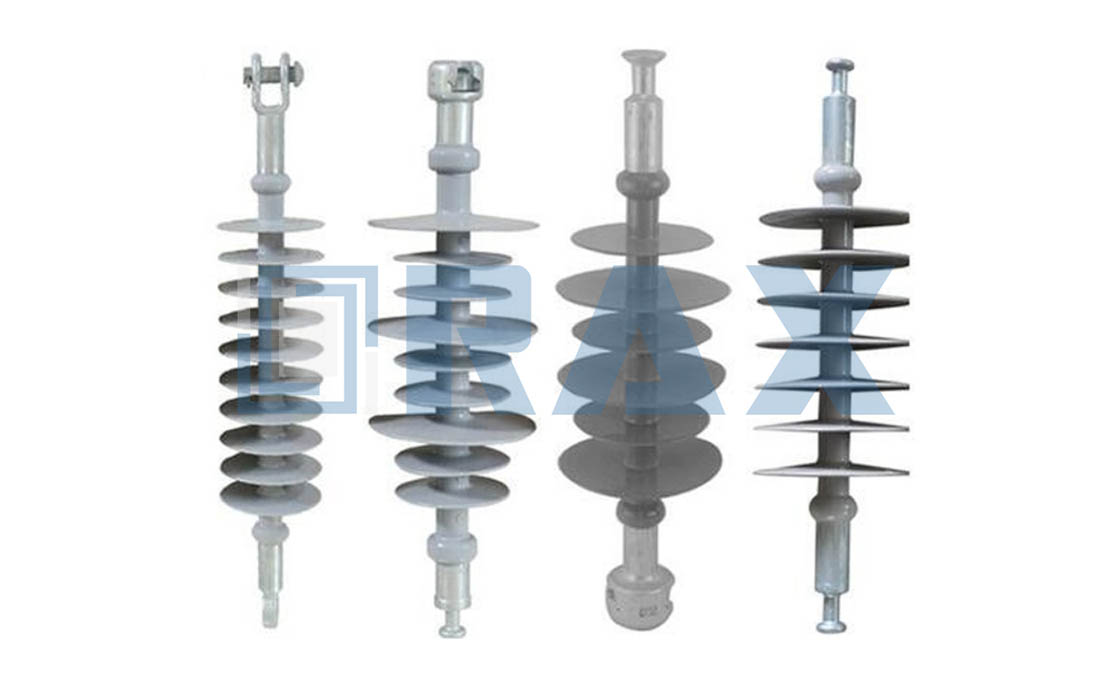
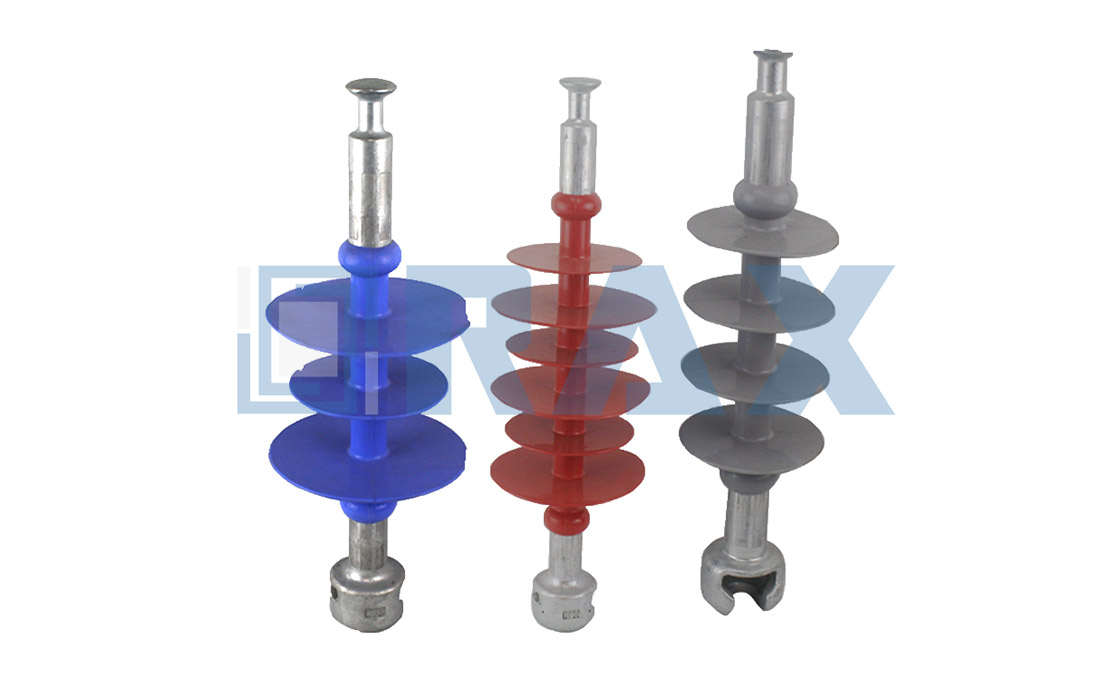
Every composite insulator shares one skeleton: a load-bearing fiberglass core rod, a silicone rubber housing with weather sheds, and aluminum end fittings. The core carries the tension, the fittings pass it to the tower, and the housing does all the weather work. That division of labor explains why environment, more than circuit diagrams, shapes composite insulator applications.
A housing fights three battles at once. It must repel water films, tolerate ultraviolet radiation, and resist the specific contaminant settling on it. Silicone rubber brings hydrophobicity and, more importantly, hydrophobicity transfer, which lets low molecular weight polymer chains migrate into a pollution layer and keep it repelling water. How long that chemistry holds depends on what the site throws at it.
Until the first monsoon season arrives, a coastal quote and an inland quote can look identical on paper. They then diverge fast in washing cost, leakage current behavior and service life. The five environments below are where that divergence is best documented.
Composite Insulator Applications in Coastal Salt-Fog Zones
Sea salt is the most aggressive common contaminant because it arrives as an aerosol and dissolves into a conductive film during every humid night. Standards treat this as Type B pollution, where the conductive layer is liquid rather than deposited dust. The IEC 60507:2013 salt-fog method exists to reproduce exactly this mechanism in a chamber, spraying the energized insulator with salinity-controlled fog until flashovers trace the limit.
Silicone rubber answers salt fog with hydrophobicity transfer. The polymer migrates into the salt deposit, so dew lands as beads instead of a continuous wet film, and leakage currents stay small. Utilities that switch coastal strings from porcelain to composite report clear reductions in washing frequency, and several document near-elimination of preventive washing programs.
The nuance comes from field case histories published by INMR. Most coastal transmission lines constructed recently in Peru use glass, and on the harshest shore corridors polymeric housings are not permitted, with RTV-coated glass specified instead. One documented exception is a coastal line converted fully to composite insulators in 2009, which has recorded no insulation-caused outages since 2010. For routes within roughly 30 kilometers of the surf, the reported guidance is blunt: avoid polymers, or accept a service life of around four years.
The lesson is not that composites fail at the coast. It is that coastal composite insulator applications deserve route-level classification: distance to breaking surf, wind orientation and rainfall washing all shift the answer. Applied guides to IEC TS 60815-1 typically place open coasts in the medium to heavy severity classes, which corresponds to 34.7 to 43.3 mm/kV of specific creepage.
Composite Insulator Applications Near Heavy Industrial Pollution
Picture the fence line of a cement kiln, a steel works or a lignite-burning station. Conductive and cementing dusts settle on every exposed surface several times per season, and morning fog switches those layers from inert to conductive. Engineers call this Type A pollution and grade it through ESDD and NSDD site measurements rather than guesswork.
On porcelain, the traditional answers were washing crews and extra discs. On composites, the housing chemistry and shed geometry do more of that work. Hydrophobicity transfer wraps industrial dust in silicone molecules, which suppresses the leakage currents that drive dry-band arcing, tracking and erosion. Shed profile carries weight as well, because open, streamlined sheds shed dust faster and leave fewer sheltered pockets than deep skirts.
Housing class matters here. The current IEC 62217 framework separates hydrophobicity-transfer materials from non-HTM housings and applies different test expectations to each. When a supplier datasheet claims compliance, ask which housing class was tested and for how many ageing hours. A housing that passes the 1,000-hour screen can still struggle in cementing dust.
Industrial degradation is also gradual, which makes inspections genuinely useful. Chalking, permanent discoloration and loss of water beading appear seasons before flashover risk concentrates. Plant-boundary lines therefore reward a fixed hydrophobicity check inside the normal patrol routine.
Cold Regions and Ice-Prone Routes
Ice changes the failure physics completely. Freezing rain coats the string, builds icicles and eventually bridges the shed gaps with one continuous ice surface. When the thaw begins, a conductive water film forms over that ice bridge, and flashover risk peaks, not during the freeze itself.
Laboratory studies on iced post insulators have measured iced-state flashover voltages near 45 percent of wet-state values, which is why cold-region utilities plan around the melting window. String geometry helps: alternating shed diameters, longer leakage paths and grading rings all delay bridge formation and interrupt the water film.
Silicone rubber contributes two quieter advantages in frost. Its elasticity and low surface energy help ice detach in sheets during thaws instead of clinging through the whole event. And because composite strings are compact, they present a shorter bridge span than an equivalent stack of discs.
None of this makes an icy line safe by default. Cold-region applications earn their keep through design choices made before installation, then post-storm patrols that look for partial bridging and damaged sheds. Ice flashover remains an active research field, so utilities with severe icing usually justify extra creepage beyond the standard tables.
High-Altitude Lines Above the 1,000 Meter Threshold
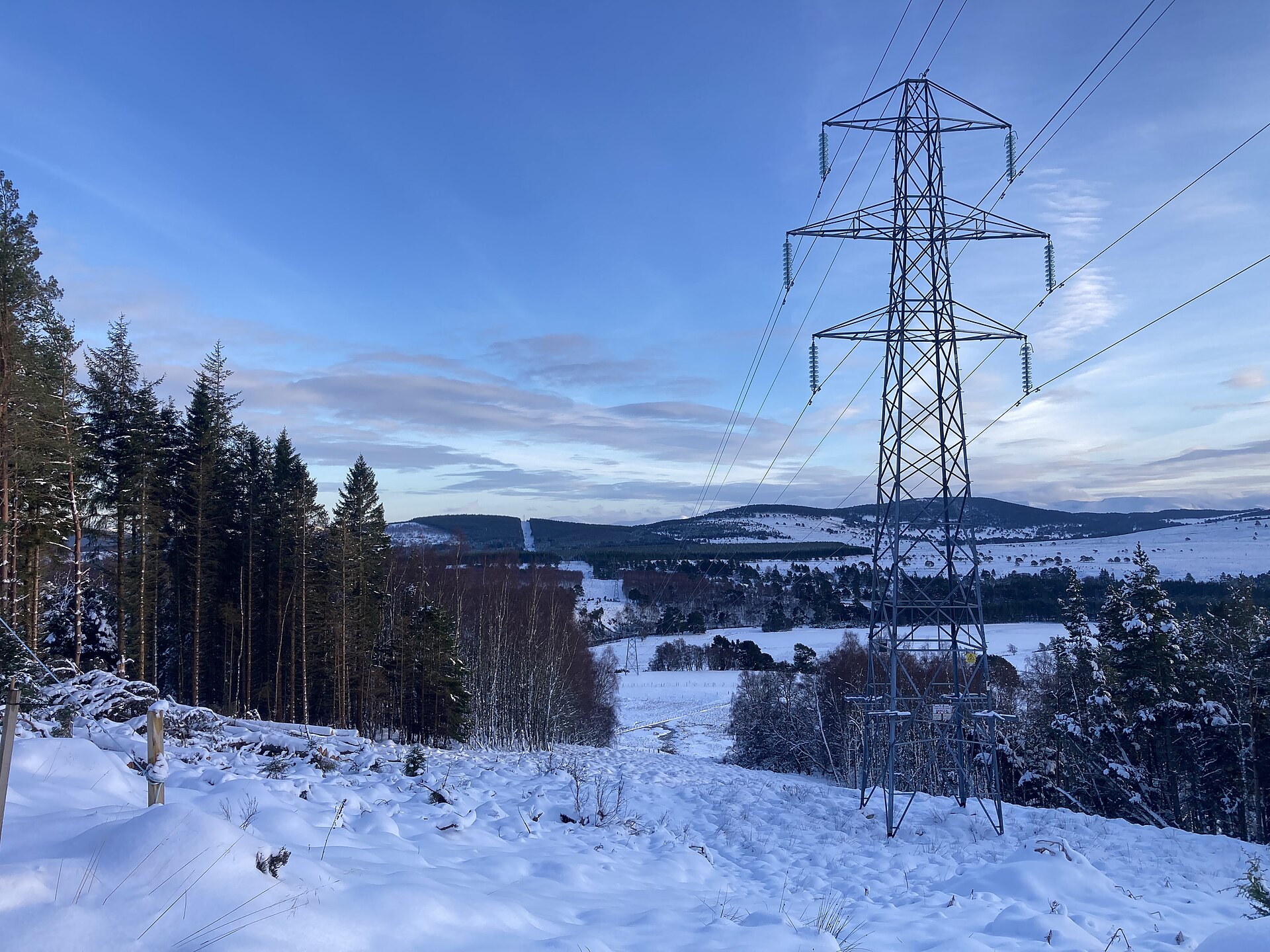
Air gets thin faster than most buyers expect. Above 1,000 meters, reduced air density lowers the withstand voltage of every external insulation gap, and IEC 60071-2 handles it with a correction factor that rises with altitude. In practical terms, a string dimensioned for a lowland line may need more creepage and shed count once the route climbs onto a plateau.
High sun adds a second stress. Ultraviolet dose strengthens with elevation, and housings that weather poorly under UV age visibly within a few seasons. Silicone rubber compounds tolerate sustained UV exposure far better than the early organic polymer chemistries that damaged this technology’s reputation decades ago.
The Andes supply the best documented case. An INMR case history describes Peruvian mountain lines running between 3,260 and 4,570 meters, with 76 percent of towers above the 4,000-meter mark. The operator records no insulation-related failures across two decades of service at those elevations. Rainfall handles natural washing on those corridors, and replacement is planned around an 18 to 20 year cycle.
Desert and Arid Corridors: Dust, Sand and Birds
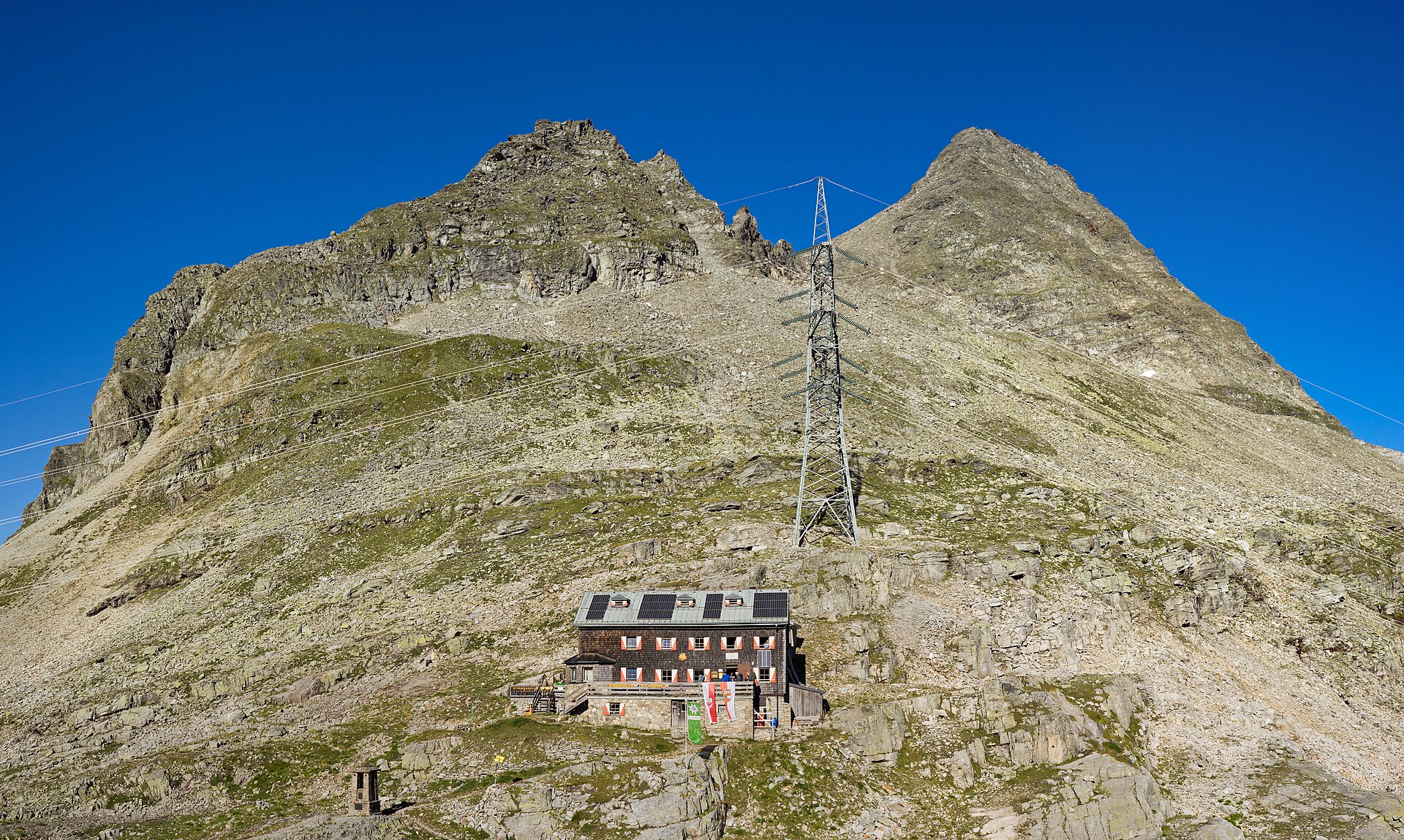
Deserts generate the opposite pollution problem from coasts: abundant non-soluble dust with little salt in it. Severity is dominated by NSDD rather than ESDD, and the dangerous moment arrives when dew or a rare rain wets a thick, cemented layer. Arid flashovers have also been tied to bird streamers, with IEEE-indexed field studies documenting them on 230 kV strings in desert zones.
Hydrophobicity transfer is again the working advantage. A silicone housing keeps deposited dust non-wetting between wetting events, which is why sandstorm-prone networks favor composites over uncoated porcelain. Reviewers of desert-contaminated insulators add a profile note: open shed profiles that resist dust nesting and bridging outperform deep skirts where non-industrial dust dominates. Wind-driven sand adds an abrasion question, so housings in high-wind corridors deserve periodic surface inspection for erosion and chalking.
Because water is scarce, desert programs also think harder about washing logistics. A string chosen for the right creepage class and shed profile defers washing seasons longer than an underspecified one. That difference surfaces directly in operating budgets, which is why environment-first selection is an economic decision as much as a technical one.
Matching Strings to Harsh Sites?
Vergleichen Sie Optionen für Verbund-Suspension-, Spannungs- und Leitungsstützisolatoren mit Gehäusen aus Silikonkautschuk, Glasfaser-Kernstäben und Aluminium-Anschlussstücken. IEC-konforme Prüfunterlagen stehen für Küsten-, Industrie-, Kälte-, Hochgebirgs- und Wüsteneinsätze zur Verfügung.
Matching Creepage Distance to Site Pollution Severity
Alle vier genannten Umgebungen führen auf einen Bemessungsschritt zusammen: die Verschmutzungsschwere am Standort. IEC TS 60815-1 definiert fünf Klassen, von sehr leicht bis sehr schwer, und weist jeder eine einheitliche spezifische Kriechstrecke für den Phasen-Erde-Betrieb zu. IEC/TS 60815-3:2008 passt die Auslegungsmethode dann auf Verbundisolatoren in Wechselstromsystemen an.
| SPS-Klasse | Typischer Wert | USCD, mm/kV Phase-zu-Erde |
|---|---|---|
| a | Sehr leicht: saubere Landluft, Wälder | 22.1 |
| b | Leicht: Ackerland, Stadtränder | 27.8 |
| c | Mittel: innerstädtische Gebiete, leichte Küsteneinflüsse | 34.7 |
| d | Schwer: Industrie, küstennahe Luft | 43.3 |
| e | Sehr schwer: Schwerm Industrieanlagen, brechende Küsten, Wüstengrenzen | 53.7 |
Der Arbeitsablauf belohnt Messungen statt Annahmen. Feldteams klassifizieren die Umgebung, messen ESDD und NSDD an repräsentativen Masten und lesen die erforderliche Kriechstrecke aus den Klassendiagrammen, bevor sie Schirmtanzahl und Profil festlegen. Durch Hydrophobizitätsübertragung können Verbundgruppen bei gleicher Umgebung eine kürzere Kriechstrecke als vergleichbare Porzellanisolatoren aufweisen; extreme Küsten- und Wüstenstandorte können jedoch weiterhin über die Normaltabellen hinausgehen.
Eine Warnung gehört direkt daneben: Die Klassen sind ein Ausgangspunkt, kein Urteil. Standorte in der Nähe brechender Brandung oder von Zementwerken rechtfertigen regelmäßig eine Klasse schwerere Auslegung als die regionale Karte nahelegt. Nicht zufriedenstellende Verbundisolator-Einsätze werden meist aus einer Karte statt aus einem Besuch vor Ort ausgelegt.
Specifying for the Worst Season, Not the Average
Spezifizieren Sie für den Sturm, so wie Sie einen LKW für eine Winterstrecke spezifizieren würden. Der durchschnittliche Tag entscheidet niemals über das Schicksal einer Kette; das ist die Salznebelfront, das Vereisungsereignis oder der Sandsturm. Nach unserer Erfahrung werden die Fragen, die das Überleben im Feld vorhersagen, vor der Bestellung geklärt, nicht nach dem ersten Durchschlagsbericht.
Bevor Sie einen Auftrag für eine der oben genannten Umgebungen vergeben, stellen Sie jedem Lieferanten fünf Fragen:
- Für welche Verschmutzungsschwereklasse und welchen einheitlichen spezifischen Kriechstreckenwert wurde die Kette ausgelegt?
- Welche Gehäusematerialklasse deckt der IEC-62217-Prüfbericht ab und für wie viele Alterungsstunden?
- Was ist das Anschlussstück-System: Aluminiumlegierungs-Anschlussstücke, gecrimpt und gegen Wassereintritt versiegelt?
- Sind Spannungsringe bei dieser Spannung und Konfiguration erforderlich, und sind sie in der Konstruktion berücksichtigt?
- Begleiten laufende Prüfzertifikate jedes Lieferlos?
RaxPower produziert Verbundisolatoren mit Silikonkautschuk-Gehäusen, Glasfaser-Kernstäben und Aluminium-Anschlussstücken und liefert die passenden Isolator-Beschläge Zeichnungen für jeden Kettenentwurf. Dieselbe umweltorientierte Logik gilt durchgehend für die gesamte Produktfamilie: Nennen Sie dem Lieferanten die schlimmste Jahreszeit, die Ihre Trasse erlebt, und die Zeichnungen folgen daraus.
Frequently Asked Questions About Composite Insulator Applications
Do composite insulators still need washing on coastal routes?
In der Regel deutlich weniger als bei Porzellan oder Glas, da die hydrophobe Übertragung Salzschichten nicht benetzbar hält. Einige Versorgungsunternehmen berichten von einer nahezu vollständigen Abschaffung der vorbeugenden Reinigung, während andere Polymere auf ihren am stärksten salzbelasteten Küstenkorridoren einschränken. Einstufen Sie die Strecke zunächst, dann legen Sie den Reinigungsplan fest.
Are composite insulators suitable for desert sandstorm regions?
Ja, sofern das Staubverhalten technisch ausgelegt ist. Silikonkautschuk überträgt Hydrophobizität in abgelagerten Staub, sodass Tau und seltener Regen perlen statt einen Film bilden. Da Trockendurchschläge zudem Vogelspritzer und Nasssand-Ereignisse umfassen, sind ausreichende Kriechstrecken zu spezifizieren und Gehäuse auf Windschliff zu inspizieren.
Do composite insulators need correction above 1,000 meters altitude?
Über 1.000 Meter wendet IEC 60071-2 einen Höhenkorrekturfaktor auf die erforderlichen Durchschlagsfestigkeiten an, da dünnere Luft die äußere Isolierung schwächt. In der Praxis bestätigen Ausleger Kriechstrecke und Schirmtanzahl für die Installationshöhe statt die tieflandbedingte Kettenauslegung zu wiederzuverwenden.
Why do icy string flashovers cluster during melting periods?
Schmelzen erzeugt einen leitfähigen Wasserfilm über Eis, das die Schirme bereits überbrückt hat, und gibt dem Netzfrequenz-Lichtbogen einen einfachen Pfad. Laborexperimente an vereisten Stützenisolatoren maßen Durchschläge nahe 45 Prozent der Nasszustandswerte. Das gefährliche Fenster ist das Tauen, nicht das Gefrieren.
Which pollution class applies near a heavy industrial plant?
Messen statt schätzen. IEC TS 60815-1 klassifiziert Standorte von sehr leicht bis sehr schwer anhand von ESDD- und NSDD-Messungen; schwere Standorte erfordern etwa 43,3 mm/kV spezifischer Kriechstrecke. Anlagenränder mit leitfähigem Staub rechtfertigen häufig die Klasse schwer.